白酒

Search documents
春晚广告位争夺战:四十年国民记忆与商业暗流
创业邦· 2026-02-17 10:32
Core Viewpoint - The evolution of the Spring Festival Gala sponsorship reflects the changing landscape of China's economy and consumer behavior over the past 40 years, showcasing the transition from material scarcity to technological innovation and brand storytelling [4][24]. Group 1: 1980s to Early 1990s - The 1980s marked a period of material scarcity, where items like watches and radios were symbols of wealth and status, leading to the first brand sponsorship by 康巴丝 (Kangbasi) at the Spring Festival Gala [5][7]. - 康巴丝 sponsored the gala by trading 3,000 quartz watches for advertising, which significantly boosted its brand recognition and sales, reaching an annual production of 1.26 million watches by 1987 [8]. - The sponsorship model evolved, with 中华自行车 (Zhonghua Bicycle) taking over the sponsorship in 1995, reflecting the changing consumer demands and economic conditions [9][14]. Group 2: Mid-1990s to Early 2000s - The mid-1990s saw a surge in consumer spending, with the emergence of "标王" (advertising king) sponsorships, particularly in the liquor industry, exemplified by 山东孔府宴酒 (Shandong Confucius Feast Wine) and 秦池酒 (Qinchijiu) [11][12]. - 秦池酒's sponsorship led to a dramatic increase in sales from 1.8 billion yuan in 1995 to 9.5 billion yuan in 1996, highlighting the impact of gala sponsorship on brand visibility and sales [16]. - The era was characterized by a shift towards consumerism, with brands leveraging the gala to enhance their market presence, although some faced backlash due to quality issues [16]. Group 3: 2000s to Early 2010s - The early 2000s marked the rise of home appliance brands, with 美的 (Midea) becoming a prominent sponsor, securing 11 sponsorships from 2003 to 2014, reflecting the growing importance of brand trust [17][19]. - The cost of advertising skyrocketed, with Midea's sponsorship fee increasing from 6.8 million yuan in 2005 to 57.2 million yuan in 2011, indicating the gala's significant viewership and advertising value [21]. - Brands began to focus on storytelling and emotional connections with consumers, moving beyond mere product promotion to build brand loyalty [23]. Group 4: Mid-2010s to Present - The 2010s saw the rise of internet companies as key players in the advertising space, with platforms like WeChat revolutionizing audience engagement through interactive features like the "red envelope battle" during the gala [25][26]. - The digital transformation of the gala allowed for unprecedented levels of interaction, with WeChat reporting 10.1 billion red envelope transactions on New Year's Eve, significantly enhancing its user base [26]. - The emergence of technology companies in the gala sponsorship landscape reflects a broader shift towards innovation and digital engagement, with brands like Xiaomi and AI robotics showcasing advancements in technology [32].








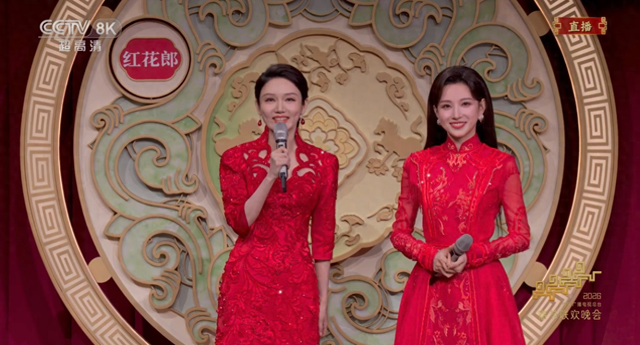
吸睛的一抹红!集“深度、温度、广度”于一身,红花郎红动马年春晚
Xin Lang Cai Jing· 2026-02-17 08:05
Core Viewpoint - The article highlights the partnership between Honghualang and CCTV's Spring Festival Gala, emphasizing the brand's cultural significance and its role in celebrating the Chinese New Year with global audiences [1][3][12] Brand Presence and Cultural Significance - Honghualang is featured prominently in various segments of the Spring Festival Gala, reinforcing the message that "accompaniment is the longest confession of love" [3][6] - The brand's presence is marked by its first-ever brand logo appearance in a skit, symbolizing the warmth of family connections during the festive season [3][4] Integration of Tradition and Modernity - The program "Hehua Shen" utilizes AI-generated imagery and stage technology to reflect the beauty of seasonal changes, paralleling Honghualang's brewing techniques that align with nature [4] - The brand successfully merges traditional cultural elements with modern technological advancements, showcasing its commitment to innovation while honoring its heritage [4][9] Global Outreach and Engagement - Honghualang's promotional efforts include a thematic video that introduces authentic Sichuan New Year customs to a global audience, supported by various social media platforms [9][10] - The brand's initiatives extend to international venues, such as the United Nations, where it celebrates the Chinese New Year with global representatives, enhancing its cultural mission [10][12] Audience Reception and Impact - The Spring Festival Gala's broadcast featuring Honghualang received positive feedback from viewers, with related hashtags trending on social media, indicating successful audience engagement [6][9] - The brand's visibility during the New Year celebrations, from local gatherings to international landmarks, contributes to a vibrant representation of the Chinese New Year [10][12]
“宇树IPO更稳了”
投资界· 2026-02-17 07:20
Core Viewpoint - The 2026 Spring Festival Gala showcased a significant presence of technology and innovation, particularly in robotics and AI, marking a shift in China's industrial landscape towards hard technology innovation [4][22]. Group 1: Robotics and AI - The gala featured over 20 partners, with a notable focus on robotics, including companies like Yushutech, Magic Atom, and Galaxy General, highlighting the evolution of embodied intelligence in China [3][4]. - Yushutech's performance demonstrated advanced capabilities, contributing to its valuation exceeding 10 billion RMB and accelerating its IPO process [10]. - Galaxy General, a newly established company, achieved a valuation of 3 billion USD after raising 300 million USD, showcasing the rapid growth in the robotics sector [10]. - The event served as a platform for these companies to compete not just in performance but also in intelligence and practical applications, indicating a maturation of the robotics industry in China [11]. Group 2: New Media and Consumer Engagement - The integration of platforms like Bilibili, Xiaohongshu, and Douyin into the gala reflects a shift in how younger audiences engage with traditional media, emphasizing real-time interaction and content creation [16]. - Douyin's role as the exclusive partner for "Vertical Screen Viewing" and Bilibili's position as the exclusive bullet screen video platform illustrate the diversification of media consumption among younger generations [16]. - The rise of emotional consumption brands like Miniso and KAYOU at the gala indicates a cultural shift towards valuing emotional and cultural connections over traditional material consumption [17][18]. Group 3: Industry Transformation - The gala serves as a microcosm of China's industrial transformation, moving from traditional consumer goods to advanced technology and cultural products, reflecting changing consumer preferences [20][22]. - The reduction in alcohol brand presence at the gala signifies a broader trend away from traditional industries towards tech-driven sectors, highlighting the evolving landscape of consumer engagement [20]. - The emphasis on technology and innovation at the gala marks a pivotal moment in China's industrial evolution, suggesting a future focused on hard tech and sustainable growth [22][23].
全阵容解锁!2026年北京台春晚节目单重磅出炉,今晚温情开席
Xin Lang Cai Jing· 2026-02-17 07:01
Core Viewpoint - The 2026 Beijing Broadcasting Television Spring Festival Gala, sponsored exclusively by Qinghua Fenjiu, aims to deliver joy and laughter to families through a vibrant "New Year's Eve dinner" program [10]. Group 1: Event Highlights - The gala features a diverse lineup of performances including cross-talk, skits, song and dance, and creative short films, showcasing the rich cultural heritage of Beijing [10]. - The theme of the event is "Spring Breeze Brings Good Fortune," symbolizing a prosperous new year with a focus on traditional and contemporary artistic expressions [10]. - The event will be broadcasted live at 19:30 on various platforms including Beijing Satellite TV, Beijing Art Channel, and social media, allowing for wide accessibility [10]. Group 2: Performance Details - Notable performances include cross-talk by Cai Ming and Liu Yu, a skit titled "Traveling with the Boss," and a song "New Year Greetings" by Phoenix Legend [3][4]. - The gala will also feature a variety of artists such as Liu Yuning, who will perform "The Right People Will Meet," and a dance titled "Childhood Sweethearts" by Liang Jiahui and others [4][5]. - Special segments include a comedy flash mob and a short film titled "Our New Year's Eve," highlighting the festive spirit and community engagement [6][8].

春晚“含酒量”降低,头部酒企营销逻辑正在重构?
Sou Hu Cai Jing· 2026-02-17 06:57
Core Viewpoint - The participation of liquor companies in the Spring Festival Gala has decreased, reflecting a shift in the industry dynamics and marketing strategies, as companies adapt to changing market conditions and consumer behaviors [1][2][5]. Group 1: Industry Participation Trends - In 2026, only four liquor companies participated in the Spring Festival Gala, a decline from nine in 2024 and seven in 2025, raising questions about the effectiveness of traditional advertising methods [1]. - The correlation between the participation of liquor brands in the Spring Festival Gala and the industry's overall health is evident, with a significant increase in brand participation during periods of industry growth [1]. - The liquor industry saw a sales revenue growth of over 36% from 2020 to 2024, which coincided with an increase in the number of brands participating in the gala [1]. Group 2: Marketing Strategy Shifts - Companies are becoming more cautious about high-cost traditional advertising methods like the Spring Festival Gala, opting instead for more effective digital marketing strategies that offer better tracking and conversion rates [2][4]. - The traditional notion that only first-tier brands must participate in the gala is being challenged by inventory pressures and cash flow needs, leading to a reallocation of resources towards direct consumer engagement strategies [4]. - Brands that continue to invest in the Spring Festival Gala are doing so strategically, using it to reinforce brand presence and consumer confidence rather than merely for short-term sales boosts [5]. Group 3: Future Industry Outlook - The reduction in liquor brands at the Spring Festival Gala signifies a transition towards a more mature marketing approach, focusing on long-term value rather than short-term visibility [5][7]. - The shift from traditional liquor advertising to digital platforms and community engagement reflects a broader change in the industry, moving from mass marketing to targeted communication [7]. - The evolution of marketing strategies in the liquor industry indicates a necessary adaptation to changing consumer preferences and market conditions, emphasizing the importance of understanding consumer needs and quality of operations [5][7].
未来白酒市场的竞争格局会因营销策略变化而如何发展?
Sou Hu Cai Jing· 2026-02-17 05:06
Core Viewpoint - The article discusses the significant transformation in the Chinese liquor industry, particularly focusing on Kweichow Moutai's shift from traditional distribution to a direct sales model, marking a consumer-centric evolution in the market landscape [1]. Group 1: Channel Revolution - The traditional long-chain distribution model in the liquor industry is rapidly disintegrating, with Kweichow Moutai canceling its traditional distribution system in 2026 to establish a multi-dimensional marketing network [2]. - The new model aims to reduce intermediaries and control channel inventory, allowing prices to reflect genuine supply and demand [2]. - The average gross margin for liquor distributors has dropped from over 20% in 2019 to around 15% by 2025, with net profit margins falling below 5% [2]. - The chairman of Moutai stated that the era of excessive profits for agents has ended, emphasizing the importance of enhancing consumer engagement and real consumption scenarios [2]. Group 2: Marketing Focus Shift - Traditional high-profile marketing strategies are losing effectiveness, as evidenced by the decline in participation of major liquor brands in the 2026 CCTV Spring Festival Gala [3]. - Three refined marketing strategies are emerging: 1. Scene penetration strategy focusing on high-frequency consumption scenarios [3]. 2. Regional precision strategies leveraging brand IP to break through homogeneous competition [3]. 3. Content value binding to create differentiated recognition through emotional connections [3]. - The industry consensus is shifting marketing focus from channel push to consumer pull, with a significant reduction in the primary consumer demographic [3]. Group 3: Future Market Structure - The transformation in marketing strategies is expected to redefine competition rules, leading to three major trends: 1. Supply chain efficiency becoming critical, with DTC models and O2O retail gaining prominence [4]. 2. A dual pricing system where high-end brands penetrate the mass market, with Moutai's price drop stimulating higher opening rates [4]. 3. Innovation capabilities becoming essential, as the demand for healthier, lower-alcohol, and personalized products rises [4]. Conclusion: Return to Essential Competition - The future competition in the liquor industry will be defined by "real opening rates" rather than "channel inventory levels" [6]. - The transformation in marketing strategies is fundamentally about dismantling speculative chains and rebuilding consumer trust [6]. - Leading companies will rely on direct sales efficiency and scene penetration, while regional brands will leverage differentiated IP to navigate challenges [6].

9家变4家,春晚含酒量创新低
盐财经· 2026-02-17 04:07
Core Viewpoint - The article discusses the changing landscape of the Chinese liquor industry, particularly the white liquor sector, as evidenced by the evolving advertising strategies during the 2026 Spring Festival Gala, indicating a shift in market dynamics and competition among leading brands [2][3]. Group 1: Advertising and Brand Presence - The 2026 Spring Festival Gala featured advertisements primarily from four major liquor companies, with Wuliangye being the largest investor, contributing gifts worth 100 million yuan [2]. - The number of white liquor brands participating in the Spring Festival Gala has decreased, with only four brands appearing in 2026 compared to nine in 2024 and six in 2025 [3]. - The use of product placements has also declined, with fewer brands opting for this strategy during the gala, indicating a shift towards more traditional sponsorship roles [3]. Group 2: Market Dynamics and Consumer Engagement - The white liquor market is experiencing intense competition, and while the Spring Festival Gala has historically been effective for brand image building, converting this exposure into sales remains challenging [4]. - Some liquor companies are shifting their marketing strategies towards social media platforms like Douyin and Xiaohongshu, focusing on content marketing related to the Spring Festival and cultural themes [4]. - The industry is moving towards a consumer-centric approach, aiming to reach a broader audience through diverse marketing strategies, while the overall market is expected to continue experiencing structural differentiation and increased concentration [5].



史上最强机器人阵容登台,2026总台春晚合作盘点:29家品牌覆盖AI到潮玩;豆包暂停视频通话功能;智谱:全网寻找“算力合伙人”丨邦早报
创业邦· 2026-02-17 01:06
Group 1 - The 2026 Spring Festival Gala has announced partnerships with 29 brands, covering various fields including AI technology, robotics, transportation, and consumer goods [3][4] - A record number of six robotics brands, including Magic Atom and Galaxy General, will showcase at the gala, marking the largest robot lineup in the event's history [3][4] - The gala will feature new media collaborations with platforms like Xiaohongshu and Douyin, with Bilibili serving as the exclusive bullet screen video platform [3][4] Group 2 - OpenAI's CEO announced that Peter Steinberger, the creator of OpenClaw, will join OpenAI to advance the development of next-generation personal intelligent agents [5] - Zhipu AI reported a surge in demand for GLM-5, leading to service delays, and has initiated a "computing power partner" recruitment plan to enhance service capacity [6] - Douyin's vice president stated that the 2026 Spring Festival Gala will be the first public project to deeply utilize the domestic AI video generation model Seedance 2.0 [6] Group 3 - The 2026 Spring Festival Gala has seen a significant increase in robot-related searches, with a 300% rise in search volume and a 460% increase in customer inquiries on JD.com [23] - The gala's robot-themed promotions led to a rapid sell-out of various robots, including high-value models like the GALBOT G1, which sold for nearly 630,000 yuan [23]




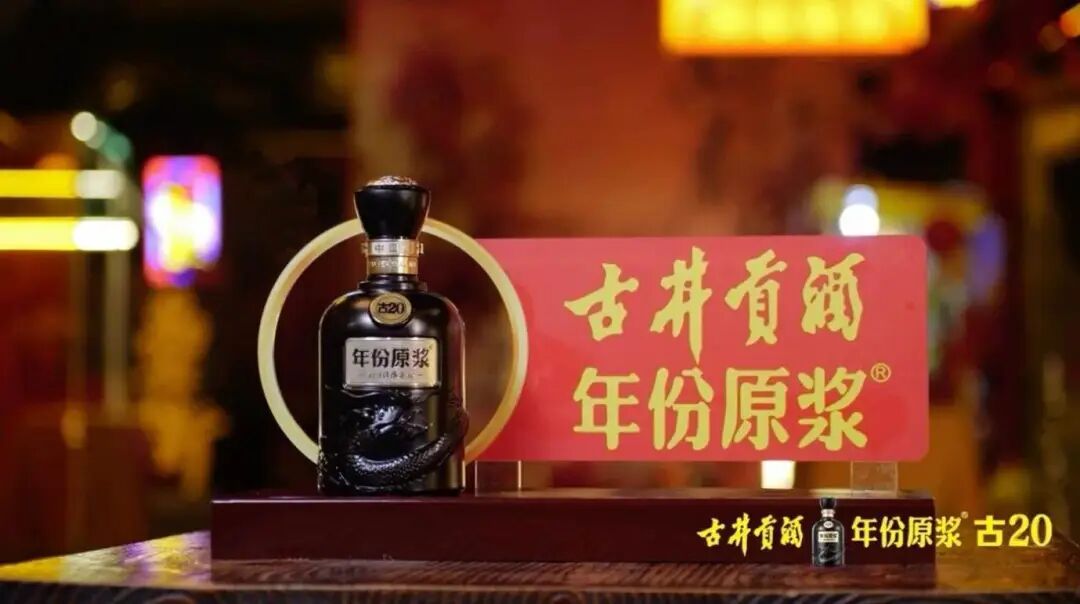
这一届春晚,古井贡酒如何“花式点亮中国年”
Cai Jing Wang· 2026-02-17 00:48
Core Insights - The article highlights the significance of Gujinggongjiu's participation in the 2026 Spring Festival Gala as a unique opportunity to strengthen its brand identity and cultural connection with consumers [1][2][10] - Gujinggongjiu has successfully integrated its brand into the Chinese New Year celebrations, positioning itself as a "national year wine" through consistent marketing efforts over 11 years [8][11] Group 1: Brand Strategy - Gujinggongjiu has been the exclusive partner of the Spring Festival Gala for 11 consecutive years, showcasing its commitment to brand visibility and cultural relevance [2][10] - The brand's marketing strategy includes a comprehensive approach that combines program content, scene creation, and online interaction, creating a complete "New Year cultural experience" [1][7] - The introduction of Liu Tao as the "New Year Blessing Officer" enhances the brand's emotional connection with consumers, leveraging her popularity to convey festive sentiments [4][7] Group 2: Cultural Integration - The setting of the Spring Festival Gala in Hefei, Anhui, allows Gujinggongjiu to emphasize its regional identity and cultural heritage, reinforcing its status as a representative of Anhui [2][11] - Gujinggongjiu's products, such as the "New Year's Eve" series and zodiac-themed offerings, strengthen the brand's association with traditional Chinese New Year celebrations [8][10] - The brand's narrative transcends mere sponsorship, becoming an integral part of the New Year's Eve rituals for many families [2][10] Group 3: Market Positioning - Gujinggongjiu's sustained investment in the Spring Festival Gala has built significant brand equity, differentiating it from competitors and establishing a strong market presence [10][11] - The brand's identity as a "national year wine" enhances its pricing power in the mid-to-high-end market segments, allowing for better sales performance during key occasions [11] - The emotional resonance of the brand with consumers serves as a stabilizing force in a fluctuating market, providing a pathway for premiumization and growth [11]
从9家到4家 春晚“含酒量”创新低
Di Yi Cai Jing· 2026-02-17 00:33
Group 1 - The overall presence of liquor brands in the 2026 Spring Festival Gala has decreased, with only four major liquor companies participating compared to nine in 2024 and six in 2025 [1] - Major liquor brands featured include Wuliangye, which was the largest investor, gifting 136,000 items worth 100 million yuan, and Yanghe, which has been the exclusive timekeeper partner for seven years [1][2] - The number of liquor brand placements has also declined, with fewer brands using product placements compared to previous years, indicating a shift in marketing strategies [2] Group 2 - Liquor companies are adjusting their marketing strategies by collaborating with platforms like Douyin and Xiaohongshu, focusing on content marketing around the Spring Festival [3] - Some companies are shifting their focus to local Spring Festivals to strengthen their influence in regional markets, such as Fenjiu sponsoring Beijing Satellite TV's Spring Festival Gala [3] - Since 2025, liquor companies have been transitioning to a consumer-centric growth model, aiming for diverse marketing strategies to reach a broader audience [4]