
医疗设备

Search documents
港通医疗12月15日获融资买入198.46万元,融资余额2875.08万元
Xin Lang Cai Jing· 2025-12-16 01:26
Group 1 - The core viewpoint of the news is that Kangtong Medical has shown a decrease in financing activities and a significant drop in revenue and net profit for the year 2025 [1][2] - As of December 15, Kangtong Medical's financing balance is 28.75 million yuan, accounting for 2.07% of its market capitalization, which is below the 10th percentile level over the past year, indicating a low financing level [1] - The company reported a revenue of 344 million yuan for the period from January to September 2025, representing a year-on-year decrease of 30.06%, and a net profit attributable to shareholders of -10.21 million yuan, a decline of 150.92% year-on-year [2] Group 2 - Kangtong Medical's main business includes providing medical gas systems and clean operating room solutions, with revenue composition being 55.69% from clean equipment and systems, 37.30% from medical gas equipment, and 4.06% from other medical device sales [1] - As of December 10, the number of shareholders for Kangtong Medical is 7,355, a decrease of 1.68% from the previous period, while the average circulating shares per person increased by 1.71% to 8,571 shares [2] - The company has distributed a total of 48.99 million yuan in dividends since its A-share listing [3]
调研超600人,英伟达这份报告揭示AI医疗未来发展方向
3 6 Ke· 2025-12-16 01:12
Core Insights - The AI healthcare market in China is projected to reach 115.7 billion yuan by 2025 and further increase to 159.8 billion yuan by 2028, indicating rapid growth in the sector [1] - A survey conducted by NVIDIA involving over 600 professionals across various roles in the healthcare and life sciences sectors provides insights into the current state and future trends of AI applications in these fields [1] Group 1: Current AI Applications in Healthcare - The three primary AI use cases in healthcare are medical imaging and diagnostics (47%), clinical decision support (43%), and disease diagnosis and risk prediction (40%) [2] - AI applications in medical imaging are particularly crucial in addressing issues like resource shortages and uneven distribution of quality healthcare, especially in rural areas where misdiagnosis rates are significantly higher [5][6] - AI enhances diagnostic efficiency and accuracy by processing large volumes of data, thereby reducing the risks of misdiagnosis and improving patient outcomes [6] Group 2: Future Trends and Developments - In the next five years, the most impacted areas by AI are expected to be advanced medical imaging and diagnostics (51%), virtual health assistants (34%), and precision medicine (29%) [8] - The integration of AI in medical imaging is anticipated to expand beyond qualitative analysis to include quantitative assessments, enhancing diagnostic capabilities [10] - Virtual health assistants are emerging as a significant trend, driven by increasing consumer demand for health management and the potential to reshape the healthcare industry through enhanced user engagement [11][12] Group 3: Challenges and Solutions - Data-related challenges, including privacy concerns and insufficient training data, are identified as major obstacles to implementing AI in healthcare, with 33% of respondents highlighting these issues [13] - NVIDIA is addressing these challenges by providing a comprehensive solution that includes advanced AI computing platforms and tools tailored for healthcare applications [14] - The NVIDIA Isaac for Healthcare framework supports the development of medical robots by generating realistic training data and reducing development costs through digital twin technology [15][16] Group 4: Collaborations and Industry Impact - NVIDIA has partnered with leading companies like Johnson & Johnson and GE Healthcare to enhance their AI capabilities and streamline product development processes [17] - The NVIDIA Inception program offers support to healthcare startups, helping over 4,000 companies with discounts, technical assistance, and market exposure [18] - NVIDIA's initiatives aim to improve efficiency and address significant challenges in the healthcare sector, contributing to the overall advancement of AI in healthcare [18]


“在中国,我感受到‘敢想敢干’的精神”(见证·中国机遇)
Ren Min Ri Bao· 2025-12-15 22:52
Core Viewpoint - China is committed to an open and win-win approach, continuously optimizing its business environment to instill confidence in multinational companies, including GE Healthcare, to invest and grow in the Chinese market [2][3]. Group 1: Investment and Market Presence - GE Healthcare has established a significant presence in China, with six production bases and over 30 offices, employing more than 7,000 staff and expanding its local R&D team to 1,800 [2]. - The company has launched 150 innovative products in China, indicating that the Chinese market is an essential part of GE Healthcare's global innovation strategy [2]. - Recent investments in innovation in China reflect the company's strong confidence in the market [2]. Group 2: Support and Collaboration - The Chinese government has provided substantial support to GE Healthcare, facilitating its market entry and operations through infrastructure development and talent cultivation [3]. - The emphasis on innovation and intellectual property protection by the Chinese government has encouraged GE Healthcare to localize some of its intellectual property [3]. - GE Healthcare's product development increasingly relies on local design and manufacturing, leveraging China's robust supply chain and technological capabilities [3]. Group 3: Long-term Commitment and Future Outlook - As one of the earliest multinational companies in China, GE Healthcare remains committed to the market, believing that success in China is crucial for its global growth [4]. - The company aims to deepen cooperation with Chinese partners and share development opportunities, promoting collaborative outcomes globally [4]. - There is an optimistic outlook for stable development in US-China relations, which is seen as beneficial for multinational companies operating in both countries [4].


成都科创“扎起”!
Ren Min Ri Bao Hai Wai Ban· 2025-12-15 22:51
Core Viewpoint - The article highlights the integration of technology and daily life in Chengdu, showcasing how innovative solutions are enhancing the quality of life and attracting international talent to the city [10][15]. Group 1: Technological Innovations - Chengdu is demonstrating a unique blend of technology and lifestyle, with examples such as remote-controlled ultrasound devices aiding healthcare in remote areas, and AI-driven diagnostic equipment improving efficiency in hospitals [12][11]. - The city is home to the first "regional energy + green data center" project in Southwest China, achieving an 80% renewable energy supply ratio, which provides centralized heating and cooling for 2.8 million square meters of buildings [12]. - The Chengdu Robot Innovation Center is fostering a collaborative environment for education and industry, with over 300 smart manufacturing devices and partnerships with 23 educational institutions to train engineers [13]. Group 2: Cultural and Culinary Innovations - Chengdu's culinary technology is exemplified by a cooking robot that can replicate traditional dishes like Kung Pao Chicken, already implemented in over 300 restaurants [14]. - The city is also leveraging new materials for innovative applications, such as a device that simulates human breathing to control CO2 levels in greenhouses, showcasing the adaptability of local research [14]. Group 3: Talent Attraction and Integration - Chengdu has established a comprehensive talent service network, offering benefits such as free accommodation for graduates and significant rent reductions for skilled professionals, making it an attractive destination for international talent [15]. - The city is actively promoting its innovative ecosystem, with over 600 matchmaking events held to support local enterprises, demonstrating a commitment to fostering a collaborative environment for innovation [15]. - Experts from various fields express enthusiasm for Chengdu's potential, noting its vibrant atmosphere and the integration of cultural elements into technological advancements, which enhances the city's appeal [16].

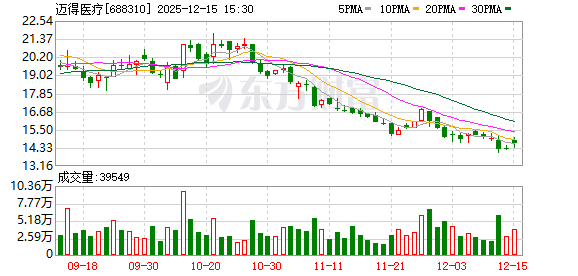
大型医疗设备采购项目“弃标”变多?业内人士:现在行业各方都很难
Mei Ri Jing Ji Xin Wen· 2025-12-15 16:38
Core Insights - The article highlights a growing trend of bid abandonment in the domestic medical equipment tender market since 2025, with notable cases such as GE Healthcare abandoning a bid just three days after winning it [1] Group 1: Bid Abandonment Trends - There has been an increase in cases of bid abandonment in the medical equipment sector, with both voluntary and "lightning" abandonments becoming more common [1] - Major companies, including globally recognized brands, are opting to abandon projects they have already won, indicating a challenging business environment [1] Group 2: Underlying Issues - The rise in bid abandonment is attributed to multiple factors, including malicious low-price competition, biased tendering processes, and frequent professional disputes [1] - Stakeholders in the industry, including health authorities, hospitals, and manufacturers, are facing difficulties in aligning their interests, leading to a disconnect between product quality and pricing [1]
迈得医疗:董事会已审议通过回购股份方案
Zheng Quan Ri Bao· 2025-12-15 13:47
Core Viewpoint - The company, Maide Medical, has announced a share repurchase plan approved by its board of directors during a meeting held on December 11, 2025, indicating a strategic move to enhance shareholder value [2]. Group 1 - The board of directors approved the proposal for share repurchase through centralized bidding [2]. - The details of the share repurchase plan were disclosed in a public announcement on December 13, 2025, on the Shanghai Stock Exchange [2]. - The announcement includes the resolution from the eighth meeting of the fifth board of directors [2].

中标企业频频弃标,大型医疗设备采购有何难言之隐?
Mei Ri Jing Ji Xin Wen· 2025-12-15 12:07
Core Viewpoint - The article discusses the increasing trend of companies voluntarily abandoning bids for medical equipment procurement projects in China, highlighting the complexities and challenges within the industry, including price competition and regulatory issues [2][12]. Group 1: Bid Abandonment Cases - In 2025, there has been a noticeable increase in cases of companies voluntarily abandoning bids in the medical equipment sector, with notable examples including GE Healthcare abandoning a bid just three days after winning [2][9]. - The case of WanDong Medical, which won a bid for a 1.5T MRI system at a price of 4 million yuan, is particularly striking as the company later chose to abandon the bid after a lengthy and complicated procurement process [4][12]. - The article notes that this year marks the fifth case of a medical equipment manufacturer abandoning a bid, indicating a troubling trend in the industry [9][12]. Group 2: Reasons for Bid Abandonment - Common reasons for voluntary bid abandonment include underestimating production capacity before bidding and discovering that the actual profit margins do not meet expectations after winning the bid [13][14]. - The practice of aggressive price competition, where companies submit low bids to win contracts, often leads to situations where the awarded price is unsustainable for project operation, prompting companies to abandon the bid [13][14]. - High-priced bids may also be abandoned if hospitals express concerns about the pricing, potentially leading to discussions that result in the company voluntarily withdrawing [13][14]. Group 3: Industry Dynamics and Challenges - The medical equipment procurement landscape has shifted towards centralized purchasing, which has significantly reduced costs but has also intensified price competition among manufacturers [20][21]. - The article highlights that the current environment is characterized by high inventory levels and a price war among manufacturers, which has led to declining revenues and profits for leading medical device companies [20][21]. - Regulatory bodies are taking action to address issues of price competition, with recent announcements aimed at maintaining fair market practices and preventing below-cost bidding [21].

AI+设计重塑科技行业,新消费产品呼之欲出
2 1 Shi Ji Jing Ji Bao Dao· 2025-12-15 11:33
21世纪经济报道记者柳宁馨 杭州报道 重新审视中国制造业的路径,除了商业和技术,还可以从设计生态、消费时代等多体系出发,甚至可能诞生出一个划时代的智 能产品。 12月12日,第十届中国设计智造大奖(Design Intelligence Award,简称"DIA")颁奖典礼在中国美术学院良渚校区举行。DIA奖项 已迎来第十年,广泛走向全球科技行业,十届大奖累计参赛作品已超65000件,覆盖全球87个国家和地区,涵盖人工智能、生命 健康、数字制造、智慧城市等多个前沿领域,多个项目走向产业化。 21世纪经济报道记者采访了不少获得本届DIA大奖的设计师,他们来自不同的企业,却对智能时代的工业设计有一定共识,产 品设计从来不是单纯的技术堆砌或功能叠加,而是立足用户体验、融合人文情感与系统思维的综合创造,既要坚守对品质的极 致追求,也要有开放的系统视野。 日前,中央经济工作会议将"深化拓展'人工智能+',完善人工智能治理"作为明年要抓好的重点任务之一。"十五五"规划建议提 出,全面实施"人工智能+"行动,加强人工智能同产业发展、文化建设、民生保障、社会治理相结合,抢占人工智能产业应用制 高点,全方位赋能千行百业。 在这 ...

香港医疗设备采购商栢威医药(AED.US)申请美股IPO,拟筹资700万美元
Zhi Tong Cai Jing· 2025-12-15 09:01
Core Viewpoint - The company, Aedus Medical, plans to raise up to $7 million through an IPO, with a proposed share price range of $7 to $9, leading to a market valuation of approximately $87 million [1] Company Overview - Aedus Medical, established in 2003, is based in Hong Kong and operates as a medical device and software procurement company [1] - The company sells medical devices and software to distributors and medical institutions in Hong Kong and mainland China [1] Product Offerings - Aedus Medical's product portfolio includes infusion pumps, anesthetic laryngoscopes, portable X-ray machines, and automated external defibrillators [1] - The company has developed proprietary medical software, including preclinical imaging post-processing software Prim and MRI analysis software iMRIPlus [1] Financial Performance - For the 12 months ending March 31, 2025, Aedus Medical reported projected revenues of $25 million [1] IPO Details - The company intends to list on NASDAQ under the ticker symbol "AED" [1] - Maxim Group LLC is the exclusive bookrunner for this transaction [1]
海泰新光涨1.35%,成交额5588.48万元,今日主力净流入60.14万
Xin Lang Cai Jing· 2025-12-15 07:53
Core Viewpoint - The company, Qindao Haitai New Light Technology Co., Ltd., is experiencing growth in its medical device sector, particularly in endoscopic instruments, benefiting from the depreciation of the RMB and its recognition as a "specialized, refined, distinctive, and innovative" enterprise [2][3]. Group 1: Company Performance - The company reported a revenue of 448 million yuan for the period from January to September 2025, representing a year-on-year growth of 40.47% [7]. - The net profit attributable to the parent company for the same period was 136 million yuan, showing a year-on-year increase of 40.03% [7]. - The company's main business revenue composition includes 64.86% from medical endoscopic instruments, 21.63% from optical products, 13.09% from maintenance services, and 0.42% from leasing [7]. Group 2: Market Position and Recognition - The company has a vertical integration capability in the medical device industry, being one of the few in China that can integrate core components, key equipment, and system integration [2]. - It has been recognized as a "specialized, refined, distinctive, and innovative" small giant enterprise, which is a prestigious title in China for companies excelling in niche markets and innovation [3]. Group 3: Financial Metrics and Shareholder Information - As of September 30, 2025, the company had a total market capitalization of 5.381 billion yuan, with a trading volume of 55.8848 million yuan on December 15, 2025 [1]. - The average trading cost of the company's shares is 46.50 yuan, with the current stock price near a support level of 44.54 yuan [6]. - The company has distributed a total of 277 million yuan in dividends since its A-share listing, with 207 million yuan distributed over the past three years [8].
