
玩具

Search documents
乐自天成港股IPO招股书失效
Zhi Tong Cai Jing· 2025-11-23 23:15
Core Viewpoint - Lezi Tiancheng Cultural Development Co., Ltd. is a leading IP toy company in China, with a strong market position and a comprehensive operational strategy covering the entire industry chain [2] Group 1: Company Overview - Lezi Tiancheng submitted its Hong Kong IPO prospectus on May 22, which became invalid after six months on November 22, with Citigroup and Huatai International as joint sponsors [1] - As of December 31, 2024, the company owns over 100 proprietary and licensed IPs, ranking second among multi-category IP toy companies in China by GMV and third overall in the IP toy sector [2] Group 2: Operational Strategy - The company is one of the few in the industry that operates across the entire industry chain, from IP incubation and development to product design, flexible supply chain management, and comprehensive sales channels [2] - By utilizing flexible supply chain management, the company maintains an efficient and scalable operational structure, enabling continuous product launches of popular licensed IPs such as Crayon Shin-chan and Tom and Jerry [2]


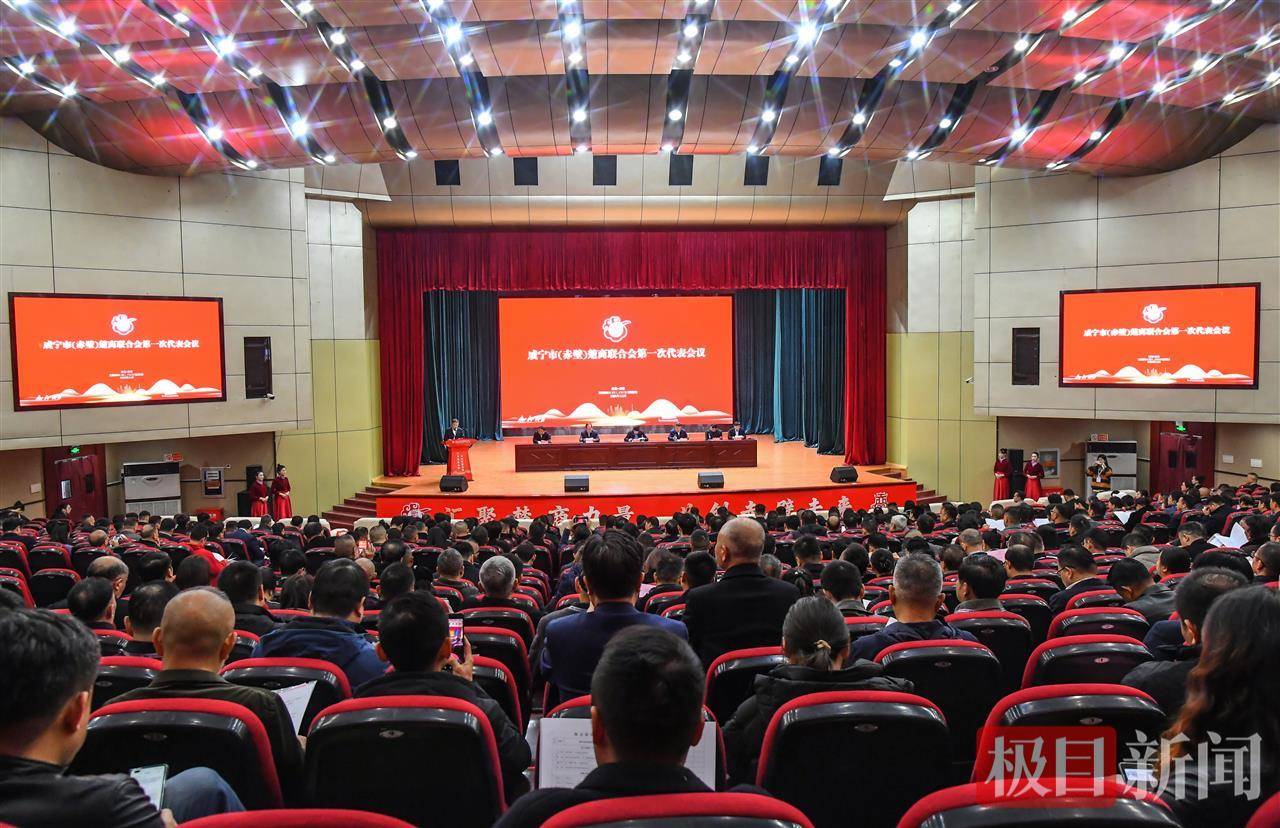
咸宁市(赤壁)楚商联合会成立,“楚商”投资34个项目签约总投资128.9亿元
Sou Hu Cai Jing· 2025-11-23 13:51
通讯员 童金健 但唐静 吕志海 极目新闻记者 张万军 11月22日,咸宁市(赤壁)楚商联合会在万里茶道源头、三国赤壁故里正式成立,湖北万通源国际旅游发展有限公司董事长陈夷平当选楚商联合会首届会 长。同时举行的楚商投资项目签约仪式上,34个投资项目现场签约,总投资128.9亿元,15位企业家获聘赤壁招商大使。 在随后的楚商投资项目签约仪式上,倍特(东莞)玩具科技有限公司等34个项目集中签约,总投资128.9亿元,涵盖绿色交通、现代农业等领域。 近年来,赤壁坚持工业强市、产业兴市,聚力打造以光电子信息、清洁能源、低空经济为主导产业的现代化产业体系,不断塑造区域竞争新优势,积蓄经济 发展新动能。经济总量接连跨越500亿、600亿元大关。如今,赤壁市委、市政府正全力打造"政策最优、成本最低、服务最好、办事最快"的营商环境,以创 新务实举措系统推进楚商产业回归、资本回流、人才回乡。赤壁市委书记董方平希望联合会充分发挥桥梁纽带作用,成为产业协同的"连接器",政企沟通 的"传声筒",楚商回归的"服务站",引领书写"赤壁腾飞、楚商共赢"的崭新篇章。(图片由通讯员提供) (来源:极目新闻) 随后,武汉大学遥感信息工程学院副院长 ...
(经济观察)民企出海“各显身手” 全球市场焕新中国印象
Zhong Guo Xin Wen Wang· 2025-11-23 12:56
Group 1 - The core viewpoint is that Chinese private enterprises are increasingly reshaping the global perception of "Made in China" through innovative products and services, moving from simple product exports to deeper market integration [1][2] - The report indicates that by 2025, the top 500 Chinese private enterprises are expected to report a total R&D expenditure of 1.13 trillion RMB, with an average R&D intensity of 2.77% [1] - The rise of digital technology and cross-border e-commerce platforms, such as SHEIN and Alibaba International Station, has facilitated easier access for Chinese manufacturers to global consumers [2] Group 2 - Chinese companies are adopting localization strategies, such as understanding local cultures and tailoring products to meet regional preferences, which is becoming essential for their internationalization efforts [2][3] - The establishment of overseas R&D centers, production bases, and supply chains, along with hiring and training local employees, allows Chinese enterprises to connect deeply with local markets [3] - This deep connection leads to a shift in global consumer perception of Chinese brands from being price-focused to value-oriented, reflecting a more innovative and open image of China [3]
2025潮玩、谷子、AI玩具,拥抱年轻人爱玩之心-中国银河
Sou Hu Cai Jing· 2025-11-23 10:15
Group 1: Trend of Trendy Toys - The younger generation's "love for play" is reshaping market dynamics, with trendy toys, "Guzi," and AI toys becoming popular among Generation Z due to their emotional value and interactive experiences [1][2] - The trendy toy market has shown strong growth, with a compound annual growth rate (CAGR) of 34% from 2015 to 2022, and is expected to exceed 76 billion yuan in 2024 [1][10] - Generation Z, with a disposable income exceeding 3,500 yuan per month, is a significant consumer group, seeking artistic and unique products while enhancing their sense of belonging through second-hand community trading [1][17] Group 2: Guzi Market Growth - "Guzi," referring to merchandise derived from anime and games, is gaining popularity among young consumers, with the market expected to grow by 41% year-on-year to reach 168.9 billion yuan in 2024 [2][23] - The low price range of Guzi products (10 to 30 yuan) makes them accessible, turning them into "social currency" among teenagers [2][23] - The rapid increase in offline Guzi stores has significantly boosted foot traffic in shopping malls, exemplified by a tenfold increase in a Wuhan mall after introducing Guzi stores [2][31] Group 3: AI Toys Integration - The integration of AI technology into toys is becoming more prevalent, with AI-driven toys expected to account for over 15% of the global toy market by 2025 [6][35] - AI toys, such as Sony's AIBO and Robosen's transforming robots, are gaining popularity, with some products experiencing resale prices exceeding their original prices [6][41] - Chinese companies are actively entering the AI toy market, with products featuring built-in large models for interactive experiences, expanding market boundaries [2][6] Group 4: Cultural Export and Global Appeal - The new wave of toys not only meets the emotional needs of domestic youth but also serves as a significant vehicle for Chinese culture to go global, with brands like Pop Mart achieving explosive growth in overseas markets [3][6] - In 2024, revenue from Pop Mart's Hong Kong, Macau, and overseas businesses is expected to grow by 375% year-on-year, highlighting the global appeal of Chinese trendy toy culture [3][6] Group 5: Investment Opportunities - The trendy toy, Guzi, and AI toy sectors are benefiting from multiple driving forces, maintaining high growth rates and promising future development prospects [6][8] - Recommended companies for investment include Pop Mart, Blok, and Guangbo Co., with a focus on AI toy companies like Shifeng Culture and TCL Electronics [6][8]



2025年IP+商业专题研究:剖析乐高、三丽鸥及万代经营之道,解锁IP潮玩龙头常青路
Sou Hu Cai Jing· 2025-11-23 07:22
Group 1 - The core viewpoint of the report is that the IP toy industry in China is entering a multi-dimensional opportunity period, driven by emotional consumption upgrades, the maturity of domestic IP industries, AI technology empowerment, and global expansion opportunities [1][2]. - The overall scale of the Chinese toy market reached 104.9 billion yuan in 2023, with a year-on-year growth of over 9%, and IP toys accounted for over 60% of the market share [2][16]. - The report highlights that the main consumer groups, particularly those born in the 90s and 00s, are willing to spend on emotional recognition and cultural symbols, indicating a shift in consumption motives from basic needs to emotional experiences [2][31]. Group 2 - The report analyzes the successful strategies of international IP toy giants such as LEGO, Sanrio, and Bandai Namco, emphasizing innovation, diversification, and globalization as core driving forces [3][4]. - LEGO's success is attributed to continuous product innovation and a systematic approach, including collaborations with top global IPs, which has allowed it to expand into media, games, and education [3][5]. - Sanrio has successfully diversified its IP portfolio beyond Hello Kitty, creating new characters to reach a broader audience, resulting in a V-shaped recovery in performance and a market value exceeding 1 trillion yen [3][4]. - Bandai Namco's success is linked to its "IP axis" strategy, which facilitates cross-business collaboration across toys, games, and entertainment, maximizing IP value [4][5]. Group 3 - The report summarizes that successful IP development requires a keen understanding of social and cultural changes, unique cultural cores, and strong user engagement through co-creation [5]. - The commercial value of IP can be enhanced through cross-media storytelling, which helps to extend the IP lifecycle and mitigate risks associated with short-term trends [5]. - Global expansion must be accompanied by localized narratives and partnerships with local industry players to overcome cultural barriers and achieve effective market penetration [5][31]. Group 4 - The report indicates that the Chinese IP toy industry is at a pivotal moment, with significant growth potential as domestic companies enhance their IP operations and innovation capabilities [1][2][5]. - The competitive landscape remains fragmented, with local leaders like Pop Mart and Blokus emerging in specific segments, yet there is still considerable room for market share improvement compared to mature overseas markets [2][25][26]. - The report suggests that companies capable of accurately identifying consumer needs and possessing strong IP management and global perspectives are likely to thrive in the competitive market [5][31].

东莞市掖硝玩具有限公司成立 注册资本10万人民币
Sou Hu Cai Jing· 2025-11-22 21:14
天眼查App显示,近日,东莞市掖硝玩具有限公司成立,法定代表人为郑潇宇,注册资本10万人民币, 经营范围为一般项目:玩具销售;日用百货销售;日用杂品销售;礼品花卉销售;办公用品销售;户外 用品销售;五金产品零售;化妆品零售;玩具、动漫及游艺用品销售;文具用品零售;门窗销售;建筑 装饰材料销售;个人卫生用品销售;互联网销售(除销售需要许可的商品);珠宝首饰零售;工艺美术 品及收藏品零售(象牙及其制品除外);日用品销售;箱包销售;服装服饰零售;母婴用品销售;鞋帽 零售;服装辅料销售;模具销售;木制玩具销售。(除依法须经批准的项目外,凭营业执照依法自主开 展经营活动)。 ...
致命漏洞被戳穿!特朗普关税违法实锤,要退万亿税,美国扛得住?
Sou Hu Cai Jing· 2025-11-22 08:07
Core Points - The Supreme Court hearing on November 5, 2025, posed significant challenges to Trump's tariff policies, with conservative justices questioning the legality of his actions [1][3] - The outcome of the hearing could lead to substantial financial implications for the U.S., potentially resulting in a refund of $750 billion to $1 trillion in tariffs [4][6] - The tariffs have adversely affected U.S. businesses, with companies reporting significant financial losses due to increased costs [6][8] Group 1: Legal and Political Implications - Chief Justice Roberts emphasized that the power to levy taxes belongs to Congress, not the President, highlighting the constitutional principle regarding taxation [3] - Justices appointed by Trump, including Gorsuch and Barrett, raised critical questions about the extent of presidential power in declaring emergencies to impose tariffs [3] - The hearing has shifted market expectations regarding the likelihood of Trump's tariff policies being upheld, dropping from 40% to 27% [3] Group 2: Economic Impact on Businesses - Companies like Learning Resources and Terry Precision Cycling reported significant financial losses due to tariffs, with the latter expecting a loss of $1.2 million by 2026 [4][6] - The tariffs have led to increased costs for major corporations, including Nike, which warned of a potential $1.5 billion loss due to tariffs [6][8] - The Senate passed a resolution to terminate Trump's global tariff policy, signaling a shift towards anti-tariff sentiment [6] Group 3: Global Trade Dynamics - The tariffs have prompted retaliatory measures from other countries, including Canada and Mexico, which have imposed their own tariffs on U.S. goods [8] - The WTO expressed concerns about the potential for a trade war to have catastrophic effects on the global economy, reminiscent of the 1930s [8] - Companies are adjusting their strategies to mitigate the impact of tariffs, with some committing to increased investments in the U.S. to secure tariff exemptions [8]


扬州娜嘉玩具有限公司成立 注册资本100万人民币
Sou Hu Cai Jing· 2025-11-22 02:02
Core Viewpoint - Yangzhou Najia Toy Co., Ltd. has been established with a registered capital of 1 million RMB, indicating a new player in the toy industry [1] Company Summary - The legal representative of Yangzhou Najia Toy Co., Ltd. is Wang Fuxiang [1] - The company is engaged in a wide range of activities including toy sales, sales of anime and gaming products, and wholesale of arts and crafts [1] - The company also focuses on retailing various consumer goods such as clothing, cosmetics, and daily necessities [1] Industry Summary - The establishment of Yangzhou Najia Toy Co., Ltd. reflects ongoing growth and diversification in the toy and consumer goods market [1] - The company is permitted to conduct cultural and artistic exchange activities, which may enhance its market presence [1] - The inclusion of manufacturing capabilities for toys indicates potential for vertical integration within the industry [1]
港股异动 | 新消费概念股午后快速拉升
Xin Lang Cai Jing· 2025-11-21 09:46
Group 1 - New consumption concept stocks experienced a surge, with Hu Shang A Yi rising nearly 11%, and Xiaomi Group-W increasing by 1.22% [1] - Hu Shang A Yi announced a proposed H-share incentive plan aimed at promoting long-term sustainable development and attracting talent, which requires shareholder approval [1] - The brand's store count reached 10,739, marking a net increase of 1,303 stores in four months, entering the "10,000 store club" [1] Group 2 - The toy market, represented by blind boxes and figurines, has been growing rapidly, with retail sales projected to reach 55.83 billion yuan in 2024 [2] - Innovative domestic companies are showcasing strong capabilities in original IP creation and brand operation, enhancing China's toy industry's international influence [2]
恒指收升4点,科技股续弱势
Guodu Securities Hongkong· 2025-11-21 03:01
Group 1: Market Overview - The Hang Seng Index closed slightly up by 4 points or 0.02%, after fluctuating throughout the day, with a high of 25,999 and a low of 25,692 [3][4] - The total market turnover was 245.136 billion, with a net inflow of 15.992 billion from northbound trading [3] - Among 88 blue-chip stocks, 55 saw an increase, while technology stocks continued to show weakness [4] Group 2: Economic Indicators - Hong Kong's inflation rate for October was reported at 1.2%, slightly higher than September's 1.1%, aligning with expectations [7] - The basic inflation rate, excluding government relief measures, remained at 1% [7] - The government indicated that overall inflation is expected to remain mild in the short term due to controlled price pressures [7] Group 3: Corporate News - Sanofi plans to spin off its subsidiary, Mandai, for independent listing on the Hong Kong Stock Exchange, aiming to enhance growth positioning for both entities [11] - Xinyi Energy announced the sale of a 51% stake in a photovoltaic power plant in Tianjin for 515 million RMB, with proceeds allocated for general operational funds [13] - Amax Holdings intends to acquire the Parisian Macao hotel for 1.75 billion HKD, with part of the funds used to repay bank loans [14]