两轮电动车

Search documents
爱玛科技(603529):经营质量提升,业绩符合预期
Changjiang Securities· 2025-10-26 06:45
Investment Rating - The investment rating for the company is "Buy" and it is maintained [7]. Core Views - The company reported a revenue of 21.093 billion yuan for the first three quarters of 2025, representing a year-on-year growth of 20.78%. The net profit attributable to the parent company was 1.907 billion yuan, up 22.78% year-on-year, while the net profit excluding non-recurring items reached 1.834 billion yuan, growing by 26.78% year-on-year. In Q3 2025, the company achieved a revenue of 8.062 billion yuan, a 17.30% increase year-on-year, and a net profit of 695 million yuan, up 15.24% year-on-year [2][4]. Summary by Sections Financial Performance - For the first three quarters of 2025, the company's gross margin was 18.77%, an increase of 1.35 percentage points year-on-year. In Q3 2025, the gross margin was 18.00%, up 1.21 percentage points year-on-year. The company’s operating profit for the first three quarters was 1.967 billion yuan, a 40.31% increase year-on-year, with an operating profit margin of 9.33%, up 1.30 percentage points year-on-year [10][10]. Market Dynamics - The revenue growth was driven by seasonal demand and inventory buildup by dealers in response to the transition period of new national standards. The company has strengthened its core technology capabilities in electric motors, controls, and batteries, creating a competitive edge. The introduction of the AIMA OS smart platform enhances product intelligence and risk management [10][10]. Future Outlook - The new national standards set to be implemented in 2024 are expected to optimize the industry landscape, benefiting leading manufacturers. The continuation of the "old-for-new" policy in 2025 is anticipated to boost domestic demand. The company has established strong brand and cost advantages over its 20 years in the industry and is positioned in the high-end market, which is expected to drive sustained profit growth [10][10]. Earnings Forecast - The projected net profits for the company from 2025 to 2027 are 2.372 billion yuan, 2.840 billion yuan, and 3.213 billion yuan, respectively, with corresponding price-to-earnings ratios of 11.94, 9.97, and 8.81 [10][10].

【直播预告】2026大限将至:两轮电动车的“生死局”与“新王座”
艾瑞咨询· 2025-10-23 00:06
Group 1 - The article highlights new opportunities arising from the new national standards, which reshape the industry by starting from "compliance" and initiating a new race towards quality and intelligence [3] - It discusses the challenges faced by companies as they transition from focusing on speed to prioritizing technology and user experience, indicating a significant transformation period [3] - Consumer demands have shifted from a singular focus on "how far can it run" to a comprehensive experience that includes "safety, intelligence, and aesthetics" [3]


「反叛」的电动车:雅迪摩登如何把「通勤」变成「出片」?
36氪· 2025-10-11 13:35
Core Viewpoint - Brand rejuvenation is a systematic transformation starting from product strength [38] Group 1: Brand Engagement with Youth - Young people use social media to showcase their experiences, creating a demand for brands to engage meaningfully [3][4] - Brands face challenges in standing out and avoiding aesthetic fatigue among consumers [4][5] - Yadea's innovative approach includes opening a creative store in a culturally rich area, integrating local culture and appealing to young consumers [6][9] Group 2: Unique Marketing Strategies - The opening event featured high-profile collaborations and interactive elements, attracting significant foot traffic and engagement [8][33] - Yadea's strategy emphasizes emotional connection and cultural relevance, moving beyond mere trend-following [9][16] - The brand's focus on aesthetics and safety in product design resonates with young consumers' desires for both functionality and style [39][42] Group 3: Product Innovation and Emotional Value - Yadea redefines electric scooters as fashion accessories and social tools, highlighting the importance of emotional value in purchasing decisions [22][23] - The brand's collaboration with Sanrio introduces beloved characters, enhancing emotional appeal and marketability [29][30] - Yadea's product design reflects a deep understanding of female consumers' needs, integrating safety and aesthetic preferences [43] Group 4: Retail Experience and Community Engagement - Yadea's creative stores serve as experiential spaces, transforming traditional retail into community hubs for interaction and engagement [44] - The brand's marketing efforts include participation in major events and collaborations with influencers to enhance visibility and emotional resonance [46][48] - Yadea's approach emphasizes understanding consumer pain points and fostering emotional connections to drive sales [48]


中国摩都,电动车产量半年激增近59%
21世纪经济报道· 2025-10-03 00:10
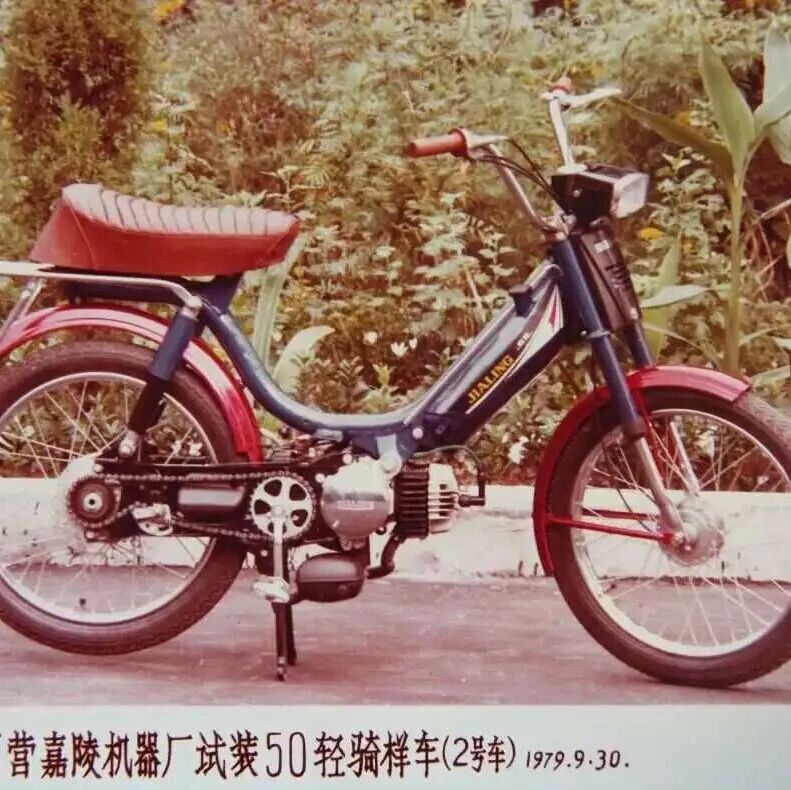
Core Viewpoint - Chongqing is transforming into a global industrial base for smart connected electric vehicles, with ambitious production targets and a focus on electric two-wheelers, aiming for an annual output of over 15 million units by 2027 [1][14]. Group 1: Industry Transformation - The production of electric motorcycles in Chongqing reached 1.45 million units from January to July this year, marking a 34% year-on-year increase, indicating a rapid shift towards electrification [2]. - Chongqing has attracted seven of the top ten electric vehicle companies in China, including Yadea and Aima, with a local supply rate exceeding 60% for key components [1][10]. - The local government has initiated the "Chongqing Smart Connected Electric Vehicle Industry Development Action Plan (2025-2027)," aiming to establish a global industrial base for smart electric vehicles [1][14]. Group 2: Historical Context - Chongqing was once the heart of motorcycle manufacturing in China, producing the first civilian motorcycle, the "Jialing CJ50," in 1979, which symbolized the beginning of motorized transportation for Chinese families [4][7]. - The decline of the "Big Three" motorcycle manufacturers—Lifan, Longxin, and Zongshen—was attributed to policy changes, market saturation, and technological limitations, leading to a significant shift in the industry landscape [8][9]. Group 3: Smart and Electric Integration - The focus is shifting from merely achieving electrification to integrating smart technologies, with companies like Tailin implementing Huawei's HarmonyOS for enhanced connectivity features [12][13]. - The Chongqing government is promoting the development of a "Smart Electric Vehicle Data Service System" to facilitate future applications like battery swapping and shared mobility [10][12]. - The challenge lies in balancing the cost of smart features with consumer willingness to pay, as the electric two-wheeler market is highly price-sensitive [12][13]. Group 4: Global Expansion - With the domestic market reaching saturation, Chongqing's motorcycle companies are looking to expand internationally, particularly in Southeast Asia, Africa, and Latin America [2][16]. - The logistics network in Chongqing is a competitive advantage for exporting electric vehicles, with efficient routes established to key markets [19]. - Companies are adapting their products for international markets, focusing on customization and smart technology to differentiate themselves from competitors [20][21].


2025年年轻宝妈电动车出行白皮书
艾瑞咨询· 2025-10-02 00:03
Core Insights - The article emphasizes the growing influence of the "she economy" in the two-wheeled electric vehicle (EV) market, particularly driven by young mothers who are becoming a key demographic for market growth [1][4]. Market Overview - By the end of 2024, the number of two-wheeled electric vehicles in China is expected to exceed 400 million, establishing them as a mainstream mode of transportation [2]. - Since 2022, annual sales of two-wheeled electric vehicles have consistently surpassed 50 million units, with projections indicating continued strong performance in 2025 [2]. Young Mothers' Profile - The surveyed young mothers generally have a moderate household income and balance childcare with work, adopting a scientific approach to parenting [8]. Purchase Motivations - Convenience and efficiency are the primary reasons young mothers choose two-wheeled electric vehicles, with low costs and ease of learning also contributing to their popularity [10]. - Safety and battery life are the foremost considerations when young mothers select electric vehicles, indicating a practical approach to purchasing [12][13]. Product Preferences - There is a rising demand for smart features among young mothers, alongside a focus on aesthetics, including design style, shape, and color [15]. - Young mothers primarily use electric vehicles for short to medium-distance trips, often for both personal use and transporting children [17][18]. Usage Scenarios - Personal trips are mainly for errands, while social outings cover a broader distance range [20]. - Child transportation is primarily for school drop-offs and recreational outings, with considerations for the child's age and number influencing travel methods [21]. Safety Concerns - Safety is a shared concern for both personal and child transportation, with additional pain points including insufficient storage space and vehicle weight [23]. - Overall satisfaction with safety, quality, experience, and functionality of current electric vehicles is high, but there is room for improvement in meeting young mothers' needs [25]. Design and Smart Features - Satisfaction with the design of electric vehicles has surpassed its perceived importance, indicating a positive reception among young mothers [26]. - Young mothers under 30 show a heightened interest in smart features and design, reflecting a shift towards practical and aesthetic demands [28]. Willingness to Pay - Young mothers are willing to pay for enhanced smart features, appealing designs, and improved safety configurations, with a price point around 5,000 yuan being acceptable [32]. - After learning about the actual price of the Ninebot Q3, 69.5% of young mothers expressed a strong willingness to purchase [32]. Product Appeal of Ninebot Q3 - The Ninebot Q3's safety features, such as SOS calling and dual disc brakes, resonate with 91.2% of young mothers [33]. - Smart features like the RideyFUN AIR driving system attract 88.4% of young mothers, enhancing their travel experience [35]. - The Ninebot Q3's customizable and trendy design appeals to 85.4% of young mothers, catering to their desire for personal expression [37].

江苏制造升级与远征:研发驱动的“走出去”样本
2 1 Shi Ji Jing Ji Bao Dao· 2025-09-26 05:45
Core Viewpoint - Jiangsu's foreign trade has achieved a growth rate of 5.1% in the first eight months of the year, driven primarily by its strong manufacturing sector [1][3]. Group 1: Manufacturing Strength - Jiangsu's total import and export value reached 3.82 trillion yuan, with exports amounting to 2.55 trillion yuan, reflecting a 9% increase [1]. - The province's manufacturing capabilities are highlighted by significant projects such as ultra-high voltage direct current (UHVDC) transmission and high-speed rail, showcasing the strength of Jiangsu enterprises on the global stage [3][5]. - Companies like Bo Rui Electric and Xi Dian Transformer are leading in UHVDC equipment manufacturing, contributing to major international projects [3][4]. Group 2: Technological Advancements - The current wave of international expansion is characterized as a technology-driven upgrade battle, with companies focusing on advanced manufacturing techniques [2]. - Jiangsu's manufacturing sector is increasingly adopting smart manufacturing and digital transformation strategies to enhance global competitiveness [12]. Group 3: Global Market Penetration - Companies such as Yadea and Youao Intelligent Technology are successfully expanding their presence in international markets, with Yadea focusing on Southeast Asia and Youao achieving a 16% global market share in mobile air conditioning [7][9]. - Yadea plans to establish local R&D and production bases to better cater to regional market needs, while Youao is diversifying its market structure and enhancing its e-commerce capabilities [8][10]. Group 4: Future Outlook - Jiangsu's manufacturing sector is set to gain more market competitiveness as it continues to upgrade its smart manufacturing capabilities [13].


新能安与九号联合发力:让优质电池成为两轮车标配
Huan Qiu Wang· 2025-09-20 13:21
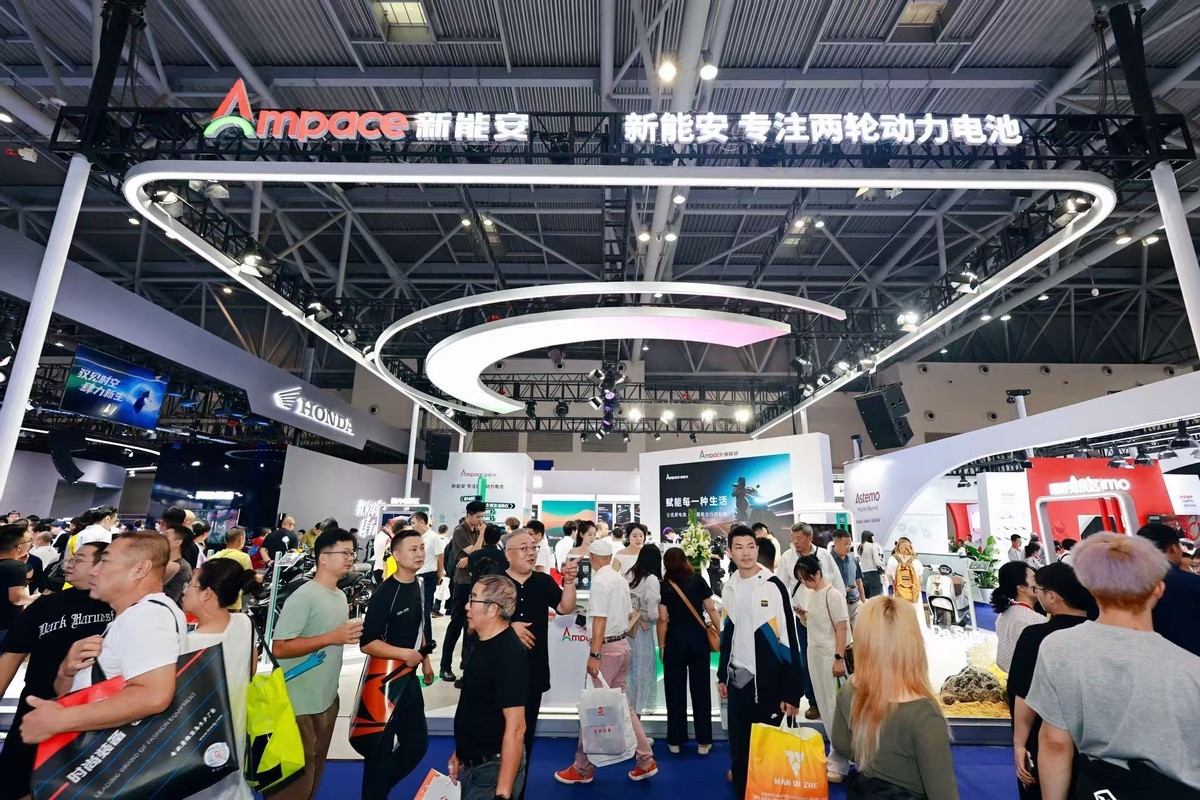
Core Insights - The electric two-wheeler market is experiencing a significant transformation driven by the demand for high safety and high value solutions, as highlighted by the launch of a comprehensive solution by New Energy An at the 2025 China Motorcycle Expo [1][6] - The current domestic electric motorcycle market has nearly 400 million units, but faces challenges such as discrepancies between actual and advertised range, battery degradation over time, and performance issues in cold weather [2][5] - Safety is emphasized as a fundamental aspect of development in the two-wheeler industry, with New Energy An aiming to establish safety as the baseline for all products [5][6] Industry Challenges - Users experience "range anxiety" due to significant differences between advertised and actual performance, as well as "power anxiety" when carrying heavy loads [2][5] - The prevalence of substandard battery modifications poses safety risks and undermines the overall user experience [2][5] New Energy An's Solutions - New Energy An's approach includes a comprehensive safety framework that spans the entire product lifecycle, with over 16,000 testing cases to ensure battery safety and reliability [5][6] - The company has introduced the "Snow Leopard" battery for urban commuting, which utilizes aerospace-grade magnesium alloy for lightweight and high strength, enhancing energy density and efficiency [6] - The launch of the 72V90Ah large single-cell lithium battery aims to address range and performance limitations, offering a capacity of 6.5 kWh and a range of 195 kilometers, while maintaining over 100% capacity retention after 300 cycles [6][9] Market Positioning - New Energy An's battery solutions are positioned as essential assets for commercial operators, enhancing efficiency and reliability in operations [7] - The collaboration with Ninebot aims to integrate smart mobility with intelligent energy solutions, focusing on providing users with safer, smarter, and more flexible travel experiences [9]
电动两轮车何以从无锡锡山走向全球街头?|活力中国调研行
2 1 Shi Ji Jing Ji Bao Dao· 2025-09-17 02:50
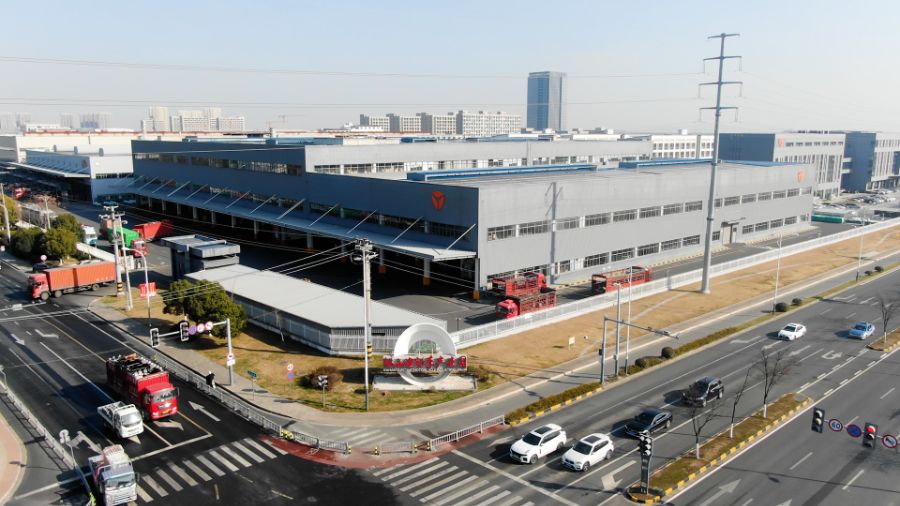
Core Insights - China is the largest producer, consumer, and exporter of electric two-wheelers globally, with Wuxi's Xishan District contributing one-third of the country's production [1] - The revenue scale of the two-wheeler industry in Xishan is projected to reach 66.76 billion yuan by 2024, with cross-border e-commerce exports amounting to 610 million yuan in 2024, accounting for one-seventh of the total electric vehicle exports [1] - The export value of complete two-wheel electric vehicles from Xishan reached 190 million USD in the first half of 2025, marking a year-on-year growth of 19.5% [1][2] Industry Development - The two-wheeler industry in Xishan began in the early 2000s and has seen significant growth, particularly in international markets since 2020 [1] - Yadea, a leading company in the two-wheeler sector, initiated a large-scale overseas expansion strategy in 2021 due to domestic market saturation and stricter regulations [1][2] - The overseas expansion is supported by the success of Chinese electric vehicles in international markets, especially in Europe and Southeast Asia [2] Market Strategy - Yadea focuses on Southeast Asia for its overseas strategy, adapting products to local needs and establishing R&D centers to develop suitable products [2] - The company aims to build local sales and after-sales service networks, which are crucial for increasing sales [2] - Yadea plans to create a complete local supply chain, covering R&D, production, sales, and after-sales services to meet local demands and reduce costs [2][3] Trade Associations and Support - In 2022, Xishan established the Xishan Electric Vehicle Foreign Trade Association to support the industry’s international trade efforts [5] - The export value of electric motorcycles from Xishan is expected to exceed 400 million USD by 2025, a twentyfold increase from 2000 [5] Logistics and Infrastructure - Overseas warehouses are critical for the export of two-wheel electric vehicles, allowing for faster delivery times compared to direct shipping [6] - Xishan has established 14 overseas warehouses across nine countries, covering over 100,000 square meters [6] - In March, Xishan signed contracts for six global public overseas warehouses to assist small and medium-sized enterprises in reducing logistics times [7] - A new transit warehouse in Xinjiang will facilitate trade with Central Asia, reducing transportation time by 3 to 5 days and lowering logistics costs by over 15% [7]
爱玛科技(603529):业绩符合预期 下半年确定性依然高
Xin Lang Cai Jing· 2025-09-07 12:34
Core Viewpoint - The company reported its semi-annual results, which met market expectations, showing significant growth in revenue and net profit [1] Group 1: Financial Performance - In Q2, the company achieved revenue of 6.8 billion yuan, representing a 21% year-on-year increase, and a net profit of 610 million yuan, up 31% [1] - The average single-unit sales revenue growth was 26% in Q1 and 21% in Q2, while the sales volume growth was 19% in Q1 and 17% in Q2 [2] - The average selling price (ASP) increased by 5% in Q1 and 3% in Q2, with single-unit gross profit at 415 yuan in Q1 and 389 yuan in Q2 [2] Group 2: Market Position and Competitive Advantage - The company has a significant advantage in claiming national subsidies, with over 70% of its stores meeting the qualification requirements [3] - The company is well-positioned to benefit from the increasing concentration in the industry [3] Group 3: Outlook for H2 - The regulatory environment is expected to have a limited impact on terminal sales, particularly in second-tier cities [4] - Strong demand is anticipated in Q3 due to dealers stocking up on older standard vehicles, leading to higher channel inventory [4] - The company has over 10 new models ready for the new national standards, expected to launch in September, with an estimated cost increase of 50-100+ yuan per unit [4] Group 4: Investment Recommendations - The company expects an acceleration in average selling prices in H2, with strong sales performance anticipated in Q3 and limited impact from new standards in lower-tier cities [5] - Revenue forecasts for 2025 and 2026 have been adjusted to 27.4 billion yuan and 30.7 billion yuan, reflecting increases of 27% and 12% respectively [5] - The projected net profit for 2025 and 2026 is 2.6 billion yuan and 3.2 billion yuan, with corresponding growth rates of 32% and 22% [5]
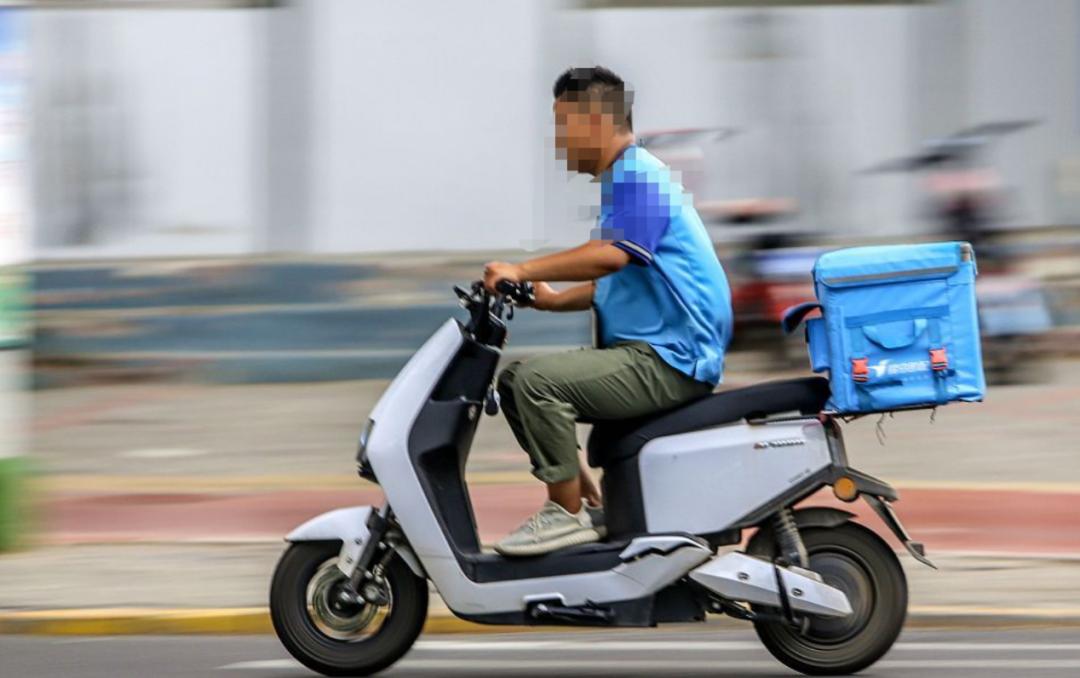
“小电驴”变“小慢驴”,新国标你看懂了吗?
3 6 Ke· 2025-09-02 01:41
Core Viewpoint - The new national standard for electric bicycles, effective from September 1, 2024, introduces stricter regulations aimed at enhancing safety, including a speed limit of 25 km/h and various technical requirements for manufacturers [1][2][11]. Summary of Key Points New National Standard Regulations - The new standard includes nine major changes, such as the automatic power cut-off when speed exceeds 25 km/h, which was already part of the previous standard [2][3]. - It introduces a "speed cut-off" mechanism to prevent modifications that could increase speed beyond the limit [3]. - The requirement for mandatory pedal installation has been removed, allowing electric bicycles to operate without pedals unless they are in electric assist mode [4]. - The weight limit for electric bicycles using lead-acid batteries has been increased to 63 kg, while other types remain at 55 kg [4]. - The total weight of plastic components used in the bicycles cannot exceed 5.5% of the total vehicle weight [4]. - Electric bicycles used for commercial purposes must now include a Beidou positioning module, while private users can choose whether to include it [6]. - Manufacturers are required to specify the recommended lifespan of electric bicycles on product labels [7]. - The braking distance in wet conditions has been significantly reduced, enhancing safety [8]. - The installation of rearview mirrors and turn signals is encouraged, with specific measurements for vehicle dimensions [9]. Transition Period for Old Standards - The implementation of the new standards will occur in phases, with production under the new standard required from September 1, 2025, and sales of old standard vehicles allowed until November 30, 2025 [8][10]. - Consumers are not obligated to replace their existing electric bicycles, allowing for a transition period where old models can still be sold [10]. Implications of the New Standard - The new regulations are primarily focused on safety, addressing the correlation between speed and accident severity [11][13]. - However, there is concern regarding the impact on delivery workers who rely on speed for their jobs, highlighting a potential conflict between safety regulations and operational needs [13]. - The new standards may lead to increased production costs for manufacturers, potentially resulting in higher prices for consumers [14][15].