
住宅地产

Search documents
有一种后悔叫买了“第四代住宅”,看着很高级,实则全是坑!
Sou Hu Cai Jing· 2025-12-01 11:14
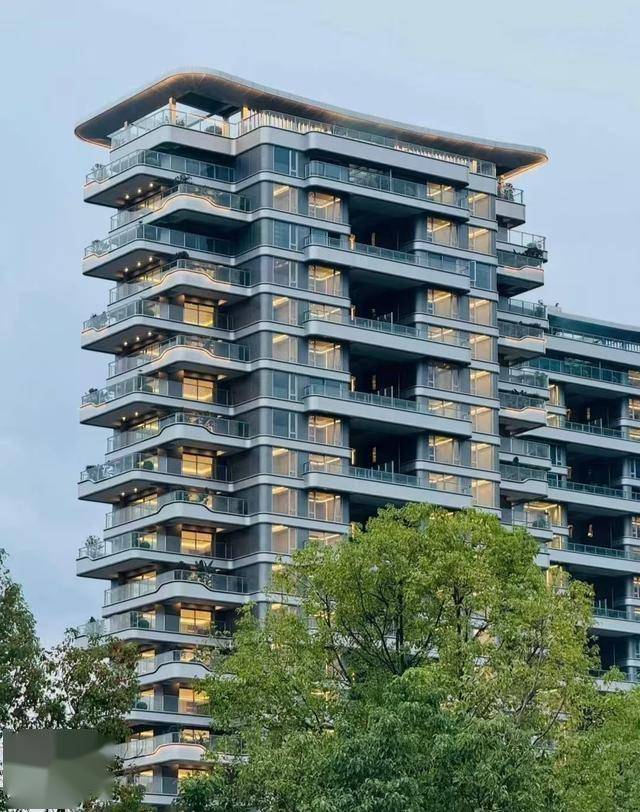
Group 1 - The core concept of "Fourth Generation Housing" is a new residential model that integrates nature and ecological sustainability, also known as "courtyard housing" or "urban forest garden housing" [4][6] - This housing model is characterized by large private balconies or terraces, often exceeding 50 square meters, designed for planting and creating garden landscapes [7][9] - The design encourages homeowners to cultivate plants and vegetables on their balconies, contributing to an overall aesthetic of a "vertical forest" [11] Group 2 - Advantages of Fourth Generation Housing include high usable area rates, with some properties achieving over 120% usable area due to large balconies and additional features like bay windows and entry gardens [13][15] - The private balcony space is often larger than traditional ground-level yards, providing high-rise residents with a sense of having their own garden [15] - The design allows for diverse space functionality, as large balconies can be connected to living areas, enabling flexible interior layouts [17][19] - The modern architectural design of Fourth Generation Housing enhances its visual appeal, making it more attractive to potential buyers [19] - Community spaces replace traditional corridors, fostering closer relationships among residents through shared amenities like libraries and gyms [20][21] Group 3 - Despite its advantages, Fourth Generation Housing has notable drawbacks, including the inability to enclose balconies, leading to safety concerns, especially for families with children or pets [23][25] - Privacy issues arise due to the open balcony design, allowing neighbors to easily see into each other's spaces [27][29] - Maintenance costs for the balconies can be high, as they require regular care for plants and landscaping, which may be burdensome for busy individuals [30][32] - The open design can attract pests and may pose health risks due to the accumulation of moisture and organic matter [33] - Structural safety concerns exist regarding the weight of soil and plants on balcony floors, which may lead to long-term risks [34][36] - The extensive greenery can negatively impact indoor ventilation and natural light, affecting the overall living environment [38] - The design may lead to inefficient movement patterns within the home, complicating daily activities [39] - Higher living costs are associated with property management and maintenance of complex systems, as well as increased renovation expenses [40][42] - The market liquidity for Fourth Generation Housing is lower compared to traditional homes, with higher prices and potential challenges in resale [43][45]

机构:11月全国100个城市新建住宅平均价格环比上涨0.37%
Bei Jing Shang Bao· 2025-12-01 06:33
Core Insights - The average price of newly built residential properties in 100 cities across the country reached 17,036 yuan per square meter in November, reflecting a month-on-month increase of 0.37% [1] - In terms of price changes among cities, 31 cities experienced a month-on-month increase, while 64 cities saw a decrease, and 5 cities remained unchanged [1] - Year-on-year, the average price of newly built residential properties in these 100 cities increased by 2.68% [1] Summary by Category - **Price Trends** - The average price of new residential properties rose to 17,036 yuan per square meter in November, marking a 0.37% increase from the previous month [1] - Year-on-year, there was a 2.68% increase in average prices for newly built residential properties [1] - **City Performance** - Out of 100 cities, 31 reported a month-on-month price increase, while 64 experienced a decline, and 5 cities maintained stable prices [1]
11月百城新建住宅均价为17036元/平方米,环比上涨0.37%,同比上涨2.68%
Jing Ji Guan Cha Wang· 2025-12-01 02:37
Core Viewpoint - In November, the average price of newly built residential properties in 100 cities reached 17,036 yuan per square meter, showing a month-on-month increase of 0.37% and a year-on-year increase of 2.68% [1] Group 1: Price Trends - First-tier cities experienced a month-on-month price increase of 0.75% and a year-on-year increase of 6.66% [1] - Second-tier cities saw a month-on-month increase of 0.36% and a year-on-year increase of 1.89% [1] - Third and fourth-tier representative cities recorded a month-on-month decrease of 0.18% and a year-on-year decrease of 1.55% [1] Group 2: Market Dynamics - The entry of high-end improvement projects in cities like Shanghai, Hangzhou, and Ningbo contributed to the price increases in first and second-tier cities [1]
10以后,国内二三十层的高层住宅,将不得不面临3大难题,很真实
Sou Hu Cai Jing· 2025-11-29 15:00
Core Viewpoint - The article discusses the declining appeal of high-rise residential buildings due to various inherent issues that have emerged over time, including high shared area costs, reliance on elevators, safety concerns, and future challenges related to aging infrastructure and marketability [1][3][6]. Group 1: Issues with High-Rise Residential Buildings - High-rise residential buildings have a higher shared area ratio, often reaching 25% to 30%, compared to 15% to 20% in regular homes, leading to increased costs for buyers [3]. - Residents face elevator congestion during peak hours, and any malfunction can severely hinder mobility, creating significant inconvenience [3][6]. - Safety risks are heightened in emergencies, as elevators may become inoperable during fires or earthquakes, complicating evacuation and rescue efforts [6]. Group 2: Future Challenges for High-Rise Residential Buildings - Aging high-rise buildings will face maintenance challenges, with essential facilities like elevators and plumbing requiring costly repairs that may lead to financial burdens for residents [8]. - The high costs associated with demolishing high-rise buildings, which house many families, make such projects financially unfeasible, resulting in a reliance on minor repairs rather than comprehensive renovations [8]. - The marketability of high-rise residential properties is declining, making it increasingly difficult to sell these units at desirable prices in the second-hand market [9].
选房别只看户型!最全楼层选择指南,住得舒服才是硬道理
Sou Hu Cai Jing· 2025-11-29 00:57
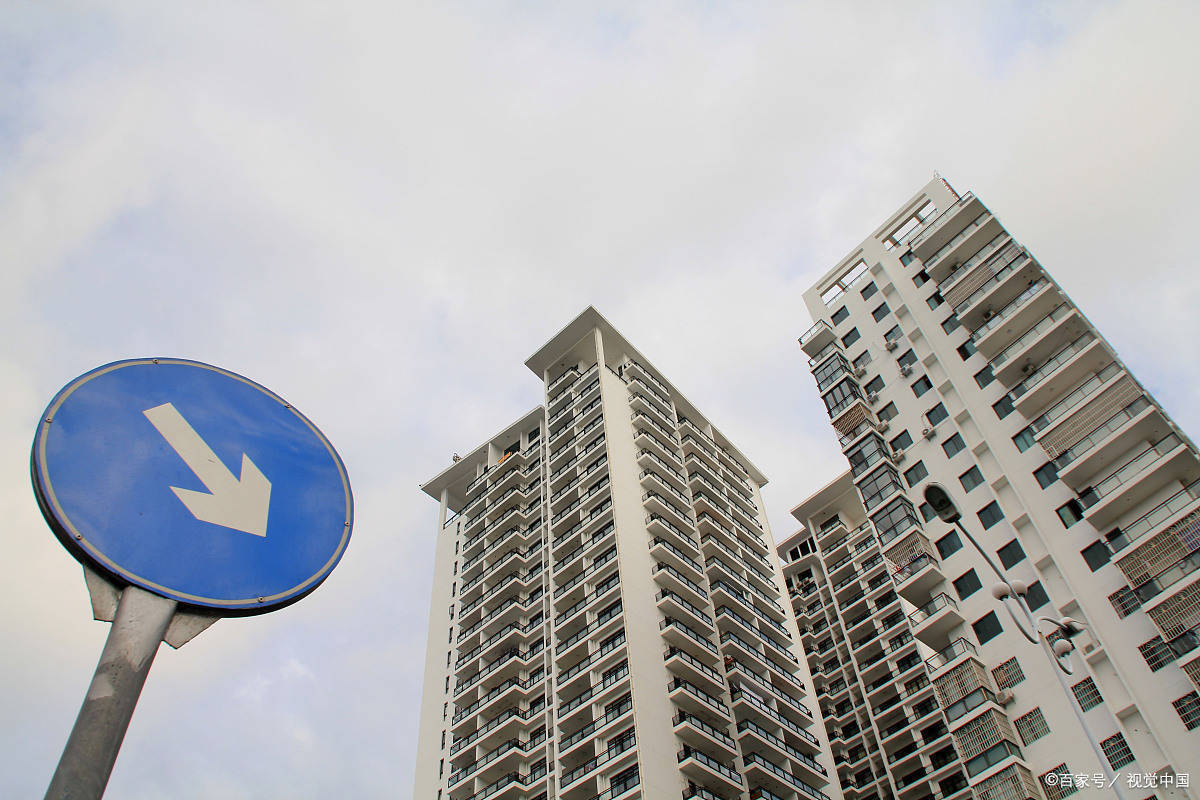
Core Insights - The article emphasizes that there is no universally "golden" floor in residential buildings; rather, the best floor depends on individual family needs and preferences [2][24]. Group 1: Factors Influencing Floor Selection - **Lighting**: Higher floors generally receive more light, but excessive sunlight can lead to increased cooling costs and health issues for vulnerable populations like children and the elderly [3][4]. - **Noise**: Contrary to popular belief, mid-level floors (6-16) are often the noisiest due to traffic noise reflection, while lower (1-5) and higher floors (17+) tend to be quieter [5][11]. - **Air Quality**: Lower floors (1-3) have the highest concentration of pollutants, while floors above 15 show significant improvement in air quality, although very high floors may face issues like thin air and dust accumulation [7][9][10]. Group 2: Recommendations for Different Demographics - **Elderly**: It is recommended that elderly individuals choose lower to mid-level floors (3-6) for safety and convenience, ideally with elevator access [13]. - **Families with Children**: Floors 5-8 are suggested to balance safety and social interaction, as children in high-rise buildings may experience feelings of isolation [14][25]. - **Young Professionals**: Higher floors (12-18) are preferred for better views and privacy, but considerations regarding elevator dependency and emergency evacuation should be made [14][25]. Group 3: Market Trends and Pricing - **Price Dynamics**: The price of residential units typically peaks in the mid-level range (9-20), with the highest demand for floors 18-22, while lower and top floors tend to have lower prices due to various disadvantages [15][17]. - **Investment Returns**: In major cities like Shanghai, mid-level floors (15-25) sell quickly (7-15 days), while lower and top floors often take longer to sell (over 90 days) and may require price reductions [16][20]. - **Regulatory Changes**: The implementation of the 2025 Residential Project Standards is expected to improve living conditions in lower floors, making them more attractive options [20][21]. Group 4: Conclusion and Final Advice - The article concludes that selecting a floor should be based on personal needs rather than marketing hype about "golden" floors, encouraging buyers to consider their unique circumstances [23][24].

购房时需要避开一楼和顶楼?建筑学家坦言:可能你们都选错了?
Sou Hu Cai Jing· 2025-11-27 07:15
Core Insights - The article discusses the complexities and considerations involved in choosing the right floor when purchasing a property, highlighting various factors that influence buyer preferences and experiences. Group 1: Floor Selection Considerations - First-floor apartments are often perceived negatively due to concerns about humidity, lighting, and safety, but data shows that the relative humidity is about 5% higher than mid to high floors, primarily due to ground moisture [1][4] - The actual living experience on the first floor can vary significantly based on the community's design, with some residents reporting satisfaction due to convenience and comfort [2] - Top-floor apartments are associated with temperature extremes, being warmer in summer and cooler in winter, but modern insulation techniques can mitigate these issues [5][21] Group 2: Ideal Floor Ranges - A common guideline for selecting floors is to choose between one-third and two-thirds of the total floors, with the 10th to 20th floors in a 30-story building considered the "golden floors" for optimal conditions [6][20] - The "VLPNV layer," which refers to the second to fifth floors from the top, offers a balance of views and avoids the issues associated with the top floor [6][20] Group 3: Noise Distribution - Noise levels vary by floor, with lower floors experiencing less noise due to obstructions, while mid-level floors (6-15) are most exposed to noise sources [7][8] - Higher floors (16 and above) experience reduced noise levels as sound waves dissipate with height [9] Group 4: Family-Specific Preferences - Families with elderly members prefer floors between 4-8 for ease of access, while young couples may opt for 15-25 for better views and privacy [10][11] - Families with children are advised to choose between 6-12 floors for safety and adequate lighting [12] Group 5: Hidden Factors - Equipment floors and waistline layers can negatively impact living conditions due to noise and reduced light, which should be considered when selecting a unit [12][13] Group 6: Regional Variations - Climate influences floor selection, with southern regions experiencing more humidity issues on the first floor, while northern areas may not face the same challenges [13][14] Group 7: Viewing Techniques - Practical tips for viewing include checking lighting during peak hours, assessing noise levels, and testing water pressure to ensure a satisfactory living environment [15][16] Group 8: Price Discrepancies - Price variations across floors reflect market perceptions, with lower floors typically priced lower and mid-range floors holding the highest value [16][17] Group 9: Future Trends - Changing demographics and urban development are shifting preferences, with increased demand for lower floors due to an aging population and higher interest in mid to high floors among younger buyers [17][19] Group 10: Comprehensive Recommendations - The article concludes that both first and top floors can be viable options depending on individual needs and community conditions, emphasizing the importance of thorough research and professional advice [20][21]
高层住宅会沦为“贫民窟”吗?其实我们都在赌!
Sou Hu Cai Jing· 2025-11-25 05:40
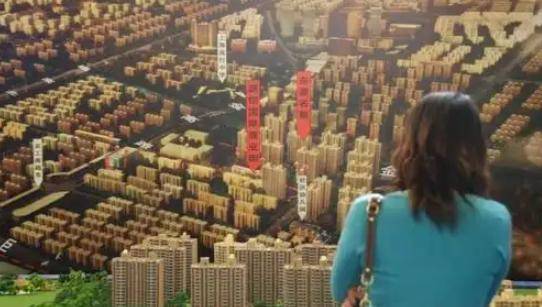
Core Viewpoint - The discussion surrounding the potential "ghettoization" of high-rise residential buildings has gained significant attention, highlighting concerns about the long-term viability and desirability of such properties as they age [1][2]. Group 1: Maintenance and Costs - New high-rise buildings may appear attractive initially, but issues such as elevator aging, exterior wall deterioration, and plumbing blockages will emerge over time, leading to substantial maintenance costs [4]. - The cost of replacing elevators in a 30-story building can exceed one million, raising concerns about the availability of maintenance funds, as many communities already face shortfalls in their repair funds [4]. Group 2: Property Management Issues - There is a growing conflict between property owners and management companies, with rising management fees not correlating with service quality, leading to a refusal to pay fees and management companies withdrawing their services [5][6]. - The cycle of changing property management companies results in temporary disarray within communities, with issues such as uncollected garbage and unmaintained elevators becoming common [6]. Group 3: Urban Renewal and Development Challenges - The high costs associated with the demolition and redevelopment of high-rise buildings deter developers from engaging in such projects, especially given the complexities involved in coordinating with numerous residents [6][8]. - The government's shift towards "urban renewal" rather than large-scale demolition raises questions about funding sources for these initiatives, with no clear answers provided [8]. Group 4: Land Use Rights and Future Uncertainties - The expiration of the 70-year land use rights poses significant uncertainties for homeowners, with potential costs for renewal based on property evaluations, which could be burdensome for average citizens [9]. - Wealthy individuals are increasingly opting for villas and low-rise homes, indicating a trend away from high-rise living as they recognize the associated risks and declining living conditions [10][11]. Group 5: Community Responsibility and Future Outlook - Homebuyers are encouraged to reconsider their choices, opting for higher-quality communities or low-rise buildings, and actively participating in community management to ensure property upkeep [13]. - The future of high-rise residential buildings largely depends on collective efforts from residents to maintain their living environments, as well as the implementation of clearer policies regarding maintenance funds and property management standards [13].
换房3次才摸清的门道:这6个楼层越住越舒服,妥妥的黄金楼层
Sou Hu Cai Jing· 2025-11-25 02:25
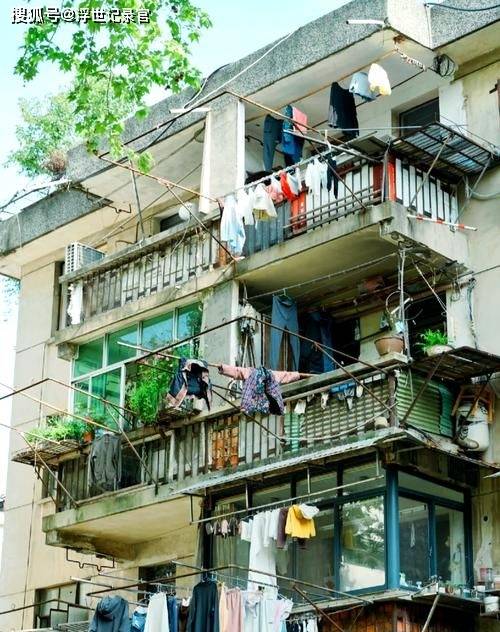
买房选楼层,真得自己住过才知道门道。前两年我跟着工作变动换了 3 次房,第一次图便宜选了高层低区 2 楼,潮湿不说,楼下商铺噪音、行人说话声昼夜 不停;第二次跟风买了 33 层顶楼,夏天暴晒得空调 24 小时不停,遇到停电爬楼直接崩溃;第三次精挑细选后才明白,选楼层不用追热门、不用听售楼顾问 的 "套路话",找对适合自己的才是关键。历经 3 次换房的折腾,我总结出 6 类 "宝藏楼层",住着舒心不说,后期转手也不愁,今天就用大白话跟大家好好 聊聊。 一、顶楼复式带露台:告别 "顶楼焦虑",解锁空中花园 一提顶楼,很多人第一反应就是 "避雷":夏天暴晒、冬天严寒,还怕漏水渗水,后期维修麻烦。但现在的顶楼,早就不是当年的 "烫手山芋" 了,尤其是带 露台的复式户型,妥妥的 "宝藏房源"。 我朋友就入手了一套顶楼复式,原本 120 平的房子,现浇拓展出二层空间,实用面积直接翻倍。最让人惊喜的是超大露台,闲暇时种上月季、多肉,打造一 个小花园;周末约上朋友,在露台上烤肉喝茶,抬头就是蓝天,晚上还能躺着看星星,比去景区度假还惬意。而且顶楼完全不用担心楼上邻居的噪音干扰, 没有小孩跑跳、没有家具挪动的声响,清净得不像话。 ...
如何看待香港住宅市场今年的表现︱重阳问答
重阳投资· 2025-11-21 07:33
Core Viewpoint - The Hong Kong residential market is showing signs of recovery in 2023, with increased transaction volumes and rising prices after a period of decline [2][3]. Group 1: Market Performance - From January to October 2023, the transaction volume of private residential properties in Hong Kong increased by 21% year-on-year [2]. - The private residential price index in Hong Kong saw a year-on-year increase of 1.6% in September 2023, marking the first positive change since 2022 [2]. - The Hong Kong City Leading Index is improving, indicating a continued trend of rising transaction volumes and prices in the residential market [2]. Group 2: Factors Influencing Price Recovery - The recovery in residential prices is attributed to rental yields surpassing mortgage rates, with the difference exceeding 4% at its peak [3]. - Following the Federal Reserve's interest rate cuts and a decline in Hibor rates, new residential mortgage rates fell below rental yields for the first time since 2022 [3]. - As of August 2023, the new mortgage rate was 3.4%, still lower than the current rental yield of 3.7%, enhancing the attractiveness of purchasing homes [3]. Group 3: Supply and Demand Dynamics - The change in supply and demand dynamics is fundamental to the stabilization of the Hong Kong property market, driven by an influx of talent and international students [4]. - Over 270,000 talent visas were issued in 2023 and 2024, doubling the annual issuance compared to 2021, with 90% of applicants from mainland China [4]. - The number of international students in Hong Kong increased by nearly 80% for the 2024 academic year compared to 2022, contributing to housing demand [4]. - The rental index for private residential properties has risen over 15% since its low in January 2023, indicating a shift towards a supply-demand imbalance [4].

曹德旺预言成真了?我国二三十层的电梯房,或将变成烫手山芋
Sou Hu Cai Jing· 2025-11-18 17:40
曾经火爆的二三十层电梯房,如今正面临前所未有的危机。 电梯频繁故障、物业费用飙升、安全隐患加剧,加上成交低迷,高层房从热门资产变成负担。 曹德旺的预警正在应验,高层住宅的黄金时代真的要落幕了吗? 2025年"金九银十"收官数据显示,百城二手住宅均价同比下跌7.6%,其中二三十层电梯房的跌幅尤为突出。 很多房龄超过十五年的高层住宅,挂牌价格一降再降,有些甚至比巅峰时期下跌三成以上。 在北京、深圳这些一线城市,同一小区里高层房源的价格明显低于低层房源,每平方米差价常常达到五千到八千元。 市场冷淡的现象直接体现在成交周期上。 低层住宅平均三个月左右就能卖出,而高层房往往需要半年甚至更久才有人问津。 有的挂牌超过一年依然无人看房,流动性大幅下降。 购房者观望情绪浓厚,高层住宅在二手市场的吸引力明显下降。 住进去的业主更为焦虑,电梯频繁故障、管道漏水、物业费不断上涨,使生活体验大打折扣。 有人曾认为高层房未来会贬值是危言耸听,但如今市场数据已经验证了曹德旺的预言。 购房者不仅面临经济损失,更有居住安全的隐忧。 市场上的二三十层电梯房正逐渐失去昔日的光环,从被疯抢的"香饽饽"变成了人人避之的"烫手山芋"。 北京朝阳区部分 ...
