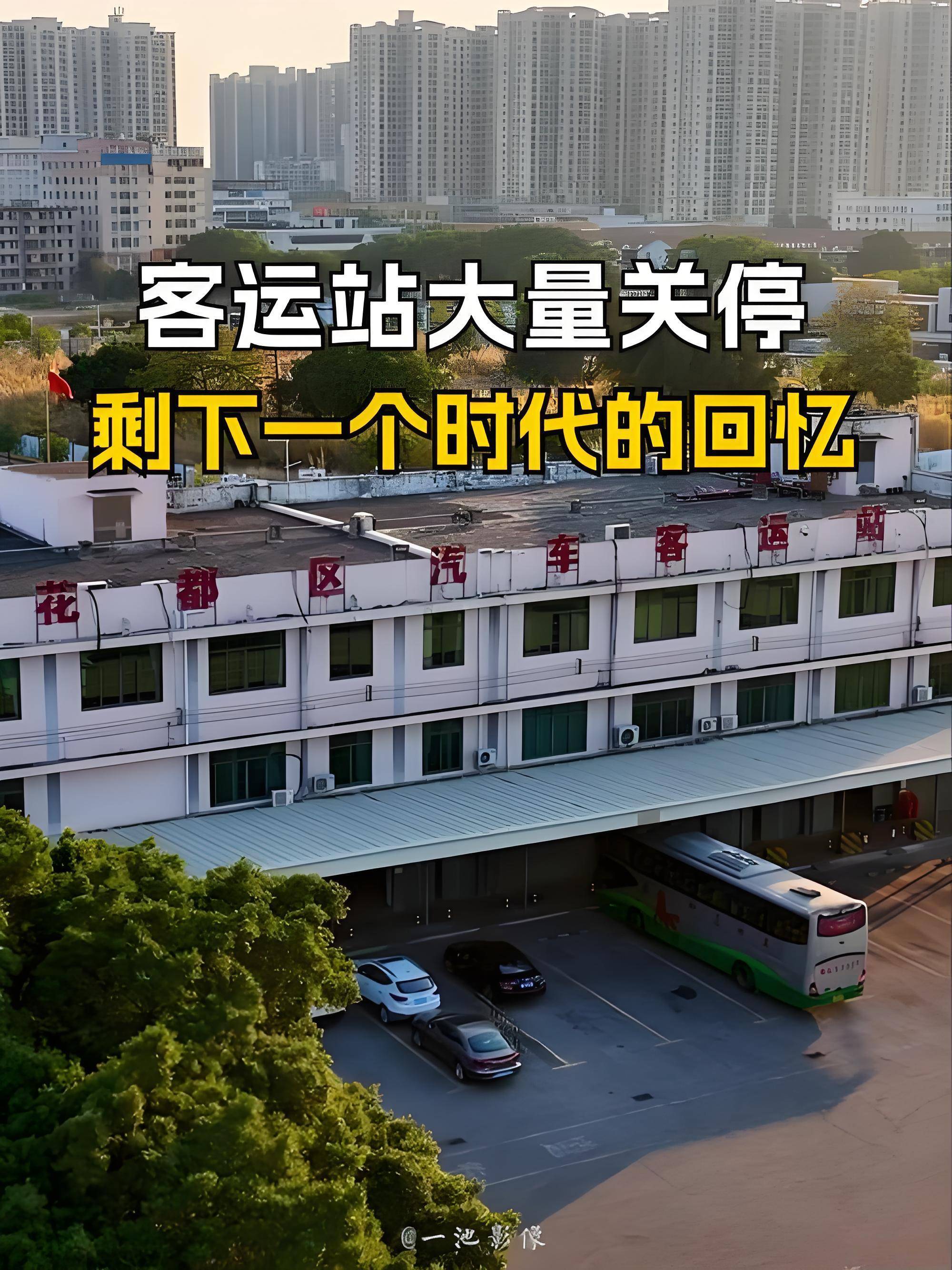
客运

Search documents
交通运输部:“元旦”假期前一天全社会跨区域人员流动量超2亿人次
Zhi Tong Cai Jing· 2026-01-01 08:29
水路客运量62.6万人次,环比增长11%,同比增长32.3%。 民航客运量217.5万人次,环比增长4.2%,同比增长21.2%。 交通运输部数据显示,2025年12月31日,全社会跨区域人员流动量20776.3万人次,环比增长33.7%,同 比增长25.4%。其中铁路客运量1668.2万人次,环比增长65.4%,同比增长60%。 公路人员流动量(包括高速公路及普通国省道非营业性小客车人员出行量、公路营业性客运量)18828万 人次,环比增长30.7%,同比增长22.8%。其中,公路营业性客运量3605万人次,环比增长26.1%,同比 增长30%;高速公路及普通国省道非营业性小客车人员出行量15223万人次,环比增长31.9%,同比增长 21.3%。 本文选自"交通运输部"公众号,智通财经编辑:陈宇锋。 ...
交通安全约谈会“辣味足” 企业代表红脸出汗敲警钟
Xin Lang Cai Jing· 2025-12-26 21:02
Core Viewpoint - The meeting highlighted the urgent need for improved traffic safety measures among passenger transport companies in Shenyang, particularly focusing on high-risk and medium-risk enterprises [1][2]. Group 1: Safety Concerns and Statistics - A total of 197 passenger transport companies participated in the safety meeting, with 3 identified as high-risk and 113 as medium-risk [1]. - The city reported 12,700 traffic violations involving operational vehicles this year, with significant incidents attributed to driver misconduct [1]. - Specific cases revealed alarming trends, such as drivers running red lights and exceeding speed limits, indicating a lack of accountability from companies [1]. Group 2: Regulatory Actions and Commitments - Authorities emphasized the need for stricter regulations, including the management of school bus licenses and penalties for non-compliance [2]. - Companies like Four Seasons Passenger Transport committed to immediate safety education and vehicle safety upgrades following the meeting [2]. - The meeting served as a wake-up call for companies to enhance their safety protocols, with a focus on establishing a comprehensive risk management system [2].
市总工会赴康平县慰问交通运输行业职工
Xin Lang Cai Jing· 2025-12-26 19:59
Core Points - The article highlights the efforts of the municipal labor union to support frontline workers in the transportation industry during the winter season, emphasizing the importance of their contributions to urban operations [1][2]. Group 1: Support for Workers - The municipal labor union conducted a "warmth delivery" visit to the first transportation company in Kangping County, providing financial support to frontline workers [2]. - The union acknowledged the hard work of frontline employees in ensuring safe transportation for citizens, especially during adverse weather conditions [2]. - The company expressed gratitude for the union's support, stating that it would motivate them to enhance service quality for passengers [2]. Group 2: Company Overview - The first transportation company in Kangping County, originally established as Kangping Automobile Team in 1957, is the only state-owned passenger transport enterprise in the area [2]. - The company operates 64 passenger routes with 87 vehicles and employs 234 staff, playing a crucial role in facilitating local travel [2]. - During the visit, the union not only provided support but also listened to the company's operational challenges and encouraged innovative development strategies [2]. Group 3: Future Initiatives - The vice-chairperson of the Kangping County Labor Union emphasized the need to deepen engagement with workers and enhance the union's role as a bridge between employees and management [3]. - The municipal labor union plans to continue organizing initiatives to address workers' concerns and improve their working conditions [3]. - The focus will be on understanding the real issues faced by workers and implementing targeted solutions to enhance their welfare [3].
“雨林之心号”开通,滴滴联手客运企业提升文旅体验
Di Yi Cai Jing· 2025-12-26 07:50
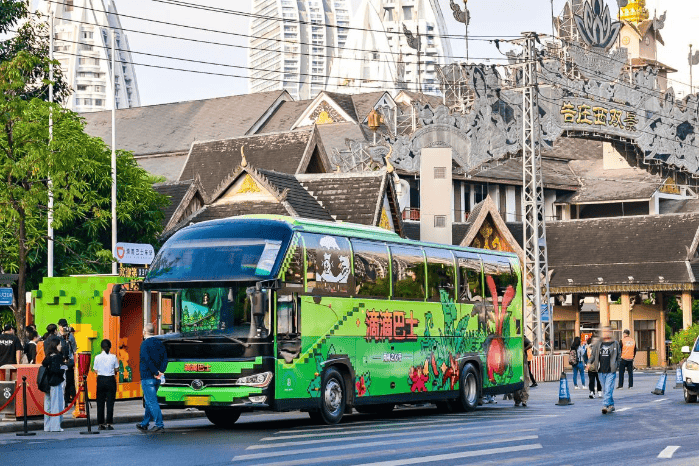
Core Insights - Didi is revitalizing the traditional passenger transport industry by collaborating with over 200 passenger transport companies to explore customized transport services through Didi Bus [1][2] - The launch of the immersive interactive themed bus "Rainforest Heart" in Xishuangbanna represents an upgrade in travel experience, catering to tourists' point-to-point travel needs [1][3] - The Ministry of Transport's notification to promote customized bus services in scenic areas indicates a supportive regulatory environment for Didi's initiatives [1] Group 1: Didi Bus Developments - The "Rainforest Heart" bus features a design that integrates local tropical rainforest elements, enhancing the user experience with interactive scenarios and themed decorations [3][5] - Didi Bus has launched multiple travel-themed routes in Yunnan, attracting over 380,000 passengers on the Xishuangbanna to Botanical Garden route alone within a year [1][5] - Didi Bus operates in over 120 cities across more than 20 provinces, expanding its reach in cross-city commuting, leisure shopping, and healthcare transport [2][5] Group 2: Industry Trends and Challenges - The average daily passenger volume for road transport has significantly declined from 37.46 million in 2018 to 13.4 million in 2024, a drop of 64.2% [8] - Collaborations with Didi have led to increased revenues for traditional transport companies, with one company reporting over 30 million in income from Didi routes in the first nine months of the year [8] - The transition to a digital and user-centric model poses challenges for traditional transport companies, as many employees struggle to adapt to the new operational demands [8][11] Group 3: Future Directions - The focus on user experience and diversified services is essential for the survival of passenger transport companies, with tourism identified as a core business direction [11] - Didi's approach emphasizes the need for transport companies to move away from traditional bus station setups to more convenient pick-up and drop-off locations [11]



“十四五”时期交通固定资产投资达18.8万亿元 国家综合立体交通网主骨架基本贯通
Ren Min Ri Bao· 2025-12-24 06:17
Core Insights - The overall operation of China's transportation economy has been stable and progressing, successfully completing annual targets in the "14th Five-Year Plan" [2] - The transportation sector is expected to better serve consumption and expand domestic demand in the "15th Five-Year Plan" [1] Group 1: Economic Performance - In 2023, transportation fixed asset investment is expected to exceed 3.6 trillion yuan, maintaining a high level of operation [2] - The total freight volume is projected to exceed 580 million tons, with a year-on-year growth of approximately 3.5% [2] - Port foreign trade container throughput is expected to grow by about 9.6%, while international air freight is anticipated to increase by 20% [2] - The total inter-regional personnel flow is expected to surpass 66 billion person-times [2] Group 2: Infrastructure Development - Over the past five years, the national comprehensive three-dimensional transportation network has been largely completed, connecting over 80% of county-level administrative regions [3] - Key urban agglomerations such as Beijing-Tianjin-Hebei, Yangtze River Delta, and Guangdong-Hong Kong-Macao Greater Bay Area have achieved two-hour connectivity between major cities [3] - Major projects completed during the "14th Five-Year Plan" include the Shenzhen-Zhongshan Channel and the Beijing-Harbin Expressway [7] Group 3: Safety and Efficiency - The number of railway traffic accidents decreased by 18.4% year-on-year in the first eleven months, while accidents in the road and waterway sectors fell by 25.8% [2] - The transportation sector has seen significant improvements in operational efficiency and safety levels due to ongoing modernization efforts [8] Group 4: Consumer Services and Demand Expansion - Cruise passenger transport volume reached 1.265 million person-times from January to November, a year-on-year increase of 27.8% [4] - The small and micro car rental market is expected to grow at an annual rate of approximately 15% during the "15th Five-Year Plan" [4] - The development of self-driving tourism routes is being promoted to enhance consumer experiences and drive demand [5] Group 5: Equipment Modernization - The transportation sector is accelerating the replacement of old equipment, with over 450 new locomotives replacing outdated diesel engines [8] - More than 114,000 old urban buses and battery systems have been replaced, along with over 250,000 outdated diesel trucks [8] - The sector is focusing on the green and intelligent upgrade of transportation equipment to better serve consumption and expand domestic demand [8]
今年预计完成交通固投超3.6万亿元 交通运输部:新增高速铁路超2000公里
Mei Ri Jing Ji Xin Wen· 2025-12-23 13:16
Core Viewpoint - The Ministry of Transport of China is focusing on enhancing the quality of transportation services to support economic and social development, with specific goals set for 2026 and beyond [1] Group 1: Economic Indicators and Future Goals - In 2025, transportation fixed asset investment is expected to exceed 3.6 trillion yuan, with new additions of over 2,000 kilometers of high-speed rail, approximately 8,000 kilometers of expressways, and about 900 kilometers of high-grade waterways [1] - The number of cross-regional passenger movements is projected to exceed 66 billion, with commercial freight volume expected to surpass 58 billion tons, both showing a year-on-year growth of around 3.5% [1] - For 2026, the focus will be on improving the national comprehensive transportation network, enhancing logistics efficiency, and fostering new productivity in the transportation sector [1] Group 2: Consumer Growth Areas - The small and micro car rental market is identified as a significant growth area, with the total number of small micro cars reaching 4 million and an expected annual growth rate of around 15% during the 14th Five-Year Plan [4] - The Ministry of Transport plans to address challenges in the car rental market by improving vehicle supply during peak times and enhancing the convenience of returning vehicles at transportation hubs [4] - The yacht and cruise consumption sectors are also anticipated to grow, with yacht registrations increasing at an annual rate of over 40% in the past three years, indicating a shift towards more accessible consumption [3] Group 3: Major Infrastructure Projects - The 14th Five-Year Plan has seen significant progress in the construction of a comprehensive transportation network, with major projects like the Shenzhen-Zhongshan Bridge and the Beijing-Harbin Expressway expansion completed [6] - The Ministry of Transport is planning to initiate several key projects during the 15th Five-Year Plan, including the Lion's Mouth Channel and Zhangjingao Yangtze River Bridge, to further enhance transportation infrastructure [7] - The overall investment in transportation fixed assets reached 18.8 trillion yuan, significantly improving the capacity and efficiency of the transportation system [6]
广州:前11个月社会消费品零售总额同比增长4.2%,总量突破万亿元
Xin Lang Cai Jing· 2025-12-23 08:46
Economic Performance Overview - The Guangzhou Municipal Bureau of Statistics reported that from January to November 2025, the industrial added value above designated size increased by 1.3% year-on-year [1] - The cumulative production of new energy vehicles grew by 22.6% [1] - The production of civilian drones surged by 41.1% [1] Consumer and Transport Metrics - The total retail sales of consumer goods increased by 4.2% year-on-year, surpassing 1 trillion yuan [1] - The total passenger volume reached 311 million, reflecting a year-on-year growth of 1.1% [1]
出行便 物流通 民心暖!贵州“十四五”农村客货邮融合发展成效显著
Yang Guang Wang· 2025-12-22 07:39
同时,构建县乡村三级物流体系,深化客货邮融合,大幅拓宽农村物流覆盖面。目前贵州已完成55 个县级共配中心改造、建成12137个村级服务站点。其中,15个重点支持县均已建成县级共配中心,建 成高质量村级寄递物流综合服务站点2013个,服务农村人口超540万。通过共享运力资源,推行统一分 拣、共同配送模式,在降低快递进村成本的同时提升时效,自动化、集约化分拣提升效率50%以上,企 业综合成本降低25%以上;重点支持县实现快递每周5班进村,上行快递"当日出县"。 农村流通贯通城乡、连接生产和消费,是现代流通体系的重要组成部分,也是乡村振兴的重要内 容。记者日前从贵州省政府新闻办举行的新闻发布会上获悉,"十四五"期间,贵州聚焦破解农村群众安 全便捷出行和农产品上行、工业品下行"最先和最后一公里"难题,通过试点推动、以点带面方式,多举 措深化城乡交通运输一体化(农村客货邮融合)发展,成效显著,让农村群众出行和城乡物流循环更加 畅通高效。 贵州省交通运输厅党委委员、副厅长,省邮政管理局党组书记、局长卢方毅介绍,贵州利用县乡客 运场站空闲区域改造为寄递物流中心,盘活闲置客运场站总面积约16.6万平方米,整合农村客运闲置运 ...
定制客运迈入规模化数字化“快车道”
Sou Hu Cai Jing· 2025-12-15 19:01
Core Viewpoint - The traditional road passenger transport industry is experiencing structural contraction due to changing public travel habits, and customized passenger transport is seen as a key solution to this challenge [1]. Policy and Regulatory Environment - The Ministry of Transport has been deepening the "delegation, regulation, and service" reform in road passenger transport, introducing multiple policy documents to optimize the business environment and encourage innovation [1]. - Since 2020, several policy documents have been revised and issued, defining customized passenger transport and promoting its standardized development [1]. Market Development - As of the end of 2024, over 9,000 customized passenger transport routes have been opened nationwide, representing a 40% year-on-year increase [1]. - Short-distance intercity routes under 200 kilometers account for 67.1% of customized passenger transport, highlighting its advantages in urban commuting [2]. Regional Insights - Provinces such as Jiangsu, Shandong, and Guangdong lead in the number of customized passenger transport routes, with the top ten provinces accounting for 75.4% of the total [2]. - Regions like Sichuan and Yunnan show strong local innovation in network platform development, with over 20 regional and local platforms [2]. Service Innovation - Customized passenger transport has gained market acceptance by offering flexible "door-to-door" services, breaking the limitations of traditional "station-to-station" transport [2]. - Examples include the "Beijing-Tianjin-Hebei Customized Express Bus," which serves over 7,000 passengers daily and reduces commuting time by over 30% [2]. Platform Development - By the end of 2024, there are 302 customized passenger transport network platforms, with the top ten platforms covering 91% of the routes [3]. - Platforms like "Didi Bus" collaborate with over 200 passenger transport companies, enhancing service through data mining and smart algorithms [3]. Business Growth - Didi Bus reported a business scale growth of over 75% from October to November 2025, leveraging the "Internet+" model to combine digital technology with offline service capabilities [5]. - The traditional road passenger transport industry is gradually moving towards digitalization, scalability, and branding, paving a sustainable path for transformation [5].
站点巴士热潮背后 传统客运业的“互联网+”突围战
Sou Hu Cai Jing· 2025-12-15 15:10
Core Insights - The article highlights the rapid development of Didi's station bus service across China, transforming intercity travel by offering flexible, on-demand transportation options that cater to daily needs rather than traditional fixed routes [1][2][11]. Group 1: Service Expansion and User Experience - Didi's station bus service has been implemented in over 20 provinces and 110 cities, partnering with more than 200 passenger transport companies [1]. - Passengers can purchase tickets online, choose pick-up points, and track vehicle locations in real-time, enhancing convenience [1]. - The service model shifts from fixed routes to a flexible "multi-point connection," allowing passengers to board closer to their homes [1][12]. Group 2: Industry Challenges and Transformations - Traditional intercity bus stations are closing at an accelerated rate, with major stations like Wuhan's Fuzhijiao and others ceasing operations due to declining passenger volumes [2][5]. - National highway passenger transport volume has decreased from 355.7 billion trips in 2012 to 110.12 billion in 2023, a reduction of nearly 70% [5]. - The rise of high-speed rail and private car ownership has significantly impacted traditional bus services, leading to a need for transformation within the industry [5][6]. Group 3: Collaborative Business Models - Didi's model emphasizes collaboration with local transport companies, providing technology and data-driven solutions while the partners manage vehicles and drivers [6][16]. - The partnership allows for a win-win situation where Didi enhances operational efficiency through data analytics, while local companies retain their operational capabilities [16]. Group 4: Policy Support and Future Directions - The Chinese government has been supportive of the transformation in the passenger transport sector, issuing policies to encourage customized transport services [7]. - Didi's station bus service is expected to expand further, potentially covering cross-province routes and enhancing service in rural areas [19][20]. - The focus is shifting from merely transporting passengers to integrating transportation into a broader service ecosystem, enhancing user experience through thematic buses and cultural elements [17][19].