
滴滴站点巴士

Search documents
攀高向新 把握主动——我国民营企业内生动力持续增强
Xin Hua Wang· 2026-02-02 13:32
Group 1: Private Enterprises and Market Trends - The core viewpoint emphasizes the increasing internal motivation of private enterprises in China, showcasing their confidence and innovative spirit in navigating challenges and seizing new opportunities [1][6] - Private enterprises are focusing on innovation and practical solutions, as seen in the case of Anhui Shenghua Bo Automotive Electric Co., which invested 150 million yuan in automating its production lines, achieving a product qualification rate of 99% and capturing over 30% of the national market share for wipers [1] - The health food sector is also expanding, with companies like Binzhou Zhongyu Food Co. planning to invest 2.7 billion yuan in new product lines, including dietary fibers and protein peptides, to tap into the growing health consumption market [2] Group 2: Technological Advancements and Consumer Services - Companies are leveraging technology to enhance consumer services, as demonstrated by Xiaoxiang Supermarket, which has optimized its supply chain for deep-sea fish, reducing the time from catch to delivery to under 36 hours [3] - The instant retail market in China is projected to reach 971.4 billion yuan by 2025, with expectations to exceed 1 trillion yuan by 2026, indicating significant growth potential in this sector [3] - The introduction of smart air conditioning products by companies like Aux is a response to market demand, with plans for increased R&D investment to develop new health-focused air management systems [4] Group 3: International Expansion and Supply Chain Strategies - Private enterprises are increasingly looking to expand internationally, as seen with Yadea Technology's strategy to establish a factory in Vietnam, contributing to double-digit growth in overseas sales [5] - Payment platforms like PingPong are addressing the challenges faced by chain brands in international markets by offering comprehensive management solutions for global operations [5] - The Chinese manufacturing system is positioned to rapidly develop in the field of embodied intelligence, supported by a highly coordinated supply chain [5] Group 4: Policy Support for Private Enterprises - Recent policy measures, including structural interest rate cuts and expanded financial support for equipment upgrades, are aimed at fostering the growth of private enterprises [6] - The introduction of a 500 billion yuan special guarantee plan for private investment is expected to stimulate innovation and provide substantial momentum for high-quality economic development in China [6]
促进民营经济高质量发展丨攀高向新 把握主动——我国民营企业内生动力持续增强
Xin Hua Wang· 2026-02-02 10:33
Group 1 - The core viewpoint emphasizes the continuous enhancement of the internal driving force of private enterprises in China, showcasing their confidence and innovative spirit in the face of challenges [1][6] - Anhui Shenghua Bo Automotive Electric Co., Ltd. has invested 150 million yuan in fully automating its wiper production line, achieving a product qualification rate of 99% and capturing over 30% of the national market share for wipers [1] - The company is focusing on the lightweight and noise reduction requirements of wipers for new energy vehicles, successfully launching the first batch of brushless motor wipers [1] Group 2 - Binzhou Zhongyu Food Co., Ltd. is focusing on the health industry by investing 2.7 billion yuan to build a production line for wheat arabinoxylan and expanding its product lines in dietary fiber and protein peptides [2] - Didi Chuxing has upgraded its transportation model with the launch of station buses, collaborating with over 200 domestic passenger transport companies and operating in more than 120 cities across 20 provinces [2] - The instant retail market in China is projected to reach 971.4 billion yuan by 2025, with expectations to exceed 1 trillion yuan by 2026 [3] Group 3 - Aokang has introduced smart voice air conditioning products, with plans to increase R&D investment and launch a new "Air Butler" series to enhance air quality management [4] - Private enterprises are actively exploring new sectors such as artificial intelligence, new materials, and low-altitude economy, with a focus on creating value and expanding their market presence [5] - Yadea Technology has adopted an "outbound" strategy by establishing a new factory in Vietnam, maintaining double-digit growth in overseas market sales [5] Group 4 - Recent policy measures, including structural interest rate cuts and expanded financial support for equipment upgrades, are aimed at fostering the growth of private enterprises [6] - These practical initiatives are expected to stimulate innovation and creativity within private enterprises, contributing to high-quality economic development in China [6]
研判2025!中国定制客运行业相关政策、市场现状、运行模式及未来趋势分析:定制客运迈入规模化“快车道”,服务供给不断丰富[图]
Chan Ye Xin Xi Wang· 2026-01-05 00:57
Core Viewpoint - The customized passenger transport industry is experiencing significant growth, driven by changing public travel preferences and the need for more flexible and comfortable transportation options. The number of customized transport routes and passenger volume is increasing rapidly, indicating a shift from traditional transport methods to more tailored services [1][5]. Group 1: Industry Overview - Customized passenger transport refers to operators with road passenger transport licenses using e-commerce platforms to publish route information and sell tickets online, allowing for flexible scheduling based on passenger demand [2][5]. - The industry is seeing a transformation as traditional passenger transport struggles to meet the demand for convenience and comfort, leading to a sharp decline in passenger flow on conventional routes [1][5]. Group 2: Market Status - In 2024, there are 9,073 customized transport routes in China, an increase of 2,542 routes from 2023, with an average annual growth rate of 40.8% over three years. The total number of passengers transported is projected to reach 130 million, a year-on-year increase of 29.7% [1][6]. - The majority of routes (6,087) are under 200 kilometers, accounting for 67.1% of the total, highlighting the service's effectiveness in urban commuting needs [6][9]. Group 3: Network Platform Development - By the end of 2024, the number of customized transport network platforms is expected to reach 302, an increase of 47 from 2023. Key platforms include "Travel 365," "Bus Butler," and "Didi Station Bus," which enhance service through data mining and smart algorithms [1][9]. - The platforms provide essential functions such as online ticket sales, vehicle scheduling, and service evaluation, contributing to continuous product upgrades [1][9]. Group 4: Operational Models - Customized transport operators can choose from various service models, including door-to-door, fixed-point pick-up, and short-distance transfer, with fixed-point pick-up being the most common, accounting for 72.3% of services [10][12]. - The operational flexibility allows for tailored services that meet diverse passenger needs, enhancing overall customer experience [10][12]. Group 5: Industry Trends - The competition in the customized transport market is intensifying as more companies enter the field, leading to fierce competition in pricing, service quality, and vehicle configuration [14]. - The industry is moving towards greater intelligence in operations, with advanced navigation, monitoring, and scheduling systems being implemented to enhance service delivery [15]. - Customized transport services are expanding into diverse scenarios, including airport shuttles, tourism lines, and medical transport, to meet the varied needs of different passenger groups [16].


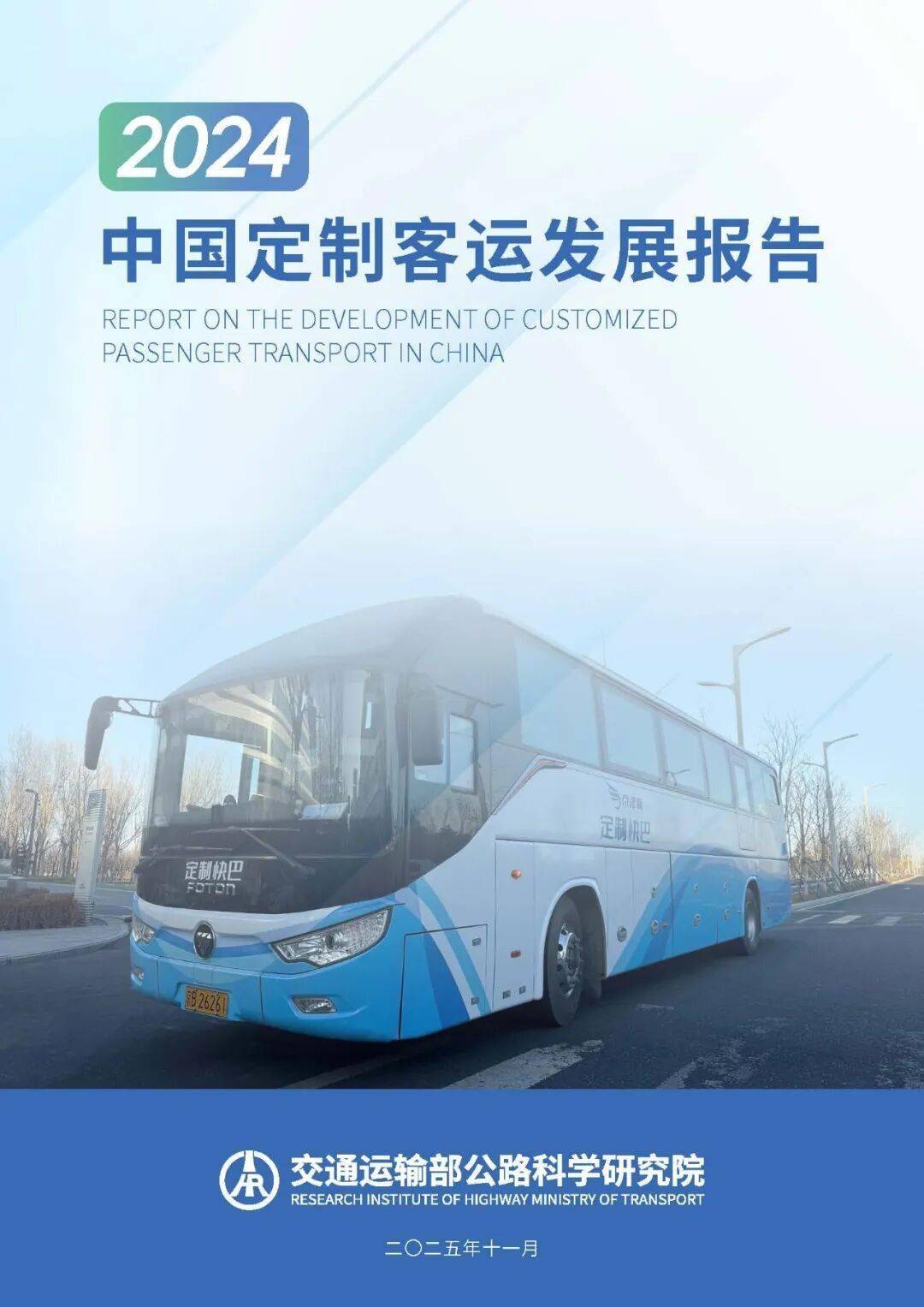
公路院:2024中国定制客运发展报告 2025
Sou Hu Cai Jing· 2025-12-17 03:44
Overview of Development - The customized passenger transport industry in China is entering a rapid development phase, with the number of routes increasing significantly and contributing to the transformation of the road passenger transport sector [1][20] - By the end of 2024, there will be 9,073 customized passenger transport routes, an increase of 2,542 routes from 2023, with an average annual growth rate of 40.8% over the past three years [20][21] - The total passenger transport volume for the year is projected to reach 130 million, representing a year-on-year increase of 29.7% [20] - The top ten provinces account for 75.4% of the total routes, with Jiangsu, Sichuan, and Shandong leading [21] Operational Characteristics - Seven major platforms serve 84.8% of the customized passenger transport routes, covering 1,042 operators and achieving a total passenger volume of 63.76 million [42][43] - The main service model is point-to-point pickup, accounting for 72.3%, while door-to-door and a mix of both account for 15.7% and 12% respectively [51] - The average daily departures for 43.3% of routes are three or fewer, while 22.8% have more than ten departures [57] - Vehicle types show a distribution of 43.7% for 7-9 seat vehicles, 20% for 10-19 seat vehicles, and 36.2% for vehicles with 20 seats or more [58] Industry Practices - Provinces like Zhejiang, Jilin, and Gansu are actively innovating in customized passenger transport, focusing on convenience and integration with other transport modes [69][70] - Zhejiang has established a "Zhe Ke Xing" brand and a passenger transport alliance, significantly increasing passenger flow and improving service quality [71][72] - Jilin has integrated customized transport services with direct routes to airports and tourist attractions, enhancing travel convenience [79][80] - Gansu is upgrading vehicle technology and standardizing services to improve operational efficiency and customer satisfaction [87][88] Service Brands - A variety of distinctive customized passenger transport service brands have emerged, including national and regional leaders like Bus Butler and Tianfu Travel, which focus on digital ecosystems and specialized routes [94][96] - Innovative brands like Convenient Fast Bus emphasize low fares and high capacity, while Didi Station Bus leverages digital advantages to offer themed routes across multiple provinces [96]
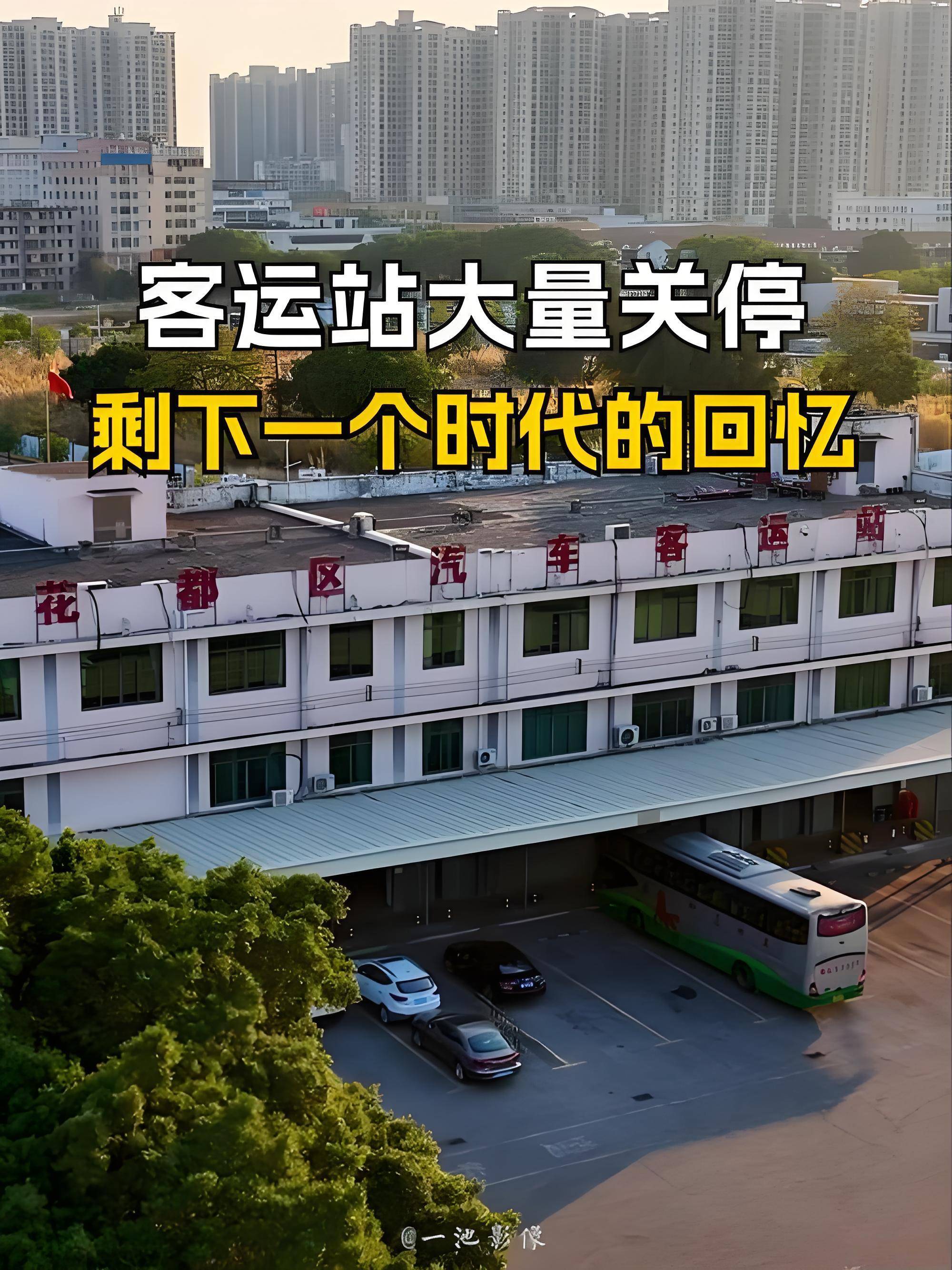
站点巴士热潮背后 传统客运业的“互联网+”突围战
Sou Hu Cai Jing· 2025-12-15 15:10
Core Insights - The article highlights the rapid development of Didi's station bus service across China, transforming intercity travel by offering flexible, on-demand transportation options that cater to daily needs rather than traditional fixed routes [1][2][11]. Group 1: Service Expansion and User Experience - Didi's station bus service has been implemented in over 20 provinces and 110 cities, partnering with more than 200 passenger transport companies [1]. - Passengers can purchase tickets online, choose pick-up points, and track vehicle locations in real-time, enhancing convenience [1]. - The service model shifts from fixed routes to a flexible "multi-point connection," allowing passengers to board closer to their homes [1][12]. Group 2: Industry Challenges and Transformations - Traditional intercity bus stations are closing at an accelerated rate, with major stations like Wuhan's Fuzhijiao and others ceasing operations due to declining passenger volumes [2][5]. - National highway passenger transport volume has decreased from 355.7 billion trips in 2012 to 110.12 billion in 2023, a reduction of nearly 70% [5]. - The rise of high-speed rail and private car ownership has significantly impacted traditional bus services, leading to a need for transformation within the industry [5][6]. Group 3: Collaborative Business Models - Didi's model emphasizes collaboration with local transport companies, providing technology and data-driven solutions while the partners manage vehicles and drivers [6][16]. - The partnership allows for a win-win situation where Didi enhances operational efficiency through data analytics, while local companies retain their operational capabilities [16]. Group 4: Policy Support and Future Directions - The Chinese government has been supportive of the transformation in the passenger transport sector, issuing policies to encourage customized transport services [7]. - Didi's station bus service is expected to expand further, potentially covering cross-province routes and enhancing service in rural areas [19][20]. - The focus is shifting from merely transporting passengers to integrating transportation into a broader service ecosystem, enhancing user experience through thematic buses and cultural elements [17][19].
全国超110个地市开通滴滴站点巴士业务 让城际出行更加便捷安全
Ren Min Ri Bao· 2025-11-30 22:19
Core Insights - Didi's station bus service combines digital technology with traditional passenger transport, enhancing convenience and efficiency for users [2][3][4] Group 1: Service Features - Didi's station buses feature city-specific designs, such as the "Qinghua Porcelain" bus in Nanchang and the "Rainforest" bus in Xishuangbanna, creating a unique urban experience [2] - The service allows for online ticket purchasing, nearby boarding, and dynamic visibility, transforming traditional transport into a multi-point connection model [3] - The service network includes specialized routes like the "College Express" in Guangxi and the "Health Line" in Zhejiang, catering to specific community needs [3] Group 2: Industry Transformation - Traditional passenger transport companies are facing declining ridership and are compelled to undergo digital transformation [4] - Didi's platform provides online traffic and operational solutions, enabling partner companies to better understand market demand and optimize resource allocation [4] - Since partnering with Didi, companies like Guangdong Yuyun Transportation have seen significant increases in passenger flow and vehicle occupancy rates [4] Group 3: Expansion and Collaboration - Didi has established partnerships with over 200 passenger transport companies across more than 110 cities in over 20 provinces [5] - The company aims to collaborate with more transport enterprises to accelerate their transformation and enhance user experience in intercity travel [5]

让城际出行更加便捷安全
Ren Min Ri Bao· 2025-11-30 22:01
Core Viewpoint - Didi's station bus service is a new business model that combines digital technology with traditional passenger transport, enhancing convenience and efficiency for urban travel [1][2][3] Group 1: Service Features - Didi's station buses feature city-specific designs, such as the "Qinghua Porcelain" bus in Nanchang and the "Rainforest" bus in Xishuangbanna, creating a unique urban landscape [1] - The service allows for online ticket purchasing, nearby boarding, and dynamic visibility, transforming the traditional "point-to-point" transport model into a "multi-point connection" system [2] - The service network includes specialized routes like the "College Express" in Guangxi and the "Health Line" connecting hospitals in Zhejiang, catering to specific community needs [2] Group 2: Industry Transformation - Traditional passenger transport companies are experiencing a decline in ridership, necessitating a shift towards digital transformation [3] - Didi's station bus platform provides online traffic and operational solutions, enabling partner companies to better understand market demand and optimize resource allocation [3] - Since partnering with Didi in 2023, Guangdong Yueyun Transportation has seen significant increases in passenger flow and vehicle occupancy rates across 18 cities [3] - Didi has established partnerships with over 200 passenger transport companies across more than 110 cities in over 20 provinces, aiming to further enhance the user experience in intercity travel [3]
国庆打车攻略来了:预计9月30日晚高峰将提前至15时30分 当天预约出行需求翻倍
Yang Zi Wan Bao Wang· 2025-09-25 09:02
Core Insights - The upcoming National Day and Mid-Autumn Festival holidays are expected to drive significant increases in travel demand, with a notable "double peak" in travel patterns observed this year [1][3][5] Group 1: Travel Demand Trends - From September 26, ride-hailing demand is projected to rise sharply, peaking on September 30, with an expected 51% increase in intercity ride-hailing compared to previous periods [1][5] - The evening peak demand is anticipated to increase by 110% compared to pre-holiday levels, with the highest demand occurring between 5:00 PM and 7:00 PM on September 30 [3][5] - The Mid-Autumn Festival on October 6 is expected to create a secondary peak in travel demand, with a 50% increase in ride-hailing compared to pre-holiday levels [3][5] Group 2: Delivery and Logistics - On September 30, delivery demand is expected to rise by approximately 30%, driven by the need for holiday gifts such as crabs and mooncakes, as well as travel-related luggage deliveries [4] - Major cities like Chengdu, Suzhou, and Beijing are predicted to see the highest volume of delivery orders, while cities like Xi'an, Changsha, and Shanghai will experience the fastest growth in order volume [4] Group 3: Car Rental Insights - Car rental bookings are projected to increase by 148% year-on-year, with 70% of these being for intercity rentals, indicating a shift towards a "big transportation + local rental" travel model [6] - The demand for rentals is highest in cities such as Beijing, Chengdu, Guangzhou, and Shenzhen, with significant interest in scenic routes in regions like Sichuan and Yunnan [6] Group 4: Recommendations for Travelers - Industry experts recommend travelers to consider off-peak travel times to avoid high demand periods, particularly on September 30, October 1, and during the return trip on October 6-7 [7] - Booking rides in advance is advised, and travelers should pay attention to pick-up point instructions provided in the app to minimize waiting times [7]
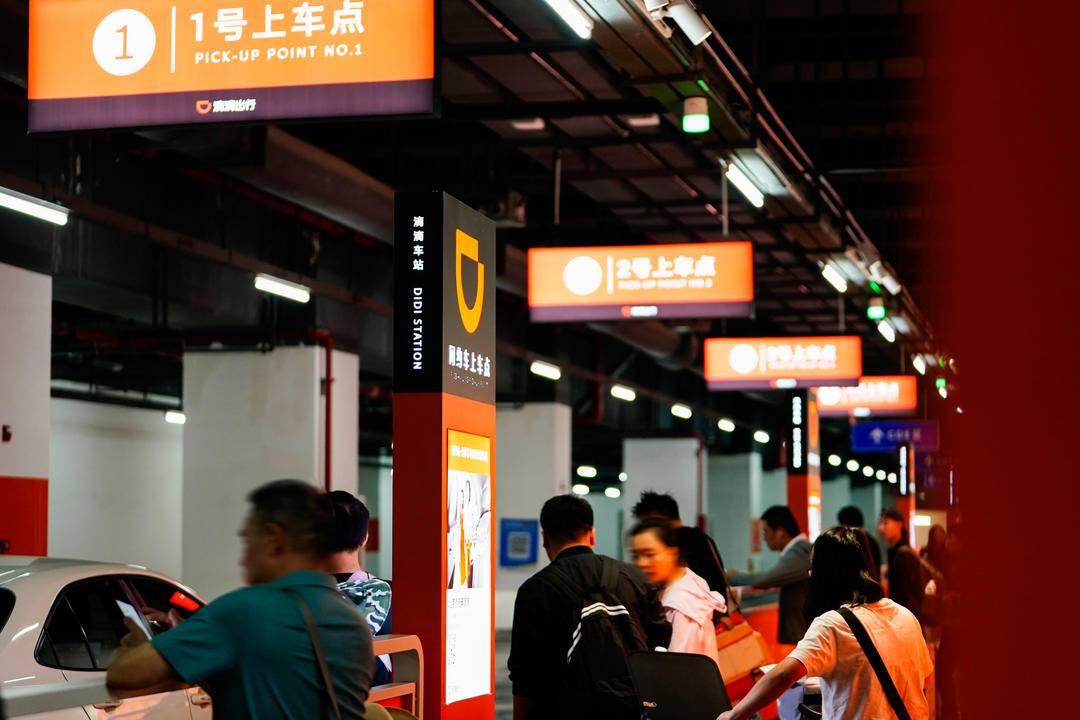
滴滴:9月26日起打车需求持续保持高位,预计国庆中秋异地打车需求将上涨51%
Xin Lang Ke Ji· 2025-09-25 08:16
Group 1 - The core viewpoint of the articles highlights a significant increase in transportation demand during the upcoming National Day and Mid-Autumn Festival holidays, with Didi Chuxing predicting a peak in ride-hailing requests [1][2] - Didi forecasts that ride-hailing demand will rise by 20% during the holiday period compared to previous weeks, with specific peak times identified [1] - The demand for premium ride services, such as dedicated and luxury cars, is expected to increase by 83% and 47% respectively on the day before the holiday [1] Group 2 - Didi anticipates a 187% year-on-year growth in charter orders during the holiday, with popular destinations including Shanghai, Beijing, Guangzhou, Shenzhen, and Chongqing [2] - The rental car bookings are projected to increase by 148% year-on-year, with 70% of these being for out-of-town rentals [2] - The demand for refueling services is expected to peak starting September 30, with cities like Luoyang, Nanjing, Jinan, and Chongqing seeing increased orders for Didi's fuel services [2]
滴滴五一出行预测发布:这些城市打车最难,自驾游“黑马”曝光
Feng Huang Wang· 2025-04-28 16:04
Core Insights - Didi Chuxing has launched a "May Day" travel guarantee plan, investing over 400 million yuan to activate both driver and user markets [1] - A significant travel peak is expected nationwide starting April 30, with ride-hailing orders projected to surge by 55% during peak hours compared to regular days [1] Group 1: Travel Demand and Trends - Cities such as Hangzhou, Nanjing, and Chongqing are predicted to see the highest increases in ride-hailing bookings compared to last year [1] - Popular travel destinations for Didi's charter services include Shanghai, Beijing, Chengdu, Guangzhou, and Hangzhou, with a 304% increase in orders compared to pre-holiday levels [2] - The demand for intercity travel is expected to rise by 130%, with peak travel anticipated on May 5 [1][2] Group 2: Driver Incentives and User Promotions - Didi is implementing a "Revenue Doubling Plan" for drivers, which includes 12 incentive measures, potentially increasing daily earnings by 20%-35% [2] - User promotions will cover 98 cities, with discounts such as 60% off in cities like Shanghai and Changsha, and 50% off in Xiamen and Dalian [2] Group 3: Operational Enhancements - Didi's intelligent scheduling system will dynamically allocate resources 72 hours in advance to manage the travel surge, focusing on 15 key locations [3] - The platform has introduced a new version of its trip guardian system, which includes features like real-time location correction and fare anomaly monitoring [3] - Didi will deploy 2,000 customer service representatives and AI agents to ensure a response rate exceeding 95% within 15 seconds during the holiday [3]