床垫

Search documents
尚驰集团驰援北京暴雨灾区,百万床垫守护受灾群众安寝
Bei Jing Shang Bao· 2025-08-11 07:13
Core Viewpoint - The recent extreme weather in Beijing's Miyun, Huairou, and Yanqing districts has led to severe flooding, with the maximum rainfall exceeding 300 millimeters, prompting urgent relief efforts from companies and organizations [1]. Group 1: Company Response - Shangchi Group's chairman, Du Haiyun, issued an immediate directive to mobilize resources, coordinating with the China Siyuan Engineering Foundation and the China Disaster Prevention Association to deliver over one million yuan worth of high-quality mattresses to the most affected areas [2][3]. - The donated mattresses are intended for temporary housing and living support for disaster victims, providing essential sleeping arrangements to help restore normalcy in the affected regions [2][3]. Group 2: Social Responsibility - Shangchi Group has a long-standing commitment to social responsibility, actively engaging in charitable efforts across the country, and this response exemplifies the spirit of mutual aid during crises [3][5]. - The company plans to continue monitoring the flood situation and collaborate with various charitable organizations to support the reconstruction of affected areas, demonstrating its dedication to community welfare [6].


AI重构睡眠经济 喜临门以脑电科技开启睡眠健康管理新时代
Zhong Guo Chan Ye Jing Ji Xin Xi Wang· 2025-08-06 07:02
Core Insights - The Chinese government has approved a plan to implement "Artificial Intelligence +" actions, marking a new phase for AI applications in the country, particularly benefiting the sleep industry, which intersects health and home sectors [1] - The smart sleep technology market is projected to grow from $15 billion in 2022 to $62.1 billion by 2031, with a compound annual growth rate (CAGR) of 17.4% [1] - Company Xilinmen is transitioning from a traditional mattress manufacturer to a comprehensive health management service provider, leveraging EEG technology and ecosystem partnerships [1] Group 1: Technological Advancements - Xilinmen has partnered with BrainCo to launch the "宝褓BrainCo" smart mattress, utilizing non-invasive EEG technology to capture brainwave signals and create medical-grade sleep profiles [2] - The system can reduce average sleep onset time from 70 minutes to 30-35 minutes and significantly increase deep sleep duration [2] - Xilinmen has achieved a technological leap with the launch of the AISE宝褓 series and the establishment of a joint research center with Tsinghua University focusing on emotional AI systems [2][3] Group 2: Market Validation - Since its launch, Xilinmen's AI mattress has gained market recognition, with sales exceeding 100 million yuan in 2024 and a successful opening of an AI sleep experience center in Changchun [4] - The "aise宝褓" series is now available in over 200 stores nationwide and has expanded into Southeast Asia and the Middle East, providing personalized mattress recommendations to over 130,000 users [4] - The company's transformation has led to a significant increase in product pricing and the integration of sleep data with health management services [4] Group 3: Future Prospects - As brain-computer interface and generative AI technologies mature, Xilinmen's "AI companionship" strategy will evolve, offering customized sleep solutions based on user data [5] - The collaboration with BrainCo will extend beyond mattresses to include smart sleep pillows and other products, enhancing supply chain and channel cooperation [5] - Xilinmen aims to leverage a vast sleep data database and partnerships with top institutions to transition from "smart" to "intelligent" systems, striving for the vision of "no one sleepless tonight" [6]

传统企业AI转型,智能家居产业迎破局历史性时刻
Zhong Guo Jin Rong Xin Xi Wang· 2025-08-01 02:37
Group 1 - The 2025 World Artificial Intelligence Conference (WAIC) held in Shanghai showcased over 3,000 cutting-edge exhibits from more than 800 companies, highlighting AI's transformative impact across various sectors, including daily shopping, health management, and education [3] - Three major trends in the AI industry were identified: systematic technological breakthroughs leading to ecological transformations, young entrepreneurs driving AI development, and the acceleration of AI empowering various industries from intelligent manufacturing to smart living [3] - The sleep health sector is emerging as a critical battleground for technological advancements, with innovations in brainwave monitoring and smart interventions aimed at addressing the global insomnia epidemic [3][4] Group 2 - The rise of smart mattresses exemplifies the transformation in sleep technology, offering personalized adjustments in firmness and height, and integrating AI to create customized sleep environments [4] - Sleep Number, a U.S. mattress brand, reported a net sales figure of $1.68 billion in 2024, with its smart mattress line priced between $1,099 and $9,999, earning it the nickname "Tesla of mattresses" [4] - China's smart mattress market is still in its early stages, with a penetration rate of less than 5%, indicating significant growth potential compared to developed countries [6] Group 3 - Domestic mattress companies are actively engaging in the "sleep economy," utilizing sleep research to understand consumer needs and innovating with technologies like air springs and memory materials [6][8] - Xilinmen has demonstrated foresight in the smart mattress sector, launching various innovative products since 2014, including the first smart mattress health system and the recent AI mattress that incorporates brainwave technology [8] - Xilinmen's sales of functional smart products exceeded 100 million yuan in 2024, with its AI smart mattress series available in over 200 stores nationwide and expanding into Southeast Asia and the Middle East [8] Group 4 - The future of sleep is being redefined by technology, with reports indicating that sleep is becoming a new infrastructure rather than an outdated business, focusing on emotional support and non-pharmaceutical health interventions as key growth areas [8][9] - As technology continues to advance and costs decrease, smart sleep solutions integrating cutting-edge technology are expected to reach a broader audience, promoting a vision of "AI companionship, no sleepless nights" [9]
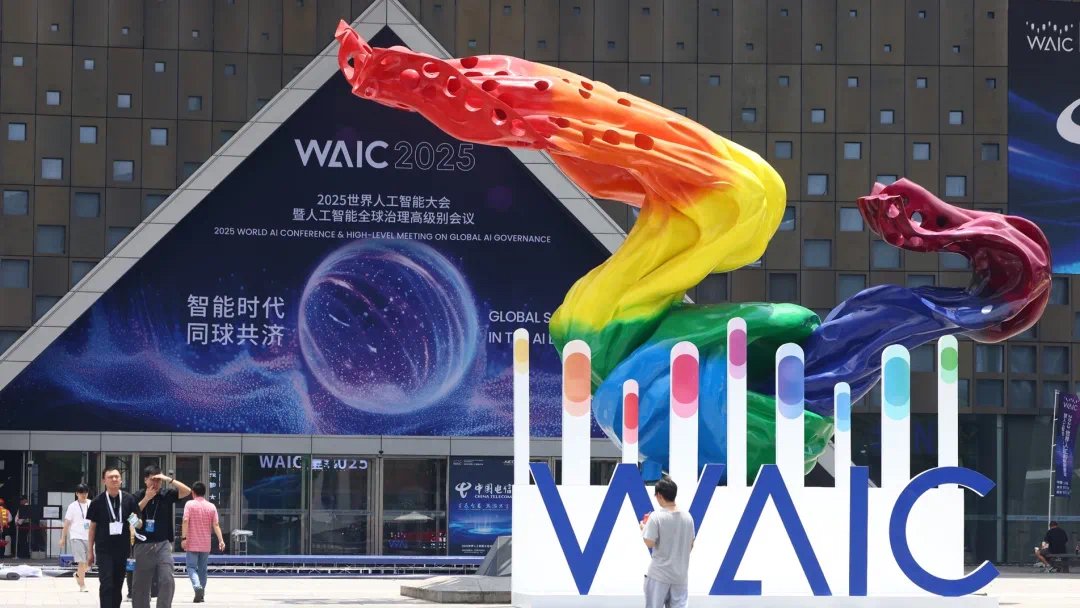
2025 WAIC:传统企业AI转型,迈向“智造进化论”
Zhong Guo Chan Ye Jing Ji Xin Xi Wang· 2025-07-31 02:21
Group 1: AI Trends and Developments - The 2025 World Artificial Intelligence Conference (WAIC) showcased over 3,000 cutting-edge exhibits, highlighting AI's integration into daily life and various industries [1] - Three major trends emerged: systematic technological breakthroughs leading to ecological transformations, young entrepreneurs driving AI development, and the acceleration of AI empowering diverse sectors from smart manufacturing to intelligent living [1] Group 2: Sleep Health Market Dynamics - Sleep disorders, particularly insomnia, are a growing global concern, with the "China Sleep Research Report (2025)" indicating significant social characteristics due to modern lifestyle pressures and electronic device usage [2] - The rise of smart mattresses exemplifies the transformation in sleep health management, offering personalized solutions through adjustable features and AI integration [2] Group 3: Smart Mattress Market Potential - Sleep Number, a U.S. mattress brand, reported net sales of $1.68 billion in 2024, showcasing the potential of smart mattresses in the high-end market [3] - China's smart mattress market is in its early stages with a penetration rate of less than 5%, indicating over five times growth potential compared to developed countries [3] Group 4: Innovation in Sleep Technology - Domestic mattress companies are actively engaging in the "sleep economy," utilizing advanced technologies like air springs and memory materials to meet consumer needs [4] - Joybed (喜临门) has been a pioneer in smart mattress technology, launching various innovative products since 2014, including the Smart1 mattress and AI series products in collaboration with Nobel laureates [4] Group 5: Strategic Developments by Joybed - Joybed's new brand "aise宝褓" signifies its shift towards a smart sleep service ecosystem, with the launch of the "宝褓 BrainCo" AI mattress that incorporates brainwave technology for enhanced user experience [5] - Joybed's sales of functional smart products exceeded 100 million yuan in 2024, with its AI smart mattresses available in over 200 stores nationwide and expanding into Southeast Asia and the Middle East [5] Group 6: Future of Sleep Technology - Joybed aims to extend brain-computer interface technology into various living spaces, creating comprehensive smart sleep solutions for home, travel, and office environments [6] - The future of sleep is being redefined by technology, with reports indicating that sleep is a new infrastructure, emphasizing emotional support and proactive health interventions as key growth areas [6]
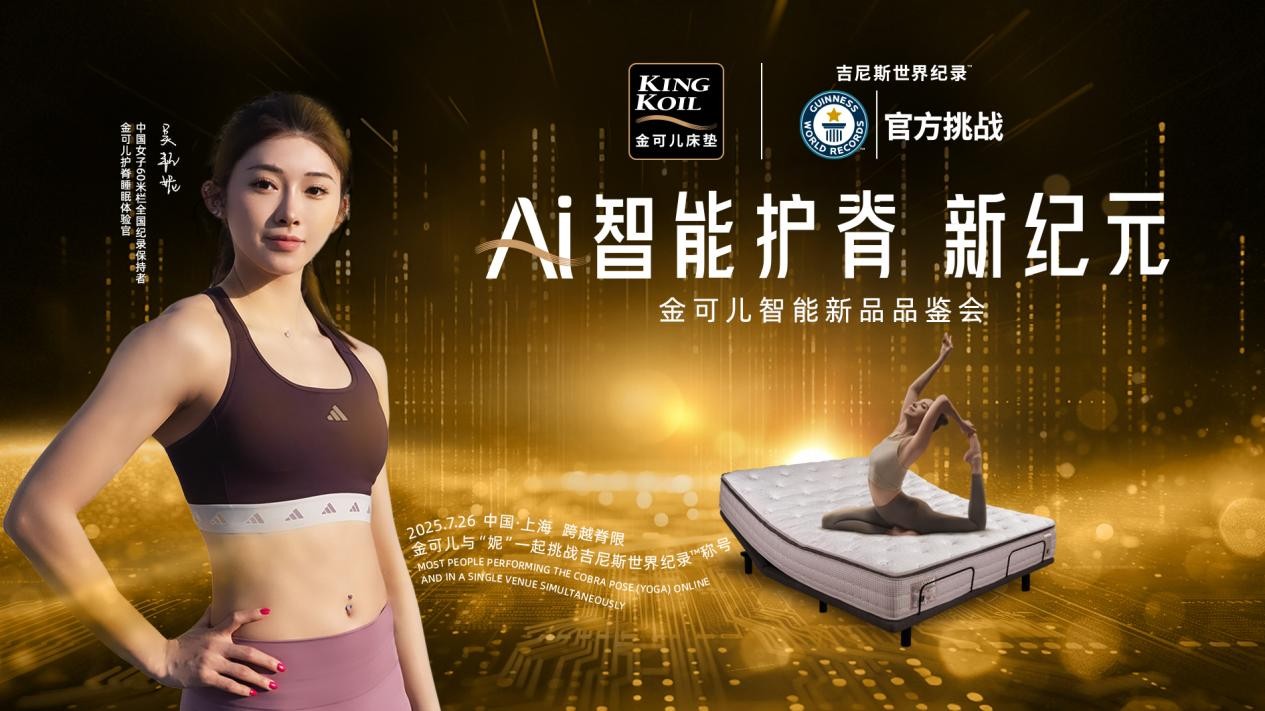
引领Ai智能护脊新纪元,金可儿划时代新品发布
3 6 Ke· 2025-07-26 15:22
Core Insights - KINGKOIL officially enters the "Spine Care 2.0" era with the launch of its intelligent mattress products, emphasizing the integration of smart technology and spine health [1][11][18] Group 1: Event Overview - The intelligent product launch event took place at the Shanghai Shimao Intercontinental Hotel, featuring a Guinness World Record challenge with 300 participants [1][18] - The event was led by Chinese hurdler Wu Yanni, who highlighted the connection between professional sports and public health sleep [3][18] Group 2: Product Development and Innovation - KINGKOIL has a long history in spine care, having introduced the first spine care mattress in 1969 and continuously innovating in the field [7][11] - The company has integrated smart technology into its products, allowing for comprehensive sleep management through data and algorithms [11][14][15] Group 3: Product Features - The new "Yue Zhi Smart Bed" features high-precision sensors, adaptability to various living scenarios, and an AI engine that learns from user sleep patterns [15][14] - The product aims to provide personalized spine support and enhance the overall sleep experience [14][15] Group 4: Health Awareness Campaign - The Guinness World Record challenge aimed to raise public awareness about spine health and the importance of proper sleep [18] - KINGKOIL is committed to promoting spine health and plans to continue innovating in the spine care mattress market [18]
探索脑机接口应用 喜临门迈向全场景AI睡眠管理新征程
Zhong Guo Chan Ye Jing Ji Xin Xi Wang· 2025-07-09 04:09
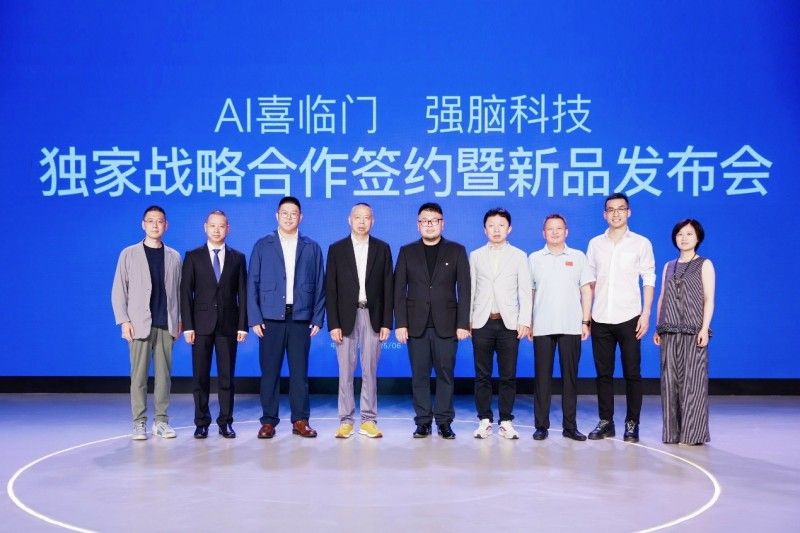
Core Insights - The global demand for sleep health is experiencing explosive growth, leading to a transformative change in the sleep experience industry [1] - The strategic partnership between AI Xilinmen and Qiangnao Technology aims to innovate sleep monitoring technology and create a new ecosystem for sleep management services [5][7] Group 1: Technological Innovation - The core highlight of the collaboration is Qiangnao Technology's non-invasive brain-computer interface technology, which overcomes the limitations of traditional monitoring methods and allows for precise brainwave data collection [3] - The partnership will develop an active sleep optimization system that integrates home manufacturing with neuroscience, enabling real-time monitoring of key sleep data such as brainwaves and heart rate [3][5] Group 2: Strategic Advancement - This collaboration signifies a strategic leap for Xilinmen, transitioning from product-focused strategies to a comprehensive ecosystem approach in sleep technology [5] - Xilinmen has established itself as a leader in the mattress industry in China and Asia, having provided quality sleep products and services to over 60 million families [5] Group 3: Comprehensive Service Ecosystem - The partnership will create a one-stop service system covering precise detection, scientific intervention, and health management, accelerating Xilinmen's transformation into a "full-scenario sleep management service provider" [7] - The integration of smart device detection, sleep product recommendations, and health data tracking will enhance the overall consumer experience [7] Group 4: Research and Development Collaboration - The collaboration is built on two years of joint technical efforts, focusing on the integration of non-invasive brain-computer interface technology with sleep products [8] - Xilinmen has previously established a "Smart Sleep Technology Joint Research Center" with Tsinghua University to explore the fusion of sleep science and artificial intelligence [8] Group 5: Future Development - Xilinmen plans to deepen its industry-academia-research collaboration to build a "sleep health industry community," supporting the intelligent transformation of the entire industry [10] - The partnership serves as a model for breaking through challenges in the sleep and home industries, providing a reference path for companies facing transformation dilemmas [10]
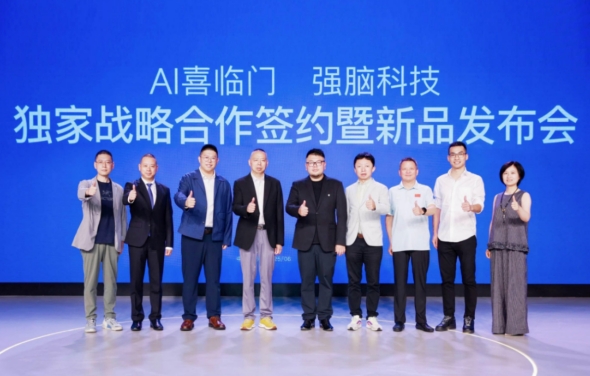
强脑科技战略携手AI喜临门 合作打造“AI陪伴”生态
Jing Ji Wang· 2025-07-07 09:15
Core Viewpoint - Strong Brain Technology and Xilinmen have signed an exclusive strategic cooperation agreement to develop a smart sleep ecosystem based on brain-computer interface technology, aiming to achieve the strategic goal of "no one suffers from insomnia tonight" [1][3]. Group 1: Strategic Cooperation - The partnership will focus on co-developing products such as smart sleep pillows based on brain-computer interfaces, and will collaborate in supply chain, channels, and investment [3]. - The collaboration aims to achieve three strategic transitions: 1) Technological upgrade from material mechanics to "brainwave-level sleep optimization," creating high technical barriers in the industry; 2) Role evolution from a bedding manufacturer to a "full-scenario sleep management service provider," covering precise detection, scientific intervention, and health management; 3) Ecological layout by partnering with universities and tech companies to explore new boundaries in smart sleep [3]. Group 2: Company Background - Strong Brain Technology, founded in 2015 by Han Bicheng during his PhD at Harvard University, is a leading company in non-invasive brain-computer interface technology in China [4]. - The company utilizes external sensors to collect brain, nerve, and muscle electrical signals for high-precision human-computer interaction, and has applied this technology in rehabilitation and health sectors [4]. - The collaboration with Xilinmen marks a significant expansion of this technology into the smart home sector, potentially boosting product sales [4].
慕思金管家成功挑战吉尼斯世界纪录称号,全民见证除螨实力!
Sou Hu Wang· 2025-06-06 02:45
Group 1 - The term "stock era" has become a core keyword for the home furnishing industry in 2025, indicating the importance of understanding consumer demand in a competitive market [1] - Consumer attitudes have shifted from focusing on basic functionality and cost-effectiveness to valuing overall experience, emotional resonance, and personalized services [1] - Home furnishing brands are now at a critical juncture, needing to innovate and redefine brand value centered around user experience [1] Group 2 - Mousse has recognized the equal importance of "service value" and "product value" in the health sleep sector, leading to the establishment of a comprehensive service ecosystem [2] - The "Mousse Gold Steward" service has evolved from a single mattress cleaning service to a full lifecycle health management service, enhancing user engagement [2][4] - The 10th anniversary of the "618 World Dust Mite Day" saw Mousse successfully recruit 474 participants for a Guinness World Record challenge, showcasing its service capabilities [2][7] Group 3 - Mousse's commitment to customer satisfaction is reflected in high service quality metrics, with customer satisfaction rates exceeding 99.6% across various service categories [6] - The successful Guinness World Record challenge highlights Mousse's top-tier service standards in deep cleaning mattresses, reinforcing its brand reputation [9] - The challenge involved 474 participants completing a standardized deep cleaning process, demonstrating Mousse's professional management and coordination capabilities [7][13] Group 4 - The shift in consumer expectations from functional satisfaction to emotional recognition has led brands to provide comprehensive service experiences throughout the entire customer journey [15] - Mousse is positioned as a leader in this service upgrade trend, redefining user experience rules through proactive service and standardization [15] - The focus on "service capability" is becoming a new battleground for defining high-end home furnishing brand value and competitive advantage [15]

梦百合的“首店”烦恼
Tai Mei Ti A P P· 2025-05-29 03:15
Core Viewpoint - Dream Lily's ambitious plan to expand to 2000 hotels has faced challenges just two months after the opening of its first hotel in Shanghai, raising concerns among investors about its operational strategy and market positioning [1][2][3] Expansion Plan - Dream Lily aims to establish 2000 "zero-pressure" hotels, with the first one located in Shanghai Hongqiao, which opened in March 2025 [1] - The hotel features a unique concept combining hospitality, experience, and sales, utilizing Dream Lily's own products such as "MLILY" mattresses and "NISCO" sofas [1][3] Market Positioning - The Shanghai hotel is positioned as a high-end establishment with room rates ranging from 800 to 2000 RMB, but it does not include breakfast, which has led to criticism regarding its market alignment [2][4] - Investors have suggested that the hotel should better align its target customer base with that of its mattress products, focusing on business travelers [2][4] Operational Challenges - The hotel has faced issues with limited booking channels, as it is primarily available on Ctrip, with no presence on other major platforms like Fliggy, Meituan, or Douyin [2][5] - The high-end positioning may restrict customer reach, and the reliance on technology could increase maintenance costs [4][5] Financial Performance - Dream Lily's hotel business reported revenue of 215 million RMB in 2024, a decline of 2.48% year-on-year, with a further drop of 21.46% in the first quarter of 2025 [6] - The company’s overall revenue for 2024 was approximately 8.5 billion RMB, with domestic revenue being significantly lower than overseas [6] Competitive Landscape - The hotel industry is experiencing intense competition, with various brands exploring new business models and revenue streams to adapt to changing consumer demands [9][10] - Other mattress brands like Mousse and Ailan have also ventured into the hotel sector, but their efforts remain limited in scale compared to Dream Lily's ambitious plans [7][8] Industry Trends - The hotel sector is witnessing a shift towards integrating retail and experiential offerings, as companies seek to enhance customer engagement and drive additional revenue [9][10] - The concept of "second curve" growth is becoming crucial for hotel brands as they look for new avenues for expansion amid market saturation [9][10]

瑞典上万家企业已扎根,新时代“哥德堡号”加码投资中国
Di Yi Cai Jing· 2025-05-18 14:05
Group 1: Sweden-China Trade Relations - Over 10,000 Swedish companies are engaged in trade with China, with notable firms like IKEA, Ericsson, and Volvo having a long-standing presence in the Chinese market [1] - This year marks the 75th anniversary of diplomatic relations between China and Sweden, with both countries being each other's largest trading partners in their respective regions [1] - Chinese investment in Sweden is expected to grow by 70% in 2024, with high-tech Chinese companies contributing to Sweden's economic growth and green transition [1] Group 2: Swedish Companies Investing in China - Atlas Copco has established a key technology center in Wuxi, which will serve as a hub for manufacturing, R&D, talent development, and customer interaction, supporting both local and global markets [2] - Scania, a subsidiary of Volkswagen Group, is also increasing its investment in China, including plans for a new heavy truck manufacturing plant [4] - Volvo has emphasized the rapid development of the electric vehicle market in China, highlighting the competitive and innovative nature of the Chinese automotive industry [5][7] Group 3: R&D and Talent Acquisition - Volvo's R&D vice president noted that China has a significant talent pool, with 10 million university graduates annually, compared to Sweden's limited population [7] - Swedish companies are increasingly shifting R&D efforts to China to develop products that better meet local market demands [9] - The trend of Chinese automotive manufacturers expanding globally is noted, with local suppliers entering European markets as Chinese carmakers establish production facilities abroad [7][8] Group 4: Market Dynamics and Challenges - Swedish companies face challenges in profitability, which is a common issue for foreign and domestic firms in the current economic climate [9] - The main export sectors from Sweden to China include industrial equipment, ships, and robots, with a growing number of consumer goods companies increasing their investments in the Chinese market [9] - STIGA, a well-known table tennis brand, holds a 40% market share in China's first-tier market, reflecting the strong demand for Swedish products [11]