床垫

Search documents
2026女性健康睡眠白皮书
优居视界· 2026-03-28 08:08
Investment Rating - The report indicates a strong investment opportunity in the women's sleep health market, highlighting its transition from a single product focus to a comprehensive ecosystem valued at hundreds of billions [10][12]. Core Insights - The women's sleep market in China is experiencing transformative changes driven by policy support, industry growth, evolving consumer demands, and societal emotional shifts [10][20]. - The report identifies three core structural shifts in women's sleep needs: a move from basic sleep assistance to holistic health management, a shift in decision-making from price sensitivity to value sensitivity, and a differentiation of needs across age groups [13][15][19]. Summary by Sections Macro Background - The women's sleep market has evolved into a multi-faceted ecosystem, with significant growth potential driven by government health initiatives and increasing consumer awareness [10][11]. - Policies such as the "Healthy China 2030" initiative have integrated women's sleep health into national health strategies, creating a supportive regulatory environment [11]. - The sleep economy is projected to reach a trillion yuan, with women's specific needs becoming a key growth driver [12]. Consumer Demand Analysis - A survey of 2048 women aged 25-55 revealed that over 70% experience sleep disturbances, with varying pain points across different age groups [26][31]. - Younger women (Z generation) face emotional sleep issues, while mature women and mothers deal with sleep interruptions and quality concerns due to hormonal changes [19][47]. - The report emphasizes the importance of addressing these unique needs with tailored solutions rather than generic products [19][55]. Core Trends and Solutions - The report outlines three major trends for 2026: emotional empowerment through sleep, customized sleep solutions aligned with women's biological rhythms, and the integration of beauty and anti-aging benefits into sleep products [74][75][83]. - Emotional issues are identified as a primary factor affecting sleep quality, with a significant percentage of women reporting anxiety-related sleep difficulties [75][76]. - Customized sleep solutions are increasingly demanded, particularly for women undergoing significant life changes such as pregnancy and menopause [83][87].
高端床垫品牌丝涟145周年经销商大会圆满结束 首推覆盖全年龄产品矩阵
Sou Hu Wang· 2026-02-13 03:27
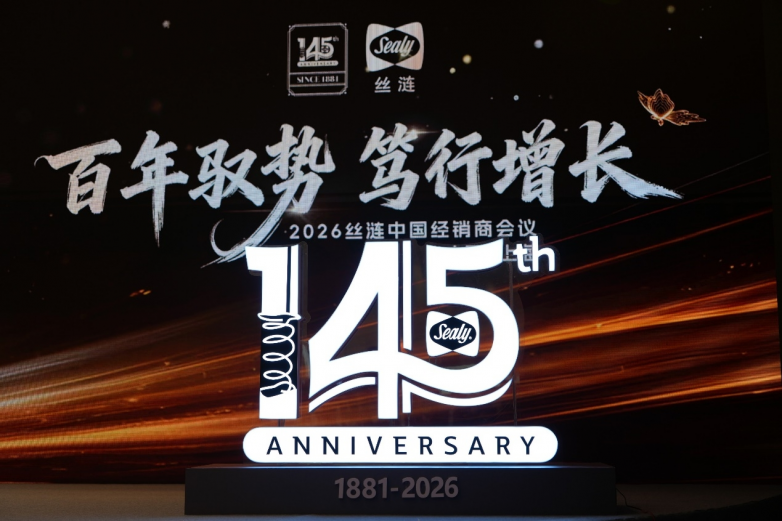
Core Insights - Sealy, a high-end mattress brand, celebrated its 145th anniversary with a dealer conference in Shanghai, launching a commemorative mattress series and upgrading its brand image and retail operations to enhance customer experience and drive sustainable growth in the Chinese mattress market [1][6]. Product Development - Sealy's product team introduced a new product matrix catering to various age groups and user needs, including the "Cloud Comfort" mattress featuring proprietary AlignTM technology and luxurious materials, as well as upgraded versions of popular products [6][7]. - New sleep products targeting specific demographics were launched, such as a mattress for adolescents, a health-focused pillow for women, and a dual-effect pillow for office workers [7]. Brand Strategy - The brand announced a comprehensive upgrade of its visual identity, emphasizing its vision of "Sealy, supporting life" and expanding its marketing efforts into diverse scenarios, including tennis events and urban cultural experiences [14][19]. - Sealy aims to strengthen emotional connections with consumers, focusing on a human-centered brand culture amidst market uncertainties [14]. Market Position - Sealy maintains a strong market presence, ranking first in user decision-making metrics within the mattress industry, with a reputation for quality and innovation [15][19]. - The brand's collaboration with high-profile events, such as the Shanghai Rolex Masters, is seen as a key strategy for enhancing brand recognition and consumer engagement [19]. Corporate Mission - Sealy is committed to creating genuine value for consumers and leaving a positive, sustainable brand impact, adapting proactively to the evolving competitive landscape [21].

家庭耐用品篇:乘智能化之风,家电家居助力养老护理
Guoxin Securities· 2026-02-12 09:17
Investment Rating - The report rates the silver economy industry as "Outperform" compared to the market [1]. Core Insights - The demand for elderly care products is increasing due to the rising proportion of individuals aged 65 and above, as well as the growing number of elderly living alone and those with disabilities. AI technology is enhancing product capabilities and expanding market demand [1][12]. - The report categorizes elderly care durable goods into three main areas: daily living assistance, emotional companionship, and health safety [21]. Summary by Sections Elderly Care Durable Goods Overview - The report highlights the increasing demand for smart elderly care devices, including nursing robots, companion robots, home care equipment, and AI mattresses, driven by the aging population and technological advancements [1][12]. Home Care Equipment - AI is enhancing the functionality of home care devices, which are crucial for monitoring elderly individuals, especially to prevent falls. The market for independent care devices is projected to reach 14 million units by 2030, with a compound annual growth rate of 16% [2][32]. - Leading companies in this sector include Yingzi Network, which offers a comprehensive home care solution through its "Yingzi Elderly Smart Body" product [2][19]. Elderly Care Robots - The market for nursing robots is expected to reach a scale of hundreds of billions, with significant growth driven by policy support and the introduction of new products across various segments [3][43]. - Key players include Ousheng Electric, which specializes in nursing robots, and Rongtai Health, known for its massage therapy robots [3][42]. Smart Mattresses - Smart mattresses are identified as a potential growth category due to their low penetration rate and high demand. The domestic mattress market is expected to reach approximately 65.9 billion RMB by 2024, with smart mattresses projected to increase in market share [4][12]. - Leading companies in this segment include Xilinmen and Mousse Co., which are developing AI-driven sleep solutions [4][50]. Policy Support - The report outlines various government policies aimed at promoting the integration of technology and elderly care, including subsidies for home modifications and the development of smart elderly care products [24][26]. - The Ministry of Civil Affairs and other departments have issued measures to encourage the development of elderly care robots and related technologies [26][27]. Market Demand Projections - The report estimates that by 2030, the number of elderly individuals requiring care will significantly increase, leading to a robust demand for nursing robots and related technologies [45][43]. - The total market demand for elderly care robots in China and abroad is projected to exceed 200 billion RMB [45][43].


累计12次登顶!喜临门坐稳床垫行业第一品牌
Quan Jing Wang· 2026-01-19 10:25
Group 1 - The capital market has shown significant interest in the sleep technology sector, with a report from Guojin Securities highlighting the sleep economy as a series of consumption activities aimed at improving residents' sleep quality [1] - The industry is experiencing accelerated technological iteration, with AI smart mattresses increasing market penetration and frontier technologies like brain-machine interfaces beginning to explore application scenarios [1] - Xilinmen has changed its name to "Sleep Technology," which is viewed as an important strategic focus and has attracted coverage from overseas media [1] Group 2 - Chnbrand's 2025 China Brand Power Index (C-BPI) indicates that Xilinmen ranks first in the mattress industry brand power, marking the twelfth time it has topped this segment [1][3] - The C-BPI measures brand strength not just by sales or awareness but by the degree of brand entrenchment in consumer minds, akin to how Apple is associated with smartphones [2] Group 3 - The 2025 C-BPI survey covered over 100 cities and collected more than 2.77 million consumer samples, revealing a key trend of brand competition entering a stable phase [3] - The proportion of first brands being overturned has significantly decreased from a five-year peak of 22.1% to 6.4%, indicating a more stable competitive landscape [3] - The concept of "golden brands," defined as those maintaining the top position in the same segment for five or more consecutive years, has emerged, with Xilinmen being a notable example [3] Group 4 - In the evolving consumer landscape, the quality of the relationship between brands and consumers is increasingly influencing brand power, necessitating brands to provide emotional and solution-oriented value beyond the product itself [4] - Xilinmen has invested over 1.2 billion yuan in R&D over the past decade, holding 2,472 valid patents, addressing user pain points through continuous technological innovation [4] - The company has developed an intelligent monitoring system that tracks sleep data in real-time and launched the world's first consumer-grade brain-machine interface AI mattress [4] Group 5 - The technological breakthroughs align with the explosive growth of the sleep economy and industry upgrades, solidifying Xilinmen's product competitiveness and realizing its "sleep technology" strategic positioning [5] - The 2025 C-BPI report indicates that the new cycle of brand competition will focus on deeper dimensions, where companies that maintain brand essence while dynamically reshaping competitive advantages will continue to thrive [6]

慕思集团副董事姚吉庆:穿越周期的高端品牌方法论
Xin Lang Cai Jing· 2026-01-19 07:08
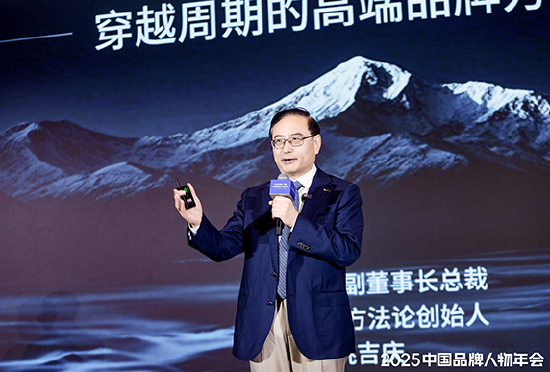
Core Viewpoint - The 20th China Brand Person Annual Conference emphasizes the theme "Who Earns Respect for China" and aims to gather insights and power for the development of Chinese brands, showcasing the evolution and future opportunities in brand building [3][16]. Group 1: High-End Brand Methodology - The founder of the high-end brand methodology shared insights from 30 years of experience in building brands like Vatti, Oppein, and Mousse, highlighting the importance of adapting Western management theories to the Chinese market [3][17]. - The methodology focuses on "seizing the high ground and building deep moats" as a way to navigate through market cycles and establish high-end brands [4][18]. - A high-quality development cycle is proposed, emphasizing increased investment in technology and product innovation to create unique selling points and achieve high standards, quality, and profitability [6][20]. Group 2: Key Challenges for High-End Brands - Three critical barriers for entrepreneurs aiming to establish high-end brands include system management, long-term commitment, and understanding market trends [7][21]. - System management requires a comprehensive tactical approach, moving beyond traditional advertising to a structured strategy that includes a "Nine Virtues Training" for brand success [7][21]. - Long-term commitment is essential, as demonstrated by successful brands like Moutai and Casarte, which persisted through initial losses to achieve growth [8][22]. Group 3: Strategic High Grounds and Moats - Four strategic high grounds identified are strategy, organizational culture, product, and brand, which are essential for establishing a high-end brand [8][22]. - Building three moats is crucial: a digital intelligence moat, a marketing moat, and a service and experience moat, which collectively enhance brand competitiveness [12][25]. - The digital intelligence moat involves restructuring ecosystems through digital transformation, while the marketing moat focuses on creating brand asset value through effective campaigns [12][25][26]. Group 4: Market Opportunities - The current era presents a unique opportunity for Chinese brands to transition from manufacturing powerhouses to brand leaders, with examples like Huawei and BYD reshaping the global brand landscape [14][27]. - The call to action encourages companies to move away from price wars and strive for true pricing power, aiming to create iconic brands that resonate on the global stage [14][27].
市场简报:智享深睡未来,AI床垫引领健康消费新浪潮-20260106
Tou Bao Yan Jiu Yuan· 2026-01-06 12:16
Investment Rating - The report does not explicitly state an investment rating for the AI mattress industry Core Insights - The AI mattress industry is positioned as a significant development direction in the sleep industry, with a focus on personalized sleep solutions that align with consumer trends towards health and smart experiences [3][15] - The market for AI mattresses is expected to transition from a high-end niche to mainstream adoption as technology improves and costs decrease [3][28] Summary by Sections Industry Overview - AI mattresses integrate sleep science with AI and IoT technologies, offering features like real-time monitoring of sleep data and automatic adjustments to mattress parameters [2][3] - The core selling point of AI mattresses is their ability to provide personalized sleep solutions based on individual body characteristics and sleep habits, contrasting with traditional spring mattresses that offer passive support [3][4] Technical Composition - AI mattresses consist of four core components: AI chip, drive engine, flexible support unit, and surface skin layer, which work together to create a feedback loop for optimal sleep support [7][10] - The cost structure of AI mattresses shows that over 50% of the costs are attributed to core intelligent hardware, indicating a high level of technological intensity [8] Market Development - The AI mattress industry is currently in a critical phase of transitioning from technology validation to market expansion, with leading brands like Mousse and Xilinmen integrating advanced sensors and algorithms [15][28] - The market size for smart beds in China is projected to grow from 2.18 billion to 3.36 billion yuan from 2020 to 2024, with a compound annual growth rate of 11.4% [28][30] Consumer Demand - The demand for sleep health solutions is rising, with 48.5% of the adult population in China experiencing sleep issues, creating a significant market opportunity for AI mattresses [21] - Features such as sleep relaxation massage are highly favored by consumers, indicating a focus on enhancing user experience through technology [26] Future Trends - Future developments in the AI mattress industry are expected to focus on technological advancements, ecosystem collaboration, and targeted solutions for specific demographics [29] - The market penetration of AI mattresses is anticipated to accelerate due to the involvement of tech companies and the integration of smart home ecosystems [28][29]
“埋伏”10年,一朝更名:喜临门其实是一家科技公司
Bei Ke Cai Jing· 2025-12-30 03:53
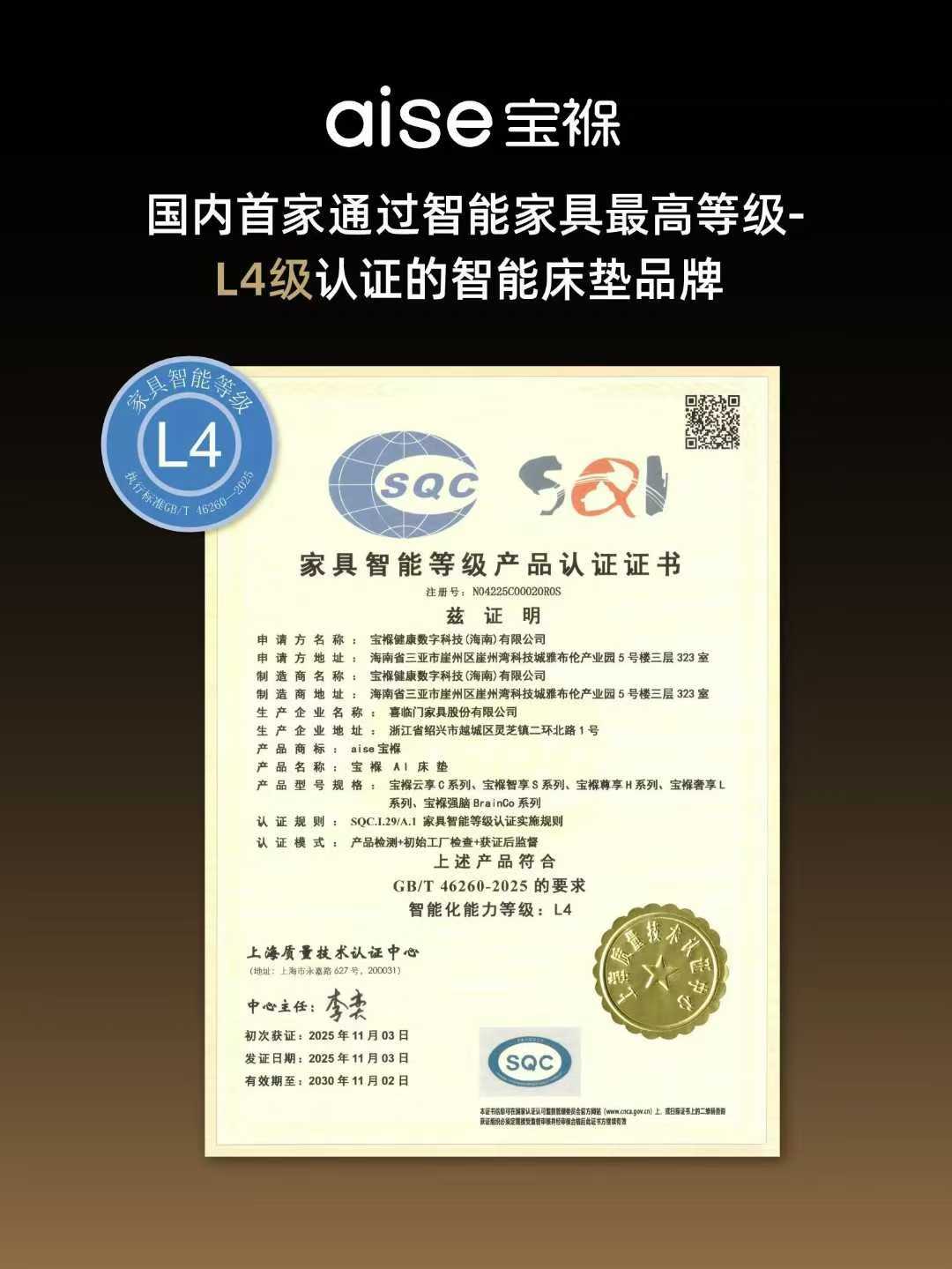
Core Viewpoint - The company Xi Lin Men is undergoing a name change from "Xi Lin Men Furniture Co., Ltd." to "Xi Lin Men Health Sleep Technology Co., Ltd." to reflect its strategic transformation towards sleep technology, marking a significant shift from traditional furniture manufacturing to providing comprehensive sleep health solutions [1][8][20]. Group 1: Company Transformation - The name change is seen as a culmination of over a decade of technological investment and development, including the launch of innovative products like the Smart One adjustable air spring mattress and the AI-powered aise宝褓 series [5][10][20]. - Xi Lin Men has invested over 1.2 billion yuan in research and development over the past ten years, holding 2,376 valid patents and achieving significant technological advancements in sleep products [10][19]. - The company has established itself as a leader in the sleep technology sector, with its flagship product aise宝褓 receiving the highest L4 certification for smart mattresses, indicating a strong market demand for innovative sleep solutions [8][9][10]. Group 2: Market Response and Financial Performance - Following the announcement of the name change, Xi Lin Men’s stock experienced a strong market reaction, with a limit-up on the day after the news and a subsequent increase of over 5% [5][10]. - In the first three quarters of 2025, the company reported revenues of 6.196 billion yuan and a net profit of 399 million yuan, reflecting year-on-year growth of 3.68% and 6.45% respectively, with a gross margin of 36.03% [17]. - The company’s market share is approximately 4.5%, indicating room for growth in a highly fragmented industry with over 40,000 mattress companies in China [18]. Group 3: Technological Advancements - Xi Lin Men has developed a fully automated 5G smart factory, significantly enhancing production efficiency with minimal human labor, and has established a national quality testing center for rigorous product testing [11][15]. - The company has collaborated with leading academic institutions to advance its research capabilities, including partnerships with Tsinghua University and Zhejiang University for sleep technology research [10][19]. - Xi Lin Men has been recognized as a high-tech enterprise in the furniture industry, breaking traditional perceptions and laying the groundwork for its transition to a sleep technology company [19].
从喜临门改名窥见睡眠科技的未来
Xin Lang Cai Jing· 2025-12-26 12:26
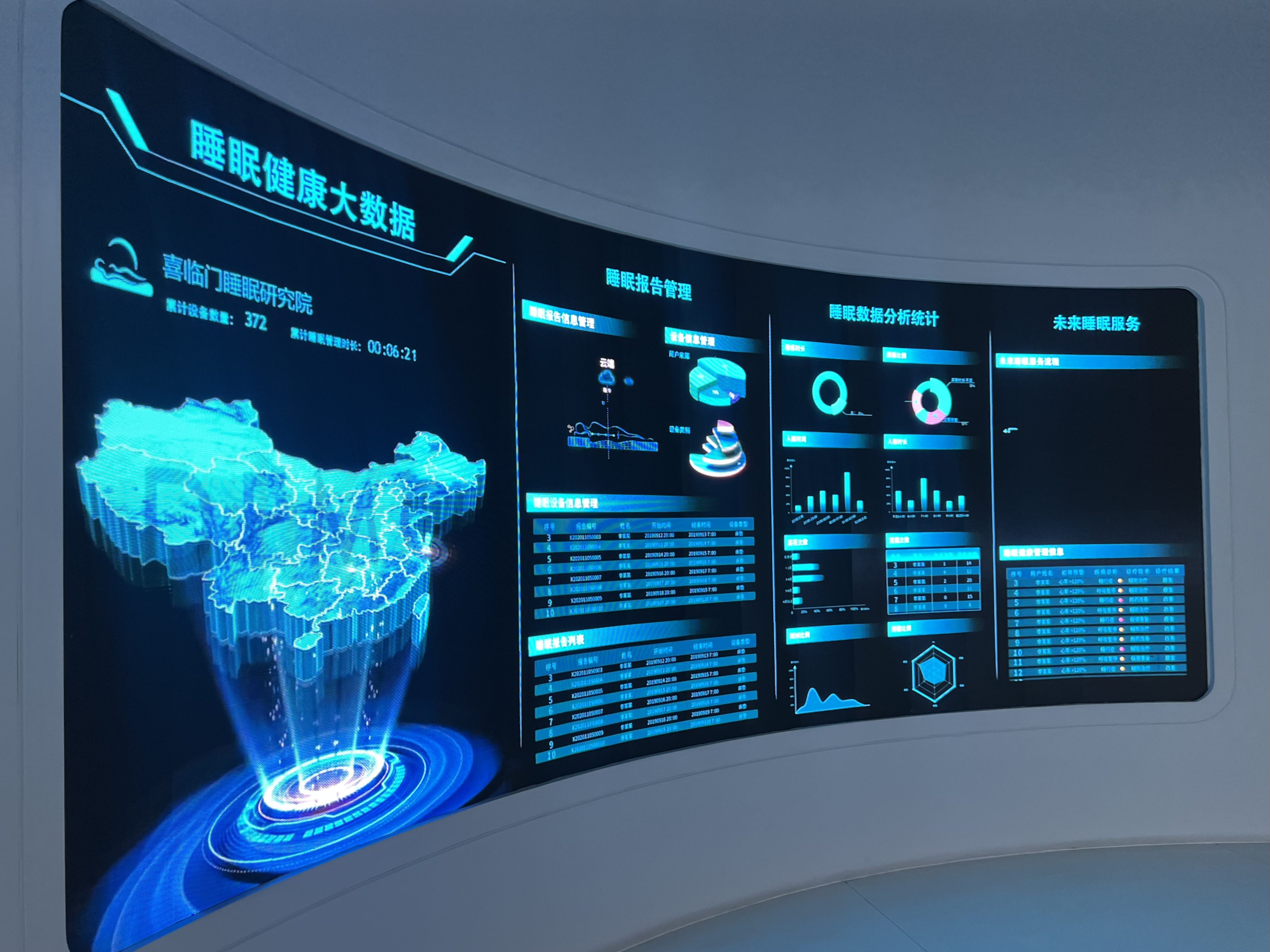
Core Insights - The article highlights the emergence of BrainCo, a consumer-grade brain-computer interface (BCI) mattress developed by Xilinmen, marking a significant technological advancement in the sleep industry [1][4][10] - Xilinmen's recent rebranding to Xilinmen Health Sleep Technology Co., Ltd. emphasizes its long-standing commitment to sleep technology rather than merely being a furniture manufacturer [1][11] Group 1: Technological Foundation - Xilinmen has a rich technological heritage, having pioneered the first ultrasonic pocket spring mattress in China in 1996, which marked a breakthrough in the domestic mattress industry [2][12] - Over the years, Xilinmen has developed various innovative technologies, including air spring technology in 2018 and the Smart1 intelligent mattress in 2020, culminating in the launch of the BrainCo mattress in 2025 [2][12][14] - The company has invested over 1.2 billion yuan in R&D over the past decade, resulting in 2,376 effective patents and collaborations with top universities and research institutions [3][13] Group 2: Market Position and Product Innovation - The flagship product, the BrainCo mattress, integrates brainwave monitoring with intelligent adjustment technology, achieving a global breakthrough in the commercialization of BCI technology [4][14] - The mattress series has received the highest L4 certification for smart mattresses, showcasing Xilinmen's leadership in the global sleep technology market [4][14] - Xilinmen is transforming traditional mattresses into health management hubs by integrating sleep data with smart home ecosystems, enhancing their functionality beyond mere sleep support [5][15] Group 3: Market Trends and Future Outlook - The global sleep market is projected to reach $67.76 billion by 2024, with a significant increase in demand for wearable devices and smart bedding products [6][17] - In China, the sleep economy has grown from 261.63 billion yuan in 2016 to 495.58 billion yuan in 2023, indicating a shift towards high-value AI-assisted sleep products [6][17] - Xilinmen has established a robust competitive barrier through comprehensive technological capabilities, extensive production capacity, and a strong brand presence, serving 60 million households and entering 3,000 star-rated hotels [6][17] Group 4: Long-term Vision and Health Integration - Xilinmen's strategic focus on sleep technology aligns with the "Healthy China 2030" initiative, aiming to integrate sleep data into broader health management systems [9][18] - The company's vision for smart sleep terminals includes continuous monitoring of neurological states and early warning systems for emotional or cognitive disorders, contributing to overall health and longevity [7][18] - The evolution of sleep technology is expected to redefine the boundaries of traditional home furnishings, positioning sleep products as essential components of the health industry [9][18][19]
喜临门,被名字耽误的睡眠科技公司
Quan Jing Wang· 2025-12-26 03:19
Core Insights - The article highlights the emergence of BrainCo, the world's first consumer-grade brain-computer interface (BCI) mattress, developed by Xilinmen, a company transitioning from traditional furniture to a health-focused sleep technology firm [1][10]. Group 1: Company Background and Technological Evolution - Xilinmen has a rich technological heritage, having pioneered the first ultrasonic pocket spring mattress in China in 1996, marking a significant breakthrough in the mattress industry [2]. - Over the years, Xilinmen has developed various innovative technologies, including the unique air spring technology in 2018, and has focused on smart mattress solutions, culminating in the launch of the BrainCo mattress in 2025 [2][5]. - The company has invested over 1.2 billion yuan in R&D over the past decade, resulting in 2,376 effective patents, and has established collaborative research centers with top universities to advance sleep technology [3][4]. Group 2: Product and Market Positioning - The BrainCo mattress integrates brainwave monitoring with intelligent adjustment technology, providing real-time data capture and sleep intervention, positioning Xilinmen at the forefront of sleep technology [5][6]. - The flagship product series, including the BrainCo mattress, has achieved the highest L4 certification for smart mattresses, indicating a significant advancement in the industry [5]. - The global sleep market is projected to reach $67.76 billion in 2024, with a notable increase in demand for smart sleep products, reflecting a shift towards high-value technology-driven solutions in the sleep industry [7]. Group 3: Strategic Vision and Future Outlook - Xilinmen aims to transform traditional mattresses into core nodes of family health management, integrating sleep data with smart home ecosystems [6][9]. - The company's strategic shift aligns with China's "Healthy China 2030" initiative, emphasizing the importance of sleep technology in health management and disease prevention [9]. - The evolution of Xilinmen from a traditional mattress manufacturer to a sleep technology company exemplifies a broader industry trend towards integrating technology into health and wellness solutions [10].

从家具到科技:喜临门更名背后的千亿睡眠经济布局
Bei Ke Cai Jing· 2025-12-15 04:25
Core Viewpoint - Xilinmen Furniture Co., Ltd. is changing its name to Xilinmen Healthy Sleep Technology Co., Ltd. to align with its strategic development in the sleep technology sector, marking a significant brand transformation from a traditional furniture manufacturer to a technology-driven sleep solution provider [1][5][6]. Company Strategy and Transformation - The name change reflects the company's commitment to "dedicating to human health sleep" and aims to enhance brand recognition and premium positioning in the market [6][15]. - Xilinmen has invested heavily in sleep technology, holding 2,376 valid patents, including 73 invention patents, and has developed core technologies such as flexible air bags and intelligent monitoring systems [1][12]. - The company has established a proprietary 5G industrial internet platform and has been recognized as an advanced intelligent factory in Zhejiang Province [1][14]. Market Context and Growth Potential - The Chinese sleep economy market has grown from 261.63 billion yuan in 2016 to 495.58 billion yuan in 2023, with projections to reach 658.68 billion yuan by 2027, indicating a significant growth opportunity [7]. - Increasing consumer awareness of sleep quality is driving demand for smart sleep products that incorporate features like intelligent monitoring and personalized adjustments [8][15]. Product Innovation and Development - Xilinmen's product range has expanded from traditional soft furniture to include smart sleep products, with electric smart home products accounting for over 3% of revenue in the first three quarters of 2025 [12]. - The company has successfully upgraded its core technology modules, enabling dynamic adjustment of mattress firmness and intelligent adaptation to sleep environments [12][15]. - The Aise Baobao brand has achieved the highest L4 level certification for smart mattresses, showcasing the company's leadership in the smart sleep product category [4][13]. Industry Trends and Future Outlook - The sleep industry is transitioning into a technology-driven phase, characterized by product intelligence, data-driven services, and ecosystem integration [15]. - Xilinmen is positioned to lead this transformation by leveraging data to enhance user engagement and create continuous value-added services, thereby redefining sleep as a measurable and manageable health metric [15].