汽车工业

Search documents
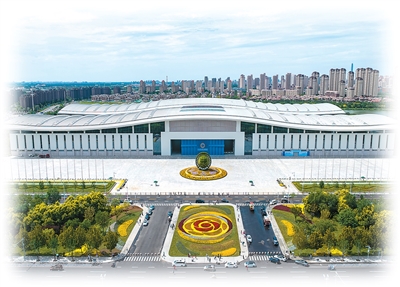
奋勇争先,决战决胜“十四五”|成都加力推动产业园区高质量发展
Ren Min Ri Bao· 2025-09-16 03:41
Group 1 - Industrial investment in Chengdu increased by 31.0% year-on-year in the first seven months of the year, with electronic information product manufacturing and automotive industry investments growing by 46.1% and 71.3% respectively [1] - Chengdu is focusing on developing characteristic advantageous industries and strategic emerging industries, as emphasized by President Xi Jinping during his visit [1] - The establishment of a strong industrial park system is crucial for economic development, with Chengdu optimizing its industrial park structure to include 3 national-level, 22 provincial-level, and multiple city-level parks [2] Group 2 - Chengdu has implemented practical policies to support industrial park development, including a chief consultant system and financial incentives for high-quality development [3] - In the first eight months, Chengdu's industrial parks attracted 554 major industrial projects with a total investment of 497.164 billion yuan, and the number of industrial enterprises reached 4,405 [3] - The city is accelerating the formation of two trillion-yuan industrial clusters in electronic information and equipment manufacturing, along with 11 key industrial chains worth hundreds of billions [3] Group 3 - Chengdu's biotech company, Maikang Biotechnology, has entered clinical trials for three new products, benefiting from local resource integration and support from the Tianfu International Biotech City management [4] - Since September of the previous year, Chengdu has been actively engaging with enterprises to resolve issues and improve the business environment, visiting 147,800 companies and addressing 39,700 issues with a completion rate of 98.99% [4] Group 4 - Chengdu's GDP grew by 5.8% year-on-year in the first half of the year, with the private economy increasing by 6.3%, indicating a stable and positive economic trend [5] - The city is committed to building a modern industrial system with unique Chengdu characteristics, focusing on high-quality development of industrial parks [5]
成都加力推动产业园区高质量发展(奋勇争先,决战决胜“十四五”)
Ren Min Ri Bao· 2025-09-15 22:16
Group 1: Economic Growth and Investment - In the first seven months of the year, industrial investment in Chengdu increased by 31.0%, with electronic information product manufacturing and automotive industry investments rising by 46.1% and 71.3% respectively [1] - High-tech industry investment grew by 28.7%, reflecting Chengdu's strong economic momentum [1] Group 2: Industrial Park Development - Chengdu is focusing on developing industrial parks as key drivers for high-quality economic growth, enhancing the capabilities of its characteristic advantageous industries [1][2] - The Chengdu Economic Development Zone has attracted 19 well-known companies in the aviation sector, with 11 projects currently in progress [2] - The city has established a system of "3 national-level + 22 provincial-level + N municipal-level" industrial parks to optimize and enhance industrial development [2] Group 3: Policy Support and Project Implementation - Chengdu has implemented practical policies to support industrial park development, including a chief consultant system and financial incentives for high-quality development [3] - In the first eight months, 554 major industrialization projects were introduced, with a total investment of 497.164 billion yuan [3] - Chengdu aims to cultivate two trillion-yuan-level industrial clusters and 14 national-level industrial clusters [3] Group 4: Business Environment and Support - Chengdu has been actively providing support to enterprises, with 14.78 million businesses visited and nearly 99% of issues resolved [4] - The city's GDP grew by 5.8% year-on-year in the first half of the year, with the private economy increasing by 6.3% [4] - Chengdu is focused on building a modern industrial system with local characteristics, emphasizing high-quality development of industrial parks [4]
长春英利汽车工业股份有限公司关于召开2025年半年度业绩说明会的公告
Shang Hai Zheng Quan Bao· 2025-09-05 21:16
登录新浪财经APP 搜索【信披】查看更多考评等级 证券代码:601279 证券简称:英利汽车 公告编号:2025-039 长春英利汽车工业股份有限公司关于召开2025年半年度业绩说明会的公告 本公司董事会及全体董事保证本公告内容不存在任何虚假记载、误导性陈述或者重大遗漏,并对其内容 的真实性、准确性和完整性承担法律责任。 重要内容提示: 本次业绩说明会以网络互动召开,公司将针对2025年半年度的经营成果及财务指标的具体情况与投资者 进行互动交流和沟通,在信息披露允许的范围内就投资者普遍关注的问题进行回答。 二、说明会召开的时间、地点 (一)会议召开时间:2025年9月22日(星期一)下午13:00-14:00 董事长、总经理:林上炜先生 会议召开时间:2025年9月22日(星期一)下午13:00-14:00 会议召开地点:上海证券交易所上证路演中心(网址:http://roadshow.sseinfo.com/)(以下简称"上证路 演中心") 会议召开方式:上证路演中心网络互动 投资者可于2025年9月15日(星期一)至9月19日(星期五)16:00前登录上证路演中心网站首页点击"提问预 征集"栏目或通过长春 ...

海河之滨 见证和合(环球热点)
Ren Min Ri Bao Hai Wai Ban· 2025-09-01 22:41
Group 1 - The Shanghai Cooperation Organization (SCO) summit held in Tianjin emphasized cooperation among member states, focusing on security, economic, cultural collaboration, and organizational development, resulting in 24 outcome documents that will guide future SCO initiatives [8][13][14] - The "Shanghai Spirit," which promotes mutual trust, mutual benefit, equality, and respect for diverse civilizations, was highlighted as a crucial element for fostering cooperation among member countries [9][11] - The summit's outcomes are expected to enhance economic ties, facilitate trade and investment, and promote the integration of member states' economies, particularly in the context of global economic challenges [10][13][14] Group 2 - The SCO has been actively involved in various industrial cooperation projects, including the establishment of industrial parks and logistics hubs in Central Asia, which support regional industrial development and infrastructure improvement [12][14] - The China-Pakistan Economic Corridor (CPEC) is a significant example of SCO cooperation, contributing to Pakistan's internal connectivity, alleviating power shortages, and creating job opportunities [12][14] - The summit's agreements are seen as a pathway for member states to build sustainable industrial chains and develop complementary industries, which is increasingly important in the current global economic landscape [14]

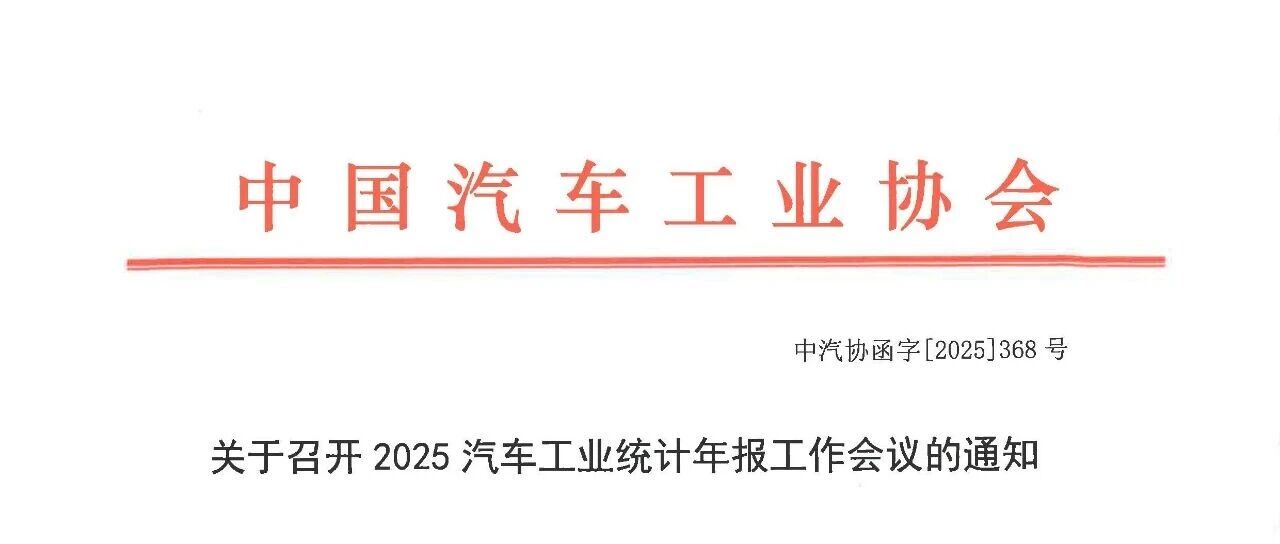
关于召开2025汽车工业统计年报工作会议的通知
中汽协会数据· 2025-09-01 09:34
Group 1 - The meeting aims to enhance the quality of statistical data in the automotive industry and will cover the economic operation of the automotive industry in 2025 [1] - Key topics include government requirements for statistical work, a summary of the 2025 automotive industry statistics, and plans for future work [1] - The meeting will also recognize outstanding contributions in automotive industry statistics and provide training on the automotive industry information system [1] Group 2 - The meeting is scheduled from October 22 to 25, 2025, in Changsha, Hunan Province, with registration on the first day and return on the last day [2] - Participation fees are set at RMB 1900 per person, with different rates for single occupancy and non-staying attendees [2] - Attendees must register by October 15 and are responsible for their own travel arrangements [3]
【环球财经】日本7月工矿业生产指数环比下降
Xin Hua She· 2025-08-29 07:39
Core Viewpoint - Japan's industrial production in July declined by 1.6% month-on-month, primarily due to a 6.7% drop in the automotive industry, influenced by U.S. tariff policies [1] Industry Summary - The seasonally adjusted industrial production index for July stood at 101.6, with 9 out of 15 industries experiencing a decline in production [1] - The automotive and production machinery sectors were the most significant contributors to the decrease in the industrial production index [1] - In contrast, sectors such as electrical and information communication machinery, as well as the chemical industry, showed production expansion [1] Output and Inventory Summary - The industrial shipment index fell by 2.5% to 98.9, while the inventory index increased by 0.8% to 100 [1] Economic Outlook - The Chief Economist at Dai-ichi Life Research Institute, Toshihiro Nagahama, predicts a potential reduction in industrial production in the third quarter, which may negatively impact economic growth for the quarter [1]
日本7月工矿业生产指数环比下降
Xin Hua She· 2025-08-29 06:10
Group 1 - Japan's automotive industry production declined by 6.7% in July, significantly impacting the industrial production index, which fell by 1.6% month-on-month [1] - The seasonally adjusted industrial production index for July stood at 101.6, with 9 out of 15 industries experiencing a month-on-month decline [1] - The automotive and production machinery sectors were the most affected, while sectors like electrical and information communication machinery, as well as the chemical industry, showed growth [1] Group 2 - The industrial shipment index decreased by 2.5% to 98.9, while the inventory index increased by 0.8% to 100 [2] - The chief economist at Dai-ichi Life Research Institute predicts a potential reduction in industrial production in the third quarter, which may negatively affect economic growth for the quarter [2]
欧盟寻求快速推进立法提案,拟取消美工业品关税
Huan Qiu Shi Bao· 2025-08-28 22:41
Group 1 - The EU is seeking to quickly advance legislation to eliminate all tariffs on U.S. industrial goods to meet the U.S. government's condition for reducing auto export tariffs [1] - Currently, EU automotive and parts exports to the U.S. face a 27.5% tariff, while a trade agreement would reduce U.S. tariffs on nearly all European products to 15% [1][2] - The EU acknowledges that the trade agreement is more beneficial to the U.S., but it is crucial for ensuring stability and certainty for European businesses [1] Group 2 - The EU is under pressure to complete the reduction of auto tariffs, with a potential 15% tariff on European auto exports to the U.S. retroactive from August 1 if the proposal is made by the end of the month [2] - The automotive sector is a significant export for the EU, with Germany alone exporting $34.9 billion worth of new cars and parts to the U.S. in 2024 [2] - A survey indicated that 55% of respondents believe the tariff agreement imposes a heavy burden on the European economy, with 54% of companies with U.S. operations reporting a decrease in trade volume [3]
德国工业遭美关税冲击 相关组织要求欧盟与美重谈贸易协议
Yang Shi Xin Wen Ke Hu Duan· 2025-08-27 07:50
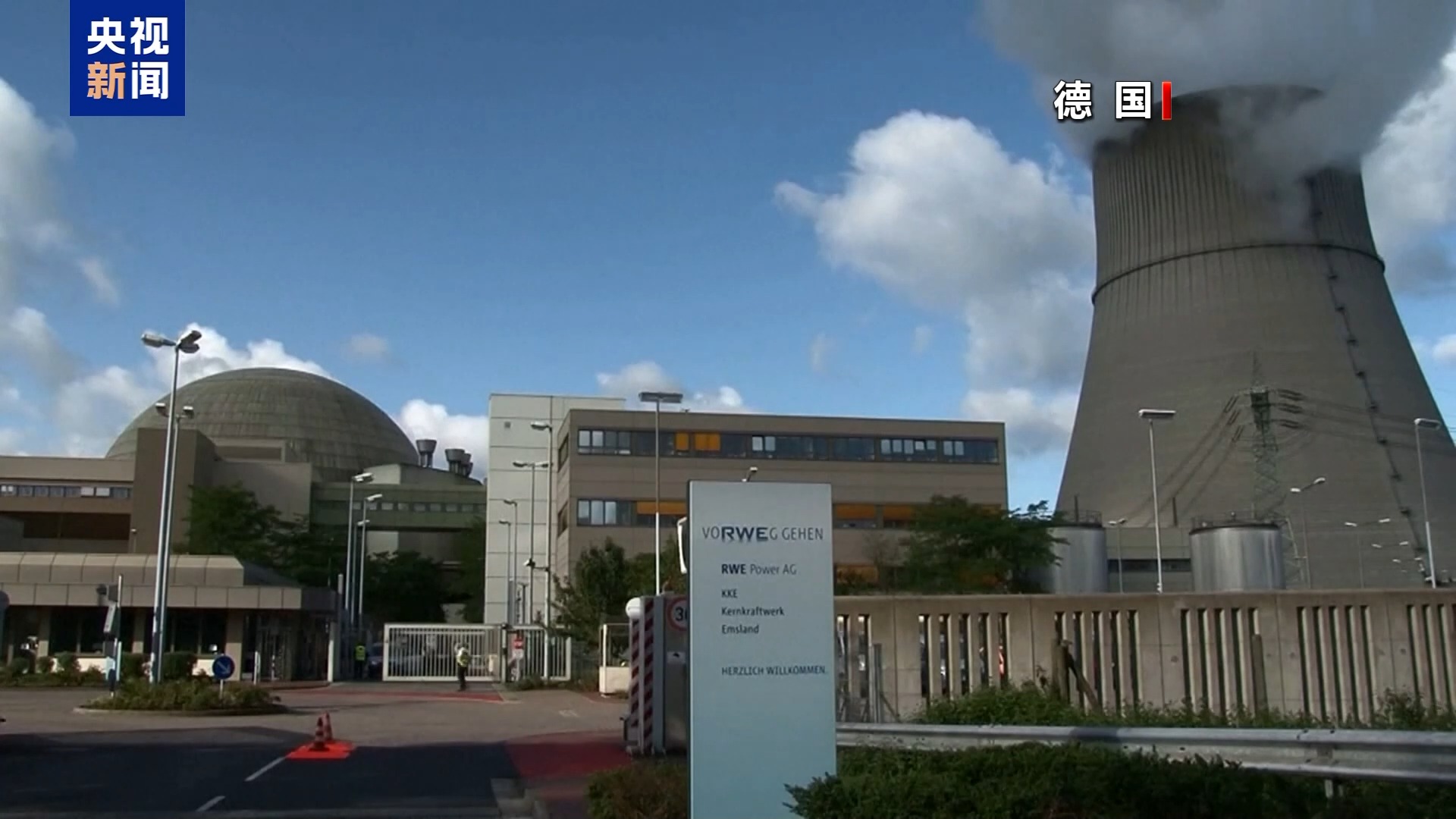
Group 1 - The German industrial sector, particularly the automotive industry, is facing significant challenges due to U.S. tariffs, high energy prices, and weak domestic demand [1][3] - In June, Germany's industrial output decreased by 1.9% month-on-month and 3.6% year-on-year, reaching its lowest level since May 2020 [3] - Exports to the U.S. have declined for three consecutive months, marking the lowest level since February 2022 [3] Group 2 - The German automotive industry is severely impacted, with major companies like BMW, Mercedes-Benz, and Volkswagen reporting significant profit declines in the first half of the year [5] - Despite a reduction in U.S. tariffs on EU car imports to 15%, German automakers still face billions in additional tariffs annually [5][7] - The automotive sector has seen a net job loss of approximately 51,500 positions over the past year, accounting for nearly 7% of total jobs in the industry [9] Group 3 - The German industrial sector has reduced its workforce by about 114,000 jobs, a 2.1% year-on-year decrease [9] - The industrial revenue has been under pressure, with a 2.1% year-on-year decline in the second quarter, marking the eighth consecutive quarter of decline [9] - The machinery manufacturing sector is calling for the EU to renegotiate trade agreements with the U.S. due to new tariffs that exceed previously agreed levels [11] Group 4 - A recent trade agreement between the EU and the U.S. includes a 15% tariff on most EU goods, while the EU has committed to eliminating tariffs on U.S. industrial products [12]
中国股市要“长牛”,不能靠情绪
Hu Xiu· 2025-08-21 12:47
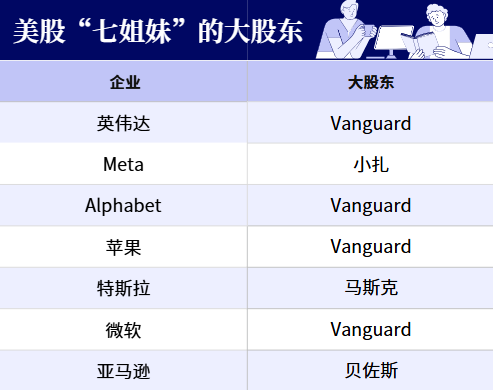
Group 1 - The recent A-share market has shown strong performance, with the Shanghai Composite Index rising over 1% and surpassing 3700 points, supported by factors such as expectations of a Federal Reserve rate cut and ongoing domestic monetary easing [1] - The Chinese stock market suffers from a "short bull" syndrome, characterized by short-term surges followed by long-term stagnation, leading to psychological impacts on investors [2][3] - The lack of "super enterprises" in China, which possess sustainable growth capabilities, is a significant factor affecting the long-term performance of the capital market [9][10] Group 2 - The U.S. stock market's strength is attributed to the dominance of large, successful companies, with 40 out of the top 100 global companies being American [4] - The distinction between large enterprises and "super enterprises" is crucial, as not all large companies have the capacity for sustained growth, which is necessary for a robust capital market [9][10] - The Chinese market lacks a sufficient number of "super enterprises" that can drive long-term growth, resulting in a structural shortfall compared to the U.S. market [10][11] Group 3 - A clear and significant turning point is needed for the Chinese stock market to achieve long-term growth, which includes stable national support for enterprise development and the removal of unnecessary restrictions [11][12] - The macroeconomic environment's stability and support for businesses are more critical than short-term industrial policies, indicating that sustained policy implementation could lead to a bullish market [12][13]