空调

Search documents
铜价狂飙36%,格力回应空调涨价问题
21世纪经济报道· 2026-01-05 12:52
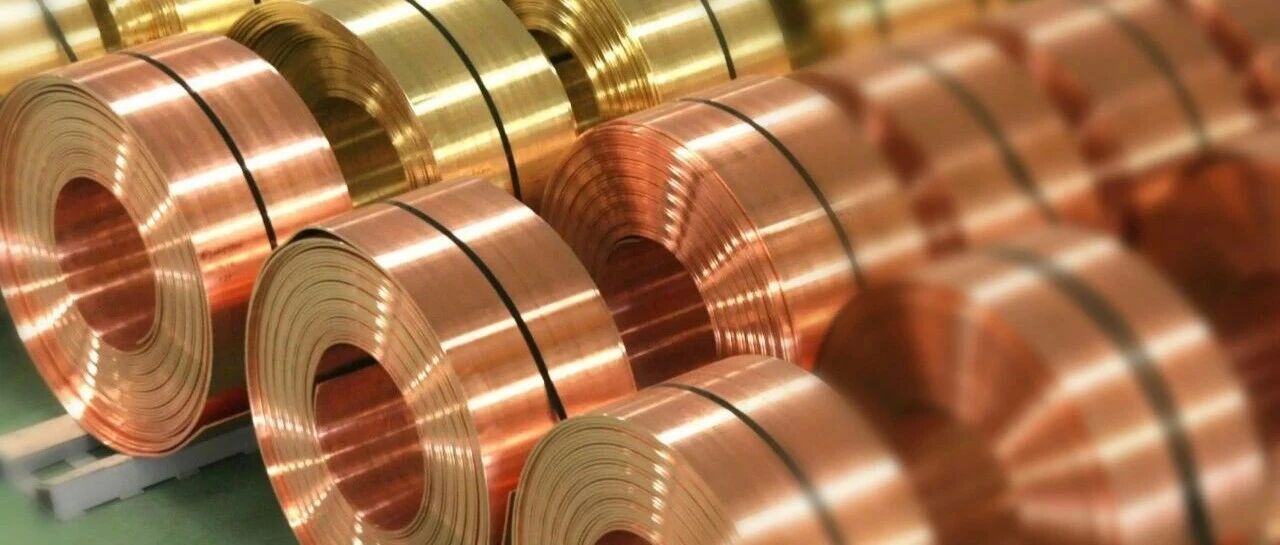
编辑丨 骆一帆 记者丨翁榕涛 近期,格力电器(000651.SZ)陆续收到投资者及媒体就部分企业推出空调涨价和"铝代铜"计 划等相关问题的咨询,询问公司的态度和计划。 1月5日,格力电器官方微信号发布通知表示,格力家用空调不涨价。同时,为满足格力家用空 调十年免费包修服务标准,暂无"铝代铜"相关计划。未来若相关研究能完全满足格力质量和技 术标准要求并正式应用,格力将予以明确标注,充分保障消费者的知情权与选择权。 Wind数据显示,铜价在近日首次突破10万元关口, 2026年1月5日,现货铜价报100620元/ 吨,这一价格较2025年初的73830元/吨上涨36.28%,较2015年的周期低点涨幅接近2倍。 若以铜原材料占据空调成本的20%计算,这意味着仅因为铜价上涨的因素,每台空调的成本就 上升7.26%左右。 因此,有投资者认为, 现在铜价上涨,很多空调公司都开始用"铝代铜"以降低成本,如果格 力坚持使用铜作为原材料,可能会导致价格上涨并且市场份额流失,失守低端市场。 格力电器市场总监朱磊认为,原材料上涨的成本压力,如果最终被转移分摊给了国家财政与消 费者,不仅削弱了国补政策的惠民实效,也违背了政策出台的 ...


空调“铝代铜”,这次董明珠和雷军终于一致了
Xin Lang Cai Jing· 2026-01-05 11:45
Core Viewpoint - The rising copper prices have led to discussions about the potential for aluminum to replace copper in air conditioning units, with major manufacturers like Gree and Midea currently not planning to adopt aluminum alternatives [1][2][3] Group 1: Copper Price Impact - Copper prices have reached historical highs, with LME copper exceeding $11,870 per ton and domestic prices surpassing 90,000 and 100,000 yuan per ton [2][7] - The air conditioning industry is feeling pressure to raise prices due to high copper costs, but the 2026 appliance replacement subsidy policy may mitigate this pressure [2][7] - Gree Electric has committed to not raising prices for household air conditioners to align with the 2026 subsidy policy, aiming to boost consumer spending [2][7] Group 2: Market Reactions - There were rumors of Midea increasing prices by over 6%, but these were clarified as misinterpretations, with only minor adjustments to specific models [3][8] - Gree's decision to maintain prices reflects its strategy of emphasizing quality and brand value, while Midea's approach shows flexibility in response to cost pressures [3][8] - Gree's air conditioning units reportedly have a gross margin that is over 5 percentage points higher than Midea's, which may explain its ability to avoid price increases [3][8] Group 3: Aluminum as a Substitute - The air conditioning sector is highly sensitive to copper prices, with approximately 85,000 tons of copper consumed annually, accounting for 21% of national demand [4][9] - Some manufacturers, like Wanbao, are exploring aluminum alternatives, with their new series priced significantly lower than traditional models after subsidies [4][9] - Cost savings from switching to aluminum can range from 70 to 80 yuan per unit for evaporators, and up to 300 to 500 yuan for comprehensive replacements [5][9] Group 4: Future Price Trends - The introduction of aluminum may not necessarily lead to lower retail prices, as the market dynamics could result in stable high-end prices and increased competition in the mid-range segment [10][11] - Analysts suggest that if raw material prices do not continue to rise and considering the impact of subsidies, air conditioning prices may remain low in 2026 [11]

格力电器回应!承诺不涨价,暂无“铝代铜”计划
Zhong Guo Zheng Quan Bao· 2026-01-05 04:12
Core Viewpoint - Gree Electric Appliances has committed to not raising prices for its home air conditioners in response to the national subsidy policy for home appliances by 2026, while also stating that it currently has no plans to adopt the "aluminum instead of copper" strategy due to quality and technical standards concerns [1][3]. Group 1: Company Response - Gree Electric Appliances announced through its official WeChat account that it will not increase the prices of its home air conditioners, aligning with the national subsidy policy for home appliances [1]. - The company emphasized that it has no current plans to implement the "aluminum instead of copper" strategy, as it aims to meet the ten-year free warranty service standard for its home air conditioners [1]. - Gree stated that any future application of aluminum materials will be clearly marked only if they meet the company's quality and technical standards [1]. Group 2: Industry Developments - The home appliance industry has been exploring the "aluminum instead of copper" process to reduce costs due to soaring copper prices since 2025 [1]. - The Ministry of Industry and Information Technology and ten other departments issued a plan in March 2025 to enhance the high-end supply level of aluminum products and expand their application in various sectors, including automotive and home appliances [1]. - The China Refrigeration Society released a group standard for the construction of aluminum tube fin heat exchanger production lines for room air conditioners, which will accelerate the transition to aluminum technology [2]. Group 3: Industry Discrepancies - Despite the emergence of relevant standards, there are still disagreements within the industry regarding the adoption of aluminum heat exchangers [3]. - Leading air conditioning companies, including Midea, Xiaomi, TCL, and Haier, initiated a self-regulation agreement to promote the characteristics of aluminum heat exchangers and enhance consumer trust in industry products and technologies [3]. - Gree Electric Appliances has maintained a cautious stance on the aluminum substitution process, citing significant differences in parameters such as melting point, thermal conductivity, resistivity, and corrosion resistance compared to copper [3].
以后的空调制冷都不行了?铝代铜到底是升级还是减配?
36氪· 2026-01-04 23:59
Core Viewpoint - The article discusses the ongoing debate in the air conditioning industry regarding the use of aluminum instead of copper in key components, particularly heat exchangers, and the implications for performance and cost [5][12][31]. Group 1: Industry Trends - Major air conditioning brands, including Haier, Midea, and TCL, have formed an alliance to promote the use of aluminum in place of copper, while Gree has explicitly stated it will not adopt this practice due to concerns over quality and reliability [6][10][11]. - The shift to aluminum is driven by rising copper prices, which have surged to over $12,000 per ton, making copper increasingly expensive for manufacturers [38][59]. Group 2: Technical Considerations - The transition to aluminum involves replacing copper pipes in heat exchangers, which are critical for the cooling and heating functions of air conditioners [12][15]. - Aluminum has lower thermal conductivity (about 60% of copper's) and poorer corrosion resistance, which raises concerns about long-term reliability and performance [17][18]. - Innovations such as microchannel technology and specialized coatings are being developed to mitigate the disadvantages of aluminum [19][20][21]. Group 3: Economic Factors - The cost of copper constitutes approximately 30-40% of the total cost of air conditioning units, prompting manufacturers to seek alternatives like aluminum, which is significantly cheaper (1/12 the cost of copper) [36][62]. - The global demand for copper is increasing due to the expansion of AI data centers and electric vehicle production, further straining supply and driving prices up [47][52]. Group 4: Market Dynamics - The article highlights that the trend of replacing copper with aluminum is not unique to China; it is a global phenomenon across various industries, including home appliances and electrical sectors [27][29]. - Companies are under pressure to adapt to market conditions, including potential tariffs on copper imports, which could further escalate costs [55][58]. Group 5: Consumer Concerns - Consumers are primarily concerned about whether the switch to aluminum will compromise the performance of air conditioning units, particularly in terms of cooling efficiency and reliability [64][65]. - The article suggests that manufacturers should consider passing on cost savings to consumers through lower prices or extended warranties to build trust in the new technology [65].

格力股东万万没想到的意外之喜:线上竟能买到平价茅台!
Sou Hu Cai Jing· 2026-01-02 15:44
Core Viewpoint - The contrasting business models and channel strategies of Kweichow Moutai and Gree Electric Appliances highlight the challenges and opportunities each company faces in their respective industries. Group 1: Kweichow Moutai's Strategy - Kweichow Moutai has launched a direct sales initiative through its "i Moutai" app, offering its flagship product at an official price of 1499 yuan, aiming to reclaim market pricing power and eliminate middlemen [3][5] - The company has historically operated under a "dual pricing system," where the factory price is around 1169 yuan, but retail prices often soar to 2500-3000 yuan due to speculation and hoarding [3][5] - The introduction of direct sales is expected to significantly increase Moutai's profit margins, as the difference between the factory price and retail price will now benefit the company directly [5][12] Group 2: Gree Electric Appliances' Challenges - Gree Electric Appliances faces limitations in adopting a similar direct sales model due to the nature of its products, which require extensive logistics, installation, and after-sales services [5][6] - The company has built a vast distribution network over 30 years, with more than 40,000 outlets, which has been crucial for its market dominance but poses challenges in transitioning to online sales [6][12] - Gree's attempts to engage directly with consumers through initiatives like the "Gree Dong Mingzhu Store" have led to conflicts with traditional distributors, revealing the complexities of balancing online and offline sales strategies [6][12] Group 3: Financial Comparisons - Kweichow Moutai operates with a low capital expenditure relative to its net profit, averaging only 8.7% over the past 15 years, allowing it to distribute substantial profits to shareholders [11] - In contrast, Gree Electric Appliances has a much higher capital expenditure ratio of 20.6%, necessitating significant reinvestment to maintain competitiveness in a highly saturated market [11] - The financial dynamics of both companies illustrate Moutai's ability to generate profit with minimal reinvestment, while Gree must continually invest to sustain its market position and explore diversification [11][12]


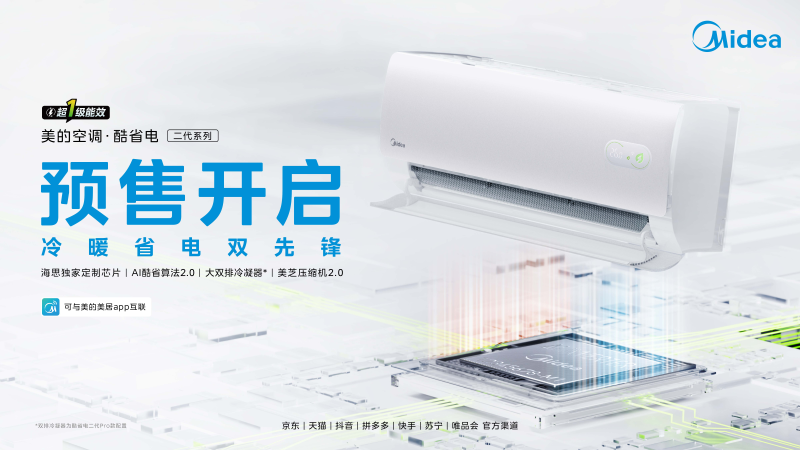
硬核满配“芯”突破!美的推出酷省电二代新品,省电舒适体验双升级
Sou Hu Wang· 2025-12-31 09:30
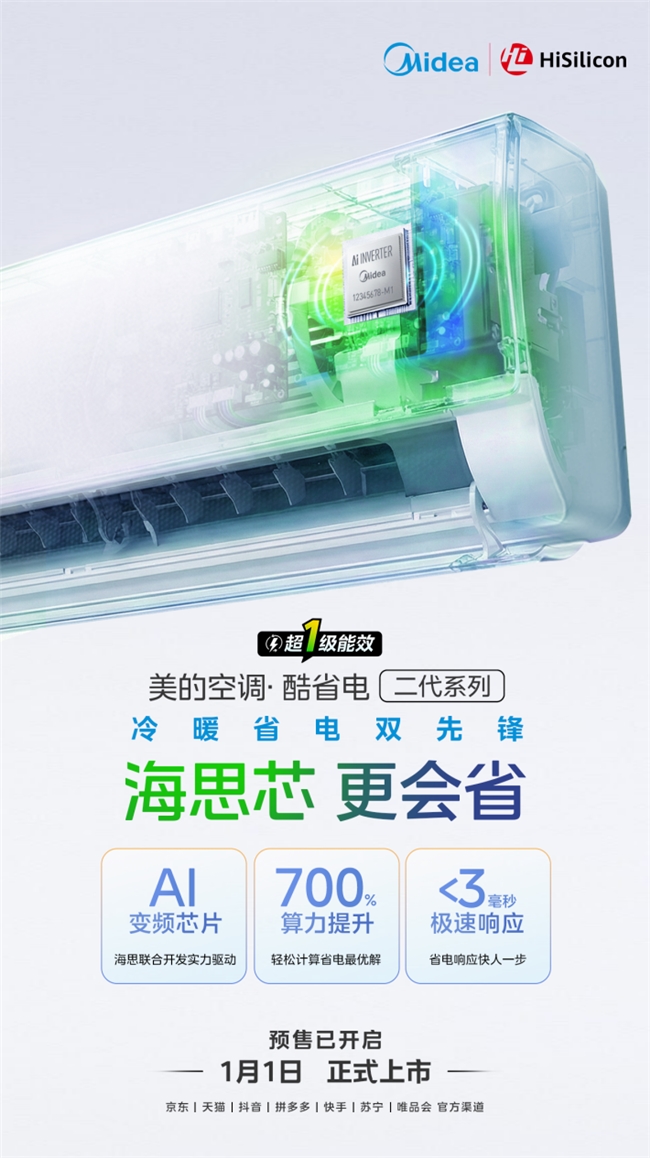
空调作为家电中的高能耗大件,节能诉求首当其冲。近年来空调市场,"变频省电"已成为厂商宣传的标 配。然而,在用户实际使用中,常出现为了节能而牺牲速度,导致体感波动,甚至产生无效能耗的情 况,使得电费居高不下。特别是冬季,空调采暖高能耗,制热耗电更是远超制冷,让很多家庭不敢开空 调取暖。 作为空调行业的破局者,美的酷省电系列凭借省电节能的卓越表现,狂销1000W套,成为市场热销爆 款。在2026年1月1日新年伊始,美的酷省电系列全新升级,带来全能省电"王炸"——酷省电二代,这款 号称"冷暖省电双先锋"的新品,直戳"能耗与舒适"核心痛点,究竟带来怎样的硬核突破? 核"芯"突破:强强联合打造"省电大脑",改写节能底层逻辑 传统空调的节能算法粗暴,大多依赖预设程序或云端指令,空调响应速度慢,在温度达到设定值后,仍 持续高功率运行,甚至产生无效能耗,造成大量电能的浪费。 美的酷省电二代搭载由美的与海思联合研发的行业首款AI变频芯片,实现从"固定算法执行"到"本地实 时决策"的底层跨越。这颗"强芯",带来700%的算力提升,响应速度快至3毫秒,能实时感知室内温 度、人员流动、不同家庭成员生活习惯等环境场景变化,本地瞬时计算 ...
罗永浩炮轰,空调售后成“暴利江湖”?
商业洞察· 2025-12-30 09:23
Core Viewpoint - The article discusses the high costs associated with air conditioning maintenance and repair services, highlighting the lack of regulation in the air conditioning after-market, which has become a lucrative but problematic area for consumers and companies alike [2][4][15]. Group 1: High Costs of Air Conditioning Maintenance - The cost for seasonal cleaning and filter replacement for central air conditioning units can reach approximately 15,000 yuan, with filter replacement accounting for 70% of this cost [4][7]. - Consumers have expressed frustration over the high service fees, with some stating that the cost of maintenance can exceed the price of purchasing new units, especially as air conditioning prices have dropped significantly due to market competition [5][10]. - The average cleaning costs for other brands like Midea and Gree range from 100 to 300 yuan, indicating that the prices for maintenance services can vary widely across different brands [10][11]. Group 2: Issues in the After-Market - The air conditioning after-market is plagued by issues such as price opacity, inflated repair costs, and unnecessary upselling, leading to consumer distrust [15][16]. - Reports indicate that third-party service providers often charge significantly more than official brand service teams, sometimes up to 3-4 times higher [15][18]. - The lack of regulation in the after-market allows for a variety of service quality, with many third-party companies operating outside of formal oversight [18]. Group 3: Competitive Landscape and Service Improvements - Major appliance brands like Gree and Midea are increasingly focusing on enhancing their after-sales service networks, with Gree boasting over 15,000 authorized service points [20][22]. - The article notes a shift in service strategies, with brands like Midea and Xiaomi introducing longer warranty periods and comprehensive service packages to improve customer satisfaction [22][24]. - As the price competition in the air conditioning market reaches its limits, companies are recognizing the importance of service quality as a key differentiator in maintaining market share [23][24].



铝-价格后发者的追赶
2025-12-29 15:51
Summary of Key Points from Conference Call Records Industry Overview - The records primarily discuss the aluminum and copper industries, focusing on market dynamics, supply constraints, and price trends. Core Insights and Arguments - **Silver Price Dynamics**: Recent increases in silver prices are driven by uneven global inventory flows and speculative behavior rather than simple supply-demand mismatches. The rise in silver ETF holdings has reduced inventory circulation efficiency, leading to potential price pullbacks as delivery pressures ease [1][2][3]. - **Copper-Aluminum Price Ratio**: The deviation of the copper-aluminum price ratio from its historical mean is influenced by several factors, including supply uncertainties in Southeast Asia due to power constraints, unexpected changes in fundamentals, and a trend of substituting aluminum for copper in demand [1][3][4]. - **Aluminum Market Performance**: The aluminum market is underperforming compared to copper, attributed to copper's stronger financial attributes and the global inventory imbalance caused by the U.S. siphoning effect. Despite a long-term co-integration relationship between copper and aluminum prices, recent factors have caused a divergence in their price ratio [1][4]. - **Electricity Supply Impact**: Stable electricity supply is crucial for the electrolytic aluminum industry, with the European energy crisis and Indonesia's challenges in decarbonizing thermal power affecting production. The importance of clean energy sources is increasing [1][6]. - **Indonesia's Aluminum Production**: Indonesia has seen rapid growth in electrolytic aluminum production, but future development may be hindered by electricity supply issues. The country must rely on local power construction, which has a long lead time, and the cost of grid electricity is not competitive [1][7][8]. - **Supply Constraints in Industries**: The supply constraints in the electrolytic aluminum sector are seen as an external issue related to industrial system efficiency, while copper supply issues stem from insufficient capital expenditure at the mining level, representing an internal factor [1][9]. Additional Important Insights - **Demand-Side Influences**: Short-term market prices are influenced by social inventory and midstream processing rates, while long-term demand strength will depend on the progress of substituting aluminum for copper [1][10]. - **Trends in Air Conditioning Industry**: The trend of substituting aluminum for copper in the air conditioning industry is driven by downstream industry trends rather than short-term price factors. This shift is expected to enhance profitability and has already been proven technically feasible [1][11]. - **EU CBAM Policy Impact**: The EU Carbon Border Adjustment Mechanism (CBAM), effective from January 1, 2026, will significantly impact new market entrants, particularly in Southeast Asia, by imposing additional costs on imports, which could slow down the pace of new capacity realization [1][12][13]. - **Market Outlook for 2026**: Industrial demand is expected to remain strong in 2026, with new capacity pressures likely delayed until 2027. The ongoing construction issues in Indonesia's thermal power plants will continue to constrain production [1][14].
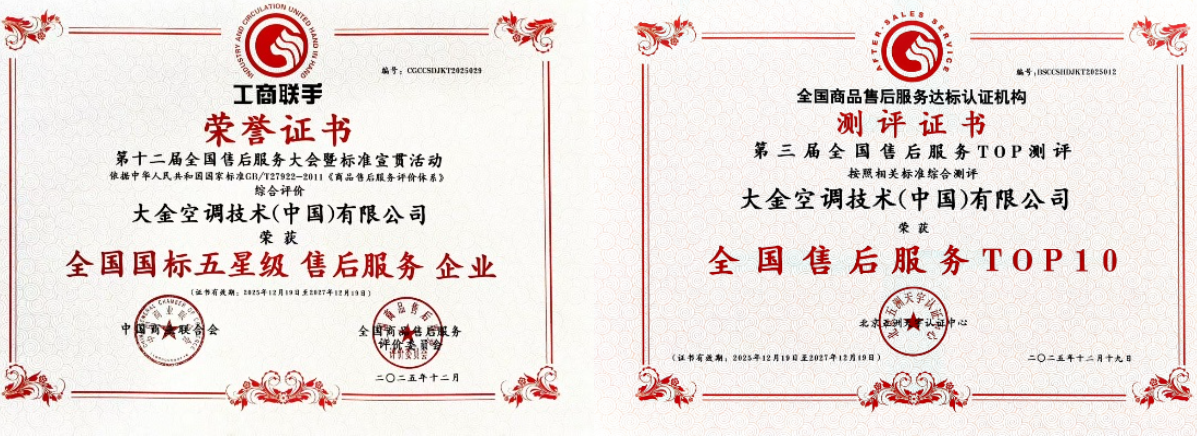
大金全周期服务获评2025全国售后服务TOP10
Jin Tou Wang· 2025-12-29 08:30
Core Viewpoint - The quality of service in central air conditioning systems significantly impacts user experience, energy costs, and system lifespan, making it a crucial factor for consumers when purchasing these products [1] Group 1: Service Quality and Recognition - The 12th National After-Sales Service Conference highlighted the importance of service quality, with the certification results being integrated into government procurement assessments, providing authoritative references for consumers [1] - Daikin was recognized as a benchmark in the HVAC sector, winning the "National Standard Five-Star After-Sales Service Enterprise" and "Top 10 After-Sales Service" awards, reflecting its leading service capabilities [1] Group 2: Service Model Innovation - Daikin emphasizes proactive service, utilizing smart predictive maintenance to address potential issues before they arise, ensuring user comfort and health [4] - The Daikin CARE IoT service leverages big data to anticipate user needs, providing timely reminders for maintenance and cleaning [4] Group 3: Digital Service Innovation - Daikin has developed a comprehensive service process that begins from the first customer interaction, ensuring precision and thoroughness in service delivery [5] - The use of digital technology allows for efficient processes and personalized communication, enhancing the overall service experience [5] Group 4: Comprehensive Service System - Daikin has established a robust service network in China, including four specialized after-sales companies and numerous service points, ensuring timely and accessible service for users [7] - The company has transitioned its service model from reactive to proactive, significantly improving service quality and responsiveness [7] Group 5: Brand and Value Proposition - Service is now a core component of brand identity, with Daikin viewing each service interaction as a deep emotional connection with users [8] - The company aims to continuously evolve its service offerings by integrating advanced technologies while maintaining a human touch, enhancing consumer air quality experiences [8]
戳破省电虚标,电费刺客克星来了!美的酷省电二代预售:认准这颗海思「强芯」
Sou Hu Wang· 2025-12-29 07:29
Core Insights - The introduction of the "New Level Energy Efficiency" label in the Chinese air conditioning market has not fully addressed consumer pain points, particularly high electricity costs during winter heating [1] - The air conditioning industry is facing a need for a deep transformation that prioritizes user value and integrates both hardware and software [1] - Midea's new "Cool Energy Saving 2nd Generation" series, which has sold over 10 million units, aims to redefine energy efficiency and performance standards through a partnership with HiSilicon to develop a custom AI variable frequency chip [1][3] Group 1: Technological Advancements - The "Cool Energy Saving 2nd Generation" features a proprietary AI variable frequency chip that marks the transition to a "Smart Energy Saving 3.0" era, enhancing energy-saving technology from hardware reliance to high-performance chip-driven solutions [3] - The chip boasts a 700% increase in computing power, enabling rapid local edge computing without full dependence on the cloud, and can respond in under 3 milliseconds to environmental changes [3] - The system can autonomously optimize its operation based on complex data, allowing for real-time adjustments to maintain comfort while improving energy efficiency [3] Group 2: Hardware Innovations - The product incorporates a high-performance architecture with a unique 15-slot, 10-pole variable frequency compressor that allows for rapid heating and cooling while enhancing stability and quiet operation [4][5] - It features a large dual-row evaporator and condenser that increase heat exchange area by 77% and efficiency by 10.7%, working in conjunction with a high-precision electronic expansion valve for optimal refrigerant flow control [5] - The outdoor unit utilizes fifth-generation air-cooled heat dissipation technology, capable of operating in extreme temperatures from -35°C to 65°C, ensuring reliability in harsh conditions [5] Group 3: User Experience Focus - The launch of the "Cool Energy Saving 2nd Generation" represents a shift from mere parameter competition to a revolution in user experience, emphasizing that true energy savings should not compromise comfort, reliability, or long-term performance [6] - The dual strategy of leveraging top-tier chips and robust hardware aims to enhance user experience, placing actual consumer satisfaction at the forefront [6] - The product is available for pre-sale on major platforms and is positioned as a quality choice for families seeking energy efficiency and comfort throughout the year, potentially driving the industry towards a user experience-centric "chip" energy efficiency era [6]