企业竞争

Search documents
马斯克:特斯拉的最强对手来自中国
Jing Ji Guan Cha Wang· 2026-01-30 05:47
Core Viewpoint - Tesla's CEO Elon Musk highlighted that the company's strongest competition in the humanoid robot sector comes from China, indicating that the competition will be a "hard battle" [1] Group 1 - Musk's comments were made during the Q4 2025 earnings call, emphasizing the significance of competition in the humanoid robot market [1] - The statement reflects Tesla's strategic focus on addressing competitive pressures from Chinese companies in the robotics field [1]

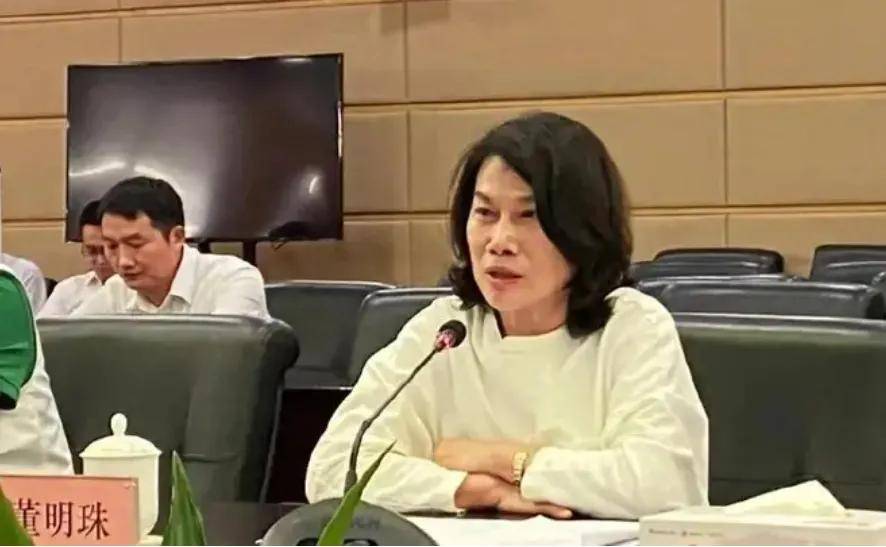
格力高管下场“刀”小米 董明珠为何总和雷军过不去?
Sou Hu Cai Jing· 2025-10-21 11:57
Core Viewpoint - The ongoing rivalry between Gree and Xiaomi has intensified, marked by public exchanges and competitive market movements, particularly in the air conditioning sector, where Xiaomi has begun to encroach on Gree's market share [1] Group 1: Historical Context - The conflict between Gree and Xiaomi dates back to 2013, when Xiaomi's CEO Lei Jun claimed that Xiaomi's revenue would surpass Gree's within five years, leading Gree's chairwoman Dong Mingzhu to wager 1 billion yuan on the outcome [1] - In 2019, Gree reported a revenue of 198.1 billion yuan, narrowly beating Xiaomi, but was subsequently surpassed in revenue the following year [1] Group 2: Competitive Dynamics - The rivalry has escalated into a war of words, with Dong Mingzhu criticizing Xiaomi for insufficient R&D investment and lack of returns for shareholders, while Xiaomi executives have responded from a distance [1] - The competition is not just verbal; Xiaomi has entered the air conditioning market, posing a direct threat to Gree's dominance [1] Group 3: Market Performance - By July 2025, Xiaomi's air conditioner online sales are projected to exceed Gree's for the first time, achieving a market share of 16.71% compared to Gree's 15.22% during the same period [1] - Xiaomi's public relations manager commented on the changing landscape, indicating a significant shift in market dynamics [1]


影石董事长“致歉”大疆背后的焦虑与野心
Sou Hu Cai Jing· 2025-10-16 11:04
Core Viewpoint - The recent comments by Liu Jingkang, founder and chairman of Insta360, regarding DJI's price cuts have sparked significant attention in the tech and capital markets, leading to a public relations crisis for both companies [1][2]. Group 1: Company Actions and Reactions - Liu Jingkang acknowledged the controversy surrounding his previous comments and promised to provide compensation to customers who purchased DJI products during a specific period [1][2]. - DJI announced substantial price reductions on several products, with discounts exceeding 1,000 yuan, as part of a regular promotional strategy for the upcoming Double Eleven shopping festival [5][14]. - Liu's social media post has garnered over 12,000 shares, 4,000 comments, and 3,000 likes, indicating rising public interest [3]. Group 2: Competitive Landscape - Insta360 holds a 67.2% market share in the consumer-grade panoramic camera sector, maintaining its position as the global leader for six consecutive years, while DJI dominates the consumer drone market with over 70% market share [6][10]. - Both companies have recently launched products targeting each other's core markets, with Insta360 releasing its first consumer-grade panoramic drone, the Antigravity A1, and DJI launching its Osmo 360 panoramic camera shortly after [10][14]. Group 3: Financial Performance and Market Challenges - Insta360's financial data reveals a growth anxiety, with a 51.17% increase in revenue to 3.671 billion yuan in the first half of 2025, but only a 0.25% increase in net profit, indicating pressure on profitability [11][13]. - The company's sales and R&D expenses have surged, with sales expenses rising by 75.46% and R&D expenses by 100.35%, outpacing revenue growth [13]. - Inventory levels have increased significantly, with stock nearing 1.5 billion yuan, a 156.87% rise year-on-year, reflecting operational challenges [13][14]. Group 4: Market Dynamics - The global panoramic camera market is estimated at 5.03 billion yuan, while the consumer drone market is approximately 51.1 billion yuan, highlighting the larger growth potential in the drone sector [11][14]. - Insta360's shift towards the drone market is seen as a strategic move to counteract stagnation in the panoramic camera market, which is nearing saturation [14].

雷军:与苹果的竞争是漫长而痛苦的过程
Xin Hua Cai Jing· 2025-09-26 00:56
Core Viewpoint - The chairman and CEO of Xiaomi Group, Lei Jun, expressed that competing with Apple may be a long and challenging process, emphasizing the importance of learning from Apple and improving every detail step by step [1] Group 1: Competitive Strategy - Xiaomi aims to fully benchmark against Apple, not only in terms of specifications and parameters but also in technology leadership and user experience, with the goal of potentially surpassing Apple [1]

格力宿敌创业39年圆梦港股,上市首日破发
Sou Hu Cai Jing· 2025-09-02 13:53
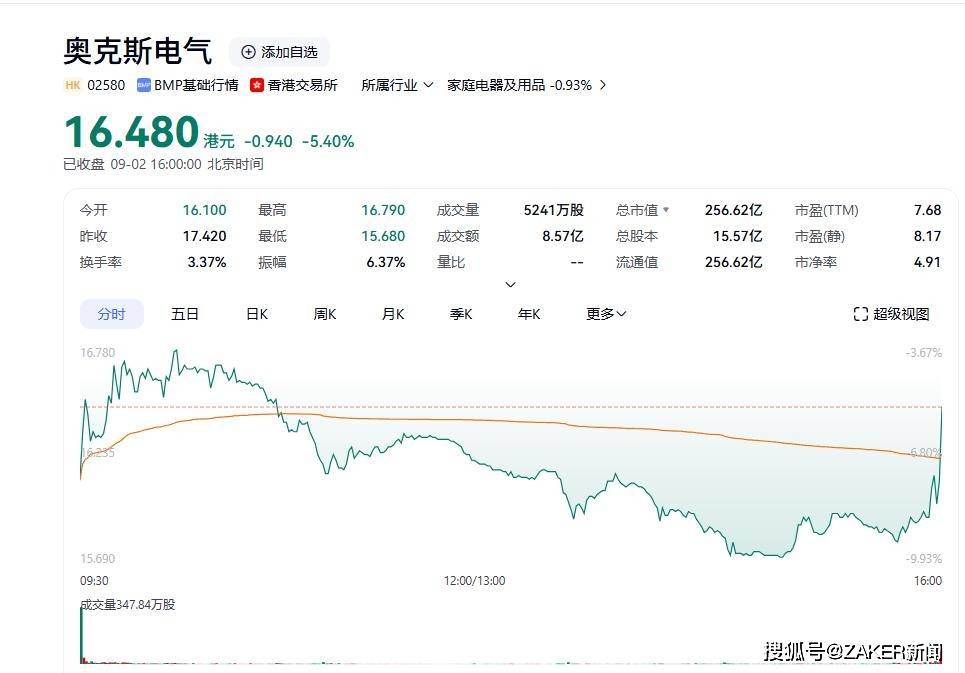
Core Viewpoint - The article discusses the recent IPO of Aux Electric Co., Ltd. on the Hong Kong Stock Exchange, highlighting its initial stock performance and the competitive dynamics with rival Gree Electric Appliances, Inc. [1][2] Company Overview - Aux Electric was founded in 1986 and has evolved significantly over the years, with its name symbolizing a pioneering spirit. The founder, Zheng Jianjiang, started from humble beginnings and entered the air conditioning market in 1994 [4][12]. - The company has diversified into various sectors, including real estate and healthcare, but faced challenges in the automotive industry due to regulatory barriers [4]. IPO Details - Aux Electric went public on September 2, with an initial offering price of HKD 17.42 per share. However, the stock closed at HKD 16.48, a decline of 5.40%, resulting in a total market capitalization of HKD 256.62 billion [1]. Competitive Landscape - Aux Electric and Gree Electric have had a contentious relationship for over a decade, characterized by patent disputes, talent poaching allegations, and public confrontations [8][10]. - Gree has established a vast distribution network with approximately 30,000 exclusive stores, while Aux has expanded its offline presence to over 40,000 outlets [5][6]. Legal Battles - Since 2015, there have been at least 58 legal disputes between the two companies, primarily focused on patent infringement. Notably, a 2017 lawsuit resulted in Aux being ordered to pay HKD 40 million, marking a record in the air conditioning industry for patent claims [10][11]. - Aux has also faced reputational damage due to Gree's allegations of producing substandard products, which Aux has countered as unfair competition [10][11]. Financial Performance - In 2024, Gree's revenue declined by 7.31%, while Aux Electric reported a revenue growth rate of 23.45%, indicating a shift in market dynamics [14]. - Zheng Jianjiang, the founder, now oversees three publicly listed companies, including Aux Electric, Aux International, and Samsung Medical [15].

董明珠压力大,小米空调,线上销量只落后格力2%了
Sou Hu Cai Jing· 2025-08-03 06:00
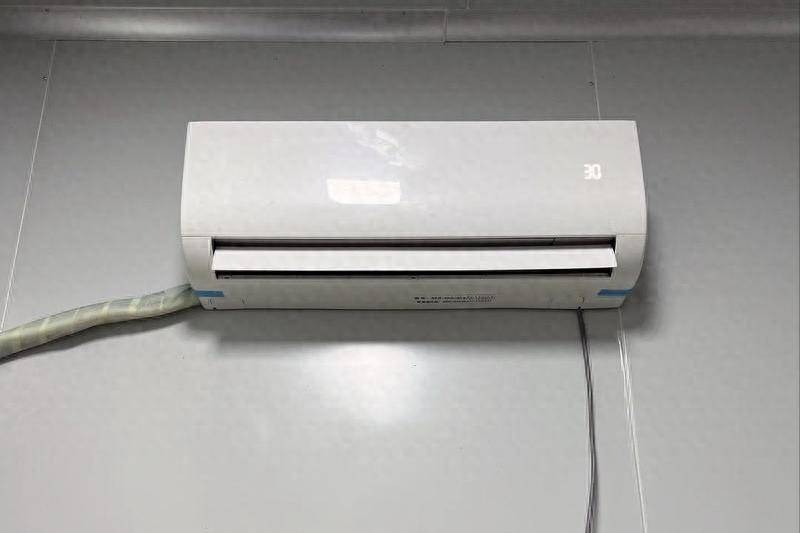
Group 1 - The core point of the article highlights the significant increase in air conditioner sales during the hot summer months, with a year-on-year growth of over 50% in May, June, and July due to high temperatures and government subsidies [1] - Xiaomi has emerged as a strong competitor in the online air conditioner market, ranking third with market shares of 14.25%, 17%, and 16.5% over the three months, closing the gap with Gree, which is only 2% ahead [3][8] - The average market shares for the three months show Midea at 22.85%, Gree at 17.66%, and Xiaomi at 15.92%, indicating that Gree's lead over Xiaomi is narrowing [8] Group 2 - Xiaomi's air conditioner sales have seen a remarkable growth rate, with a year-on-year increase of over 65% in the first quarter and capturing 16.2% of the online market in the second quarter, solidifying its position as the third-largest player [8] - The competitive landscape is putting pressure on Gree, as Xiaomi's rapid growth in the air conditioning sector poses a significant challenge, especially given the historical rivalry between Xiaomi and Gree's leadership [11][13] - Gree has struggled to diversify successfully into other product categories, while Xiaomi has successfully expanded into various sectors, including air conditioning, which adds to the pressure on Gree's leadership [13]

宁德时代精准狙击厦门独角兽IPO
Sou Hu Cai Jing· 2025-07-17 11:55
Core Viewpoint - Xiamen-based unicorn Haicheng Energy Storage faces significant challenges in its IPO process due to a major client bankruptcy and a lawsuit from competitor CATL, which could jeopardize its listing plans [2][8][18] Company Overview - Haicheng Energy Storage initiated its IPO in 2023, signing a listing advisory agreement with Huatai Securities in July and submitting an A-share filing to the Xiamen Securities Regulatory Bureau. However, it shifted to apply for a listing on the Hong Kong Stock Exchange in March 2023 [4] - The company was recognized as a global unicorn alongside Luckin Coffee in June 2023, with a valuation nearing 30 billion yuan after six rounds of financing [4] - Haicheng's market share is projected at 11% for 2024, while CATL holds 35%. Despite the gap, Haicheng's rapid growth has raised concerns for CATL [6] Financial Performance - Haicheng Energy Storage reported losses totaling 3.7 billion yuan in 2022 and 2023, with a projected modest profit of 288 million yuan in 2024 [6][16] - The company’s financial health is under pressure, with accounts receivable increasing from 647 million yuan in 2022 to 9.3 billion yuan in 2024, and a debt ratio of 73.1%, significantly above the industry threshold of 60% [14] Legal Challenges - CATL has filed a lawsuit against Haicheng for unfair competition, targeting both the company and its founder, Wu Zuyu, who previously worked for CATL and holds numerous patents [10][11] - The lawsuit's timing coincides with Haicheng's IPO application, creating a sensitive situation that could impact the listing process [8][11] - Previous legal actions by CATL against Wu Zuyu have resulted in a ruling against him, further complicating Haicheng's position [13] Market Dynamics - Haicheng's strategy focuses on low-cost, long-life energy storage solutions, contrasting with CATL's high-cost, high-performance approach. The competition between the two companies is intensifying [6] - The recent bankruptcy of a major U.S. client, Powin, which had placed orders worth 2.25 billion yuan for 2023 and 2024, poses additional risks to Haicheng's revenue, particularly as overseas orders yield higher profit margins compared to domestic ones [14]

华为鸿蒙智行在小米汽车面前还是太保守了
Ge Long Hui· 2025-06-11 02:18
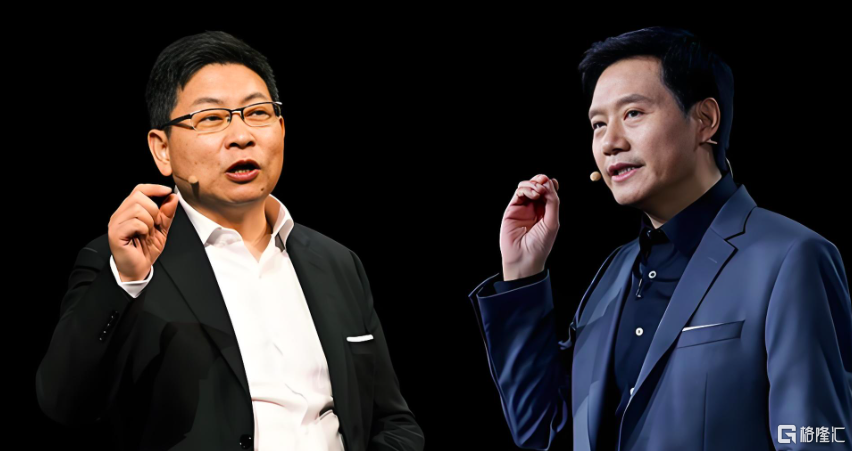
Core Viewpoint - The competition between Xiaomi and Huawei has intensified as both companies enter the automotive market, with Xiaomi rapidly gaining market share and challenging Huawei's position in the industry [2][4]. Group 1: Market Position and Valuation - Xiaomi's market capitalization surged from under 500 billion to over 1 trillion, reaching a peak of nearly 1.5 trillion, and currently stands at 1.26 trillion as of June 5 [2]. - Huawei's automotive division, backed by its "Five Realms" partners, has a combined market capitalization exceeding 500 billion, but still lags behind Xiaomi's valuation [4]. Group 2: Sales Performance - In March and April, Xiaomi's vehicle deliveries exceeded 29,000 and 28,000 units, respectively, while Huawei's deliveries were 27,555 units in April, indicating Xiaomi's dominance in sales despite having fewer models [16][21]. - In May, Huawei's automotive division achieved a monthly delivery of 44,454 units, marking a significant recovery and placing it among the top three new energy vehicle manufacturers [20]. Group 3: Competitive Dynamics - Huawei's executive Yu Chengdong criticized Xiaomi's automotive quality and performance, suggesting that despite high sales, the product may not meet quality standards [6][8]. - Xiaomi's leadership responded by emphasizing their product strength and market strategy, asserting that their success is rooted in their brand values and methodologies [11][15]. Group 4: Future Outlook - The competition is expected to escalate with the upcoming launch of Xiaomi's YU7, which is anticipated to further intensify the rivalry between the two companies [21][23]. - The outcome of this competition will likely influence market dynamics and the positioning of both companies in the automotive sector, reflecting broader trends in technology and consumer demand [23].
董明珠要破防了,小米空调,剑指中国市场第一名
Sou Hu Cai Jing· 2025-04-27 06:12
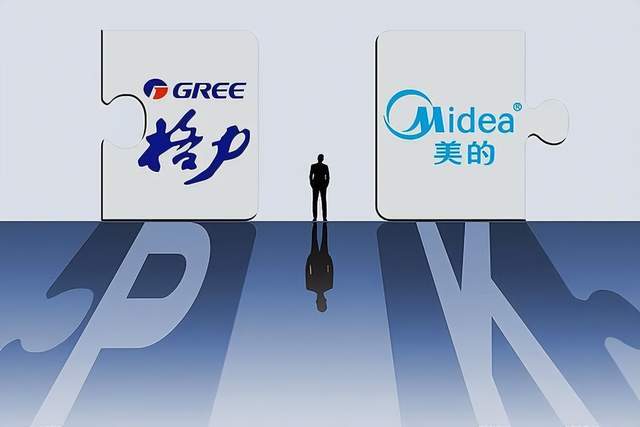
Market Share Overview - In 2024, the air conditioning market share in China shows Midea leading with 28.87%, followed by Gree at 25.46%, and Xiaomi at 11.82% [1][3] - The combined market share of Midea and Xiaomi reaches an impressive 40%, indicating a significant shift in market dynamics [3] Competitive Landscape - Gree, traditionally seen as the market leader, has been surpassed by Midea, marking a notable change in the competitive landscape [3][5] - Xiaomi's rapid rise to the third position highlights its successful entry into the air conditioning market, with plans to become a top player by 2030 [5][9] Strategic Moves and Responses - Xiaomi has completed its full product line deployment in air conditioning and aims to compete with global benchmarks [5] - Gree's struggles in diversifying into mobile phones contrast with Xiaomi's successful expansion into home appliances, further emphasizing the competitive pressure on Gree [9] Historical Context - The rivalry between Gree and Xiaomi dates back to a 2013 wager, with Gree initially emerging victorious in 2018, but Xiaomi has since outpaced Gree in market performance [7][9] - The ongoing competition has led to public confrontations, particularly from Gree's CEO, highlighting the intense rivalry and the stakes involved [7][9]
董明珠,为啥又怼小米?
Sou Hu Cai Jing· 2025-04-24 11:27
Core Viewpoint - The recent remarks by Dong Mingzhu, the chairwoman of Gree Electric Appliances, have sparked significant controversy, particularly her criticisms of Xiaomi and her comments on talent strategy, which have drawn both support and criticism from the public and industry peers [1][3][5]. Group 1: Criticism of Competitors - Dong Mingzhu pointedly criticized Xiaomi's automotive division following a tragic accident that resulted in the deaths of three university students, emphasizing Gree's safety record over the years [1]. - She has consistently targeted Xiaomi in her public statements, claiming that Xiaomi's air conditioning products lack technological innovation and accusing them of relying on other manufacturers [7]. - The ongoing public feud has escalated, with Dong's comments perceived as increasingly aggressive and potentially damaging to her own company's reputation [5][9]. Group 2: Talent Strategy and Controversial Statements - Dong Mingzhu expressed a controversial stance on hiring practices, stating that Gree would not employ "sea turtles" (returnees from abroad), alleging that they could be spies [3]. - Her remarks about other companies' practices, particularly regarding talent poaching, were described as morally questionable and damaging to national interests [7]. Group 3: Company Leadership and Future Outlook - Dong Mingzhu, who has been at the helm of Gree since 2001, has secured her position for another three years, but concerns are rising about the company's future leadership after her departure [11].