超市

Search documents
松弛感创业开超市,95后砸4千万出海大马 | 卓立出海谈
吴晓波频道· 2026-02-11 00:20
Core Viewpoint - The article discusses the challenges faced by a Chinese entrepreneur, Mandy, in opening a supermarket in Malaysia, highlighting the complexities of market entry, cultural differences, and operational hurdles [2][3]. Group 1: Entry Barriers - The supermarket required an investment of 25 million Malaysian Ringgit (approximately 40 million RMB) for a space over 3000 square meters, which poses a significant entry barrier for foreign investors [5][6]. - Foreign companies face additional challenges, such as high rental deposits and local ownership requirements, which complicate the startup process [7][10]. - The perception that local businesses should primarily serve the market leads to increased barriers for foreign trade and retail operations [11]. Group 2: Preparation Time - The entire process from the decision to open the supermarket to its actual launch took nearly one year, with significant time spent on site selection and legal preparations [13][14]. - Finding a suitable location was particularly challenging, as landlords require proof of successful business models and product offerings [15][18]. - The renovation process was prolonged due to local regulations, requiring detailed submissions and approvals for construction plans [20][21]. Group 3: Operational Details - The supermarket currently generates monthly revenues in the million RMB range, with average customer spending varying between 80 to 500 Malaysian Ringgit depending on the customer demographic [22][23]. - Pricing strategies align with domestic prices, but the costs are generally higher due to logistics and product loss, which are borne by the supermarket [24][27]. - Inventory management is complex, requiring adjustments based on sales data and market trends, with a current SKU count of less than 10,000 [35][36]. Group 4: Marketing Strategies - Marketing efforts leverage social media platforms like Xiaohongshu, which has a high usage rate among the local Chinese community, to promote the supermarket [38]. - Various promotional strategies, including customer referral programs and social media engagement, have been employed to attract customers [39][40]. - Cultural misunderstandings in marketing approaches have led to challenges, such as a failed prepayment promotion that was perceived as a scam by local consumers [41][43]. Group 5: Brand Naming Challenges - The initial choice of a name similar to a well-known Chinese brand led to legal disputes and confusion among local consumers, highlighting the importance of cultural relevance in branding [47][49]. - The entrepreneur is currently navigating legal issues related to the brand name while planning to launch a new brand to avoid further complications [50]. Group 6: Entrepreneurial Insights - The journey of opening the supermarket illustrates that international business does not always require large-scale operations; it can also be about pursuing personal passions and solving problems incrementally [52]. - The experience emphasizes the need for adaptability and understanding of local market dynamics to succeed in foreign ventures [52].


湖北省竹山县市场监管局综合执法大队开展节前食品安全专项检查
Xin Lang Cai Jing· 2026-02-10 04:37
Group 1 - The core focus of the regulatory actions is to ensure price stability and food safety during the peak consumption period leading up to the Spring Festival [1][2] - The regulatory team is conducting comprehensive inspections in large and medium-sized supermarkets, as well as community convenience stores, targeting essential consumer goods such as grains, meats, dairy products, beverages, and fresh produce [1] - Strict checks are being implemented on the qualifications of supermarket operators, health certifications of staff, and the verification of food safety documentation to prevent the sale of expired or unverified products [1] Group 2 - Regulatory personnel are closely monitoring price fluctuations of essential goods, ensuring compliance with pricing regulations and preventing practices such as false pricing and price gouging [2] - Supermarkets are being urged to maintain adequate stock levels to meet consumer demand during the holiday season, with inspections focusing on the sufficiency of supplies [2] - The regulatory approach emphasizes both oversight and guidance, with immediate corrective actions required for any identified issues related to food labeling, pricing clarity, and safety measures [2]
连锁餐饮,扎推开进社区超市
3 6 Ke· 2026-02-10 03:01
Core Insights - The article discusses the transformation of supermarkets like Wumart and Yonghui into lifestyle centers by integrating various chain restaurants, enhancing customer experience and attracting a younger demographic [6][10][17] Group 1: Supermarket Transformation - More than 20 chain restaurants have entered Wumart and Yonghui supermarkets after their transformation, creating a vibrant dining environment [1][6] - The new restaurant offerings include a diverse range of cuisines such as Chinese fast food, Western fast food, hot pot, and baked goods, with a high proportion of chain brands [3][5] - The transformation is not merely cosmetic; it aims to reposition traditional supermarkets as community lifestyle hubs where dining plays a crucial role [6][10] Group 2: Community Engagement - The integration of supermarkets and restaurants represents a strategic competition for community consumer bases, allowing both sectors to leverage each other's strengths [8][9] - Community consumers now seek a one-stop shopping experience that combines purchasing, dining, and leisure activities [8][10] - Restaurants benefit from the supermarkets' established customer flow, allowing for efficient expansion with lower operational costs [10][11] Group 3: Impact on Consumer Behavior - The introduction of dining options has attracted a younger customer base, shifting the traditional perception of supermarkets as primarily catering to older demographics [14][17] - The redesign of supermarket spaces has led to a reduction in retail area, with the freed-up space being repurposed for dining, enhancing customer engagement and sales [14][17] - Data from McKinsey indicates that integrating dining services can increase supermarket foot traffic by 15% to 20% and extend customer dwell time by 30% [14] Group 4: Evolution of Retail and Dining - The relationship between supermarkets and restaurants has evolved over decades, transitioning from a supportive role to a core component of consumer attraction [17] - The current trend reflects a response to challenges faced by both sectors, including competition from e-commerce and rising customer acquisition costs in the restaurant industry [17][18] - The collaboration between supermarkets and restaurants aims to create a more comprehensive consumer experience, transforming shopping spaces into lifestyle destinations [17][18]

物美调改后价格涨了吗?深度解析价值升级背后的价格真相与区域消费新体验
Jin Rong Jie· 2026-02-09 07:18
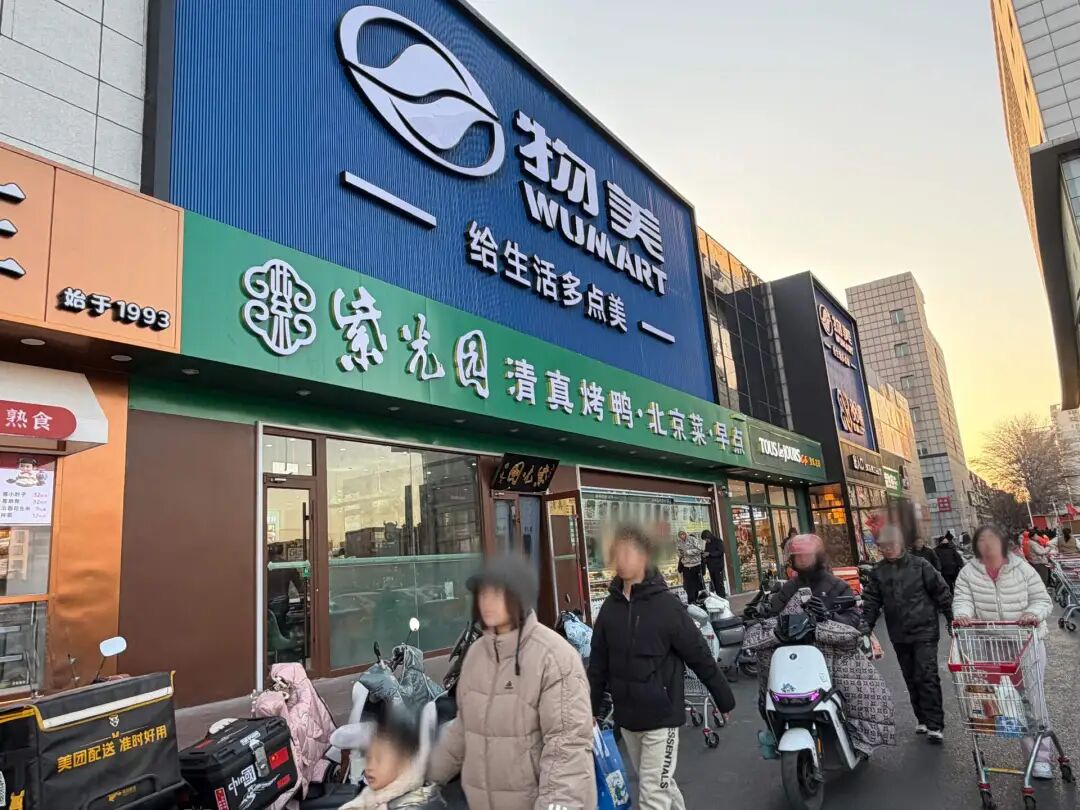
Core Insights - The recent "Learning from Pang Donglai's Autonomous Adjustment" initiative by Wumart Supermarket has sparked consumer interest regarding potential price increases, but the actual strategy focuses on optimizing product structure, enhancing supply chain efficiency, and implementing differentiated business layouts to achieve an overall upgrade in "quality-price ratio" [1] Group 1: Price Strategy - Wumart's new hard discount format, "Wumart Super Value," showcases significant price advantages, with examples such as 30 anti-antibiotic eggs priced at 13.9 yuan, a 30% reduction compared to traditional supermarkets, and 1L non-GMO soy milk at 5.9 yuan, which is lower than similar market products [2] - The introduction of a streamlined SKU count (under 1300) and an increase in private label products (over 60%) allows for direct sourcing and cost optimization, passing savings directly to consumers [2] Group 2: Quality and Consumer Perception - Post-adjustment, Wumart stores have expanded offerings in categories like prepared foods and baked goods, with slight price increases justified by quality improvements, leading to consumer feedback of "value for money" [3] - For instance, the Hangzhou Wenyiyuan store expanded its prepared food selection to over 700 items, with popular products experiencing high demand despite higher prices due to strict ingredient sourcing and fresh preparation [3] Group 3: Regional Pricing Strategy - Wumart employs a "one store, one policy" adjustment plan, with price changes tailored to regional consumption levels, highlighting geographic optimization [4] - The Beijing Xueqing Road store introduced 15% imported goods and 68 items similar to those from Pang Donglai, with some premium items seeing price increases, balanced by a "daily low price" strategy [4] Group 4: Transparency and Consumer Trust - A key aspect of Wumart's adjustment is the elimination of complex promotions in favor of price transparency, with a price increase rate locked between 18%-19% [5] - The use of AI technology for dynamic inventory and discount optimization minimizes price fluctuations, ensuring fresh and affordable products [5] Conclusion: Value Upgrade Behind Price Reconstruction - The price changes at Wumart reflect a shift from a "low-price orientation" to a "value orientation," addressing consumer needs through hard discount formats, quality upgrades, and regional strategies [6] - Wumart aims to leverage AI technology to optimize the supply chain, balancing price and quality to enhance the retail experience for consumers [6]
典型观察:反常态的社区商业是未来模板吗
Xin Lang Cai Jing· 2026-02-07 23:54
在空间上,它最标志性的动作,是将原本用于堆满货架的中心区域,改造为一个约200平方米的挑高中庭。据浦锦店项目总介绍,单中庭改造成本即高达 150万元,这个"浪费"的空间,不直接产生任何租金收入,而是免费给到商户做推广及邻里活动的举办地,其核心功能是承载非交易性的公共生活。这与 传统卖场或购物中心将每一寸面积转化为销售点的思路截然相反,其价值无法用即时坪效衡量,而在于成为吸引居民反复到访的"磁极"。 大橘邻里浦锦店中庭空间及电子大屏免费给到商户推广活动及社区活动 在业态组合及落位上,项目摒弃了常规1000㎡以内标准超市的做法,而选择3500㎡大店"上蔬永辉"作为高频生鲜消费的锚点,确保基础客流。从工作日现 场实地调研来看,落位二层的永辉凭借高性价比自有商品和熟食区社区食堂确实做到了人气锚点的作用。但真正的创新在于,围绕居住和商务人群的双重 需求,反常态的将餐饮集中布局于首层沿街及中庭,同时因地制宜规划大橘夜巷特色餐饮,满足了周边各类人群对餐饮高效到达的需求。 近期,在上海闵行浦锦街道(原为浦江镇),一个由闭关两年的老旧卖场改造而来的"大橘邻里"项目,呈现出一幅逆向生长的图景。2026年元旦试营业 后,其客流、商 ...
三亚市市场监管局开展节前市场规范经营指导 全力保障春节期间市场秩序稳定
Xin Lang Cai Jing· 2026-02-06 06:35
Core Insights - The article discusses the efforts of Sanya's Market Supervision Administration to ensure market regulation during the Spring Festival, focusing on creating a safe and orderly consumption environment for the holiday season [1][2][3] Group 1: Market Regulation Efforts - The Market Supervision Administration conducted on-site guidance in major markets and supermarkets from February 3 to 4, emphasizing the importance of regulating business practices during the festive period [1] - Key areas of focus included ensuring clear pricing, food safety, and compliance with labeling standards for bulk food products [2] Group 2: Risk Prevention Measures - The administration highlighted the need for clear and accurate pricing information for all products, particularly fresh produce and holiday gifts, to prevent price fraud and ensure consumer rights [2] - Food safety measures were reinforced, including checks on staff health management and hygiene practices in food preparation areas [2] - A system for verifying incoming goods was implemented, requiring random checks of suppliers' qualifications and product certifications to ensure legal sourcing and quality [2] Group 3: Stakeholder Engagement - The administration engaged in discussions with market operators and supermarket managers to understand recent market supply and price fluctuations, emphasizing the need for responsible business practices during the peak consumption season [3] - Continuous market inspections and strict enforcement against illegal activities were promised to maintain a fair market environment and protect consumer rights [3]
悬崖上的永辉
虎嗅APP· 2026-02-06 00:08
Core Viewpoint - Yonghui Supermarket is facing significant financial challenges, with a projected net loss of 2.14 billion yuan in 2025, marking a 45.6% increase year-on-year, and has reported losses for five consecutive years. The company attributes these losses to major operational strategy adjustments, including store renovations and closures, which have resulted in direct losses of 1.2 billion yuan [4][8]. Group 1: Company Background and Growth - Yonghui Supermarket was founded in 1995 by brothers Zhang Xuansong and Zhang Xuanning, starting with a micro-profit model. The brand was officially established in 1998 and gained momentum in 2000 by leveraging the "Agricultural Reform Supermarket" policy, leading to rapid growth [6][7]. - By 2010, Yonghui became the first "fresh food stock" listed on the Shanghai Stock Exchange, and by 2020, it achieved a record revenue of 93.2 billion yuan, marking its peak in the industry [7][8]. Group 2: Recent Challenges and Strategic Changes - Since 2021, Yonghui has entered a prolonged period of losses, with figures of 3.944 billion yuan in 2021, 2.763 billion yuan in 2022, and 1.329 billion yuan in 2023. The company has attempted a major transformation called "Fat Reform" to address these issues, which involves comprehensive changes in product structure, shopping experience, and organizational framework [8][9]. - The "Fat Reform" has led to significant financial costs, including a projected loss of 2.14 billion yuan for 2025, with 910 million yuan attributed to asset write-offs and 300 million yuan due to loss of gross margin from store renovations [9][10]. Group 3: Market Dynamics and Competitive Landscape - The retail landscape has shifted dramatically, with the rise of e-commerce and community group buying, which have significantly impacted traditional retail models. The community group buying market in China surpassed 830 billion yuan in 2023, with user numbers increasing from 212 million in 2017 to 845 million [10][11]. - Yonghui's traditional advantages in fresh food are being eroded by new competitors offering lower prices and more efficient supply chains. The company struggles to compete with both discount stores and experiential retailers, leading to a loss of customer traffic [11][13]. Group 4: Future Directions and Strategic Imperatives - Yonghui's transformation should not aim to replicate the success of competitors like Fat Donglai but rather focus on establishing a unique shopping proposition that differentiates it from other channels. This involves creating an emotional connection with consumers and offering distinctive value beyond price [17][18]. - The company must navigate its complex organizational structure and historical burdens to find a new positioning that resonates with consumers in a rapidly evolving market. The challenge lies in identifying what unique reasons consumers will have to choose Yonghui over other retail options [18].

老牌外资超市再生变!曾在北京开11家门店,现在只剩它了
Bei Jing Shang Bao· 2026-02-05 23:38
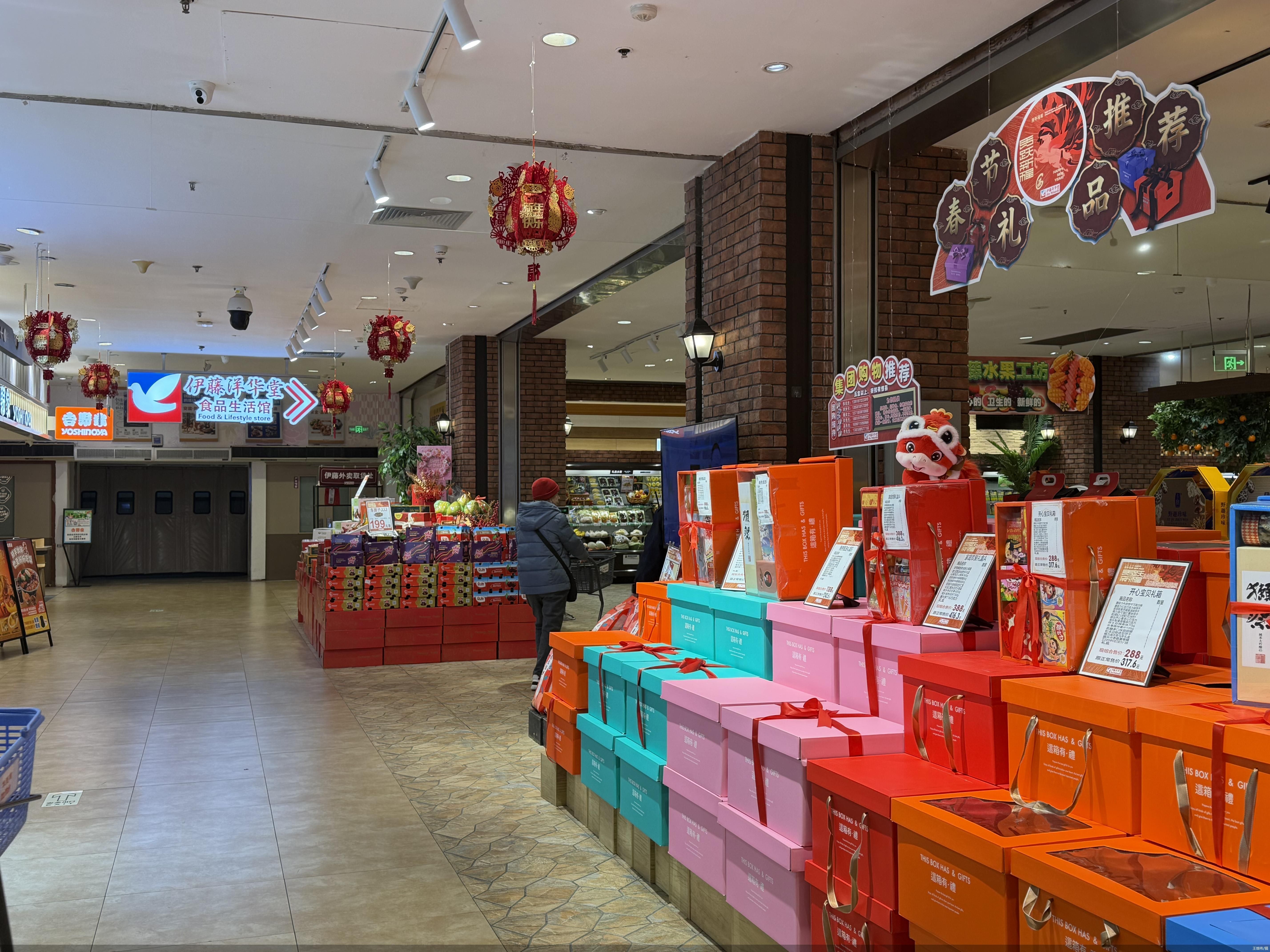
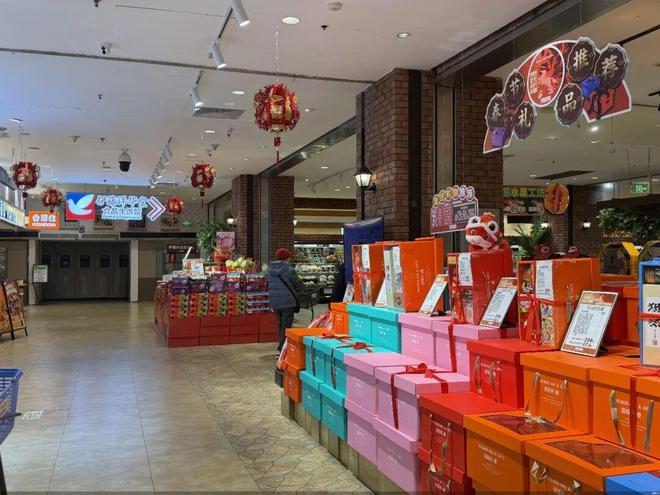
全文共1748字,阅读大约需要4分钟 除北京门店外,伊藤洋华堂的布局重点在四川地区。 北京商报记者丨王维祎 外资超市在北京市场的布局再次发生新变化。 2月5日,北京商报记者了解到,伊藤洋华堂已将全资子公司华糖洋华堂90%的股份出售给北京本土零售 企业北京新辰超市发展有限公司(以下简称"新辰超市发展"),后续在超市经营中,将允许后者继续使 用"伊藤洋华堂"品牌,这也意味着,在经营层面,华糖洋华堂将进一步降低北京门店的参与度。 天眼查显示,目前,华糖洋华堂法定代表人已由黄亚美变更为李瑞。李瑞还是"新辰超市发展"的法定代 表人,该公司成立于2025年5月。 不过,伊藤洋华堂并未完全退出。记者注意到,1月23日,华糖洋华堂全资设立了"北京伊藤洋华堂商业 有限公司",认缴出资额100万元,"伊藤洋华堂"将以品牌授权的模式继续在市场上留存。 截至目前,北京市场仅存的伊藤洋华堂相关项目,为亚运村店改造后保留的伊藤食品馆。 记者走访发现,伊藤食品馆仍在照常经营,门头依旧标记有"伊藤食品馆"等字样,店内仍在售卖"伊 藤"标记的自有品牌。在被问及超市经营权益变更后是否会继续销售伊藤洋华堂自有品牌商品时,门店 工作人员表示,双方仍 ...
新辰商业收购北京伊藤洋华堂
Xin Lang Cai Jing· 2026-02-05 17:12
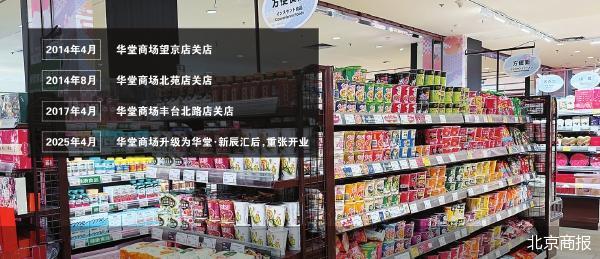
(来源:北京商报) 外资超市在京布局再次发生新变化。2月5日,北京商报记者从新辰商业内部了解到,新辰商业已经投资 建立了超市业务公司,并收购华糖洋华堂商业有限公司(以下简称"华糖洋华堂")90%股份。未来,该 超市门店保留伊藤洋华堂品牌授权,但华糖洋华堂将降低在北京门店的经营参与度。 作为老牌外资超市,尽管伊藤洋华堂尝试通过自有品牌、线上业务等方式寻求突破,但在竞争变局之 下,日系超市很难守住北京市场。 进入中国市场后,华糖洋华堂以"华堂商场"品牌在北京快速扩张,凭借日式管理和生鲜食品,一度成为 北京消费者心中品质生活的代名词。 在其发展巅峰时期,华糖洋华堂在北京成功开设了11家门店,覆盖北苑、丰台等多个区域,单店年销售 额表现亮眼,形成了强大的市场影响力。然而,自2014年起,华糖洋华堂经营状况开始走弱,关店潮逐 步开启,门店数量逐年萎缩。 从经营数据来看,伊藤洋华堂海外业务(以中国为主)持续亏损。财务数据显示,其2023财年亏损13.6 亿日元,2024财年进一步扩大至15.2亿日元,盈利压力巨大。 股权更张 这次变更主要集中在股权交易与运营权移交。伊藤洋华堂已将全资子公司华糖洋华堂90%的股份出售给 北 ...
新辰商业接手北京伊藤洋华堂 外资超市“退烧”
Bei Jing Shang Bao· 2026-02-05 12:35
外资超市在京布局发生新变化。2月5日,北京商报记者从新辰商业内部了解到,新辰商业已经投资建立了超市业务公司,并收购华糖洋华堂商业有限公司 (以下简称"华糖洋华堂")90%股份。未来,该超市门店保留伊藤洋华堂品牌授权,但华糖洋华堂将降低在北京门店的经营参与度。 国内商超竞争进入新阶段。作为老牌外资超市,尽管伊藤洋华堂尝试通过自有品牌、线上业务等方式寻求突破,但在竞争变局之下,它的选择仍然面临较大 挑战。 Food & Lifest , II al YOSHINO! e fre and a A Car 3 01 合同成 BBA BANDERLAND 80 quest HEREO TEEEE THE CH 股权更张 这次变更主要集中在股权交易与运营权移交。伊藤洋华堂已将全资子公司华糖洋华堂90%的股份出售给北京本土零售企业北京新辰超市发展有限公司(以下 简称"新辰超市发展"),后续超市经营中允许后者在运营中继续使用"伊藤洋华堂"品牌。 北京商报记者在天眼查查询发现,华糖洋华堂法定代表人已由黄亚美变更为李瑞。李瑞还是北京新辰超市发展的法定代表人,该公司成立于2025年5月。 与此同时,伊藤洋华堂并未完全退出。1月23 ...