
酒类流通

Search documents
华润啤酒金汉权任总裁,董事会主席赵春武到访山东新星集团
Sou Hu Cai Jing· 2025-10-14 07:27
Core Viewpoint - China Resources Beer has appointed Jin Hanquan as the new Executive Director and President, succeeding Zhao Chunwu, who has transitioned to the role of Chairman of the Board and Chairman of the Finance Committee [2][6]. Management Changes - Jin Hanquan, aged 47, holds a Master's degree in Engineering from Wuhan University and joined China Resources Group in 2012, later joining China Resources Beer in 2022 [6]. - Zhao Chunwu, aged 54, holds an MBA from Peking University and has extensive experience in various managerial roles within China Resources Snow Beer since 2003, culminating in his previous position as President [8]. Strategic Visits and Collaborations - Following his appointment as Chairman, Zhao Chunwu visited Shandong Xinxing Group on October 12, emphasizing the importance of collaboration between state-owned enterprises and private enterprises to navigate industry challenges [10][13]. - Zhao expressed a commitment to leveraging market insights and strategic adjustments to inject new momentum into regional market and industry development [13]. Financial Performance - In the first half of the year, China Resources Beer reported revenue of 23.942 billion yuan, a year-on-year increase of 0.8%, with net profit attributable to shareholders rising significantly by 23% to 5.789 billion yuan [23]. - The beer segment was a key driver of growth, achieving a revenue of 23.161 billion yuan, up 2.6%, and a sales volume of approximately 6.487 million kiloliters, an increase of 2.2% year-on-year [23]. - In contrast, the white liquor segment faced challenges, with revenue dropping by 33.7% to 0.781 billion yuan and a pre-tax loss of 0.152 billion yuan [25].


酒类流通平台壹玖壹玖陷资金困境?加盟商曝其“以货抵债”
Nan Fang Du Shi Bao· 2025-09-24 23:51
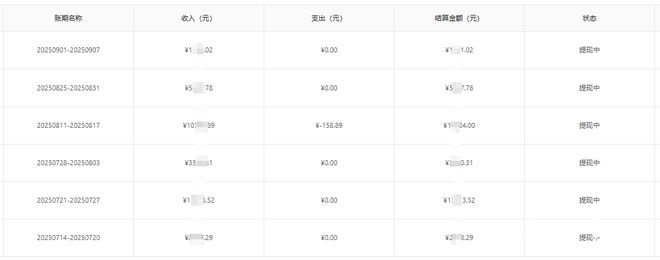
Core Viewpoint - The company 1919, a leading player in the liquor distribution sector and the first to be listed on the New Third Board, is facing significant financial difficulties, including large-scale delays in payments to franchisees, which has led to cash flow issues for many stores [1][2][4]. Group 1: Financial Difficulties - Since June 2023, 1919 has reportedly begun to delay payments for online business settlements, causing financial strain for franchisees [1][2]. - A complaint letter indicates that 1919 has not paid franchisees for online orders since June, with amounts owed ranging from tens of thousands to hundreds of thousands of yuan per store [1][2]. - Franchisees have expressed frustration over the lack of clear communication regarding payment timelines, receiving only vague responses from the company [1][2]. Group 2: Business Model and Operations - 1919 operates as a liquor e-commerce platform, primarily sourcing products from distributors and selling them through both physical stores and online platforms [3][4]. - The company has shifted from a direct sales model to a franchise model, with a significant increase in the number of franchise stores, which now account for a large portion of its operations [10][11]. - The company has faced cumulative losses exceeding 1.5 billion yuan, despite rapid expansion and increased store numbers over the years [7][8]. Group 3: Franchisee Relations - Franchisees have reported that the delayed payments have severely impacted their ability to cover essential expenses such as rent and salaries [4][10]. - In response to the financial crisis, 1919 has proposed a "goods-for-pay" scheme to franchisees, allowing them to offset debts by purchasing inventory, although not all franchisees are willing to accept this arrangement [12][11]. - Some franchisees have indicated that they are unwilling to accept the proposed inventory as they already have unsold stock, and they are considering legal action to recover owed payments [12][11].
“酒类流通第一股”华致酒行经历转型阵痛
Xin Lang Cai Jing· 2025-08-26 07:37
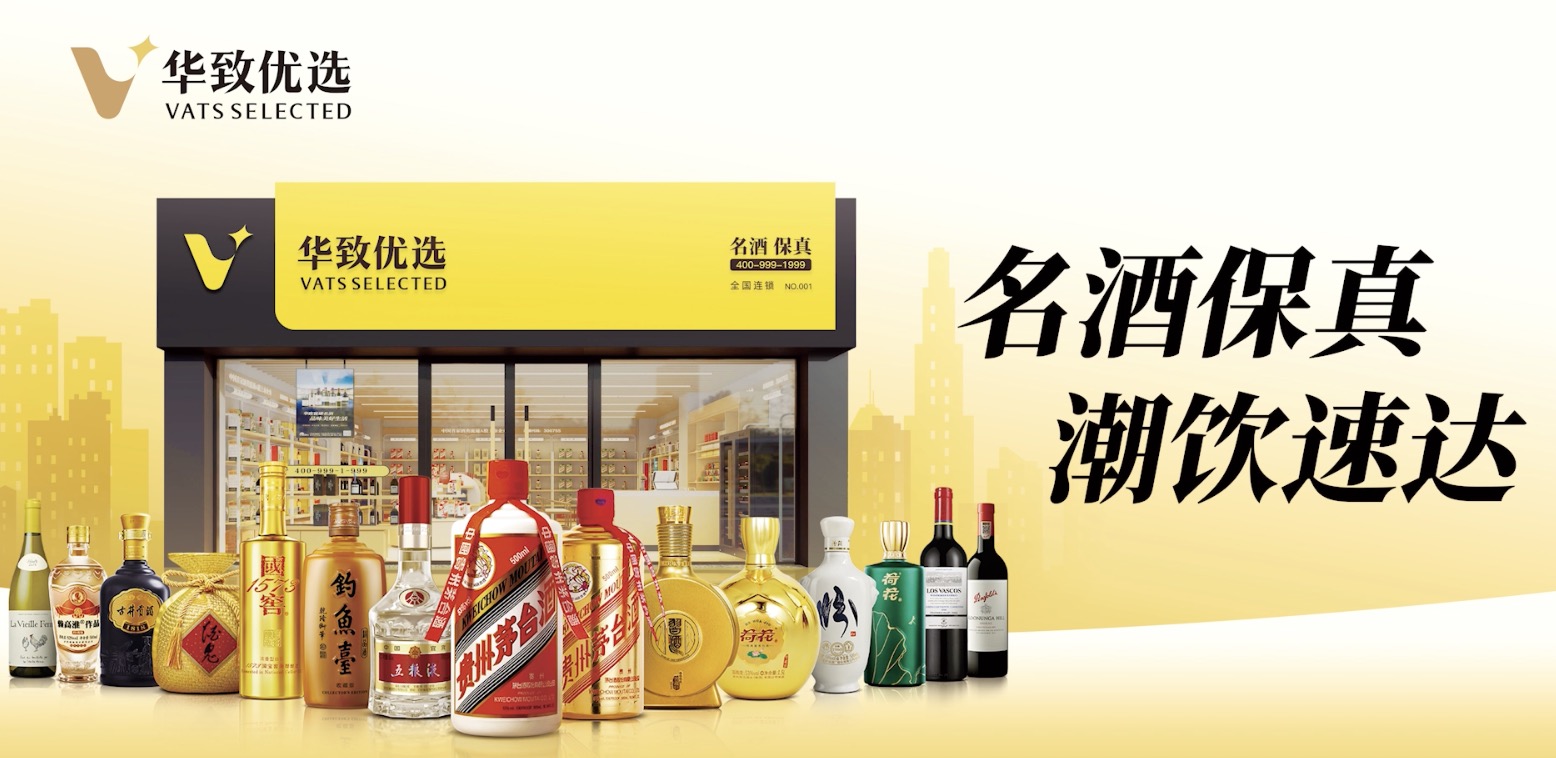
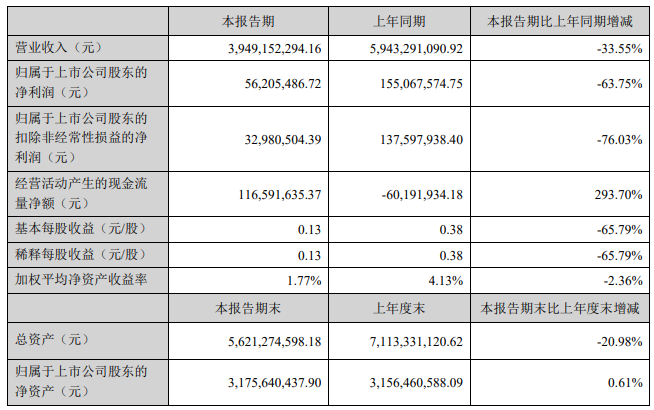
Core Viewpoint - The performance of Huazhi Wine is under pressure, with significant declines in revenue and net profit due to economic conditions and changing policies affecting consumer demand for alcoholic beverages [1][2]. Financial Performance - In the first half of 2025, Huazhi Wine reported revenue of 3.949 billion yuan, a year-on-year decrease of 33.55% - The net profit attributable to shareholders was 56.21 million yuan, down 63.75% year-on-year - The net profit after deducting non-recurring items was 32.98 million yuan, a decline of 76.03% [1]. Industry Context - The Chinese liquor industry is undergoing a deep adjustment period characterized by policy changes, shifts in consumption structure, and intense competition among existing players - The average inventory turnover days in the industry reached 900 days in the first half of 2025, an increase of 10% year-on-year - Over 60% of companies in the 800-1500 yuan price range are experiencing price inversion [1]. Inventory and Financial Strategy - As of June 30, 2025, Huazhi Wine's inventory value decreased by 13.39% to 2.822 billion yuan, accounting for 50.21% of total assets - The company recognized an inventory impairment provision of 55.77 million yuan, which nearly eroded 80% of its profits [2]. - The company is implementing aggressive inventory clearance and financial slimming measures, resulting in a significant improvement in cash flow, with net cash flow from operating activities turning positive at 117 million yuan, a nearly threefold increase year-on-year [3]. Business Model Challenges - The traditional "famous wine authenticity premium" model is facing structural challenges due to price inversion and the trend of direct sales by liquor companies, leading to rising operating costs for Huazhi Wine - The company's product structure is overly simplistic, exacerbating its issues in the current industry turmoil [2][3]. Channel Strategy and Transformation - Huazhi Wine is attempting to reconstruct its channel ecosystem by transitioning from a traditional liquor distributor to a full-channel service provider, including initiatives like "Huazhi Preferred" for instant retail [5]. - However, the company faces challenges such as insufficient network density and high fulfillment costs, which may hinder sustainable profitability [6]. Future Outlook - While Huazhi Wine's efforts have shown initial results in cash flow and inventory optimization, concerns remain regarding its growth momentum, competitive positioning, and industry marginalization - The company must find new growth points and create irreplaceable service value to avoid becoming merely a logistics provider [6].

华致酒行归母净利润同比骤降六成,存货压力犹在
Xin Jing Bao· 2025-08-22 12:12
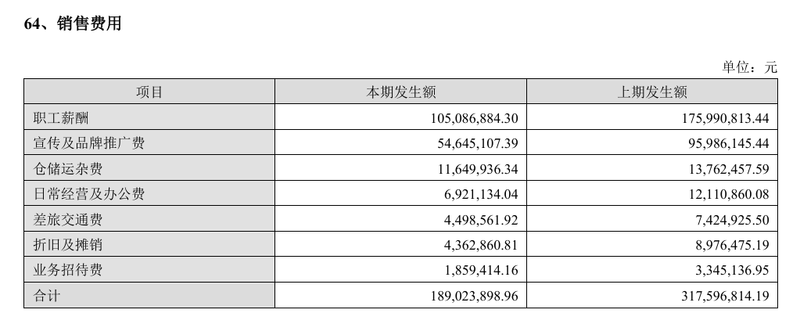
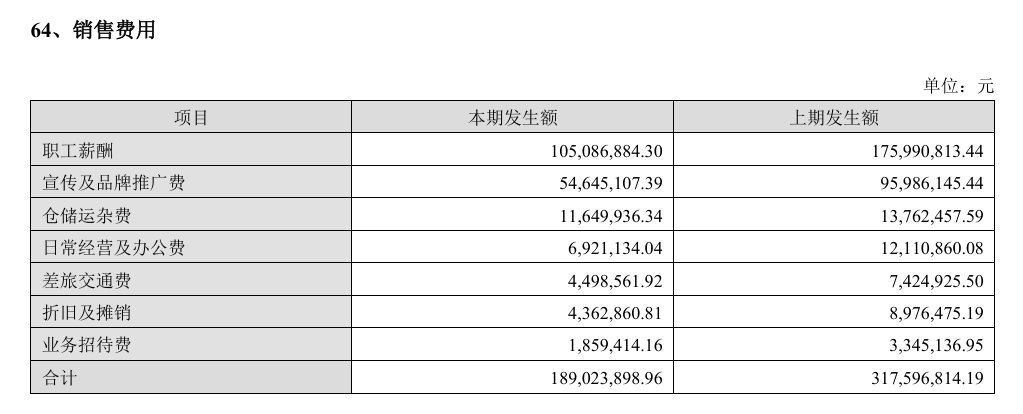
Core Viewpoint - The financial performance of Huazhi Wine Trading (华致酒行) in the first half of 2025 is disappointing, with significant declines in revenue and net profit due to adverse market conditions and changing consumer demand [1][3]. Financial Performance - Revenue for the first half of 2025 is approximately 3.949 billion yuan, a year-on-year decrease of 33.55% [2][3]. - Net profit attributable to shareholders is about 56.21 million yuan, down 63.75% year-on-year [2][3]. - The net profit after deducting non-recurring gains and losses is approximately 32.98 million yuan, a decline of 76.03% compared to the previous year [2][3]. Market Challenges - The decline in revenue is attributed to the economic situation and policy changes, leading to decreased market demand for alcoholic beverages [3]. - The company has established long-term partnerships with well-known brewing companies and large liquor distributors, but the overall market for liquor is undergoing significant adjustments [3][4]. Inventory and Cost Management - The company has implemented a strategy to reduce inventory, with total assets decreasing by 20.98% to approximately 5.621 billion yuan [7]. - Inventory has decreased from 3.259 billion yuan to 2.822 billion yuan, but the proportion of inventory to total assets has increased from 45.81% to 50.21% [7]. - Sales expenses have decreased by 40.48% due to a reduction in the number of sales personnel and lower promotional costs [6][4]. Strategic Initiatives - The company has adopted an "eighteen-character strategy" focusing on inventory reduction, sales promotion, price stabilization, structural adjustment, team strengthening, and model optimization [1][7]. - Huazhi Wine Trading is actively developing instant retail business models to enhance sales and meet consumer demand [8]. Future Outlook - Despite current challenges, the company retains advantages in brand agency rights and national channel layout, suggesting potential for performance rebound when the market recovers [4].
华致酒行(300755):跟踪报告:行业寒冬中的战略转型
Haitong Securities International· 2025-08-22 12:05
Investment Rating - The report maintains an "Outperform" rating for the company with a target price of RMB 23.00, based on a current price of RMB 18.01 [2]. Core Insights - The alcoholic beverage distribution industry in China has a low chain store penetration rate of around 5%, significantly lower than other sectors like catering and pharmacies. The top players are accelerating their market dominance, with the CR5 market share increasing from 22.9% in 2017 to over 45% by 2025, positioning the company as a market leader [3][10]. - The company has faced significant performance pressure due to an industry downturn, with a sharp decline in net profit of 81.1% year-on-year in 2024, attributed to inverted pricing of premium spirits and increased inventory impairments. In the first half of 2025, total revenue and net profit attributable to shareholders fell by 33.6% and 63.8% year-on-year, respectively [4][11]. - Despite the challenges, the company has improved its cash flow, with operating cash flow net increasing to RMB 117 million in 25H1, reflecting positive effects from operational strategy adjustments [12]. Financial Performance Summary - The company achieved total revenue of RMB 10.12 billion in 2023, but projections for 2025 estimate revenue to decline to RMB 7.4 billion, with a gradual recovery expected in subsequent years [4][14]. - The net profit attributable to shareholders is projected to be RMB 100 million in 2025, increasing to RMB 229 million by 2027, with corresponding EPS estimates of RMB 0.2, RMB 0.3, and RMB 0.6 for the same years [14]. - The gross margin for 25H1 decreased to 9.7%, continuing a downward trend since 2021, while the net profit margin reached a historical low of 0.5% in 2024 [12][11]. Strategic Initiatives - The company is focusing on two strategic pillars: "authentic premium liquor channel brands" and "supply chain service platforms." It aims to consolidate its authentic premium liquor system across over 2,000 stores and develop products targeting younger consumers [13]. - The company has initiated the "Vats Liquor Chain Store 3.0" upgrade, enhancing the customer experience by integrating premium wine, dining, and entertainment, with 127 stores operational by 2024 [13].
透视半年报|华致酒行归母净利润同比骤降六成,存货压力犹在
Bei Ke Cai Jing· 2025-08-22 12:02
Financial Performance - In the first half of 2025, the company reported revenue of approximately 3.949 billion yuan, a year-on-year decline of 33.55% [4] - The net profit attributable to shareholders was approximately 56.21 million yuan, down 63.75% year-on-year [4] - The net profit after deducting non-recurring gains and losses was approximately 32.98 million yuan, a decrease of 76.03% year-on-year [4] Market Challenges - The decline in revenue is attributed to the impact of the economic situation and changes in policies, leading to decreased market consumption demand [5] - The liquor industry is undergoing a deep adjustment, with market demand declining and product prices falling, which has compressed the profit margins for some liquor products [8] Inventory and Asset Management - The company has implemented a strategy to reduce inventory, with total assets decreasing by 20.98% to approximately 5.621 billion yuan [14] - Inventory decreased from 3.259 billion yuan to 2.822 billion yuan, but the proportion of inventory to total assets increased from 45.81% to 50.21% [14] - The company reported a significant improvement in operating cash flow, with a year-on-year increase of 293.7% [14] Strategic Initiatives - The company has adopted an "eighteen-character strategy" focusing on inventory reduction, sales promotion, price stabilization, structural adjustment, team strengthening, and model optimization [2][13] - To enhance sales, the company is actively developing instant retail business through various platforms, transforming its stores into front warehouses for quick delivery [15] Sales and Cost Management - Sales expenses decreased by 40.48% year-on-year, primarily due to a reduction in the number of sales personnel and associated costs [10] - The company has effectively controlled various costs, including human resources, warehousing, logistics, and office expenses [11]
华致酒行发布上半年业绩 持续瘦身强体后成效初显
Zheng Quan Zhi Xing· 2025-08-20 07:06
Core Viewpoint - The company, Huazhi Wine, reported a significant decline in revenue and net profit for the first half of 2025, attributed to industry cyclicality, macroeconomic conditions, and structural shifts in consumer demand [1][3]. Group 1: Financial Performance - In the first half of 2025, Huazhi Wine achieved revenue of 3.949 billion yuan, a year-on-year decrease of 33.55%, and a net profit attributable to shareholders of 56.21 million yuan, down 63.75% year-on-year [1]. - The company recognized asset impairment provisions totaling 61.18 million yuan, significantly impacting current profits, with inventory impairment accounting for 55.77 million yuan [1]. Group 2: Industry Challenges - The Chinese liquor distribution industry is facing three main pressures: demand contraction, structural shifts in consumption, and channel transformation [3]. - According to the China Alcoholic Drinks Association, 59.70% of liquor companies and distributors experienced declining profit margins in the first half of 2025, with over 60% of companies in the 800-1500 yuan price range facing price inversion [3]. Group 3: Strategic Adjustments - Huazhi Wine has implemented a series of strategic adjustments, including inventory reduction, which resulted in a 13.39% decrease in overall inventory, from 3.259 billion yuan at the end of 2024 to 2.822 billion yuan [4]. - The company is focusing on enhancing customer engagement through diverse promotional activities and optimizing the in-store experience, while also leveraging online data for targeted marketing [4]. Group 4: Structural Changes - The company is actively restructuring its product offerings to include younger, lower-alcohol, and high-cost-performance products, while also launching customized services to meet new consumer demands [5]. - Huazhi Wine has initiated a "Five-Star Pass" assessment system and a "Fire Plan" for nurturing young talent, aimed at improving team capabilities and market responsiveness [5]. Group 5: Operational Efficiency - The company has closed six subsidiaries to enhance operational efficiency and significantly reduce costs, resulting in a 293.70% year-on-year increase in net cash flow from operating activities and a reduction in the debt-to-asset ratio from 54.13% to 41.83% [7]. Group 6: Channel Innovation - Huazhi Wine is reshaping its channel ecosystem with a focus on a "3+" business model that integrates products, services, online and offline channels, and in-store and out-of-store experiences [8]. - The company has launched three collaborative business formats: Huazhi Wine stores, Huazhi Famous Wine Library, and Huazhi Preferred, to cater to different consumer needs and enhance market presence [8]. Group 7: Long-term Vision - The company emphasizes the importance of maintaining long-term value and authenticity while navigating short-term challenges, aiming to transition from traditional distribution to a value hub connecting production and consumption [9]. - By strengthening its supply chain, innovating channel formats, and deepening digital applications, Huazhi Wine is redefining the value of liquor distribution and pursuing sustainable high-quality development [9].

华致酒行H1扣非降76% 净利连降3年2019年上市募9.7亿
Zhong Guo Jing Ji Wang· 2025-08-20 06:12
Core Points - The company reported a significant decline in revenue and net profit for the first half of 2024, with revenue at 3.949 billion yuan, down 33.55% year-on-year, and net profit attributable to shareholders at 56.21 million yuan, down 63.75% [1][2] - The net profit excluding non-recurring items also saw a substantial decrease of 76.03%, amounting to 32.98 million yuan [1][2] - The operating cash flow showed a positive trend, increasing by 293.70% to 116.59 million yuan [2] Financial Performance - For the first half of 2024, the company achieved operating revenue of 39.49 billion yuan, a decrease from 59.43 billion yuan in the same period last year [2] - The basic and diluted earnings per share fell by 65.79% to 0.13 yuan [2] - The weighted average return on equity decreased to 1.77% from 4.13% [2] Asset and Equity Position - Total assets at the end of the reporting period were 5.621 billion yuan, down 20.98% from the previous year [2] - The net assets attributable to shareholders increased slightly by 0.61% to 3.176 billion yuan [2] Historical Context - In 2023, the company reported a net profit of 44.45 million yuan, down 81.11% year-on-year, and a revenue of 9.464 billion yuan, down 6.49% [1][4] - The company has experienced a consistent decline in net profit over the past two years, with decreases of 45.77% and 35.78% in 2022 and 2023, respectively [4]
华致酒行上半年实现营收39.49亿元 持续瘦身强体后成效初显
Zheng Quan Shi Bao Wang· 2025-08-20 03:43
Core Viewpoint - The company reported a significant decline in revenue and net profit for the first half of 2025, attributed to industry cyclical pressures and macroeconomic challenges, while also implementing strategic adjustments to improve operations and inventory management [1][2]. Financial Performance - The company achieved revenue of 3.949 billion yuan, a year-on-year decrease of 33.55% [1] - Net profit was 56.21 million yuan, down 63.75% year-on-year [1] - The company recognized asset impairment provisions totaling 61.18 million yuan, with inventory impairment accounting for 55.77 million yuan [1] Industry Challenges - The Chinese liquor distribution industry is facing challenges such as demand contraction, structural shifts in consumption, and channel transformations [2] - A report indicated that 59.70% of liquor companies and distributors experienced declining profit margins, with over 60% of companies in the 800 to 1500 yuan price range facing price inversion [2] - Inventory pressure is significant, making "de-stocking" a priority for the entire industry [2] Strategic Adjustments - The company has implemented a series of reforms since late last year, resulting in a 13.39% reduction in overall inventory, decreasing from 3.259 billion yuan at the end of 2024 to 2.822 billion yuan [2] - The company focuses on enhancing customer engagement and loyalty through various promotional activities and improved store experiences [3] Pricing and Market Strategy - The company is actively combating low-price diversion and monitoring product pricing through digital traceability technologies [3] - Future strategic focus includes building a robust "genuine liquor channel brand + supply chain service platform" [3] Operational Efficiency - The company has canceled six subsidiaries to improve operational efficiency and significantly reduce costs [4] - Cash flow from operating activities increased by 293.70% year-on-year, and the debt-to-asset ratio decreased from 54.13% to 41.83%, indicating improved risk resilience [4] - The company has launched over 200 new stores across various provinces, supporting its strategic goals [4]
酒类经营者注意!电商准入门槛提高,线上卖酒需“持证上岗”
Mei Ri Jing Ji Xin Wen· 2025-08-12 00:41
Core Viewpoint - The liquor distribution industry in China is set to undergo a significant regulatory upgrade, with new standards being proposed to enhance compliance and address challenges posed by the rapid growth of e-commerce and new retail models [1][2]. Group 1: New Regulations Overview - The proposed regulations cover multiple dimensions including operational qualifications, product quality control, warehousing logistics, digital capability development, service personnel, and consumer rights protection [2]. - E-commerce operators will face higher entry barriers, requiring them to obtain an Internet Information Service Operating License in addition to a business license [3][4]. Group 2: Compliance and Traceability - A full-chain product traceability system will be established, ensuring that every bottle of liquor has complete and traceable circulation information [5][6]. - Retailers must maintain a procurement information management ledger for three years, while wholesalers are required to establish an electronic ledger for sales processes, also retaining data for three years [6]. Group 3: Industry Impact and Challenges - The new regulations are expected to challenge traditional retail formats, which currently dominate the market, as they account for 95% of the industry [7]. - Smaller liquor businesses may face difficulties in meeting compliance costs, potentially leading to market exits for some, while others may enhance their long-term competitiveness through compliance [7]. Group 4: Long-term Industry Outlook - The core aim of the new regulations is to shift the industry from "wild growth" to "high-quality development," promoting transparency and consumer trust [8]. - The regulations are anticipated to lead to a cleaner market environment, benefiting both consumers and compliant businesses in the long run [8].