
电子商务

Search documents
选择性补贴调查严重损害中欧经贸合作
Ke Ji Ri Bao· 2025-12-24 00:29
Core Viewpoint - The European Commission's Foreign Subsidies Regulation (FSR) is perceived as discriminatory against Chinese companies, leading to significant operational challenges and financial losses for these firms in the EU market [1][3][4]. Group 1: FSR Implementation and Impact - The FSR, effective from July 2023, mandates companies involved in EU public tenders or mergers exceeding certain thresholds to declare foreign subsidies received [1]. - Since its implementation, the European Commission has received 2,100 declarations but has only conducted three in-depth investigations, all targeting Chinese technology firms in the renewable energy and transportation sectors [2]. - The FSR has reportedly caused direct and indirect losses to Chinese companies amounting to approximately €2.1 billion [3]. Group 2: Legal and Operational Challenges - The lack of transparency in the FSR's enforcement has raised concerns about "black box" governance, with limited information available even for investigated cases [2]. - Compliance with the FSR imposes significant administrative burdens on companies, requiring extensive data collection on foreign subsidies, which can include loans, capital injections, debt relief, and tax benefits [3]. Group 3: Broader Economic Implications - The FSR is seen as damaging to the EU's business environment, creating administrative pressures not only for Chinese firms but also for other international companies operating in the EU [3]. - The regulation is criticized for potentially undermining EU-China economic cooperation, which is vital for energy transition, supply chain security, and infrastructure development [4].
京东回应法国仓库失窃
Sou Hu Cai Jing· 2025-12-24 00:08
此前,有媒体报道称,京东位于法国塞纳-圣但尼省的仓库遭窃,超过5万台3C数码设备(包括手机、电 脑和平板电脑)被盗,价值约为3700万欧元,折合人民币3.06亿元。 京东说,被盗仓库已恢复正常运营。针对部分法国媒体报道称盗窃造成"重大损失",京东表示,有关说 法与实际情况存在较大出入。 据新华社消息,23日晚间,京东公司就法国仓库失窃一事向媒体回应说,当地时间22日凌晨,京东位于 法国巴黎大区塞纳-圣但尼省迪尼市的一处仓库遭遇盗窃,当地警方已介入调查处理。 ...

法国仓被盗,京东深夜回应
Guan Cha Zhe Wang· 2025-12-24 00:07
智通财经消息,针对法国仓遭遇盗抢事件,京东深夜回应称,北京时间12月22日,位于法国巴黎地区的 京东仓储遭遇盗抢,当地警方已介入调查处理。目前仓库已恢复正常运营,我们关注到相关方面披露 的"重大损失数据",与实际情况有较大出入。 京东方面同时表示,近年来,京东加速推进"全球织网计划",已在全球23 个国家和地区建设了超130个 各类型海外仓,并合法合规运营。 据此前报道,当地时间12月22日,法国警方通报,位于塞纳-圣但尼省的中国电商京东仓库遭遇大规模 盗窃。大批手机、电脑和平板电脑被洗劫,初步估计损失金额约3700万欧元(约合人民币3.1亿元)。 当地警方初步调查显示,窃贼于21日晚至22日凌晨期间潜入作案。案发时,仓库监控摄像头遭到人为破 坏,且警报系统未能正常启动。 法国警方透露,窃贼共盗走5万余件电子产品,主要涉及智能手机、电脑及平板电脑,另有部分耳机等 配件。 ...
2025电商榜单价值及影响力洞察报告
艾瑞咨询· 2025-12-24 00:04
Core Insights - The report highlights the evolving role of e-commerce rankings from simple recommendation tools to comprehensive business components that enhance user decision-making efficiency, build platform trust, leverage brand growth, and promote industry quality ecosystems [1] - Over 90% of consumers pay attention to ranked products, with more than half prioritizing clicks on items marked with rankings, indicating that rankings are now essential decision touchpoints in the purchasing process [1][6] - The report anticipates that with advancements in AI technology and enhanced user behavior visualization, rankings will undergo further upgrades towards intelligence, personalization, and non-commercialization, becoming key drivers of high-quality industry development [1] Group 1: Consumer Behavior and Trust - Consumers face challenges not in finding products but in trusting and selecting them, leading to a demand for improved decision efficiency, shopping trust, and quality selection [2] - Approximately 30% of consumers are now paying attention to e-commerce rankings, with over 40% considering ranked products as worthy of further exploration [4] - 75.6% of consumers view rankings as a decisive factor in their purchasing decisions, with 61% expressing high satisfaction with ranked product recommendations [6] Group 2: Platform Strategies and Competitive Advantage - E-commerce platforms recognize that future competition will hinge on trust and cognitive efficiency rather than just logistics and pricing, making authoritative rankings a crucial strategy for building trust [8] - JD's ranking system leads the industry in consumer recognition and satisfaction, with nearly 70% of users mentioning it first when asked about rankings [10] - Over 80% of consumers believe JD's rankings help them find high-quality and safe products, significantly higher than other industry rankings [11] Group 3: Ranking Mechanisms and Consumer Engagement - The ranking system is seen as a bridge of trust between users and brands, with 52.2% of consumers prioritizing products with ranking marks, and 81.1% considering JD's ranking as a key decision factor [15] - More than half of consumers (54.6%) prefer to check quality rankings when seeking high-quality products, with 97.8% of users indicating they will continue using JD's rankings [17] - The evolution of JD's ranking from a tool to a trusted guide reflects a shift in consumer decision-making logic towards reliance on quality rankings [18] Group 4: Ecosystem Value and Industry Impact - E-commerce rankings create a win-win ecosystem by providing reliable shopping guides for consumers, driving sales growth for brands, and reflecting industry consumption trends [30] - The case of Haier's jeans series illustrates how consistent ranking can lead to increased exposure, sales, and positive consumer feedback, creating a virtuous cycle [32] - The collaboration between JD and SHOKZ on exclusive products demonstrates how rankings can drive product success and market recognition [33] Group 5: Future Trends and Innovations - Future trends in e-commerce rankings will focus on data-driven, non-commercial, and objective evaluations to enhance consumer trust [35] - The integration of AI will transform rankings into interactive tools, allowing for personalized recommendations and efficient product iterations [37] - The emphasis on quality and consumer experience will continue to drive the evolution of rankings, ensuring they remain relevant and effective in guiding purchasing decisions [40]


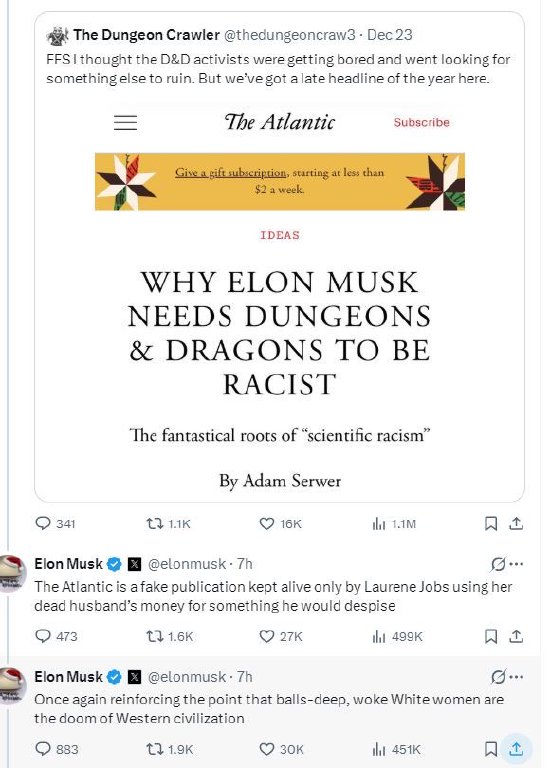
马斯克回应《大西洋月刊》文章,炮轰贝索斯前妻和乔布斯遗孀
Xin Lang Cai Jing· 2025-12-23 23:57
Core Viewpoint - Elon Musk, CEO of Tesla, responded to an article from The Atlantic labeling him a "scientific racist," criticizing the publication's funding by the late Steve Jobs' widow, Lauren Jobs, and also targeting MacKenzie Scott's charitable donations [1][5][6]. Group 1: Musk's Criticism of The Atlantic - Musk described The Atlantic as a "fake publication" that survives on money from Lauren Jobs, which he believes her late husband would have despised [6]. - He emphasized that "woke" white women are a curse on Western civilization [6]. Group 2: Comments on MacKenzie Scott - Musk agreed with a user's comment that billionaire leftist wives pose a significant threat to Western civilization, labeling MacKenzie Scott as an example who despises her ex-husband and wishes harm upon individuals like him [8]. - He linked to an article discussing how Scott has donated a significant portion of her charitable contributions to organizations that support "immigrant criminals and transgender athletes" [8]. Group 3: Previous Criticisms of Scott - This is not the first time Musk has criticized Scott; in March 2024, he condemned her for donating $16.5 billion primarily to non-profits involved in racial and gender discrimination issues, stating that "hating your ex-husband's super-rich ex-wife" should be considered one of the reasons for the decline of Western civilization [11]. - In October 2024, Musk referred to Scott as "the face of the collapse of Western civilization" in another post [11].


法国仓被盗,京东深夜回应
财联社· 2025-12-23 23:28
针对法国仓遭遇盗抢事件,京东深夜回应财联社记者称,北京时间12月22日,位于法国巴黎地区的京东仓储遭遇盗抢,当地警方已介入调查处理。目前仓 库已恢复正常运营,我们关注到相关方面披露的"重大损失数据",与实际情况有较大出入。 京东方面同时表示,近年来,京东加速推进"全球织网计划",已在全球23 个国家和地区建设了超130个各类型海外仓,并合法合规运营。 ...

支持平台经济产业链高质量发展
Xin Lang Cai Jing· 2025-12-23 20:11
《征求意见稿》中从加大电商批发零售类企业培育力度、支持电商服务类企业快速成长、支持平台经济 创新项目建设、支持平台经济载体建设、支持重大平台经济活动开展、支持平台经济人才队伍建设、加 大引导基金支持力度7个方面拟给予"真金白银"的支持。 如聚焦加大电商批发零售类企业培育力度,《征求意见稿》拟对上年度通过互联网实现零售规模超过 5000万元或批发规模超过10亿元,且增速超出同期全省社会消费品零售总额增速、批发业销售额增速2 个百分点以上的电商销售企业,按企业综合发展成效分梯度给予激励。而在支持电商服务类企业快速成 长中,支持平台经济赋能实体经济发展,对运用数字化手段提升烟火小店等发展成效显著的生活服务类 电商平台企业,单个企业另行激励。 另外,《征求意见稿》中拟重点支持重大平台经济活动开展。如支持行业商协会、电商企业在川开展消 费节、电商竞赛、资源对接会和展会等重大平台经济活动。又如其中提出,对上年度主办全国、中西部 有影响力和带动力的综合类或垂直领域类活动的主体,按照其自筹资金实际投入50%、30%的比例予以 补助。 转自:成都日报锦观 支持平台经济产业链高质量发展 这份政策公开征求意见 本报讯 (成都日报锦 ...
深夜 医药巨头大涨!加密货币大跌 超9万人爆仓 黄金、白银下挫!美国最新GDP数据公布 特朗普发声
Mei Ri Jing Ji Xin Wen· 2025-12-23 16:41
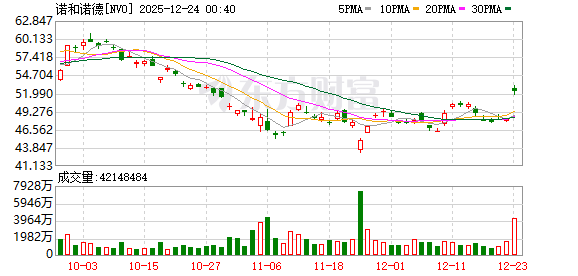
当地时间12月23日,美股主要指数小幅走低,截至发稿,道指跌0.06%,纳指跌0.16%,标普500指数跌0.06%。 | 代码 | 名称 | 现价 | 涨跌 | 涨跌幅 | | --- | --- | --- | --- | --- | | DJI | 道琼斯工业平均 | 48333.80 | -28.88 | -0.06% | | IXIC | 纳斯达克指数 | 23391.81 | -37.02 | -0.16% | | SPX | 标普500 | 6874.30 | -4.19 | -0.06% | 据新华社报道,美国商务部23日公布的首次预估数据显示,今年第三季度美国国内生产总值(GDP)环比按年率计算增长4.3%,高于第二季度3.8%的增 速。 美国科技七巨头普涨,亚马逊涨超1%。费城半导体指数跌0.62%,英伟达微涨0.34%,英特尔、超威半导体等多股下跌。 纳斯达克中国金龙指数跌1.2%,热门中概股多数承压,小鹏汽车跌超3.7%,名创优品、蔚来、理想、B站、金山云均跌超2%。 值得注意的是,黄金、白银在创下历史新高后,开始直线跳水回落,截至发稿,黄金飘绿,白银涨幅也大幅回落,显然,美国此前公布 ...

京东巴黎仓库遭盗抢已恢复运营,否认重大损失传闻
Mei Ri Jing Ji Xin Wen· 2025-12-23 16:19
#京东回应巴黎仓库被盗##京东称巴黎仓库已恢复正常运营#【京东最新回应"仓库被盗":法国巴黎仓库 已恢复正常运营】12月23日晚,京东表示,北京时间12月22日,位于法国巴黎地区的京东仓储遭遇盗 抢,当地警方已介入调查处理。京东称,目前仓库已恢复正常运营,相关方面披露的"重大损失数据", 与实际情况有较大出入。 此前,有消息援引外媒报道称,京东位于法国塞纳-圣但尼省的仓库遭窃,超过5万台3C数码设备(包括 手机、电脑和平板电脑)被盗,价值约为3700万欧元,折合人民币3.06亿元。 京东表示,近年来,京东加速推进"全球织网计划",已在全球23个国家和地区建设了超130个各类型海 外仓,并合法合规运营。(上证报,艾塔) ...

京东回应“仓库被盗”:法国巴黎仓库已恢复正常运营
Shang Hai Zheng Quan Bao· 2025-12-23 16:13
12月23日晚,京东向上证报表示,北京时间12月22日,位于法国巴黎地区的京东仓储遭遇盗抢,当地警 方已介入调查处理。京东称,目前仓库已恢复正常运营,相关方面披露的"重大损失数据",与实际情况 有较大出入。 此前,有消息援引外媒报道称,京东位于法国塞纳-圣但尼省的仓库遭窃,超过5万台3C数码设备(包 括手机、电脑和平板电脑)被盗,价值约为3700万欧元,折合人民币3.06亿元。 来源:上海证券报 风险提示及免责条款 市场有风险,投资需谨慎。本文不构成个人投资建议,也未考虑到个别用户特殊的投资目标、财务状况或需要。用户应考虑本文中的任何 意见、观点或结论是否符合其特定状况。据此投资,责任自负。 京东表示,近年来,京东加速推进"全球织网计划",已在全球23个国家和地区建设了超130个各类型海 外仓,并合法合规运营。"我们将持续建设好超级供应链,为广大企业和用户提供高质量的物流服务。" ...