外卖

Search documents
阿里、美团、瑞幸、霸王茶姬……财报里的外卖大战?
3 6 Ke· 2025-11-29 05:12
Core Insights - The fierce competition in the food delivery sector between Alibaba and Meituan has led to significant financial losses, with Alibaba burning approximately 350 to 360 billion RMB and Meituan between 150 to 200 billion RMB in the third quarter [1][2][6]. - Both companies have shifted their strategies from aggressive subsidies to a more defensive posture, focusing on optimizing unit economics and reducing losses [1][5][11]. Financial Performance - Alibaba's adjusted EBITDA for its China e-commerce group was 105 billion RMB, with a significant loss of 110 billion RMB in its instant retail business since its inception, totaling over 460 billion RMB burned [2][4]. - Meituan's core local business costs rose by 48.78% year-on-year, with sales and marketing expenses increasing by 90% to 343 billion RMB, reflecting the competitive landscape [5][6]. Market Dynamics - Analysts from major financial institutions have downgraded Alibaba's stock price targets due to the ongoing losses in instant retail and the unclear synergy with its main platform [3]. - The market share dynamics are expected to stabilize in the long term, with projections suggesting a 5:4:1 market share distribution among Meituan, Alibaba, and JD.com [6]. Strategic Adjustments - Alibaba is focusing on integrating its various business segments to achieve better synergy, while Meituan is concentrating on high-value customer segments and optimizing its operational efficiency [11][12]. - Both companies are adapting their strategies in response to the competitive environment, with Alibaba planning to reduce its involvement in certain areas and Meituan enhancing its partnerships with brands for tailored inventory solutions [12][14]. Impact on Brands - The competition has led to a reshuffling among beverage brands, with companies like Luckin Coffee experiencing both growth in same-store sales and increased pressure on profit margins due to rising delivery and marketing costs [7][8][9]. - Brands like Bawang Tea have opted for a more cautious approach, while others like Cha Bai Dao have capitalized on the competitive landscape to achieve healthy growth despite the subsidy reductions [10][11].


美团三季度亏损160亿,王兴称外卖价格战不可持续
Cai Jing Wang· 2025-11-29 04:43
Core Insights - Meituan reported a net loss of 16 billion yuan in Q3 2025, with total revenue reaching 95.5 billion yuan, a year-on-year increase of 2% [2] - CEO Wang Xing emphasized that the ongoing price war in the food delivery sector is unsustainable and detrimental to industry value creation [1][2] - Despite the losses, Meituan's daily active users (DAU) grew by over 20% year-on-year, and the monthly transaction user count for food delivery reached a historical high [2] Financial Performance - Total revenue for Q3 2025 was 95.5 billion yuan, reflecting a 2% increase compared to the previous year [2] - The core local business operating profit turned negative, resulting in a loss of 14.1 billion yuan, contributing to an adjusted net loss of 16 billion yuan for the quarter [2] Market Position and Strategy - Wang Xing reiterated the company's commitment to protecting rider rights and supporting small merchants, aiming for long-term industry health [1] - Meituan maintains a leading market share in the mid-to-high price order segment, with over 66% of orders above 15 yuan and over 70% of orders above 30 yuan [1]

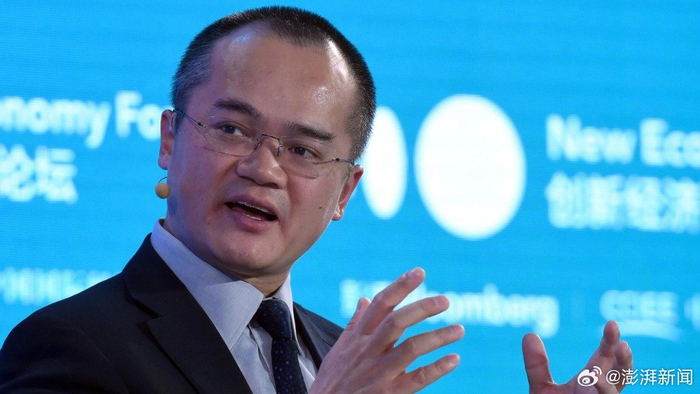
美团王兴:外卖价格战不可持续,有信心捍卫市场地位、创造长期价值
经济观察报· 2025-11-29 04:12
Core Viewpoint - The company emphasizes its commitment to protecting rider rights and supporting small merchants, aiming for long-term healthy industry development while opposing unsustainable price competition in the food delivery sector [2][3]. Group 1: Market Competition and Strategy - The company firmly opposes the "involution" of low-quality, low-price competition in the food delivery market, asserting that such price wars have not created value and are unsustainable [2][3]. - The company plans to increase investments in rider rights protection and support for small merchants as a pathway to maintain industry health [3]. - The company is confident in defending its market position in instant retail and creating genuine long-term value [2][3]. Group 2: Financial Performance and Market Position - In October and November, industry subsidy levels decreased compared to the summer peak, particularly after the "Double 11" shopping festival, prompting the company to adjust its strategies accordingly [4]. - The company has seen a steady recovery in its market share for food delivery orders, leading in the mid-to-high price order segment, with over 66% of orders exceeding 15 yuan and over 70% of orders exceeding 30 yuan [4]. - The company's average transaction value in food delivery remains significantly higher than that of competitors, with core user retention rates remaining high, indicating strong consumer loyalty and frequency of use [5]. Group 3: Long-term Outlook and Industry Trends - The company anticipates ongoing changes in the competitive environment, with a shift from capital-driven growth to efficiency and innovation-driven development in the food delivery sector [7]. - The company believes that the irrational competition in the food delivery industry will transition to a more rational and mature phase, where platforms with strong operational efficiency and industry experience will lead [7]. - The long-term growth potential of food delivery is clear, with a target of achieving one billion daily orders, and the company is confident in maintaining its operational efficiency advantage [7].

外卖大战揭盅:美团亏了141亿,不到阿里一半
Sou Hu Cai Jing· 2025-11-29 03:56
Core Insights - Meituan's third-quarter financial report reveals a significant net loss of 16 billion yuan, primarily driven by fierce competition in the food delivery sector, with core local business losses amounting to 14.1 billion yuan [1][10][11] - Despite the losses, Meituan's revenue showed a slight increase of 2% year-on-year, reaching 95.5 billion yuan, attributed to substantial subsidies in the food delivery segment [3][5] - The report highlights a notable increase in user engagement, with daily active users (DAU) growing over 20% year-on-year and total transaction users surpassing 800 million [7][8] Revenue and Loss Analysis - Meituan's adjusted net loss for the third quarter was 16 billion yuan, marking one of the most severe losses in recent years, compared to a net profit of 12.8 billion yuan in the same period last year [10][11] - The core local business experienced a significant operational loss of 14.1 billion yuan, reflecting the intense competition in the food delivery market [8][11] - Revenue from delivery services declined by 17.1%, amounting to a decrease of nearly 4.8 billion yuan, primarily due to increased subsidies aimed at attracting and retaining users [5][6] User Engagement and Growth - Meituan reported a robust increase in user activity, with DAU rising over 20% year-on-year and monthly transaction users in the food delivery segment reaching an all-time high [7][8] - The total number of transaction users exceeded 800 million, indicating a strong user base despite competitive pressures [7] New Business Developments - Meituan's new business segment achieved revenue of 28 billion yuan, reflecting a year-on-year growth of 15.9%, with losses narrowing to 1.3 billion yuan [11][13] - The company is expanding its international presence, with operations launched in Qatar, Kuwait, the UAE, and Brazil [13] Investment in Technology - Meituan increased its R&D expenditure to 6.9 billion yuan, a 31% year-on-year rise, with R&D accounting for 7.3% of total revenue [13] - The company is focusing on AI development, launching several open-source models and enhancing its AI tools for merchants and users [13]

阿里晒外卖大战账单:经营利润同比降85% 将收缩闪购投入
Zhong Guo Jing Ying Bao· 2025-11-28 20:32
中经记者 李立 上海报道 作为外卖大战的三大主角之一,11月25日晚间,阿里巴巴(NYSE:BABA;HKEX:9988)发布截至 2025年9月30日的财报。 由于淘宝闪购从7月才开始正式下场,加大投入硬杠美团。市场普遍认为该季度财报更能反映阿里在外 卖大战中的投入产出比与真实水位。 阿里2026财年第二季度(自然年2025年第三季度)营收2477.95亿元,同比增长5%。净利润为206.12亿 元,同比下滑53%,主要由于运营利润出现下滑。不按美国通用会计准则,净利润为103.52亿元,同比 下滑72%。 其中经营利润53.65亿元,同比下降85%,主要是由于经调整EBITA的减少所致。经调整EBITA同比下降 78%至90.73亿元。阿里方面表示,主要归因于对即时零售、用户体验以及科技的投入,部分被阿里巴 巴中国电商集团的双位数收入增长、云业务的持续增长所带来的经营业绩改善,以及多项业务运营效率 的提升所抵销。 《中国经营报》记者注意到,在谈到大战下一阶段消费者补贴是否会维持原有强度时,阿里相关高层回 应称,第三季度是闪购业务投入高点,随着整体效率的显著改善和规模稳定,预计闪购业务的整体投入 会在下个季 ...
美团王兴:外卖价格竞争不可持续,有信心捍卫市场地位、创造长期价值
Sou Hu Cai Jing· 2025-11-28 15:11
Core Viewpoint - The company firmly opposes the "involution" competition in the food delivery market, stating that price competition has not created value for the industry and is unsustainable [1][3] Group 1: Company Strategy - The company plans to increase investments in "rider rights protection" and "support for small and medium-sized merchants" to promote long-term healthy development of the industry [1] - The CEO emphasized the importance of focusing on doing the right things, serving consumers, merchants, and riders effectively, and is confident in defending the market position in instant retail [1][3] Group 2: Market Position and Performance - The company has seen a steady recovery in market share for food delivery orders, maintaining a leading position in the mid-to-high price order market [3] - Over 66% of orders with a payment of more than 15 yuan and over 70% of orders exceeding 30 yuan are captured by the company, indicating strong performance in higher-value segments [3] - Core user retention remains high, with increasing user consumption frequency and loyalty, positioning the company as a preferred platform for millions of users daily [3]

王兴:外卖价格战不可持续,有信心捍卫市场地位、创造长期价值
Xin Lang Cai Jing· 2025-11-28 15:05
Core Viewpoint - The company reaffirms its stance against the unsustainable price war in the food delivery sector, emphasizing that it does not create value for the industry [1] Group 1: Company Strategy - The company plans to increase investments in rider rights protection and support for small and medium-sized merchants to promote long-term healthy development of the industry [1] - The CEO expressed confidence in defending the market position in instant retail and creating genuine long-term value [1] Group 2: Market Position - The company believes that the current irrational competition in the food delivery industry is temporary [1] - Recent data shows a steady recovery in the company's market share for food delivery orders, maintaining a leading position in the mid-to-high price order market [1] - The company holds over 66% market share for orders exceeding 15 yuan and over 70% for orders exceeding 30 yuan [1]
美团3个月亏了160亿,王兴:外卖大战不可持续
2 1 Shi Ji Jing Ji Bao Dao· 2025-11-28 14:04
Core Viewpoint - Meituan reported a significant decline in profitability due to intensified competition in the food delivery sector, leading to a net loss of 160 billion RMB in Q3 2025, compared to a profit of 128 billion RMB in the same period last year [1][2][6]. Financial Performance - Meituan's revenue for Q3 2025 reached 955 billion RMB, reflecting a year-on-year growth of 2% [1]. - The adjusted net loss for the quarter was 160 billion RMB, a stark contrast to the profit of 128 billion RMB in Q3 2024 [1][2]. - Core local business operating profit turned negative, resulting in a loss of 141 billion RMB for the quarter [2][5]. Competitive Landscape - The food delivery market has seen fierce competition, with major players like Meituan, Alibaba, and JD.com engaging in aggressive subsidy wars, leading to substantial financial losses [2][5]. - Meituan's sales and marketing expenses surged by 90.9% year-on-year to 343 billion RMB, accounting for 35.9% of its revenue, driven by increased promotional and advertising costs [5]. - Alibaba's operating profit dropped by 85% in Q3, with sales and marketing expenses rising to 664.96 billion RMB, an increase of 340 billion RMB from the previous year [5]. Market Outlook - Meituan anticipates that the trend of operating losses will continue into Q4 2025, although there are indications that competition may ease as Alibaba plans to reduce its investment in flash sales [1][6]. - CEO Wang Xing emphasized that the ongoing price war in the food delivery sector is unsustainable and has not created value for the industry [7]. - Meituan maintains a strong market share, with over 70% of orders exceeding 30 RMB, indicating a solid position in the mid-to-high price segment [7].
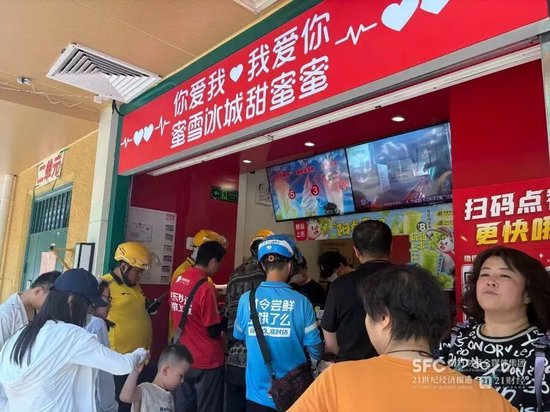
美团电话会:亏损已见顶,进行必要投入以维持领导地位,但不会参与价格战
硬AI· 2025-11-28 13:59
Core Viewpoint - Meituan reported its first quarterly loss in three years, with an adjusted net loss of 16 billion RMB in Q3, and expects losses to continue into Q4, indicating an intensifying competition in the food delivery sector [3][4]. Group 1: Financial Performance - In Q3, Meituan's core local commerce business shifted from profit to loss, recording an operating loss of 14.1 billion RMB compared to a profit of 14.6 billion RMB in the same period last year [3][4]. - The company anticipates a slight increase in losses for its flash purchase business in Q4, despite confidence in achieving reasonable and sustainable profitability in the medium to long term [4][11]. Group 2: Competitive Landscape - Management criticized the ongoing price war in the food delivery industry as "malicious competition" and stated that they will not engage in it, instead opting to adjust resources dynamically based on competitive conditions [4][5]. - The company noted a recovery in market share and order volume in October and November, with over two-thirds of orders priced above 15 RMB and about 70% above 30 RMB, indicating a focus on higher-value transactions [4][5]. Group 3: User Engagement and Strategy - Core users maintain high retention rates, with consumption frequency and loyalty steadily increasing, reflecting strong brand recognition and service advantages [6][12]. - Meituan plans to enhance user experience through faster and more reliable delivery, a diverse supply across all price ranges, and exclusive benefits from its membership system [6][12]. Group 4: Future Outlook and Investments - The company is committed to investing in supply-side operations to ensure optimal user experience and will continue to educate users during promotional events like Double Eleven [11][18]. - Meituan's strategy includes expanding its instant retail supply chain and enhancing service experiences to meet the evolving consumer demand for immediate satisfaction [9][10]. Group 5: International Expansion - Meituan's new business segment, KeeTa, achieved its first monthly profit in Hong Kong, indicating a successful market entry strategy that may be replicated in other regions like Saudi Arabia and the GCC [16][18]. - The company is optimistic about the potential for growth in Brazil, which is one of the largest food delivery markets globally, despite existing competition [17][18].

美团3个月亏了160亿,王兴:外卖大战不可持续
21世纪经济报道· 2025-11-28 13:59
Core Viewpoint - Meituan reported a revenue of 95.5 billion RMB for Q3 2025, a year-on-year growth of 2%, but faced an adjusted net loss of 16 billion RMB compared to a profit of 12.8 billion RMB in the same period last year, primarily due to intensified competition in the food delivery sector [1][3][6] Group 1: Financial Performance - In Q3 2025, Meituan's core local business operating profit turned negative, resulting in a loss of 14.1 billion RMB, attributed to the fierce competition in the food delivery market [3][5] - The sales and marketing expenses for Meituan surged by 90.9% year-on-year to 34.3 billion RMB, accounting for 35.9% of revenue, driven by increased promotional and advertising costs due to the competitive landscape [5][6] - Meituan's losses in the food delivery segment exceeded market expectations, but the fourth quarter is anticipated to show an improvement in loss figures as competition may ease [6][8] Group 2: Market Competition - The food delivery war intensified in Q3 2025, with major players like Meituan, Alibaba, and JD.com engaging in aggressive subsidy strategies, leading to significant financial losses across the board [2][3] - Alibaba's CFO indicated a potential reduction in high subsidies for the next quarter, which could alleviate some competitive pressure on Meituan [6] - Meituan's CEO emphasized that the ongoing price war is unsustainable and has not created value for the industry, asserting the company's commitment to supporting riders and small merchants while maintaining market position [8] Group 3: Market Share - Meituan holds over 66% market share for orders exceeding 15 RMB and over 70% for orders above 30 RMB, indicating a strong position in the mid-to-high price segment of the food delivery market [1][8] - The retention of core users remains high, with steady improvements in consumer frequency and engagement on the platform [8]