国际贸易

Search documents
印度为自信付出代价?美国加征惩罚关税,印媒:印度在全球的地位遭到撼动
Sou Hu Cai Jing· 2025-08-28 03:51
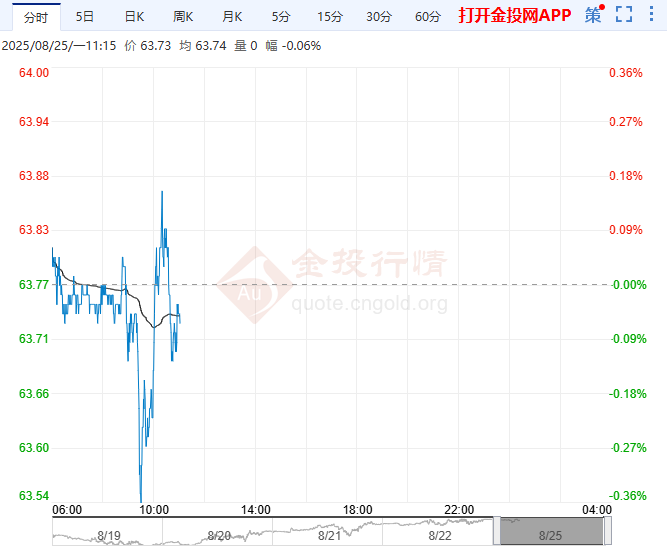
Core Insights - India is facing unprecedented trade challenges due to the U.S. imposing a 50% tariff on all Indian products since August 27, impacting $48.2 billion worth of exports [1] - The U.S. has also increased the tax rate on Indian imports of Russian oil from 25% to 50%, citing India's significant increase in Russian oil purchases from 1% to over 40% as a profit-driven action [1] - This trade conflict highlights the fragility of U.S.-India relations, despite India being viewed as a key partner for the U.S. in Asia [1] Trade Impact - The 50% tariff is expected to have a manageable direct impact on the Indian economy, but the deeper crisis lies in the U.S. attempt to obstruct India's path to growth [2] - The punitive tariffs serve as a warning to India about the limitations of its "rock-solid" cooperation with the U.S. in the face of realpolitik [2] Strategic Implications - The U.S. actions are perceived as an effort to curb India's strategic autonomy, as India seeks to diversify its energy supply and enhance its international influence [1] - The imposition of tariffs is seen as a demand for India to choose between energy security and its relationship with the U.S., contradicting India's goal of pursuing a multipolar foreign policy [1]

海口综合保税区全国排名首次进入A类
Hai Nan Ri Bao· 2025-08-28 01:22
Core Insights - The 2024 National Comprehensive Bonded Zone Development Performance Evaluation results have been released, with Haikou Comprehensive Bonded Zone achieving a national ranking of 27th, marking a significant improvement of 37 places from the previous year, and entering the A category for the first time [2][3] - Haikou Airport Comprehensive Bonded Zone ranked 70th nationally, improving by 76 places and entering the B category [2] Group 1 - The evaluation assesses the high-quality development and high-level opening-up effectiveness of comprehensive bonded zones, reflecting their construction progress and development achievements [2] - The Haikou Comprehensive Bonded Zone has leveraged the "Free Trade Port + Customs Special Supervision Area" policy advantages, focusing on advanced manufacturing, imported consumer goods, and international trade as its main industries [3] - Since the issuance of the "Overall Plan for the Construction of Hainan Free Trade Port," the Haikou Comprehensive Bonded Zone has seen annual growth rates of 21% in operating income, 10% in tax revenue, 12% in total import and export value, and 18% in industrial output value [3] Group 2 - In 2024, the total import and export value of the Haikou Comprehensive Bonded Zone reached 33.4 billion, representing a growth of 24.6%, while in the first half of 2025, it achieved 15.8 billion, growing by 17.7%, accounting for approximately 13% of Hainan Province and 40% of Haikou City [3] - The Haikou Comprehensive Bonded Zone aims to seize the significant opportunities presented by the Hainan Free Trade Port's closure operations, focusing on accelerating the implementation of investment projects, optimizing industrial structure, and enhancing the business environment [3]
【环球财经】德国逾半数企业有意削减对美贸易
Xin Hua She· 2025-08-27 14:59
Core Insights - The survey conducted by the German Chamber of Commerce indicates that U.S. tariff policies are increasing uncertainty for German companies regarding their business prospects in the U.S. market [1] - More than half of the surveyed companies expressed intentions to reduce trade with the U.S. in the future [1] Trade and Investment Impact - Over 25% of the companies with operations in the U.S. reported having suspended or canceled their investments in the U.S. [1] - 54% of the surveyed companies anticipate a reduction in trade with the U.S. moving forward [1] Perception of Trade Agreements - 55% of the companies believe that the recent trade agreement between the EU and the U.S. imposes a heavy burden on the European economy [1] - Companies are urging the EU to adopt a firmer stance in future negotiations [1] Economic Consequences - The foreign trade chief of the German Chamber of Commerce, Volker Treier, stated that the U.S. protectionist trade policies may backfire [1] - Treier emphasized that the costs of tariffs will primarily be borne by U.S. consumers, as most companies operating in the U.S. will pass on the additional tariff costs to customers [1]
德国逾半数企业有意削减对美贸易
Xin Hua Wang· 2025-08-27 12:09
Core Viewpoint - The survey conducted by the German Chamber of Commerce indicates that U.S. tariff policies are increasing uncertainty for German companies regarding their business prospects in the U.S., leading over half of the companies to consider reducing trade with the U.S. [1] Group 1: Survey Results - More than a quarter of the surveyed companies with operations in the U.S. have either paused or canceled their investments in the U.S. [1] - 54% of the companies expect to reduce their trade with the U.S. in the future [1] - 55% of the companies believe that the recent trade agreement between the EU and the U.S. imposes a heavy burden on the European economy, urging the EU to adopt a tougher stance in future negotiations [1] Group 2: Expert Commentary - The foreign trade chief of the German Chamber of Commerce, Volker Treier, stated that the U.S. trade protectionist policies may backfire, and the strategy of "re-industrialization" through tariffs is unlikely to succeed [1] - Treier also mentioned that the damage caused by tariffs to the U.S. economy outweighs the benefits, as U.S. consumers will primarily bear the cost of import tariffs, and most companies operating in the U.S. will pass on the additional tariff costs to customers [1]
丘应桦:香港推动共建“一带一路”发展 商品贸易额大幅增长近八成
Zhi Tong Cai Jing· 2025-08-27 11:11
Core Viewpoint - Hong Kong is leveraging its unique advantages as an international trade and financial center to actively participate in the Belt and Road Initiative (BRI), resulting in significant growth in trade and investment with BRI countries since its inception in 2013 [1][2]. Group 1: Trade and Investment Growth - Since 2013, the trade volume between Hong Kong and BRI countries has increased by nearly 80%, which is 3.2 times the growth of Hong Kong's overall external trade, reaching approximately $280 billion [1]. - In 2023, Hong Kong's direct investment position in BRI regions exceeded $130 billion, which is 3.6 times that of 2013 and four times the overall growth of Hong Kong's investments [1]. Group 2: Government Initiatives and Agreements - Hong Kong has signed free trade agreements with 14 BRI countries and investment protection agreements with around 20 BRI countries, supporting the construction of an open world economy [2]. - The Hong Kong government is funding small and medium-sized enterprises (SMEs) to participate in export promotion activities and brand development through specialized funds [2]. Group 3: Cultural and Educational Exchange - Hong Kong is enhancing understanding and friendship with BRI countries through various cultural exchange and educational cooperation projects, laying the foundation for long-term collaboration [2]. - The "Study in Hong Kong" initiative aims to attract outstanding students from BRI regions, while the "Asia Arts Festival" showcases the cultural charm of Asia and BRI countries [2]. Group 4: Belt and Road Forum - The Belt and Road Forum, a collaboration between the Hong Kong government and the Trade Development Council, has seen participation grow from over 2,400 attendees from 48 countries at its first session to over 6,000 attendees from around 80 countries at the ninth session [3]. - The current forum will introduce new highlights, including a focus on key projects, market opportunities, sustainable development discussions, and increased engagement with young business leaders [3].
印度迎战美国关税威胁 顶住压力“不低头”
Jin Tou Wang· 2025-08-27 06:33
Group 1 - The core viewpoint of the articles highlights India's steadfastness in purchasing Russian oil despite threats from the Trump administration to double tariffs on Indian exports to 50% [1][2] - India has become the largest maritime oil buyer from Russia since the onset of the Russia-Ukraine conflict, importing nearly $140 billion worth of Russian oil, which is primarily processed into gasoline and diesel for domestic and international markets [2] - The Indian government has not officially instructed a reduction in Russian oil imports, with current shipments at approximately 1 million barrels per day, down from 2 million earlier this year, indicating a strategic decision rather than a compliance issue [1][2] Group 2 - The U.S. perceives India's continued purchase of Russian oil as providing "war materials" to Russia, conflicting with Western sanctions aimed at limiting Russian energy purchases [2] - India's response to U.S. tariff threats has been one of defiance, with officials labeling the U.S. actions as "unfair and unreasonable," emphasizing that their oil purchases are purely commercial decisions [2][3] - India's long-standing relationship with Russia, particularly in defense procurement, has been characterized by stability, with Russia accounting for over 60% of India's arms imports since 2000, contrasting with the fluctuating nature of U.S.-India relations [3]
商务部:将继续办好圆桌会议 开展“服务保障进外企”专项走访活动
Zheng Quan Shi Bao Wang· 2025-08-26 08:15
Core Points - The Ministry of Commerce is actively engaging with foreign enterprises through monthly roundtable meetings, with a focus on addressing their challenges and demands [1] - Since last year, 40 roundtable meetings have been organized, resolving over 1,500 issues faced by foreign enterprises [1] - Future initiatives will include special visits to foreign enterprises and ensuring a fair competitive environment for both domestic and foreign companies in various activities [1] Summary by Categories - **Engagement with Foreign Enterprises** - The Ministry of Commerce holds monthly roundtable meetings for foreign enterprises, with the latest one in the Pearl River Delta region [1] - **Issue Resolution** - Over the past year, 40 roundtable meetings have been conducted, leading to the resolution of more than 1,500 issues faced by foreign enterprises [1] - **Future Initiatives** - The Ministry plans to continue organizing roundtable meetings and will implement a "service guarantee for foreign enterprises" initiative [1] - There will be a commitment to providing equal support for both domestic and foreign enterprises in large-scale equipment updates, consumer goods replacement, government procurement, and bidding activities [1]
鲍威尔的国士考验(上)
Sou Hu Cai Jing· 2025-08-25 18:14
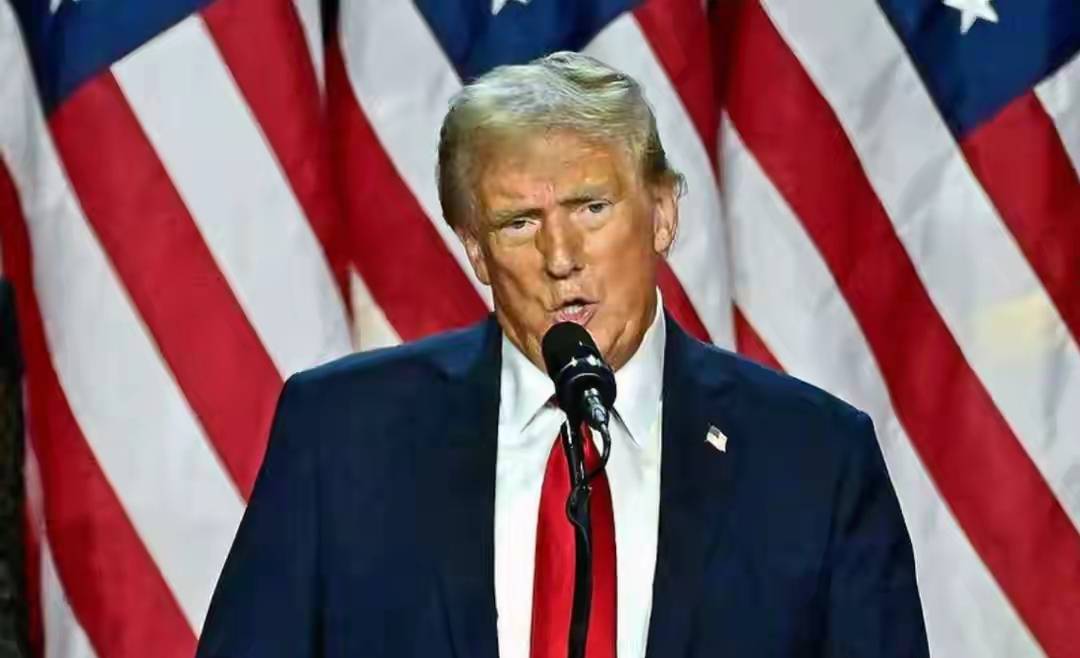
Group 1: Federal Reserve and Monetary Policy - Federal Reserve Chairman Powell emphasizes the importance of patience amid increasing inflation pressures, maintaining a reasonable judgment on interest rate cuts [1] - The June FOMC dot plot indicates nearly half of the members expect two rate cuts within the year, while seven members oppose any cuts, showcasing historical divisions [1] - Powell asserts that the current monetary policy is appropriately positioned despite external pressures, including criticism from the White House regarding the Fed's renovations [1] Group 2: Tariffs and Economic Impact - The total tariffs collected by the U.S. in June amounted to $28 billion, with annualized tariffs potentially exceeding $300 billion and an effective tariff rate nearing 10% [2] - Tariff totals are projected to rise to $80 billion by 2024, with an increase of $220 billion attributed to the new trade war initiated by Trump [2] - The impact of tariffs on trade volume is significant, as exceeding a 25% tariff could lead to reduced trade and tax revenue [2] Group 3: Tariffs and Inflation - Tariffs and currency depreciation are equivalent policy tools that can influence international balance of payments by altering relative prices [3] - Tariffs not only directly raise prices but can also indirectly increase inflation by enhancing net exports and stimulating demand [3] Group 4: Immigration Policy and Inflation - The mainstream view suggests that immigration enforcement will reduce labor supply, thereby increasing inflation pressure, but this may not fully capture the demand dynamics [6] - Trump's immigration policies have led to a significant increase in deportations, with projections indicating nearly 1 million deportations by 2025, potentially impacting GDP and inflation [6] - The interaction between tariffs, immigration policy, and fiscal policy creates a complex inflationary environment for the U.S. economy, complicating future Federal Reserve decisions [6]
前7月,印度与中国贸易逆差600亿美元,对美国贸易顺差250亿美元
Sou Hu Cai Jing· 2025-08-25 14:23
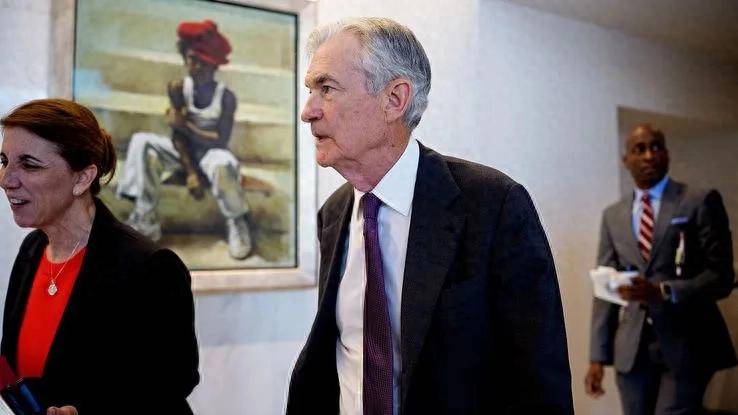
Core Insights - India's foreign trade performance for the first seven months of the year shows both positive and negative aspects, with total import and export value reaching $683.4 billion, a year-on-year increase of 2.2% [1][3] Trade Performance - Exports decreased by 0.3%, while imports increased by 3.9%, leading to a trade deficit of $154.6 billion, which is an 11.8% year-on-year increase [3] - The United States has become India's largest trading partner, with bilateral trade amounting to $88.124 billion, a 20.3% increase year-on-year. Exports to the U.S. reached $60.019 billion, up 24.2%, while imports were $28.105 billion, a 12.7% increase [4][6] - India has a trade surplus of $25 billion with the U.S., a significant increase of 38.7% year-on-year [4][6] - Trade with China amounted to $79.126 billion, a 12.6% increase year-on-year, with exports to China at $9.584 billion (up 0.7%) and imports at $69.541 billion (up 14.5%), resulting in a trade deficit of $60 billion, which is a 17% increase [4][6] Economic Implications - The contrasting trade figures with the U.S. and China highlight India's unique position in the global trade network, showcasing both its economic strengths and vulnerabilities [4][7] - India's manufacturing sector shows a deep reliance on Chinese products across various industries, indicating a significant dependency on China's supply chain [6] - The trade surplus with the U.S. supports India's economic growth and foreign exchange reserves, while the deficit with China exposes challenges in domestic manufacturing capabilities [7][9] Future Considerations - The dual trade dynamics present a long-term challenge for India in balancing bilateral relationships and enhancing domestic innovation [9] - The open trade system provides India with essential development opportunities, allowing it to leverage its comparative advantages in manufacturing and services [9][12] - The Modi government faces the challenge of balancing multilateral trade systems with domestic industry upgrades, advocating for participation in international rule-making rather than resorting to protectionism [10][12]
8月28日生效!美国对印度加征50%关税 国际油价窄幅区间波动
Jin Tou Wang· 2025-08-25 05:18
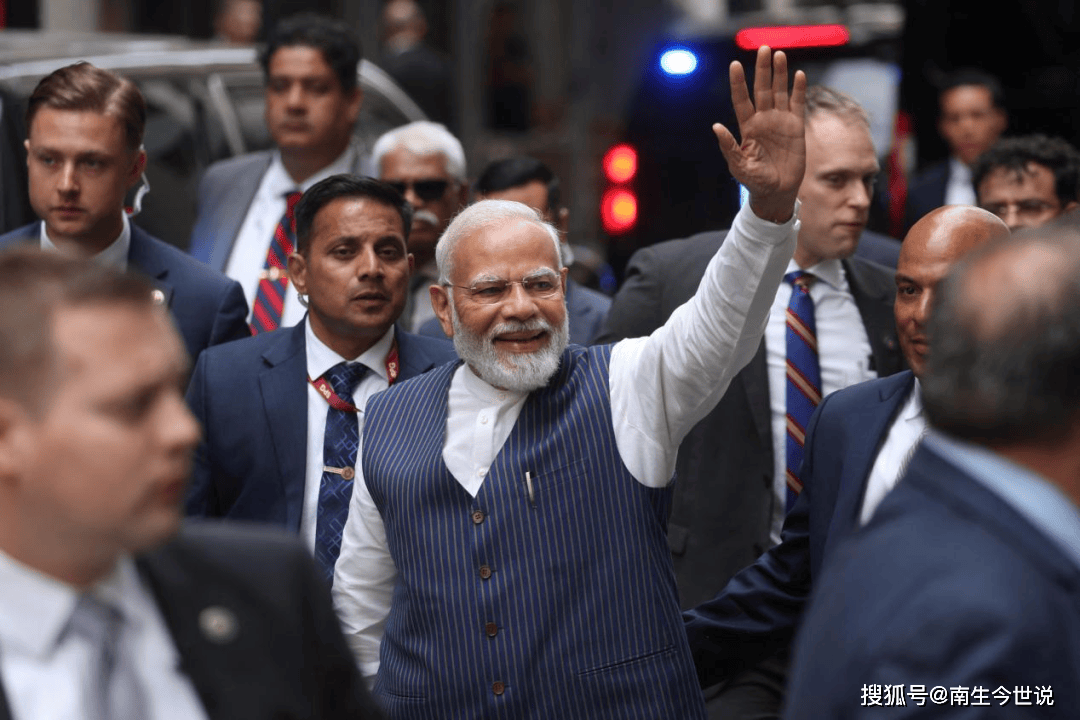
Group 1 - The United States has imposed an additional 25% tariff on Indian imports, bringing the total tariff rate to 50% [1] - This tariff was enacted following an executive order signed by President Trump on August 6, citing India's import of Russian oil as the reason [1] - The planned visit of U.S. trade representatives to India from August 25 to 29 has been canceled, delaying negotiations for a U.S.-India bilateral trade agreement [1] Group 2 - Despite the threat of high tariffs from the U.S., India has stated it will continue to purchase Russian oil and announced an expansion of bilateral trade cooperation with Russia [1] - As of August 25, WTI crude oil was priced at $63.73 per barrel, while Brent crude oil was at $67.24 per barrel, reflecting slight declines [3]