
自由贸易体系

Search documents
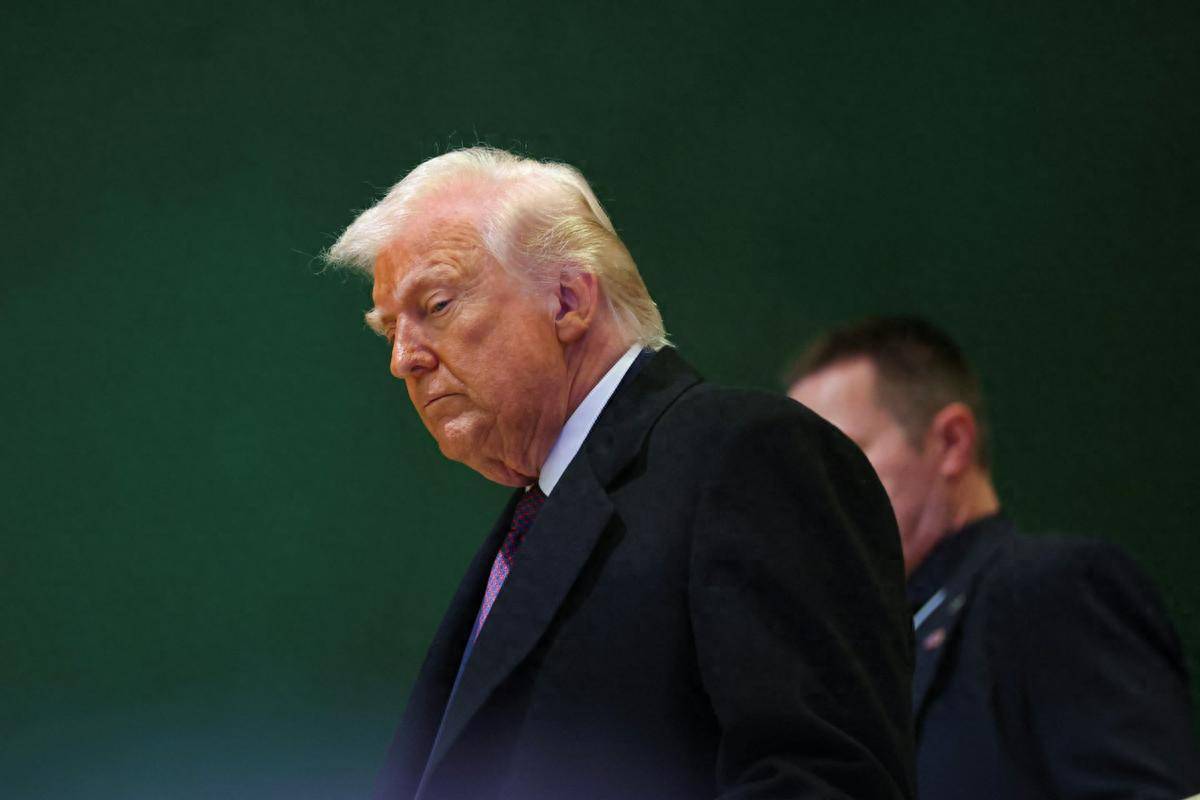
不许靠近中国,否则加税100%,特朗普话音刚落,加拿大不吃这一套
Sou Hu Cai Jing· 2026-01-26 06:51
Core Viewpoint - The article discusses the escalating tensions between the United States and Canada regarding trade relations, particularly in light of Canada's recent agreements with China and the threats of high tariffs from President Trump. Group 1: U.S.-Canada Trade Relations - Trump threatened to impose a 100% tariff on all Canadian goods entering the U.S. if Canada continues its economic cooperation with China, particularly following recent agreements between Canada and China [1][3] - The Canadian Prime Minister, Justin Trudeau, responded by urging citizens to buy domestic products, indicating a refusal to be intimidated by Trump's threats [3][5] - The U.S. tariffs could significantly impact Canadian industries that rely heavily on exports to the U.S., such as metal manufacturing, automotive, and machinery sectors [7] Group 2: Strategic Implications - Trump's comments reflect a broader strategy to assert U.S. dominance and undermine Canada's autonomy, as he has previously suggested that Canada should be part of the U.S. [3][5] - The recent agreements between Canada and China, including a commitment to import 49,000 electric vehicles annually and reduced tariffs on Canadian agricultural products, have heightened U.S. concerns [3][5] - Canada's leadership is consciously avoiding a confrontational response to Trump's threats, recognizing that not all threats will be acted upon, as evidenced by previous unfulfilled tariff threats [7] Group 3: Economic Considerations - Canada’s economic strategy involves maintaining diverse markets for energy exports, agricultural sales, and industrial upgrades, which necessitates a balanced approach to its foreign relations [7] - The Canadian government’s decision to strengthen ties with China is seen as a strategic choice rather than a reactionary measure, aimed at ensuring economic stability amidst external pressures [7]

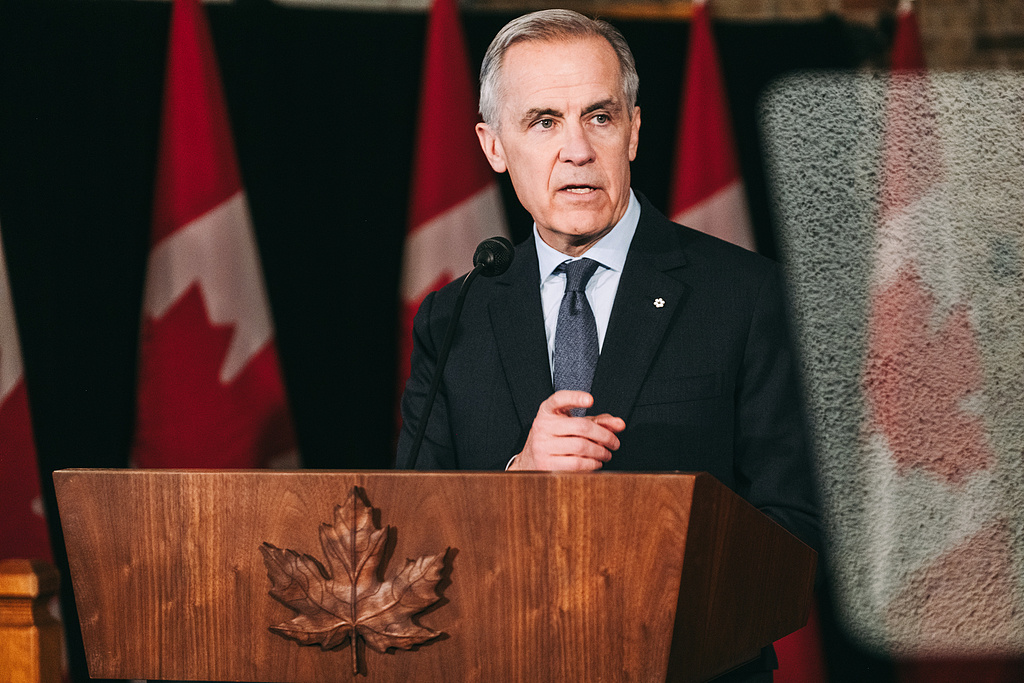
隔空喊话升级!美国就加税发出新威胁,卡尼呼吁加拿大人“购买国货”
Huan Qiu Shi Bao· 2026-01-25 22:40
Core Viewpoint - The escalating tensions between Canada and the U.S. regarding trade agreements with China, particularly following Trump's threats of imposing 100% tariffs on Canadian goods if Canada reaches an agreement with China, have been met with a calm response from the Canadian government [1][3]. Group 1: U.S.-Canada Trade Relations - Trump threatened to impose 100% tariffs on all Canadian goods entering the U.S. if Canada reaches an agreement with China [1]. - The Canadian government appears unfazed by Trump's threats, indicating a strategic approach to international trade [4]. - Trump's comments reflect a significant shift in tone, as he previously suggested that signing a trade agreement with China could be beneficial for Canada [3]. Group 2: Canada-China Agreement - Canada and China have reached an agreement allowing 49,000 Chinese electric vehicles to enter Canada annually at a 6.1% most-favored-nation tariff, with quotas set to increase over time [3]. - The agreement is seen as a restoration of trade to pre-trade war conditions, rather than a significant new development in U.S.-Canada-Mexico trade relations [3]. Group 3: Canadian Government's Response - Canadian Prime Minister Carney urged Canadians to buy domestic products in response to U.S. threats, emphasizing the importance of focusing on what Canada can control [4]. - The Saskatchewan Premier stated that Trump's threats undermine decades of established free and fair trade systems, advocating for a pragmatic approach in international dealings [4]. - The Canadian federal government's response has been notably subdued, reflecting a strategy of not reacting impulsively to Trump's statements [4].
刘丹:与中国合作,加拿大少点“护栏”思维
Xin Lang Cai Jing· 2025-12-24 22:54
Group 1 - Canadian Prime Minister Carney emphasizes the need to diversify trade partnerships beyond the U.S. to reduce dependency, particularly highlighting China as a key market for Canadian resources [1][3] - The Canadian government's "guardrails" policy reflects a balance between strategic anxiety and economic interests, aiming to protect national security while seeking new growth opportunities [1][2] - Canada faces significant economic pressure from U.S. tariffs on key industries, prompting a search for alternative markets, with China being a primary target for exports in sectors like oil, gas, and agriculture [1][3] Group 2 - There is a notable divide within Canada regarding its policy towards China, reflecting a struggle between economic rationality and political bias, with some advocating for stronger ties while others push for a more confrontational stance [3][4] - The Canadian government is attempting to reset relations with China through dialogue and cooperation, as evidenced by recent high-level communications and trade discussions [3] - The potential for collaboration in areas such as energy transition, green technology, and climate change exists, indicating mutual benefits that transcend security concerns [2][4] Group 3 - The Canadian approach to defining "critical areas" like artificial intelligence and key minerals is influenced by U.S. perspectives, which may hinder Canada's ability to engage in global technological innovation [2] - Domestic pressures from agricultural and resource-rich provinces are pushing for renewed economic cooperation with China, contrasting with the federal government's more cautious stance [3] - For healthy development of Sino-Canadian relations, Canada is encouraged to adopt a pragmatic attitude and move away from ideological biases, recognizing China's peaceful development as an opportunity rather than a threat [4]
愿同新方深化各领域高质量合作 维护多边贸易体制和经济全球化
Ren Min Ri Bao· 2025-09-04 22:57
Group 1 - The core viewpoint of the article emphasizes the commitment of both China and Singapore to deepen high-quality cooperation across various fields, especially in the context of the 35th anniversary of diplomatic relations [1] - China expresses its willingness to work with Singapore to implement the consensus reached by the leaders of both countries, aiming to enhance a forward-looking partnership [1] - Singapore's Deputy Prime Minister highlights the importance of the bilateral relationship and expresses optimism about China's long-term development prospects, indicating a desire to strengthen economic cooperation [1]
何立峰会见新加坡副总理兼贸工部长颜金勇
Xin Hua She· 2025-09-04 11:01
Core Points - The meeting between Chinese Vice Premier He Lifeng and Singapore's Deputy Prime Minister and Minister for Trade and Industry Gan Kim Yong emphasizes the importance of the 35th anniversary of diplomatic relations between China and Singapore [1] - Both parties expressed a commitment to deepen high-quality cooperation across various fields and to uphold the multilateral trade system and economic globalization [1] - Singapore recognizes the long-term development prospects of China and is keen to enhance economic cooperation while promoting an open and fair free trade system [1]
何立峰会见新加坡副总理兼贸工部长颜金勇时指出 愿同新方深化各领域高质量合作 维护多边贸易体制和经济全球化
Xin Hua Wang· 2025-09-04 10:31
Core Points - The meeting between Chinese Vice Premier He Lifeng and Singapore's Deputy Prime Minister and Minister for Trade and Industry Gan Kim Yong emphasizes the importance of deepening high-quality cooperation between China and Singapore as they celebrate the 35th anniversary of diplomatic relations [1] - Both parties expressed a commitment to uphold multilateral trade systems and economic globalization, aiming for greater development in their comprehensive and high-quality partnership [1] - Singapore recognizes the long-term development prospects of China and is keen to enhance economic cooperation while maintaining an open and fair free trade system for mutual prosperity [1]
【财经分析】美关税政策拖累日本多行业
Xin Hua She· 2025-08-26 03:16
Group 1: Impact on Exports and Trade - Japan's exports to the U.S. have significantly declined, with July exports dropping 10.1% year-on-year to 1.73 trillion yen, marking four consecutive months of decline [1] - Exports of automobiles to the U.S. fell by 28.4% year-on-year in July, amounting to 422 billion yen, with export volume decreasing by 3.2% to 123,500 vehicles [1] - The high tariff of 27.5% on Japanese automobiles remains in effect, as the trade agreement to reduce it to 15% has not yet been implemented [1] Group 2: Financial Performance of Companies - The net profit of 1,069 companies listed on the Tokyo Stock Exchange declined by 12% year-on-year in Q2, totaling 12.3 trillion yen, marking the first drop in three years [2] - The automotive and parts sector was the hardest hit, with profits down approximately 980 billion yen, a decline of 45% [2] - Honda's net profit decreased by 50% due to increased tariff costs [2] Group 3: Sector-Specific Challenges - The steel industry reported losses in Q2, prompting Tokyo Steel to revise its earnings forecast for the fiscal year 2025 [2] - The chemical industry saw a profit decline of 25%, with Mitsubishi Chemical Group's performance notably affected [2] - Small and medium-sized enterprises (SMEs) are under greater pressure, with concerns about reduced orders and job cuts due to rising costs from tariffs [2][3] Group 4: SME Sentiment and Future Outlook - A survey indicated that 11% of SMEs have already felt the impact of U.S. tariffs, while 50% are worried about order reductions, an increase of 12 percentage points since April [3] - Analysts suggest that U.S. tariff policies are undermining the free trade system, urging Japanese SMEs to enhance risk management and strategic planning [3]

前7月,印度与中国贸易逆差600亿美元,对美国贸易顺差250亿美元
Sou Hu Cai Jing· 2025-08-25 14:23
Core Insights - India's foreign trade performance for the first seven months of the year shows both positive and negative aspects, with total import and export value reaching $683.4 billion, a year-on-year increase of 2.2% [1][3] Trade Performance - Exports decreased by 0.3%, while imports increased by 3.9%, leading to a trade deficit of $154.6 billion, which is an 11.8% year-on-year increase [3] - The United States has become India's largest trading partner, with bilateral trade amounting to $88.124 billion, a 20.3% increase year-on-year. Exports to the U.S. reached $60.019 billion, up 24.2%, while imports were $28.105 billion, a 12.7% increase [4][6] - India has a trade surplus of $25 billion with the U.S., a significant increase of 38.7% year-on-year [4][6] - Trade with China amounted to $79.126 billion, a 12.6% increase year-on-year, with exports to China at $9.584 billion (up 0.7%) and imports at $69.541 billion (up 14.5%), resulting in a trade deficit of $60 billion, which is a 17% increase [4][6] Economic Implications - The contrasting trade figures with the U.S. and China highlight India's unique position in the global trade network, showcasing both its economic strengths and vulnerabilities [4][7] - India's manufacturing sector shows a deep reliance on Chinese products across various industries, indicating a significant dependency on China's supply chain [6] - The trade surplus with the U.S. supports India's economic growth and foreign exchange reserves, while the deficit with China exposes challenges in domestic manufacturing capabilities [7][9] Future Considerations - The dual trade dynamics present a long-term challenge for India in balancing bilateral relationships and enhancing domestic innovation [9] - The open trade system provides India with essential development opportunities, allowing it to leverage its comparative advantages in manufacturing and services [9][12] - The Modi government faces the challenge of balancing multilateral trade systems with domestic industry upgrades, advocating for participation in international rule-making rather than resorting to protectionism [10][12]
中国驻韩大使:中韩应携手开拓新兴合作领域,共同维护产业链供应链稳定畅通
news flash· 2025-05-23 03:07
Group 1 - The core viewpoint emphasizes the importance of China-Korea economic cooperation, highlighting that bilateral trade is projected to reach $328.08 billion in 2024, reflecting a growth of 5.6% [1] - China has been Korea's largest trading partner for 21 consecutive years, while Korea has regained its position as China's second-largest trading partner [1] - The integration of industrial and supply chains between China and Korea has created a cooperative framework characterized by mutual dependence and shared destiny [1] Group 2 - Korean companies are encouraged to adopt a rational perspective on the Chinese market, moving away from outdated notions of quick profits and recognizing the opportunities presented by China's ongoing economic reforms and consumption upgrades [2] - There is a call for both countries to explore new areas of cooperation, leveraging their respective advantages in sectors such as artificial intelligence, green development, high-end manufacturing, biomedicine, low-altitude economy, and digital economy [2] - The stability of the industrial and supply chains between China and Korea is crucial, with a need to promote trade and investment liberalization while addressing emerging challenges [2] Group 3 - Progress in the negotiations for the China-Korea Free Trade Agreement (FTA) is being pursued, with a focus on investment and services in the second phase of discussions [3] - The historical contributions of Korean entrepreneurs to the economic development of both countries are acknowledged, with an emphasis on the need for a long-term, global perspective on China-Korea cooperation [3] - The Korea-China Economic Association is recognized for its role in fostering friendly relations and facilitating practical cooperation between businesses in both countries [3]
国台办评所谓“非红供应链”:以意识形态搞经济“小圈子”
Zhong Guo Xin Wen Wang· 2025-05-14 12:15
Group 1 - The spokesperson of the Taiwan Affairs Office criticized Taiwan's leader Lai Ching-te for promoting a "non-red supply chain," suggesting it is driven by ideology and aims to create an economic "small circle" [1] - Lai's administration is accused of selling out to the U.S. while simultaneously advocating for economic decoupling from the mainland, revealing a submissive stance towards the U.S. [1] - The spokesperson refuted Lai's claims about the mainland's trade practices, asserting that the mainland adheres to free trade principles and contributes to global trade stability [1] Group 2 - The recent surge in the New Taiwan Dollar is believed to be linked to U.S.-Taiwan tariff negotiations, which could severely impact Taiwan's export-dependent industries such as machinery, chemicals, and textiles [2] - The spokesperson described the Taiwanese government's negotiations with the U.S. as performative, indicating that the outcome will only lead to further U.S. demands [2] - The spokesperson emphasized the need for cross-strait cooperation to address common challenges and invited Taiwanese industries to invest and develop in the mainland [2]