医美

Search documents
杭州将新增一家省级医院
Hang Zhou Ri Bao· 2025-10-10 02:28
医院以整形美容、修复重建、皮肤学科为核心,将打造覆盖全生命周期的医美健康生态。涵盖眼耳 鼻颌面整形、显微外科修复、肿瘤术后重建、先天畸形矫正、创伤疤痕整复等"刚需型"治疗;发展躯体 轮廓整形、抗衰美容、中医美容、私密整形等"品质型"服务,同步探索运动美学、营养美学、身心美学 等交叉领域;聚焦慢性创面修复、血管畸形治疗、器官再造等复杂课题,推动整形医学从"改善外 观"向"提升生命质量"跨越。 此外,医院还将建设超显微外科实验室、数字化医学整形实验室、3D打印实验室、整形医学组织 工程实验室等科研平台,建立专门的临床研究中心(GCP)病房,以细胞治疗技术、生物工程技术为关 键,发展整形美容相关的再生医学专业,特别应用于器官再造重建、美容再生等领域,打造"临床—科 研—产业"闭环。 近日,浙江省整形医院(未来医院)、浙江省皮肤病医院总部院区开工建设。作为全国首家公立省 级整形医院,该项目的顺利落地,标志着浙江省在规范化、高品质医疗整形服务领域迈出战略性一步。 浙江省整形医院、浙江省皮肤病医院总部院区是浙江省"千项万亿"工程2025年重大建设工程,由浙 江省人民医院负责建设,也是省人民医院萧山院区。该建设工程位于萧山 ...
帮主郑重:十五五规划藏玄机!未来5年财富地图看这几条主线
Sou Hu Cai Jing· 2025-10-09 17:51
Group 1 - The 14th Five-Year Plan (2026-2030) is crucial for achieving the modernization goals set for 2035, focusing on tackling key challenges in various sectors [3] - The main theme is "new quality productivity," emphasizing technological innovation as a core driver, with AI expected to see significant growth by 2026, alongside opportunities in renewable energy and biomedicine [3] - The green transition is highlighted as a continuing opportunity, with the plan aiming for comprehensive economic greening, leading to maturity in clean energy and storage sectors, and new opportunities in traditional industries like construction materials [3] Group 2 - Consumer stability is emphasized, with traditional sectors like food and retail expected to rebound due to policy support, while new trends in service consumption, such as medical aesthetics and smart healthcare, are anticipated to grow with rising incomes [4] - The importance of aligning investment with policy implementation and industry cycles is stressed, particularly in areas like food and energy security, which may benefit the non-ferrous metals sector [4] - The overall investment strategy should follow clear policy directions: new quality productivity as the leader, green transition as the foundation, and consumer recovery as the basic support [4]


从“医美面膜第一股”到“业绩雷王”:敷尔佳械字号收入暴跌48%,4亿元营销难填利润窟窿
Hua Xia Shi Bao· 2025-10-09 11:05
Core Viewpoint - The company Fulejia, known as the "first stock in medical beauty masks," has reported a significant decline in both revenue and net profit for the first half of 2025, marking its worst performance since going public [2][3]. Financial Performance - The company's revenue decreased by 8.15% to 863 million yuan, down from 940 million yuan in the same period of 2024, marking the first negative growth in half-year revenue since its listing [2][3]. - Net profit fell by 32.54% to 230 million yuan, down from 341 million yuan year-on-year, with non-recurring net profit nearly halved, dropping by 48.66% [2][3]. - In Q1 2025, revenue was 301 million yuan, a significant decline of 26.39%, while net profit was 91 million yuan, down 39.77% [3]. - Q2 2025 saw revenue of 562 million yuan, a slight increase of 5.9%, primarily driven by online promotions of cosmetic products, but net profit still declined by 26.72% to 138 million yuan [3][4]. Cost Structure and Profitability - Sales expenses surged to 420 million yuan in the first half of 2025, a year-on-year increase of 39.56%, accounting for 48.67% of total revenue [4][8]. - The gross margin for cosmetic products decreased by 1.11 percentage points to 80.42%, despite a revenue increase of 29.95% to 625 million yuan [7][8]. - Medical device product revenue plummeted by 48.07% to 238 million yuan, significantly impacting overall profitability [5][6]. Market and Regulatory Environment - New regulations from the National Medical Products Administration in 2025 require greater transparency in raw material safety information, increasing compliance costs for medical beauty companies [7]. - The company faces challenges from increased regulatory scrutiny and a competitive market, which has led to a decline in consumer trust due to over-promotional practices [7][11]. Strategic Recommendations - Experts suggest that the company should enhance R&D investment to improve product innovation and diversify its distribution channels, particularly by strengthening partnerships with offline medical beauty institutions [11]. - There is a need for the company to shift its focus from heavy marketing expenditures to building a robust product development strategy to regain market confidence and ensure long-term sustainability [11].
爱美客:截至2025年9月30日,公司股东人数为56307户
Zheng Quan Ri Bao· 2025-10-09 10:10
(文章来源:证券日报) 证券日报网讯爱美客10月9日在互动平台回答投资者提问时表示,截至2025年9月30日,公司股东人数为 56307户。 ...

假期医美经济火热 “悦己消费”正重塑市场格局
Sou Hu Cai Jing· 2025-10-09 07:18
Core Insights - The medical beauty market in China experienced a surge in consumption during the National Day and Mid-Autumn Festival holidays, with a notable increase in male consumers seeking treatments such as hair transplants and botulinum toxin injections [1][3][4] Market Trends - The demand for medical beauty services has been driven by younger consumers, particularly those born in the 1990s and 2000s, who are increasingly incorporating beauty treatments into their self-care routines [3][4] - The rise in male consumers is significant, with many seeking specific solutions for issues like hair loss and wrinkles, indicating a shift in attitudes towards medical beauty among men [4] Promotional Activities - Prior to the holidays, many medical beauty institutions launched new low-priced products and promotional activities, with discounts of 20% to 30% compared to regular prices [5] - The introduction of competitively priced treatments, such as the "童颜针" (youthful needle) priced at 2999 yuan, reflects a strategy to attract consumers during the holiday season [5] Consumer Behavior - Consumers are becoming more discerning, often conducting thorough research on institutions and practitioners before making decisions, indicating a shift towards more informed and rational consumption [6][7] - There is a growing awareness of the risks associated with low-priced treatments, with consumers sharing experiences of adverse effects from cheaper options [5][7] Regulatory Environment - The regulatory landscape is tightening, with government agencies conducting crackdowns on illegal medical beauty practices, focusing on issues like unlicensed operations and false advertising [7]
“双节”新市象|假期医美经济火热 “悦己消费”正重塑市场格局
Sou Hu Cai Jing· 2025-10-09 05:01
Core Insights - The medical beauty market in China experienced a surge in consumption during the National Day and Mid-Autumn Festival holidays, with a notable increase in male consumers seeking treatments such as hair transplants and Botox injections [1][2] Group 1: Market Trends - The medical beauty market showed a strong demand-supply dynamic during the holidays, with many consumers utilizing the break to pursue beauty treatments [1] - There was a significant increase in the number of male consumers, with a growing openness towards medical beauty procedures [2] - The younger generation, particularly those born in the 1990s and 2000s, is becoming the main consumer force, integrating medical beauty into their self-care routines [2] Group 2: Promotional Activities - Numerous low-priced new products and promotional activities were launched before the holidays, covering various categories such as radiofrequency, injections, and skin management [3] - Discounts of 20% to 30% were observed on new products compared to regular prices, with some institutions offering significant price reductions on popular treatments [4] Group 3: Consumer Behavior - Consumers are increasingly cautious about low-priced services, with some sharing negative experiences from cheaper options, leading to a preference for reputable institutions despite higher costs [4] - There is a growing trend among consumers to conduct thorough research before undergoing procedures, focusing on the qualifications of institutions and practitioners [5]
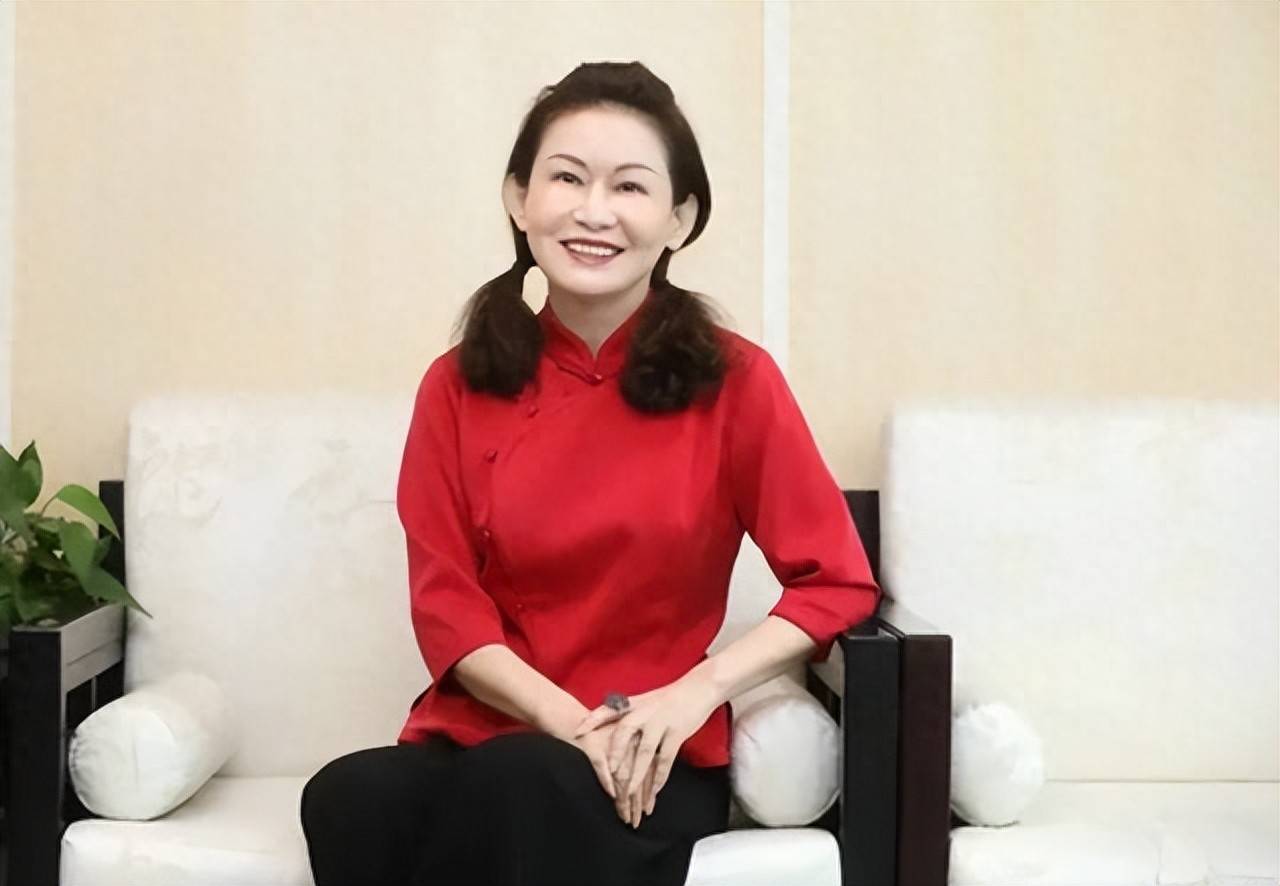
她,山东女首富,身家500亿,成本15元卖5000元,靠智商税发家?
Sou Hu Cai Jing· 2025-10-08 09:01
Core Insights - Zhao Yan, the richest woman in Shandong, has a net worth of 50 billion, largely attributed to her success in the beauty industry with hyaluronic acid, which has a cost of only 15 yuan but sells for 5000 yuan, highlighting a significant price disparity and consumer willingness to pay for beauty [1][22]. Group 1: Background and Early Career - Zhao Yan graduated from East China Normal University and initially worked as a teacher, a stable job for women at the time, but she sought more adventurous opportunities in business [3]. - In 1987, she decided to leave her teaching position to explore business opportunities in Hainan, which was then a hotspot for entrepreneurs [5]. Group 2: Business Ventures - Zhao Yan's first major business success came from purchasing and repairing faulty refrigerators, which she sold at lower prices, earning 800,000 yuan, a significant amount at the time [9]. - She later ventured into real estate, acquiring land before the property prices surged, and successfully exited the market before the bubble burst, increasing her capital [11]. Group 3: Entry into the Beauty Industry - The pivotal moment in Zhao Yan's career occurred during her MBA studies at Peking University when she learned about hyaluronic acid from a contact at Shandong Pharmaceutical Research Institute [15]. - Recognizing the potential of hyaluronic acid in the beauty market, she invested 12 million yuan for a 50% stake in a company and allocated 200 million yuan for research and marketing, despite skepticism from others [19]. Group 4: Market Impact and Controversies - The rise of the medical beauty trend led to a surge in demand for hyaluronic acid, with 10 million units sold in hospitals across China in 2016, establishing her company as a leading supplier [21]. - Despite her success, Zhao Yan faced criticism for the high markup on her products, with some labeling it as a "tax on intelligence," although the costs involved in production and marketing were substantial [22][24]. - Controversies surrounding her business practices, including allegations of pressuring employees to sell stocks at low prices, have added complexity to her public image [26]. Group 5: Conclusion - Zhao Yan's journey reflects a keen understanding of market demands and the ability to capitalize on emerging trends, transforming a simple raw material into a billion-dollar business [29].
从β到α,国内首款面部复合溶液水光针 “冻妍”获批上市,四环医药(00460)从制药巨头到平台型医美企业的价值重估之路
智通财经网· 2025-10-06 00:41
Core Viewpoint - The approval of "Frozen" marks a significant milestone for the company, indicating the successful implementation of its "medical beauty + biopharmaceutical" dual-engine strategy, which is expected to enhance the company's investment value across multiple dimensions [1][10]. Product Value - "Frozen" is positioned in a high-growth market, specifically the water light needle segment, which is recognized as a "golden track" in the medical beauty sector, driven by increasing consumer demand for skin quality management [1][2]. - The market for water light needle products in China is projected to grow from approximately 4.5 billion RMB in 2025 to 8 billion RMB in 2027, with a compound annual growth rate (CAGR) of 21.5%, significantly outpacing the global market's 10.8% CAGR [2]. - The regulatory tightening in the medical beauty sector presents a historic opportunity for compliant innovative products like "Frozen," allowing it to capture both incremental and existing market shares [2][3]. Financial Value - The launch of "Frozen" is expected to create substantial incremental revenue, enhancing the company's profit structure and providing a strong, predictable new growth driver for its medical beauty segment [5][6]. - "Frozen" is anticipated to contribute significantly to net profit, with its profit structure offering considerable advantages, leading to potential exponential growth in net profit rather than linear increases [6]. - The introduction of "Frozen" signifies an upgrade in the company's profit model, enhancing sustainability and maximizing customer lifetime value, which is crucial for long-term profitability [6]. Strategic Value - The successful launch of "Frozen" indicates that the company's dual-track strategy of self-research and business development (BD) has entered an efficient execution phase, establishing a long-term competitive barrier in the medical beauty sector [7][10]. - The company has developed a dual-engine model combining regenerative products and skin quality management, creating a self-reinforcing ecosystem within its medical beauty business [8]. - The company has a robust pipeline of products in development, with five regenerative micro-sphere products and eight hyaluronic acid products in the registration phase, ensuring continuous growth and market presence [9]. Summary - The success of "Frozen" represents a new phase in the company's medical beauty strategy, reflecting its strong research and development capabilities and substantial pipeline reserves, which are critical for long-term value [10][11]. - The investment logic surrounding the company is shifting from a focus on profitability to high-quality growth, as the medical beauty segment now accounts for over 50% of revenue and continues to grow [11][12]. - The company has transitioned from relying on a single blockbuster product to becoming a platform-based medical beauty enterprise, enhancing its growth potential and valuation premium [12].
主业不振!朗姿股份当“股神”
Shen Zhen Shang Bao· 2025-10-05 12:41
Core Viewpoint - The major shareholder, Langzi Co., Ltd., has completed its share reduction plan for Ruoyuchen Technology Co., Ltd., reducing its stake to approximately 4.36% and officially exiting the list of significant shareholders holding over 5% [1] Group 1: Shareholding Changes - Langzi Co., Ltd. reduced its holdings in Ruoyuchen from over 5% to 4.36%, retaining 13.55 million shares [1] - Langzi Co., Ltd. initially acquired a 20% stake in Ruoyuchen in 2015 for 110 million yuan [2] - Since September 2022, Langzi Co., Ltd. has been continuously reducing its holdings, cashing out nearly 500 million yuan by September 2025 [2] Group 2: Financial Performance - In the first half of 2025, Langzi Co., Ltd. reported a net profit of 274 million yuan, a year-on-year increase of 64.09%, but the profit excluding gains from share reductions was only 136 million yuan, a decrease of 2.70% [2] - Revenue from Langzi Co., Ltd.'s medical beauty business in the first half of 2025 was 1.333 billion yuan, down 6.1% year-on-year, with significant reliance on its Milan Baiyu brand [2] Group 3: Business Operations and Challenges - Langzi Co., Ltd. is actively pursuing acquisitions in the medical beauty sector, recently announcing a cash acquisition of 67.5% of Chongqing Milan Baiyu Shiguang Medical Beauty Hospital for 92.475 million yuan [3] - The company faces significant financial pressure, with short-term loans increasing from 684 million yuan at the beginning of 2024 to 1.314 billion yuan by year-end [4] - Langzi Co., Ltd. is required to pay back taxes and penalties totaling approximately 30.82 million yuan, which is expected to reduce the company's net profit for 2025 by about 3.082 million yuan, representing 15% of the projected net profit for 2024 [4]


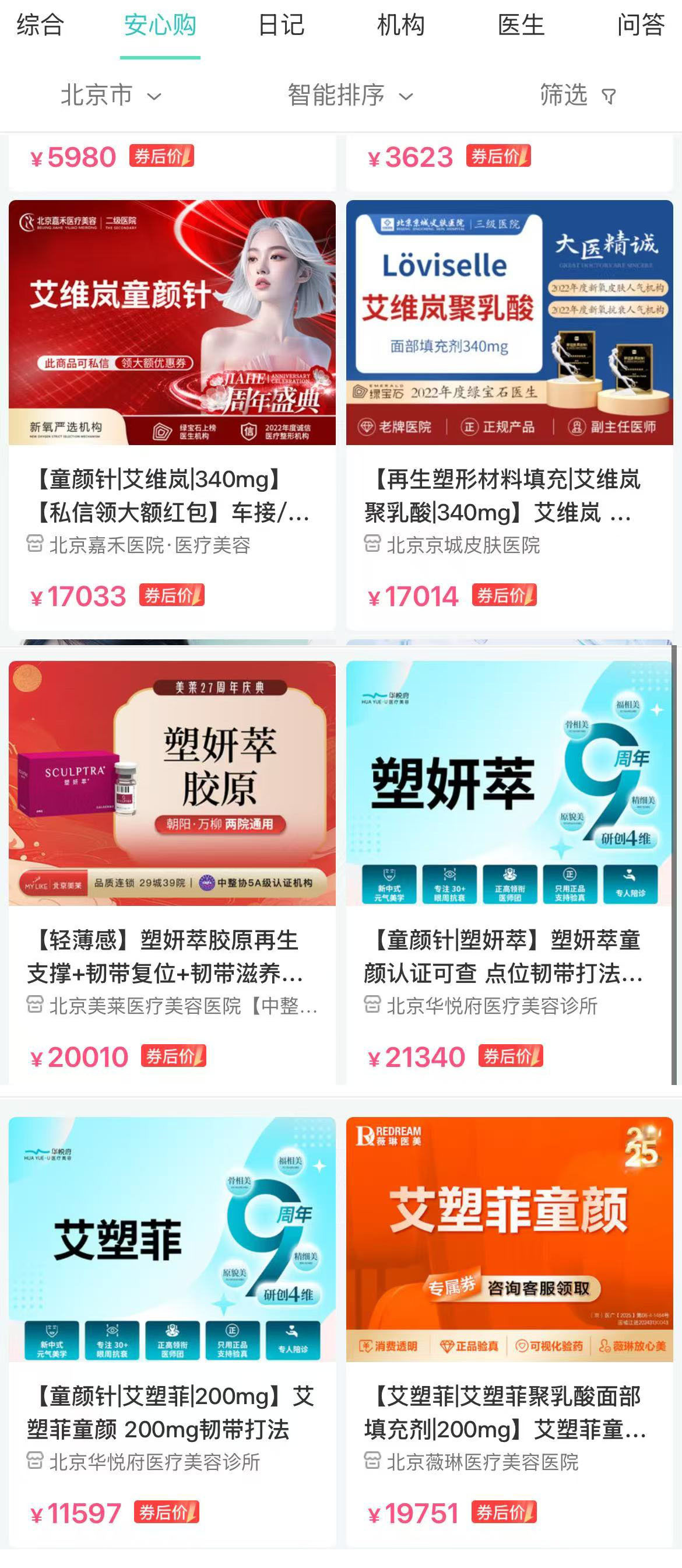
医美赛道格局再生变,2999元的“平价童颜针”来了 价格战前夜已至?
Feng Huang Wang· 2025-10-03 03:43
Core Insights - New Oxygen has launched a new product, "Miracle Youth 3.0 - Plastic Beauty Needle," priced at 2999 yuan, which is considered the lowest price in the industry, breaking the previous market average of over 10,000 yuan [1][2] - The introduction of this affordable "youth needle" indicates a significant shift in the market, suggesting that the industry is on the brink of a price war as competition intensifies with more brands entering the space [2][3] Market Overview - The youth needle, classified as a "medical beauty regenerative injection," stimulates the body's collagen regeneration for skin tightening and anti-aging effects [3] - The global market for medical beauty regenerative injections is projected to reach approximately 11.52 billion yuan by 2027, with a compound annual growth rate (CAGR) of about 31.2% from 2025 to 2027 [4] - Currently, there are nine approved youth needle products in China, consisting of three imported and six domestic brands, indicating a competitive landscape [4] Pricing Dynamics - Most existing products are priced starting from over 10,000 yuan, with examples like Jiangsu Wuzhong's Aisufei priced at 11,597 yuan during promotional events, while other products range from 17,000 to 20,000 yuan [5] - The introduction of lower-priced options is expected to disrupt the existing pricing structure, leading to a more competitive environment [14][15] Competitive Landscape - The market is described as entering a "mixed battle" phase, with multiple brands competing aggressively [15] - The current market dynamics show a wide range of product specifications and pricing strategies, with some brands opting for smaller doses at lower prices to capture market share [15][16] - The competitive landscape is evolving, with brands needing to establish strong consumer trust and professional barriers to succeed [19][20] Future Trends - Analysts predict that the Chinese market for youth needles may become a price haven compared to other countries, where prices are significantly lower [15] - The market is expected to continue expanding, with more products in the pipeline for approval, further intensifying competition [20] - Companies are advised to focus on building brand reputation and ensuring product quality to maintain market share in a rapidly changing environment [19][20]