家电

Search documents
【招银研究|权益策论】2月做多窗口,看好涨价+科技制造(2026年2月)
招商银行研究· 2026-02-06 11:27
Market Overview - In January 2026, global stock markets experienced a broad rally, with emerging markets outperforming developed markets. Chinese stocks performed moderately, while US stocks lagged behind [5][11] - The cyclical sector led the market, driven by rising commodity prices, particularly in energy and materials, while the financial sector underperformed [5][11] Core Themes - February marks a traditional bullish window for A-shares, with historical data showing a 76% probability of gains and an average increase of 3.4% [17] - Regulatory measures are limiting speculative trading, directing funds towards sectors with solid fundamentals. The focus is on core sectors with improving profitability, particularly in cyclical and technology manufacturing [21][22] A-share Market and Structural Analysis - The A-share market is expected to transition into a "slow bull" market, driven by profit improvement rather than valuation expansion. The liquidity environment remains relatively loose, supporting market growth [28][31] - The basic fundamentals are expected to strengthen, with corporate profits likely to improve due to policies aimed at reducing competition and stabilizing prices [28][30] Sector Focus - The main sector themes are price increases and technology manufacturing, with a focus on performance realization rather than speculative trends. The technology manufacturing sector is benefiting from the integration of AI and overseas expansion [36][38] - The cyclical sector, particularly non-ferrous metals and basic chemicals, is expected to see significant profit recovery due to rising commodity prices [38] Growth and Value Dynamics - The growth-oriented ChiNext index is projected to outperform the value-oriented CSI 300 index, although the margin of outperformance is narrowing [47] - The proportion of companies with positive earnings forecasts is slightly improving, indicating a potential recovery in corporate profitability [22] Market Style and Trends - Small-cap stocks are expected to perform strongly in February, benefiting from a favorable environment due to limited IPOs and a focus on earnings reports [57][63] - The Hong Kong market is anticipated to continue its slow bull trend, supported by liquidity and the ongoing AI industry wave [64][65] US Market Outlook - The US market is consolidating its fundamentals, preparing for the next upward movement, with corporate earnings showing strong growth across various sectors [70] - A balanced investment strategy is recommended, maintaining core positions in technology while diversifying into cyclical sectors to capture potential excess returns [70]

超5700亿元!西安消费能级新跃升
Xin Lang Cai Jing· 2026-02-06 11:27
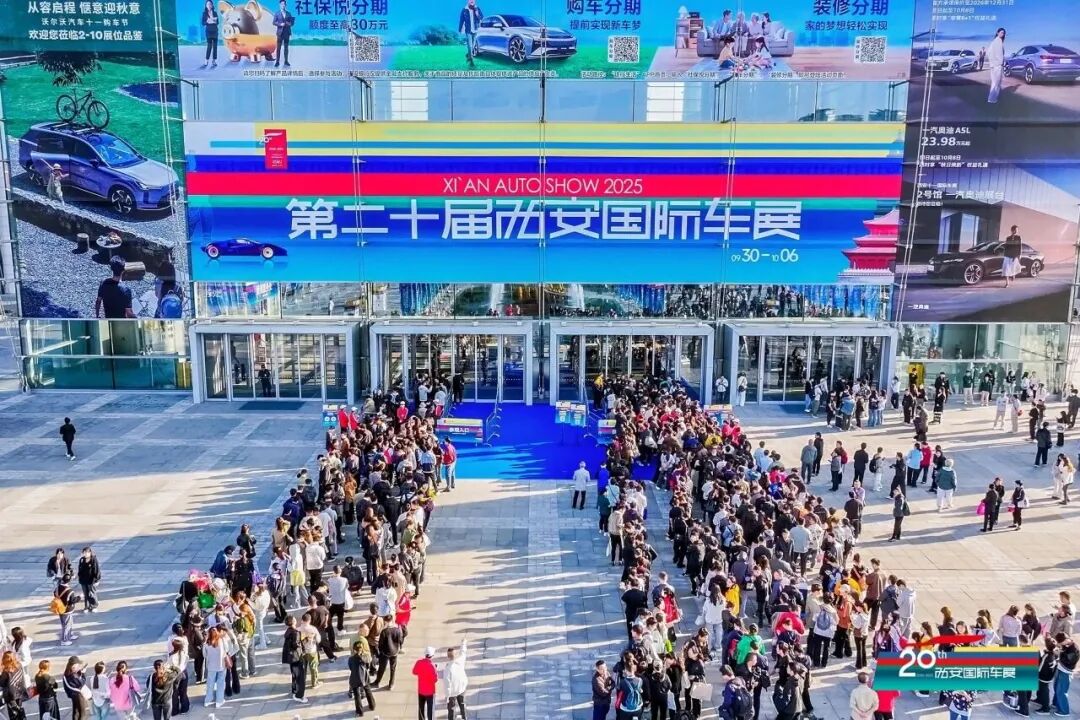
Core Insights - In 2025, Xi'an's GDP reached 1.390267 trillion yuan, growing by 4.7% year-on-year, marking its return to the top 20 in national economic rankings, driven primarily by robust consumer activity [1][13] - The total retail sales of consumer goods in Xi'an amounted to 572.121 billion yuan, with a year-on-year growth of 5.3%, surpassing the national average by 1.6 percentage points, indicating strong consumer resilience and growth potential [1][13] Policy Impact - The implementation of national and local consumption policies resulted in an additional consumption increment of over 81 billion yuan, directly boosting the growth of retail sales above designated thresholds by 8.3% [2][14] - The policies have translated into tangible benefits for citizens, particularly in the automotive sector, where incentives for trading in old vehicles and purchasing new energy vehicles significantly reduced costs for consumers [3][15] Consumer Ecosystem - The consumption growth of over 81 billion yuan reflects a collaborative optimization of the consumption ecosystem involving government, enterprises, and consumers, with the government acting as a policy navigator and enterprises offering diverse promotional packages [5][17] - Financial institutions have introduced innovative products like "national subsidy loans" to alleviate funding pressures in the supply chain, fostering a circular economy from production to consumption [5][17] Innovation in Consumption - Xi'an has made significant strides in integrating commerce, culture, tourism, and sports, evolving from mere competition for foot traffic to creating immersive consumer experiences [6][18] - The introduction of the "first store economy" has led to the establishment of 376 new stores and 264 launch events, enhancing Xi'an's appeal as a trendy consumer destination [9][21] Night Economy and Cultural Integration - The expansion of the night economy has diversified consumption beyond traditional sectors, with new business models and cultural experiences gaining traction [11][23] - Xi'an's culinary heritage is being promoted nationally and internationally, aligning ancient food culture with modern consumer demands, thereby enriching the market [11][23] Supply-Side Innovations - Xi'an's successful approval of several national-level consumption pilot projects has provided a framework for ongoing innovation in consumption scenarios and business models [12][24] - The continuous breakthroughs in scene innovation are fundamentally addressing the challenges of matching supply with demand, enhancing market vitality and resilience [12][25]
松下裁员规模扩至1.2万人 日本家电企业转型“道阻且长”
Xin Lang Cai Jing· 2026-02-06 11:25
Core Viewpoint - Japanese home appliance giants are undergoing profound strategic restructuring and self-reinvention in response to significant changes in the global market competition landscape and ongoing pressures on their business structures [1][12]. Company-Specific Developments - Panasonic announced an increase in layoffs from 10,000 to 12,000 employees as part of its structural reform, with an estimated cost of 30 billion yen (approximately 1.34 billion RMB) impacting its performance [3][14]. - For the period from April to December 2025, Panasonic's sales are expected to decline by 8% to 5.8837 trillion yen, with net profit dropping by 57% to 125.2 billion yen [4][15]. - Panasonic's AI business has faced significant challenges, with the previously announced AI application project "Umi" being reset, indicating difficulties in commercialization and scalability [3][14]. - The company plans to restructure its core subsidiaries into three independent business units by April 2026, aiming for a profit improvement of over 150 billion yen [6][17]. Industry Trends - The transformation of Panasonic reflects a broader trend among Japanese home appliance companies, which are collectively shifting from their former glory to a period of deep transformation amid global competition [8][19]. - Sony and TCL have announced a joint venture to manage Sony's home entertainment business, indicating a strategic shift for Sony to focus on its core areas while TCL takes a controlling stake [10][19]. - Sharp plans to launch its first electric vehicle by 2027 and is optimistic about the growth potential in the electric vehicle market, despite current slow growth [20].

今年的消费,大有不同?
债券笔记· 2026-02-06 10:29
Core Viewpoint - The article discusses the recent positive trends in consumer spending in China, particularly during the upcoming Spring Festival, driven by government policies and extended holiday periods [3][4][5]. Group 1: Policy Support - The collaboration of nine government departments provides a strong backing for consumer spending, offering incentives such as prize invoices, subsidies for home appliances, and financial institution discounts, which encourages both consumers and investors to engage confidently in the market [4]. - The policy aims to eliminate barriers to consumption, effectively reassuring investors to participate in the consumer sector [4]. Group 2: Holiday Impact - The nine-day Spring Festival holiday is expected to unleash significant consumer demand, transforming a typical three-day spending period into a nine-day consumption peak, leading to a surge in various sectors including dining, travel, and home goods [5]. - The demand for home appliances and household goods is anticipated to increase sharply, with inbound tourism also being strategically targeted to boost spending [5]. Group 3: Comprehensive Engagement - The initiative promotes a "full coverage" approach, engaging both urban and rural markets through offline and online channels, ensuring that all consumer segments are reached [6]. - This strategy allows for diverse investment opportunities across different market segments, reducing the risk of poor investment choices [6]. Group 4: Positive Feedback Loop - The article emphasizes a sustainable cycle where government initiatives stimulate consumption, leading to increased corporate profits, which in turn drive further investment and job creation, ultimately enhancing consumer spending [7]. - The overall framework is designed to create a robust ecosystem for consumption, supported by government policies and consumer engagement [7].

每日10时领取资格,最高补贴1500元,北京2026年家电数码和智能产品以旧换新政策2月9日实施
Bei Jing Shang Bao· 2026-02-06 10:17
Group 1 - The core viewpoint of the article is the introduction of a new subsidy policy by Beijing's Commerce Bureau aimed at promoting the replacement of old home appliances and the purchase of new digital and smart products, effective from February 9, 2026 [1] - The subsidy policy covers two main areas: the replacement of old home appliances and the purchase of new digital and smart products, including six categories of home appliances and four categories of digital products [1] - The subsidy standard is set at 15% of the final sales price after discounts, with a maximum subsidy of 1,500 yuan for home appliances and 500 yuan for digital products per item [1] Group 2 - The 2026 policy adjusts the timing for subsidy qualification retrieval, standardizing it to start at 10 AM daily, with different validity periods for online and offline qualifications [2] - A dynamic adjustment mechanism is established to adapt to market demand and ensure efficient use of subsidies, particularly during peak consumption periods [2] - The policy extends the participation period for enterprises throughout the year, simplifies the entry process, and encourages offline retailers to offer exclusive promotions and activities to enhance the shopping experience [2]
2025稳健双增长,业绩创新高!海尔开启生态进化新篇章
Xin Lang Cai Jing· 2026-02-06 08:32
Core Insights - Haier Group achieved record performance in 2025 with global revenue of 426.8 billion yuan, a growth of 6.3%, and total profit of 32.2 billion yuan, a growth of 6.7% [1][3] - The company aims to enhance its ecological competitiveness and innovation potential by focusing on ecological collaboration, user connection, and global depth in 2026 [1][9] Financial Performance - In 2025, Haier's global revenue reached 426.8 billion yuan, marking a 6.3% increase [1][3] - The total profit for the same year was 32.2 billion yuan, reflecting a 6.7% growth [1][3] Brand and Market Position - Haier has maintained its position as the global leader in large home appliance sales for 17 consecutive years [3] - The company has been recognized as the only IoT ecological brand in the "Kantar BrandZ Top 100 Most Valuable Global Brands" for seven years [3] Marketing and Brand Strategy - In 2025, Haier increased its investment in sports marketing, partnering with major international events and teams [4] - The company has developed an ecological IP matrix to enhance brand communication and user experience [4] Technological Innovation - 2025 is marked as the year of AI application for Haier, with a focus on creating an AI-native organization [4][10] - The company introduced "AI Eye" for smart home solutions and various AI-driven products to enhance operational efficiency [4][11] Global Expansion and Supply Chain - Haier has optimized its global layout, establishing seven new factories and planning six more, totaling 35 industrial parks and 173 factories worldwide [5] - The company aims to enhance supply chain resilience and competitiveness through digital and green initiatives [5] Ecosystem Development - Haier is deepening its strategic layout by acquiring companies and forming partnerships to strengthen its industrial ecosystem [5][8] - The company is focusing on six major industrial ecosystems, including smart home, health, digital economy, robotics, new energy, and automotive [6][7][8] ESG and Social Responsibility - Haier is committed to ESG practices, implementing a 6-Green strategy and establishing numerous green factories [6] - The company has contributed to social responsibility initiatives, including building 406 Hope Schools [6] Management Innovation - The "RenDanHeYi" model has become a global management standard, enabling sustainable growth and demonstrating its value [6][12] - Haier plans to implement an "ecological governance" model to enhance management efficiency and team autonomy [12] Future Strategy - The company aims to transition from a global presence to a locally integrated ecological model, focusing on deepening supply chain and market capabilities [10] - Haier plans to invest over 100 billion yuan in R&D over the next five years, emphasizing AI, chips, and IoT security [12]

“好客山东一码通”联合山东美的开展跨界促消费
Qi Lu Wan Bao· 2026-02-06 07:53
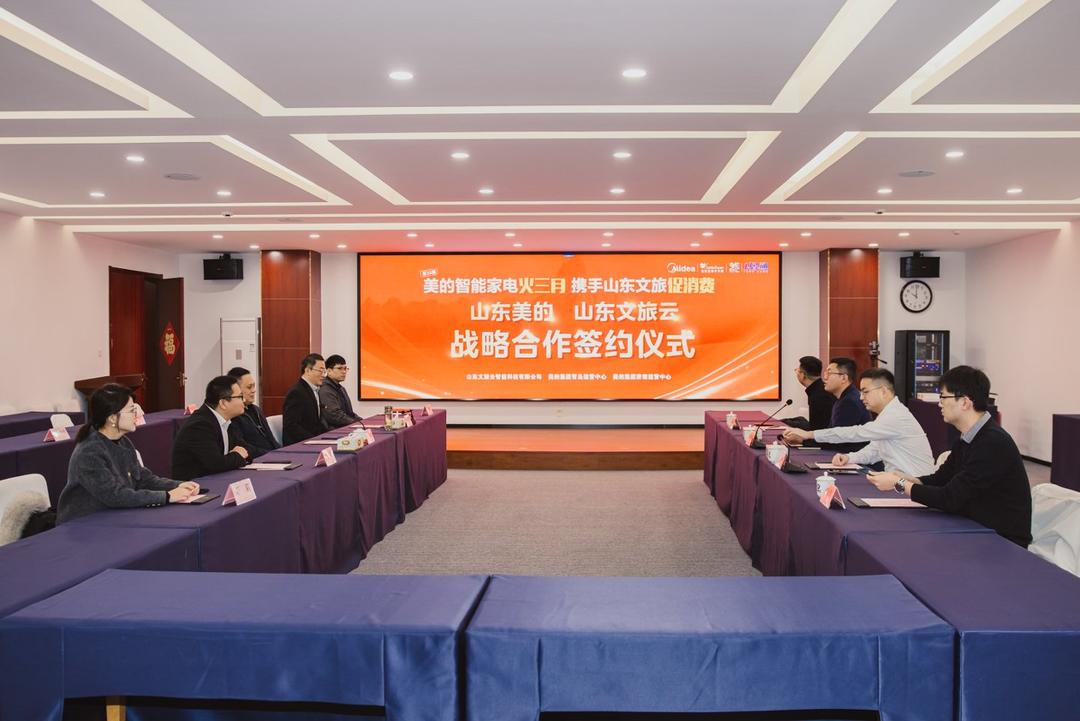
Group 1 - The core point of the article is the strategic cooperation between Shandong Cultural Tourism Group's Wenlv Cloud Company and Midea Group's subsidiaries in Qingdao and Jinan, aimed at promoting consumption through a cross-industry collaboration called "Midea Smart Home Appliances Fire March" [1][5] Group 2 - The "Good Guest Shandong One Code Pass" tourism annual card, launched by Wenlv Cloud Company, integrates over 170 tourism-related businesses across Shandong, allowing tourists to enjoy convenient travel experiences with a single code [3] - The card offers access to various attractions, including scenic spots, hot springs, golf courses, and cinemas, and has received positive feedback from users and partners [3] Group 3 - Midea Group's promotional event "Fire March" is a significant annual sales campaign, and the "One Code Pass" will be fully integrated into this event, providing added value to consumers [5] - Consumers purchasing Midea appliances worth over 20,000 yuan will receive a "Good Guest Shandong One Code Pass," which includes access to over 130 scenic spots and free movie screenings, potentially offering a total value of around 21,000 yuan [5] Group 4 - The collaboration aims to leverage consumer resources from both the home appliance and tourism sectors, as both industries target consumers who prioritize quality of life [7] - Future plans include expanding the cooperation framework to city and county levels, facilitating direct connections between home appliance companies and tourism attractions for promotional activities [7]

广货行天下!广东以旧换新各项核心指标走在全国前列
Nan Fang Nong Cun Bao· 2026-02-06 07:02
Core Viewpoint - The "old-for-new" policy in Guangdong has significantly boosted consumption and industrial upgrades, positioning the province as a leader in various key indicators nationwide [11][28]. Group 1: Policy Implementation and Impact - The "old-for-new" policy serves as a crucial link in the "manufacturing-circulation-consumption" chain, promoting both consumption and industrial upgrades [5][6]. - In 2025, Guangdong achieved a sales volume of 2,642 billion yuan, accounting for 10% of the national total, with 61 million people benefiting from the policy, representing 16.9% of the national figure [11][12]. - The policy has stimulated demand for consumer goods, thereby promoting production and aiding the construction of a modern industrial system [14]. Group 2: Market Trends and Consumer Behavior - There is a growing demand for green, high-end, and smart products, driven by the "old-for-new" policy, which has led to significant upgrades in the industrial sector [15][16]. - In the automotive sector, 55% of vehicles replaced were new energy vehicles, while 92% of replaced home appliances were of first-class energy and water efficiency [16][17]. - Sales of high-end consumer products have surged, with water purifiers exceeding 1 billion yuan in sales, and various smart home devices showing rapid growth [18][19][20]. Group 3: Domestic Brand Performance - Domestic brands dominate the "old-for-new" activities, with 17 out of the top 20 brands in home appliances and 3C digital products being domestic, capturing 92% and 80% of sales respectively [22][23]. - Guangdong's local enterprises have excelled in their respective sectors, with 7 home appliance companies, 10 3C digital companies, and 5 automotive companies ranking among the top 20 in sales [25][26]. - The province's mature industrial chain, technological advantages, and precise policy support have enhanced the competitiveness of local brands [27]. Group 4: Future Directions - The "old-for-new" policy is set to continue in 2026, with a focus on leveraging consumption to drive industrial development and modernize the industrial system [28][30].

AI激发全民创作热情!首届京东AI影视创作大赛掀“人人皆导演”风潮
2 1 Shi Ji Jing Ji Bao Dao· 2026-02-06 06:57
Core Insights - The first JD AI Film Creation Competition has concluded, showcasing the power of AI creativity and leading a new trend of co-creating content between brands and users [1][2] - The competition attracted a diverse range of participants, including professionals from various fields and everyday individuals, indicating that AI creative tools have become accessible to the general public [1] Group 1: Competition Overview - The competition was supported by JD's JoyAI model and launched on January 14, with the theme "1001 Gifts of Drama," culminating in the announcement of ten outstanding works [1] - Participants had the opportunity to create content using the "Horse Honghong" IP or specified brand products, with JD offering cash rewards up to 100,000 yuan and promotional support [1] Group 2: Brand Collaboration and Innovation - Brands such as Midea, iFlytek, Baidu, and others provided significant creative freedom to participants, allowing users to reinterpret brand expressions through AI tools [2] - Notable creations included innovative content featuring products like BURBERRY scarves and Midea air conditioners, which received high recognition from brand representatives [2] Group 3: Impact on Marketing Trends - The competition highlighted that AI video is becoming a key trend in brand marketing, with participants demonstrating the ability to produce high-quality content rapidly using AI tools [2] - The success of the event validated the potential of "user co-creation" in brand marketing, with plans for future competitions to continue providing platforms for creative expression [2]
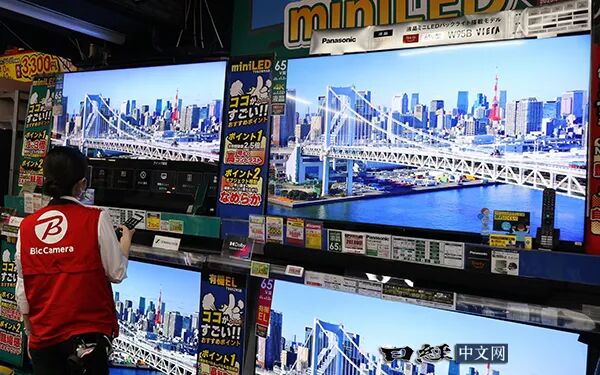
中国厂商掌握6成日本电视市场
3 6 Ke· 2026-02-06 05:16
Group 1 - The core viewpoint of the articles highlights the increasing dominance of Chinese companies in the Japanese television market, with projections indicating that they will control 60% of the market share by 2025 due to the withdrawal of Japanese brands like Sony and Toshiba [2][3]. - Sony Group plans to divest its television business by 2027, transitioning it to a joint venture with TCL, which will hold a 51% stake, while Sony retains 49% [2]. - REGZA, a brand associated with Toshiba, is primarily manufactured and sold by TVS REGZA, which is 95% owned by China's Hisense Group, indicating a significant shift in ownership and market dynamics [2]. Group 2 - Chinese companies are outperforming Japanese firms in pricing, with TCL's 43-inch 4K LCD TV priced around 50,000 yen (approximately 2,257.55 RMB), compared to Sony's price of around 100,000 yen (approximately 4,515.1 RMB) [3]. - By 2025, REGZA is projected to lead the Japanese television market, with Chinese brands like Hisense and TCL collectively holding 50% of the market share, which could rise to 60% if Sony's brand is transferred to the TCL-led joint venture [3]. - The global television market is increasingly dominated by companies like Samsung, LG, Hisense, and TCL, which together hold over 50% of the market share, indicating a decline in the presence of Japanese companies [5]. Group 3 - Panasonic is the only major Japanese company pursuing an independent path in the television sector after Sony's divestment, but it is also considering selling or exiting the television business [5]. - Japanese companies are struggling with scale and supply chain issues, making it difficult to compete in the hardware-centric home appliance market [6]. - Companies like Sony and Hitachi are shifting their business models towards digital infrastructure and subscription-based products, indicating a strategic pivot away from traditional home appliances [6].