跨境电商

Search documents
智元机器人与MiniMax达成合作;小米国际加入速卖通“超级品牌出海计划” | 未来商业早参
Mei Ri Jing Ji Xin Wen· 2026-01-05 22:38
Group 1 - ByteDance's "Doubao" AI glasses are rumored to be entering the shipping phase, with plans for multiple configurations and a starting price under 2000 yuan, but the company denies these claims and has no clear sales plans [1] - The AI glasses market is expected to maintain rapid growth due to ongoing optimizations in AI technology and improvements in supply chain maturity [1] Group 2 - Xiaomi International has joined Alibaba's AliExpress "Super Brand Going Global Plan," focusing on localized user operations and brand building in overseas markets, particularly in Europe and Southeast Asia [2] - This partnership is expected to help Xiaomi reduce traffic and operational costs while enhancing brand penetration in key markets [2] - The inclusion of Xiaomi, a well-known consumer electronics brand, will enrich AliExpress's "Super Brand" lineup and improve its competitiveness in the 3C category [2] Group 3 - Zhiyuan Robotics has partnered with MiniMax Shanghai to receive full-process AI technology support for text-to-speech applications [3] - MiniMax will create a customized persona system for Zhiyuan Robotics, enhancing user interaction through personalized voice synthesis [3] - This collaboration highlights the industry trend of "AI technology empowering hardware," shifting competition in the robotics sector from hardware specifications to user interaction experiences [3]



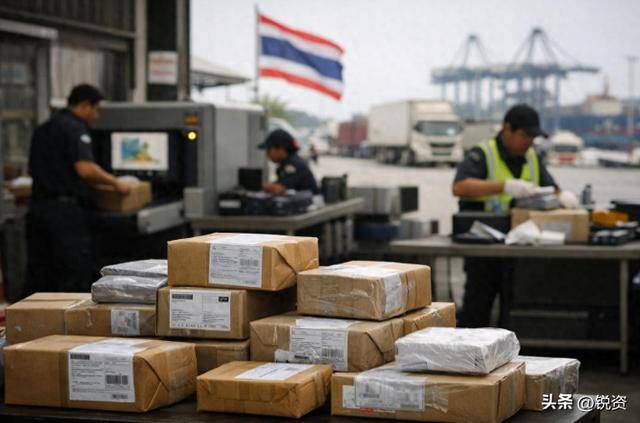
泰国正式取消小额包裹免税政策:对国内跨境电商影响有多大?
Sou Hu Cai Jing· 2026-01-05 21:49
Core Viewpoint - The termination of the tax exemption for imported goods under 1500 Thai Baht in Thailand marks a significant policy shift that poses challenges for Chinese cross-border sellers, particularly those relying on low-price strategies to compete in the market [1][3][20]. Tax Policy Changes - The new tax policy is a comprehensive measure that includes the introduction of a 7% VAT on all imported goods starting from July 2025, followed by the complete removal of the tax exemption threshold in January 2026, requiring all imports to pay both VAT and customs duties [3][9]. - Different product categories face varying tax rates, with clothing and footwear reaching up to 30%, bags and accessories around 20%, and electronics approximately 10% [3][11]. - The policy applies universally across all online platforms and delivery channels, including major e-commerce platforms like Lazada and Shopee [3][11]. Impact on Local Businesses - The primary motivation behind the tax changes is to alleviate the financial pressure on local Thai businesses, which have been struggling due to the influx of low-cost Chinese imports [3][8][20]. - The previous tax exemption led to significant losses for local manufacturers, with nearly 2000 factories closing in the last two years alone [8][20]. Seller Reactions and Market Dynamics - The immediate reaction from cross-border sellers has been one of panic, as the new tax burden threatens their already slim profit margins, which typically hover around 10% [12][20]. - Sellers face two difficult choices: absorb the new tax costs or raise prices, both of which could lead to a drastic decline in sales due to Thai consumers' sensitivity to price [14][20]. - Some sellers are considering exiting the Thai market or cutting low-margin products from their offerings [14][20]. E-commerce Platform Adjustments - In response to the new regulations, platforms like Shopee have introduced measures such as commission waivers for new stores to help sellers manage initial operational costs [14][16]. - However, compliance requirements for sellers have also increased, with stricter penalties for non-compliance being implemented [16][18]. Broader Regional Trends - Thailand's tax policy changes are part of a wider trend across Southeast Asia, where countries are tightening cross-border tax regulations, signaling the end of an era characterized by low-price competition [20][27]. - Other countries in the region, such as Vietnam, are also implementing stricter tax measures, indicating a shift towards a more regulated e-commerce environment [25][27]. - The overall direction of Southeast Asian trade is moving from attracting cross-border supply to establishing a more orderly and compliant market, emphasizing quality and regulatory stability over low pricing [27].

跨境电商的这一年:关税、贸易战、驶离美国
Xin Lang Cai Jing· 2026-01-05 15:37
Core Viewpoint - The cross-border e-commerce industry is facing significant challenges in 2025 due to escalating tariffs and stricter regulations, leading to increased operational costs and uncertainty for sellers [2][3][4]. Group 1: Tariff and Regulatory Changes - In January 2025, the U.S. initiated a review of trade deficits and tariff structures, leading to a series of tariff increases on Chinese goods, culminating in a total tariff rate of 145% by April [4][5]. - The U.S. also eliminated the tax exemption for small packages valued under $800, impacting many cross-border sellers targeting the U.S. market [4][6]. - Other countries, including the EU and Japan, are also planning to impose tariffs on low-value imports starting in 2026, indicating a global trend towards stricter trade policies [6]. Group 2: Impact on Sellers - The increased tariffs have made it difficult for many sellers to maintain profitability, with some reporting that the cost of tariffs has rendered certain products unviable for sale [7]. - Sellers are now facing higher operational costs due to new tax regulations, which could compress profit margins significantly, especially for low-margin products [6][7]. - The need to adapt to these changes has led sellers to seek ways to optimize supply chains and shift focus towards higher-value products [8]. Group 3: Industry Evolution - The cross-border e-commerce sector is transitioning from a phase of rapid growth to one of refined operations, with platforms actively filtering out low-quality sellers [10][12]. - Major platforms like Temu and TikTok Shop are increasing entry barriers for sellers, indicating a shift away from the "low-price" competition model [11][12]. - The industry is witnessing a consolidation phase where only those with robust operational capabilities and compliance awareness will thrive [10][19]. Group 4: Strategic Shifts - Platforms are increasingly focusing on localizing their operations to better serve overseas markets and mitigate tariff impacts [20]. - The use of AI tools is becoming a key growth driver, with platforms enhancing their efficiency and marketing capabilities through advanced technologies [22][27]. - The competitive landscape is evolving, with platforms moving towards long-term strategies rather than relying solely on price wars [18][19].
了解跨境电商出口海外仓
Sou Hu Cai Jing· 2026-01-05 11:14
Group 1 - The core concept of cross-border e-commerce overseas warehouses is that they serve as important overseas nodes for cross-border e-commerce, acting as new foreign trade infrastructure and a key component of the new foreign trade model [1][2] - The establishment of overseas warehouses allows export enterprises to send goods in bulk to foreign warehouses for local sales and distribution, addressing various pain points in cross-border e-commerce and encouraging e-commerce companies to expand internationally [5] - The regulatory framework for cross-border e-commerce overseas warehouses was enhanced with the introduction of a new supervision code "9810" by the General Administration of Customs in 2020, which was piloted in several customs offices and later expanded nationwide [4] Group 2 - As of the announcement by the General Administration of Customs in 2024, companies engaging in cross-border e-commerce overseas warehouse operations are no longer required to file for export overseas warehouse business model registration, simplifying the process for businesses [6]

全球化2.0时代,谁是出海先锋?
Sou Hu Cai Jing· 2026-01-05 07:52
Group 1 - The core viewpoint of the articles highlights China's economic resilience and strategic determination in the face of external uncertainties, achieving significant results in 2025 [2] - The 8th China International Import Expo (CIIE) reported an intended transaction amount of $83.49 billion, a 4.4% increase from the previous session, indicating the growing global attractiveness of the Chinese market [2] - The 138th Canton Fair saw over 310,000 overseas buyers attending, with on-site intended export transaction amounts reaching $25.65 billion, further showcasing China's expanding international trade [2] Group 2 - SHEIN, a well-known cross-border e-commerce platform, won the "2025 Leading Overseas Enterprise" award due to its effective "dual-wheel drive" strategy [3] - The company's success is attributed to its "demand-driven flexible supply chain," which minimizes inventory and enhances cost control, alongside its "cross-border e-commerce + industrial belt" model that integrates domestic industrial resources for rapid international expansion [3]

2025国际市场开拓高端对话会暨第53期跨境电商培训班在临沂科技职业学院成功举办
Sou Hu Cai Jing· 2026-01-05 05:06
会上,武传亮详细介绍了临沂市跨境电商发展的强劲势头。他表示,1-11月份全市跨境电商进出口额创 新高,建成专业园区12个,海外仓布局覆盖欧亚非主要市场,形成政策引导、平台赋能与人才保障协同 发展的良性生态。山东省跨境电子商务协会秘书长吕亚萍介绍了省跨协在新外贸形势下的观察与思考, 国务院参事室原参事、中国跨境电商50人论坛主席汤敏,商务部中国国际电子商务中心研究院首席专家 李鸣涛,国务院参事室原特约研究员左小蕾,中国服务贸易协会常务副会长、秘书长仲泽宇,世界海关 组织跨境电商工作组原主席、宁波、杭州海关原副关长孙向阳等专家进行了现场交流与指导。 山东省商务厅党组成员、副厅长王红,临沂市委常委、副市长苟宏水,临沂科技职业学院党委书记沈如 茂,市商务局党组书记、局长,临沂商城党工委书记、管委会主任武传亮,市直有关部门负责人,跨境 电商企业代表,学校部分领导班子成员等40余人参加对话会。 王红在讲话中指出,实训基地有效落实了省商务厅关于跨境电商人才培育的工作要求,创新构建了闭环 培训体系,培训成效显著,服务成果扎实,助力大批企业实现跨境电商零的突破。她希望,实训基地以 本次活动为契机,进一步强化使命担当,聚焦打造全 ...

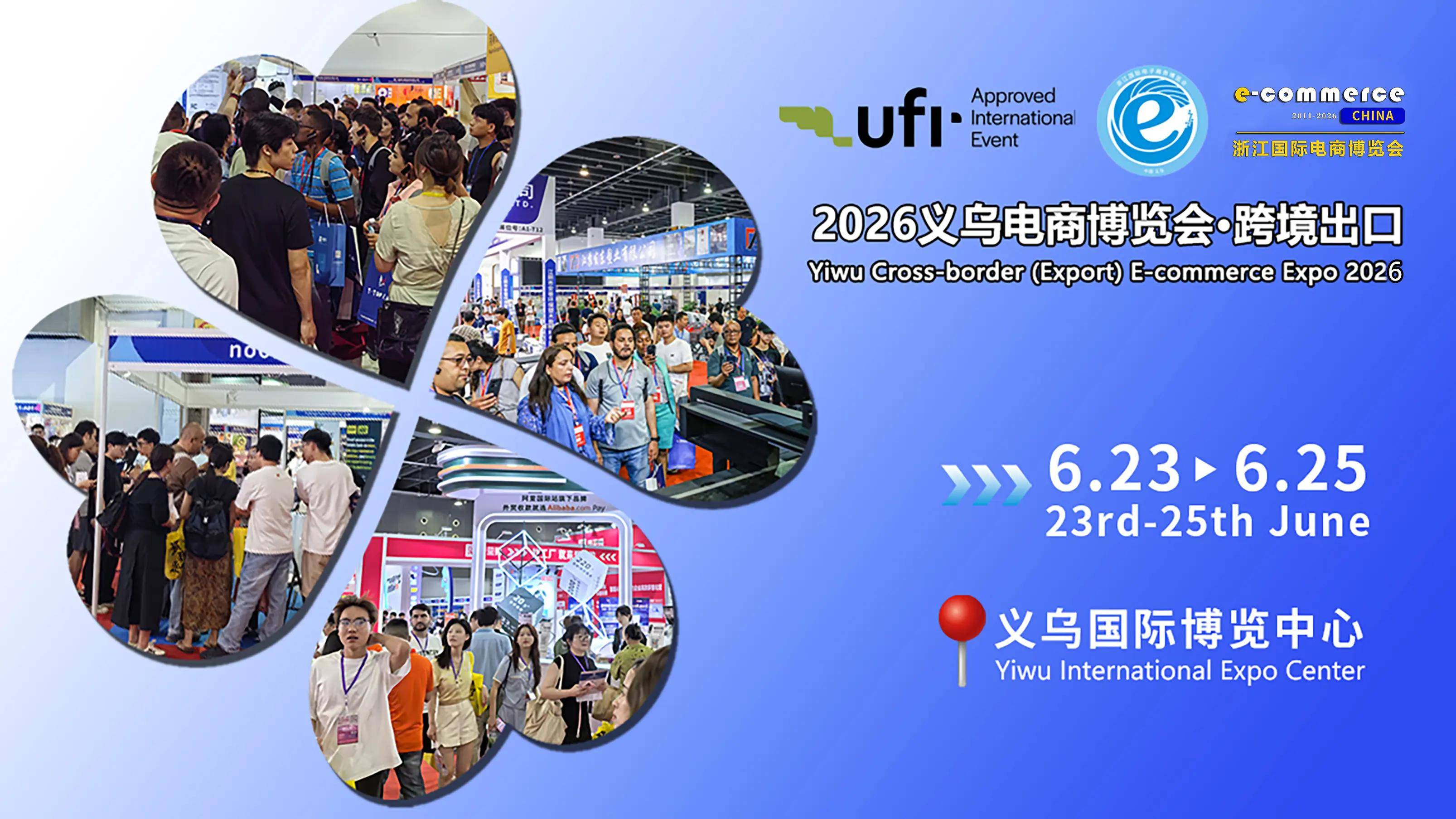
2026义乌跨境出口电商展:义乌外贸2025活力迸发的全球贸易新标杆
Sou Hu Cai Jing· 2026-01-05 04:06
Group 1 - Yiwu has achieved remarkable foreign trade growth, with import and export scale exceeding 700 billion yuan in the first ten months of 2025, a year-on-year increase of 25.2% [1] - Yiwu became the first county-level city in China to surpass 100 million cross-border e-commerce imports, with an annual growth rate of 25.5%, significantly higher than the national average of 3.6% [1] - The city's success is attributed to its long-standing market foundation, industrial cluster advantages, and continuous reform and innovation efforts [1] Group 2 - With the ongoing benefits from RCEP and the Belt and Road Initiative, Yiwu is positioning itself as a "global trade benchmark" [2] - Yiwu's developments provide a replicable model for small and medium-sized cities to engage in international division of labor [2] - The upcoming 16th Zhejiang International E-commerce Expo will feature over 1,200 source factories and e-commerce service providers from various countries, showcasing a wide range of products and facilitating industry exchanges [5]
伦敦失意,转战港股:希音IPO的果断转身
Sou Hu Cai Jing· 2026-01-05 02:09
Core Viewpoint - The company is shifting its IPO focus to Hong Kong after unsuccessful attempts in New York and London, viewing this move as a strategic retreat and a means of survival [2] Group 1: Reasons for Transition to Hong Kong - The company faced unprecedented regulatory challenges in the U.S. and Europe, leading to increased operational costs and compliance issues, including significant fines in France [3] - After failing to secure approval for a London listing due to its unique operational structure, the company is now targeting Hong Kong, where investors are more appreciative of its digital supply chain [3] - The company's supply chain is deeply rooted in Guangzhou, and a successful Hong Kong listing could enhance its connection between domestic supply chains and international capital [3] Group 2: Competitive Advantages - The company has effectively transformed clothing manufacturing into a rapid iteration process akin to internet products, leveraging AI algorithms to predict fashion trends and achieve a quick turnaround from design to market [4] - It has built a strong brand through influencer marketing and user-generated content, creating a significant competitive moat [4] - The business model is flexible, offering both fully managed and semi-managed options for sellers, which enhances operational efficiency [4] - Unlike many internet companies that rely on heavy spending for market share, the company has achieved scalable profitability, providing it with a strong position in the capital market [4] Group 3: Challenges and Risks - The company's valuation has decreased from a peak of $100 billion to approximately $66 billion, with market expectations potentially dropping to $50 billion, as investors are now focusing on actual profitability rather than growth potential [5] - The transition from aggressive growth to compliant operations poses a challenge, as the company must address compliance issues and brand upgrades to maintain its market position [5] - Intense competition from emerging players like Temu and TikTok poses a significant threat, particularly as Temu adopts a low-price strategy that directly targets the company's market [5][6] Group 4: Strategic Implications of Hong Kong IPO - The Hong Kong IPO is seen as a stabilizing choice, allowing the company to avoid the high valuation bubbles and political risks associated with U.S. markets, while benefiting from a more favorable regulatory environment [7] - Although the price-to-earnings ratio in Hong Kong may be lower than that of U.S. tech stocks, the market offers more reliable liquidity, especially with the increasing participation of mainland investors [7] - The company requires funding to establish warehousing in Southeast Asia and to manage rising tariff costs, which the Hong Kong capital market can efficiently provide [8] - The valuation narrative may shift in Hong Kong, allowing the company to position itself as a tech-enabled entity rather than just a fast-fashion brand, potentially leading to higher valuations [8]

2025年中国跨境电商营销服务行业报告-全托管一站式营销服务兴起
Sou Hu Cai Jing· 2026-01-05 01:55
Core Insights - The report highlights that China's cross-border e-commerce marketing service industry is experiencing robust growth, with the market size projected to increase from $22.8 billion in 2020 to $46.17 billion by 2024, reflecting a compound annual growth rate (CAGR) of approximately 19.3% [1][17]. - By 2029, the market is expected to reach $93.36 billion, indicating a fourfold expansion over the decade [1][17]. Cross-Border E-Commerce Industry Overview - China maintains its position as a global leader in digital trade, with a total import and export value projected to rise from 245.5 trillion yuan in 2015 to 438.2 trillion yuan by 2024, with exports dominating at around 58% in 2024 [21][24]. - The export structure is diversifying, with emerging consumer goods like household and beauty devices showing a CAGR exceeding 10%, while traditional bulk and agricultural products face negative growth [25][28]. Marketing Service Trends - The rise of one-stop marketing services is a key trend, encompassing integrated marketing, B2C platform marketing, and SaaS services, with companies like SHEIN, Temu, and AliExpress leading the way [2][44]. - The industry is characterized by a shift from single marketing service providers to comprehensive platforms that integrate marketing, scenarios, and transactions [3][40]. Competitive Landscape - The current landscape of Chinese outbound service providers is fragmented, with the top five market players accounting for approximately 36.5% of the market share by 2024 [3]. - Companies like Province Guang Group and Miduo Duo are notable representatives, with Province Guang Group focusing on cross-border e-commerce marketing services and experiencing continuous revenue growth [3]. Industry Drivers - Multiple factors are driving the industry, including global supply chain diversification, policy support, and the dual drivers of consumption and technology [2][34]. - The demand for intelligent marketing upgrades and the rise of social and interest-based e-commerce are expected to shape future growth, with the outbound marketing service market projected to reach $30.5 billion by 2029 [2][49]. Export Product Dynamics - The export of plastic products remains dominant, with a total export value projected to grow from $55.24 billion in 2020 to $106.03 billion by 2024, while glass products face ongoing pressure with a decline in export value [30][32]. - The overall export structure is heavily reliant on plastic products, necessitating attention to the declining glass product exports and the need for innovation in high-value, environmentally friendly materials [32].



“家门口全球购”便捷新体验
Sou Hu Cai Jing· 2026-01-05 00:15
"1210"保税备货模式的核心优势就在于"提前备货、快速配送"。消费者下单后,商品可直接从保税仓库出区通 关,实现"次日达"的高效物流。该模式享受零关税以及增值税和消费税按70%征收的优惠,且每人单次交易限值 为5000元、年度累计限值为2.6万元,在大幅降低消费成本的同时,破解了跨境消费"看不见、摸不着"的痛点。对 企业而言,综保区"入区即退税"政策可缓解资金压力,保税仓储功能会降低境外囤货成本并提升市场响应效率。 为保障首单顺利落地,西安海关所属关中海关量身定制专属服务包,全程跟进海关注册备案、账册设立、系统调 试等关键环节,通过"一对一"精准辅导,帮助企业快速掌握政策与操作规范。 关中海关关长齐波表示,下一步将依托综保区平台,持续优化智慧海关监管服务,挖掘"1210"模式潜力,吸引更 多跨境电商企业入驻,助力区域外贸新业态高质量发展。 阳光讯(记者 刘珺 文/图)近日,一批价值超过30万欧元的荷兰跨境电商商品,在西安航空基地综合保税区顺利 完成通关,标志着综保区跨境电商特殊区域保税进口(1210)业态实现"零的突破",西安及周边消费者迎来"家门 口全球购"的便捷新体验。 ...