3C配件

Search documents
欧盟免税红利彻底终结,9.9包邮时代结束了
Sou Hu Cai Jing· 2026-02-26 09:52
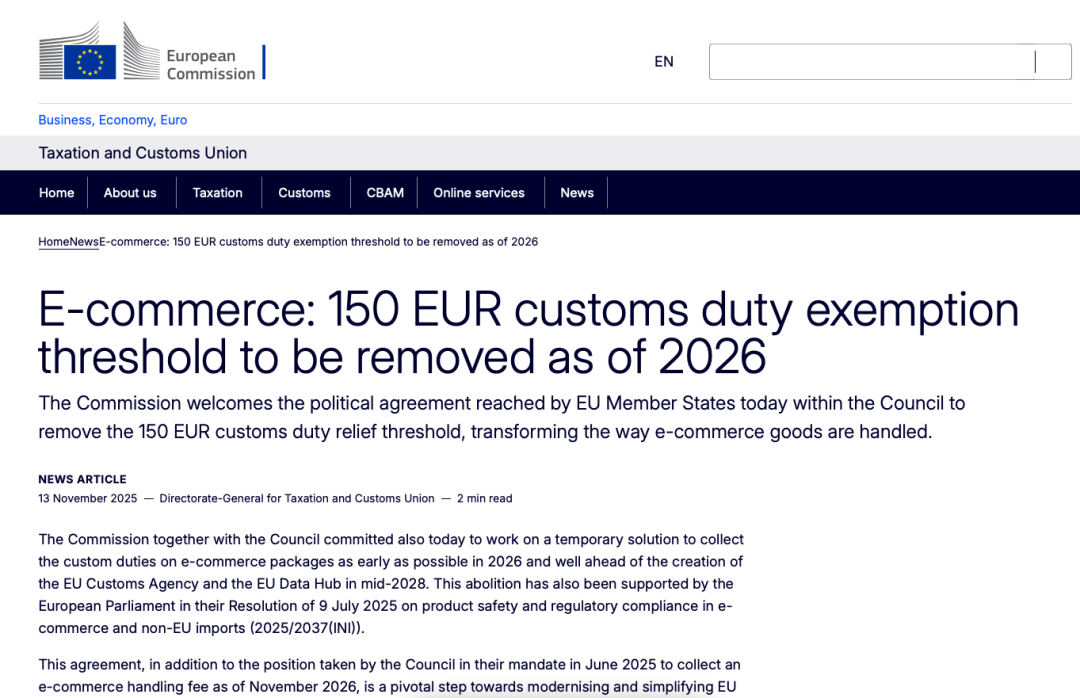
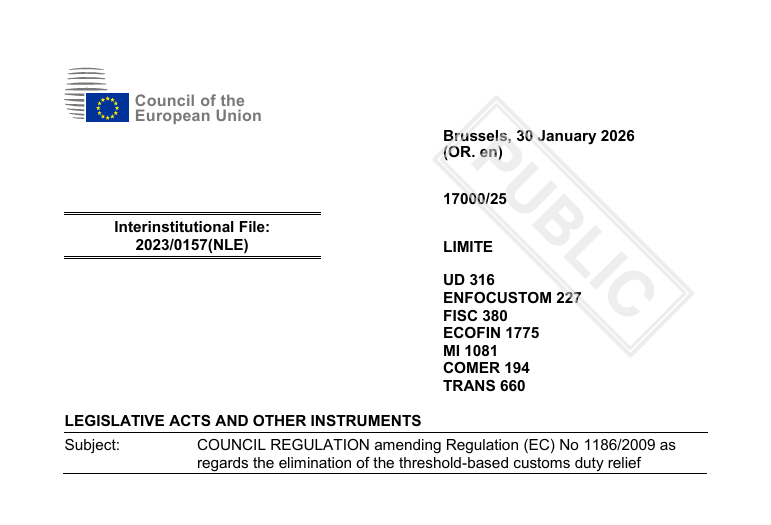
Core Viewpoint - The European Union (EU) is set to abolish the long-standing exemption on customs duties for low-value packages under €150, introducing a fixed €3 tariff on all imported goods starting July 1, 2026, which will significantly impact Chinese cross-border e-commerce sellers [2][4][5][7]. Group 1: Policy Changes - The EU will eliminate the €150 exemption for small packages, replacing it with a uniform €3 tariff from July 1, 2026, to July 1, 2028, after which all goods will be taxed according to normal customs regulations [2][4]. - This policy marks the end of a significant advantage for cross-border e-commerce, particularly affecting the business model based on low-cost direct shipping [5][6][7]. Group 2: Impact on Chinese Sellers - In 2024, 4.6 billion low-value packages are expected to enter the EU, with 91% originating from China, raising concerns about the survival of small sellers reliant on low prices [8][18]. - The new regulations will cover 80% of cross-border e-commerce packages in the EU, leading to a potential industry reshuffle as sellers face increased costs and compliance burdens [19]. Group 3: Economic Implications - The EU's previous exemption policy has resulted in significant revenue losses, with estimates of €7.4 billion in VAT losses in 2023 alone due to the influx of low-value packages [13][14]. - The new policy is seen as a protective measure for local businesses, addressing unfair competition from low-cost imports that have pressured local retailers [14][15]. Group 4: Seller Strategies - Companies like Shein and Temu are adapting by shifting a portion of their orders to local warehouses and focusing on higher-value products to mitigate the impact of the new tariffs [21][22]. - The shift towards compliance and higher operational standards will likely favor larger companies with better resources, while smaller sellers may struggle to adapt [25][28]. Group 5: Future Trends - The tightening of customs duties on small packages is part of a broader global trend, with other countries like Japan and the UK also moving to eliminate similar exemptions [33][36]. - The industry is expected to transition from a focus on low prices to value-based competition, as the cost structure changes and compliance becomes more critical [35][37].

欧盟终结小额免税政策!7月1日开始征收新关税
Sou Hu Cai Jing· 2026-02-25 18:37
Core Viewpoint - The EU's new cross-border e-commerce import regulation reform, effective immediately, abolishes the long-standing exemption from customs duties for packages valued under €150, significantly impacting global e-commerce platforms and sellers targeting the EU market, particularly those with low-priced, low-margin products relying on direct shipping [1][4]. Group 1: Transition Period and Taxation - A two-year transition period has been established from July 1, 2026, to June 30, 2028, during which packages valued at €150 or less will incur a fixed customs duty of €3, regardless of product category [2][3]. - The fixed €3 duty applies uniformly, with no exemptions for specific goods, including those under VAT exemption clauses or those processed through the EU's IOSS [3]. Group 2: Financial Impact on Sellers - The new regulations will lead to increased costs for cross-border sellers, significantly compressing profit margins, especially for low-priced items and those with low gross margins, potentially resulting in losses for some products [6]. - Sellers face a dilemma: absorbing the new customs costs will drastically reduce profits, while raising prices risks losing price-sensitive customers, leading to a decline in order volume [6]. Group 3: Industry Adaptation and Competition - Experts recommend that e-commerce operators utilize the transition period to optimize pricing strategies and product assortments, enhance compliance capabilities, and consider local warehousing to mitigate the impact of the new regulations [7]. - Major platforms are already adapting; for instance, Temu aims to increase its European warehouse coverage to 80% by the end of 2026, while Shein is shifting 60% of its European orders to local warehouses and focusing on higher-value products [7]. Group 4: Long-term Industry Outlook - The tightening of customs duties on small packages is an irreversible trend that may lead to short-term industry pain but will ultimately drive the sector towards compliance and higher quality standards [9]. - The elimination of non-compliant businesses will enhance market competition, providing a fair platform for sellers focused on brand, quality, and innovation, while the EU's emphasis on green compliance may create additional premium opportunities for compliant sellers [9].
九成营收靠印尼市场!超4万家零售商撑起10亿元规模,湖南老板许龙华带沃客非凡冲刺港股
Mei Ri Jing Ji Xin Wen· 2026-02-12 11:45
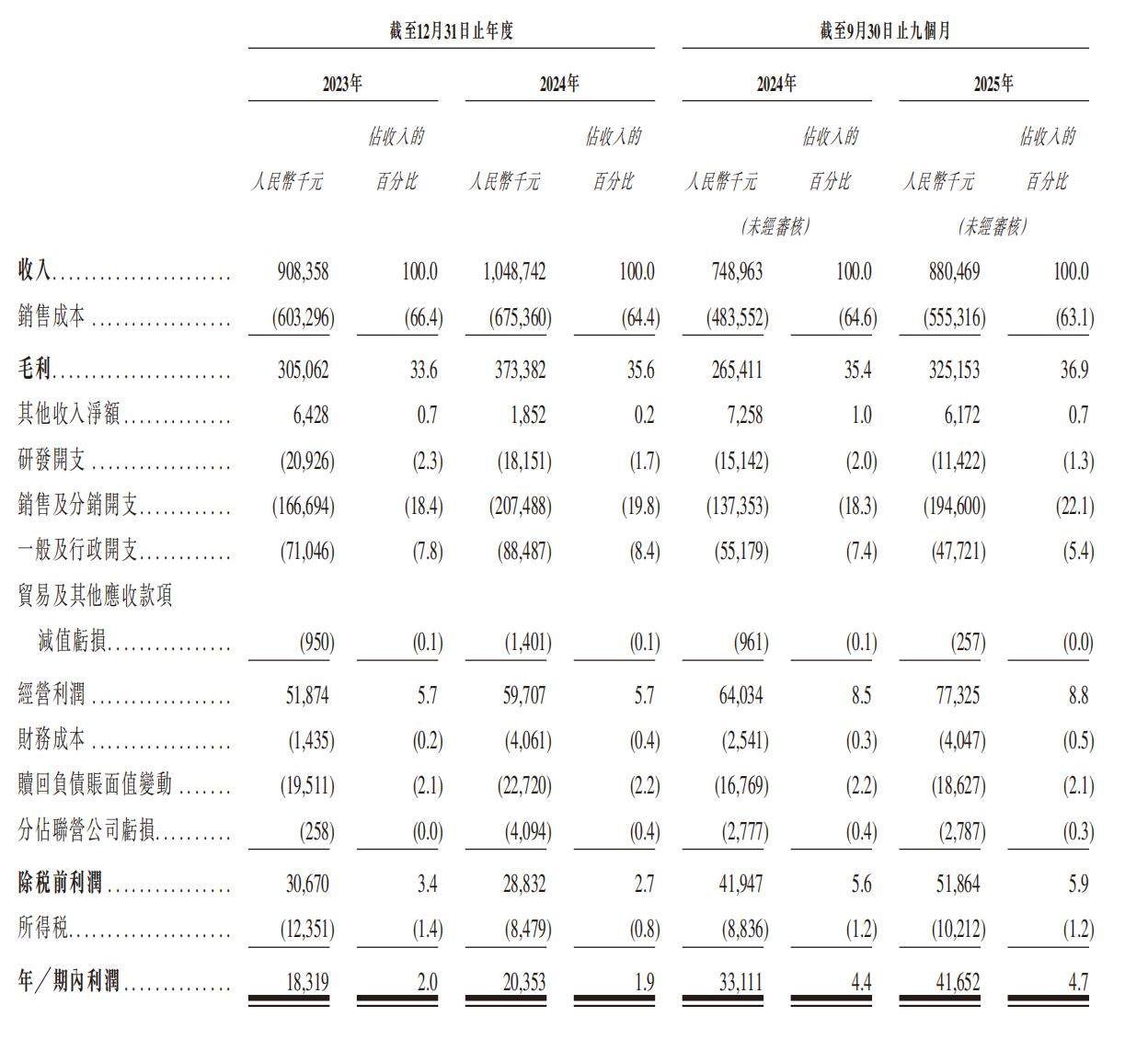
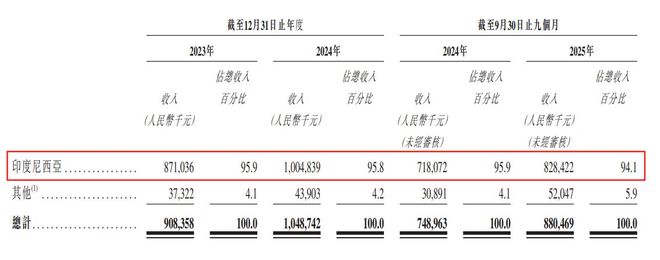
Core Viewpoint - WOOK, a company founded by Xu Longhua, is seeking to list on the Hong Kong Stock Exchange, focusing on the Indonesian market where it generates over 90% of its revenue, despite efforts to expand into other Southeast Asian countries [1][2][3]. Group 1: Company Overview - WOOK was established in 2014 after Xu Longhua left TCL, initially focusing on selling 3C accessories and small appliances in Indonesia [1]. - The company has built a significant distribution network in Indonesia, with over 40 subsidiaries and more than 40,000 small and medium-sized retailers [5]. Group 2: Financial Performance - Revenue for the years 2023, 2024, and the first three quarters of 2025 is projected to be 908 million RMB, 1.049 billion RMB, and 880 million RMB respectively [4]. - The majority of revenue comes from sales to distributors, accounting for 82.8% in 2023, decreasing to 69.5% in the first nine months of 2025, while direct customer sales increased from 17.2% to 28.5% during the same period [5][6]. Group 3: Market Dependency - WOOK's revenue is heavily reliant on the Indonesian market, with over 90% of its income derived from this region [2][3]. - The company is actively working to reduce its dependency on Indonesia by expanding into Vietnam, Thailand, and the Philippines [2]. Group 4: Shareholding and Investment - Xu Longhua controls approximately 48.92% of WOOK's shares, with family members also holding significant positions within the company [8]. - Notably, Alibaba's subsidiary invested in WOOK in 2023, indicating strong interest from major capital players [9]. Group 5: Future Plans - WOOK plans to use funds raised from its IPO to enhance its supply chain, logistics, marketing, and brand influence [9]. - The company faces challenges in balancing its reliance on a single market and navigating the complexities of cross-border operations [9].
又一家!深圳10亿跨境大卖冲刺IPO!
Sou Hu Cai Jing· 2026-02-07 08:55
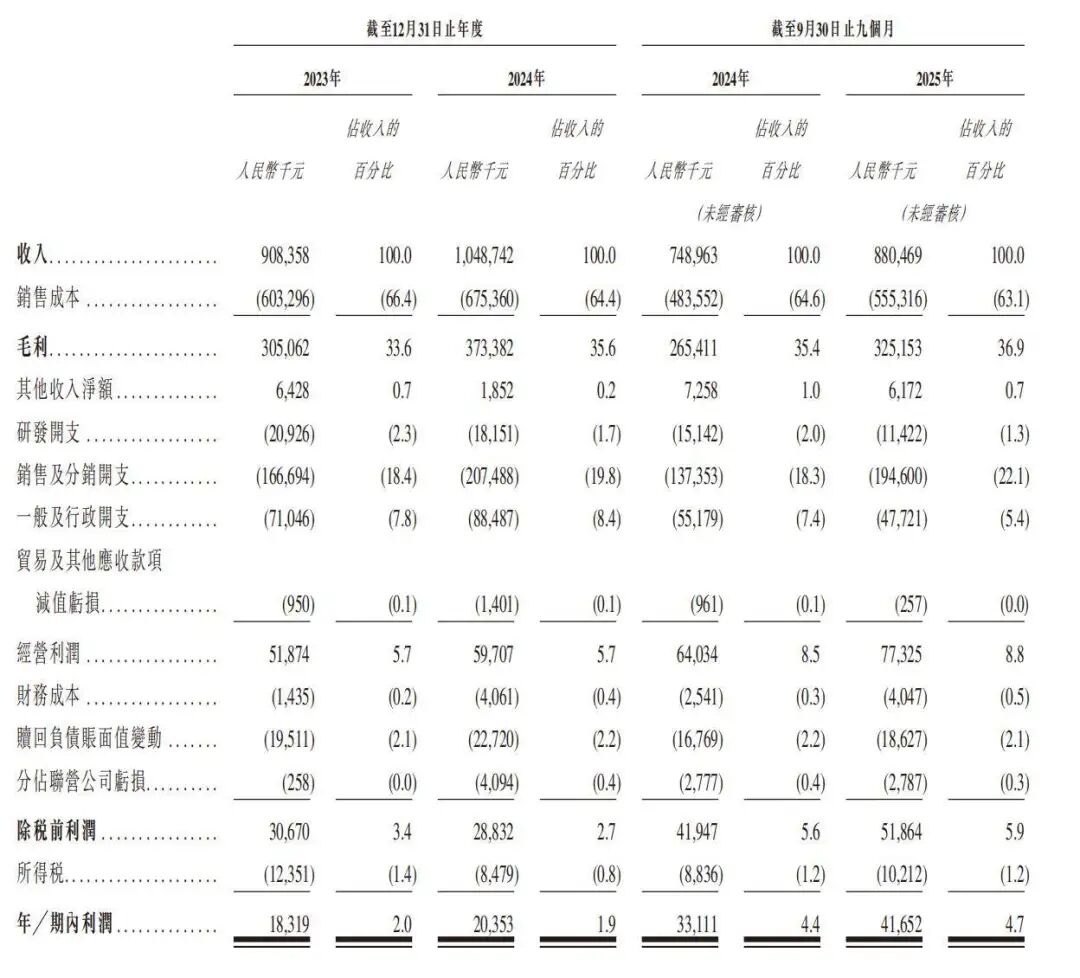
Core Viewpoint - Wokefeiwan, a leading Chinese cross-border 3C accessories company in Indonesia, has submitted its IPO application to the Hong Kong Stock Exchange, aiming to raise capital for further expansion and digital upgrades [1][6]. Company Overview - Founded in 2014 and headquartered in Shenzhen, Wokefeiwan focuses on the Southeast Asian market, particularly Indonesia, while also expanding into Vietnam, Thailand, and the Philippines [2]. - The company operates over 40 subsidiaries and offices across these countries, leveraging a localized marketing team to reach over 40,000 local small and medium-sized retailers, establishing a unique channel capability and competitive advantage [2]. Product Structure - Wokefeiwan's main products include 3C accessories, small home appliances, and building materials, holding 76 trademarks, 204 patents, and 167 copyrights [4]. - The company has successfully developed its own brands such as VIVAN, ROBOT, SAMONO, and RONA, and has formed deep partnerships with well-known domestic brands like VIVO and DJI [4]. Financial Performance - In 2023, Wokefeiwan achieved a revenue of 908 million yuan, which is projected to grow to 1.049 billion yuan in 2024, reflecting a year-on-year increase of 15.53% [5]. - The gross profit margin improved from 33.6% in 2023 to 36.9% in the first three quarters of 2025, with adjusted net profit rising from 46.8 million yuan in 2023 to 79.04 million yuan in 2024 [5]. IPO Details - The exclusive sponsor for Wokefeiwan's IPO is Huatai International, and the company has completed multiple rounds of financing, with notable shareholders including Alibaba-related entities [6][7]. Market Challenges - Wokefeiwan faces challenges such as high market concentration, with 94.1% of its revenue coming from Indonesia, which poses risks from local regulatory and economic changes [8]. - The company has a significant short-term debt pressure with net current liabilities of 102 million yuan, and its R&D expenditure ratio has decreased from 2.3% in 2023 to 1.3% in the first three quarters of 2025, potentially impacting long-term innovation [8]. Future Plans - The funds raised from the IPO will primarily be allocated to digital upgrades in logistics IT systems, financial systems, supply chain central systems, and data intelligence applications, as well as expanding marketing channels and enhancing brand influence [8]. Industry Insight - Wokefeiwan's journey underscores the growing trend in the cross-border e-commerce sector, demonstrating that Chinese companies can establish sustainable competitive advantages in complex environments through digital infrastructure and localized operations [9].
年入10个亿!深圳3C大卖准备上市
Sou Hu Cai Jing· 2026-02-06 11:45
Core Viewpoint - Wokefei Technology Co., Ltd. has submitted its application for a mainboard listing on the Hong Kong Stock Exchange, attracting significant attention in the cross-border e-commerce industry due to its strong revenue growth and backing from notable investors like Alibaba [1][3]. Company Overview - Founded in 2014, Wokefei focuses on the Southeast Asian market, primarily Indonesia, and specializes in 3C accessories, small appliances, and home improvement materials [3][4]. - The company has established itself as the leading Chinese cross-border company in the 3C accessories category in Indonesia and ranks sixth in small appliances [3]. Business Model - Wokefei employs an S2B2C model, integrating supply chains (S), distributors (B), and consumers (C) to leverage high-quality Chinese manufacturing and rapidly penetrate local markets [4]. Market Presence - The company operates over 40 subsidiaries across Southeast Asia and collaborates with more than 85,000 local retailers, with a significant focus on Indonesia [5]. - Wokefei has developed a dual-brand strategy, launching proprietary brands like VIVAN and ROBOT while partnering with well-known brands to cover various price segments [5]. Financial Performance - The company reported annual revenue exceeding 1 billion RMB, with over 94% of its income derived from the Indonesian market [1]. - Revenue from small appliances has nearly tripled over two years, while 3C accessories contributed 71.7% of core revenue in 2024 [8][9]. - Gross margins have been increasing, with projections showing a rise from 33.6% in 2023 to 36.9% in the first nine months of 2025 [11]. Growth Opportunities - The Southeast Asian retail market is projected to grow from $879.9 billion in 2024 to $1.2 trillion by 2029, indicating substantial growth potential [19]. - Wokefei's digital transformation and supply chain advantages align well with the urgent need for digitalization among local retailers [19]. Challenges - The company faces challenges such as a highly fragmented customer base, which increases management and operational costs [13]. - There is a noted decline in R&D investment, which could hinder long-term competitiveness in the rapidly evolving 3C and small appliance sectors [13]. - Wokefei's reliance on the Indonesian market poses risks due to potential regulatory and economic fluctuations [14][16].
沃客非凡:深耕东南亚消费市场蓝海,以 “品牌 + 数字化 + 供应链” 数字化新零售模式兑现高成长
Zhi Tong Cai Jing· 2026-01-29 12:37
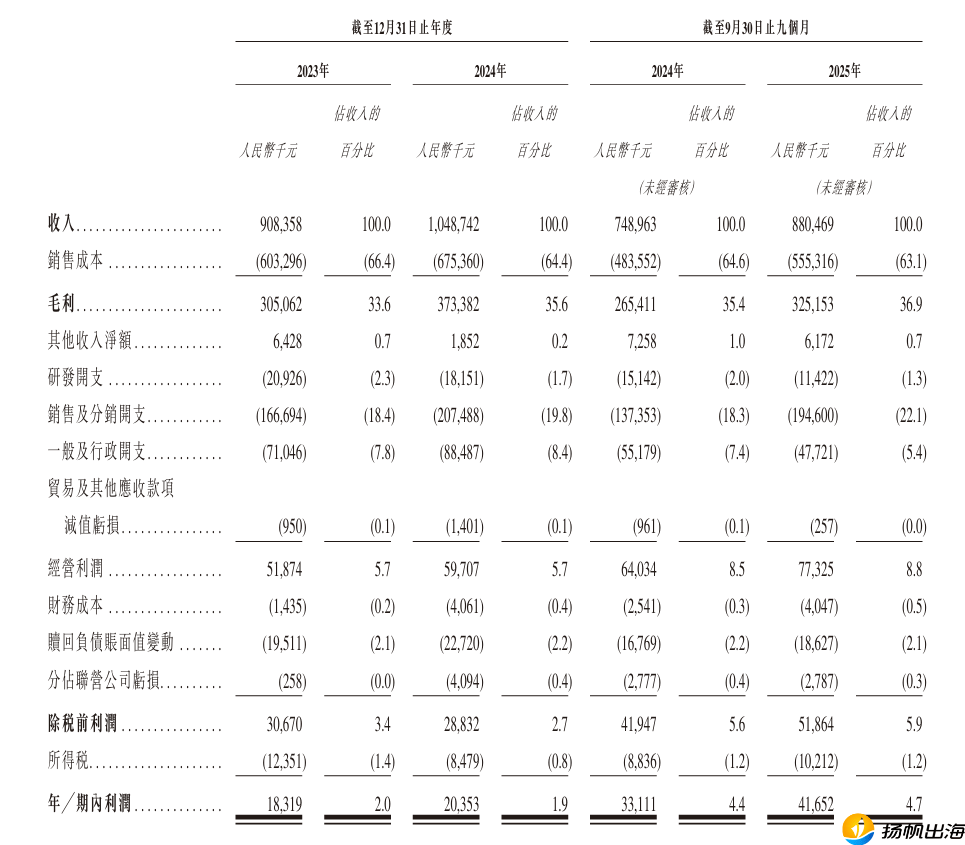
Core Viewpoint - Shenzhen Wokefei Technology Co., Ltd. has submitted its listing application to the Hong Kong Stock Exchange, representing a strategic shift in China's manufacturing industry from "product output" to "brand output" in the context of global supply chain restructuring and digital economy integration [1] Group 1: Market Opportunity - The Southeast Asian retail market is expected to grow from approximately $879.9 billion in 2024 to $1.2 trillion by 2029, at a compound annual growth rate (CAGR) of about 6.4%, significantly outpacing many mature markets [2] - Traditional offline retail channels dominate in key countries like Indonesia (58.5%), Vietnam (46.6%), and the Philippines (55.4%), indicating structural inefficiencies and operational challenges for small retailers [2] - Consumers face a dual challenge of rising demand for branded, quality products amid a supply gap where international brands are often misaligned with local preferences, while local low-cost products lack quality assurance [2] Group 2: Business Model - The company's business model targets the market gap by focusing on three categories: 3C accessories, small home appliances, and home improvement materials, offering quality assurance and competitive pricing [3] - Wokefei has become the leading Chinese cross-border 3C accessory brand in Indonesia, emphasizing its deep coverage of local retail channels and efficient logistics [3] - The company's full-chain digital capabilities and localized teams enhance its operational efficiency and competitiveness, integrating supply chain services from design to local fulfillment [3] Group 3: Financial Performance - Revenue increased from RMB 908.4 million in FY2023 to an estimated RMB 1,048.7 million in FY2024, representing a year-on-year growth of 15.5% [4] - The gross profit margin improved from 33.6% in 2023 to 35.6% in 2024, further reaching 36.9% in the first nine months of 2025, indicating a strengthening market position and pricing power [6] - Operating profit margin rose from 5.7% in 2023 to 8.8% in the first nine months of 2025, reflecting the company's ability to convert market opportunities into sustainable financial returns [7] Group 4: Competitive Advantages - The company has built a "data-driven cross-border new retail operating system," integrating digital platforms, localized infrastructure, and a collaborative supply chain network to create a competitive edge [8] - The digital platform has evolved beyond traditional ERP systems, optimizing supply chain efficiency and establishing a robust digital moat [9] - The combination of proprietary and partner brands within a dense retail network allows for high-value creation and supports third-party brand integration at low marginal costs [10] Group 5: Strategic Outlook - The company aims to deepen its penetration in the Indonesian market while efficiently replicating its model in Vietnam, Thailand, and the Philippines, with a focus on operational leverage and scale expansion [11] - Future growth will leverage brand strength and a solid omnichannel network to transition from low-cost to high-margin products [11] - The investment value lies in the company's ability to systematically output Chinese supply chain and digital capabilities, creating a complex competitive advantage that supports sustainable high-quality growth [12]
深耕印尼电商十年获阿里入股 沃客非凡叩关港股
Xin Lang Cai Jing· 2026-01-29 12:12
Core Viewpoint - Wokefei has established a strong foothold in the Indonesian market as the largest cross-border digital retail platform for computer and mobile accessories, but it still faces challenges in diversifying into other Southeast Asian markets [1][9] Company Overview - Wokefei has submitted an application for listing on the Hong Kong Stock Exchange, with a valuation of approximately $215 million, and is expected to raise over $50 million in its IPO [1][9] - The company was founded by Xu Longhua, a former executive at TCL, and has been operating in Indonesia since 2015, gradually expanding into Vietnam, Thailand, and the Philippines [1][9] - Wokefei ranks first among Chinese cross-border e-commerce companies in the "3C" accessories segment and sixth in the small appliances sector, which is currently its fastest-growing area [1][9] Market Potential - The Southeast Asian retail market is projected to grow at an average annual rate of 6.1% from 2020 to 2024, expanding from $693.4 billion to $879.9 billion, with Indonesia being the largest market [3][11] - Indonesia's retail market size is expected to increase from $243.4 billion in 2020 to $313.3 billion by 2024 [3][11] Business Model - Wokefei's business model combines the Chinese supply chain with local logistics, operating 17 warehouses in Indonesia [4][11] - The company sells products through its own Wook app, as well as major e-commerce platforms like Shopee and Tokopedia, and utilizes TikTok for live commerce [4][11] - Wokefei has a distribution network that includes approximately 40,000 offline distributors covering around 85,000 warungs (small retail shops) [4][11] Financial Performance - The company has experienced stable revenue growth of 15% to 18% over the past two years, with revenue reaching approximately $127 million in the first nine months of 2025 [6][13] - Net profit growth accelerated from 11% in 2024 to 26% in the first nine months of 2025, with net profit reaching approximately $6.1 million [6][13] - The core product line, 3C accessories, accounts for about two-thirds of Wokefei's revenue, while small appliances and home goods each contribute about 10% to 15% [6][13] Competitive Landscape - The competitive environment in the Southeast Asian market has intensified, with more Chinese retailers entering the region [7][14] - Major brands like Midea and Supor have established a strong presence in the Indonesian home appliance market, while Xiaomi has built an ecosystem for mobile accessories across the region [7][14] Strategic Plans - Wokefei plans to use funds from its IPO to address its geographic concentration issue [7][14] - The company is tightening its R&D spending, with the ratio of R&D expenses to revenue decreasing from 2.3% in 2023 to 1.3% in the first nine months of 2025 [7][14] Overall Assessment - Wokefei's early entry into the Indonesian market and its cross-border e-commerce model leveraging low manufacturing costs in China position it well, but its late expansion into other markets may limit future growth [8][15] - Potential regulatory changes requiring higher local procurement could pressure Wokefei's cost advantages derived from its reliance on the Chinese supply chain [8][15]

深耕印尼电商十年获阿里入股 沃客非凡叩关港股
BambooWorks· 2026-01-29 09:46
Core Viewpoint - Wokefei has submitted an application for listing on the Hong Kong Stock Exchange, positioning itself as the largest cross-border digital retail platform for computer and mobile accessories in Indonesia [1][2] Group 1: Company Overview - Wokefei, founded by Xu Longhua, has been expanding in Southeast Asia since entering the Indonesian market in 2015, with recent expansions into Vietnam, Thailand, and the Philippines [2] - The company is backed by Alibaba's affiliate Hangzhou Haoxing, with a valuation of approximately $215 million, and aims to raise over $50 million in its IPO [1][4] - Wokefei ranks first among Chinese cross-border e-commerce companies in the "3C" accessories segment and sixth in small appliances, with the latter being the fastest-growing segment [2] Group 2: Market Potential - The Southeast Asian retail market is projected to grow at an annual rate of 6.1% from 2020 to 2024, expanding from $693.4 billion to $879.9 billion, with Indonesia being the largest market [5] - Indonesia's retail market is expected to grow from $243.4 billion in 2020 to $313.3 billion by 2024, highlighting its significance in the region [5] Group 3: Business Model and Sales - Wokefei's business model integrates the Chinese supply chain with local logistics, operating 17 warehouses in Indonesia and selling through its Wook app and major platforms like Shopee and Tokopedia [6] - The company has a distribution network of approximately 40,000 offline distributors, covering around 85,000 warungs (small retail shops) [6] - Online sales accounted for only 28.5% of total revenue in the first nine months of 2025, although this is a significant increase from 17.2% in 2023, driven by the rise of digital payments and smartphone penetration [6] Group 4: Financial Performance - Wokefei's revenue has shown stable growth, increasing by 15% to 18% annually, reaching approximately $127 million in the first nine months of 2025 [7] - Net profit growth accelerated from 11% in 2024 to 26% in the first nine months of 2025, with net profit reaching approximately $6.1 million [7] - The core product line of 3C accessories constitutes about two-thirds of revenue, while small appliances have seen rapid growth, with revenue increasing from approximately $0.4 million in 2023 to $16 million in the first nine months of 2025 [7] Group 5: Market Challenges - Despite its strong position, Wokefei faces increasing competition from other Chinese retailers entering the Southeast Asian market [2][8] - The company's operations are heavily concentrated in Indonesia, which poses risks as competition intensifies in other Southeast Asian markets [8] - Wokefei's asset-liability management shows concerns, with current liabilities growing faster than current assets, and a reduction in R&D spending from 2.3% of revenue in 2023 to 1.3% in the first nine months of 2025 [9]

在印尼年赚10亿,冲刺港股IPO,深圳又出了一家不“卷”价格的3C跨境电商公司
Sou Hu Cai Jing· 2026-01-29 03:14
Core Viewpoint - WOOK, a cross-border e-commerce company, has submitted its IPO application to the Hong Kong Stock Exchange, aiming to become a publicly listed company focused on 3C products in Southeast Asia, following the footsteps of other companies like Anker and Ugreen [1][25]. Financial Performance - WOOK's total revenue for 2023 and 2024 is projected to be RMB 908.36 million and RMB 1,048.74 million, respectively, with a revenue of RMB 880.47 million for the first nine months of 2025, reflecting a year-on-year growth of 17.56% compared to the same period in 2024 [1][2]. - The adjusted net profit for 2023 and 2024 is estimated at RMB 46.80 million and RMB 79.04 million, respectively, with a decline of 3.84% in net profit for the first nine months of 2025 compared to the same period in 2024, amounting to RMB 62.45 million [1][2]. Product Category Insights - WOOK has seen a decline in revenue share from 3C accessories while experiencing growth in small appliances and home improvement materials, particularly small appliances, which increased from 4.4% of total revenue in 2023 to 13.1% in the first nine months of 2025 [3][5]. - Sales of small appliances surged from 739,000 units in 2023 to 2,046,000 units in 2024, marking a year-on-year growth of 176.86%, while the average price decreased from RMB 54 to RMB 51 [5][6]. Market Strategy - WOOK is shifting its sales strategy from reliance on distribution to direct sales, with direct sales revenue increasing from 17.2% in 2023 to 28.5% in the first nine months of 2025 [16][17]. - The company has established over 100 partnerships with mainstream e-commerce platforms and live-streaming platforms, significantly boosting sales of small appliances [15][24]. Brand Development - WOOK has developed its own brands, such as ViVAN for 3C products and SAMONO for small appliances, focusing on local consumer needs and preferences [9][12]. - The company emphasizes product localization, offering items that cater to the unique cultural and environmental conditions of Southeast Asia, such as low-power small appliances suitable for areas with limited electricity [12][14]. Future Outlook - Successful IPO will provide WOOK with the necessary capital for technology upgrades, logistics expansion in Southeast Asia, and brand development, enhancing its competitive position against major e-commerce players like TikTok Shop and Temu [25].
新股前瞻 | 沃客非凡:深耕东南亚消费市场蓝海,以“品牌+数字化+供应链” 数字化新零售模式兑现高成长
智通财经网· 2026-01-28 07:12
Core Viewpoint - The company, Shenzhen Wokefei Technology Co., Ltd., has submitted its listing application to the Hong Kong Stock Exchange, representing a strategic shift in China's manufacturing industry from "product export" to "brand export" amidst global supply chain restructuring and digital economy integration [1]. Group 1: Market Opportunity - The Southeast Asian retail market is experiencing significant growth, projected to expand from approximately $879.9 billion in 2024 to $1.2 trillion by 2029, at a compound annual growth rate (CAGR) of about 6.4%, outpacing many mature markets [2]. - Traditional offline retail channels dominate in key countries like Indonesia, Vietnam, and the Philippines, with market shares of 58.5%, 46.6%, and 55.4% respectively, indicating structural inefficiencies [2]. - Consumers face a dual challenge of rising demand for branded, quality products while local supply often fails to meet these expectations, creating a gap in the market [2]. Group 2: Business Model - The company's business model targets the identified market gap by focusing on three product categories: 3C accessories, small home appliances, and home improvement materials, offering quality assurance and competitive pricing [3]. - The company provides comprehensive services to local small and medium retailers, enhancing logistics efficiency and reducing costs, which has led to it becoming the top-selling Chinese cross-border 3C accessory brand in Indonesia by 2024 [3]. - The core of the company's growth is its full-chain digital capabilities, which integrate design, manufacturing, and local fulfillment, empowering retailers to improve efficiency and reduce costs [3]. Group 3: Financial Performance - The company has shown robust financial growth, with revenue increasing from RMB 908.36 million in FY2023 to RMB 1,048.74 million in FY2024, representing a year-on-year growth of 15.5% [4]. - Gross margin improved from 33.6% in 2023 to 35.6% in 2024, indicating a strengthening market position and enhanced pricing power [6]. - Operating profit margin increased from 5.7% in 2023 to 8.8% in the first nine months of 2025, reflecting improved profitability and operational efficiency [7]. Group 4: Strategic Expansion - The company has successfully replicated its business model in other Southeast Asian countries, with revenue in Vietnam, Thailand, and the Philippines surging by 68.5% in the first nine months of 2025 compared to the previous year [5]. - The strategic focus will be on deepening penetration in the Indonesian market while efficiently replicating success in emerging markets like Vietnam, Thailand, and the Philippines [12]. - The company aims to transition from a transaction-based model to sharing ecosystem value, enhancing the lifecycle value and stickiness of its small and medium retail clients [12]. Group 5: Competitive Advantage - The company has built a complex system of competitive advantages that integrates supply chain capabilities with local market knowledge, making it difficult for competitors to replicate [13]. - Its digital platform serves as a central nervous system for real-time optimization of supply chain efficiency, establishing a strong digital moat [9]. - The combination of proprietary and partner brands within its retail network allows for high-value creation and efficient market penetration [10].