半导体制造

Search documents
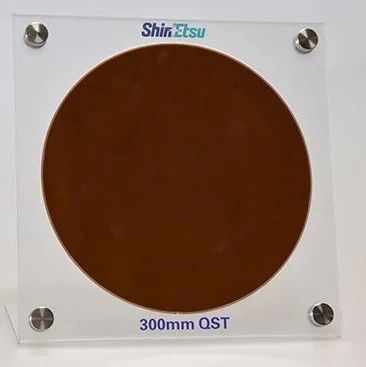
信越化学开发出数据中心半导体使用的节电基板
日经中文网· 2025-11-16 00:33
Core Insights - Shin-Etsu Chemical has developed a large "QST substrate" for the manufacturing of gallium nitride (GaN) semiconductors, which supports high voltage above 650 volts, helping to reduce power loss [2][4] - The company aims to enhance power control efficiency for AI data centers and electric vehicles (EVs) through its innovative materials and production methods [2][4] Group 1: Product Development - The newly developed 300mm substrate allows for the production of GaN transistors that can handle high voltage, which is crucial for energy efficiency [2][4] - The GaN layer's thickness is directly related to its ability to withstand high voltage, with thicker layers providing better performance [4] Group 2: Production Efficiency - Shin-Etsu's substrate minimizes warping issues that previously hindered the scaling of GaN on standard silicon wafers, enabling larger production [4] - The company plans to establish mass production of the 300mm substrate within two to three years, collaborating with imec to develop transistors capable of withstanding over 1200 volts [4] Group 3: Market Applications - The technology is particularly beneficial for data centers, which have high energy consumption, and for onboard chargers in electric vehicles [4]

美国经济焦虑升级,万亿美元或换人民币,人民币升值成定局
Sou Hu Cai Jing· 2025-11-15 17:25
Core Viewpoint - The article discusses the potential for a significant capital flow back to China, estimated at $1 trillion to $1.3 trillion, which could lead to a 10% appreciation of the Renminbi due to the weakening of the US dollar as the Federal Reserve begins to lower interest rates starting in 2024 [1][3][12]. Economic Context - The US national debt is projected to reach $38 trillion by 2025, significantly impacting the economy and leading to a decline in the attractiveness of the dollar [1][3]. - The Federal Reserve is expected to lower the federal funds rate to between 3.75% and 4.00% by October 2025, which will further decrease the dollar's appeal [3][10]. Capital Flow Dynamics - Chinese companies have accumulated over $2 trillion in overseas assets during the pandemic, primarily in bonds and equities, with a 15% annual increase from 2021 to 2023 [5][12]. - The capital repatriation is expected to occur in phases, starting with the sale of short-term bonds worth approximately $500 billion, followed by the transfer of equity investments from US markets back to China or Hong Kong [6][12]. Sector Preferences - The repatriated funds are likely to favor sectors such as semiconductors and renewable energy, with semiconductor market share projected to rise from 15% in 2020 to 25% by 2025 [8][14]. - The electric vehicle industry is also set to benefit, with production expected to increase from 2 million units in 2020 to 8 million units by 2025 [8][14]. Currency and Investment Implications - The narrowing interest rate differential, projected to decrease from 2% in 2024 to 1% in 2025, will amplify changes in capital flows and could exert pressure on US capital markets and government bonds [8][10]. - The appreciation of the Renminbi could lead to lower import costs and necessitate recalibrations in profit margins for foreign investors and exporters [16]. Long-term Outlook - The anticipated capital flow back to China is viewed as a catalyst for transformation, with investments directed towards infrastructure and high-end manufacturing, including aviation, semiconductors, and renewable energy [14][16]. - By 2026, the major withdrawal of capital is expected to be completed, marking a significant shift in global investment patterns [12][16].
荷兰被自己人背叛?客户直接买欧洲晶源,来中国谈封装!这下生意没法做了!
Sou Hu Cai Jing· 2025-11-15 16:51
Group 1 - The Netherlands is attempting to position itself as a hero for European supply chain security while facing backlash for its actions regarding ASML and its ties to China [2][4] - The Dutch government has been accused of trying to decouple from China, with recent reports suggesting that ASML's CEO is secretly transferring intellectual property and planning to move supply chains back to China [4][6] - European automotive manufacturers are reportedly seeking alternative suppliers and are willing to accept higher logistics and compliance risks to avoid political interference, indicating a loss of trust in the Dutch government [6][10] Group 2 - The situation reflects a broader struggle between national power and technological capability, with China enhancing its semiconductor manufacturing capabilities [8][13] - The Dutch government's attempts to reshape global supply chains through administrative means may ultimately undermine its credibility and influence in the global market [10][11] - The trend indicates that European companies must diversify their supply chains and risk management strategies to remain competitive, while countries like the Netherlands risk losing control over global market dynamics if they continue to intervene [13]

中国要求尽快撤销非法举措,荷兰却仍在嘴硬:要是能重来,还会这么干!
Sou Hu Cai Jing· 2025-11-15 04:02
Core Viewpoint - The article highlights the increasing importance of stability in international economics and supply chains, particularly in the competitive automotive manufacturing industry, while criticizing the Dutch government's recent actions as detrimental to global cooperation [1][3]. Group 1: Impact on Supply Chains - China's Commerce Minister Wang Wentao urged the Dutch government to resolve supply chain disruptions caused by interference in corporate operations, indicating a warning against the Dutch government's actions [1]. - The Dutch government's collaboration with the U.S. prior to its actions against companies has raised concerns about its disregard for market economy principles and transparency [3]. - The actions of the Dutch government have forced clients of ASML to bypass the company and establish direct connections with Chinese factories to ensure their production plans, which undermines the competitive position of the Netherlands in this niche market [3][5]. Group 2: Long-term Industry Implications - Clients of ASML are being prompted to diversify their partnerships as a strategy to mitigate risks associated with unreliable dependencies, with companies like Wingtech Technology building new wafer fabs in China that could exceed ASML's total capacity in Europe [5]. - The situation reflects a broader struggle for the future of the Dutch automotive industry, as short-sighted actions may lead to self-destructive outcomes in a tightly interconnected global economy [5]. - The article suggests that the true winners in the international arena will be those countries that seek cooperative opportunities rather than isolating themselves [5][6]. Group 3: Future Outlook - The coming months will be critical in determining whether the Dutch government can rationally address the fallout from its recent decisions, which will also serve as a test for global supply chains in finding new balance points [7]. - The article emphasizes that cooperation is essential for long-term success in the international market, warning that countries relying solely on intervention and exploitation will struggle to thrive [6][7].

SK海力士抛售中国子公司股份
半导体行业观察· 2025-11-15 01:42
Core Viewpoint - SK Hynix has sold all its shares in SkyHigh Memory Limited, a company focused on traditional NAND flash products, indicating a strategic shift towards high-value NAND flash development, including applications in artificial intelligence [2][3]. Group 1: Company Actions - SK Hynix's sale of SkyHigh Memory Limited is interpreted as a move to liquidate non-core businesses [2]. - The company is now concentrating on high-value NAND flash research and development, particularly for cutting-edge industries like artificial intelligence [3]. Group 2: Company Background - SkyHigh Memory was established in 2019, focusing on the development of 2D NAND and supplying SLC NAND and eMMC [2]. - Initially, SkyHigh Memory was a joint venture between SK Hynix System IC and Cypress Semiconductor, with SK Hynix holding a 60% stake [2]. Group 3: Ownership Changes - Infineon exercised its put option in Q2 of this year, transferring all its shares to SK Hynix System IC, which subsequently sold its shares to another company, removing SkyHigh Memory from SK Hynix's subsidiary list [3]. - The management of SkyHigh Memory has been transferred to Furan Semiconductor, a non-volatile memory expert based in Shanghai, China [3].
安世荷兰重申:张学政不再是CEO
是说芯语· 2025-11-15 00:28
Core Viewpoint - Nexperia BV emphasizes its commitment to transparency, business continuity, and the interests of its global stakeholders amidst ongoing geopolitical and operational challenges [1][13]. Geopolitical Developments and Supply Chain Restoration - Nexperia welcomes the Chinese government's recent decision to allow its factories and subcontractors in China to resume exports, indicating progress, but notes that this is a relaxation of restrictions rather than a full restoration of the supply chain [2][15]. Compliance with Dutch Government Orders - The company acknowledges rumors regarding the lifting of the Dutch government order but confirms it has not received any official updates and will continue to comply fully with the Dutch government's directives [3][4][16]. Clarification on Enterprise Chamber and CEO Status - Nexperia clarifies that the Enterprise Chamber ruling and the Dutch government order are separate matters. The company reiterates that Zhang Xuezheng has been suspended and is no longer the CEO, as per the Enterprise Chamber's ruling [5][6][18][19]. Supply Chain Resilience - Nexperia states that it has not completely halted wafer shipments and is committed to delivering wafers into the supply chain while providing alternative solutions to mitigate disruptions. The company is also working to expand capacity at its other facilities, with phased implementation expected by 2026 [8][20][21]. Operational Disruptions - Nexperia's operations in China have deviated from the established governance framework, leading to issues such as refusal to pay for wafers, unauthorized use of corporate seals, and the establishment of unauthorized bank accounts. The company holds its Chinese entities responsible for any delays in shipments [11][12][22].

安世中国,最新发声
Zheng Quan Shi Bao· 2025-11-14 21:00
Group 1 - Anxie Semiconductor China expresses confidence in its ability to pay full salaries and benefits to all employees despite interference from the Dutch government and obstruction from some management in the Netherlands [1] - The company confirms that all employee compensation and benefits are currently normal [1] - On October 12, Wentai Technology announced that its core semiconductor asset, Anxie Semiconductor, faced dual restrictions from the Dutch government and courts, including a one-year freeze on assets and operations [1] Group 2 - The Chinese Ministry of Commerce noted the lack of substantial actions from the Dutch government to stop infringing on the legitimate rights of Chinese enterprises and restore stability to the global semiconductor supply chain [2] - China has announced exemptions for eligible exports as of November 1, aiming to address the chaos in the global semiconductor supply chain, which it attributes to the Dutch government's actions [2] - China urges the Dutch government to move beyond verbal statements and propose constructive solutions to stabilize the semiconductor supply chain and refrain from interfering in corporate affairs [2]

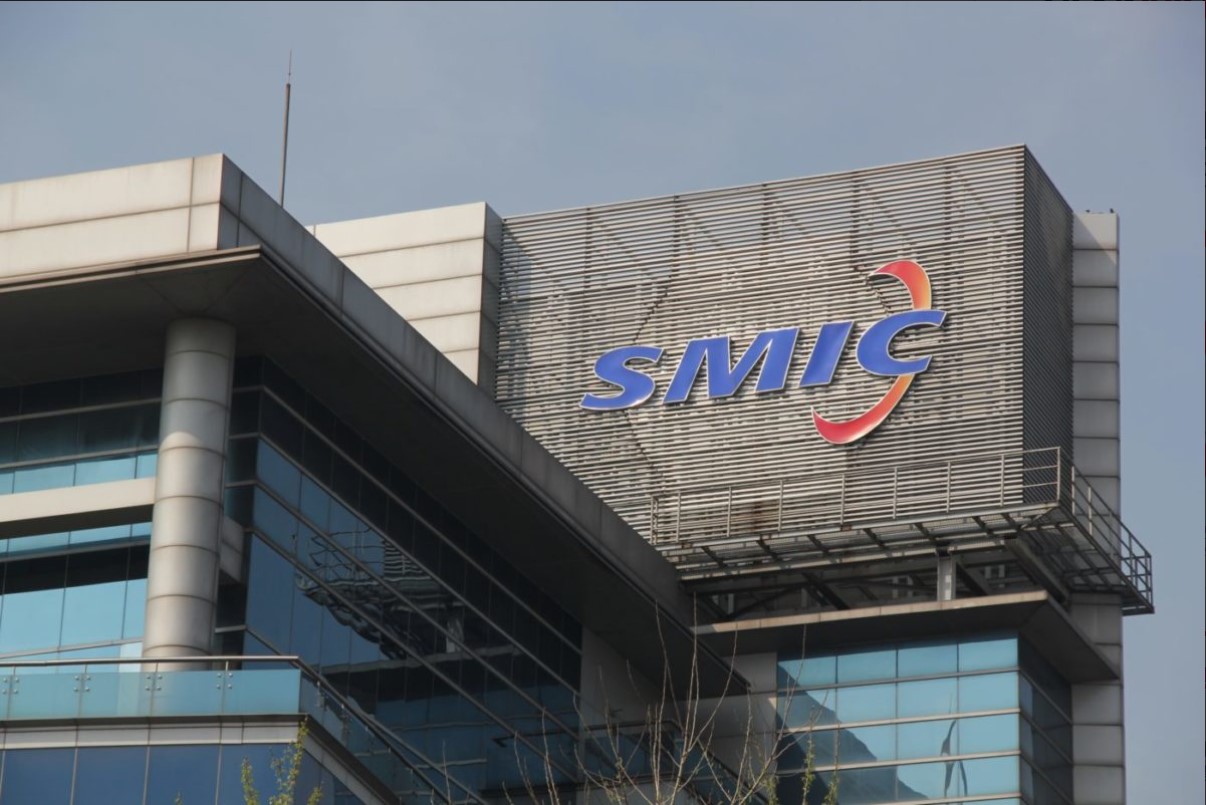
中芯国际:产线高位运行 全年营收预计超90亿美元
Ju Chao Zi Xun· 2025-11-14 16:09
Core Insights - Company expects Q4 revenue guidance to be flat to a 2% increase despite it being a traditional off-season, with a gross margin guidance of 18% to 20% [1] - Full-year sales revenue is projected to exceed $9 billion, with capital expenditures expected to be roughly the same or slightly higher than last year [1] Financial Performance - In Q3, the company achieved sales revenue of $2.382 billion, a 7.8% increase quarter-over-quarter, with a gross margin of 22.0%, up 1.6 percentage points from the previous quarter [3] - Capacity utilization rose to 95.8%, an increase of 3.3 percentage points, with wafer shipments equivalent to 2.499 million eight-inch standard wafers, a 4.6% increase [3] - For the first three quarters, total revenue reached $6.838 billion, a year-over-year increase of 17.4%, with a gross margin of 21.6% and total capital expenditures of $5.7 billion [3] Capacity and Product Structure - As of the end of Q3, the monthly capacity for eight-inch standard wafers was approximately 1.023 million pieces, with a revenue breakdown of 77% for 12-inch wafers and 23% for 8-inch wafers [3] - The average selling price of wafers increased by 3.8% quarter-over-quarter, attributed to changes in product mix with a higher proportion of more complex products being shipped [3] Regional Revenue Distribution - In Q3, revenue distribution by region was 86% from China, 11% from the U.S., and 3% from Eurasia, with absolute revenue from China increasing by approximately 11% quarter-over-quarter [3] - The company adjusted capacity allocation in response to urgent orders, leading to fluctuations in regional revenue distribution [3] Downstream Applications - In Q3, wafer revenue by application was distributed as follows: smartphones (22%), computers and tablets (15%), consumer electronics (43%), IoT and wearables (8%), and industrial and automotive (12%) [4] - Revenue from consumer electronics grew approximately 15% quarter-over-quarter, driven by domestic companies replacing overseas suppliers in certain end products [4] Capital Expenditures and Industry Environment - Full-year capital expenditures are expected to be similar to or slightly higher than last year, primarily for capacity construction and process upgrades in mature processes and specialty technologies [4] - The company noted that rising memory prices are beneficial for manufacturing but may increase cost pressures for original equipment manufacturers in automotive, smartphones, and other consumer terminals [4]

商务部发言人:荷方强行不当干预是造成全球半导体产供链动荡和混乱的恶源
第一财经· 2025-11-14 15:12
Core Viewpoint - The article discusses the recent statements made by Dutch Economic Minister Karremans regarding ASML and the semiconductor supply chain crisis, expressing strong dissatisfaction with the Dutch government's actions and emphasizing the need for constructive dialogue to resolve the ongoing issues [3][5]. Group 1: Dutch Government's Actions - The Dutch government’s decision to intervene in the semiconductor supply chain by taking control of a Chinese listed company's subsidiary is criticized as a violation of contractual spirit and an impulsive action that has led to global supply chain turmoil [3][4]. - The use of outdated legislation to justify rapid administrative decisions is described as reckless and absurd, undermining the rule of law and damaging the business environment in the Netherlands [4]. Group 2: Semiconductor Supply Chain Crisis - The article highlights that the semiconductor supply chain crisis has been exacerbated by the Dutch government's actions, which have not only failed to address the underlying issues but have also escalated internal conflicts into systemic risks for the global semiconductor supply chain [5]. - Despite efforts from China to restore stability in the semiconductor supply chain, the situation remains fragile due to the Dutch government's refusal to take practical actions to ensure supply chain security [5]. Group 3: Future Cooperation - China expresses a willingness to engage in discussions with the Dutch side to find constructive solutions to the semiconductor crisis, urging the Netherlands to come with genuine proposals rather than repeating past mistakes [5].

商务部,深夜回应!
券商中国· 2025-11-14 15:03
Core Viewpoint - The article emphasizes China's strong discontent with the Netherlands' recent actions regarding ASML, highlighting the negative impact of administrative interference on the global semiconductor supply chain [1][2]. Group 1: Netherlands' Actions - The Dutch government's decision to intervene in ASML's operations is criticized as a reckless and absurd move, undermining the rule of law and damaging the business environment in the Netherlands [2]. - The Dutch government issued an administrative order and pushed for a court decision in a very short timeframe, which is seen as a violation of legal procedures and foreign investment rights [2]. Group 2: Impact on Semiconductor Supply Chain - The article notes that the semiconductor supply chain crisis has been somewhat alleviated due to China's responsible measures, but the situation remains fragile due to the Netherlands' actions [2]. - The refusal of ASML to supply wafers to Chinese companies has led to supply risks for many automotive companies, escalating internal conflicts into systemic risks for the global semiconductor supply chain [2]. Group 3: China's Position - China expresses a willingness to engage in discussions with the Netherlands to resolve the current crisis, emphasizing the need for constructive proposals rather than superficial gestures [3]. - The expectation is set for the Netherlands to demonstrate genuine cooperation and present substantial solutions to the issues at hand [3].