航空制造

Search documents
四川国资持续布局航空航天领域 此番看上了航宇科技
Zheng Quan Shi Bao Wang· 2025-05-28 10:57
Core Viewpoint - The strategic cooperation memorandum signed between Hangyu Technology and Leading Capital aims to establish long-term collaboration in the aviation industry, focusing on supply chain synergy and technological advancements in aerospace materials and forging processes [1][2]. Group 1: Strategic Cooperation Details - Hangyu Technology and Leading Capital will collaborate on three main areas: building a "forged supply - precision processing" industrial chain, joint research and development of key technologies in aviation materials and forging processes, and deepening capital cooperation to provide resource empowerment and policy support for the listed company [1]. - The cooperation mechanism includes establishing high-level meetings, joint working groups, and special task forces [1]. Group 2: Company Background - Hangyu Technology specializes in the research, production, and sales of aviation deformable metal materials, primarily focusing on aviation engine ring forgings, which are used in various domestic and international aircraft engines [2]. - Leading Capital, established in 2018 with a registered capital of 4 billion yuan, is a significant investment platform under Sichuan Development and has engaged in multiple industry acquisitions in recent years [2]. Group 3: Investment and Market Trends - Leading Capital has expressed intentions to capitalize on the growing market demand for aerospace and intelligent sensor products driven by the "low-altitude economy" and aims to accelerate the development of new business scenarios and industries [3]. - Leading Capital plans to acquire shares in Hangyu Technology through block trading, with a commitment to lock the acquired shares for 12 months and potentially increase its stake based on market conditions [4].

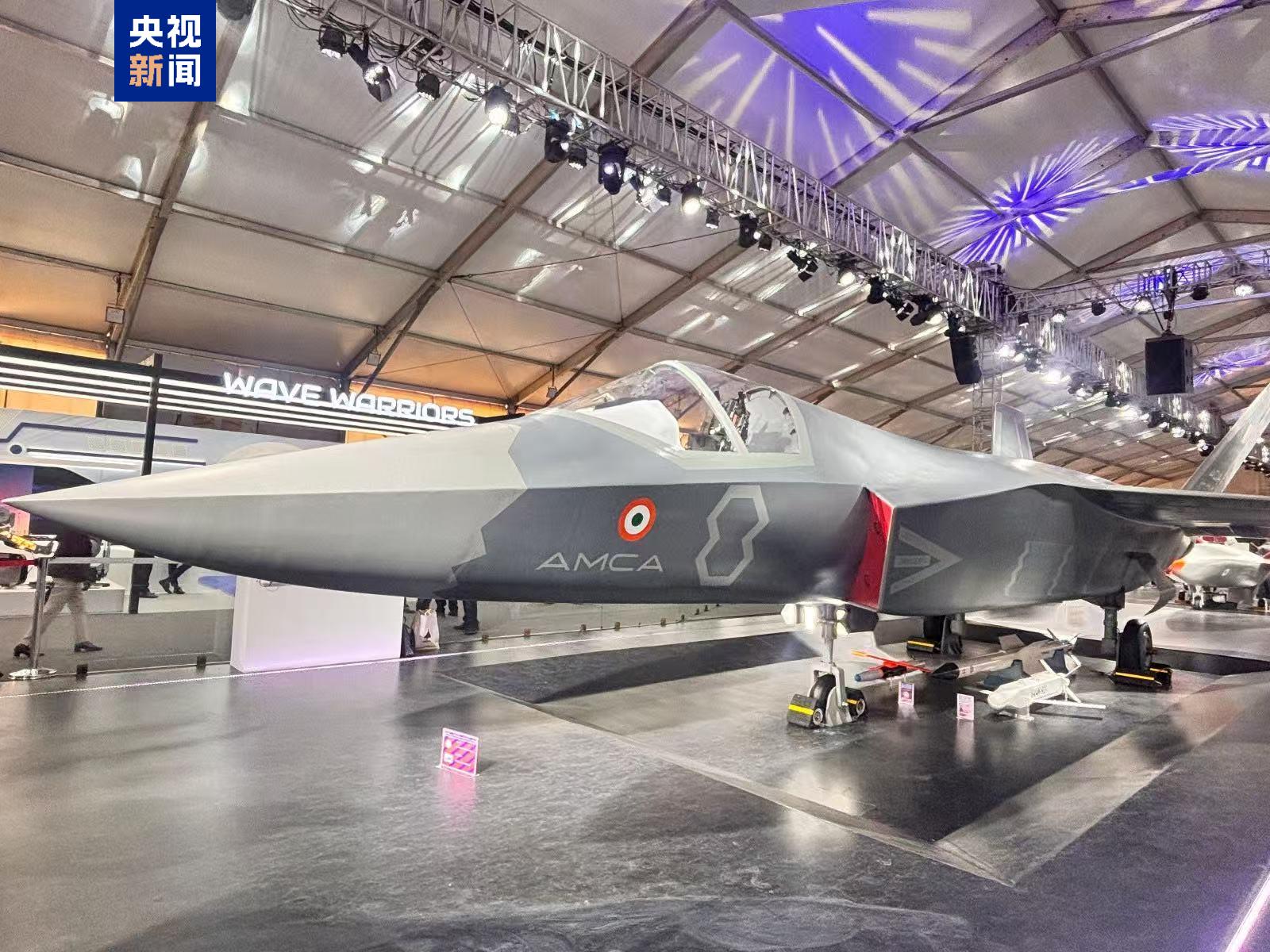
总台记者观察丨印度邀私企参与五代机研发 成本超17亿美元 周期约10年
Yang Shi Xin Wen· 2025-05-28 05:22
Group 1 - The Indian Ministry of Defence has approved the development of a fifth-generation fighter jet (AMCA) with an estimated cost of 150 billion Indian Rupees (approximately 1.758 billion USD) and a development timeline of about 10 years, aiming to produce 5 prototype aircraft [1] - The fifth-generation fighter jet is a twin-engine, 25-ton multi-role stealth aircraft, and the Indian Air Force currently operates 30 squadrons of fighter jets, which is below the authorized 42 squadrons [3] - The project will allow private manufacturers to participate in the bidding process, aiming to accelerate production and reduce reliance on state-owned manufacturing, thereby enhancing India's defense capabilities and achieving self-reliance in advanced military technology [4] Group 2 - The Indian Air Force is expected to retire at least 8 fighter squadrons in the next 10 years, highlighting the urgency for new aircraft development [3] - Hindustan Aeronautics Limited (HAL) has faced significant delays in the production of the indigenous "Tejas" light combat aircraft due to slow deliveries of jet engines from General Electric [4] - The former Air Chief Marshal emphasized the importance of stealth capabilities for combat aircraft, particularly in the context of India's current security environment and technological advancements by neighboring countries [4]

“智汇深空•驭光而行” 深市航空航天企业竞逐万亿空天蓝海
Zheng Quan Shi Bao Wang· 2025-05-27 09:53
Industry Overview - The Chinese aerospace industry is experiencing a strategic opportunity period, with the commercial aerospace market expected to reach 2.34 trillion yuan by 2024, maintaining an annual growth rate of over 20% from 2019 to 2023 [1] - The commercial aerospace sector is predicted to enter a golden development period from 2023 to 2028, with the market size projected to reach 2.8 trillion yuan by 2025 [2] Company Innovations - AVIC Chengfei has adopted an innovative "hundred-group battle" model to break down R&D barriers, achieving breakthroughs in advanced equipment such as the J-20 and drones, thus accelerating the modernization of China's air force [1] - AVIC Chengfei has established multiple national and provincial-level innovation platforms and has significantly increased R&D investment since the 14th Five-Year Plan, achieving full localization of its main products [2][3] - AVIC Optoelectronics has maintained R&D investment at over 10% of total revenue, contributing to the development of over 10 national and provincial innovation platforms and filling several technological gaps [3] - Tianao Electronics has focused on technological innovation in the time-frequency industry for 20 years, participating in major national projects such as manned spaceflight and the Beidou satellite navigation system [4][5] Financial Performance - AVIC Optoelectronics reported a sales revenue of 20.69 billion yuan and a net profit of 3.354 billion yuan for 2024, with a compound annual growth rate of 19.03% in sales revenue and 23.56% in net profit from 2020 to 2024 [3] - Tianao Electronics holds 126 effective patents and has been actively involved in setting national and industry standards, emphasizing innovation as the primary driver of its development [5]
特朗普,签下千亿大单
Sou Hu Cai Jing· 2025-05-26 01:24
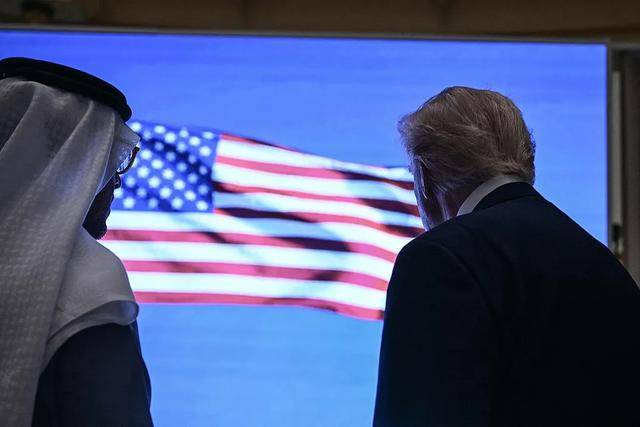
Group 1: Core Insights - Trump's recent Middle East visit marked a significant shift in diplomatic approach, focusing on economic deals rather than traditional political alliances [4][5][7] - The visit resulted in substantial commercial agreements, including over $1 trillion in commitments from Gulf nations for military, aerospace, and technology investments [3][4] - The U.S. aims to leverage the financial resources of Gulf states to address its own economic challenges, including national debt and the need for direct investments [4][13] Group 2: Economic Agreements - Saudi Arabia committed to over $1 trillion in investments, including substantial military purchases and collaborations in high-tech and energy sectors [3][4] - Qatar ordered approximately 210 Boeing aircraft valued at nearly $100 billion, including a $400 million gift aircraft for Trump [3][4] - The UAE finalized around $200 billion in cooperation agreements with Trump, showcasing the scale of economic engagement [3][4] Group 3: Policy Shifts - Trump's administration has relaxed restrictions on high-tech exports to Gulf nations, reversing previous Biden-era policies that limited AI chip sales [7][8] - The new approach emphasizes "non-interference" and prioritizes business over traditional U.S. values-based diplomacy in the region [8][10] - The exclusion of Israel from Trump's itinerary indicates a strategic pivot, reflecting tensions in U.S.-Israel relations amid ongoing conflicts [10][11] Group 4: Long-term Implications - The strategy of "trading economics for security" may not yield genuine loyalty from Gulf states, as they seek to balance relations with multiple global powers [13][14] - Historical discrepancies between promised and actual investment amounts raise questions about the feasibility of the current agreements [14] - The focus on economic transactions without addressing human rights concerns may lead to domestic and international criticism, potentially undermining the sustainability of these alliances [15]
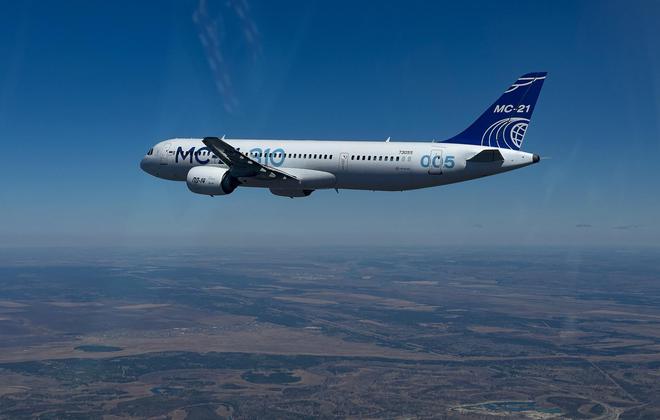
俄制新客机继续飞行测试
Huan Qiu Wang Zi Xun· 2025-05-25 23:21
Core Viewpoint - The Russian "MC-21" medium-range passenger aircraft equipped with domestic avionics, power supply, and air conditioning systems has successfully completed its first flight, marking the beginning of factory adjustment tests [1][3]. Group 1: Aircraft Specifications and Development - The "MC-21" is a next-generation medium-range aircraft capable of carrying 163 to 211 passengers, with a range of 4,500 kilometers, covering almost all domestic routes in Russia [4]. - The aircraft is assembled at the Irkutsk Aircraft Manufacturing Plant and aims to replace Boeing and Airbus in the Russian market, featuring advanced aerodynamics and next-generation onboard systems [4]. - The current version of the "MC-21" has replaced approximately 80 foreign systems and components to mitigate the impact of sanctions and foreign suppliers [4]. Group 2: Testing and Production Plans - The "MC-21" is scheduled for mass production in 2026, with certification tests expected to be completed by 2025 [6]. - The aircraft's first flight lasted 1 hour and 15 minutes, reaching a speed of 580 km/h and an altitude of 3,000 meters, with all systems functioning normally [1][6]. - The testing program will include numerous flights under various conditions to ensure the aircraft's performance and reliability [7]. Group 3: Engine Development - The "PD-8" engine, used in the aircraft, has successfully completed its tenth flight, demonstrating stable performance at high altitudes and speeds [6][7]. - The development of a complete series of domestic aircraft engines is underway, including the "PD-35," which may be used for future aircraft models [7].
特朗普要对欧洲征收50%关税,欧洲敢“奉陪到底”吗?
Sou Hu Cai Jing· 2025-05-24 21:33
Core Viewpoint - President Trump's recent threat to impose a 50% tariff on EU goods has raised concerns about escalating trade tensions, particularly affecting major companies like Apple, which faces a potential 25% tariff [1][6][20] Group 1: Market Reactions - Trump's tariff announcement led to immediate declines in stock prices, including a drop in Apple's shares and a negative impact on U.S. stock index futures [6][10] - The euro also weakened in response to the tariff threat, indicating market apprehension about the potential for a trade war [6][10] Group 2: EU's Response - The EU initially adopted a cautious stance, aiming for dialogue to resolve trade differences, but acknowledged the seriousness of Trump's threats [10][14] - EU Trade Commissioner Valdis Dombrovskis emphasized the need for mutual respect in trade relations, countering Trump's aggressive rhetoric [14][20] - The EU is preparing a range of countermeasures, indicating a readiness to defend its interests if necessary [18][22] Group 3: Strategic Implications - The ongoing trade tensions highlight the complex interdependencies in global trade, with both the U.S. and EU being significant economic players [20][24] - The EU is actively working on diversifying its trade partnerships to reduce reliance on the U.S. market and mitigate risks associated with unilateral U.S. trade policies [22][24] - The EU's proactive approach includes initiatives like digital taxes and carbon border adjustment mechanisms to enhance its influence in future trade rule-making [24][25]

开放合作 成就彼此(环球热点)
Ren Min Ri Bao Hai Wai Ban· 2025-05-23 21:17
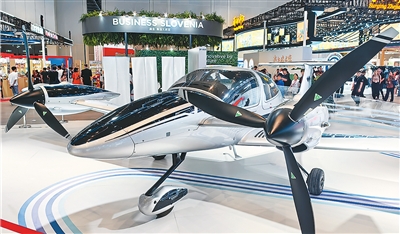
Group 1: Core Themes - The fourth China-Central and Eastern European Countries (CEEC) Expo focuses on economic cooperation, technological innovation, and cultural exchange, marking the 50th anniversary of diplomatic relations between China and CEEC [1][12] - The expo serves as a platform to showcase China's market potential and commitment to openness, facilitating practical cooperation between China and CEEC [1][12] Group 2: Technological Innovations - The expo features a "Digital CEEC" exhibition area showcasing over 30 digital innovations from CEEC, covering fields such as artificial intelligence and health [1][5] - Notable exhibits include a lightweight aircraft from Slovenia and interactive technologies from Hungary, highlighting the integration of functionality and aesthetic design in industrial innovation [2][3] Group 3: Market Expansion - The expo includes over 8,000 products from CEEC, with a significant increase in exhibition space and the number of exhibitors, attracting participation from 14 CEEC countries and 9 other nations [6][7] - The event aims to facilitate consumer access to CEEC products through online and offline channels, including exclusive consumption vouchers [6][7] Group 4: Trade Growth - Bilateral trade between China and CEEC has shown consistent growth, with an annual increase of 8.8% since 2012, and projected trade volume reaching $142.3 billion in 2024 [8] - The trade structure is complementary, with China exporting industrial products and CEEC primarily exporting agricultural products and metals [8] Group 5: Future Cooperation - The expo promotes ongoing collaboration between China and CEEC, with a focus on green economy and digital industries, leveraging each region's strengths [5][12] - The establishment of various trade and investment cooperation mechanisms enhances mutual trust and cooperation potential [11][12]
波音公司与美国司法部达成协议,避免因多起致命性737 MAX坠机事故的官司而被(继续)起诉。
news flash· 2025-05-23 18:38
波音公司与美国司法部达成协议,避免因多起致命性737 MAX坠机事故的官司而被(继续)起诉。 ...

美国人最痛恨的四家企业,为何他们会如此招黑?
Sou Hu Cai Jing· 2025-05-23 11:22
Core Insights - The article discusses four companies that consistently rank high on the "public dislike list" due to various controversies surrounding their business practices and ethical standards [1] Group 1: Meta (formerly Facebook) - Meta is criticized for its handling of user privacy, particularly following the Cambridge Analytica scandal where over 87 million user data was misused, resulting in a $5 billion settlement, the largest corporate fine in U.S. history [3] - A 2022 Pew Research Center survey indicated that 72% of U.S. social media users believe Meta lacks transparency in data collection [3] Group 2: Comcast - Comcast has been named the "worst customer service company" for seven consecutive years, facing complaints about hidden fees and frequent service interruptions [5] - In 2021, the Federal Communications Commission received over 120,000 complaints regarding Comcast's bundled sales and billing disputes [5] - Despite a 40% profit margin in its broadband business reported in 2022, customer satisfaction remains 15 percentage points below the industry average [5] Group 3: Ticketmaster - Ticketmaster controls over 80% of the U.S. market for large event ticketing, following its acquisition of Live Nation [8] - The company charges service fees that can reach up to 75% of the ticket price, generating over $2 billion in service fee revenue in 2021 [8] - Dynamic pricing practices have led to significant price increases shortly after ticket sales begin, prompting investigations from 34 state attorneys general [8] Group 4: Boeing - Boeing's reputation suffered after two fatal 737 MAX crashes in 2018-2019, which resulted in 346 deaths and revealed serious design flaws that were concealed to expedite delivery [10] - Internal documents indicated that engineers had warned about the system risks as early as 2016 [10] - The company reported a net loss of $5 billion in 2022, as its market share was overtaken by Airbus due to a loss of public trust [10] Group 5: Broader Implications - The controversies surrounding these companies highlight the tension between profit motives and public interest, with issues such as data ownership, lack of competition, regulatory lag, and ethical failures being central themes [12] - Public backlash is driving change, as consumers shift towards alternatives that prioritize transparency and ethical practices [12]



美国人疯狂下单中国
投资界· 2025-05-22 08:04
Core Viewpoint - The article discusses a dramatic turnaround in the shipping orders from China to the U.S. following the recent tariff adjustments, highlighting a surge in demand and operational challenges faced by ports and logistics companies [3][4][5]. Group 1: Shipping and Logistics - After the announcement of tariff reductions, shipping orders from China to the U.S. skyrocketed, with container bookings increasing by nearly 300% [6]. - Ports like Shenzhen's Yantian and Ningbo experienced a significant influx of orders, leading to a situation where shipping capacity was stretched thin, with a 30% shortfall in available space [6][5]. - The rapid increase in orders forced many companies to work overtime to meet the demand, with some factories operating at full capacity to fulfill U.S. orders [5][6]. Group 2: Market Dynamics - The article emphasizes that despite previous expectations, U.S. companies are struggling to shift their supply chains away from China due to high costs and inefficiencies in alternative locations [13][14]. - Many U.S. businesses have found that relocating production to Southeast Asia or other regions is not feasible, leading them to return to Chinese suppliers [14]. - Chinese manufacturers have diversified their markets, reducing reliance on the U.S. and expanding into Europe and other regions, which has provided them with more stability [15]. Group 3: Historical Context - The article draws parallels between current tariff policies and historical events, specifically referencing the Smoot-Hawley Tariff Act of 1930, which led to economic downturns rather than the intended protection of domestic industries [15]. - It suggests that the current administration should learn from history to avoid repeating past mistakes related to high tariffs [15].