创新药研发

Search documents
云顶新耀发布本公司董事及主要股东增持股份自愿公告
Ge Long Hui· 2025-12-14 23:17
公告显示,公司非执行董事、董事会荣誉主席兼本公司主要股东傅唯先生,执行董事兼董事会主席吴以 芳先生,执行董事兼本公司首席执行官罗永庆先生,以及执行董事、总裁兼本公司首席财务官何颖先生 分别于市场购入339,000股、277,000股、132,500股及98,159股本公司普通股,总金额超过3,800万港元, 平均价格约为每股股份45.01港元。 云顶新耀将于2025年12月15日上午8时举行中文线上投资人会议,公司董事会及管理层将在会上同步更 新战略规划与经营情况,并展示公司在创新药研发、商业化和全球化布局上的清晰规划和前瞻性布局, 呈现持续创造价值的能力。 2025年12月12日,云顶新耀(1952.HK)对外发布董事及主要股东增持公司股份的相关公告,披露公司 多位董事及主要股东近期通过场内交易增持公司股份,并作出进一步增持承诺,不仅彰显对公司未来发 展前景的信心,更向市场传递出强烈的积极信号。 此外,作为公司主要股东的康桥资本亦在公告中明确表示,在视市场状况及在适用法律及监管的规限 下,进一步承诺计划于未来三至六个月内将其持股比例累计增加不多于1%。 ...
阳光诺和(688621.SH)拟投资弼领生物 切入前沿纳米药物技术赛道
智通财经网· 2025-12-11 08:22
Core Viewpoint - The company, 阳光诺和, is making a strategic investment of 20 million yuan in Shanghai Biling Biotechnology Co., aiming to enhance its position in the innovative drug industry, particularly in the field of novel nano-conjugated drugs and precise nano-delivery systems [1] Investment Details - The company will invest 20 million yuan to subscribe to an increase in registered capital of 82,661 yuan in Shanghai Biling Biotechnology, resulting in a 2.0435% equity stake [1] - This investment is part of the company's broader strategy to strengthen its innovative drug supply chain [1] Technology and Market Potential - Shanghai Biling Biotechnology specializes in novel nano-conjugated drugs and precise nano-delivery systems, which have significant application prospects in treating major diseases such as cancer [1] - The core technology platform of the target company can effectively enhance drug targeting and delivery efficiency, indicating a promising market potential [1] Strategic Alignment - The investment allows the company to enter the cutting-edge nano-drug technology sector, creating synergies with its existing business [1] - This move is expected to enrich the company's technological reserves and pipeline layout in innovative drug research and development, thereby enhancing its overall competitiveness in the pharmaceutical industry [1]

阳光诺和拟投资弼领生物 切入前沿纳米药物技术赛道
智通财经网· 2025-12-11 08:21
Core Viewpoint - The company, Sunlight Nuohe (688621.SH), is making a strategic investment of 20 million yuan in Shanghai Biling Biotechnology Co., Ltd. to enhance its position in the innovative drug industry, particularly in the field of novel nano-conjugated drugs and precise nano-delivery systems [1] Investment Details - The company will invest 20 million yuan to subscribe for an additional registered capital of 82,661 yuan in Biling Biotechnology, resulting in a 2.0435% equity stake in the company [1] - This investment is part of the company's broader strategy to strengthen its innovative drug industry chain [1] Technology and Market Potential - Biling Biotechnology specializes in novel nano-conjugated drugs and precise nano-delivery systems, which have significant application prospects in treating major diseases such as cancer [1] - The core technology platform of Biling can effectively enhance drug targeting and delivery efficiency, indicating a strong market potential [1] Strategic Alignment - The investment allows the company to enter the cutting-edge nano-drug technology sector, creating synergies with its existing business [1] - This move is expected to enrich the company's technological reserves and pipeline layout in innovative drug research and development, thereby enhancing its overall competitiveness in the pharmaceutical industry [1]
百奥赛图(688796.SH)构建“H+A”双资本格局 平台型生物技术企业进入长期价值时代
智通财经网· 2025-12-10 02:19
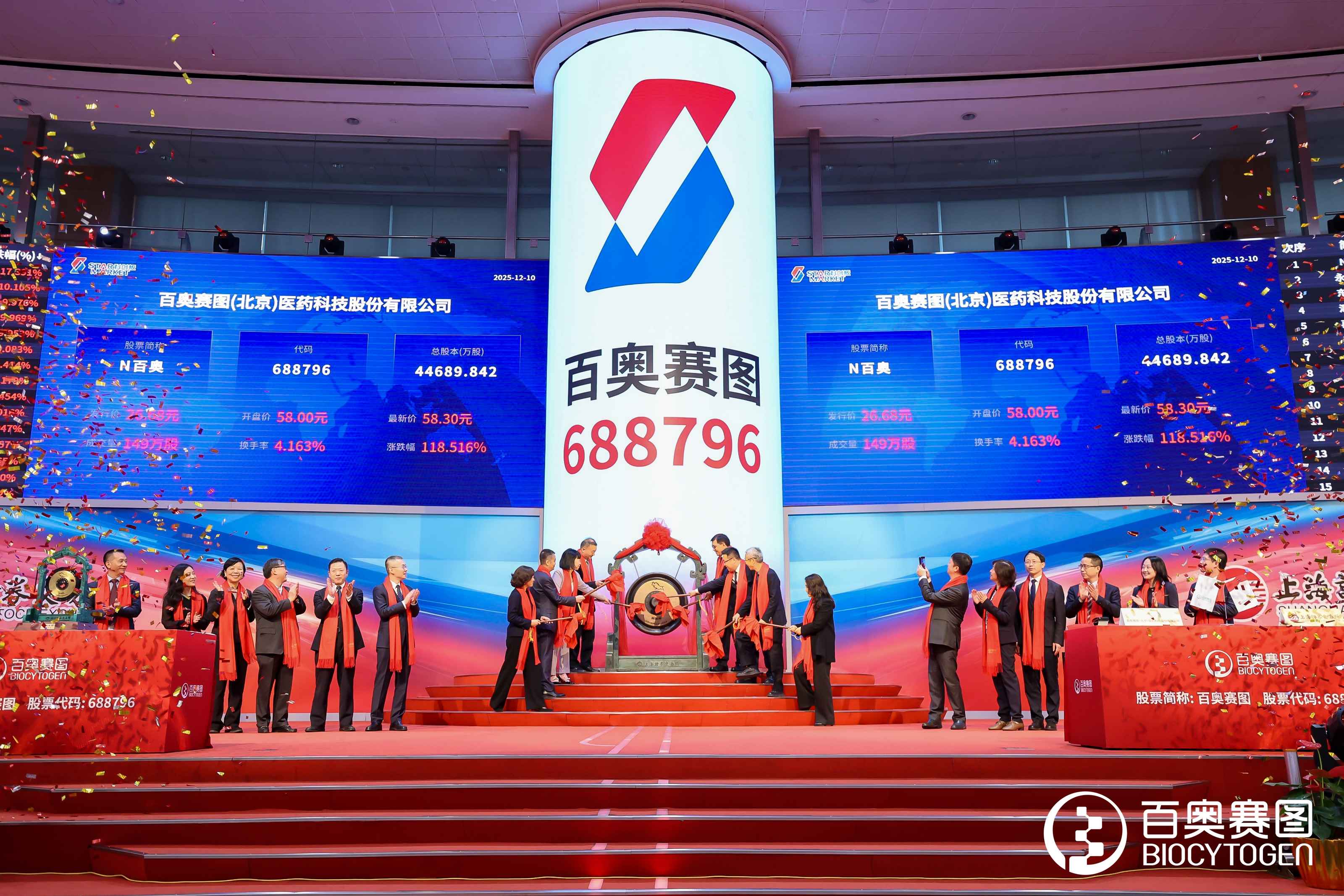
在创新药研发模式经历深刻转变的背景下,中国平台型生物技术企业正在从追逐单一产品成功的模式,转向构建可规模化创新能力的发展逻辑。智通财经 APP获悉,12月10日,百奥赛图(688796.SH)成功在科创板挂牌上市,与此前2022年在港股市场的挂牌相互呼应,从而形成"H+A"双资本市场格局。 平台型创新模式的本质,是通过底层技术能力的可延展性与规模效应,把研发概率转变为更具确定性的结果,这为企业建立长期技术护城河提供基础。 增长结构呈现出行业稀缺的商业自洽性 在资本逻辑从"创新驱动"向"现金流驱动"转变的周期中,百奥赛图展现出罕见的商业成熟度。2025年上半年,公司实现营收6.21亿元,同比增长51.5%,净 利润约4800万元,并在高研发投入背景下实现经营现金流转正。收入结构中,靶点人源化模型业务收入2.74亿元,同比增长56.1%,毛利率处于行业较高水 平;抗体合作业务收入1.63亿元,同比增长38%;海外市场贡献接近七成。 显然,公司收入增长并非一次性项目兑现,而由多个机制驱动:体系化输出、合作收益延展,这种结构使企业摆脱"成败周期",进入可持续增长通道。平台 化企业的增长逻辑在于"规模带来更多规模",而 ...

董事长专访 | 百奥赛图:以“双引擎”赋能新药研发
Sou Hu Cai Jing· 2025-12-10 00:16
Core Viewpoint - The article highlights the journey and transformation of Baiao Saitu, a biotechnology company, from a gene-targeting service provider to a product-driven entity, emphasizing its innovative approach in drug development and the significance of its recent listing on the STAR Market as a milestone in its growth [3][10]. Company Development - Baiao Saitu has undergone two major transformations since its inception, evolving from a gene-targeting service provider to a product-driven biotechnology company, and is now recognized as a "dark horse" in the new drug development field [3][4]. - The company was founded in 2008 in the United States and returned to China in 2009, initially focusing on customized gene knockout mouse services for research clients [4]. Strategic Transformation - In 2015, the company initiated a strategic shift from CRO (Contract Research Organization) to a "CRO + Product" model, focusing on the sale of model animal products and developing a comprehensive human antibody platform [4][5]. - By 2019, Baiao Saitu achieved a significant technological breakthrough with the development of "humanized antibody mice," which replaced mouse antibody genes with human antibody genes, leading to the establishment of a large-scale human antibody library [5]. Financial Performance - In 2024, Baiao Saitu reported a revenue of 980 million yuan, a year-on-year increase of 36.76%, and a net profit of 33.54 million yuan, marking a successful turnaround [7]. - Currently, 70% to 80% of the company's revenue comes from product sales, contrasting sharply with traditional CRO companies where service revenue dominates [5]. Business Model and Growth - The company has developed a dual-engine growth model, with the model animal business providing stable cash flow and the human antibody business driving exponential growth [7][8]. - The model animal business has maintained an annual growth rate of 30% to 40%, while the human antibody business has entered a rapid growth phase due to the maturity of the "thousand mice, ten thousand antibodies" platform [8]. Global Expansion - Baiao Saitu has established a global presence, with approximately 70% of its revenue coming from overseas, and has collaborated with major pharmaceutical companies worldwide [9]. - The company aims to become a "global source of new drugs," focusing on enhancing its brand and expanding its human antibody library to support drug development [9]. Future Outlook - The listing on the STAR Market is viewed as a significant step in the company's global strategy, with expectations for further growth and development in the biotechnology sector [10].

迪哲医药(688192.SH):高瑞哲和Birelentinib最新研究数据在第67届美国临床血液学会发布
智通财经网· 2025-12-09 07:51
Core Insights - The company, Dizhi Pharmaceutical, announced the latest research results of its two globally innovative drugs at the 67th American Society of Hematology (ASH) conference, highlighting advancements in T-cell lymphoma and B-cell lymphoma treatments [1] Group 1: Drug Development - The high-selective JAK1 inhibitor, Golixtin (generic name: Golixtin capsules), has made significant progress in the T-cell lymphoma field [1] - The non-covalent LYN/BTK dual-target inhibitor, birelentinib (DZD8586), has shown promising clinical data in the treatment of B-cell lymphoma [1] Group 2: Clinical Trial Results - In the Phase III recommended dose (RP3D) of 50mg, the overall response rate (ORR) was 84.2% [1] - Tumor remission was observed in patients previously treated with BTK inhibitors, Bcl-2 inhibitors, or BTK degraders, including those with classic BTK resistance mutations (C481X) or other BTK mutations [1] - The anti-tumor efficacy was durable, and safety was good, with no new safety issues reported during the follow-up period [1]

凌科药业拟赴港IPO 供应链集中度上升
Xin Hua Wang· 2025-12-03 02:19
Core Viewpoint - Lingke Pharmaceutical (Zhejiang) Co., Ltd. has submitted its listing application to the Hong Kong Stock Exchange, focusing on innovative small molecule inhibitors for autoimmune and inflammatory diseases [1] Group 1: Company Overview - Lingke Pharmaceutical is a leading developer of differentiated small molecule inhibitors targeting the JAK-STAT signaling pathway [1] - The company's key products include LNK01001, a second-generation JAK1 inhibitor, and LNK01004, a third-generation pan-JAK inhibitor, both aimed at autoimmune and inflammatory diseases [1] - LNK01006 is a high-selectivity TYK2 inhibitor that can penetrate the central nervous system, targeting related diseases [1] - The company has established an innovative proprietary IsoNova protein degradation platform to enhance target selectivity and reduce off-target effects [1] Group 2: Financial Performance - In 2023, 2024, and the first three quarters of 2025, the company reported revenues of approximately 20.57 million, 16.98 million, and 54.78 million yuan, respectively, with net losses of approximately -260 million, -312 million, and -145 million yuan [2] - The net loss in 2024 increased compared to 2023, primarily due to a surge in R&D expenses related to the advancement of LNK01001 into Phase III clinical trials [2] - As of September 30, 2025, the cumulative loss reached 1.1033 billion yuan [2] - The net cash flow from operating activities for the same periods was approximately -227.6 million, -240.9 million, and -85.7 million yuan [2] Group 3: Supply Chain and Dependency - The company relies heavily on the success of its clinical or preclinical candidates, having invested significant resources in the development of LNK01001 and LNK01004 [3] - The proportion of procurement from the top five suppliers increased from 53.2% in 2023 to 68.5% in 2025, indicating rising supply chain concentration [2] - This concentration may weaken bargaining power and could impact clinical progress if core suppliers face capacity constraints or terminate cooperation [2]
热门方向,“八连涨”!
Zhong Guo Ji Jin Bao· 2025-12-02 11:53
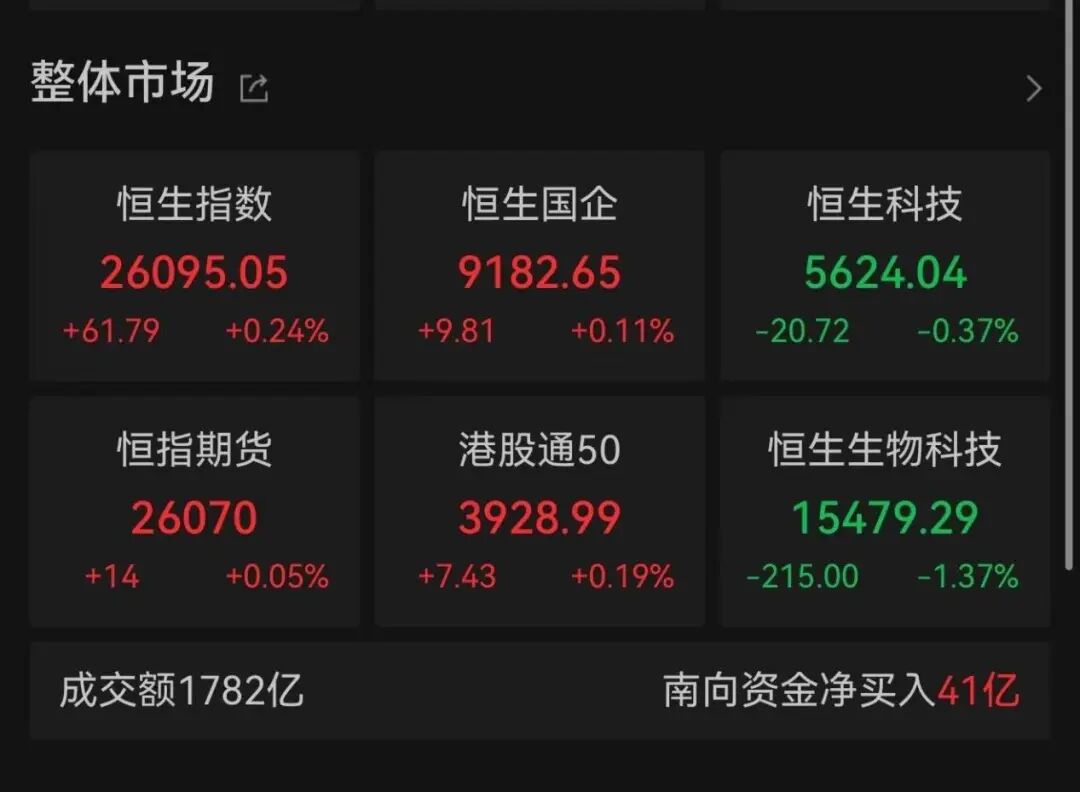
Market Overview - The Hong Kong stock market showed mixed performance with the Hang Seng Index closing at 26,095 points, the Hang Seng China Enterprises Index up by 0.11%, and the Hang Seng Tech Index down by 0.37% [2][3] - Southbound capital recorded a net inflow of 4.1 billion HKD today [2][3] Technology Sector - Major tech stocks exhibited divergent trends, with Meituan down over 3%, while Alibaba, Xiaomi, and NetEase saw gains [2][4] - The Hang Seng Tech Index's decline was influenced by the performance of electric vehicle manufacturers, particularly NIO and Xpeng, which fell by 6.74% and 5.52% respectively [9][10] Heavy Machinery Sector - Heavy machinery stocks experienced a significant rally, with SANY Heavy Industry rising over 5% and other companies like Zoomlion and China Longgong also reporting gains [5][6] - The heavy truck market in China saw a substantial year-on-year sales increase of approximately 46% in November, marking eight consecutive months of growth [5] Insurance Sector - Insurance stocks showed recovery, with China Pacific Insurance, China Life, and China People's Insurance Group rising by 3.32%, 2.78%, and 2.54% respectively [7][8] - Analysts suggest that the impact of real estate sector fluctuations on insurance companies' asset sides is limited, and a rebound in liabilities is expected to support valuation recovery [7] New Energy Vehicles - The new energy vehicle sector faced pressure, with NIO, Xpeng, and Li Auto reporting declines in stock prices [9][10] - November delivery figures revealed a 19% year-on-year increase for Xpeng, while NIO's deliveries rose over 76%, contrasting with a more than 30% decline for Li Auto [9] Consumer Electronics - The consumer electronics sector continued its upward trend, with companies like FIH Mobile, AAC Technologies, and GoerTek seeing increases of 5.38%, 3.95%, and 3.00% respectively [11][12] - The rise in AI capabilities is expected to reshape the competitive landscape in the consumer electronics industry, providing new growth opportunities for related companies [11] Biopharmaceutical Sector - The innovative drug sector faced challenges, with companies like Peijia Medical and WuXi AppTec experiencing declines of over 10% and 5% respectively [13][14] - Analysts believe that a potential easing of financing pressures due to expectations of Federal Reserve interest rate cuts could lead to a systemic recovery in the sector's valuations [13]
创新药遭遇“窜天猴”:两个月大涨30%,1只实验猴卖12万元
Mei Ri Jing Ji Xin Wen· 2025-12-01 22:50
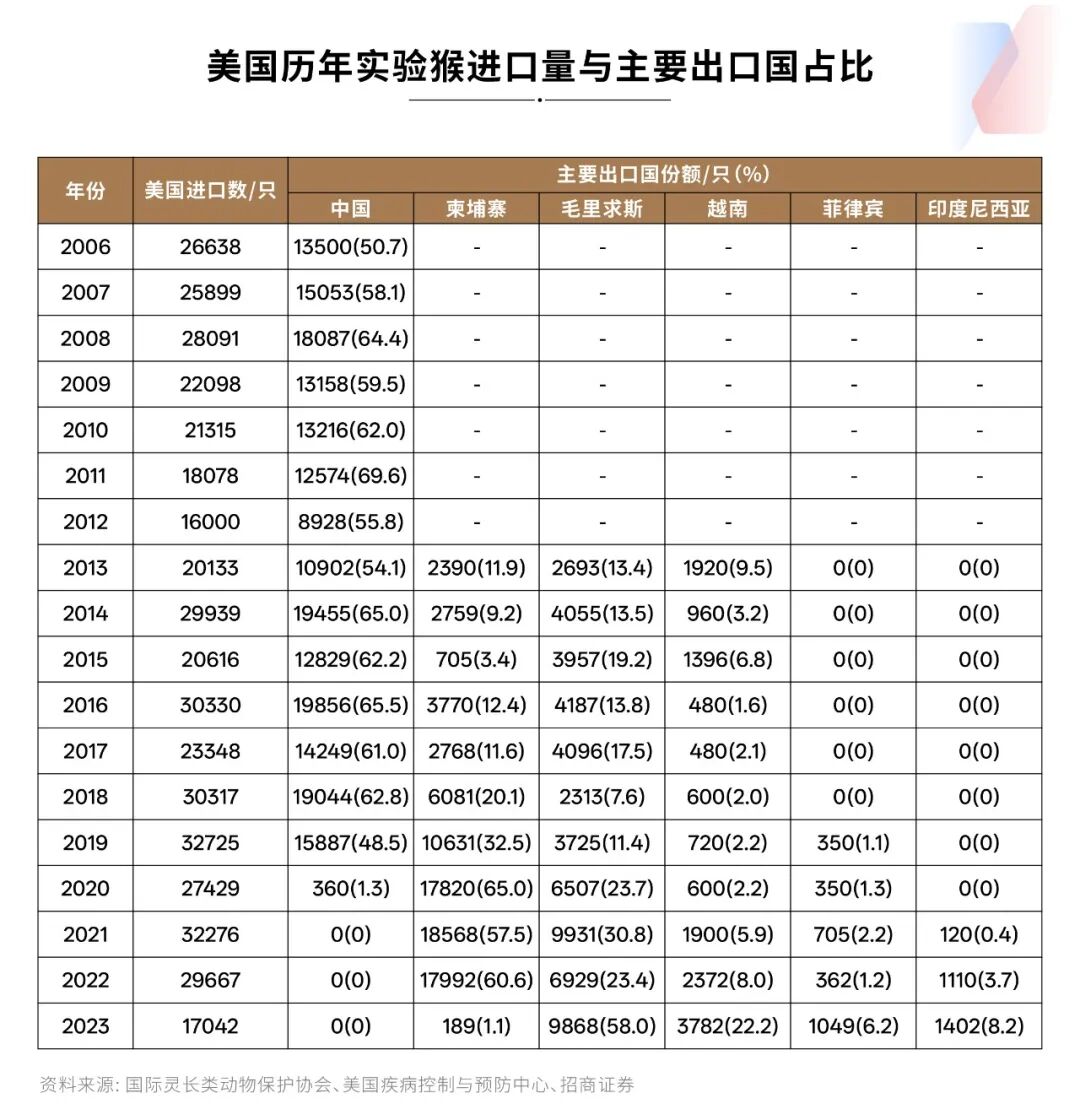
Core Viewpoint - The price of non-human primates, particularly the crab-eating macaque, has surged significantly, with prices rising from over 90,000 yuan to 120,000 yuan in just two months, indicating a budget shortfall of over 1 million yuan for companies seeking to purchase these animals for drug safety evaluations [2][4][6]. Price Trends - The price of crab-eating macaques has experienced a dramatic increase, with a 30% rise recently, following a previous peak of over 200,000 yuan in 2022, and a subsequent drop to a low of 65,000 yuan [2][4]. - Industry experts predict that the price will fluctuate between 70,000 yuan and 150,000 yuan over the next two to three years [2][4]. Supply and Demand Dynamics - There is a notable shortage of available macaques, with many companies struggling to find suitable sources despite the rising prices [4][17]. - The demand for crab-eating macaques has surged, with usage in domestic laboratories increasing from 18,140 in 2017 to 28,026 in 2019, a growth of 54.5% [11]. - The annual supply-demand gap for crab-eating macaques in China is estimated to be around 10,000 animals, with a significant focus on maintaining a balanced ratio of male to female macaques for breeding purposes [17]. Industry Structure and Challenges - The breeding cycle for crab-eating macaques is lengthy, taking approximately six to seven years from birth to maturity, which complicates the ability to meet rising demand [12][14]. - The concentration of resources among leading Contract Research Organizations (CROs) has further limited the availability of macaques, as these companies have acquired a significant portion of the existing supply [16][17]. - The current market dynamics have led to a stagnation in the breeding of macaques, with many companies opting to sell available macaques rather than invest in breeding programs [14][16]. Regulatory and Ethical Considerations - Recent developments in the U.S., where the CDC plans to halt all internal research involving monkeys, have sparked discussions about the future of animal testing in biomedical research [21][22]. - The reliance on non-human primates for critical research underscores the ethical dilemmas faced by the industry, as the demand for innovative therapies continues to grow [21][23].
创新药遭遇“窜天猴”:两个月大涨30% 1只实验猴卖12万元 仍“有价无猴” 国内年缺口约1万只
Mei Ri Jing Ji Xin Wen· 2025-12-01 14:27
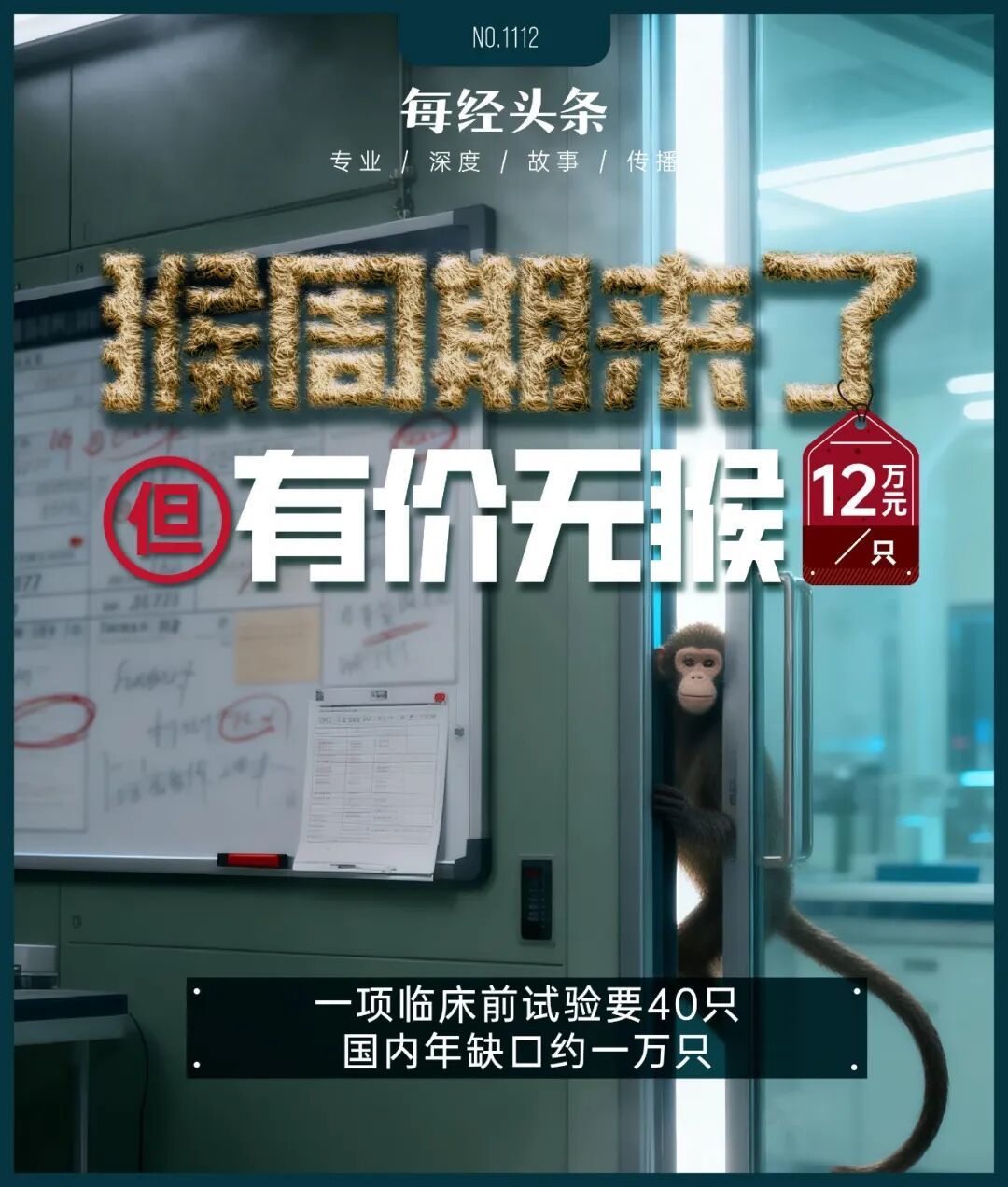
Core Insights - The price of the crab-eating macaque has surged above 100,000 yuan, marking a significant increase of over 30% from previous levels, leading to a budget shortfall of more than 1 million yuan for companies [1][3] - The supply of macaques is critically low, with many companies struggling to find suitable sources despite the rising prices, indicating a "monkey price upcycle" [1][3] - The demand for macaques is expected to remain high, with estimates suggesting prices will fluctuate between 70,000 and 150,000 yuan over the next two to three years [2][4] Price Trends - The price of crab-eating macaques has seen a dramatic increase, with historical data showing a 14-fold rise over the past seven years, particularly after 2017 when prices began to escalate [3][4] - The peak price reached 200,000 yuan in 2022, but has since stabilized around 100,000 yuan, still significantly impacting the budgets of pharmaceutical companies [4][10] Supply and Demand Dynamics - The current supply of macaques is insufficient to meet the growing demand, with an estimated annual shortfall of about 10,000 macaques in China [12] - The breeding cycle for crab-eating macaques is lengthy, taking approximately six to seven years from birth to maturity, which complicates the ability to quickly respond to market demands [10][12] - Major Contract Research Organizations (CROs) have begun acquiring macaque breeding facilities, further constraining the available supply for smaller companies [12] Industry Implications - The rising prices and supply shortages are creating a challenging environment for pharmaceutical companies, which rely on macaques for critical preclinical safety evaluations [4][10] - The ongoing demand for innovative drug development, particularly in areas like antibody drugs and gene therapy, underscores the importance of macaques in the research process [10][12] - The situation is exacerbated by the recent news of the CDC in the U.S. halting internal research involving monkeys, raising concerns about the future of animal research and its implications for drug development [13][14]