有色金属矿采选业

Search documents
五矿资源(1208)即时点评:2025年财报公布,量价齐升带来利润增长
Guoyuan Securities2· 2026-03-04 12:56
Core Insights - The report highlights that Minmetals Resources (1208.HK) achieved strong financial performance in 2025, with revenue reaching $6.218 billion, a 39% increase from 2024, and net profit after tax rising to $955 million [1][2]. Group 1: Financial Performance - The significant growth in 2025 was driven by increased production of core metals and rising commodity prices, with copper production up 27%, zinc up 6%, gold up 22%, and silver up 17% [2]. - Operating cash flow reached a record high of $2.690 billion, representing a 67% year-on-year increase, which significantly improved the company's balance sheet [2]. Group 2: Asset Performance - The Las Bambas mine played a crucial role in the company's performance, with copper concentrate production reaching 410,800 tons, a 27% increase, contributing $2.831 billion in EBITDA, a 78% year-on-year growth [3]. - The Khoemacau expansion project commenced in February 2026, aiming to increase annual production capacity to 130,000 tons of copper concentrate and over 4 million ounces of silver [3]. Group 3: Challenges and Risks - Despite strong overall performance, certain assets faced challenges, such as a $290 million impairment at the Kinsevere mine due to cobalt export quotas and power supply issues [4][5]. - Ongoing tax disputes with the Peruvian tax authority and delays in the acquisition of Anglo American's Brazilian nickel business due to extended EU review processes present potential risks [5]. Group 4: Investment Strategy - 2025 is viewed as a year of value reassessment for Minmetals Resources, transitioning from a high-leverage state to a more stable cash-generating entity, with a significant reduction in leverage and improved cash levels [6]. - The focus is on the company's core asset stability, effective debt reduction, and clear expansion pathways, suggesting long-term investment value despite short-term market sentiment fluctuations [6].
上期有色金属指数解析:期货指数与股票指数有何差异?
申万宏源金工· 2026-03-04 07:31
Group 1 - The core viewpoint of the article emphasizes the recovery of the manufacturing sector, which boosts expectations for the industrial non-ferrous metals market, driven by policy support and improved supply-demand structure [1][2] - The Ministry of Industry and Information Technology, along with seven other departments, issued a work plan for the non-ferrous metals industry, targeting an average annual growth of around 5% in industry value added and a breakthrough of 20 million tons in recycled metal production by 2025-2026 [1][3] - The industrial non-ferrous metals inventory remains low, with LME copper and aluminum stocks at historical lows, supporting price stability amid a cyclical economic recovery [4][5] Group 2 - Prices of copper and aluminum have been on the rise over the past three years, reflecting a significant recovery in the industrial non-ferrous metals market, driven by increased demand from overseas manufacturing and infrastructure investments in emerging economies [5][11] - The rapid development of emerging industries, such as industrial and service robots, is driving demand for key materials like aluminum and copper, with domestic industrial robot production expected to grow by 38.95% year-on-year in 2025 [8][11] - The expansion of the new energy vehicle industry is also contributing to the rising demand for aluminum and copper, with production expected to increase by 23.26% year-on-year in 2025 [11][14] Group 3 - The Shanghai Futures Exchange's non-ferrous metals index differs fundamentally from stock indices, as it tracks the prices of standardized futures contracts for metals like copper and aluminum, reflecting direct supply-demand relationships [17][20] - The futures index is based on a limited number of metal contracts, ensuring it effectively represents the core non-ferrous metals sector, while stock indices include a broader range of companies across the non-ferrous metals industry [18][22] - The futures index's performance is closely tied to commodity price fluctuations, while stock indices are influenced by a variety of factors, including company performance and market sentiment [38][40]


未知机构:三月金股华锡有色乘政策东风打造关键战略金属平台剑指十五五-20260304
未知机构· 2026-03-04 03:05
Summary of Key Points from the Conference Call Company and Industry Overview - The conference call focuses on Huaxi Nonferrous Metals, the only state-owned listed platform for nonferrous metals in Guangxi, China, which is positioned to benefit from the "14th Five-Year Plan" for key minerals in Guangxi [1][2]. Core Insights and Arguments - **Strategic Resource Platform Development**: Huaxi aims to create a strategic resource platform for key metals such as tin, antimony, tungsten, germanium, gallium, and indium, with a target to double resource volume and production by the end of the 14th Five-Year Plan [1]. - **Formation of Key Metals Group**: The establishment of the Key Metals Group, with Huaxi as an indirect controlling shareholder, is expected to enhance management and operational efficiency. The group is under the jurisdiction of the Guangxi State-owned Assets Supervision and Administration Commission [2]. - **Investment Plans**: For 2026, Huaxi plans to invest approximately 1.67 billion yuan (around 0.24 billion USD) in fixed assets, including safety, environmental protection, technological upgrades, equipment renewal, and infrastructure [3]. Resource Potential and Production Capacity - **Tin and Antimony Resources**: - The company has significant tin resources, with mining areas covering 168 square kilometers, including the Cuoping Mine (15.78 square kilometers) and the Gaofeng Mine (approximately 2.2 square kilometers). Current tin production is around 7,000 tons, with expectations to increase to approximately 9,000 tons by 2027-2028 due to expansion projects [4]. - Antimony resources are also substantial, with current production around 7,000 tons, projected to rise to 10,000 tons, and potentially reach over 15,000 tons with the addition of the Wujin Antimony Mine [4]. Market Dynamics and Price Trends - **Tin Price Outlook**: The tin market is experiencing a bullish trend due to supply disruptions and low inventory levels. Factors such as slow recovery in Myanmar, regulatory changes in Indonesia, and restrictions on artisanal mining in the Democratic Republic of Congo are contributing to this upward price movement [4]. - **Antimony Export Demand**: A temporary relaxation of export policies for antimony is expected to boost demand, although the strategic nature of antimony as a resource remains emphasized. The potential for price increases is supported by ongoing replenishment needs in overseas markets [4]. Additional Important Insights - **Integration of Resources**: The company is poised to leverage the significant potential for resource integration in Guangxi, which is expected to enhance operational capabilities and market positioning [3]. - **Management Structure**: The leadership of the Key Metals Group largely mirrors that of Huaxi, indicating continuity in management and strategic direction [2].

洛阳钼业:公司在刚果(金)的业务范围覆盖铜、钴矿石的勘探、开采、提炼、加工和销售
Zheng Quan Ri Bao Wang· 2026-03-02 11:12
Group 1 - The core business of the company in the Democratic Republic of Congo includes exploration, mining, refining, processing, and sales of copper and cobalt ores [1] - The company possesses a complete set of processes and technologies from mining to processing [1] - The main products of the company are cathode copper and cobalt hydroxide [1]

有色金属行业ESG白皮书
荣续智库· 2026-03-02 09:25
Investment Rating - The report does not explicitly provide an investment rating for the colored metal industry. Core Insights - The colored metal industry plays a crucial role in national economic development and faces multiple ESG challenges, necessitating a focus on sustainable practices and high-quality development [4][6][7]. - The report emphasizes the importance of ESG performance in the colored metal industry, highlighting the need for improved disclosure and addressing core ESG issues [7][10]. - The industry is experiencing significant growth, with China's production of major metals accounting for 58% of global output, indicating its dominant position in the market [27][30]. Summary by Sections Section 1: Overview of the Colored Metal Industry - The colored metal industry includes the mining, smelting, and processing of non-ferrous metals such as copper, aluminum, lead, zinc, nickel, tin, and rare earth elements, which are vital to the national economy [15][20]. - The industry is characterized by a clear value chain, with upstream activities involving resource extraction and energy supply, while downstream activities focus on manufacturing and recycling [32][36]. Section 2: ESG Development in the Colored Metal Industry - The report identifies key ESG issues that the industry must address, including environmental impact, social responsibility, and governance practices [7][10]. - It highlights successful ESG practices from leading companies like Zijin Mining and China Aluminum, which serve as benchmarks for others in the industry [7][66][68]. Section 3: Leading Companies in the Colored Metal Industry - Zijin Mining is recognized as a benchmark enterprise in the industry, with significant copper production and a commitment to sustainable practices [66][67]. - China Aluminum is noted for its substantial production capacity and efforts in green transformation, controlling 20% of global alumina production [68][70]. - Huayou Cobalt is highlighted as a key player in the battery materials sector, demonstrating strong market penetration and innovative practices [70]. Section 4: Development Trends in China's Colored Metal Industry - The industry is undergoing structural changes characterized by a shift towards high-quality development, increased focus on ESG compliance, and technological innovation [67][73]. - The report indicates that the demand for colored metals, particularly in the renewable energy sector, is expected to grow significantly, driven by the rise of electric vehicles and other technologies [27][30].




上期有色金属指数解析:期货指数与股票指数有何差异?
Shenwan Hongyuan Securities· 2026-03-02 08:43
1. Report Industry Investment Rating - The report does not explicitly mention the industry investment rating. 2. Core Viewpoints of the Report - The non - ferrous metals industry is experiencing a recovery in prosperity, driven by policies that promote stable growth and optimize the supply - demand structure [2][7]. - The supply and demand of industrial non - ferrous metals are in a tight balance, with prices likely to rise and difficult to fall [2]. - The Shanghai Futures Exchange Non - ferrous Metals Futures Price Index (IMCI.SHF) is different from mainstream non - ferrous stock indices in terms of compilation, return, risk sources, and correlation, and has good asset allocation value [2]. 3. Summary According to the Directory 3.1 Manufacturing Repair Boosts Cyclical Expectations, and Industrial Non - ferrous Metals Rebound Strongly - **Policy - driven industry growth and supply - demand optimization**: In August 28, 2025, eight departments including the Ministry of Industry and Information Technology issued the "Work Plan for Stable Growth of the Non - ferrous Metals Industry (2025 - 2026)", aiming to increase the industry's added value by about 5% annually and the output of recycled metals to over 20 million tons, which will improve the supply - demand structure and enhance industrial resilience [7]. - **Low inventory and production recovery**: The global inventories of LME copper and aluminum are at a low level. The low inventory and cyclical production recovery will support non - ferrous metal prices and boost industry expectations [9]. - **Rising prices and industry recovery**: In the past three years, the prices of LME copper and aluminum have been rising, driving up the overall price of industrial non - ferrous metals. The recovery of overseas manufacturing and infrastructure investment in emerging economies has increased demand, while supply constraints and low inventory have strengthened price increases [11]. - **Emerging industries drive demand**: The rapid development of emerging industries such as industrial and service robots, and new energy vehicles has increased the demand for aluminum and copper. In 2025, the production of domestic industrial robots increased by 38.95% year - on - year, service robots by 76.64%, and new energy vehicles by 23.26% [14][17]. 3.2 Shanghai Futures Exchange Non - ferrous Metals Index: A Non - ferrous Futures Index Different from Stock Indices - **Differences in compilation schemes**: The Shanghai Futures Exchange Non - ferrous Metals Futures Price Index tracks "commodity prices", while non - ferrous stock indices track "enterprise value changes". The differences are reflected in the underlying assets, sample selection, weight determination, and operation mechanisms [21][23]. - **Compilation details**: The index selects six non - ferrous metal futures varieties. Weights are determined by the average monthly holding amount in the past five years, with a lower limit of 8% and an upper limit of 60%. It uses the "continuous three - month contract" method for contract selection and rolling, and sets a rolling window to ensure a smooth transition [34][35][40]. - **Latest positions**: The Shanghai Futures Exchange Non - ferrous Metals Index is a typical commodity portfolio concentrated on six industrial metal futures contracts. Non - ferrous stock indices are stock investment portfolios with relatively dispersed weights [45]. 3.3 Non - ferrous Futures Index: Significant Differences in Return and Risk Sources Compared with Stock Indices, and Low - Correlation Assets Help Diversify Portfolio Risks - **Differences in return and risk sources**: The rise of the futures index is directly driven by the increase in spot prices, with a simple and transparent return structure. The rise of the stock index is affected by multiple factors, and the return source is complex and indirect. The futures index is directly exposed to commodity price risks, while the stock index has more diversified risks [50][51]. - **Historical performance**: In the long - term, the Shanghai Futures Exchange Non - ferrous Metals Index has a higher annualized return, lower annualized volatility, and smaller maximum drawdown compared with other non - ferrous stock indices and major broad - based indices. It shows different market trends from the A - share market and non - ferrous stock indices, and can play a role in risk diversification [52][55]. - **Low correlation and asset allocation value**: The futures index has a weak correlation with non - ferrous stock indices and A - share broad - based indices. Adding it to a traditional stock - bond portfolio can effectively reduce overall portfolio volatility and provide a source of income during a bear market [63][64].
宏达股份20260226
2026-03-01 17:23
Summary of Hongda Co., Ltd. Conference Call Company Overview - **Company**: Hongda Co., Ltd. - **Project**: Duolong Copper Mine Key Points Project Financing and Ownership Structure - Hongda plans to introduce a platform company from the Ali region to acquire a 10% to 15% stake in the Duolong Copper Mine, which will dilute Hongda's ownership to 25.5% to 27% [2][4] - The dilution is expected to be finalized in 2026, preferably before the issuance of the mining license [2][4] Mining License Progress - The mining license application is progressing well, with material pre-review completed in 2025 and no substantial obstacles identified [5] - The core issue is negotiating the "优开股比" (preferred opening share ratio), which must be settled before the mining license can be issued [5][6] Resource Estimates and Production Capacity - The Duolong mine has estimated resources of 6.9 million tons of copper, 300 tons of gold, and 2,000 tons of silver, with an average copper grade of 0.48% [9] - The initial processing capacity is planned at 75 million tons per year, targeting annual production of approximately 300,000 tons of copper and 8 to 10 tons of gold [9] Cost Structure and Profitability - The estimated total cost for copper production is around 40,000 CNY per ton, with projected net profits from copper alone reaching approximately 12 billion CNY [3][12] - The annual costs for water and electricity are estimated to be around 3 billion CNY, with water costs at about 10 CNY per ton and electricity costs around 1 CNY per kWh [8][12] Construction and Development Timeline - The construction of the mine is scheduled to begin by the end of 2026, with a concentrated construction period from 2027 to 2029, aiming for completion by the end of 2029 [11] - The ramp-up period for production is expected to be relatively short, primarily dependent on equipment availability and commissioning [11] Strategic Partnerships and Local Coordination - Hongda is focusing on building partnerships with local governments and stakeholders to facilitate project development and ensure compliance with regulations [13][15] - The company plans to enhance its workforce by recruiting industry professionals and establishing long-term training partnerships with local universities [13] Future Resource Development and Expansion - Hongda is exploring additional resource opportunities in Tibet, including potential acquisitions of smaller copper projects and partnerships for mineral exploration [15][16] - The company aims to leverage local policies and enhance cooperation with large groups operating in Tibet to expand its business footprint [16] Phosphate Business Integration - The phosphate business will continue to support the company's performance until the Duolong project becomes operational, with plans to stabilize profits through strategic resource acquisitions [14][15] Additional Important Information - The project is included in the "十四五" (14th Five-Year Plan) of the Shudao Group, indicating its strategic importance for future profitability [5][6] - The financing structure includes a capital ratio of approximately 20%, with the remainder funded through loans, expected to be organized by major banks [10]

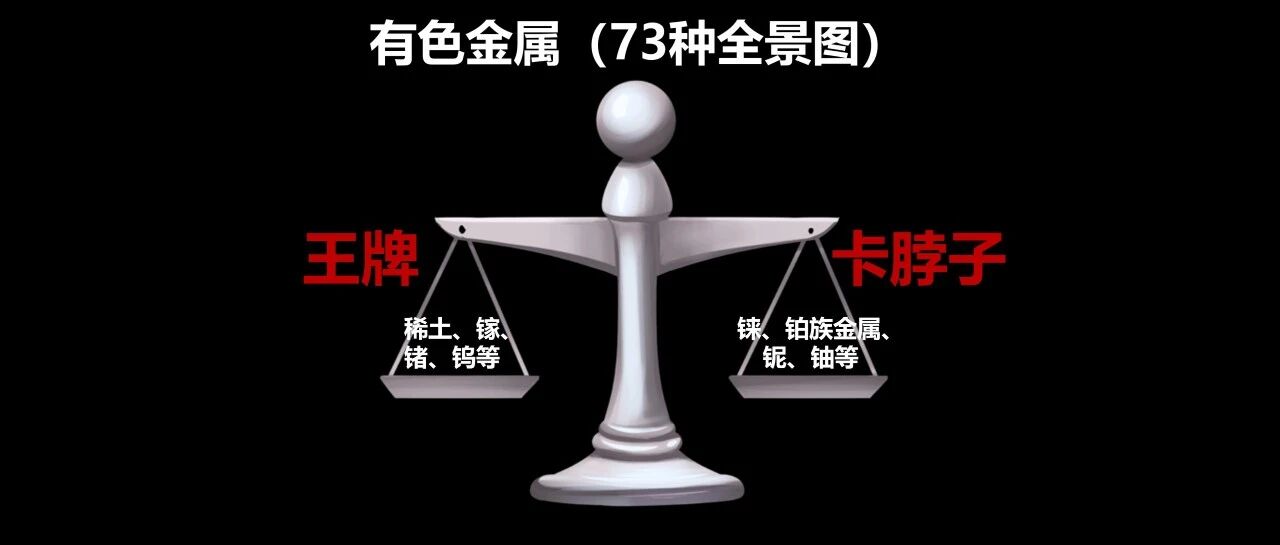
冰与火!中国有色金属的王牌VS卡脖子(部分高度依赖进口):73种有色金属全景图、战略价值与未来机遇梳理
材料汇· 2026-03-01 15:46
Core Viewpoint - The article emphasizes the strategic importance of non-ferrous metals in modern industry, highlighting their role in various sectors such as new energy vehicles, aerospace, and semiconductor manufacturing, and outlines the complete value chain of these metals in supporting China's manufacturing upgrades and technological advancements [3][15]. Summary by Sections 1. Definition and Value of Non-Ferrous Metals - Non-ferrous metals are defined as all metals excluding iron, manganese, and chromium, categorized into five main types based on their industrial applications and properties [5]. - The article proposes a redefinition of these metals using industry labels to better reflect their core value and relevance in modern manufacturing [4]. 2. Types of Non-Ferrous Metals - **Light Metals**: Includes aluminum and magnesium, crucial for lightweight applications in manufacturing, with aluminum projected to reach over 40 million tons in China by 2025, accounting for over 60% of global production [7]. - **Heavy Metals**: Comprises copper, nickel, and cobalt, essential for electrical applications and the backbone of the economy, with copper demand in the new energy sector expected to exceed 25% by 2025 [8]. - **Precious Metals**: Includes gold and silver, recognized as hard currencies and vital for high-end manufacturing, with central banks expected to increase gold reserves by over 1,200 tons in 2025 [9]. - **Rare Metals**: This category includes lithium and rare earth elements, which are critical for high-end manufacturing and military applications, with China holding nearly 50% of global rare earth reserves [10][12]. - **Metalloids**: Such as silicon, which is foundational for the semiconductor and photovoltaic industries, with over 95% of semiconductor chips based on silicon [13]. 3. Role in New Energy and Semiconductor Industries - Non-ferrous metals are identified as essential for the new energy revolution, with lithium, cobalt, and nickel being key materials for batteries, and demand for lithium expected to grow by 25% by 2025 due to the surge in electric vehicle sales [17][19]. - In the semiconductor sector, metals like gallium and germanium are crucial for chip manufacturing, with China controlling over 90% of global gallium and germanium production [27]. 4. Strategic Importance in Aerospace and Military - Non-ferrous metals define the performance limits of aerospace and military equipment, with titanium alloys being essential for aircraft and high-temperature alloys being critical for jet engines [29][30]. - Rare earth elements are vital for military applications, with China dominating the supply of these materials [30]. 5. Economic and Financial Security - Non-ferrous metals are fundamental to national economic stability, with copper being a key material in the electrical system, and gold serving as a hedge against geopolitical risks [34][32]. - The article highlights the importance of uranium and thorium for nuclear energy, which is crucial for achieving carbon neutrality goals [34]. 6. Global Competitive Landscape - China holds significant advantages in the non-ferrous metals sector, including leading positions in rare earths and critical materials for semiconductors, but faces challenges in high-end processing technologies and resource dependencies [36][44]. - The article identifies both strengths, such as the complete supply chain for rare earths, and weaknesses, including high import dependencies for certain critical metals like platinum and cobalt [37][44].
有色金属行业研究:周报:地缘风险溢价推升金属价格,全面看多关键金属
SINOLINK SECURITIES· 2026-03-01 10:45
Investment Ratings - The report indicates a positive outlook for copper, aluminum, and precious metals, suggesting a high level of market activity and potential for growth in these sectors [12][32][59]. Core Insights - The copper market is experiencing a recovery with LME copper prices increasing by 1.99% to $13,259.0 per ton, and domestic copper prices rising by 3.53% to 103,900 CNY per ton, driven by a gradual recovery in production and consumption [13][14]. - Aluminum prices have also seen an upward trend, with LME aluminum prices up by 1.16% to $3,141.5 per ton, supported by a recovery in downstream processing activities [14]. - The gold market remains strong, with COMEX gold prices increasing by 0.92% to $5,296.4 per ounce, influenced by geopolitical risks and increased demand for safe-haven assets [15]. Summary by Sections Copper - LME copper price increased by 1.99% to $13,259.0 per ton, while domestic prices rose by 3.53% to 103,900 CNY per ton [13]. - Copper inventory in major regions increased by 4.56% week-on-week, with a year-on-year increase of 15,560 tons [13]. - The operating rate of copper cable enterprises is expected to rise significantly in the coming weeks as production resumes [13]. Aluminum - LME aluminum price rose by 1.16% to $3,141.5 per ton, and domestic prices increased by 2.76% to 23,800 CNY per ton [14]. - Domestic aluminum rod inventory increased by 1.95 million tons, while the operating rate of aluminum processing industries improved to 57% [14]. - The cost of prebaked anodes is showing positive trends, supporting the overall aluminum production costs [14]. Precious Metals - COMEX gold price increased by 0.92% to $5,296.4 per ounce, with SPDR gold holdings rising by 14.86 tons to 1,101.33 tons [15]. - Geopolitical tensions, particularly involving Pakistan and Iran, are contributing to the volatility and strength in the gold market [15]. - The market is witnessing a strong upward trend in demand for gold as a safe-haven asset amid global uncertainties [15]. Rare Earths - The price of praseodymium and neodymium oxide increased by 4.80%, indicating a bullish outlook for the rare earth sector [33]. - The ongoing supply-side reforms and expectations of more relaxed export policies are expected to enhance demand in the rare earth market [33]. - Companies such as China Rare Earth, Northern Rare Earth, and others are highlighted as potential investment opportunities due to their strong market positions [33]. Lithium - The average price of lithium carbonate increased by 18.35% to 165,000 CNY per ton, driven by supply constraints and increased demand [60]. - The total lithium production for the week rose to 21,800 tons, indicating a slight recovery in output [60]. - The market is reacting to policy changes in Zimbabwe that have halted lithium exports, further tightening global supply [60].


建筑板块哪些标的受益涨价?
GOLDEN SUN SECURITIES· 2026-03-01 08:51
Investment Rating - The report maintains a "Buy" rating for key companies in the sectors of non-ferrous metals, chemicals, steel, and coal [13]. Core Insights - The report indicates that under the backdrop of stable demand and constrained supply, industries such as non-ferrous metals, chemicals, steel, and coal are expected to experience price increases [12][18]. - The macroeconomic environment, geopolitical trade changes, and fundamental constraints in the industry are driving price increases in non-ferrous metals [2][12]. - The report highlights specific companies to focus on, including China Railway Group, China National Chemical Corporation, and Honglu Steel Structure, due to their potential for significant growth and valuation re-evaluation [3][4][12]. Summary by Relevant Sections Non-Ferrous Metals - The report emphasizes that the liquidity cycle, geopolitical trade changes, and fundamental constraints are driving price increases in non-ferrous metals. The expected evolution of the Federal Reserve's interest rate cuts in 2026 provides a liquidity foundation for commodities [2][12]. - China Railway Group is recommended as an undervalued leader in the non-ferrous sector, with significant resource reserves and a projected net profit of 55 billion yuan from resource operations by 2026 [3][21]. Chemicals - The chemical sector is expected to see price increases due to global geopolitical conflicts, improved supply-demand dynamics, and anti-involution policies. China National Chemical Corporation is highlighted for its production capacities and potential profit increases from price rebounds in its products [4][30]. - The report notes that the price of caprolactam has rebounded significantly, indicating a positive outlook for the company's profitability [7][30]. Steel - The steel industry is in a weak balance of supply and demand, with expectations for price increases due to anti-involution policies and a clearer control on supply. Honglu Steel Structure is identified as a key beneficiary of rising steel prices, with a projected 30% increase in steel structure production by 2026 [8][35]. - The report suggests that the company's profitability will improve as steel prices rise, with a target market value of approximately 200 billion yuan by 2026 [35]. Coal - The coal sector is expected to benefit from rising prices due to supply constraints and regulatory measures. North International is highlighted for its significant earnings elasticity in response to coal price increases, with a projected PE ratio of 13x for 2026 [10][38]. - The report indicates that the company's coal trading volume is expected to recover as prices stabilize, contributing positively to overall performance [11][38].