
投资

Search documents
日均成交额剑指3亿元,同类领先!港股央企红利ETF(513910)为何成“香饽饽”?
Mei Ri Jing Ji Xin Wen· 2025-12-08 06:52
Group 1 - The average daily trading volume of the Hong Kong Central State-Owned Enterprises Dividend ETF has exceeded 306 million yuan in the past month, indicating a growing preference for high-dividend assets among large funds [1] - The decline in domestic interest rates, with the 10-year government bond yield in China dropping below 2%, has made traditional fixed-income investments less attractive, prompting a shift towards high-dividend stocks [1] - High-quality assets with a dividend yield of over 5%, such as certain central enterprises in Hong Kong, are becoming increasingly appealing to institutional investors facing lower bond yields [1] Group 2 - The strategy of investing in high-dividend stocks in a low-interest-rate environment mirrors successful practices seen in international markets, such as Berkshire Hathaway's investment in Japanese companies with high dividends [1] - The ongoing disparity in interest rates between China and other countries, along with the persistently low domestic rates, suggests that the demand for stable cash dividend assets will remain strong in the foreseeable future [1] - This trend is characterized as a long-term asset allocation adjustment by large funds in response to the new macroeconomic environment, rather than a temporary market phenomenon [1]
南京国资成立海外资本公司
Zheng Quan Shi Bao Wang· 2025-12-08 03:43
Group 1 - Nanjing Overseas Capital Co., Ltd. has been established with a registered capital of 80 million yuan [1] - The legal representative of the company is Wang Xue [1] - The business scope includes equity investment and information consulting services [1] Group 2 - The company is jointly held by Nanjing Jiangning Economic and Technological Development Group Co., Ltd. and Nanjing New Industry Investment Group Co., Ltd. [1]
今年我国国际收支口径 跨境直接投资逆势向好
Sou Hu Cai Jing· 2025-12-07 16:53
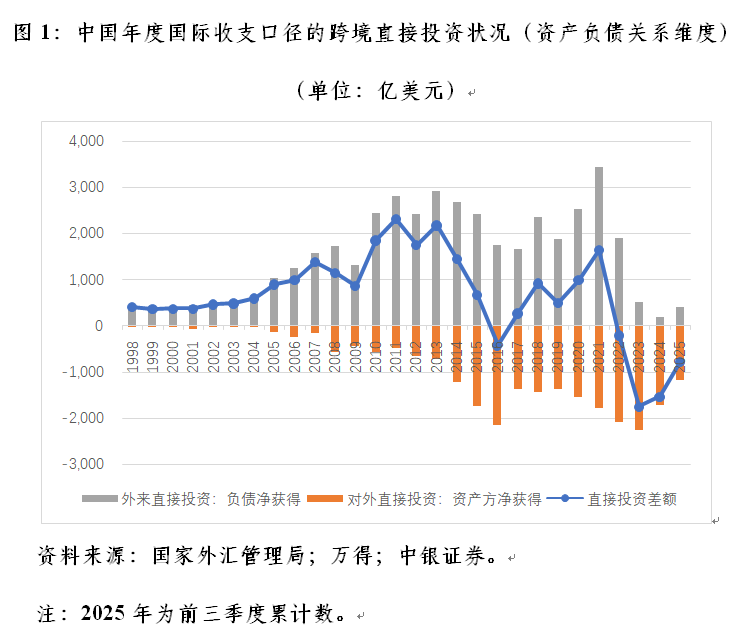
Core Viewpoint - China's industrial enterprises' profits increased by 1.9% year-on-year in the first ten months of this year, reversing the negative growth seen in the first seven months, but still lagging behind the five-year compound average growth rate by 3.0 percentage points [1] Group 1: Foreign Direct Investment Trends - China has experienced significant fluctuations in foreign direct investment (FDI) in recent years, with net inflows decreasing and net outflows increasing since 2022, raising concerns about "de-Chinaization" in global supply chains [1][2] - From 2021 to 2024, China's cross-border direct investment shifted from a surplus to a deficit, with a total increase in deficit of $319 billion, primarily due to a sharp decline in net inflows of foreign direct investment [3][4] - The net inflow of foreign direct investment dropped from $344.1 billion to $18.6 billion between 2021 and 2024, contributing significantly to the overall increase in direct investment deficit [3][5] Group 2: Capital Flow Dynamics - The reversal in capital flows is attributed to a drastic shift in equity investments and inter-company debt relations, with equity investments changing from a net inflow of $148.2 billion to a net outflow of $57.2 billion from 2021 to 2024 [4] - The decline in foreign direct investment net inflows is primarily due to a significant drop in equity investment net inflows, which decreased by 75.8% [5][6] - In 2023, the net inflow of equity investment was $86.9 billion, with a capital increase of $120 billion, indicating a negative gap of $33.1 billion [6][10] Group 3: Government Response and Economic Outlook - The Chinese government has emphasized the need to prevent and mitigate external shocks, focusing on deepening reforms and expanding high-level opening-up [7][8] - Despite external pressures, key economic indicators have performed well, with foreign direct investment net outflows decreasing by 50.8% year-on-year in the first three quarters of this year [8][9] - The improvement in cross-border direct investment is attributed to a reduction in net outflows from inter-company debt and an increase in net inflows from equity investments [9][10] Group 4: Industry Performance - In the first ten months of this year, profits of large-scale industrial enterprises in China grew by 1.9%, although this growth is lower than the five-year compound average growth rate [12][13] - The non-financial outward direct investment from the Ministry of Commerce reached $110.7 billion in the first three quarters, reflecting a year-on-year growth of 4.0%, which is lower than the previous year's growth rate [13]
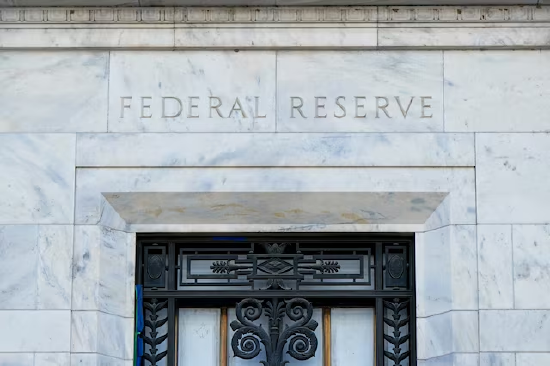
华尔街前瞻:美联储内部分歧聚焦鲍威尔加息指引与反对意见
Xin Lang Cai Jing· 2025-12-07 15:21
美联储下周召开的会议预计将成为数年来争议最大的会议之一。投资者重点关注两方面:一是政策制定 者对 "预期降息" 的分歧程度,二是主席杰罗姆・鲍威尔就未来政策路径释放的信号。 此后,鲍威尔曾表示"12 月降息并非既定事实",这番言论震动市场。由于此前多数投资者已将降息视 为"板上钉钉",该表态公布后,股市回吐了此前涨幅。 骏利亨德森投资公司股票投资组合经理杰里米・巴克利表示,12 月的会议对市场长期走势影响不 大。"短期可能会出现一些波动,但我认为,美联储在 2026 年上半年的政策动作,比 12 月的会议更重 要,"他补充道。 美国联邦公开市场委员会12 名有投票权的成员中,已有 5 人对进一步宽松政策表示反对或质疑,而位 于华盛顿的美联储理事会中,有 3 名成员支持降息。 自 2019 年以来,联储公开市场委员会从未在单次会议中出现 3 票及以上反对的情况;1990 年至今,这 种情况也仅发生过 9 次。 这种分歧使 "反对意见" 成为关注焦点 —— 投资者希望在周二至周三召开的会议上,捕捉美联储政策方 向与内部动态的相关信号。 "美联储的分歧程度似乎达到了很久以来的峰值,分歧具体有多深会非常值得关注,因为 ...

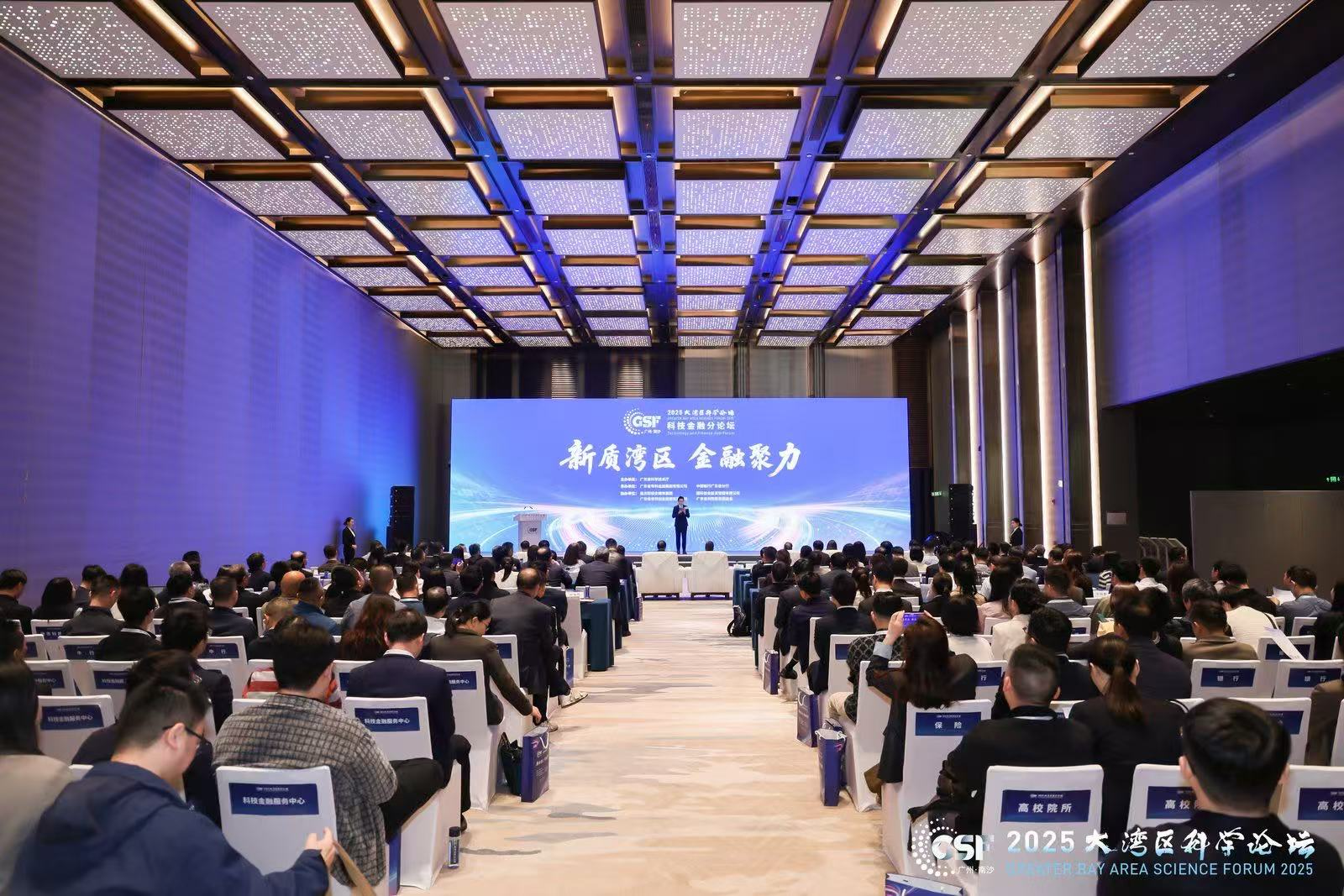
汇聚合力 共谋新篇 2025大湾区科学论坛科技金融分论坛成功举行
Feng Huang Wang Cai Jing· 2025-12-07 13:14
Core Viewpoint - The 2025 Greater Bay Area Science Forum's Technology Finance Sub-Forum emphasizes the importance of integrating technology and finance in the Guangdong-Hong Kong-Macau Greater Bay Area, marking the first time a dedicated forum on this theme has been established [1][3]. Group 1: Government and Institutional Perspectives - The Guangdong Provincial Department of Science and Technology highlights the strategic significance of technology finance, urging financial resources to be directed towards hard technology and early-stage projects to foster innovation breakthroughs [3]. - The Guangdong Provincial Science and Technology Finance Group aims to empower development through venture capital, project-capital matching, and targeted financial supply to support hard technology projects [4]. - The forum is organized by the Guangdong Provincial Department of Science and Technology, with multiple institutions collaborating to enhance the technology finance ecosystem [4]. Group 2: Financial Market Insights - The forum features discussions on how global capital markets can support technological innovation, with insights from representatives of major financial institutions [5]. - Morgan Stanley emphasizes the critical role of capital in enabling technological breakthroughs and aims to provide comprehensive financial services to clients, including technology companies [5]. - The Greater Bay Area is seen as having a unique advantage in establishing a collaborative mechanism among government, industry, research, and finance to accelerate the technology-industry-finance cycle [6]. Group 3: Infrastructure and Product Launches - The forum launched the Guangdong Province Technology Finance Digital Platform, aimed at integrating enterprise innovation capability data to address mismatches between financial and technological resources [8]. - Multiple cooperation agreements were signed, including the "Inclusive Technology Loan" initiative to enhance credit support for technology-driven enterprises [10]. - Strategic partnerships were formed to create a comprehensive service system for technology enterprises, focusing on financial support throughout their lifecycle [13]. Group 4: Insurance and Risk Management - The forum introduced several technology insurance demonstration clauses to enhance service levels and product innovation in the insurance sector, covering key areas such as artificial intelligence and biotechnology [14]. - The role of technology insurance in supporting the entire lifecycle of technological innovation is emphasized, with a focus on aligning with national strategic needs [6]. Group 5: Future Industry Discussions - A roundtable discussion focused on future industries such as quantum technology, biomanufacturing, and hydrogen energy, exploring investment logic and opportunities within the Greater Bay Area [17][20].
管涛:今年我国国际收支口径跨境直接投资逆势向好
Di Yi Cai Jing· 2025-12-07 12:09
Core Viewpoint - In the context of external extreme tariff pressures, China's net outflow of foreign direct investment (FDI) decreased year-on-year in the first three quarters of this year, indicating a potential stabilization in cross-border capital flows despite ongoing global economic challenges [1][14]. Group 1: Trends in Foreign Direct Investment - Historically, China has been a major recipient of foreign investment, but recent years have seen significant fluctuations in FDI due to external pressures and market concerns about "de-Chinaization" and supply chain restructuring [1][2]. - From 2021 to 2024, China's cross-border direct investment shifted from a surplus to a deficit, with a total increase in deficit of $319 billion, primarily due to a sharp decline in foreign direct investment inflows [6][11]. - In 2021, China's direct investment surplus reached a record high of $165.3 billion, but this trend reversed in 2022, leading to significant deficits in subsequent years [4][6]. Group 2: Factors Influencing Investment Flows - The decline in foreign direct investment inflows is attributed to a drastic reduction in equity investments and a reversal in inter-company debt flows, reflecting the impact of interest rate differentials and the yuan's role in cross-border financing [7][9]. - Specifically, equity investment inflows dropped from $300.6 billion to $72.8 billion from 2021 to 2024, contributing 70% to the total decline in foreign direct investment inflows [10][11]. - In contrast, the net outflow of equity investments decreased from $152.4 billion to $130 billion, indicating a stabilization in outward investment [13][23]. Group 3: Recent Developments and Government Response - In the first three quarters of this year, China's cross-border direct investment deficit was $78 billion, a 50.8% decrease year-on-year, largely due to an increase in foreign direct investment inflows and a reduction in outflows [16][19]. - The Chinese government has implemented measures to mitigate external shocks, including deepening reforms, expanding high-level opening-up, and stabilizing key economic indicators [14][16]. - The net inflow of foreign direct investment turned positive in the first three quarters, with a significant increase in inter-company debt flows and equity investments, suggesting a potential recovery in foreign investment sentiment [21][22].
重庆市委书记会见了高瓴张磊和企业家代表
母基金研究中心· 2025-12-07 09:05
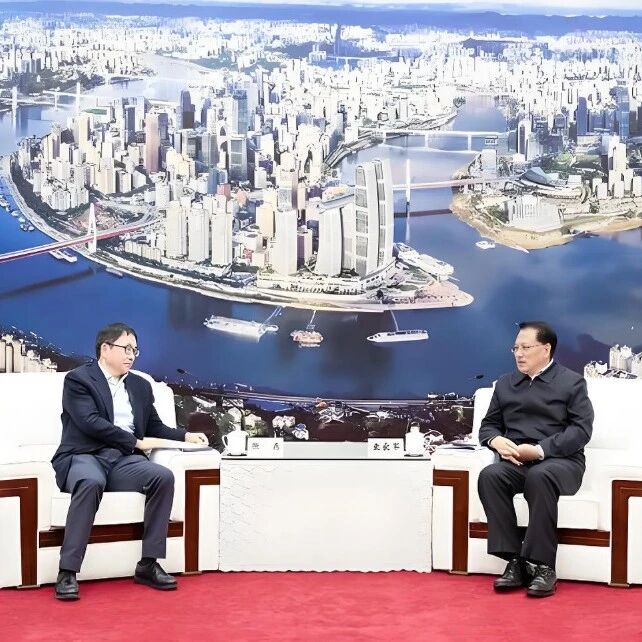
12月4日下午, 重庆市委书记袁家军,市委副书记、市长胡衡华会见了高瓴投资创始人兼首席 执行官张磊和企业家代表 。重庆市领导刘尚进、郑向东参加。 袁家军代表重庆市委、市政府对各位嘉宾来渝表示欢迎。袁家军说,重庆是全国辖区面积和人 口规模最大的城市,工业基础坚实,创新资源集聚,国际性综合交通枢纽地位突出,城市宜居 宜业宜游,发展空间十分广阔。当前,全市上下正深入学习贯彻党的二十届四中全会精神,聚 焦做实"两大定位"、发挥"三个作用",按照市委六届八次全会部署,谋深谋实"十五五"时期 重庆经济社会发展时间表、任务书、路线图,坚持创新驱动构建现代化产业体系,全面增强内 陆开放综合枢纽功能,强化数智赋能积极探索超大城市现代化治理新路子,着力推进绿色低碳 转型发展,持续营造市场化、法治化、国际化一流营商环境,加快打造国家区域发展新的增长 极和动力源。希望广大企业抢抓"十五五"时期重庆发展新机遇,进一步了解重庆、投资重庆、 深耕重庆,在服务落实国家重大战略中找准合作切入点、发力点,持续深化与重庆在构建先进 制造业产业集群、打造人工智能应用高地、扩大高水平对外开放等领域务实合作,努力实现高 水平互利共赢。 张磊和企业家代表 ...
上海国际金融中心一周要闻回顾(12月1日—12月7日)
Guo Ji Jin Rong Bao· 2025-12-07 05:38
Group 1 - Shanghai aims to accelerate the construction of "five centers" to enhance its status as an international economic and financial center, focusing on the internationalization of the RMB and the development of an offshore financial system [1][2] - The Shanghai financial system is committed to high-quality development, aligning with the spirit of the 20th National Congress of the Communist Party of China, emphasizing the importance of financial support for national modernization [3] - A series of financial service activities for small and micro enterprises in Shanghai has been successfully held, promoting access to financing and sharing relevant financial tools and policies [4] Group 2 - The Shanghai Municipal People's Congress is soliciting public opinions on the draft regulations for the development of offshore bond business in the Pudong New Area, indicating a push for regulatory clarity in this sector [5] - The People's Bank of China has issued a notice to upgrade the functions of free trade accounts in the Shanghai Free Trade Zone, aiming to facilitate cross-border capital flows and support the construction of international financial and trade centers [6] - The Shanghai Financial Technology International Forum highlighted Shanghai's rise to the second position in the Global Fintech Center Development Index, with a fintech industry scale exceeding 440 billion yuan [7][8] Group 3 - The China Construction Bank held a "dual empowerment" event to support enterprises going global, providing strategic planning and financial solutions to facilitate international business [9] - HSBC announced a $1.5 billion credit facility to support technology innovation enterprises in mainland China, marking a significant investment in the sector [10] - A satellite internet financial service matrix was launched in Shanghai, aiming to create a comprehensive financial ecosystem for the satellite internet industry [11] Group 4 - The 19th Shanghai Investment and Financing Fair concluded with nearly 400 enterprises receiving targeted financial matchmaking services, showcasing the effectiveness of localized financial support [12][13] - The Shanghai Financial Industry Association held its second council meeting, discussing key projects related to the construction of the international financial center [14] - New green finance initiatives have been introduced, allowing for optimized management of cross-border financing for green development projects [15] Group 5 - The first inter-institutional REITs project for industrial plants was successfully established in Shanghai, expanding the asset range for institutional REITs and providing new financing channels for local state-owned enterprises [19] - Four private equity investment institutions successfully issued technology innovation bonds, demonstrating the growing diversity of investors and the effectiveness of risk-sharing tools [20] - The National Financial Regulatory Administration has adjusted risk factors for insurance companies, encouraging greater support for foreign trade enterprises [21][22]
海通并购资本陈超:并购市场升温,投资聚焦产业赋能与新质生产力
Sou Hu Cai Jing· 2025-12-07 03:51
新质生产力、硬科技将成为核心主线 "春江水暖鸭先知。"陈超用这句话形容投资机构对市场温度的敏锐感知。他表示,并购六条新规发布 后,市场已步入"春天"。除政策的春风外,还有精准施策的春雨,如审核效率提升、融资渠道拓宽(鼓 励并购基金和并购贷款)、估值定价更趋市场化等。2024年9月后,并购活跃度显著提升,交易数量呈 现翻倍式增长,市场在交易方式、领域、规模等方面也呈现"百花齐放"的态势。 陈超认为,与2013至2015年那轮以跨界并购特别是游戏、影视等轻资产领域并购为主,呈现"三高"特征 的浪潮相比,当前市场出现了根本性改善。"当前的并购重组浪潮,主要聚焦在同行业、上下游或者'第 二增长曲线'这三个方面。"在他看来,这与并购六条及后续政策引导的方向高度吻合,使得市场行为更 趋理性和务实。 对于跨界并购,陈超持审慎态度,支持"有逻辑、有协同"的跨界。"并购的难点不在于交易达成,而在 于后续整合。如果仅仅是单纯利润拼凑,很难实现 '1加1大于2'的效果。"他认为,无论跨界幅度大小, 收购方与标的之间需要具备协同基础,如上下游供应商和客户共享、技术和管理效能提升、产业链强链 补链等,才能通过协同赋能实现价值提升。 在 ...