
酒店业

Search documents
消费者苦酒店拖鞋久矣
虎嗅APP· 2025-10-06 03:07
Core Viewpoint - The article discusses the controversy surrounding the use of recycled hotel slippers in high-end hotels, highlighting the disconnect between consumer expectations of cleanliness and the industry's practices of reusing slippers, which has raised hygiene concerns [5][22][24]. Summary by Sections Hotel Slipper Controversy - A Marriott hotel in Changzhou, Jiangsu, was criticized for providing slippers that were worn and had hair on them, raising hygiene concerns among guests [5][22]. - The hotel claimed that the slippers were not labeled as "disposable" and that their practice of cleaning and reusing slippers was standard in the industry, especially among high-end hotels [5][22][28]. Consumer Expectations vs. Industry Practices - Consumers expect clean and comfortable slippers when paying high prices for hotel stays, but many are disappointed to find that slippers are often reused [6][22]. - The article notes that the perception of "disposable" slippers differs between consumers and hotels, with many hotels considering them reusable [26][28]. Hygiene Standards and Regulations - Current regulations do not explicitly require hotels to provide disposable slippers, leading to confusion and varying practices across different establishments [31][32]. - The article mentions that local health authorities are investigating the situation to ensure compliance with hygiene standards [32]. Economic Factors - The cost-saving measures of reusing slippers are highlighted, with high-end hotels potentially saving significant amounts by recycling slippers instead of providing new ones [36]. - The article points out that the economic pressures faced by hotels, including declining revenues and rising operational costs, may drive them to adopt such practices [36]. Consumer Reactions - Many consumers are now taking precautions by bringing their own slippers or using disposable options to avoid hygiene issues [21][37]. - The article concludes that the recent revelations have led to increased skepticism about the cleanliness of hotel amenities, not just slippers but also other items like towels and bedding [36][37].


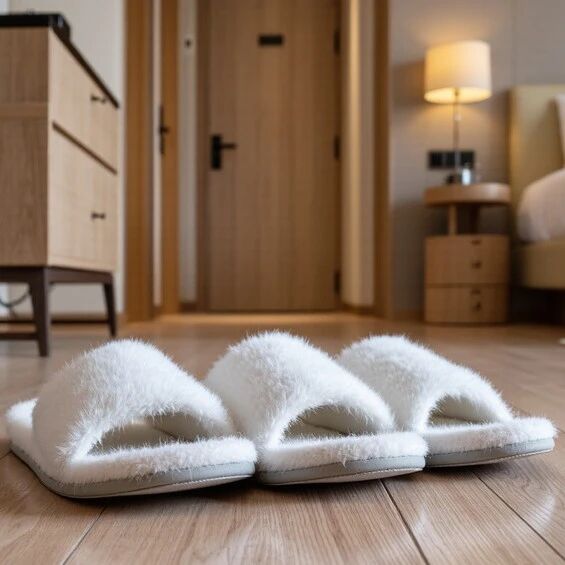
消费者苦酒店拖鞋久矣
Hu Xiu· 2025-10-05 07:30
Core Points - The article discusses the controversy surrounding the use of recycled hotel slippers in high-end hotels, particularly focusing on a recent incident at a Marriott hotel in Changzhou, Jiangsu, where guests found the slippers to be unsanitary and reused [2][23][24]. Group 1: Hotel Practices - The hotel management stated that the slippers are not labeled as "disposable" and that their recycling and cleaning is a standard practice in the industry, especially among high-end hotels [3][24]. - Many hotel staff confirmed that the reuse of slippers has become an internal "unwritten rule," with higher-end hotels opting for cleaning and reusing them [3][32]. - The slippers in question were reported to have pilling and hair from previous guests, raising concerns about hygiene [2][23]. Group 2: Consumer Reactions - Consumers expressed frustration over paying high prices for hotel stays only to receive unsatisfactory and potentially unhygienic slippers [4][36]. - There is a significant disconnect between consumer expectations of cleanliness and the hotel industry's practices regarding slipper reuse [28][34]. - The incident has led to increased skepticism about the hygiene standards of hotels, with consumers questioning the cleanliness of other items like towels and bedding [41][42]. Group 3: Industry Standards and Regulations - The article highlights that current national standards do not explicitly require slippers to be disposable, leading to ambiguity in hotel practices [34][35]. - Local health authorities have begun investigating the situation, emphasizing that if slippers are not marked as disposable, they must adhere to strict cleaning and disinfection protocols [35]. - The article notes that the cost-saving measures associated with reusing slippers can lead to significant savings for hotels, particularly in high-occupancy environments [40].
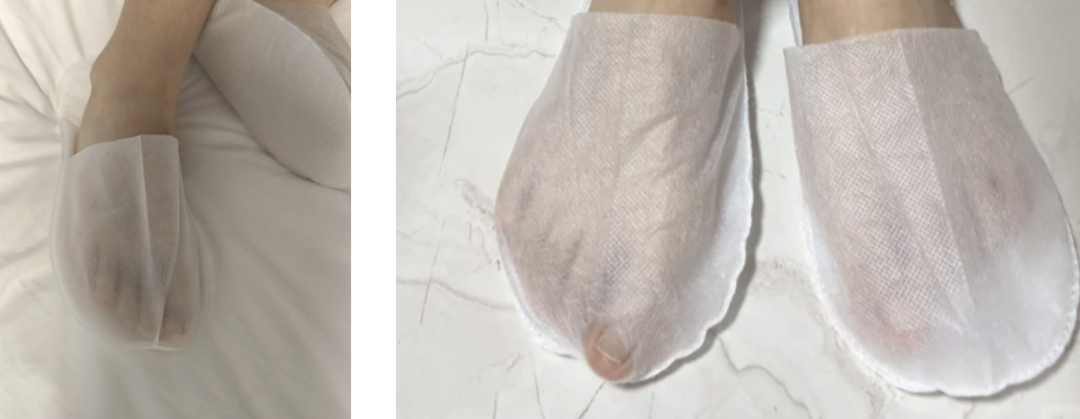
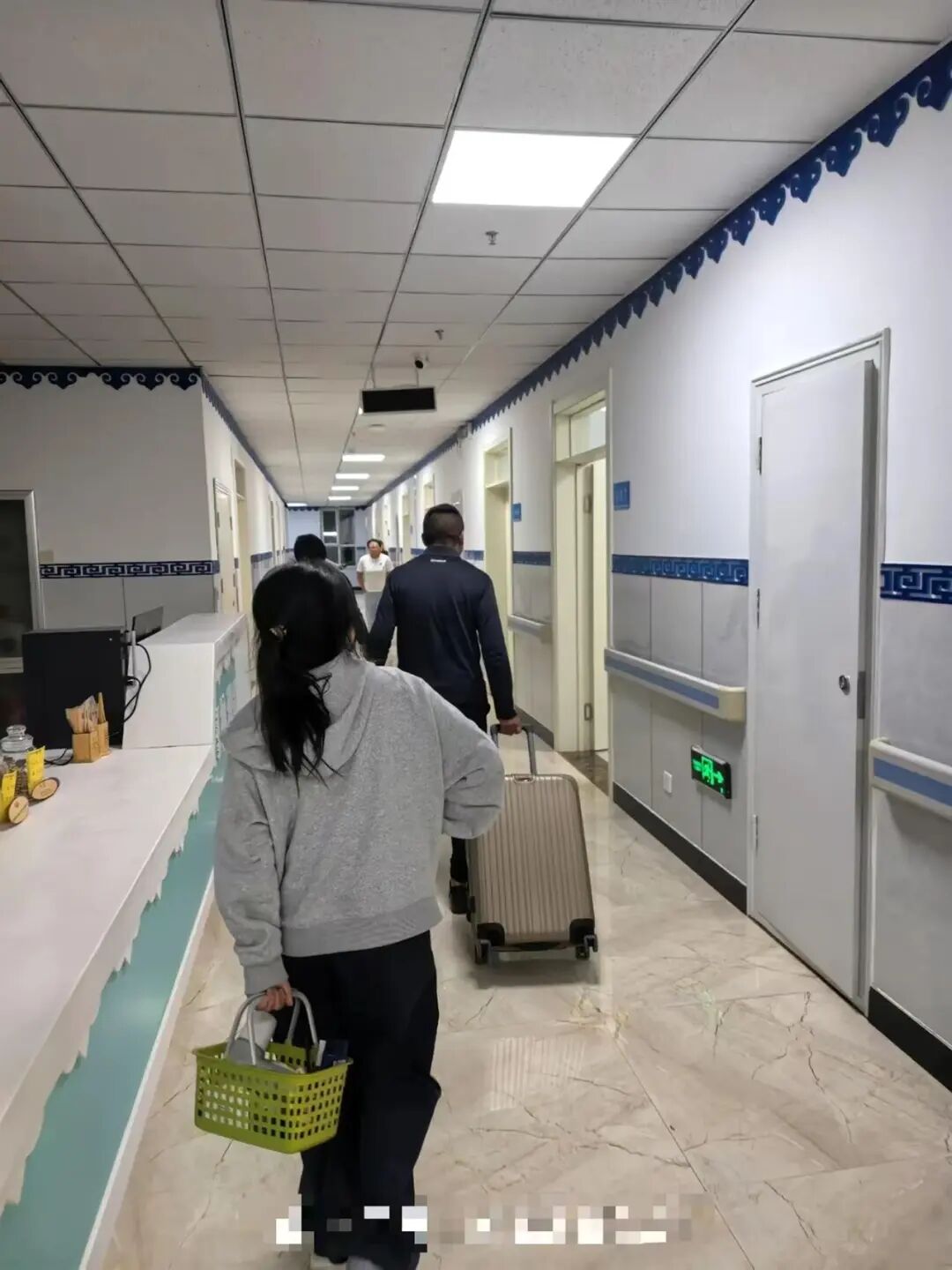
康复医院“客串”宾馆揽客,床位60元,标间300元;当地假期一房难求:经济型酒店1晚超1500元,平时一两百元
Mei Ri Jing Ji Xin Wen· 2025-10-05 03:46
Core Viewpoint - The article highlights the accommodation challenges faced by tourists in Arxan, Inner Mongolia, particularly during the National Day holiday, leading to increased prices and the use of unconventional lodging options such as a rehabilitation center converted into a hotel [1][3][7]. Accommodation Situation - A tourist reported staying in a rehabilitation center due to a lack of available hotels, which were fully booked during the holiday season [1][3]. - The rehabilitation center, while named as a hospital, operates as a wellness facility for the elderly, offering various room types at prices ranging from 60 yuan per bed in shared rooms to 400-500 yuan for suites [3][4]. - The center can accommodate over 200 guests and has available beds despite the high demand in the area [4]. Price Trends - Hotel prices in Arxan have surged, with reports of a Hanting Hotel charging over 1600 yuan for a standard room during the holiday period, making it one of the most expensive Hanting hotels in the country [7][9]. - The pricing strategy is influenced by market demand and historical data, with prices having increased significantly compared to previous years [9][11]. - The local market regulator indicated that the current pricing is based on market adjustments and does not constitute illegal behavior, as long as prices are transparently displayed [11]. Tourist Influx - Arxan, known for its unique geological features and mineral springs, has seen a significant increase in tourist traffic, with 150,000 visitors reported in the first three days of the National Day holiday [13]. - The region's appeal lies in its natural beauty and wellness offerings, contributing to a booming tourism market during peak seasons [13].
新产品来了!“住宿+”提升消费新体验
Zhong Guo Zheng Quan Bao· 2025-10-04 05:25
Core Insights - The hospitality industry is increasingly adopting "accommodation+" models to enhance consumer experience and meet new demands during holiday periods [1][2][3] Group 1: Accommodation+ Initiatives - Various hotels are launching unique "accommodation+" experiences, such as the Shangri-La Hotel in Hohhot offering a "stay + Mongolian robe experience" and the Marriott in Lijiang providing a "stay + intangible cultural heritage woodblock printing experience" [1] - Jinjiang Hotels is promoting "hotel + destination" packages, including a Disney shuttle service at the Shanghai Baolong Radisson Hotel and a maritime-themed room package at the Shanghai Lingang Jinjiang International Hotel [2] - The Ultraman-themed hotel at Shanghai Haichang Ocean Park is experiencing high demand, indicating a shift towards experiential consumption in the hotel sector [3] Group 2: Consumer Trends and Engagement - The transition from traditional accommodation to experiential consumption reflects consumers' pursuit of enhanced quality in their spending [3] - Hotels are integrating various aspects of consumer experience, such as dining, travel, and entertainment, to create a cohesive consumption environment, which fosters stronger emotional connections with customers [3] - Jinjiang Hotels is incorporating unique experiences into its membership system, such as a touring comedy show across 12 cities, enhancing member engagement through experiential offerings [3] Group 3: Policy Support and Industry Growth - The accommodation sector plays a crucial role in stimulating domestic demand and is expected to benefit from supportive policies aimed at high-quality development [4][5] - Future policies are anticipated to focus on diversifying product offerings, revitalizing existing resources, and promoting innovative business models, including the conversion of idle commercial properties into hotels [5] - The push for digitalization and standardization in the accommodation industry is expected to enhance operational efficiency and service quality, leveraging technologies like AI and IoT [5]

国庆假期有民宿涨价10倍
Jing Ji Guan Cha Wang· 2025-10-02 19:24
Core Insights - Hotel prices in major Chinese tourist cities have increased during the National Day holiday compared to late September, with luxury and economy chain hotels experiencing lower price increases than homestays [1][2]. Luxury Hotels - Price increases for luxury hotels during the National Day period were relatively modest, with significant increases noted in Sanya and Hangzhou, while cities like Beijing, Shanghai, Chengdu, and Dalian saw smaller increases. For instance, the price of the first Marriott hotel in Chengdu rose from 608 yuan on September 28 to 1080 yuan by October 3, marking a 77% increase [2]. - The Hilton hotel in Beijing had the lowest price increase, with a rise from 870 yuan on September 28 to 895 yuan on October 1, reflecting a mere 2.87% increase [2]. Homestays - Homestay prices exhibited substantial volatility, with cities like Chengdu, Chongqing, Xi'an, and Dalian seeing dramatic price hikes. For example, a homestay in Dalian increased from 53 yuan on September 28 to 589 yuan by October 1, resulting in a staggering 1011% increase [2]. Economy Chain Hotels - Economy chain hotels also experienced notable price increases, such as the Home Inn in Shanghai, which saw its price rise from 202 yuan on September 28 to 794 yuan by October 1, a 293% increase [3]. - Some hotels displayed a pattern of price adjustments, with the Jinlin Howard Johnson Hotel in Lijiang dropping from 378 yuan on September 28 to 363 yuan on October 1 before rising again to 439 yuan by October 3 [3]. Price Discrepancies - There were significant price differences for the same type of hotel across different cities, exemplified by the Sheraton Resort in Sanya, which had a price increase from 629 yuan on September 28 to 2399 yuan by October 3, while the Hilton Hotel in Lijiang remained lower at 533 yuan during the same period [3]. - Variations in prices for the same room type were also observed across different booking platforms, with discrepancies reaching up to 100 yuan [4].
酒店“明码标价”就能一涨再涨吗
Qi Lu Wan Bao· 2025-10-01 22:24
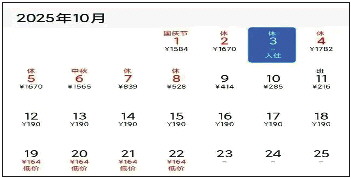
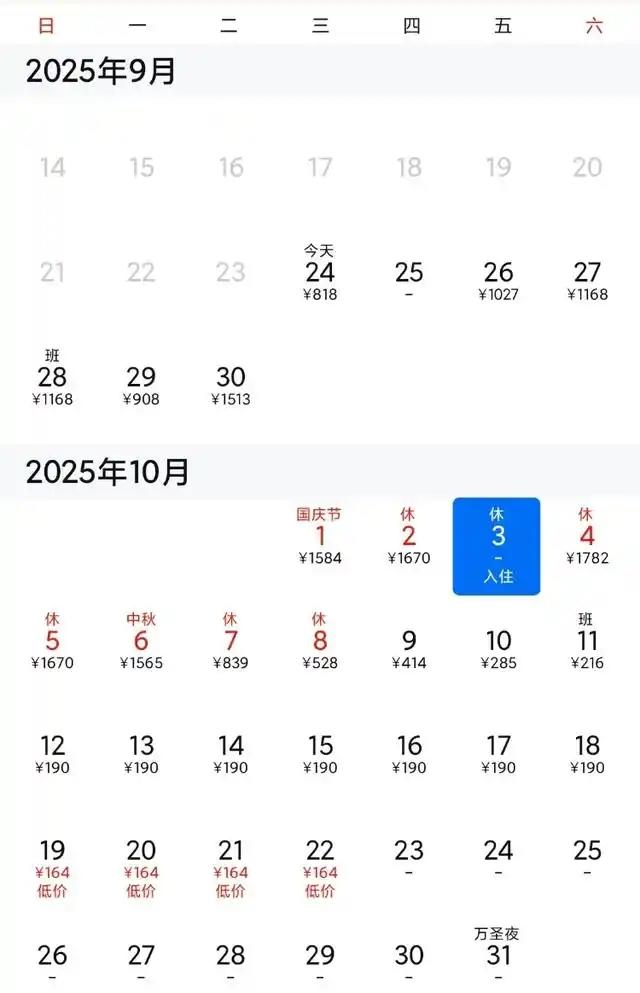
Core Viewpoint - The surge in hotel prices during the National Day and Mid-Autumn Festival has raised concerns among tourists, with some experiencing price increases from 164 yuan to over 1600 yuan for a standard double room, leading to discussions about market regulation and pricing ethics [2][3][4]. Price Trends - Hotel prices in major cities like Beijing, Shanghai, Guangzhou, and Shenzhen have shown an overall upward trend during the National Day holiday, with economic and mid-range brands experiencing double-digit price increases [2]. - A survey indicated that the price of a room that typically costs 160 yuan could rise to 300-400 yuan, which some consumers find acceptable, but jumps to 1600 yuan are seen as excessive [2]. Supply and Demand Dynamics - The increase in hotel prices is attributed to a mismatch between supply and demand, particularly during peak travel periods when demand surges while hotel infrastructure remains relatively fixed [3]. - Consumers are expressing frustration over the high prices, with some altering their travel plans due to the cost [3]. Pricing Regulations and Legal Considerations - Clear pricing does not justify excessive price hikes; if price increases are deemed to constitute "price gouging" or "price fraud," they may violate relevant laws [4]. - Legal experts suggest that reasonable price increases should correlate with operational cost increases and should not significantly exceed the average price increases of similar hotels in the area [4]. Consumer Rights and Actions - Consumers facing unreasonable price hikes are advised to negotiate with businesses or report to consumer protection agencies, and if necessary, pursue legal action [5]. - A specific case was noted where a hotel in Jiangxi raised prices from approximately 90 yuan to around 1000 yuan, leading to an investigation by local market regulators for potential violations of pricing laws [5]. Regulatory Measures - Various regions are exploring targeted pricing regulations to address the issue of price surges during holidays, including a price commitment system that requires hotels to publicly commit to maximum prices ahead of peak seasons [6]. - The Beijing-Tianjin-Hebei region has issued guidelines mandating hotels to clearly display pricing information and prohibiting price increases after booking confirmation [6]. Enhancing Customer Experience - The industry is also focusing on how to provide value to customers despite higher prices, with suggestions for hotels to offer enhanced services or local gifts to improve customer satisfaction [6].
国庆订房遭强制取消,不能让节日变“劫日”
Nan Fang Du Shi Bao· 2025-10-01 18:01
Core Viewpoint - The article highlights the issue of hotels unilaterally canceling pre-booked reservations during the National Day holiday, citing reasons such as "price error" and "insufficient room availability," which has led to significant price hikes for the same room types, often exceeding three times the original price [1][2]. Group 1: Consumer Rights and Legal Framework - Consumers have the right to demand the fulfillment of contracts or seek compensation for losses incurred due to unilateral cancellations by hotels, which constitute fundamental breaches of contract [2][3]. - The legal framework protects consumers once a payment is made, establishing a binding service contract that cannot be altered or canceled without valid evidence of force majeure [1][2]. Group 2: Market Dynamics and Business Practices - The article discusses how some businesses exploit low initial pricing to secure bookings, only to cancel these at a later date when demand increases, thereby maximizing profits at the expense of consumer trust [2][3]. - The behavior of businesses that cancel bookings without just cause is seen as a threat to the foundational principles of a market economy, undermining the rule of law and consumer confidence [2][3]. Group 3: Regulatory and Consumer Advocacy - There is a call for regulatory bodies to intensify oversight of the accommodation market during peak holiday periods to address issues of false advertising and malicious breaches of contract [3]. - Consumers are encouraged to assert their rights and utilize various channels, including media exposure and legal action, to hold businesses accountable for breaches of contract [3].
160涨到1600,“明码标价”的酒店价格就可以一涨再涨?
Qi Lu Wan Bao Wang· 2025-09-30 12:05
Core Viewpoint - The hotel prices have surged dramatically during the National Day holiday, with some hotels increasing their rates by nearly tenfold, raising concerns about price gouging and market regulation [1][3][4]. Group 1: Price Surge Details - A hotel in Inner Mongolia increased the price of a standard double room from 164 yuan to over 1600 yuan during the holiday period [1]. - Data from a survey indicated that hotel prices in major cities like Beijing, Shanghai, Guangzhou, and Shenzhen showed an overall upward trend, with economic and mid-range brands experiencing double-digit percentage increases [3]. - A specific hotel in Jiangxi reportedly raised its room price from around 90 yuan to approximately 1000 yuan, marking an increase of over ten times [5]. Group 2: Market Regulation and Legal Perspectives - Legal experts argue that while "clear pricing" is a basis for compliance, it does not justify excessive price hikes that could be classified as price gouging or fraud under the Price Law [4]. - The criteria for reasonable price increases include cost correlation, market rationality, and the absence of malicious intent [4]. - Local market regulatory bodies are investigating hotels suspected of violating pricing laws, as seen in the case of the Jiangxi hotel [5]. Group 3: Regulatory Measures and Industry Responses - Various regions are exploring price regulation measures, such as requiring hotels to publicly commit to maximum prices during peak seasons [6]. - Initiatives in cities like Harbin include signing integrity agreements with hotels to ensure fair pricing practices and prevent misleading advertising [6]. - The industry is also focusing on enhancing customer experience during peak pricing periods by offering value-added services [7].
落子北京中轴线,华住花间堂拓展高端度假版图
Bei Jing Shang Bao· 2025-09-30 08:54
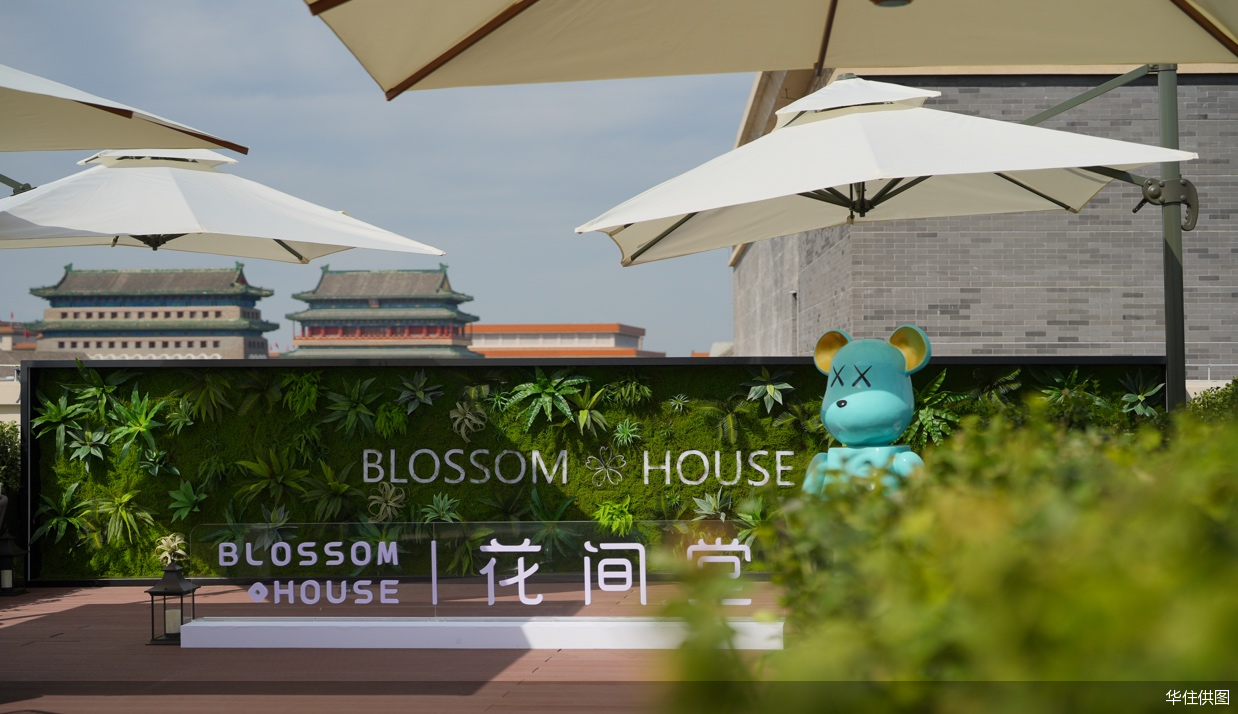
北京商报讯(记者 吴其芸)9月30日,华住集团旗下高端人文度假品牌花间堂北京天安门·御道店正式开业。据悉,酒店坐落于北京中轴线南段,定位高端度 假酒店,将在地文化与现代旅宿深度融合。华住集团公布的数据显示,截至2025年二季度,花间堂品牌在营酒店已近百家、客房近5000间,待开业酒店200 家。 华住集团永乐华住事业部CEO梁尚兵表示,未来,花间堂将继续探索文旅融合的商业路径,通过每一个优质酒店项目,将"文化体验+高端住宿"的模式推向 更广阔的市场。 据介绍,在功能空间上,花间堂北京天安门·御道店延续"一店一特色"的理念,为不同客群提供兼具文化品位与实用价值的体验场景。其中,多功能会议 室"太和"借鉴故宫太和殿"天地和谐"理念,以新中式宫廷风打造商务空间;儿童乐园"堂趣"取材故宫纹样与节气文化,为3—12岁儿童营造沉浸式互动体 验;24小时开放的城市会客厅"怡和"则融合了东方园林与都市社交功能。 ...

十一酒店价格倒挂:小城经济型破千 北京酒店反成“性价比之王”
Xin Jing Bao· 2025-09-30 07:48
小城频现"酒店刺客",供需不平衡导致集中涨价? 国庆长假将至,酒店价格大幅上涨成为游客出行时最为关注的话题之一。家住苏州的小佳原本计划"十 一"假期前往江西景德镇和婺源,但在搜索住宿时发现,当地不少平日三四百元的酒店已涨至一千四五 百元,涨幅高达三四倍。最终,她放弃原计划,转而选择来北京爬长城,"相比之下,北京的酒店十一 期间反倒划算。" "经济型酒店破千"成为今年假期的一大现象。记者在多个在线旅游平台搜索发现,十一期间,伊春、阿 尔山、景德镇等目的地的酒店普遍价格飙升,不少经济型酒店突破千元/晚,而这些酒店平日仅需百元 至三百元。同时,平台数据显示,10月1日至4日,多数房源已满房不可预订。 这背后是小城游在今年十一假期持续井喷。"十一去哪人少"相关搜索热度环比大涨200%。阿尔山、腾 冲、敦煌等地跻身热门小城榜单前列,其中率先迎来秋色的阿尔山以340%的热度涨幅高居榜首。数据 显示,假期酒店提前预订热度增速最高的目的地分别为四川阿坝藏族羌族自治州、内蒙古兴安盟、云南 迪庆藏族自治州、青海海北藏族自治州、黑龙江伊春、宁夏中卫、吉林白山、湖北神农架林区等。 业内人士指出,三四线小城或县域旅游地因接待能力有限, ...