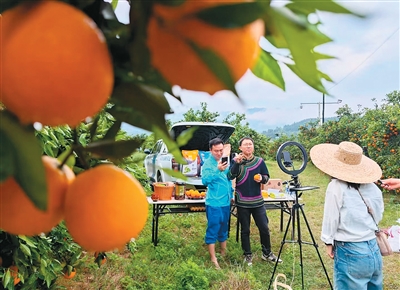
乡村旅游

Search documents
农业农村部:扎实推动乡村游购一体发展
Zheng Quan Ri Bao Wang· 2025-07-29 13:53
Core Viewpoint - The Ministry of Agriculture and Rural Affairs, along with ten other departments, has issued the "Implementation Plan for Promoting Agricultural Product Consumption," which aims to enhance agricultural product consumption as a means to stabilize the economy and improve the livelihoods of citizens [1]. Group 1: Implementation Plan Overview - The plan includes 23 specific measures across 9 areas, focusing on optimizing supply, innovating circulation, and activating market demand to adapt to new consumption trends [1]. - From 2021 to 2024, over 420 billion yuan worth of agricultural products have been purchased and sold from western regions through east-west cooperation, while 160 billion yuan has been facilitated by central designated assistance units for impoverished areas [1]. Group 2: Future Actions - The Ministry will enhance regional cooperation in production and sales, focusing on selecting high-quality agricultural products and promoting market connections through various methods such as negotiations and exhibitions [2]. - The plan encourages the use of various platforms to promote local specialty products and organize online and offline sales activities, aiming to establish stable production and sales relationships [2]. - The initiative will mobilize social forces, including private enterprises and organizations, to increase agricultural product procurement and sales, particularly through tourism and cultural activities in rural areas [2]. Group 3: Rural Tourism Development - Developing rural leisure tourism is seen as a way to activate resources, broaden income channels for farmers, and enhance cultural life, thus creating new consumption scenarios [3]. - The plan will support financial policies, diversify leisure agricultural activities, and promote the integration of agriculture with culture, tourism, and education [3]. - Emphasis is placed on the need for horizontal and vertical collaboration among departments and social entities to effectively implement the plan [3].
泼水狂欢、特色民俗……沉浸式体验激活乡村消费活力
Sou Hu Cai Jing· 2025-07-29 10:51
Core Insights - The rural tourism market is thriving, with immersive experiences like water-splashing festivals attracting visitors [1][10] - The unique geographical features of Ping Shui Village, including a pleasant climate and high forest coverage, make it an ideal summer destination [2][4] - Local ethnic minorities, such as the Gaoshan and She people, enhance the cultural experience through traditional performances and activities [5][6] Group 1: Tourism and Visitor Engagement - The water-splashing activity, rooted in local customs, draws significant crowds, with approximately 10,000 visitors weekly, marking a 15% increase compared to previous periods [10] - The village offers a blend of cultural experiences, including traditional games and food markets, enriching the visitor experience [6][8] Group 2: Economic Impact and Growth - In the first half of the year, Huazhou County received 2.6473 million tourists, a year-on-year increase of 13.4%, generating tourism revenue of 2.403 billion yuan, up 11.3% [14] - Local farmers are leveraging e-commerce to expand their income, selling seasonal fruits and participating in various promotional activities that have generated over 135 million yuan in consumption [12]


贵州贵阳:“香”游香纸沟 “燃”动乡村经济
Zhong Guo Xin Wen Wang· 2025-07-29 10:19
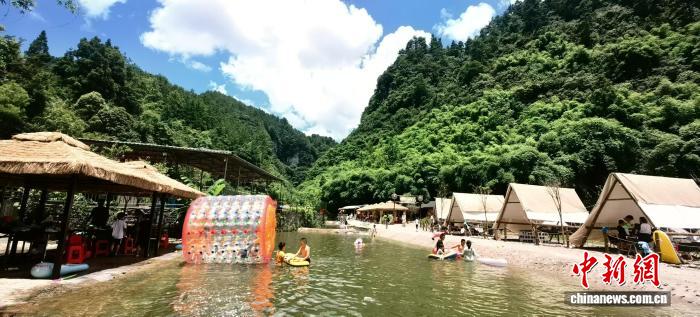
Core Viewpoint - The development of rural tourism in Longjiao Village, Guizhou Province, has significantly increased visitor numbers and generated substantial income for the local community through various activities and projects, including traditional paper-making workshops [2][3]. Group 1: Visitor Statistics and Activities - Since the summer of 2025, Longjiao Village has been receiving an average of 17,000 visitors per weekend [2]. - Visitors engage in various activities such as swimming, fishing, camping, barbecuing, and staying in local accommodations, with traditional paper-making being a popular educational project [1][2]. Group 2: Economic Development and Community Involvement - The village established a fully-owned collective economic company in 2021 to manage idle land and improve infrastructure, which has led to the growth of rural tourism [2]. - The main project in the village attracts over 100,000 visitors annually, contributing more than 300,000 yuan to the village's collective economy each year [2][3]. Group 3: Income and Utilization - The collective income of the village is approximately 1.5 million yuan annually, which is used for maintaining scenic facilities and ensuring environmental hygiene [3]. - The local community has diversified tourism offerings, including barbecuing, camping, educational experiences, and outdoor adventures, leveraging the natural beauty of the area [3]. Group 4: Cultural Heritage and Innovation - The traditional paper-making technique, recognized as a national intangible cultural heritage since 2006, is being preserved and promoted through creative products like paper lanterns and umbrellas [3]. - The representative inheritor of the paper-making technique emphasizes the importance of engaging visitors in enjoyable ways to ensure the transmission of this cultural heritage [3].
(乡村行·看振兴)贵州贵阳:“香”游香纸沟 “燃”动乡村经济
Zhong Guo Xin Wen Wang· 2025-07-29 02:55
Core Insights - The article highlights the growth of rural tourism in the Xinjiaobu Buyei Township of Guiyang, particularly in Longjiao Village, where traditional paper-making and various outdoor activities have attracted a significant number of visitors [1][3][4]. Group 1: Tourism Development - Longjiao Village has seen an average of 17,000 visitors per weekend since the summer of 2025, indicating a robust interest in local tourism [3]. - The establishment of a fully-owned collective economic company by the village has facilitated the development of infrastructure and attracted businesses to enhance rural tourism [4]. - The introduction of diverse tourism activities such as barbecuing, camping, and educational workshops has diversified the visitor experience and increased economic opportunities for local residents [6][7]. Group 2: Economic Impact - The tourism project in Longjiao Village receives over 100,000 visitors annually, contributing to a collective economic income of over 300,000 yuan (approximately 46,000 USD) each year [6]. - The total annual income for the village collective is around 1.5 million yuan (approximately 230,000 USD), which is utilized for maintaining scenic facilities and ensuring environmental hygiene [6]. - The local community has benefited from job creation, with some villagers working in tourism-related businesses while others sell recreational equipment and food to visitors [3][6]. Group 3: Cultural Heritage - The traditional paper-making technique, recognized as a national intangible cultural heritage since 2006, plays a crucial role in attracting visitors interested in cultural experiences [3][7]. - The representative inheritor of the paper-making technique has expanded the offerings to include creative products like paper lanterns and umbrellas, enhancing the cultural appeal of the region [7].
遵义:红土地缀满“生态绿”
Jin Rong Shi Bao· 2025-07-29 02:49
Core Insights - The articles highlight the transformation of rural areas in Guizhou, particularly in Huamao and Goubai villages, driven by government policies and community efforts to enhance agricultural productivity and promote tourism [1][2][3][4][5][6]. Economic Development - Huamao village's GDP is projected to exceed 500 billion yuan in 2024, doubling since 2015, showcasing significant economic growth [1]. - The village has developed a modern agricultural demonstration park with an output value of 5 million yuan, expanding from an initial 30 acres to nearly 500 acres [17]. Agricultural Modernization - The establishment of the "village-community integration" model has led to the formation of a professional vegetable planting cooperative, enhancing agricultural efficiency and productivity [3][4]. - The average output value per acre has increased from 2,000 yuan to over 10,000 yuan over the past decade, indicating a substantial rise in agricultural profitability [3]. Tourism Development - Huamao village has successfully integrated tourism with agriculture, attracting 8.6 million visitors and generating 3.692 billion yuan in tourism revenue over the past decade [5]. - New tourism initiatives include local cultural experiences and activities, such as traditional food preparation and handicrafts, enhancing the village's appeal to visitors [5]. Financial Support and Policies - The local government has implemented various supportive policies, including a 2.5 million yuan fund for agricultural product storage and transportation facilities, to bolster rural economic development [11]. - Since 2024, the local banking sector has provided loans totaling 1.824 billion yuan to support twelve key industries, including agriculture, demonstrating a strong financial commitment to rural revitalization [12]. Ecological and Sustainable Practices - The focus on ecological agriculture and sustainable practices has led to the establishment of a "Du Zhong" (a type of tree) cultivation area, which has become a significant source of income for local farmers [9][10]. - The integration of ecological and economic benefits is emphasized, with local leaders advocating for the transformation of ecological advantages into economic growth [10][14].
村咖热潮涌动 新业态激活振兴动能
Xiao Fei Ri Bao Wang· 2025-07-29 02:40
Core Insights - The rise of rural coffee shops, or "village cafes," is transforming rural development by merging coffee culture with local agricultural products, creating new economic opportunities and enhancing the rural tourism experience [1][5] Group 1: Industry Growth and Impact - Village cafes are rapidly gaining popularity as unique destinations for urban dwellers seeking relaxation and a connection to nature, contributing to rural revitalization [1][2] - In Beijing, as of February 2025, there are 209 village cafes with an annual visitor count of 3.615 million and revenue of 62.96 million yuan, showcasing significant economic impact [2] - In Anji, Zhejiang, over 300 village cafes attract more than 6.15 million visitors annually, generating a distinctive industry scale of 121 million yuan [2] Group 2: Innovative Business Models - Various innovative business models are emerging, such as "village cafe + homestay," which combines accommodation with leisure experiences, enhancing visitor engagement [3] - The "village cafe + farm" model integrates agricultural production with cafe operations, exemplified by a farm in Hangzhou generating over 3 million yuan in annual revenue [3] - The "village cafe + intangible cultural heritage" model incorporates local cultural experiences, enriching the visitor experience while promoting traditional arts [4] Group 3: Challenges and Solutions - The village cafe industry faces challenges such as severe scene homogenization, professional talent shortages, seasonal visitor fluctuations, and high logistics costs [5][6] - Experts suggest that government policies should support village cafes through rent subsidies and tax incentives, while also establishing industry standards to ensure quality [6] - Strengthening regional resource integration and collaboration with local tourism entities can enhance the visitor experience and promote differentiated competition [6]
年中经济观察丨泼水狂欢、特色民俗……沉浸式体验激活乡村消费活力
Yang Shi Xin Wen Ke Hu Duan· 2025-07-28 12:37
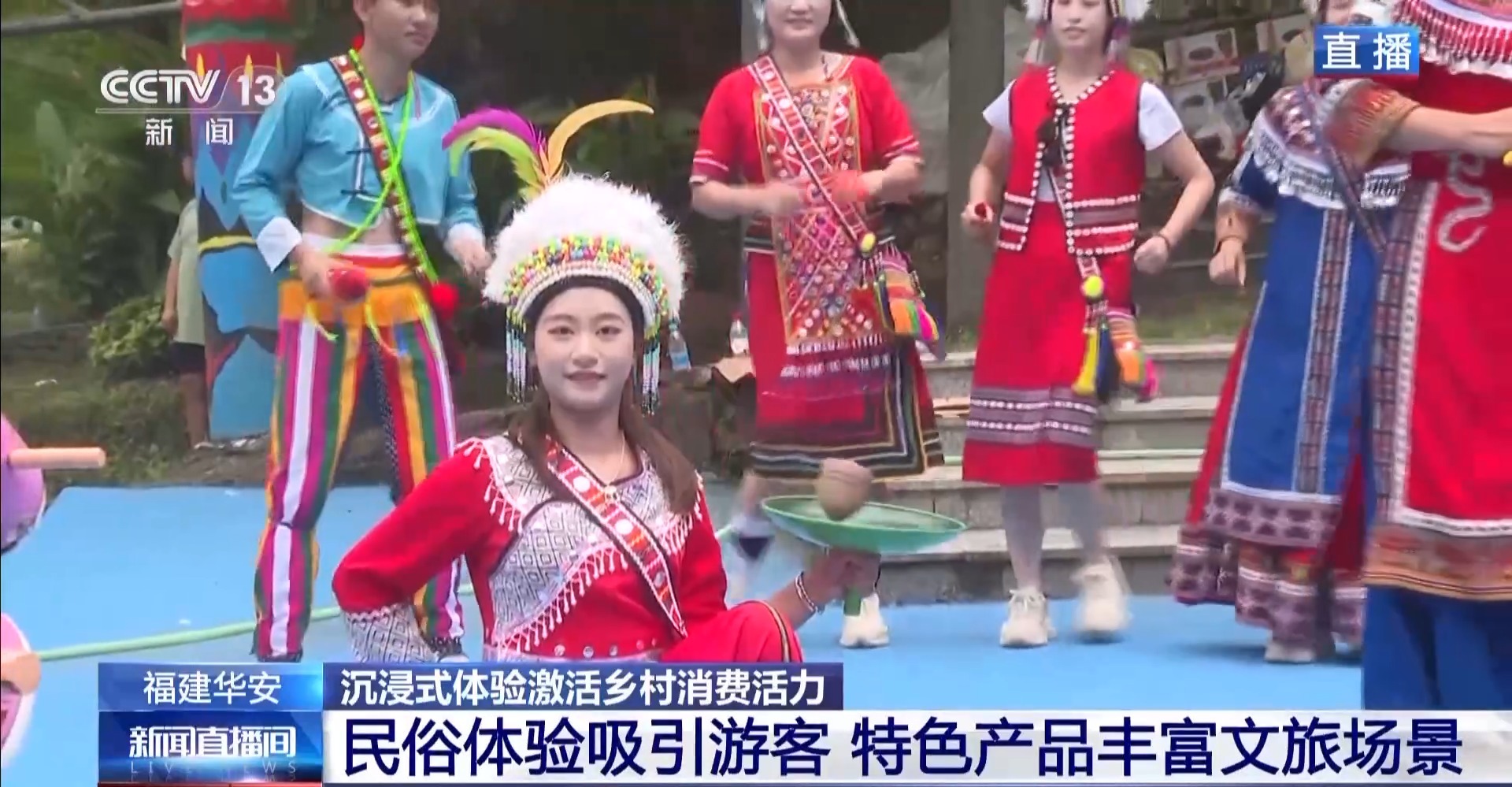
Core Insights - The rural tourism market is thriving, with a focus on immersive experiences that combine viewing, playing, tasting, and shopping [1][6] - The unique geographical and climatic conditions of Ping Shui Village make it an attractive destination for summer visitors [1][6] - Local customs and ethnic minority performances enhance the cultural experience for tourists [3][5] Group 1: Tourism Growth - Ping Shui Village attracts approximately 10,000 visitors weekly during the summer, marking a 15% increase compared to previous periods [6] - In the first half of the year, Huazhou County received 2.6473 million tourists, a year-on-year increase of 13.4% [12] - The tourism revenue for the same period reached 2.403 billion yuan, reflecting an 11.3% year-on-year growth [12] Group 2: Cultural and Culinary Experiences - The local highland and She ethnic groups offer diverse cultural displays, including traditional games and dances that engage tourists [3] - Visitors can enjoy local delicacies, such as "Mi Xiang," made from glutinous rice and various ingredients [5] Group 3: Economic Development - The integration of "cooling, folk customs, and shopping" in tourism has significantly boosted local popularity and economic activity [6] - Local farmers are leveraging the "one town, one product" strategy to sell seasonal fruits and unique goods, contributing to a consumption boost of over 135 million yuan [8] - The county has initiated various activities to stimulate rural consumption, utilizing its cultural heritage and natural resources [10]
解锁各地花样避暑新玩法 沉浸式体验绽放夏日消费活力
Yang Shi Wang· 2025-07-28 07:08
Core Viewpoint - The rural tourism market is thriving, with innovative agricultural tourism experiences emerging, such as the water-splashing festival in Ping Shui Village, Fujian, attracting numerous visitors [1][6]. Group 1: Rural Tourism Development - The water-splashing festival in Ping Shui Village is based on local customs and has been held annually since 2020, enhancing the village's appeal as a summer destination [6][11]. - The village's geographical advantages, including a forest coverage rate of over 72% and a summer average temperature of 23 degrees Celsius, contribute to its popularity as a cooling retreat [4][11]. - The festival has led to a 15% increase in weekly visitor numbers, with approximately 10,000 tourists visiting each week during the summer [11]. Group 2: Cultural and Culinary Experiences - The presence of ethnic minorities, such as the Gaoshan and She people, enriches the cultural offerings, including traditional games and performances that engage tourists [9][11]. - Local delicacies, such as "Mi Xiang" snacks and various agricultural products, are available for tourists, providing additional revenue streams for local residents [11][15]. Group 3: Economic Impact and E-commerce - The county has initiated live-streaming sales events to promote local products, generating over 1.35 billion yuan in consumer spending through various promotional activities [15]. - In the first half of the year, Huazhou County received 2.6473 million tourists, marking a 13.4% increase, with tourism revenue reaching 2.403 billion yuan, up 11.3% [15].
走出校园 奔赴山海
Ren Min Ri Bao Hai Wai Ban· 2025-07-28 01:22
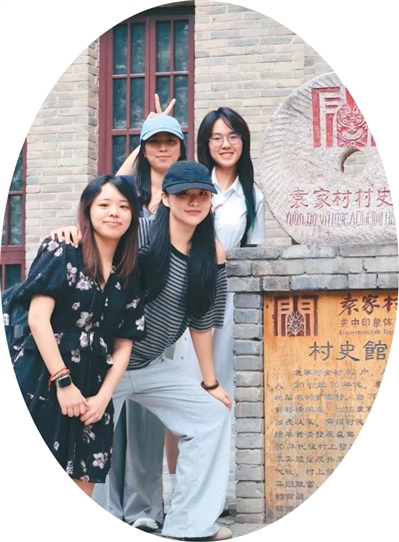
Group 1: Rural Tourism Development - The article highlights the transformation of Yuanjia Village from a poor area to a thriving rural tourism destination, with projected tourism revenue exceeding 1.2 billion yuan and 9.5 million visitors in 2024 [9][11]. - The village's development strategy included agricultural improvements in the 1970s, establishment of village-run enterprises post-reform, and a focused effort on rural tourism starting in the 2000s [11]. - The cooperative model among local businesses has led to increased per capita income for villagers and job creation for over 4,800 individuals from nearby areas [11][12]. Group 2: Cultural and Historical Significance - The article emphasizes the cultural richness of Datong, particularly through the Yungang Grottoes, which represent a significant chapter in Chinese art and history [13][14]. - Local guides and residents are actively engaged in promoting the cultural heritage of the area, enhancing the visitor experience through storytelling and education [14]. - The integration of digital technology in museums is noted as a means to revive historical narratives and engage visitors with the past [14]. Group 3: Renewable Energy and Environmental Impact - The article discusses the establishment of photovoltaic projects in the Ulan Buh Desert, which not only provide clean energy but also contribute to desertification control and local economic development [16][17]. - The shift from traditional coal-fired power generation to solar energy is highlighted as a significant reduction in emissions, supporting environmental sustainability [17]. - The development of eco-tourism in the region is facilitated by the renewable energy projects, creating new opportunities for local farmers and promoting a sustainable economic model [17]. Group 4: Border Region Development - The article reflects on the development of border areas in Xinjiang, showcasing improvements in infrastructure and tourism facilities that enhance visitor experiences [19][20]. - The presence of border defense soldiers is noted as a symbol of stability and development in these regions, contributing to national security and local growth [20]. - The narrative emphasizes the importance of historical roads in connecting communities and fostering economic integration, highlighting the role of infrastructure in regional development [19][20].
三产融合 民族村寨这样干
Ren Min Ri Bao Hai Wai Ban· 2025-07-27 22:42
Core Viewpoint - The article emphasizes the importance of industrial revitalization as a key component of rural revitalization in Sichuan Province, highlighting the unique paths taken by various ethnic villages to integrate primary, secondary, and tertiary industries [6][7]. Group 1: Infrastructure Development - Infrastructure is identified as a critical foundation for industrial development, with examples of villages overcoming transportation challenges through community efforts to build roads and irrigation systems [8][11][12]. - In Xiaoguxi Village, a 3-kilometer cement road was constructed through the collaboration of local residents, leading to increased tea cultivation and diversified agricultural activities [11]. - In Yantang Village, government support has led to the construction of irrigation facilities, significantly improving agricultural productivity, particularly in orange farming [12]. Group 2: Agricultural Innovation - Villages are leveraging local resources to develop unique agricultural products, such as the bamboo shoots in Xianfeng Miao Township, which have become a significant market commodity [14][18]. - The transformation from coal mining to bamboo cultivation in Xianfeng Miao Township has resulted in a substantial increase in bamboo shoot production, reaching 8,300 tons last year [17][18]. - The establishment of processing facilities and the promotion of organic farming practices have enhanced the value of agricultural products, as seen in the tea industry in Mabi County [19][20]. Group 3: Tourism and Service Enhancement - The rise of rural tourism is noted, with villages developing unique cultural and ecological tourism experiences to attract visitors and avoid market saturation [20][21]. - Efforts to improve service quality in rural hospitality, such as training programs for local entrepreneurs, have led to increased profitability and customer satisfaction in agritourism [22][23]. - The integration of local culture and modern service standards is crucial for sustaining tourism growth and enhancing visitor experiences [21][24]. Group 4: Government Support and Investment - The Sichuan government has invested 1.5 billion yuan to support the development of 235 ethnic villages, resulting in significant income growth for local communities [24]. - The focus on tailored industrial development strategies has enabled various ethnic groups to achieve economic progress and move towards common prosperity [24].