酒店业

Search documents
锦江酒店:公司及下属全资子公司实际发生的对外担保总额为人民币约96.37亿元
Sou Hu Cai Jing· 2025-09-25 11:54
(记者 曾健辉) 每经AI快讯,锦江酒店9月25日晚间发布公告称,截至本公告披露日,公司及下属全资子公司实际发生 的对外担保总额为人民币约96.37亿元(其中欧元担保约为10.72亿元,折合人民币约为89.67亿元;人民 币担保为6.7亿元),占公司最近一期经审计的归母净资产的62.54%,不存在逾期担保。 每经头条(nbdtoutiao)——"9·24"一周年,A股总市值破116万亿元!四大变革重塑中国资本市场新生 态 每日经济新闻 免责声明:本文内容与数据仅供参考,不构成投资建议,使用前请核实。据此操作,风险自担。 ...

看完美国的万豪后,我原谅了中国的二次拖鞋
Sou Hu Cai Jing· 2025-09-25 10:14
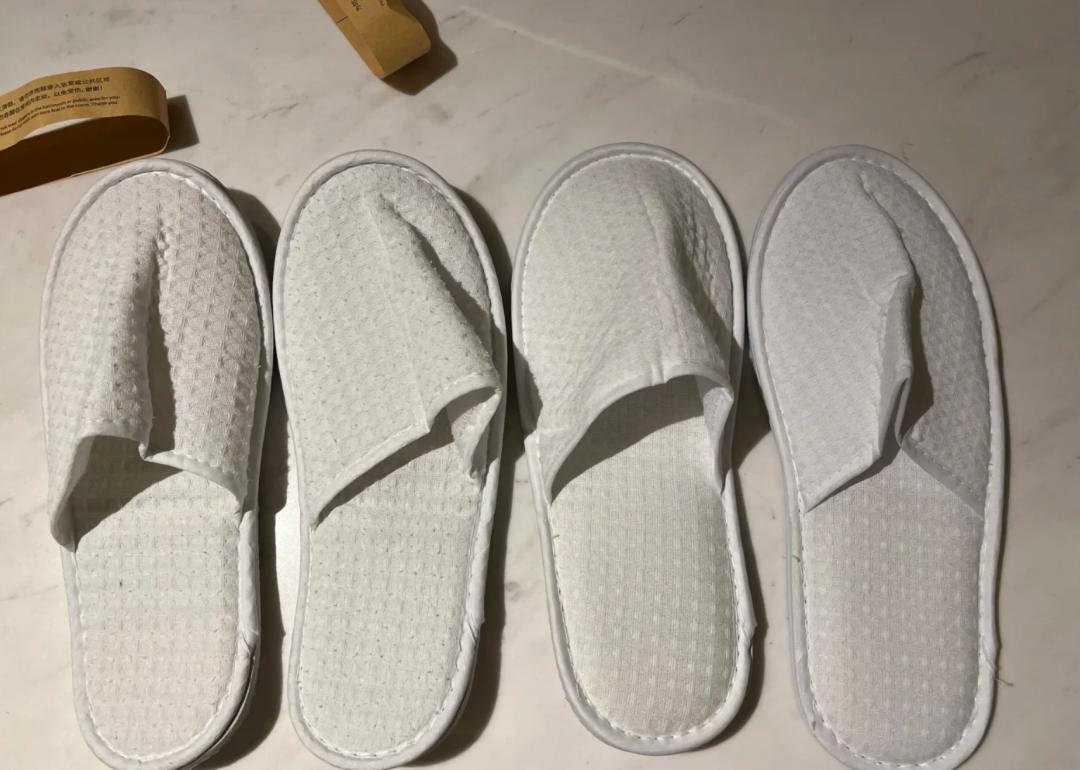
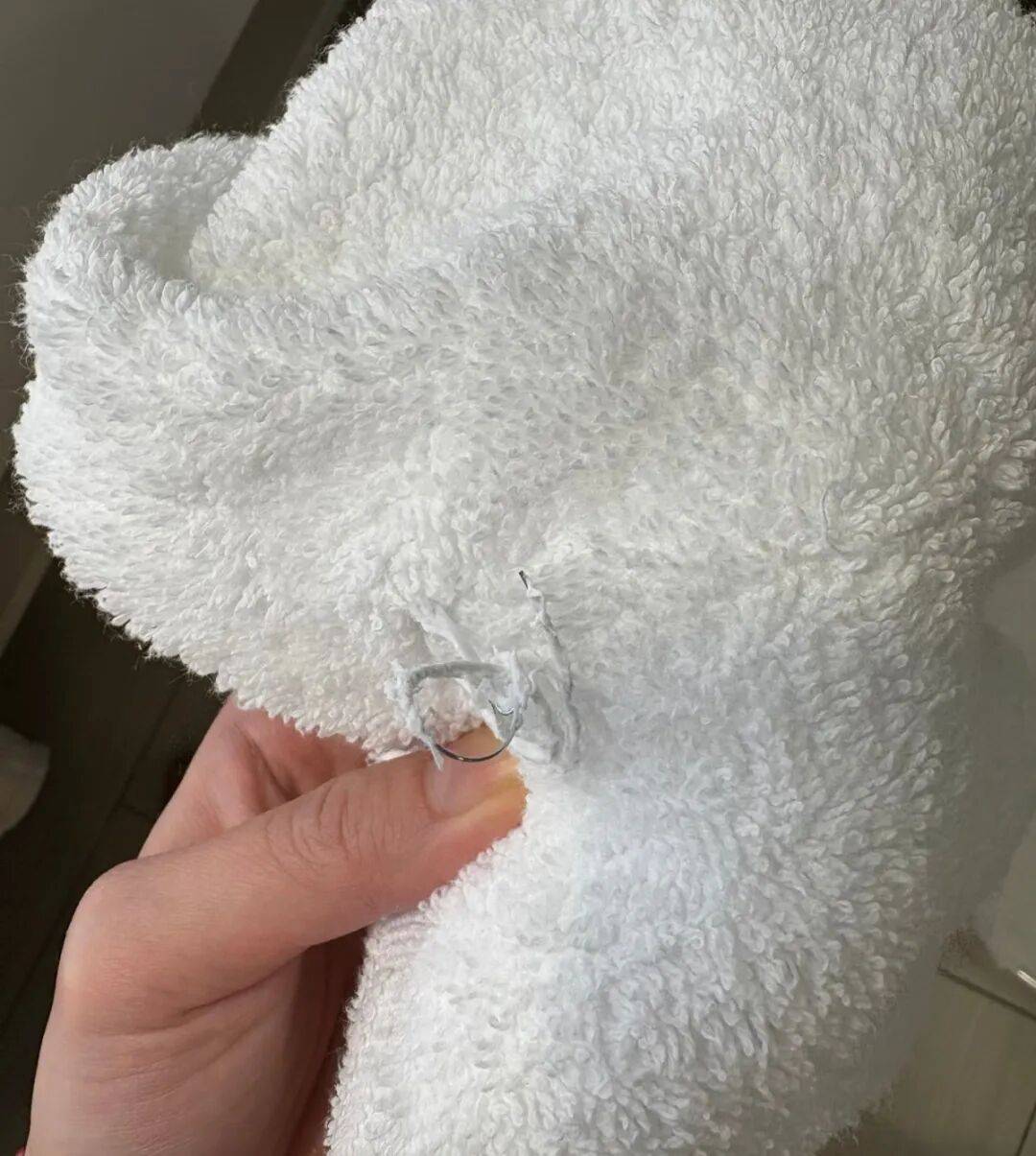
Core Viewpoint - The article discusses the declining quality and service standards of Marriott hotels in China compared to their counterparts in the United States, highlighting various customer complaints and experiences that reflect a trend of deterioration in service quality and operational practices [2][5][19]. Group 1: Customer Experiences - Guests at a Marriott hotel in Changzhou, China, discovered used slippers with hair, leading to dissatisfaction among consumers who felt their hygiene was compromised [2][5]. - In the U.S., guests have reported issues such as finding metal wires in towels and being asked to change their own bed linens, which contrasts sharply with the expectations of a five-star hotel [6][8]. - Complaints also include unexpected charges after checkout, with some guests experiencing unauthorized deductions from their credit cards, raising concerns about financial practices [4][13][15]. Group 2: Comparative Analysis - While Marriott hotels in China offer better facilities and services, their financial performance is lagging, with the Greater China region showing a decline in key metrics such as average room revenue and occupancy rates [16][19]. - The global average occupancy rate for Marriott was 72.2%, while the Greater China region was only 66.9%, indicating a struggle to attract guests compared to other markets [16]. - The article suggests that the competitive landscape in the U.S. is less intense than in China, which may contribute to the observed decline in service quality in Chinese Marriott hotels [19]. Group 3: Industry Trends - The article notes a trend of cost-cutting measures in Chinese Marriott hotels, such as switching from small to large bottles for toiletries and reducing the quality of welcome amenities, which may reflect a broader industry trend towards lower standards [16][19]. - The presence of street vendors selling food outside hotels indicates a shift in the hospitality environment, potentially impacting the perceived value of staying at a Marriott [19].


喜来登开始混中档圈了?
3 6 Ke· 2025-09-25 09:45
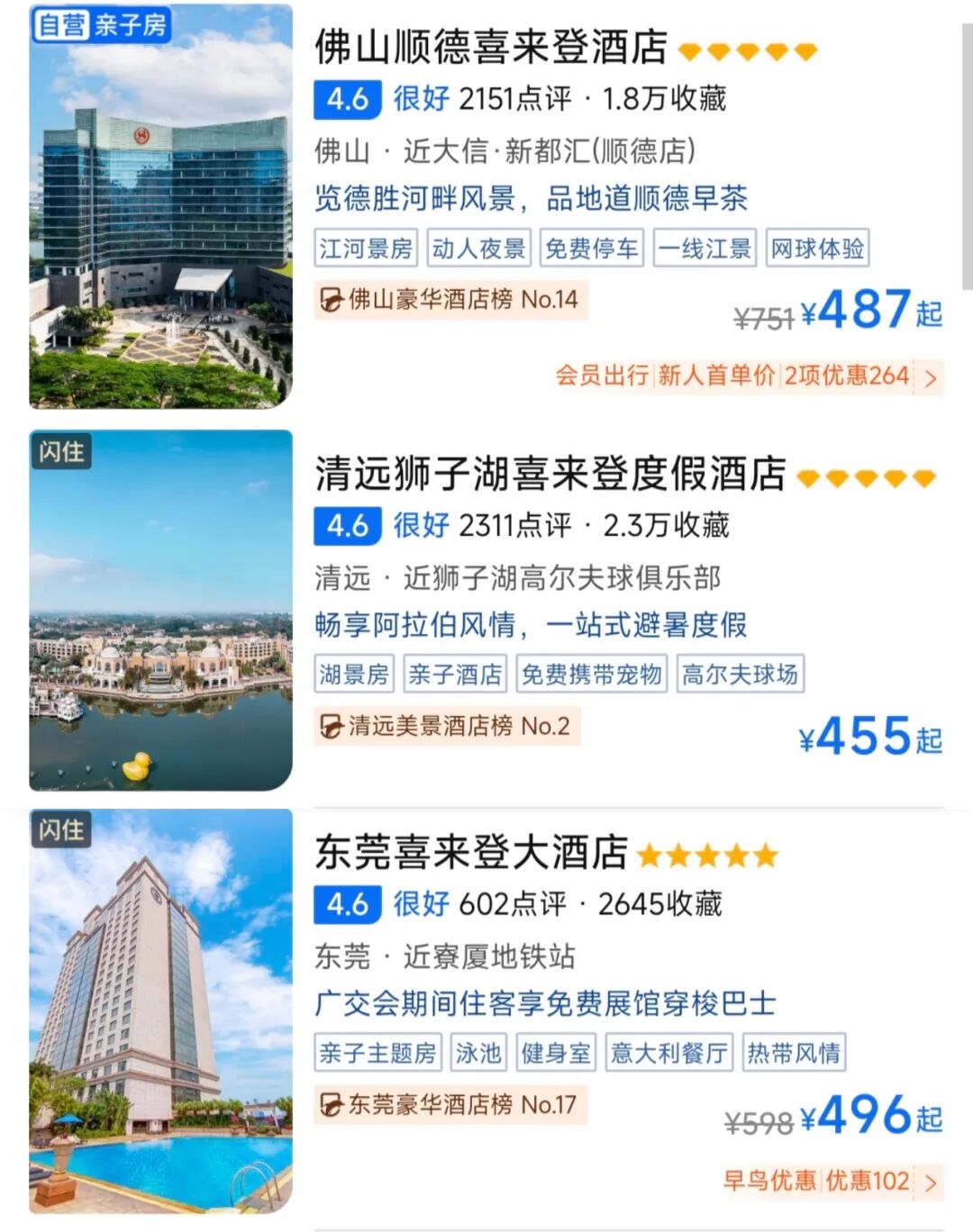
Core Insights - Sheraton is lowering prices to compete with mid-range hotels, with recent packages as low as 699 yuan for two nights, which is cheaper than local competitors like Atour [1][10] - The average room rate for Sheraton hotels in major cities has decreased by 8%, from 931 yuan to 857 yuan [8] - Sheraton's average price is now comparable to mid-range brands, raising questions about its brand positioning and consumer perception [9][10] Pricing Strategy - Recent promotions include a three-day, two-night package at Sheraton Zhongshan for 699 yuan, and rates starting at 487 yuan in Shunde and 449 yuan in Huizhou [1] - The average room rate for Sheraton in Shanghai is 734.7 yuan, while Atour's average is 713.5 yuan, indicating a significant shift in pricing strategy [9] Brand Perception - Consumers are confused about Sheraton's brand identity, questioning whether it is moving towards a lower-end market or struggling in the high-end segment [10] - There are complaints about outdated facilities and poor service quality at some Sheraton locations, leading to a decline in brand reputation [11][17] Financial Performance - Financial data reveals significant losses for some Sheraton properties, such as a net loss of over 20 million yuan for the Wenzhou Sheraton, indicating financial distress [14] - The brand's management struggles and rapid expansion have contributed to inconsistent service quality and operational challenges [18] Market Positioning - Sheraton's positioning has become awkward since being acquired by Marriott, struggling to find a place among luxury and mid-range brands [15] - The brand's transformation efforts have largely failed, with many owners unwilling to invest in renovations [15][19] Competitive Landscape - Sheraton is now competing directly with local brands like Atour and Crystal, which offer modern amenities at similar price points [19] - Marriott plans to open over 40 new high-end hotels in Greater China, indicating ongoing investment in the market despite Sheraton's challenges [19][20]
新华网视评|节假日不能是“宰客日”
Xin Hua She· 2025-09-25 06:20
Core Viewpoint - The recent surge in hotel prices during the National Day holiday in Jiangxi's Jingdezhen has led to an investigation by local market regulatory authorities, highlighting consumer concerns over price gouging during peak travel times [2] Group 1: Price Surge and Consumer Impact - Hotel prices skyrocketed from under 100 yuan to over 1000 yuan during the holiday period, causing significant consumer dissatisfaction [2] - The price increase is attributed to concentrated holiday demand and rising labor costs, which are generally accepted as market norms, but the key issue is the definition of "moderate" price increases [2] Group 2: Regulatory Response - China's pricing law explicitly prohibits price gouging, and multiple regions have issued reminders to regulate pricing behavior during holidays, setting clear boundaries for businesses [2] - Businesses are required to avoid significant price hikes unless there is a clear increase in costs, and they must adhere to government pricing guidelines to prevent illegal charges [2] Group 3: Long-term Business Practices - The article emphasizes that holidays should not become "customer exploitation days," advocating for integrity in business practices as a sustainable approach [2] - Finding a balance between market dynamics and consumer rights is essential for fostering a trustworthy consumption environment and stable business operations [2]

网上订酒店怎么避免踩坑?这些细节要提前看
Xin Lang Cai Jing· 2025-09-25 02:10
Group 1 - The core idea emphasizes the importance of thorough research before booking hotels to avoid unpleasant surprises during travel [1] Group 2 - Location and surrounding amenities are crucial factors when selecting a hotel, as they directly impact the travel experience [2] - Authentic reviews are more reliable than star ratings, and consumers should check for complaint records to identify potential issues with hotels or OTA platforms [3] - Understanding cancellation and modification policies is essential, as many low-priced hotel options may have strict non-refundable terms [4] Group 3 - Spending a few extra minutes researching can significantly reduce the risk of a negative travel experience, especially during peak travel seasons [5]
昌江新增1家青年(人才)筑梦驿站
Hai Nan Ri Bao· 2025-09-25 01:33
Core Points - The establishment of the "Youth (Talent) Dream Station" in Changjiang Li Autonomous County aims to attract young talent to settle in the area by providing free or discounted accommodation and various support services [1] Group 1: Accommodation and Services - The Changjiang Youth (Talent) Dream Station offers 3 days and 2 nights of free accommodation or discounted rates for young people from outside the area who come to Changjiang for employment [1] - The station provides a one-stop service that includes employment guidance, policy consultation, training exchanges, and social integration [1] - Eligible applicants must be aged between 18 and 35, hold a full-time college degree or above, or possess at least a junior professional title [1] Group 2: Application Process - Applicants need to submit employment proof such as interview notifications and fill out an online application form to enjoy the free accommodation [1] - Each young person is entitled to the free accommodation service only once [1] - After the free stay, eligible individuals can continue to stay at a discounted rate, while those who do not meet the free stay criteria can apply for a "Dream Youth Card" for discounted accommodation [1] Group 3: Additional Information - The Changjiang Youth (Talent) Dream Station has three designated locations, including the newly established Jinlan Island Hotel, Vienna Hotel, and City Convenient Hotel [1] - Daily breakfast is provided for free, while lunch, dinner, and other personal expenses are to be covered by the guests [1]
印度税改成“双刃剑”?印媒:若效果不佳,印度世界第三大经济体地位可能不保
Huan Qiu Shi Bao· 2025-09-24 23:00
Group 1 - The recent GST reform in India is the largest since its introduction in 2017, aiming to boost consumption and mitigate the impact of high tariffs imposed by the US on Indian products [1][2] - The new GST rates are set at 5% and 18%, leading to price reductions on various consumer goods, including household items, automobiles, and electronics [1] - The reform is expected to benefit 11 out of 30 major consumption categories, enhancing the purchasing power of the middle class [2] Group 2 - The tourism and hospitality sectors are anticipated to experience significant growth due to the GST changes, with increased booking volumes reported during festive periods [1] - However, the reform may result in a government revenue loss of approximately $5.4 billion, raising concerns about fiscal consolidation and debt reduction efforts [2] - The service sector, particularly IT services, remains a critical area for India's economy, facing potential challenges from proposed US tariffs on outsourced services [3]
2025年8月加纳入境旅客人数达11.2万人次
Shang Wu Bu Wang Zhan· 2025-09-24 17:10
Core Insights - In August 2025, Ghana welcomed 112,000 inbound travelers, indicating a sustained rebound in the tourism sector [1] - Monthly inbound tourist numbers have consistently exceeded 100,000 throughout the year, with August showing one of the strongest figures in recent months, reflecting ongoing demand for both business and leisure travel despite global economic uncertainties [1] - The steady increase in tourist arrivals is expected to accelerate in the last quarter of the year, which is typically a peak season for global tourism [1] - The growth in tourist traffic is anticipated to benefit related industries such as hospitality, retail, and transportation [1]
天猫精灵未来酒店4.0发布,AI Agent联盟开启酒店智能新纪元
Sou Hu Cai Jing· 2025-09-24 14:56
Core Insights - The launch of Tmall Genie Future Hotel 4.0 and the establishment of the "Future Hotel AI Agent Alliance" signify a transformation in the hotel industry from point intelligence to holistic intelligence, focusing on ecosystem collaboration for mutual benefits [1][7] Group 1: AI Solutions - Tmall Genie Future Hotel 4.0 introduces three core AI solutions: an AI-driven desktop marketing system, a new voice communication system that replaces traditional phones, and a multi-agent collaborative super AI assistant team, facilitating a shift from "functional intelligence" to "scenario intelligence" in the hotel sector [1][5] - The AI-driven desktop marketing system aims to reconstruct hotel revenue models by utilizing intelligent recommendation engines to match user needs, thereby generating additional non-room revenue [5] - The new voice communication system, powered by Alibaba's Tongyi model, enhances customer service experience with a 98% response rate, allowing guests to complete service requests with a single voice command [5] - The multi-agent collaborative super AI assistant team can autonomously handle 80% of guest requests, significantly reducing labor costs and allowing staff to focus on providing emotional service [5] Group 2: Industry Context - According to the "2025 China Hotel Industry Development Report," the chain hotel rate in China is expected to decline to 40.09% by the end of 2024, indicating a shift from rapid growth to high-quality development [3] - The hotel industry faces challenges such as rising labor costs, inefficient traditional service models, fragmented user demands, and stagnant profit growth, necessitating a transition from quantity-based competition to value-based competition [3] Group 3: Ecosystem Collaboration - Tmall Genie collaborates with various partners, including Delong Group, Shoulv Home, and DingTalk Travel, to form the "Future Hotel AI Agent Alliance," aiming to create technical standards and build an open ecosystem for shared intelligent benefits [1][7] - The alliance leverages Alibaba's leading Tongyi model and Tmall Genie's AI application capabilities to drive the industry's intelligent transformation in the AI era [7] Group 4: Future Vision - Tmall Genie Future Hotel aims to achieve an 80% penetration rate of smart rooms and personalized AI-driven services by 2030, while enhancing operational management's digitalization level to 80% [9] - The integration of technology and open ecosystem philosophy positions Tmall Genie Future Hotel as a leader in the transition from digitalization to intelligence in the hotel industry [9][10]

拖鞋反复使用这事,酒店方委屈不委屈?
3 6 Ke· 2025-09-24 11:21
Core Viewpoint - The controversy surrounding the use of "second-hand" slippers in high-star hotels highlights a disconnect between consumer expectations and hotel practices, revealing challenges in supply chain management and the need for clearer communication regarding hygiene and sustainability [1][6][21]. Group 1: Consumer Concerns - A user reported finding worn slippers in a Marriott hotel, raising questions about their cleanliness and reuse [2][5]. - The hotel explained that slippers are not single-use and are cleaned and reused for environmental reasons, but this practice contradicts consumer expectations of hygiene [5][6]. - The high room rate of over 700 RMB per night exacerbates consumer dissatisfaction when faced with perceived cost-cutting measures [2][5]. Group 2: Industry Practices - The hotel industry is increasingly adopting ESG principles, focusing on sustainability, which includes the use of reusable slippers [5][14]. - The cost of disposable slippers ranges from 14,020 to 52,560 RMB annually, while reusable slippers can cost significantly less, leading hotels to favor the latter for cost savings [8][10]. - The supply chain in the hotel industry is under pressure, with operational costs for linens and consumables accounting for 23%-32% of total expenses [7][10]. Group 3: Communication and Transparency - Hotels must clearly communicate their practices regarding the reuse of items like slippers to avoid consumer backlash [5][13]. - The lack of transparency can lead to a loss of consumer trust, which is more costly to repair than the savings from reusing slippers [21][22]. - Innovative solutions, such as providing information about the cleaning and reuse history of items, can enhance transparency and consumer confidence [19][20]. Group 4: Regulatory and Environmental Considerations - The hotel industry faces regulatory pressures to reduce plastic waste, with significant amounts of plastic waste generated per guest [14][16]. - There is a call for government support for hotels that implement sustainable practices, to avoid penalizing those that strive for environmental responsibility [17][18]. - International examples show varying approaches to sustainability in the hotel sector, suggesting potential pathways for improvement in local practices [16][19].