房地产开发

Search documents
不降反升、一二手倒挂:潮州小县城房价何以保值增值?|新春走基层
Di Yi Cai Jing· 2026-02-20 04:07
在中国部分县、镇等区域,房子成了保值的资产。 在当地,人们习惯将潮安区称为潮安县,公开数据显示,该地于2013年撤县设区,潮安区下辖16个镇、 418个行政村和31个社区,区中心位于庵埠镇。 腾瑞·万象府正地处庵埠镇,"我们这里(的房价)从没下跌过。"腾瑞·万象府的销售对记者说,该楼盘 的开盘价在7000元/㎡以上,楼层位置越高、单价越贵,比如正南向中楼层的单价大约在8200元/㎡。这 个价格看上去虽然不高,但与周边对比,就显得昂贵。 安居客数据显示,作为一个县城,7000元的定价已经高于潮州市中心不少在售楼盘,比如湘桥区在售的 华侨城纯水岸参考价格为6800元/㎡,碧桂园华侨城·云溪天境参考价格为5500元/㎡。 而且,该楼盘为毛坯房,购买后需要业主全面装修,这也是一笔不小的费用。不过,销售表示,这里的 房子并不愁卖,"很多客户一个多月前就下了诚意金,这两天陆续来签约。"她说。 在房地产单边上行的"黄金时代",曾有一句流传甚广的名言:小城市的房子只是房子,大城市的房子才 叫资产。 然而,过去几年,北上广深等一线城市房价承压,所谓的"资产"回归成了房子,人们对于购房的态度转 变为谨慎收缩。而在部分县、镇等区域 ...
高人预测:房价不会一直跌!未来会迎来这2种“结局”,太真实了
Sou Hu Cai Jing· 2026-02-20 03:07
但如果因此觉得"房价会一直跌下去",那就把问题想简单了。 所谓"高人预测",并不是谁掐指一算,而是看清楚政策、人口、土地和金融这几条硬逻辑之后, 给未来画的几张"大概率草图"。这张草图的核心就是:房价不会一直跌,但也不会全面涨,未来很可能 走向两种极端结局: 最近几年,只要一聊房价,很多人就一句话: "现在谁还敢买房?房价还在跌呢。"确实,从全国范围看,房价整体还在调整,不少城市已经跌了好几 年。 房价为什么不会"一直跌"?三个硬约束 很多人觉得,房价已经跌了三年,是不是可以无底线跌下去? 其实有三个东西在"托着"房价,让它不会真的"跌到零"。 第一,要的是"稳",不是崩。 相关部门说,"促进房地产市场止跌回稳""稳地价、稳房价、稳预期"。 不希望房价继续大跌,引发金融风险和地方财政危机;也不希望再来一轮普涨,把泡沫吹得更大。 所以你会看到: 利率降了,首付降了;限购放松了,公积金贷款额度提高了;一切政策都在"托底",而不是"刺激暴 涨"。 第二,城市分化:有的城市跌不动,有的城市跌不停。 多家机构的判断很一致: 一线和强二线核心区:人口还在流入,产业强,房价大概率企稳甚至微涨; 普通二线和大部分三四线:人口 ...

2025年,地方土地出让收入41518亿元
Mei Ri Jing Ji Xin Wen· 2026-02-20 02:30
编辑:李宏伟 责编:邓萍 审核:罗军 财政部日前公布的数据显示,2025年地方政府性基金预算本级收入中的国有土地使用权出让收入为 41518亿元,比上年下降14.7%。 这是自2022年以来,连续第四年这一收入出现两位数降幅,与2021年收入峰值8.7万亿元相比,2025年 地方土地使用权出让收入减少了约4.6万亿元,降幅达到52.3%。 当然,这是房地产市场深度调整与地方财政转型的必然结果,也是经济发展方式转变的重要标志。尽管 短期面临财政压力与转型阵痛,但这一变化将推动地方政府摆脱对土地依赖,培育可持续发展能力。 原标题:2025年地方土地出让收入41518亿元 ...
信得科技、哥瑞利、德兰明海、宏业基递表港交所;香港高等法院驳回碧桂园清盘呈请丨港交所早参
Mei Ri Jing Ji Xin Wen· 2026-02-20 02:21
Group 1: New Listings and Market Developments - Four companies, including Shandong Xinde Technology Co., Ltd., Shanghai Goraili Software Co., Ltd., Shenzhen Delan Minghai New Energy Co., Ltd., and Shenzhen Hongyeji Geotechnical Technology Co., Ltd., have submitted listing applications to the Hong Kong Stock Exchange, representing diverse sectors such as animal health, semiconductor software, portable energy storage, and geotechnical engineering [1] - Shanghai Shangmi Technology Group Co., Ltd. has passed the listing hearing at the Hong Kong Stock Exchange, positioning itself as a leading provider of Business Internet of Things (BIoT) solutions with over 10% market share in the Android-based BIoT sector [2] Group 2: Corporate Restructuring and Financial Stability - The Hong Kong High Court has rejected a winding-up petition against Country Garden, alleviating immediate delisting and liquidation risks, which indicates the court's recognition of the company's overseas debt restructuring plan [3] Group 3: Travel Industry Insights - Tongcheng Travel reported a significant increase in travel activity during the nine-day Spring Festival holiday, with a 38% rise in civil aviation travel compared to the same period last year, indicating a growing trend for segmented holiday travel [4]

财政部 税务总局关于发布《增值税预缴税款管理办法》的公告财政部 税务总局公告2026年第14号
蓝色柳林财税室· 2026-02-20 02:20
欢迎扫描下方二维码关注: 财政部 税务总局 关于发布《增值税预缴税款管理办法》的公告 财政部 税务总局公告2026年第14号 根据《中华人民共和国增值税法实施条例》有关规定,延续现行制度和做法,财政部、税务总局制定了《增值税预缴税款管理办法》,现予公布,自 2026年1月1日起施行。此前规定与本公告规定不一致的,以本公告为准。 特此公告。 附件: 增值税预缴税款管理办法 财政部 税务总局 2026年1月30日 附件 增值税预缴税款管理办法 第一章 总则 第一条 根据《中华人民共和国增值税法实施条例》(以下简称增值税法实施条例)有关规定,制定本办法。 第二条 纳税人( 不包括自然人 ,下同)发生增值税法实施条例第四十五条第一款情形的,应当依照本办法规定预缴增值税。 第二章 跨地级行政区(直辖市下辖县区)提供建筑服务 第三条 纳税人 跨地级行政区(直辖市下辖县区)提供建筑服务 (以下简称跨地区提供建筑服务),应当按照规定的纳税义务发生时间, 向建筑服务 发生地主管税务机关预缴增值税。 第四条 纳税人跨地区提供建筑服务, 适用一般计税方法计税的预征率为2%,适用简易计税方法计税的预征率为3%。 第五条 纳税人跨地区 ...

新明中国建议每1股供6股 最多募资约1.06亿港元
Xin Lang Cai Jing· 2026-02-20 01:48
观点网讯:2月16日,新明中国发布公告,建议按非包销基准进行供股,基准为记录日期营业时间结束 时每持有1股股份可获发6股供股股份。 来源:观点地产网 免责声明:本文内容与数据由观点根据公开信息整理,不构成投资建议,使用前请核实。 根据公告内容,公司目前已发行股份9393.11万股,最多可发行供股股份5.64亿股,供股完成后最多已发 行股份总数将达6.58亿股。此次供股认购价为每股0.188港元,较最后交易日收市价折让约20%,最多募 资约1.06亿港元,扣除费用后净额约1.014亿港元。 所得款项约96%将用于清偿债务等,其余用于收购物业项目及补充营运资金。此外,本次供股需待股东 特别大会批准后方可作实,公司执行董事陈先生及其联系人须在股东大会上回避投票。 ...
7000多万空置房够3亿人住,“房价如葱”能否得到应验?
Sou Hu Cai Jing· 2026-02-20 00:16
时间倒退回2017年,当马云在乌镇互联网大会上抛出"八年后房价如葱"的预言时,会场爆发出的笑声里夹杂着不屑。彼时北上广深的房价正以每月5%的涨 幅疯狂上蹿,售楼处挤满连夜排队的购房者。没人相信马云的危言耸听,更没人料到八年后,售楼小姐会举着"首付5万送黄金"的广告牌在街头拦人。 八年来,房屋数量与房价正以具象化的方式照进现实。如此看来,"房价如葱"的说法掩盖了其核心判断——房地产作为内需主导引擎的时代终将落幕,行业 必须剥离投机属性,回归居住本质。事实上,这场重大转变并非偶然,而是政策引导、市场规律与时代需求共同作用的必然结果。 有数据显示,国内有近7000多万空置房,如果按人均35-40平方米,每套100平方米估算,可容纳约3亿人居住。这并非耸人听闻,而是客观现实——未来房 子会过剩、回归居住属性,投机属性会大大减弱。也就是说,30年后的年轻人可能要管理多套住房,房屋不再是稀缺品。 由于空置房的大量存在,导致全国房价整体走弱,三四线城市、县城下跌明显。特别是人口净流出、产业薄弱的弱三四线城市,楼市寒意加剧,2025年全国 三四线城市人口净流出达312万人,广义库存去化周期普遍超30个月,部分城市甚至突破50 ...
墨尔本这几个地方公寓大亏,但还要建更多!
Sou Hu Cai Jing· 2026-02-19 21:17
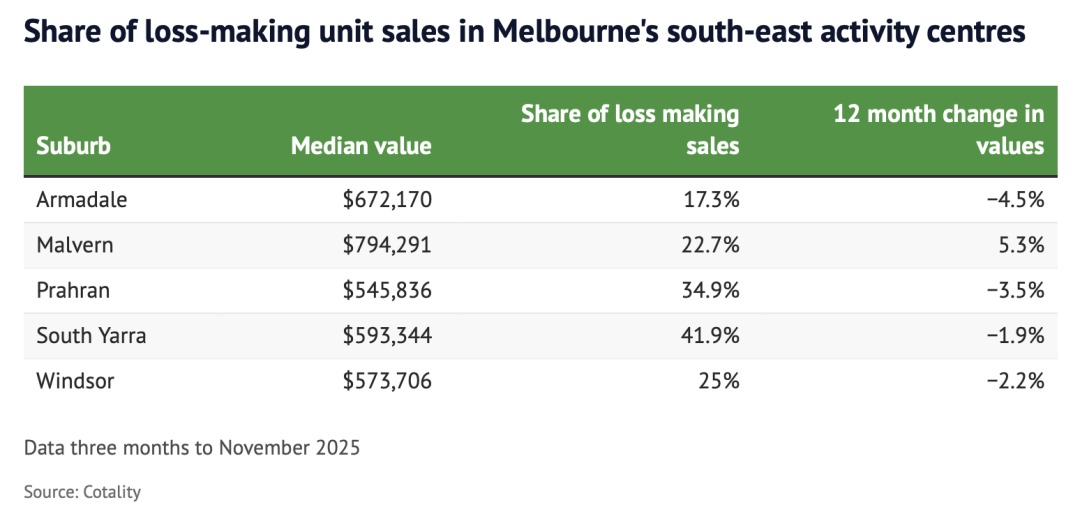
这笔账算不过来了 墨尔本内东南多个被列入 "高密度发展" 计划的热门区域, 近期出现大量公寓亏本出售的情况。 数据显示: 部分区域亏损成交比例高达42%,引发业内对未来高层项目可行性的担忧。 维州政府已将Armadale、Malvern、Prahran、South Yarra和Windsor纳入60个 "交通活动中心" 名单, 鼓励在火车站和电车线路周边建设更高密度住宅。 其中,Malvern、Prahran和South Yarra部分地段允许最高16层建筑, Armadale和Windsor部分区域则可建至10层。 不过,房地产研究机构Cotality的最新数据显示: 这些区域不少公寓正以低于买入价出售。 2025年11月前三个月,South Yarra有41.9%的公寓成交为亏损, Prahran为34.9%。Windsor亏损比例为25%,Malvern为22.7%,Armadale为17.3%。 | | | Share of loss making | 12 month change in | | --- | --- | --- | --- | | Suburb | Median value | sa ...
王石曾预测中国未来房地产走向:若无意外,或较大概率又是对的
Sou Hu Cai Jing· 2026-02-19 15:52
Core Insights - Wang Shi's foresight during the 2008 financial crisis helped Vanke avoid pitfalls by advocating for cash flow management and inventory reduction as housing prices peaked [1] - In 2013, Wang warned of a housing bubble, using Japan's 1990s real estate crash as a cautionary tale, which led Vanke to adjust its strategy and maintain a lower debt ratio [3] - Wang's consistent emphasis on risk management and adapting to market conditions has allowed Vanke to navigate through various market fluctuations successfully [5][7] Group 1 - Wang Shi's early predictions about the housing market helped Vanke maintain stability during the 2008 crisis, as he advised against high leverage and excessive land acquisition [1] - In 2013, he highlighted the risks of a housing bubble, suggesting a shift towards rental business models, which Vanke adopted, keeping its debt levels below the industry average [3] - By 2016, Wang cautioned against irrational price increases, prompting Vanke to focus on quality development and asset sales to ensure financial health [5] Group 2 - Wang's insights into economic cycles have proven accurate, as Vanke consistently outperformed competitors during downturns, maintaining a focus on cash flow and risk control [7] - In 2023, Wang predicted a market adjustment period lasting three to five years, emphasizing the need for companies to reduce debt and adapt to changing policies [9] - The emphasis on sustainable growth and quality products is expected to benefit consumers and lead to a healthier market environment by 2026 [11][13]

马卡蒂再添豪宅地标!阿亚拉高端住宅项目开工,已揽104亿比索销售额
Sou Hu Cai Jing· 2026-02-19 12:45
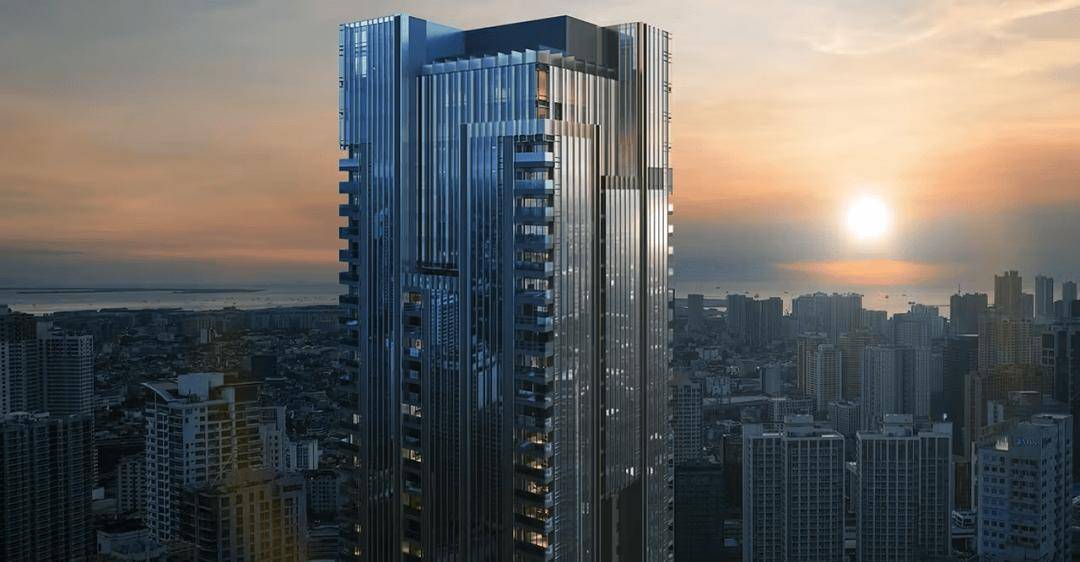
Laurean Residences是Dela Rosa Gardens综合开发区的旗舰住宅项目。该综合体占地约1.3公顷,位于Paseo de Roxas与Dela Rosa Street交汇处,未来还将包括 菲律宾群岛银行(BPI)新总部大楼以及约2700平方米的城市公园,形成集办公、居住与休闲于一体的高端城市综合体。 欢迎查阅菲龙网更多精彩报道: 马卡蒂再添豪宅地标!阿亚拉高端住宅项目开工,已揽104亿比索销售额 【菲龙网专讯】菲律宾地产巨头Ayala Land Inc.旗下高端住宅品牌Ayala Land Premier日前宣布,其位于马卡蒂核心商务区的豪宅项目"Laurean Residences"正式破土动工。该项目自2025年推出以来,已实现约104亿比索销售额,显示出高端住宅市场的强劲需求。 公司表示,此次动工标志着项目从规划阶段正式迈入建设实施阶段。在当前市场环境下,位于成熟中央商务区、强调设计品质与长期区位价值的高端住 宅,依然受到高净值人群青睐。 Ayala Land Premier总裁Mike Jugo表示,Laurean Residences被定位为"马卡蒂核心地段的城市静谧居所"。 ...