内衣

Search documents
爱慕股份: 公司2025年半年度报告
Zheng Quan Zhi Xing· 2025-08-27 09:11
Core Viewpoint - Aimer Co., Ltd. reported a decline in revenue and net profit for the first half of 2025, attributed to weak demand in the mid-to-high-end market and rising operational costs, despite maintaining a strong brand presence in the intimate apparel industry [2][12][13]. Financial Performance - Revenue for the first half of 2025 was approximately CNY 1.60 billion, a decrease of 2.91% compared to the same period last year [3]. - Total profit was CNY 114.70 million, down 33.96% year-on-year [3]. - Net profit attributable to shareholders was CNY 106.13 million, a decline of 31.37% from the previous year [3]. - Basic earnings per share decreased by 33.33% to CNY 0.26 [3]. Business Overview - Aimer focuses on high-quality intimate apparel and has developed a multi-brand, omnichannel business model, establishing strong brand recognition in the market [12][13]. - The company operates several brands, including Aimer, Aimer Men, Aimer Kids, and La Clover, each targeting different consumer segments [12][13][14]. Market Position - Aimer is a leading player in the intimate apparel industry, with its brands consistently ranking first in market share for similar products [10][12]. - The company has been recognized as a "Top 100 Enterprise in the Chinese Apparel Industry" and has received multiple awards for its innovation and sustainability efforts [10][11]. Industry Context - The intimate apparel market is experiencing a trend of consumption downgrade, with increased price competition and a shift towards health, comfort, and sustainability in consumer preferences [12][13]. - Despite challenges, there remains a significant demand for high-quality intimate apparel, particularly in the health and wellness segments [13][14]. Strategic Initiatives - Aimer is committed to technological innovation and product development, investing in new materials and techniques to enhance product offerings [12][14]. - The company is also focusing on digital transformation and enhancing its supply chain management to improve operational efficiency [12][14].

从“功能刚需”到“悦己消费” 京东服饰《科学选文胸白皮书》解析文胸新趋势
Sou Hu Cai Jing· 2025-08-11 05:06
Core Insights - The core focus of the event was the launch of the "Scientific Bra Selection White Paper" by JD Fashion, aimed at providing a systematic guide for female consumers on bra selection and revealing current fashion trends [1][4][8] Group 1: White Paper and Consumer Guidance - The white paper addresses the shift in women's lingerie consumption from "functional necessity" to "self-pleasure," emphasizing the importance of emotional experience alongside functionality [4] - It offers professional advice on bra selection based on various factors such as size measurement, fabric choice, dressing scenarios, and age [4][6] - The initiative aims to promote a scientific and standardized approach to lingerie selection, enhancing consumer awareness and industry standards [4][8] Group 2: Industry Collaboration and Innovations - The event featured discussions with industry leaders from brands like Aimer, Anlifang, and Xinxian, focusing on user needs, industry development, and women's health [7] - Innovations highlighted include the use of aerospace-grade memory foam in bra design for better support and comfort, as well as eco-friendly production practices [7] - Solutions for specific consumer needs were presented, such as designs that visually slim larger busts and enhance the appearance of smaller busts [7] Group 3: Promotions and Consumer Engagement - During the event, JD Fashion launched the "88 Bra Festival," offering significant discounts and a "discomfort return" service for bras that do not meet consumer expectations [3] - The return policy allows for the return of uncomfortable items within 30 days, with a focus on sustainability through the destruction of returned items [3]



从“功能刚需”到“悦己消费” 京东服饰《科学选文胸白皮书》解析行业新趋势
Zhong Guo Jin Rong Xin Xi Wang· 2025-08-08 11:01
Core Insights - The release of the "Scientific Bra Selection White Paper" by JD Fashion provides a systematic guide for female consumers on bra selection, revealing current fashion trends and addressing the shift from functional necessity to self-pleasure in lingerie consumption [1][2] - The white paper aims to promote a scientific and standardized approach to bra purchasing, helping women establish a more informed consumer mindset [2][4] Industry Developments - The event featured discussions among industry leaders from brands like Aimer, Anlifang, and others, focusing on user needs, industry growth, and women's health [3][4] - Innovations in bra design were highlighted, such as Aimer's use of aerospace-grade memory foam for comfort and support, and Anlifang's commitment to sustainable production practices [3] - Solutions for specific consumer needs were presented, including designs that visually slim larger busts and enhance the appearance of smaller busts [3] Consumer Engagement - JD Fashion is actively addressing women's lingerie health needs through various initiatives, including health awareness campaigns and tailored lingerie solutions for different demographics [2][4] - The launch coincided with the JD 88 Bra Festival, offering significant discounts and a "discomfort return" policy to enhance consumer confidence in purchasing [1][2]
超市保安变内衣大王,如今身家超80亿?
Hu Xiu· 2025-08-07 08:33
Core Insights - A supermarket security guard, Zheng Yaonan, has entered the Hurun Rich List with a net worth of 8.5 billion, showcasing a remarkable rise in wealth [1] - At his peak, Zheng owned 8,000 lingerie stores and was dubbed "the man who understands women the most in China" [1] - After stepping back from his role, the company faced a loss of 1.3 billion in a year, highlighting significant financial challenges [1] - In a critical moment, Zheng made a strong comeback, turning the company's fortunes around and achieving profitability within a year [1]
内衣周刊|内衣行业大咖深度调研全国市场,探寻破局之路
Sou Hu Cai Jing· 2025-08-06 09:17
Core Insights - The investigation team has initiated a market research trip to Shandong Province, focusing on Jinan and Linyi, to explore the current state of the lingerie market and identify potential solutions for industry challenges [1][4][11] Group 1: Market Conditions - In Jinan, local lingerie agents and retailers discussed the increasing consumer demand for high-quality lingerie, emphasizing the importance of fabric comfort and functional features such as breathability and shaping effects [1] - The lingerie market is facing severe product homogenization, making it difficult to meet the diverse needs of consumers [1] - Economic conditions have led consumers to be more cautious in their purchasing decisions, with a preference for products that offer high cost-performance ratios [1] Group 2: Retail Challenges - In Linyi, retailers reported a significant decline in foot traffic, which is currently their biggest challenge [4] - Although online sales have seen some growth, physical stores remain crucial sales channels, highlighting the need to enhance the attractiveness of brick-and-mortar locations [4] - Intense competition has resulted in lower prices for similar products, leading to shrinking profit margins for retailers [4] Group 3: Industry Responses - Company leaders, including Chairman Zhou Xuze of Huamei Fashion Group, emphasized the importance of product development and quality improvement, planning to optimize product structures based on market feedback [9] - Chairman Lei Yangyong of Huayang Lingerie highlighted the significance of differentiated competition, advocating for unique brand positioning and product features to attract target customer groups [9] - Industry media representatives, such as Editor-in-Chief Xia Shangwen, provided insights into market trends and consumer psychology changes, offering new strategies for businesses [9] Group 4: Future Outlook - The research is not only a deep analysis of the current challenges in the lingerie market but also an active exploration by industry leaders to find solutions [11] - The investigation team plans to visit more cities to continue gathering market information, contributing to the recovery and development of the lingerie industry [11] - There is optimism that through these efforts, the lingerie industry can find opportunities for growth and development amidst current difficulties [11]
对话爱慕创始人张荣明:内衣混战,消费分化,但价格战不是出路|独家
Tai Mei Ti A P P· 2025-08-05 10:16
Core Viewpoint - The article discusses the evolution of the lingerie industry in China, focusing on the brand Aimer, founded by Zhang Rongming, and its adaptation to changing consumer preferences and market dynamics [2][5][26]. Company Overview - Aimer was founded in 1993 by Zhang Rongming, who initially developed a high-performance memory alloy bra under the brand [5][6]. - The company has grown to become a leading player in the domestic lingerie market, with a diverse product line that includes various sub-brands [5][6][10]. Market Trends - The lingerie market is experiencing a shift in consumer preferences, with a growing emphasis on comfort and practicality over traditional notions of beauty and allure [6][8][10]. - New brands are emerging with innovative concepts such as "wireless" and "size-free" designs, challenging established players like Aimer [6][12][17]. Competitive Landscape - Aimer has historically been a pioneer in the use of memory alloy materials for bras, but it faces increasing competition from new entrants that leverage modern marketing strategies and consumer trends [6][12][17]. - The brand has maintained its market position despite the entry of global competitors like Victoria's Secret, which struggled in the Chinese market due to cultural differences [8][9][12]. Consumer Behavior - The new generation of Chinese female consumers is shifting from a desire to please others to a focus on self-expression and comfort in their lingerie choices [6][10][12]. - Aimer recognizes the importance of adapting to these changing consumer values while maintaining its brand identity [17][25]. Production and Supply Chain - The lingerie industry is moving towards more efficient production methods, such as bonding technology, which reduces labor costs and increases production capacity [12][24]. - Aimer is exploring new manufacturing techniques while balancing the need for quality and brand integrity [12][24]. Strategic Direction - Aimer's strategy emphasizes maintaining brand consistency across online and offline channels, resisting the urge to engage in price wars [19][21][26]. - The company is focused on building a strong brand presence and adapting to market changes without compromising its core values [17][26].
内衣自由下,爱慕需要新故事丨36氪专访
36氪· 2025-08-02 09:07
Core Viewpoint - The article discusses the evolution of the lingerie market in China, highlighting the shift towards comfort and self-expression among young consumers, as well as the challenges faced by established brands like Aimer in adapting to these changes [5][10][11]. Company Overview - Aimer, founded by Zhang Rongming in the early 1990s, has grown into a leading lingerie brand in China, leveraging technology such as memory alloy in its products [7][9]. - The company has developed a diverse brand portfolio, including Aimer, Aimer Mr., Aimer Kids, and LA CLOVER, with over 1,700 stores across China and international markets [9]. Market Trends - The lingerie market is witnessing a trend towards wire-free and simplified sizing options, driven by a growing emphasis on comfort and self-acceptance among female consumers [10][11]. - New brands like Jiao Nei, Nei Wai, and Ubras are gaining popularity, increasing competition for traditional brands like Aimer [10][11]. Financial Performance - Aimer reported a revenue of 3.163 billion yuan for the fiscal year 2024, a decline of 7.71% compared to the previous year, with net profit dropping by 46.56% to 163 million yuan [12][14]. - The company acknowledged challenges such as economic downturns and insufficient market response strategies [14]. Strategic Initiatives - Aimer plans to open more flagship stores while increasing its online sales proportion, aiming for online sales to account for over 30% of total revenue [14][43]. - The company is focusing on brand rejuvenation and expanding its product offerings to cater to younger consumers [14][33]. Product Development - Aimer has been innovating in materials, with a significant portion of its product line now consisting of wire-free options, which are expected to grow in response to consumer demand [51][58]. - The company emphasizes research and development, with over 6% of its workforce dedicated to R&D and annual R&D spending exceeding 3% of revenue [64]. Future Outlook - Aimer is looking to expand its presence in international markets, particularly in Asia and Oceania, as part of its brand-building strategy [65].
内衣自由下 爱慕需要新故事
3 6 Ke· 2025-08-02 00:34
Core Insights - The article discusses the evolution of Aimer, a leading Chinese lingerie brand, highlighting its technological innovations and market challenges in the context of changing consumer preferences and increased competition [1][2][3]. Company Overview - Aimer was founded by Zhang Rongming in the early 1990s, leveraging memory alloy technology to create innovative lingerie products [1]. - The company has grown to encompass over ten brands, including Aimer, Aimer Mr., Aimer Kids, and LA CLOVER, with more than 1,700 stores across China and international markets [2]. Market Trends - The lingerie market is shifting towards comfort and self-expression, with a growing preference for wireless and simplified sizing options, leading to increased competition from emerging brands like Ubras and Nainai [3]. - Aimer reported a revenue of 3.163 billion yuan for 2024, a decline of 7.71% year-on-year, and a net profit of 163 million yuan, down 46.56% from the previous year [3]. Strategic Initiatives - The company plans to open more flagship stores while increasing its online sales proportion, aiming for online sales to account for over 30% of total revenue [3][20]. - Aimer is focusing on brand rejuvenation and expanding its product offerings to cater to younger consumers, particularly through the Aimer brand and its sub-brands [12][35]. Product Development - Aimer has been innovating in fabric technology, introducing products made from seaweed fiber and milk fiber, which align with sustainability trends [32][34]. - The company has a strong emphasis on research and development, with approximately 6% of its workforce dedicated to R&D and an annual investment of over 3% of revenue in this area [34]. Consumer Insights - The company has collected extensive data on Chinese women's body shapes, allowing it to create products that better meet local consumer needs compared to Western brands [29][31]. - There is a notable shift in consumer preferences towards comfort and practicality, with a significant demand for wireless bras, which now constitute half of Aimer's product offerings [25][22].
内衣自由下,爱慕需要新故事
3 6 Ke· 2025-07-31 03:28
Core Viewpoint - The evolution of the lingerie market in China reflects changing female consciousness, with a shift towards comfort, health, and self-acceptance, leading to increased competition for established brands like Aimer [1][3]. Company Overview - Aimer has developed into a leading lingerie company in China with over 30 years of history, offering multiple brands including Aimer, Aimer Mr., Aimer Kids, and LA CLOVER, with over 1,700 stores across more than 200 cities [2]. - The company reported a revenue of 3.163 billion yuan for the fiscal year 2024, a decrease of 7.71% year-on-year, and a net profit of 163 million yuan, down 46.56% from the previous year [3]. Market Trends - The lingerie market is witnessing a trend towards wireless and simplified sizing options, with new brands like Ubras and Banana Inner gaining popularity among consumers [3]. - Aimer faces challenges in adapting to these market changes while maintaining its traditional strengths in wired bras [3]. Future Strategies - Aimer plans to open more flagship stores while increasing its online sales proportion, aiming for online sales to account for over 30% of total revenue [3][22]. - The company is focusing on brand restructuring, particularly for Aimer's sub-brand Aimer Beauty, to attract younger consumers [12][15]. Product Development - Aimer has been innovating in materials, with a significant portion of its product line now consisting of wireless bras, which account for half of its offerings [26]. - The company is also exploring sustainable materials, such as seaweed fiber, which has been introduced in its latest sleepwear line [32]. Research and Development - Aimer invests over 3% of its annual revenue in R&D, employing around 500 personnel in this area, which constitutes nearly 6% of its workforce [34]. International Expansion - Aimer has been expanding internationally since 2007, with plans to focus on markets in Asia, Southeast Asia, and Australia in its next phase of growth [35].
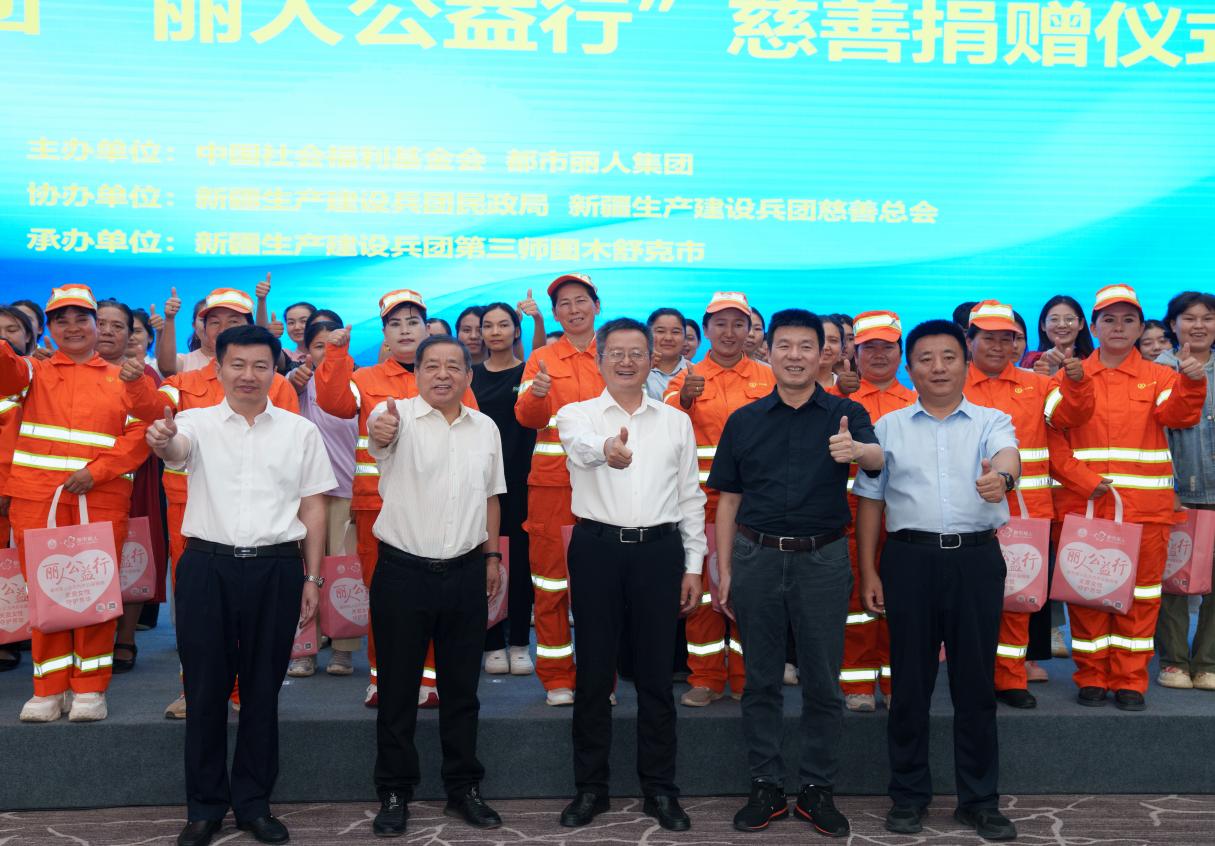
内衣里的时代故事:都市丽人公益行动背后的国民温度
Sou Hu Wang· 2025-07-29 09:15
17年公益长跑:静水流深的品牌基因 回望都市丽人的公益之路,可以清晰地看到一条长达17年的爱心长跑。从2008年汶川地震的紧急援助, 到2020年疫情期间捐赠520万元物资;从2021年河南水灾时的千万驰援,到长期坚持的儿童助学和青年 创业帮扶,无论市场环境如何变化,企业经营处于高峰还是低谷,都市丽人始终坚守公益初心。 公益内衣:数字背后的温度与力量 从2024年至今,"丽人公益行"已走过全国十多个省份,累计捐赠内衣26万件,总价值1900万元,惠及约 10万名城乡困难女性。在云南昭通、湖南资兴、河南永城等地,都市丽人的公益步履从未停歇。这些数 字并非冰冷的统计,而是无数女性生活改善的真实见证。环卫工人张玲的感言道出了公益的本质:"内 衣柔软舒服,贴身又暖心。"这份温暖,源于都市丽人对女性需求的精准洞察——将专业能力转化为公 益力量,让内衣从"私密物"升华为关乎健康与尊严的公共议题。 贴身更贴心:国民品牌都市丽人的公益担当与时代温度 在物资捐赠的公益版图中,大米白面、食用油常被视为"刚需",而都市丽人却以独特的视角,将目光投 向了女性群体中那个隐秘却真实存在的需求——一件舒适、健康的内衣。近日,都市丽人联合中 ...