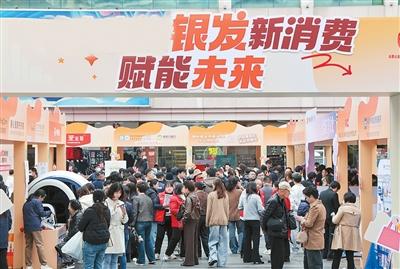
家政服务

Search documents
春节前“整理收纳师”成热门,现存家政相关企业超304万家
Xin Lang Cai Jing· 2026-02-05 01:32
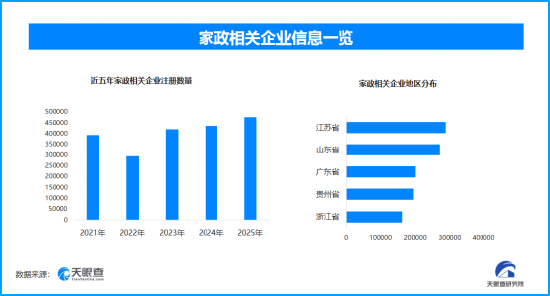
Core Insights - The profession of "organizing and storage specialists" has gained popularity and has been officially recognized as a job category, driven by rising living standards and changing consumer perceptions [1][4] - The role of organizing specialists involves more than just cleaning; it requires communication with clients, creating tailored plans, and providing personalized services that integrate aesthetics, design, and space planning [1][4] - The demand for organizing services has expanded to include offices and warehouses, indicating a trend towards professionalization and standardization in the industry [1][4] Industry Overview - As of now, there are over 3.044 million active home service-related companies in China, with an expected addition of approximately 474,000 new companies by 2025 [5] - The registration of home service-related companies has shown stable growth over the past five years, peaking in 2025, despite a decline in 2022 [5] - The distribution of home service companies is concentrated in Jiangsu, Shandong, and Guangdong provinces, with over 288,000, 271,000, and 200,000 companies respectively [2][5]

温故 | 昔日入行没门槛儿,如今需持证上岗,北京家政服务升级换代
Xin Lang Cai Jing· 2026-02-04 22:38
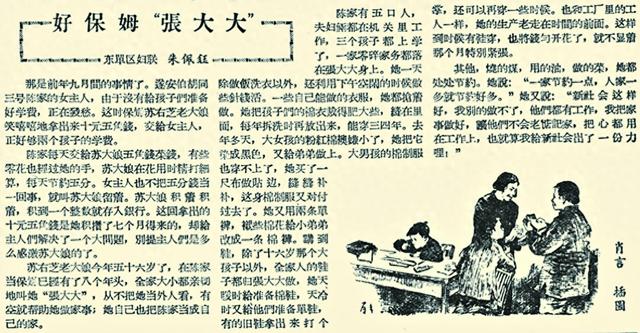
眼下,北京正开展2026年春节期间家政劳务对接专项活动,以缓解服务人员阶段性短缺问题。新中国成 立至今,北京的家政服务发生了很大变化,昔日主要看孩子、洗衣做饭的保姆,如今已成为具有专业技 能、持证上岗的家政服务员。在时代发展的脚步中,京城家政服务的天地更宽了。 (1)能看孩子会做饭就能当保姆 1958年3月22日,《北京晚报》3版 上世纪五六十年代,物质条件不够丰富,北京的保姆也不多。不过,无论农村还是城市,都有保姆的身 影。 农村的保姆不是各家雇的,而是由公社推选出来的。那时候,北京在开展大规模建设,为了尽量让能参 加劳动的妈妈们下地劳动,1954年,京西矿区檀木港村农业生产合作社成立了抱娃娃组,以解决带孩子 的问题。在村干部的协调下,两名妇女学习育婴知识后当起了保姆。此后,妈妈们每天把孩子送到抱娃 娃组,然后下地参加劳动。(1954年8月11日《北京日报》2版,《檀木港村农业生产合作社成立抱娃娃 组》)春耕季节,南苑区妇联在红星集体农庄组织了托儿组,由24位老太太和12名女青年当保姆,负责 照顾142个小孩,103位妈妈因此可以下地干活,在农业生产中发挥了重要作用。(1955年4月17日《北 京日报》2版 ...
新潮年货“科味”浓 服务消费重体验 从电商年货节榜单看消费新趋势
Shang Hai Zheng Quan Bao· 2026-02-04 18:12
Core Insights - The upcoming Spring Festival is expected to see a surge in consumer demand, with e-commerce platforms leveraging technology and promotional activities to stimulate spending [1][3] Group 1: Consumer Trends - Smart technology products are becoming popular choices for New Year purchases, with significant sales increases in categories like home appliances, including a 121% rise in robot vacuum sales and a 114% increase in embedded steam oven sales [2] - A survey indicates that 45.6% of consumers prioritize gifts for parents and elders during their initial New Year shopping, focusing on health and safety [3] - The trend of "instant purchasing" is emerging, with consumers opting for immediate purchases rather than stockpiling goods [2] Group 2: Service Consumption - Traditional services such as haircuts and cleaning are experiencing high demand, with beauty services seeing a 78% increase in search volume for hair dyeing packages [4] - The home cleaning service sector is also booming, with a doubling of orders for routine cleaning services in major cities [4] Group 3: Technological Integration - E-commerce platforms are actively developing AI applications to enhance the shopping experience, such as Meituan's AI search feature and JD's AI New Year goods map [5] - AI is expected to play a significant role in personalized recommendations and inventory management, potentially transforming consumer engagement and operational efficiency [6] Group 4: Innovative Products and Promotions - New trends in gift-giving include blind box toys and culturally themed products, with 65.6% of consumers planning to purchase zodiac-themed gift boxes [7] - E-commerce platforms are implementing various promotional strategies, including discount coupons and live-streaming sales, to further boost consumer spending [7][8]


缓解春节“保姆荒”,上海全力保障家政供给
第一财经· 2026-02-04 13:07
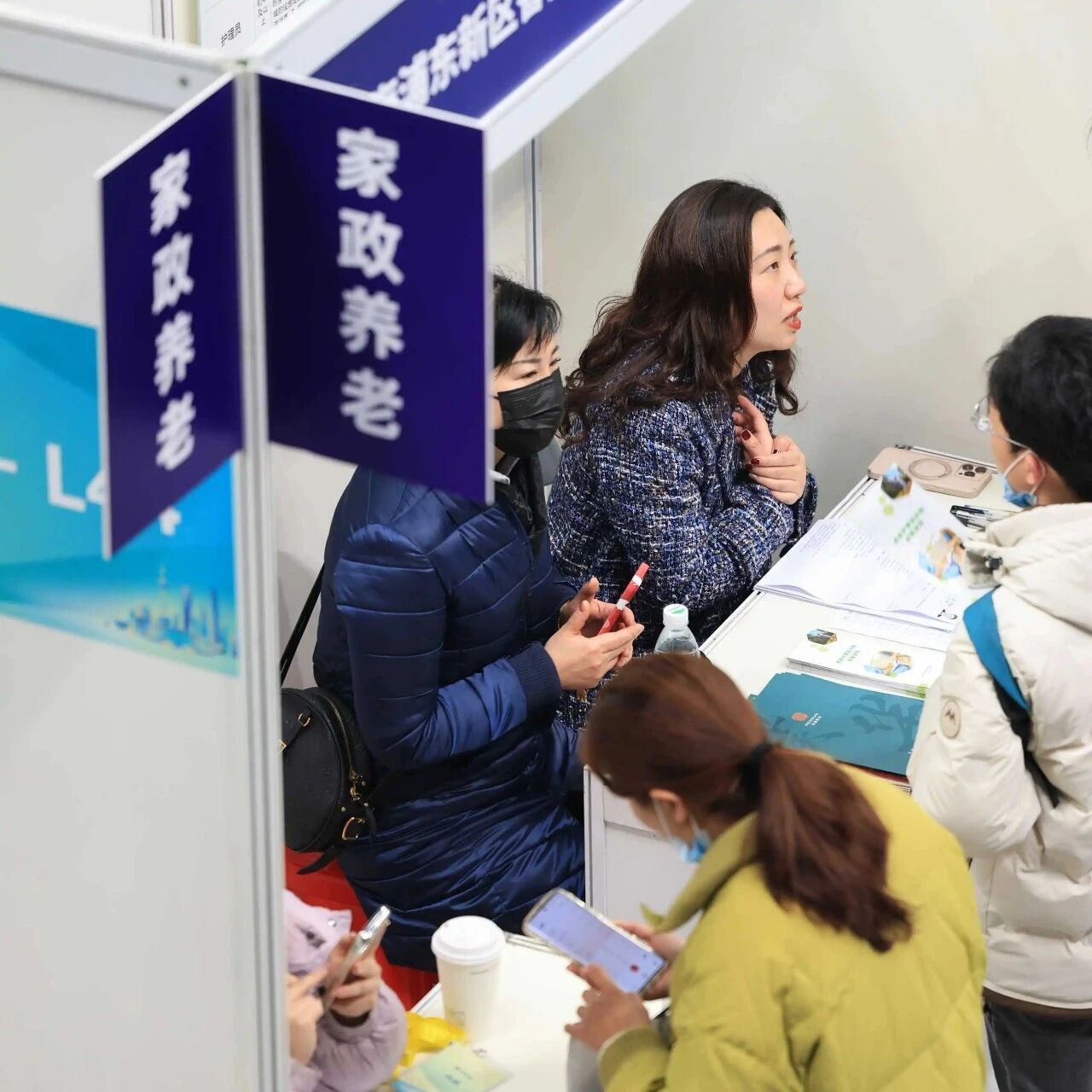
2026.02. 04 本文字数:1200,阅读时长大约2分钟 作者 | 第一财经 缪琦 作为上海家政服务领域员工制企业,上海和姆尼养老服务有限公司相关负责人表示,他们将为春节在岗家政员、护理员增加薪资补贴、节日红包,为留 岗人员统一配发年货礼包,开放员工宿舍(可接纳家属同住),解决后顾之忧。同时公司已提前1个月摸排护理员返乡意愿,将分批次安排错峰返乡 (节前10天、节后10天错峰离岗返岗),平衡员工团聚需求与岗位用工需求。 上海市部分家政服务机构通过与业界同行、周边城市机构以及培训学校合作,将开展"共享员工"、跨区域调配、多渠道资源互补等工作,再结合自主招 聘、内部调剂、轮休制度等方式,灵活填补服务人员缺口,更好应对突发或集中服务需求。 居家养老服务和母婴育婴护理等"一老一小"刚需服务向来是"春保"工作的保障重点。一批以提供"一老一小"照护为主的家政服务机构已提前进行了供需 双向排摸,做好服务预案和人员储备。 刘敏表示,经过近几年的持续建设,上海春节家政服务市场保障已形成了较为成熟的市场调节机制。情感留人、待遇留人、错峰返岗、轮岗调休、保障 刚需等已成为上海春节市场供给的有效举措。接下来还将进一步加强与长三 ...
多家企业亮实招!上海家政2026春节保供更高效
Guo Ji Jin Rong Bao· 2026-02-04 13:06
Core Insights - The Shanghai home service market is well-prepared for the 2026 Spring Festival, with sufficient personnel reserves and efficient coordination, alleviating the previously concerning "nanny shortage" phenomenon [1] Group 1: Market Demand and Supply - The demand for home services during the Spring Festival shows structural characteristics, with essential services like elderly care and maternal-infant care being core needs, while deep cleaning and high-end appliance cleaning are expected to see a surge in demand before the festival [3] - Most home service agencies have entered a supply guarantee mode, ensuring precise matching of personnel and service needs through scientific planning and advance preparation [3] - The Shanghai Family Service Industry Association has selected 117 supply guarantee companies and reserved over 11,000 service personnel to focus on essential services for families during the holiday [3][7] Group 2: Company Initiatives - Local home service companies are implementing various measures to ensure service availability during the Spring Festival, including salary increases, flexible holiday arrangements, and emotional support for employees [4] - Companies like Shanghai He Mu Ni Elderly Care are focusing on retaining staff through enhanced benefits and a shared employee mechanism to address labor shortages [4] - Shanghai Jiahe Home Service has arranged for 333 maternity nurses and 700 childcare workers to be on duty, with additional personnel on standby, while also providing various employee benefits [4] Group 3: Innovative Service Models - Companies are innovating service models by offering peak demand services such as deep cleaning and appliance cleaning, and utilizing technology for efficient service delivery [5][6] - The use of smart dispatching and online appointment platforms is enhancing service efficiency, with emergency support teams ready to respond to urgent needs [5][6] Group 4: Quality Control and Risk Management - Shanghai is enforcing strict quality control measures for service personnel, including identity verification and health checks, to ensure safety and reliability [8] - The establishment of an industry credit evaluation and black-and-white list sharing mechanism by the Shanghai Family Service Industry Association aims to strengthen risk prevention and standardize market behavior [8] Group 5: Overall Market Stability - The collaborative efforts of various home service institutions and the government have created a robust market adjustment mechanism, ensuring that essential services remain uninterrupted and of high quality during the Spring Festival [8]

缓解春节“保姆荒”,上海全力保障家政供给
Di Yi Cai Jing· 2026-02-04 09:50
作为上海家政服务领域员工制企业,上海和姆尼养老服务有限公司相关负责人表示,他们将为春节在岗 家政员、护理员增加薪资补贴、节日红包,为留岗人员统一配发年货礼包,开放员工宿舍(可接纳家属 同住),解决后顾之忧。同时公司已提前1个月摸排护理员返乡意愿,将分批次安排错峰返乡(节前10 天、节后10天错峰离岗返岗),平衡员工团聚需求与岗位用工需求。 上海市部分家政服务机构通过与业界同行、周边城市机构以及培训学校合作,将开展"共享员工"、跨区 域调配、多渠道资源互补等工作,再结合自主招聘、内部调剂、轮休制度等方式,灵活填补服务人员缺 口,更好应对突发或集中服务需求。 居家养老服务和母婴育婴护理等"一老一小"刚需服务向来是"春保"工作的保障重点。一批以提供"一老 一小"照护为主的家政服务机构已提前进行了供需双向排摸,做好服务预案和人员储备。 刘敏表示,经过近几年的持续建设,上海春节家政服务市场保障已形成了较为成熟的市场调节机制。情 感留人、待遇留人、错峰返岗、轮岗调休、保障刚需等已成为上海春节市场供给的有效举措。接下来还 将进一步加强与长三角周边城市行业协会联动,提升资源配置效率和服务人员供给储备。 从目前态势来看,202 ...
《连续9天,日均新增投入1.5亿!京东升级一线员工春节福利保障》
Zhong Jin Zai Xian· 2026-02-03 13:27
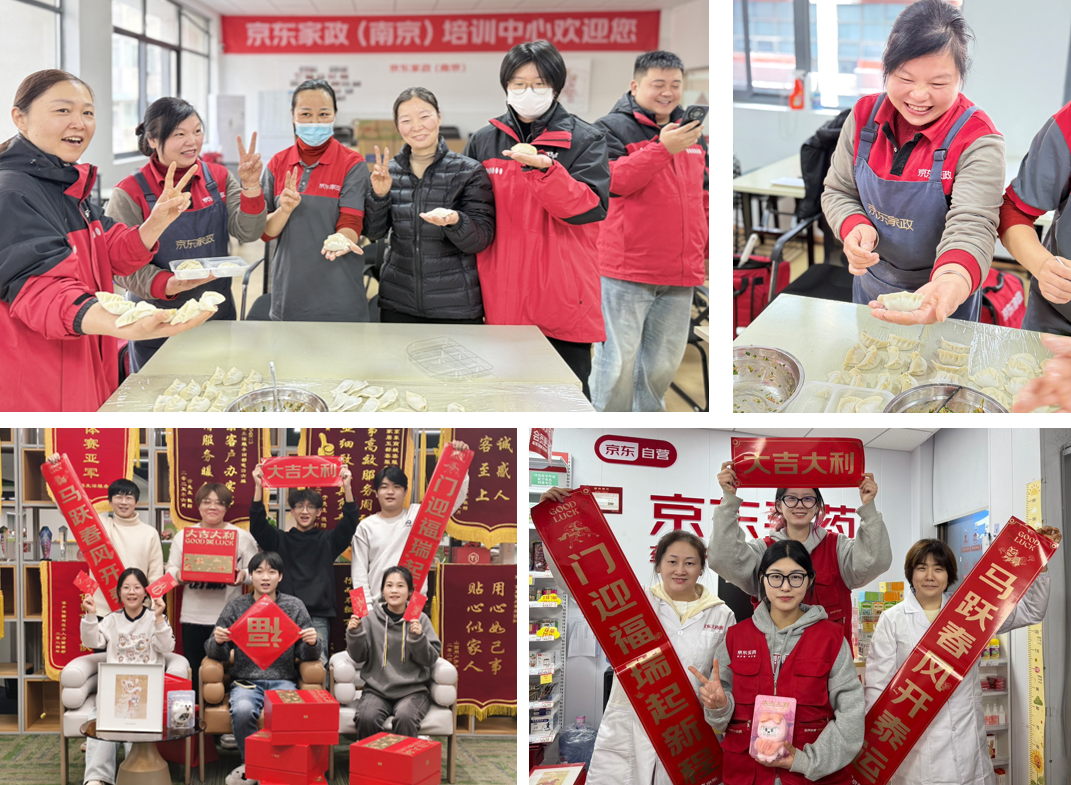
Group 1 - The company will invest over 1.3 billion yuan during the Spring Festival to provide enhanced welfare subsidies and various guarantees for frontline employees, including delivery personnel and customer service staff [1] - A series of cultural care initiatives have been launched across various locations, including activities such as distributing lucky characters, making dumplings, and providing winter gift packages to create a festive atmosphere [1] - The company has established "Xiao Ge's Home" in cities like Beijing and Wuhan, allowing delivery personnel to reunite with their families during the holiday [1] Group 2 - This Spring Festival marks the first for full-time delivery riders at the company, who will receive triple overtime pay and additional subsidies, with some riders potentially earning over 6,000 yuan during the holiday [3] - The company offers a child reunion subsidy, enabling employees to bring their children to their work locations, enhancing family togetherness during the holiday [3] - Flexible scheduling allows employees to balance work and family time, enabling them to earn extra income while spending time with their children [3] Group 3 - The company emphasizes the importance of community and family during the holiday, with employees planning to celebrate together and share meals, reinforcing a sense of belonging [5] - Service providers, such as housekeepers, have developed strong relationships with clients, highlighting the personal connections formed through their work [5] - The company's New Year shopping festival has commenced, ensuring reliable and quality service for consumers during the festive season [7]
家政行业节前爆单,保洁员收入预计增长50%
Di Yi Cai Jing Zi Xun· 2026-02-03 10:52
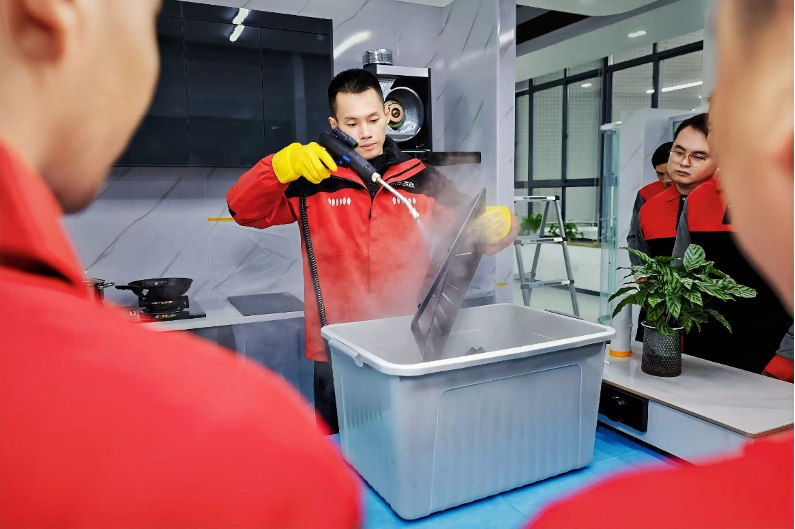
2026.02.03 本文字数:2006,阅读时长大约4分钟 作者 |第一财经 陆涵之 "油烟机清洗的订单一直排到大年三十,根本忙不过来。"京东家政家电清洗师侯建峰节前的订单日程已 经全部排满,他决定春节留岗以获得更高的收入。 侯建峰的感受不是个例。随着春节临近,家政服务市场迎来订单量激增,部分项目已经爆单。 部分项目供不应求 保洁公司春晖到家目前覆盖12个城市,月活跃保洁师规模在1000人到2000人之间。负责人仲作宇对第一 财经记者介绍,春节前夕公司订单量增速明显,近两周订单量环比上涨35%,同比去年同期上涨29%左 右。此外,擦窗保洁是所有项目中近期增长最快的项目,同比日常增长了200%,已经出现供不应求的 情况。 订单的增长也带来了保洁师收入的增长。仲作宇表示,近期保洁师人均收入环比近两周上涨约70%,同 比去年同期上涨约25%。收入上涨明显主要源于春节前需求上涨,劳动者提前回家过年双重因素导致平 均订单价上涨。 京东家政也有不少保洁师因为节前订单的猛增出现收入上涨。来自江苏徐州的保洁师丁还乡,在春节前 密集收到许多老客户的周期订单,已经连续3个月收入超过万元。 侯建峰则表示,今年春节留在北京过年,假 ...

家政行业迎来节前爆单,保洁员收入预计增长50%
Di Yi Cai Jing· 2026-02-03 09:21
随着春节临近,家政服务市场迎来订单量激增,部分项目已经爆单。 "油烟机清洗的订单一直排到大年三十,根本忙不过来。"京东家政家电清洗师侯建峰节前的订单日程已经全部排 满,他决定春节留岗以获得更高的收入。 侯建峰的感受不是个例。随着春节临近,家政服务市场迎来订单量激增,部分项目已经爆单。 仲作宇同时表示,为了应对增长的需求,公司已经做好保洁师的留岗准备,每个城市都有相应的储备。以上海为 例,春节期间有超过100位保洁师留岗,预计每位保洁师在春节期间都是满单状态,留岗保洁师的收入预计相较 于日常增长50%。 多个平台的数据显示,近期保洁订单增长迅速。据京东家政数据显示,春节前高峰时段,擦玻璃、油烟机清洗等 订单较日常增长10倍以上,春节留守岗位的保洁师预约都已排到大年三十。 美团数据显示,近两周,"家政"关键词搜索量环比增长超158%,评论讨论量环比增长82%。细分需求来看,保洁 类服务增长最为快速。"保洁上门"搜索量环比增长174%,"家政保洁擦玻璃"搜索量环比增长254%,"深度保 洁"搜索量环比增长260%。 订单的增长也带来了保洁师收入的增长。仲作宇表示,近期保洁师人均收入环比近两周上涨约70%,同比去年同 ...
锐财经丨加快培育服务消费新增长点
Ren Min Ri Bao Hai Wai Ban· 2026-02-03 05:45
聚焦重要场景多点发力 商务部数据显示,2025年,全国服务零售额同比增长5.5%,居民人均服务性消费支出同比增长 4.5%,占居民人均消费支出的比重达46.1%。 为优化和扩大服务供给,《方案》聚焦重要消费场景提出了多项举措。 比如,在家政服务方面,《方案》明确支持符合条件的家政服务企业创新服务模式、探索智慧化场 景、拓展居家养老服务;在网络视听服务方面,《方案》提出健全支持政策体系,促进超高清视频、微 短剧等网络视听服务市场有序竞争、创新发展;在体育赛事服务方面,《方案》提出打造一批知名精品 赛事、职业联赛、体育竞赛表演、青少年体育赛事、老年体育赛事、乡村文体赛事品牌…… 人民日报海外版记者 王俊岭 服务消费具有消费频次高、乘数效应强、增长可持续等特点,在扩大内需、增进民生福祉中发挥着 重要作用。日前,国务院办公厅印发《加快培育服务消费新增长点工作方案》(以下简称《方案》), 从激发重点领域发展活力、培育潜力领域发展动能、加强支持保障等3方面提出12条政策举措,促进服 务消费提质惠民,为经济高质量发展提供有力支撑。 洪勇认为,《方案》围绕交通、家政、网络视听、旅居、汽车后市场、入境消费等服务消费重点领 域精 ...