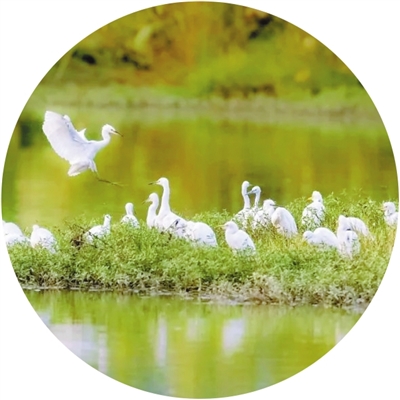
生态保护

Search documents
南京生态文明建设再添两项国家级荣誉
Nan Jing Ri Bao· 2025-12-26 02:29
Core Insights - Nanjing has been awarded two new national honors for ecological civilization construction, with Xuanwu District named a 2025 Ecological Civilization Construction Demonstration Zone and Pukou District recognized as a 2025 "Lucid Waters and Lush Mountains are Invaluable Assets" Practice Innovation Base [1][2] Group 1: Nanjing's Ecological Achievements - Nanjing now has a total of 6 national ecological civilization construction demonstration zones and 2 "Lucid Waters and Lush Mountains" practice innovation bases, indicating significant progress in balancing high-level protection with high-quality development [1][2] - Xuanwu District boasts a green coverage rate of 63.48% and has been recognized multiple times as one of "China's Most Beautiful Counties," showcasing its commitment to ecological preservation [1] - The district has recorded 220 species of terrestrial vertebrates and 1,036 species of terrestrial vascular plants, including 60 nationally protected species, highlighting its biodiversity [1] Group 2: Pukou District's Development Strategy - Pukou District integrates the "Lucid Waters and Lush Mountains" concept into its high-quality development across various fields, focusing on a sustainable development vision that harmonizes mountains and waters [2] - The district has developed a low-carbon circular sustainable transformation path, emphasizing ecological protection, green development, and improved livelihoods [2] - Pukou has received multiple honors, including being a national ecological civilization construction demonstration zone and a top tourism destination, reflecting its successful implementation of ecological and economic strategies [2] Group 3: Future Directions - Nanjing aims to elevate its ecological environment governance with higher standards and greater efforts, striving for a harmonious coexistence between humans and nature [3] - The city intends to make green development a defining characteristic of its high-quality growth, ensuring that a good ecological environment becomes a universal benefit for its citizens [3]
生态好起来 收入涨上去
Xin Lang Cai Jing· 2025-12-25 19:23
Core Viewpoint - Yushu City has made significant progress in ecological protection during the 14th Five-Year Plan period, balancing high-quality development with environmental conservation, leading to improved ecological conditions and community benefits [3][6]. Group 1: Ecological Protection Achievements - The implementation of ecological protection measures has led to a stable flow rate in major rivers and a 100% compliance rate for surface water quality, with air quality remaining excellent for three consecutive years [6]. - Grassland vegetation coverage has increased to 68.7%, and forest coverage has reached 17.03%, with the successful designation of Longbao Wetland as an internationally important wetland [6]. Group 2: Economic Development through Ecological Initiatives - The city has explored the "ecology +" development model, transforming ecological advantages into economic benefits, with a focus on community involvement in ecological protection [6][7]. - The establishment of 63 standardized cooperatives and 46 family ranches has created a complete industrial chain in ecological agriculture, enhancing the value of livestock products [7]. Group 3: Ecotourism Growth - Ecotourism has emerged as a new income source, with the city generating 2.457 billion yuan in revenue during the 14th Five-Year Plan period, creating employment for 23,000 people [7]. - The Baotang River National Wetland Park exemplifies the successful integration of ecological conservation and tourism, contributing to the region's reputation as a highland ecological tourism destination [7].

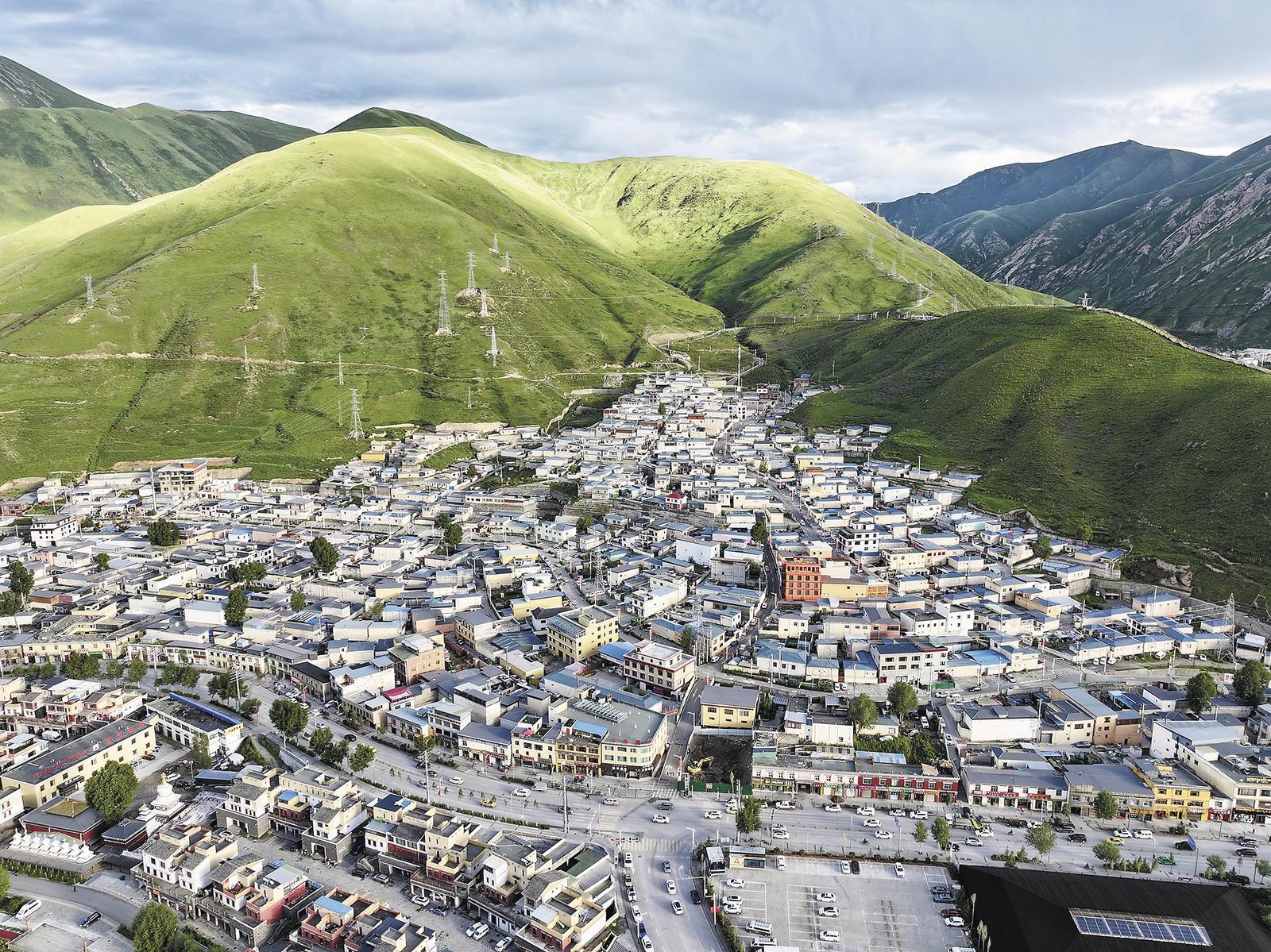
行进的海岸线丨全国最北红树林扎根玉环 繁育“海上森林”
Yang Guang Wang· 2025-12-22 12:57
Core Viewpoint - The article highlights the successful establishment of the largest artificial mangrove forest in northern China, located in Yuhuan City, Zhejiang Province, showcasing innovative methods to adapt mangrove species to colder climates [1][2][5]. Group 1: Mangrove Forest Development - The mangrove forest in Yuhuan has expanded from 0 to over 1,700 acres over the past 20 years, serving as a green barrier along the coastline [5]. - The project faced challenges, particularly the cold climate, which initially caused the first batch of seedlings to perish in winter [2][4]. - Innovative techniques were developed, such as using sun nets to raise temperatures and replacing bamboo with concrete piles to stabilize the roots [4]. Group 2: Ecological Impact and Future Prospects - The mangrove forest has significantly enhanced biodiversity, attracting rare bird species like the black-faced spoonbill and the yellow-billed egret [5][6]. - Future plans include utilizing the forest for educational purposes, ecological tourism, and carbon trading to leverage its carbon sequestration capabilities [6][8]. - The initiative reflects a broader trend in China, where the total area of newly created mangroves reached 9,200 hectares by June 2025, surpassing the targets set in the 14th Five-Year Plan [8].
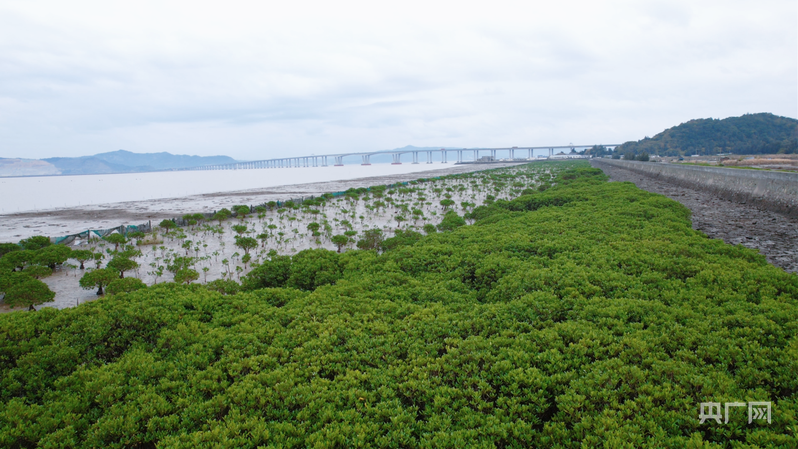
《雷波县自然伙伴计划实验区建设报告》发布,总结“造血式振兴”生态保护新路径
Xin Lang Cai Jing· 2025-12-19 12:14
Core Insights - The report highlights the innovative practices and preliminary results of the "Natural Partner Program Experimental Zone" in Leibo County, initiated in January 2025, addressing the conflict between ecological protection and development in ecologically sensitive areas [1] Group 1: Overview of the Natural Partner Program - Leibo County, located in the core area of the ecological barrier in the upper reaches of the Yangtze River, has faced a development dilemma of "rich ecology but poor residents" [1] - The "Natural Partner Program" aims to transform the relationship from "harmony between humans and nature" to "win-win between humans and nature" by creating a natural experimental zone centered around four townships [1] Group 2: Economic Impact and Mechanisms - The experimental zone has driven the development of ten flagship ecological industries, including tea, asparagus, ganoderma, and navel oranges, forming an ecological economic system covering primary, secondary, and tertiary industries [2] - As of October 2025, the total annual output value of these ten industries exceeded 180 million yuan, benefiting over 1,000 farming households with an average annual income increase of 3,000 to 5,000 yuan and creating over 300 jobs [2] Group 3: Key Mechanisms and Collaborations - The successful mechanisms of the experimental zone are summarized as "policy collaboration, regional collaboration, and social collaboration" [2] - The program leverages over 100 million yuan in funding through the Central Commission for Discipline Inspection's targeted assistance mechanism, promotes industry standardization, and integrates market resources and technology through regional cooperation [2] Group 4: Recognition and Replicability - The exploration of the experimental zone has received high praise from experts at organizations such as the United Nations Food and Agriculture Organization and the Environmental Planning Agency, being recognized as a vivid example of implementing the United Nations Sustainable Development Goals [2] - The "Leibo Model" is presented as a replicable and promotable approach, demonstrating that ecological protection and economic development can mutually promote each other, marking an effective transition from "blood transfusion-style assistance" to "blood-making-style revitalization" [2]
万物共生“典范”之城——杭州打造生物多样性保护全国示范样本
Hang Zhou Ri Bao· 2025-12-18 02:07
Core Viewpoint - Biodiversity conservation is crucial for the sustainable development of Earth and humanity, with Hangzhou recognized as a model city for harmonious coexistence between humans and nature, showcasing China's ecological modernization on the global stage [5][10]. Group 1: Strategic Planning and Legal Framework - Hangzhou has released the first biodiversity protection white paper among provincial capital cities, detailing its background, initiatives, and achievements in biodiversity conservation, which serves as a reference for similar cities [6]. - The city has developed and implemented the "Hangzhou Biodiversity Protection Strategy and Action Plan (2024-2035)," focusing on key areas such as biodiversity mainstreaming and urban-rural integration, outlining 25 priority actions and 46 specific projects for the next decade [6]. - Over 30 local regulations, including the "Hangzhou Ecological Civilization Construction Regulations," have been enacted to provide a robust legal foundation for ecological protection [6]. Group 2: Biodiversity Survey and Public Engagement - From 2020 to 2023, Hangzhou conducted a comprehensive biodiversity baseline survey, recording over 16,000 species and discovering five new global species and eleven new species for China, significantly enhancing scientific understanding of biodiversity in East China [7]. - The survey utilized digital recording methods and involved public participation, increasing awareness of biodiversity among residents through community engagement and educational activities [7]. - Hangzhou has created eight provincial-level biodiversity experience sites, the highest in the province, allowing citizens to engage closely with ecological environments [9]. Group 3: Community Involvement and Awareness - The city has successfully integrated ecological protection into the community's consciousness through various experiential activities, fostering a culture of environmental stewardship among residents [8]. - Initiatives such as the "Seasonal Biodiversity Protection Brand" and the "Biodiversity Observation Festival" have been launched to promote ecological awareness and participation, attracting over 30,000 green volunteers [9]. - Hangzhou's efforts in biodiversity conservation are recognized as exemplary, contributing valuable insights to global biodiversity governance [10].
解码杭州城市能级跃升的内涵逻辑——专访浙江大学求是特聘教授、城市发展与管理系主任石敏俊
Hang Zhou Ri Bao· 2025-12-18 02:07
Core Insights - The recent urban work conference by the Central Committee of the Communist Party of China marks a new direction for urban development in the new era, emphasizing high-quality urban growth and the transition from rapid urbanization to stable development [1][2] Group 1: Changes in Urban Development - The role of cities has shifted from being mere economic growth engines to important carriers of modernization and spaces for people's happiness, reflecting a dual focus on multi-dimensional value [2] - Urban development is transitioning from a focus on growth to a people-centered approach, emphasizing both production and living quality, and moving away from traditional industrial and real estate-driven models [2] Group 2: Hangzhou's Development Practices - Hangzhou serves as a model for the evolution from "growth logic" to "life logic," integrating the concepts of people-centeredness and quality enhancement across various urban development sectors [3][4] - The city has prioritized ecological development, viewing ecology as a core competitive advantage rather than a constraint, exemplified by initiatives like the West Lake's free access and the comprehensive protection of Xixi Wetland [3] Group 3: Innovation and Livelihood - Hangzhou has developed an innovation ecosystem that supports natural growth for talent and small businesses, characterized by a rich, self-sustaining environment that fosters continuous internal growth [4] - The city has made significant strides in public service equality and quality, enhancing citizen satisfaction through initiatives like the "most run once" administrative reform and smart urban management [4][5] Group 4: Future Recommendations for Hangzhou - To become a model of a "modernized people's city," Hangzhou should focus on balanced regional development and enhance the quality of living spaces, ensuring that all citizens can share in high-quality life experiences [5] - The city should create high-energy environments that cater to diverse cultural needs and support various demographics, including youth and the elderly, to solidify its status as a world-class modern metropolis [5]

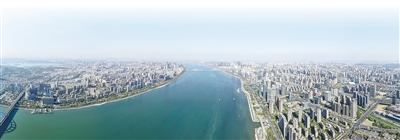
“中华水塔”青海连续五年水质优良率达100%
Zhong Guo Xin Wen Wang· 2025-12-17 08:43
Core Viewpoint - Qinghai Province has maintained a 100% water quality excellence rate for five consecutive years, making it the only province in China to achieve this during the 14th Five-Year Plan period [1][2]. Group 1: Water Quality and Environmental Achievements - Qinghai Province has 35 surface water national monitoring sections with a continuous 100% water quality excellence rate over the past five years [1]. - The province is known as the "Water Tower of China" and contributes approximately 60-90 billion cubic meters of water annually to downstream areas [1]. - The water quality of major rivers such as the Yangtze, Yellow, and Lancang Rivers has consistently maintained Class II or above [1]. Group 2: Investment and Projects - A total of 10.2 billion yuan has been invested during the 14th Five-Year Plan for projects including drinking water source protection, water ecological restoration, and pollution control [2]. - Over 80 standardized drinking water source protection sites have been completed, and more than 90 rivers and lakes have undergone ecological restoration [2]. - The province has restored approximately 11,295 hectares of ecological buffer zones and 320 kilometers of natural shorelines [2].
赤水河流域生态保护与绿色发展项目获亚行执董会批准
Sou Hu Cai Jing· 2025-12-17 08:11
据财政部网站,12月10日,亚洲开发银行(以下简称亚行)执董会批准了赤水河流域生态保护与绿色发 展项目。亚行将提供约10.68亿元人民币(1.5亿美元等值)贷款,贷款期限为25年,含6.5年的宽限期。 项目将在四川省古蔺县开展自然信用机制试点工作,通过改善生活环境、增强生态系统对气候及其他冲 击的抵御能力、提升粮食安全水平、创造就业岗位机会等,使古蔺县约26.5万居民(其中50.5%为女 性)直接受益。同时,项目依托中国在生态系统服务付费领域的实践,不仅能推动亚行在自然融资领域 的知识积累与业务拓展,还将有助于在亚太地区形成可规模化推广的经验。 ...
北京公园年接待游客突破5亿人次,带动相关产业收益超百亿元
Xin Jing Bao· 2025-12-17 04:53
Group 1 - The core message of the news is the significant progress in Beijing's ecological and urban development, highlighting the city's commitment to creating a harmonious and livable environment through extensive park and green space initiatives [1][2][4] - Beijing now has a total of 1,136 parks, with annual visitor numbers exceeding 500 million, generating over 10 billion yuan in revenue for related industries such as dining, accommodation, and tourism [1][2] - Over 92% of residents can access green spaces within 500 meters from their homes, showcasing the city's efforts to enhance urban greenery and ecological beauty [2][3] Group 2 - The forest coverage in Beijing has reached 45%, with the completion of a two-phase afforestation project covering one million acres, and the establishment of 119 parks in the first green isolation area [2][4] - The city has introduced 710 small "pocket parks" and 63 urban forests, contributing to improved air quality and biodiversity, while also providing recreational spaces for residents [2][3] - The number of terrestrial wildlife species in Beijing has reached 620, including 527 bird species, with 24 new species added in the past five years, indicating a thriving urban ecosystem [4]
解码生态文明之都的高质量发展全景实践
Hang Zhou Ri Bao· 2025-12-12 02:27
Core Viewpoint - Hangzhou is making significant strides in ecological civilization construction, focusing on sustainable development and environmental protection, marking a historical improvement in environmental quality during the 14th Five-Year Plan period [4][5]. Group 1: Environmental Quality Improvement - During the 14th Five-Year Plan, Hangzhou achieved a historical improvement in overall environmental quality, with PM2.5 concentrations meeting national secondary standards for five consecutive years, establishing "Hangzhou Blue" as a norm [5]. - The proportion of surface water quality at or above Class III reached 100% for four consecutive years, and the city has maintained a 100% compliance rate for drinking water sources [5]. - The forest coverage rate in Hangzhou is 65.74%, with wetland coverage at 8%, and the city has established eight national demonstration zones and three "Two Mountains" practice innovation bases [5]. Group 2: Reform and Innovation - Hangzhou is leading in multiple reforms, including expedited environmental impact assessments, facilitating fixed asset investments of approximately 245.5 billion yuan [6]. - The city has a significantly lower carbon intensity compared to provincial and national averages, with the lowest energy consumption per unit of GDP and industrial added value in the province [6]. - Digital reforms have expanded AI applications, with initiatives like "Environmental Assessment Assistant" recognized nationally, enhancing the business environment [6]. Group 3: Biodiversity Protection - Hangzhou is actively implementing the "Biodiversity Protection Strategy and Action Plan (2024-2035)", aiming for the highest biodiversity-friendly index in the province by 2024 [8]. - The city has established eight provincial biodiversity experience sites and hosted various public engagement activities to promote biodiversity awareness [8]. - The city's innovative approaches to biodiversity protection have been recognized nationally, contributing valuable experiences for broader biodiversity efforts [8].