连锁餐饮

Search documents
八城同启,暖意相随:椒爱“12店齐开” 书写北方冬日热辣新章
Zhong Guo Shi Pin Wang· 2025-12-26 06:33
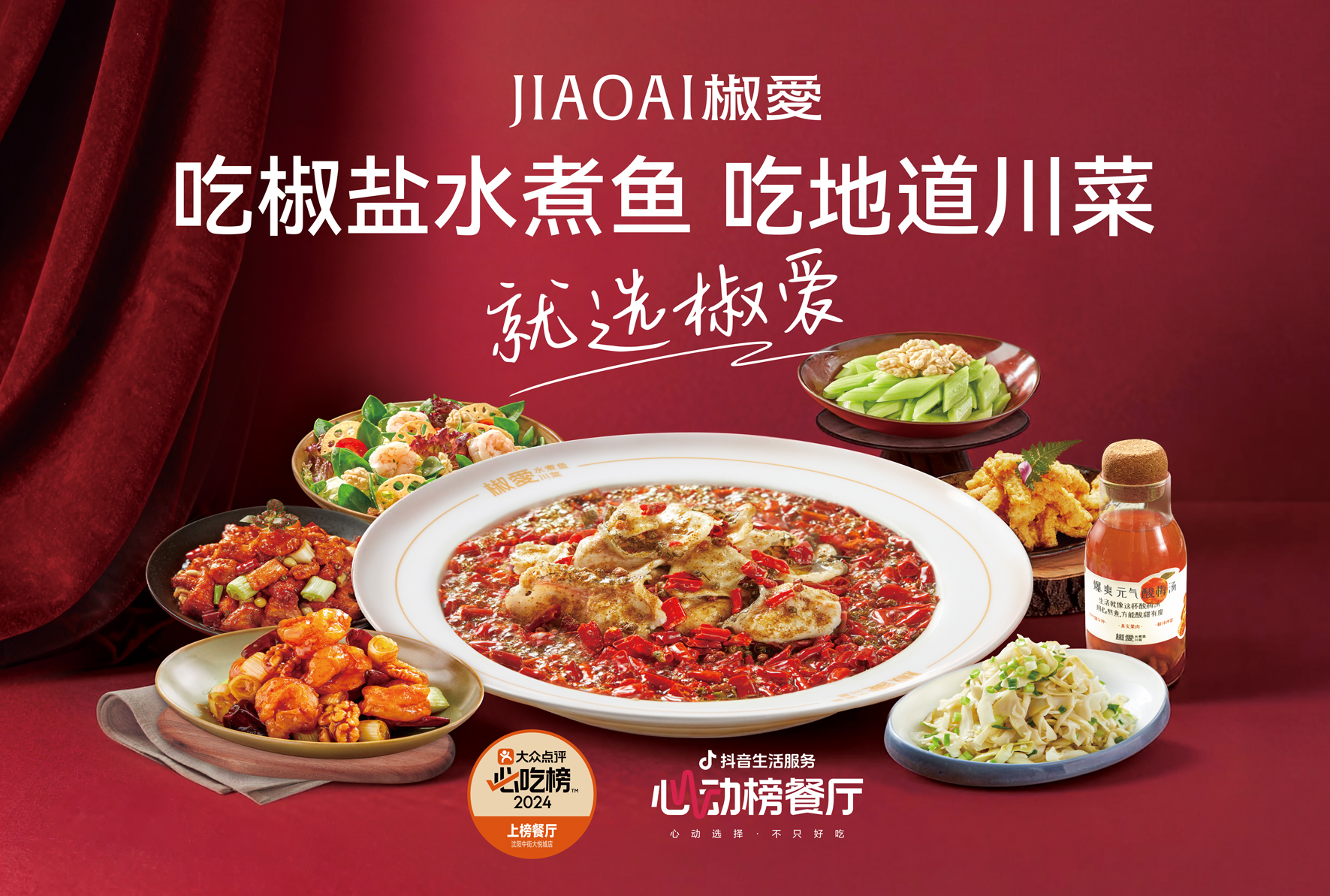
若说温情陪伴是椒爱的"软实力",那么跨区域多店同步开业的硬实力,则为这份陪伴提供了坚实支撑。在餐饮市场竞争进入深水区的当下,一次性实现八城 12店齐开,考验的不仅是经济实力,更是品牌后端的系统化支撑能力,而椒爱交出了一份亮眼答卷。对于行业而言,椒爱的规模化实践也为连锁餐饮品牌的 扩张提供了可借鉴的范本 — 唯有后端体系足够扎实,前端扩张才能行稳致远。 清晰的战略布局彰显深耕决心。此次新开的12家门店均落子华北、东北核心城市,形成区域密集覆盖态势。椒爱相关负责人介绍,这一布局旨在进一步提升 北方市场渗透率,优化供应链响应效率,让品牌服务更快速、稳定地触达更多消费者。据了解,截至目前,椒爱已在北京、上海、天津等60余座城市拥有 180余家餐厅,此次规模化扩张正是品牌深耕北方市场的重要一步。 高效的拓店硬实力源于扎实内功。从"1"到"12"的数字突破,背后是椒爱在供应链、标准化、人才、运营四大维度的长期积淀。为保障品质稳定,品牌搭建 了覆盖北方主要城市的供应链网络,确保招牌椒盐水煮鱼的核心食材每日新鲜直达;通过标准化烹饪流程与品控体系,将菜品口味误差控制在最小范围;经 过多年打磨的人才梯队与运营模式,更大幅缩短了新 ...

最快9个月回本!和府捞面“全托管”联营模式为餐饮投资注入强心剂
Sou Hu Cai Jing· 2025-12-26 05:50
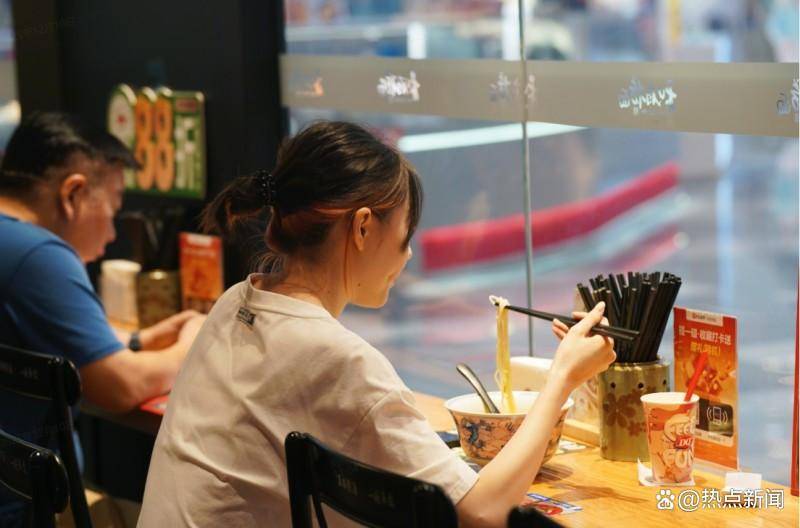
在充满不确定性的市场环境中,寻求"确定性"回报成为投资者的核心诉求。和府捞面"全托管联营"模式交出的成 绩单——超95%的门店存活率与12-18个月的主流回本周期,甚至部分优质门店9-11个月的回本速度,无疑为餐饮 投资领域注入了一剂强心针。这组数据的背后,是一套以"确保合伙人成功"为初衷、经过精密设计与系统化运作 的商业逻辑的成功验证。 最终,这一模式驱动了一个强大的增长飞轮。高存活率与良好的回报案例,吸引了更多优质合伙人加入,从而扩 大了品牌规模。规模的扩大进一步强化了供应链议价能力、品牌市场声量与数字化系统的边际效益,使得运营成 本更优、获客更容易,进而让新开门店的成功变得更加可预期。联营店占比已稳步提升至20%,正成为驱动和府 规模增长的关键引擎,形成了"更多人成功-品牌更强-成功更容易"的良性循环。 在餐饮投资从"机会驱动"转向"专业驱动"的今天,和府捞面的"全托管"模式,不仅为个体投资者提供了一份穿越 周期的"确定性"方案,也为整个连锁餐饮行业探索高效、共赢、可持续的扩张路径,提供了一个值得深思的范 本。 和府捞面的成功,首先源于其将"铺位严选"置于商业合作的起点。不同于追求扩张速度的"广招盟友" ...
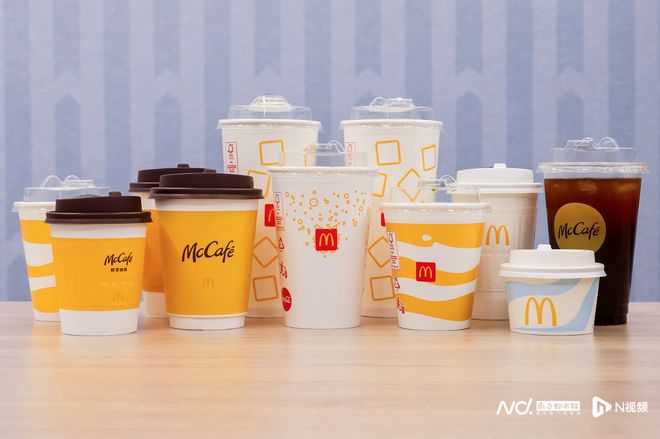
麦当劳中国宣布,7500家店即将启用生物基新包
DT新材料· 2025-12-25 16:05
Core Viewpoint - McDonald's China is accelerating its local high-quality development with a focus on green packaging, aiming to reduce plastic usage and promote sustainable materials [1][2][6]. Group 1: Green Packaging Initiative - Starting from December 19, McDonald's China will gradually implement bio-based packaging across its restaurants, expected to reduce petroleum-based plastic usage by approximately 5,800 tons annually [2][4]. - The new packaging primarily consists of polylactic acid (PLA) and paper materials, marking a significant shift towards renewable resources [2][4]. - McDonald's China has a history of reducing plastic usage, having introduced paper bags in 2007 and paper cups for certain products in 2010, which demonstrates its commitment to sustainability [6][8]. Group 2: Innovation and Collaboration - The development of the new packaging involved screening around 100 packaging solutions and conducting over 2 million practical tests to achieve scalable bio-based packaging innovation [7]. - McDonald's China collaborates with supply chain partners and engages in local R&D to enhance the properties of PLA materials, particularly for hot drink cup lids [8]. - The upgraded packaging features innovative designs, such as a dual-arch spill-proof structure for cold drink lids, which has received a design patent [7]. Group 3: Environmental and Safety Standards - The new packaging materials have been rigorously tested and comply with national food safety standards, ensuring hygiene and reliability for consumers [7]. - McDonald's China aims to set an example in the fast-food industry by actively exploring new bio-based materials while balancing environmental concerns and consumer experience [8].


贾国龙首次回应西贝预制菜风波:不应和顾客硬刚 降价菜品不会再涨价
新浪财经· 2025-12-25 10:35
Core Viewpoint - The founder of Xibei, Jia Guolong, reflects on the recent turmoil and acknowledges the need for better communication with customers, admitting past mistakes and committing to listening to customer feedback in the future [2]. Group 1: Customer Engagement and Product Adjustments - Xibei has made adjustments to over 10 products to meet customer demands for freshly made dishes, indicating a shift towards more customer-centric operations [2]. - The company has reduced prices on over 30 dishes by nearly 20%, lowering the average customer spending from 92 yuan to 75 yuan, with a commitment that these prices will not increase again [2]. - Jia Guolong emphasizes that while Xibei will not become a low-cost brand, it aims to provide value for money and enhance customer experience through better service and new dish development [2]. Group 2: Operational Strategy and Future Plans - Xibei plans to slow down its expansion and focus on stabilizing its existing 300+ stores, indicating a shift in strategy from aggressive growth to sustainable management [3]. - The company is exploring a new business model centered around becoming a "family-friendly restaurant," which includes increasing staff numbers and improving employee compensation [3]. - Jia Guolong believes that there is still potential for Chinese chain restaurants to achieve global success, similar to brands like Mixue Ice City, suggesting optimism for the future of the industry [3].

贾国龙首次回应西贝预制菜风波:不应该硬刚
Sou Hu Cai Jing· 2025-12-25 08:00
Core Viewpoint - The founder of Xibei, Jia Guolong, acknowledged the impact of the pre-prepared food controversy and expressed a commitment to listening to customer feedback in the future [2] Group 1: Company Response to Controversy - Xibei faced significant backlash after a social media post by Luo Yonghao questioned its use of pre-prepared dishes, leading to a public relations crisis [2] - Jia Guolong admitted that the company's response was inadequate, stating that he should not have taken a confrontational approach and should have been more receptive to customer opinions [2] - The company has made changes to its menu, including transitioning over ten dishes to be made fresh in-store, while acknowledging the challenges of completely eliminating central kitchen operations [3] Group 2: Pricing and Promotions - Xibei has implemented a nationwide price reduction on over 40 dishes, with an average decrease of nearly 20%, resulting in a current average customer spending of around 75 yuan [3] - To regain customer trust, Xibei launched a promotional campaign offering 100 yuan vouchers to customers who dine in, which has been followed by additional promotional activities [3][4] Group 3: Operational Adjustments - The company held an employee meeting to reassure staff about job security and provided a special bonus of 500 yuan to frontline employees [3] - Xibei has undergone over 80 inspections by government regulatory bodies since the controversy began, with no violations reported [4] Group 4: Future Strategy - The company aims to transform into a family-friendly dining experience, focusing on children's meals and introducing new themes in its restaurants [4] - Jia Guolong stated that if the company cannot survive this crisis, he would not pursue entrepreneurship again, indicating a cautious approach to future expansion [4]
“我认错”, 贾国龙最新发声
Xin Lang Cai Jing· 2025-12-25 05:50
Core Viewpoint - The founder of Xibei, Jia Guolong, reflects on the recent turmoil and emphasizes the importance of listening to customer feedback and making necessary adjustments to the business model [1][3]. Group 1: Customer Engagement and Product Adjustments - Xibei has made changes to over 10 products to meet customer demands for freshly made items, indicating a shift towards more customer-centric operations [1][3]. - The company has reduced prices on over 30 products by nearly 20%, lowering the average customer spending from 92 yuan to 75 yuan, with a commitment that these prices will not increase in the future [1][4]. Group 2: Operational Changes and Future Strategy - Jia Guolong acknowledges the challenges of completely moving away from a central kitchen model due to management difficulties and food safety risks, highlighting the need for a balanced approach [1][3]. - The company plans to increase wages for frontline staff by an average of 500 yuan during this period of adjustment, reflecting a commitment to employee welfare [4]. - Xibei aims to transform into a "family-friendly restaurant" and focus on children's meals, indicating a shift in business strategy towards a more personalized dining experience [2][4]. - The company intends to slow down its expansion plans and focus on stabilizing its existing 300+ stores, while recognizing the potential for Chinese cuisine to develop globally [2][4].
贾国龙首次回应西贝预制菜风波:不应和顾客硬刚 降价菜品不会再涨价
Xin Lang Cai Jing· 2025-12-25 05:44
Core Insights - The founder of Xibei, Jia Guolong, reflects on the recent turmoil and acknowledges the need for better customer engagement and responsiveness [1][3] - Xibei has made significant changes to its menu and pricing strategy in response to customer feedback, including a nearly 20% price reduction on over 30 dishes [1][4] - The company aims to transition towards a "family-friendly restaurant" model, focusing on children's meals and enhancing service quality [2][4] Group 1: Customer Engagement and Menu Changes - Jia Guolong admits to past mistakes in handling customer feedback and emphasizes the importance of listening to customers moving forward [1][3] - In September and October, Xibei adjusted over 10 dishes to be made fresh in response to consumer demands, while maintaining a central kitchen for operational efficiency and food safety [1][3] - The average customer spending has decreased from 92 yuan to 75 yuan due to the price cuts implemented in October [1][4] Group 2: Future Strategy and Business Model - Xibei plans to slow down its expansion and focus on stabilizing its existing 300+ stores, indicating a shift in growth strategy [2][4] - The company intends to enhance employee compensation, with an average salary increase of 500 yuan for frontline staff during the recent turmoil [4] - Jia Guolong believes that the ceiling for chain Chinese restaurants has not yet been reached, suggesting potential for significant growth in the sector [2][4]
贾国龙最新发声:不应和顾客硬刚 降价菜品不会再涨价
Xin Lang Cai Jing· 2025-12-25 05:10
Core Insights - The founder of Xibei, Jia Guolong, reflects on the recent turmoil and acknowledges the need for better customer engagement and responsiveness [1][3] - Xibei has made significant changes to its menu and pricing strategy in response to customer feedback, including a nearly 20% price reduction on over 30 dishes [1][4] - The company aims to transition towards a "family-friendly restaurant" model, focusing on children's meals and enhancing service quality [2][4] Group 1: Company Response to Customer Feedback - Jia Guolong admits to past mistakes in handling customer relations and emphasizes the importance of listening to customer opinions moving forward [1][3] - In response to demands for freshly prepared dishes, Xibei has adjusted its operations to allow more in-store preparation while maintaining a central kitchen for safety and management reasons [1][3] Group 2: Pricing and Cost Management - Starting in October, Xibei reduced the average customer price from 92 yuan to 75 yuan, committing to keeping these prices stable in the long term [1][4] - The company has also increased wages for frontline staff by an average of 500 yuan during the recent turmoil, indicating a focus on employee welfare [4] Group 3: Future Business Strategy - Xibei plans to slow down its expansion and focus on stabilizing its existing 300+ stores, aiming for sustainable growth rather than rapid scaling [2][4] - The company sees potential for Chinese cuisine to develop globally, similar to other successful brands, and is exploring new business models that prioritize staff engagement and customer experience [2][4]
麦当劳中国餐食包装绿色再升级,餐厅将陆续启用生物基新包装
Nan Fang Du Shi Bao· 2025-12-24 10:52
Core Viewpoint - McDonald's China is upgrading its food packaging to bio-based materials across over 7,500 restaurants, aiming to reduce petroleum-based plastic usage by more than 5,800 tons annually [1][3]. Group 1: Packaging Upgrade Details - The new packaging will primarily use polylactic acid (PLA) and paper materials, marking a significant shift towards renewable resources [1][3]. - The upgraded packaging features four main characteristics: innovation, environmental friendliness, customer experience, and safety [3]. - The new cold drink cup lid incorporates a "double-arch anti-overflow" structure, enhancing leak-proof performance and has received a design patent [3][5]. Group 2: Environmental Impact - The transition to bio-based materials is expected to significantly reduce the reliance on petroleum-based plastics, aligning with national carbon reduction strategies and sustainable development goals [7][8]. - McDonald's China has a history of reducing plastic usage, having previously implemented paper bags for takeout in 2007 and paper cups for certain products in 2010 [8]. Group 3: Industry Significance - The large-scale application of PLA materials by McDonald's China is seen as a pioneering move in the fast-food industry, contributing to the development of the bio-based materials sector and promoting sustainability in the restaurant industry [7][8]. - Experts highlight that McDonald's efforts in exploring new bio-based materials serve as a valuable example for other chain restaurants in pursuing green packaging solutions [8].
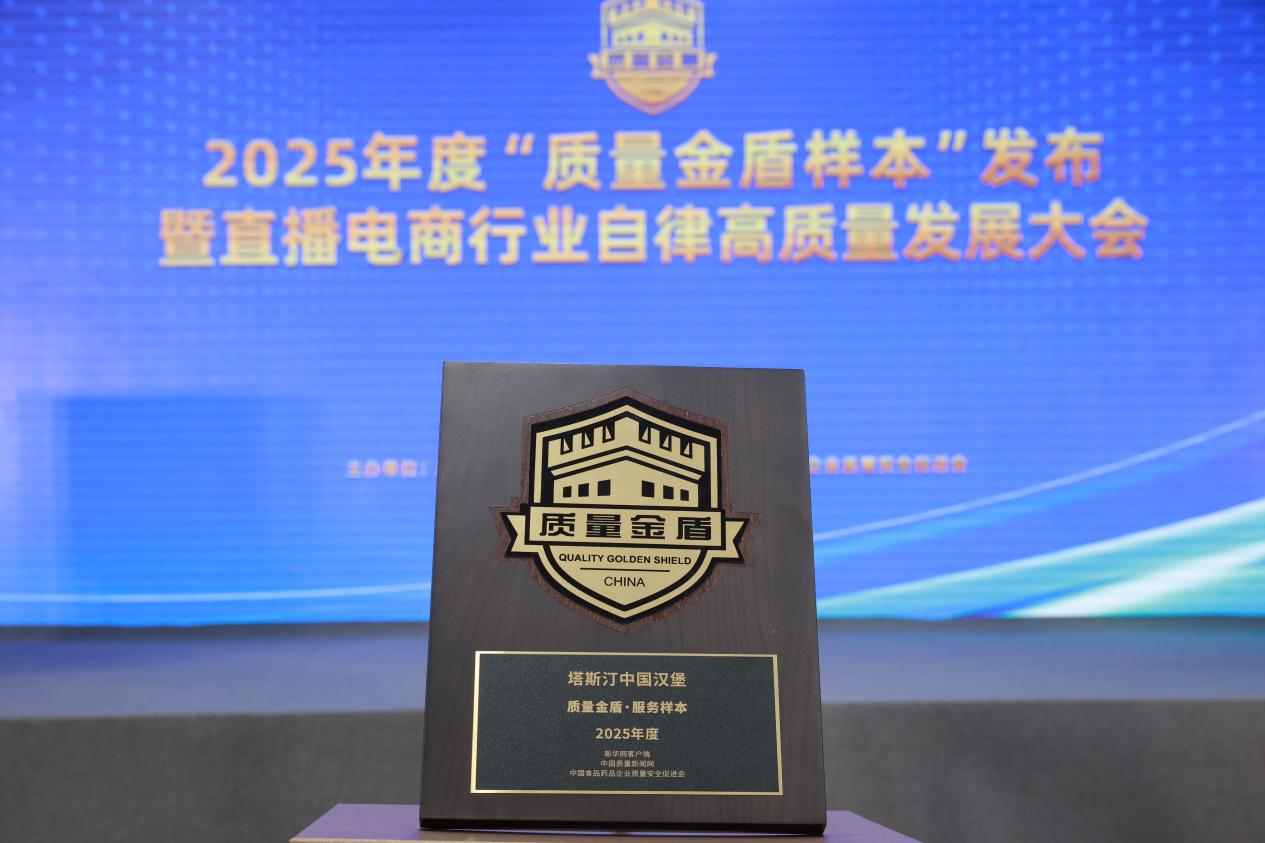
塔斯汀入选2025“质量金盾样本” 数字化筑牢食品安全防线
Zhong Guo Jing Ji Wang· 2025-12-24 06:16
12月12日,在2025中国食品药品质量安全大会上,2025年度"质量金盾.服务样本"名单正式揭晓。塔斯汀凭借在质量管理体系建设、核心技术创新、服务品 质提升、全链条安全管控等方面的表现,斩获2025年度"质量金盾.服务样本"奖。 本次大会由中国食品药品企业质量安全促进会主办,聚焦质量提升与创新驱动,邀请食品药品安全领域领导、专家及行业代表,围绕政策解读、技术交流、 成果展示与品牌建设等多维度开展系列活动。 在门店运营中,塔斯汀通过自主研发的"塔塔运营通"智能系统,实现从门店开门到打烊的全程数字化管理。该系统围绕品质、服务与清洁三大核心,设置了 百余项标准化的日常任务与检查项,让食安管理实现在线化与可视化。同时,塔斯汀采取"线上+线下"双轨智慧监管体系,不仅安排专业团队实地巡查,还 借助智能系统进行线上动态监管。 与此同时,塔斯汀充分整合全国稽核数据、法规政策、行业动态与消费者反馈,持续迭代食品安全管控策略及门店SOP与设备操作规范,助力加盟商提升服 务质量,保障产品品质稳定。 UNK and and and the many of the see and the see and the see and th ...