
零食零售

Search documents
新晃馋小忙零食店(个体工商户)成立 注册资本15万人民币
Sou Hu Cai Jing· 2025-11-18 06:47
天眼查App显示,近日,新晃馋小忙零食店(个体工商户)成立,法定代表人为姚佳,注册资本15万人 民币,经营范围为许可项目:餐饮服务;食品销售;食品互联网销售;烟草制品零售。(依法须经批准 的项目,经相关部门批准后方可开展经营活动,具体经营项目以相关部门批准文件或许可证件为准)一 般项目:食品销售(仅销售预包装食品);保健食品(预包装)销售;农副产品销售;食用农产品零 售。(除依法须经批准的项目外,凭营业执照依法自主开展经营活动)。 ...
来伊份:11月14日召开董事会会议
Mei Ri Jing Ji Xin Wen· 2025-11-14 11:01
截至发稿,来伊份市值为46亿元。 每经AI快讯,来伊份(SH 603777,收盘价:13.81元)11月14日晚间发布公告称,公司第六届第一次董 事会会议于2025年11月14日在来伊份零食博物馆会议室以现场结合通讯方式召开。会议审议了《关于聘 任公司高级管理人员的议案》等文件。 2024年1至12月份,来伊份的营业收入构成为:商业批发零售占比95.23%,其他业务占比4.77%。 每经头条(nbdtoutiao)——展望"十五五"|专访财科院院长杨志勇:遏制地方政府新增隐性债务,债务 信息要透明,尽可能降低利息成本 (记者 张明双) ...

3岁娃拿两块泡泡糖,店家索赔60元还指控偷数千元?好想来回应
凤凰网财经· 2025-11-11 04:14
Core Viewpoint - A recent dispute involving a three-year-old child at the "Good to Come Snack Paradise" in Suzhou, Jiangsu, has sparked significant discussion on social media, highlighting issues of transparency and accountability in retail environments [1][2]. Group 1: Incident Overview - A three-year-old child took two pieces of bubble gum without payment while the mother was outside, leading to an immediate apology and payment of 60 yuan as compensation for a previous customer's order [1]. - After the payment, the store accused the child of being responsible for the loss of thousands of yuan worth of goods [2]. Group 2: Parental Response - The child's father arrived and requested to see surveillance footage, offering to compensate tenfold or a hundredfold if the child was proven guilty, but the store refused to show the footage, claiming it was "nitpicking" [3]. - The store refunded 50 yuan but denied ever accusing the child of theft, labeling the accusations as "online hype," which escalated the controversy rather than resolving it [3]. Group 3: Public Reaction and Company Response - There has been a strong public demand for the store to release complete surveillance footage and handle the situation transparently, with calls for the brand to intervene and provide a clear statement [4]. - The company has established a special task force to address the incident, but no further details have been disclosed, with future authoritative information promised through official announcements [4].

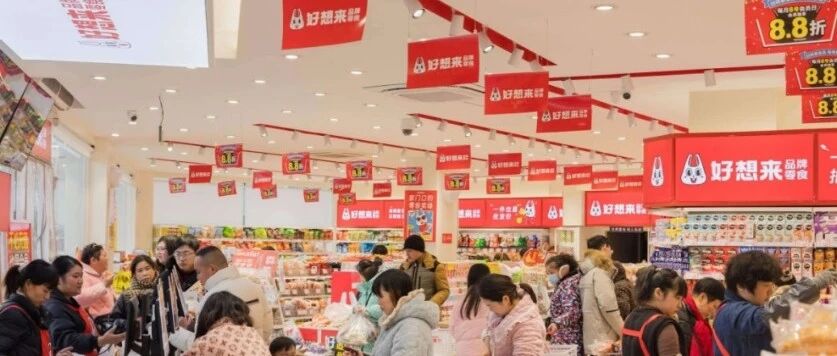
鸣鸣很忙也要赴港上市了,但它还有很多隐忧!
Sou Hu Cai Jing· 2025-11-04 08:11
Core Viewpoint - Hunan Mingming Hen Mang Commercial Chain Co., Ltd. (Mingming Hen Mang) has submitted an updated prospectus to the Hong Kong Stock Exchange, aiming for an IPO after a rapid growth trajectory in the snack retail sector, achieving significant revenue and GMV increases in a short period [2][7]. Group 1: Company Overview - Mingming Hen Mang was formed by the merger of Snack Hen Mang and Zhao Yiming Snacks, with the merger completed in November 2023, maintaining independent brand operations [3]. - The company has rapidly expanded its store count to approximately 6,500 after the merger, with plans to reach 14,394 stores by the end of 2024 and 16,783 stores by June 30, 2025, covering 28 provinces and 1,327 counties [5][7]. Group 2: Financial Performance - As of June 30, 2025, Mingming Hen Mang reported a GMV of 411 billion RMB for the first half of the year, with a year-on-year revenue increase of 86.9% [2][7]. - The company is recognized as the largest chain retailer in China by GMV in the leisure food and beverage sector, ranking among the top ten chain retailers in China for 2024 [7]. Group 3: Supply Chain and Operational Efficiency - The company has established direct supply relationships with over 2,300 upstream manufacturers, enhancing supply chain efficiency by bypassing intermediaries [5]. - With a network of 36 modern logistics warehouses, Mingming Hen Mang can achieve 24-hour delivery to stores, supporting the replenishment needs of over 14,000 locations [5]. Group 4: Market Position and Challenges - The rapid expansion and low pricing strategy have drawn comparisons to the successful brand Mixue Ice City in the snack sector [5]. - However, concerns have been raised regarding the sustainability of this growth model, with experts questioning the long-term viability due to potential quality issues and market saturation [11][12].

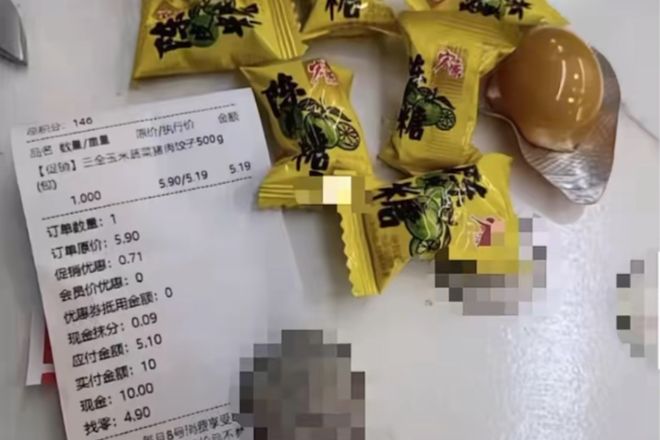
拿糖当钱找零?开店怎能既不大方又不严谨
Nan Fang Du Shi Bao· 2025-10-28 04:49
Core Viewpoint - The incident involving a store using candy as change has sparked significant public discussion, highlighting a breach of consumer rights and market transaction norms [1][2][3] Group 1: Consumer Rights and Business Practices - The company stated that it does not support the practice of using candy as change, but some stores may ask customers for consent in cases of insufficient change [1] - According to consumer protection laws, consumers have the right to fair trading conditions, including quality assurance and correct pricing, and can refuse forced transactions [1][2] - The practice of using candy instead of cash violates consumer rights, including the right to be informed and the right to choose, and can be seen as a form of forced trading [3] Group 2: Market Transaction Norms - In standard market practices, businesses typically offer discounts or promotions to attract consumers, but charging extra or using alternative forms of payment without consent is unacceptable [2] - The act of substituting candy for cash change is viewed as a serious violation of market transaction rules, as consumers did not purchase the candy and should not be required to pay for it [2][3] - The accumulation of such practices can lead to significant profits for businesses while undermining consumer rights, indicating a lack of respect for consumers [3]
拿糖当钱找零?开店怎能既不大方又不严谨
Nan Fang Du Shi Bao· 2025-10-27 19:58
Core Points - The incident involving Zhao Yiming's snack store using candy as change has sparked significant public discussion, highlighting a deviation from standard business practices [2][3] - The company's official response clarified that while they do not support this practice, some stores may ask customers for consent to use candy as change if they lack sufficient coins [2][4] - The practice of using candy instead of cash violates consumer rights, including the right to informed consent and choice, and can be seen as a form of forced transaction [4][5] Summary by Sections Company Practices - Zhao Yiming's snack store has been criticized for using candy as change, which is not officially supported by the company [2] - The practice is perceived as an attempt to avoid losing small amounts of cash, which contradicts typical business strategies that focus on customer attraction and retention [3] Consumer Rights - According to consumer protection laws, customers have the right to fair trading conditions, including accurate pricing and the ability to refuse unwanted products [2][3] - The use of candy as change without explicit consent from customers infringes on their rights and can be classified as a deceptive practice [4] Market Implications - The incident raises concerns about the respect for market transaction rules and consumer rights, suggesting that such practices could lead to broader issues of consumer trust and business integrity [3][4] - The accumulation of such practices could result in significant financial gains for the business at the expense of consumer rights, highlighting the need for stricter adherence to ethical business conduct [4][5]
量贩零食店,价廉味美才可能“长红”
Bei Jing Qing Nian Bao· 2025-10-27 05:25
Core Insights - The rapid expansion of discount snack stores in China is notable, with projections indicating that the number of such stores could exceed 45,000 by 2025 [1] - The success of discount snack stores is attributed to their affordable prices, diverse product offerings, and convenient shopping experiences, appealing to a wide range of consumers [1][2] - Maintaining a balance between low prices and high quality is crucial for long-term success, as compromising on quality can lead to loss of consumer trust [2][3] Summary by Sections Market Expansion - Discount snack stores have proliferated across urban areas, becoming a staple in consumer shopping experiences [1] - The growth trend began in 2022, indicating a strong market demand for affordable snack options [1] Pricing Strategy - The "low price" strategy is essential for attracting price-sensitive consumers, particularly students and young professionals [2] - Cost reduction is achieved through centralized purchasing, minimizing intermediaries, and scaling operations [2] - Small price advantages accumulate over time, creating significant competitive edges [2] Quality Assurance - Low prices should not equate to low quality; maintaining product quality is vital for consumer trust [2] - Ensuring food safety, variety, and timely product updates are key aspects of quality that consumers expect [2] - Establishing a traceable supply chain and developing high-quality private label products can enhance consumer confidence [2] Competitive Advantage - The combination of low prices and high quality creates a sustainable competitive advantage, fostering customer loyalty and repeat business [3] - The dual focus on affordability and quality aligns with broader social responsibilities, promoting equitable access to quality products [3] Future Challenges - The industry faces challenges such as e-commerce competition, rising rental costs, and market homogenization [3] - Continuous innovation in service models, supply chain optimization, and user experience enhancement are necessary for sustained growth [3] - Long-term success relies on building trust through consistent quality and value, rather than relying on marketing gimmicks [3]
生活中的经济学:量贩零食店为何遍地开花
Jing Ji Ri Bao· 2025-10-25 02:23
Core Insights - The rapid expansion of discount snack stores in China is driven by their ability to cater to consumer behavior and preferences, particularly in lower-tier markets [1][2] - These stores utilize a direct sourcing model to reduce costs and offer a mix of well-known brands and private label products, creating a competitive edge against traditional supermarkets [2][3] - The franchise model adopted by leading discount snack brands aims to accelerate growth and prepare for potential IPOs, although it faces challenges such as market saturation and profitability concerns [3] Group 1: Market Dynamics - Discount snack stores have seen explosive growth since 2022, with projections indicating over 45,000 stores by 2025 [1] - The stores create a relaxed shopping environment that appeals to consumers' non-purposeful buying habits, enhancing the overall shopping experience [1] - Consumer preferences vary, with urban customers willing to pay for trendy snacks while rural customers favor low-cost bulk items, indicating a broad market potential [1] Group 2: Competitive Strategies - By bypassing traditional supply chains, discount snack stores can negotiate better prices and offer a wider variety of products, including both popular brands and private labels [2] - Targeted marketing strategies focus on family-friendly products and promotions that attract children and budget-conscious consumers, solidifying their market position [2] - Sales tactics such as high-frequency coupons and limited-time offers are employed to engage various consumer demographics, including seniors and students [2] Group 3: Expansion and Challenges - Leading brands are adopting a rapid franchise model to scale operations quickly, promoting low entry costs and support for new franchisees [3] - The simplified approval process for opening new stores attracts investors looking for quick returns, although this model may lead to challenges in maintaining quality and differentiation [3] - As the industry matures, consolidation and the emergence of hybrid business models, such as snack and beverage combinations, are becoming more common [3]
年入323亿,福建90后,要IPO了
创业邦· 2025-10-25 01:09
Group 1 - The core viewpoint of the article is that Wanchen Group, the parent company of the snack brand "Haoxianglai," has officially submitted an IPO application to the Hong Kong Stock Exchange, aiming to become the first listed company in the mass snack sector in Hong Kong [2] - "Haoxianglai" is projected to rank first in China's snack and beverage retail brands by GMV in 2024 and is the first mass snack and beverage retail brand in the country to exceed 10,000 stores [2] Group 2 - The driving force behind this retail empire is Wang Zenning, a typical representative of the "second-generation entrepreneurs," who is in his 90s [3]
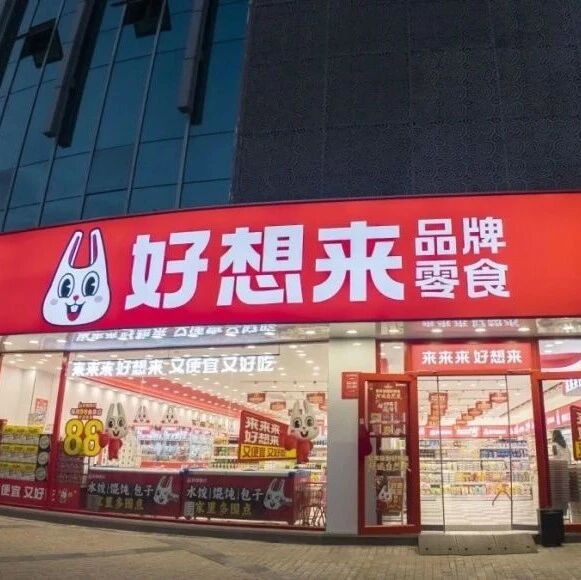
回本周期拉长,闭店加剧,量贩零食争抢上岸
3 6 Ke· 2025-10-23 12:20
Core Insights - The snack retail industry is witnessing a competitive race for the title of the first snack stock, with two major brands, Wancheng Group and Mingming Hen Mang, filing for IPOs within a short span of time [1] - Both companies have shown significant revenue growth, with Wancheng Group projecting revenues of 5.49 billion, 9.29 billion, and 32.33 billion CNY from 2022 to 2024, while Mingming Hen Mang expects revenues of 4.29 billion, 10.30 billion, and 39.34 billion CNY in the same period [1] - The rapid expansion of these brands is marked by a high number of franchise stores, with Wancheng Group aiming for 15,365 stores and Mingming Hen Mang claiming over 20,000 stores by mid-2025 [1] Expansion Strategies - Wancheng Group and Mingming Hen Mang have adopted aggressive expansion strategies, with Wancheng adding nearly 10,000 stores in just one year, averaging 26 new stores per day [3][4] - The companies rely heavily on franchise models, with Wancheng stating that 99.4% of its stores are franchises, indicating a high dependency on franchisee performance for revenue [4] Financial Performance - Both companies exhibit low profit margins compared to other sectors, with Mingming Hen Mang's gross margins ranging from 7.45% to 7.62% from 2022 to 2024, while Wancheng's gross margin is projected to be around 10.9% in 2024 [5] - The average payback period for franchisees has extended to about 29 months, indicating increasing challenges in achieving profitability [7] Market Challenges - The snack retail market is becoming saturated, leading to increased competition and a decline in profitability for franchisees, with many reporting losses and closures [9][10] - Franchisees are facing difficulties in maintaining sales, with many unable to achieve the necessary monthly revenue to break even, leading to a rise in store closures [8][9] Industry Trends - The industry is experiencing a shift as brands explore new growth avenues, such as diversifying product offerings to include trendy items like blind boxes and collectibles [11] - There are indications that brands like Wancheng Group are considering transforming into comprehensive supermarket formats to adapt to changing market dynamics [11][12]