
非物质文化遗产

Search documents
数字体验为非遗带来潮流艺术表达
Zhong Guo Xin Wen Wang· 2025-08-18 01:52
Group 1 - The event "Xinjiang is a Good Place" showcases the innovative integration of intangible cultural heritage (ICH) and digital technology, highlighting the importance of preserving cultural traditions while making them accessible to modern audiences [1][3] - Digital fireworks and interactive installations, such as the "Mud Gugu" digital art device, create immersive experiences that connect traditional art forms with contemporary technology, appealing particularly to younger generations [1][2] - The "Mud Gugu" art form, recognized as a national intangible cultural heritage since 2006, is presented through a digital experience that allows audiences to interact and engage with cultural narratives, symbolizing the continuity of cultural memory [2][3] Group 2 - The Central Academy of Fine Arts emphasizes that the essence of digital works is to bridge the gap between ICH and daily life, encouraging greater public engagement with diverse cultural heritages [3] - The exploration of technology as a contemporary language for ICH aims to enhance its appeal without altering its cultural core, thus revitalizing traditional practices in the context of modern society [3]
非遗出海还需优化路径
Jing Ji Ri Bao· 2025-08-12 22:15
Core Viewpoint - Gansu Pingliang paper-cutting has been recognized as a key cultural export project by the Ministry of Commerce and other departments, marking a significant opportunity for sustainable cultural trade development [1] Group 1: Cultural Promotion and Communication - The first step in promoting intangible cultural heritage (ICH) abroad is to break communication barriers, necessitating the establishment of a team of cultural promoters with both depth and international perspective [2] - A special fund should be set up to support skilled ICH inheritors in showcasing their work internationally through demonstrations and teaching [2] - The creation of a professional overseas promotion team is essential for brand image building and international media relations, transforming complex cultural symbols into relatable narratives for audiences [2] Group 2: Industrialization and Product Development - The sustainable development of ICH requires a shift from individual craftsmanship to an industrial mindset, creating a modern ICH industry chain [3] - Innovations in design and the establishment of international design workshops are crucial for integrating ICH with foreign cultures, leading to the development of high-value products [3] - Standardization and scalability in production are necessary, alongside the introduction of smart devices to enhance efficiency while maintaining core craftsmanship [3] Group 3: Expanding Cultural Ecosystem - The success of the film "Huangfu Mi Acupuncture" at an international film festival highlights the potential for cultural products to reach broader audiences [4] - Continuous international outreach requires the establishment of self-sustaining market channels and the development of cultural IP to enhance global cultural exchange [4] - Collaborations with international brands can integrate ICH elements into global product lines, facilitating wider market penetration [4]
【延安】为安塞腰鼓立法
Shan Xi Ri Bao· 2025-08-08 23:57
Core Viewpoint - The newly passed "Regulations on the Protection, Inheritance, and Development of the Ansai Waist Drum" aims to provide a comprehensive legal framework for the preservation and promotion of this traditional art form, emphasizing both protection and innovation [1][2]. Group 1: Legal Framework - The regulations consist of 21 articles covering protection scope, government responsibilities, inheritance and development, and support measures, establishing a systematic legal basis for the Ansai Waist Drum [2]. - The regulations emphasize "living inheritance" rather than mere preservation, encouraging innovation while safeguarding traditional techniques and instruments [2]. Group 2: Cultural Significance - The Ansai Waist Drum has a history dating back over 2000 years to the Qin and Han dynasties, originally serving military purposes before evolving into a vital cultural expression for celebrations and rituals [1]. - Recognized as a national intangible cultural heritage in 2006, the Ansai Waist Drum has undergone significant evolution, developing a unique artistic style over time [1]. Group 3: Implementation and Community Engagement - The regulations aim to integrate the Ansai Waist Drum into contemporary life by promoting its presence in schools and communities, fostering talent development, and encouraging the passing down of skills from masters to apprentices [2]. - The goal is to ensure that the art form is actively practiced and appreciated, with plans for performances and regular training sessions to be legally protected [2].
非遗手作店主制作点翠大蟑螂走红,前7月非遗相关企业注册涨超20%
Qi Cha Cha· 2025-08-08 06:08
Core Insights - A small shop named "XianYue Intangible Cultural Heritage Handmade" has gained popularity on social media due to its unique product, the "DianCui Cockroach," which has sold hundreds of items within a month of opening, with 90% of sales attributed to cockroach-related products [1] - The younger generation, particularly those born in the 1990s and 2000s, is driving the consumption of intangible cultural heritage (ICH) products, infusing new creativity and ideas into traditional crafts [1] Industry Overview - As of August 7, there are 163,600 existing ICH-related enterprises in China, with nearly 30% located in the East China region [2] - Over 60% of these enterprises have been established in the last three years, with 35.58% founded between one to three years ago and 26.68% within the past year [3] Registration Trends - The registration of ICH-related enterprises has shown a stable upward trend over the past decade, with a projected total of 39,100 new registrations in 2024, reflecting a year-on-year growth of 6.73% [4] - In the current year, 28,200 enterprises have been registered so far, with 27,500 of those registered in the first seven months, marking a year-on-year increase of 23.81% [4]
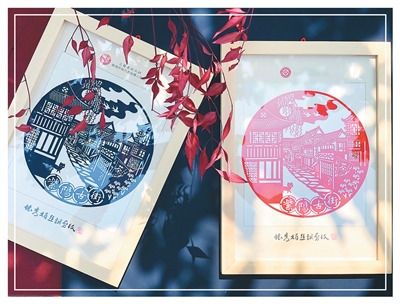
红纸裁云,“剪”出共富新路(千行百业看海归)
Ren Min Ri Bao Hai Wai Ban· 2025-07-29 21:18
Core Viewpoint - The article highlights the innovative efforts of Yang Yuxiao in revitalizing traditional paper-cutting art in her hometown of Linhai, Zhejiang, by integrating modern materials and expanding the product range, thereby enhancing both aesthetic and collectible value of the craft [4][6][10]. Group 1: Innovation and Product Development - Yang Yuxiao has introduced new materials such as silk and cashmere cotton into paper-cutting, successfully applying for 13 national patents [4][6]. - The silk paper-cutting process is more complex than traditional methods, resulting in a price increase, with products priced 10 times higher yet still favored by enterprises [4][6]. - The average price of traditional paper-cutting was only a few dozen yuan, while the new silk series is priced between 200 to 500 yuan, with some pieces selling for over 400 yuan after framing [6][7]. Group 2: Market Strategy and Consumer Engagement - Yang Yuxiao aims to attract more consumers by launching affordable products under 100 yuan, including wearable paper-cutting accessories [7]. - The revenue from customized gifts is significant, and there is potential for growth in educational experiences related to paper-cutting [7][8]. - Yang Yuxiao has organized over 150 training sessions for local villagers, resulting in more than 2,000 graduates and 80 individuals obtaining advanced paper-cutting certificates [8]. Group 3: Cultural Exchange and Global Outreach - Yang Yuxiao's participation in cultural exchanges, such as the 20th anniversary with South Korea's Hongseong County, has broadened her understanding of the potential of paper as a medium for modern design [9][10]. - The article emphasizes the importance of integrating traditional crafts into contemporary aesthetics, as seen in the innovative uses of Korean paper [9][10]. - Yang Yuxiao has utilized online platforms to teach paper-cutting, reaching international audiences, including students at Confucius Institutes [10].

雪域高原的幸福篇章
Ren Min Ri Bao Hai Wai Ban· 2025-07-23 22:29
Group 1: Disaster Recovery and Community Development - The earthquake in Dingri County, which registered a magnitude of 6.8, severely impacted Gu Rong Village, prompting immediate community response and recovery efforts [13][14]. - The reconstruction of Gu Rong Village is progressing well, with the main structure of new homes nearing completion, allowing residents to transition from temporary housing to permanent homes [14]. - The recovery efforts have created job opportunities for local residents, reducing the need for them to seek work elsewhere, thus improving the overall quality of life in the village [14]. Group 2: Cultural and Tourism Development - The establishment of the Sakya Art Space, the first county-level contemporary art venue in Tibet, aims to promote the integration of traditional culture and contemporary art, benefiting local tourism [15][16]. - The local government has invested in cultural tourism projects, enhancing the appeal of Sakya County as a tourist destination, which has led to increased visitor numbers and economic benefits for local businesses [15][16]. - The shift in tourism strategy emphasizes cultural experiences alongside accommodation, allowing local residents to thrive in the tourism sector [15][16]. Group 3: Infrastructure Development - The expansion of Gonggar Airport is crucial for accommodating the increasing passenger volume, with a target of 5.5 million passengers annually, necessitating improvements in external transportation [17][18]. - The project aims to alleviate traffic congestion around the airport, enhancing accessibility and supporting the region's economic growth [17][18]. - Local employment opportunities are being created through the construction projects, contributing to the community's development [17][18]. Group 4: Education and Youth Development - The educational environment in Tibet is improving, with modern facilities and diverse extracurricular activities available to students, fostering a well-rounded learning experience [19][20]. - Students are encouraged to engage in various interest groups, promoting physical activity and teamwork, which contributes to their overall development [19][20]. - The aspirations of local youth to pursue higher education and careers outside their hometowns reflect a growing ambition and potential for future contributions to society [19][20]. Group 5: Preservation of Cultural Heritage - The traditional pottery-making technique in Penggang Village is being revitalized, with efforts to teach younger generations and promote local craftsmanship [21][22]. - The recognition of Penggang pottery as an intangible cultural heritage highlights its significance in the local culture and economy [21][22]. - Plans to establish a cooperative for pottery artisans aim to enhance employment opportunities and strengthen the local economy through cultural tourism [21][22]. Group 6: Healthcare Development - The introduction of specialized medical training in anesthesia at the local hospital addresses the shortage of medical professionals in the region, improving healthcare services [23][24]. - The collaboration with medical teams from other regions has facilitated knowledge transfer and skill development for local healthcare workers [23][24]. - The successful completion of numerous surgical procedures by local doctors demonstrates the growing capacity of the healthcare system in Tibet [23][24].

“三轮驱动”构建四川非遗创新生态
Zhong Guo Chan Ye Jing Ji Xin Xi Wang· 2025-07-08 23:19
Group 1 - The core viewpoint of the articles highlights the integration of technology with intangible cultural heritage (ICH) in Sichuan, enhancing the vibrancy and accessibility of traditional cultural practices [1][2][4] - The "Tianxia Jiuzhai" performance showcases the fusion of traditional Tibetan songs with modern technologies like AI and holography, attracting tourists and reshaping perceptions of Jiuzhai Valley [1] - The 9th China Chengdu International Intangible Cultural Heritage Festival features AR effects and interactive AI experiences, promoting diverse cultural engagement among visitors [2] Group 2 - The launch of the "24 Solar Terms" game by Chengdu East Extreme Six Senses Technology Co., Ltd. immerses players in a dynamic representation of rural life in Sichuan, integrating local cultural elements [3] - Policies introduced in 2025 aim to support AI design services in ICH, offering financial incentives to institutions achieving significant service revenue, thus modernizing the protection of ICH [4] - The 31st Zigong International Dinosaur Lantern Festival attracted 2.0873 million visitors, generating a revenue of 236 million yuan, demonstrating the successful commercialization of ICH [4] Group 3 - The establishment of the Lantern Academy in collaboration with Sichuan University of Light Chemical Technology focuses on training young creative teams in lantern design and production, fostering innovation in ICH [5] - The introduction of a digital ICH visual creation micro-major at Sichuan Cultural Industry Vocational College aims to cultivate talents skilled in both ICH and digital technology, promoting cross-disciplinary innovation [5]
文化中国行 | 到大学去:传承人“组团创新”,非遗“跨界生长”
Zhong Guo Qing Nian Bao· 2025-07-04 02:10
Core Insights - The article discusses the impact of the Chinese Intangible Cultural Heritage (ICH) training program initiated in 2015, highlighting the integration of ICH practitioners into higher education institutions to foster cultural exchange and innovation [1][2] Group 1: Training Programs and Their Impact - The training programs emphasize "filling gaps," "consolidating skills," "theoretical cultivation," and "establishing systems," which are frequently mentioned by educators involved in the ICH training [2] - Nanjing Normal University has hosted multiple training sessions for ICH practitioners, focusing on traditional operas and addressing the generational gap in skills and modern aesthetic disconnect [5] - The program at Suzhou Industrial Design University has revitalized the "Taohuawu Woodblock New Year Pictures" craft, which was on the verge of extinction, by integrating it into the curriculum and offering credits that align with other majors [7][8] Group 2: Cultural and Economic Integration - The training programs encourage practitioners to merge traditional crafts with modern aesthetics, leading to the creation of brands and enhancing the marketability of ICH products [9] - Participants like Lai Lei, a representative of the Dong ethnic group's clothing, have learned to design marketable products, such as mascots for local events, thereby increasing community income and self-esteem [9][10] - East China University of Science and Technology has trained over 300 ICH practitioners and emphasizes the importance of understanding and presenting ethnic elements in contemporary design [10] Group 3: Cross-Disciplinary Innovation - The concept of "cross-disciplinary" training has emerged, where practitioners from different crafts collaborate, enhancing creativity and expanding the potential applications of their skills [12] - Institutions like Shanghai University have developed a comprehensive model for cross-disciplinary innovation, facilitating collaboration between ICH practitioners and designers, resulting in over 1,200 innovative works across various sectors [13][14] - The integration of different materials and techniques has led to unique products, such as bamboo and porcelain combinations, showcasing the potential of traditional crafts in modern contexts [14]
关注2025文化和自然遗产日丨非遗展风采 生活韵更浓
He Nan Ri Bao· 2025-06-14 23:58
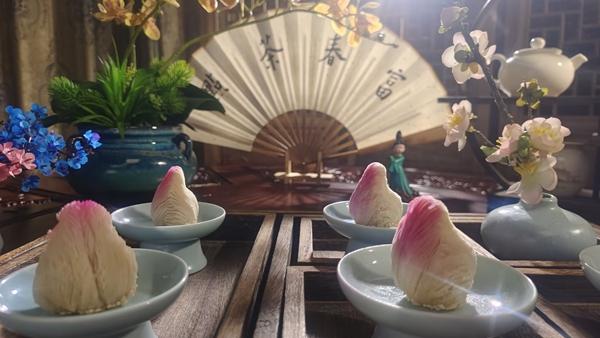
Group 1 - The core theme of the intangible cultural heritage (ICH) promotion activities is "Integrating into Modern Life - ICH is Youthful" [1] - A series of vibrant ICH promotional events were held in Henan Province, showcasing the vitality of ICH in modern life [1] - The main event took place in the ancient city of Junxian, featuring various ICH projects from different cities, providing an immersive cultural experience for visitors [1][2] Group 2 - The event included performances such as lion dance, which received enthusiastic responses from the audience, highlighting the engagement of younger generations with ICH [1] - ICH serves as a key to unlock nostalgia and a warm connection for modern individuals seeking their spiritual roots [1] - Various local events across Henan showcased ICH through diverse forms, including performances and hands-on experiences, enhancing public interest [2] Group 3 - Experts emphasize the importance of ICH aligning with contemporary lifestyles, aesthetic preferences, and practical needs to truly integrate into modern life [3]
北京:打造“非遗+文旅”新场景
Ren Min Ri Bao· 2025-06-12 23:02
Group 1 - The core event is the "2025 Cultural and Natural Heritage Day" in Dongcheng District, Beijing, focusing on the theme of "Revitalizing Intangible Cultural Heritage" [1] - The event includes various activities such as opening ceremonies, themed exhibitions, and cross-border experiences to showcase the vitality of intangible cultural heritage in the modern era [1] - A new initiative called the "Intangible Cultural Heritage Consumption Check-in Plan" was launched to integrate intangible cultural heritage with tourism and consumption, allowing visitors to collect stamps and receive discounts [1] Group 2 - Dongcheng District has established a systematic protection and innovative dissemination matrix for intangible cultural heritage, with a support plan benefiting many protection units [1] - Awards were presented to 44 outstanding projects and inheritors as part of the support and reward program [1] - The district's cultural and tourism bureau emphasizes the importance of innovation and preservation in intangible cultural heritage, planning to continue the "Revitalization Plan" through various integrations such as "Intangible Heritage + Tourism" and "Intangible Heritage + Technology" [1]