
油气开采

Search documents
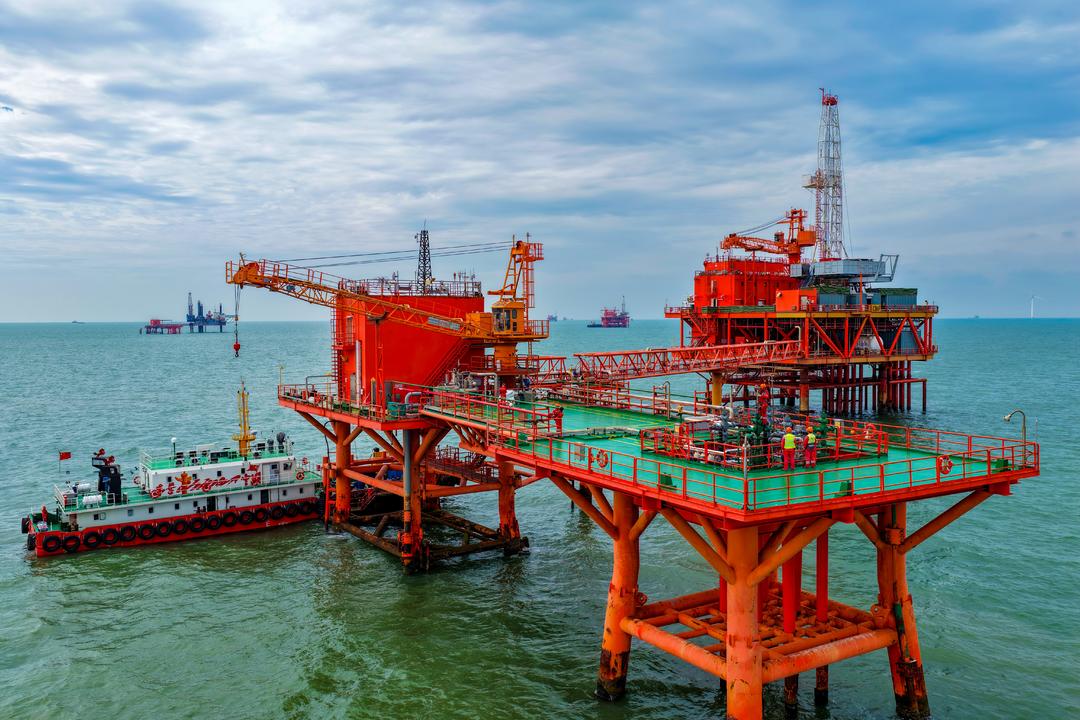
胜利海上抓实基础管理,促进油气高效开发
Qi Lu Wan Bao Wang· 2025-09-23 04:19
Core Viewpoint - The company emphasizes precision in water injection as a key factor for improving oil and gas development efficiency [1] Group 1: Water Injection Management - The company has organized employees at the CB6C platform to conduct measurement and adjustment work on water injection wells to ensure accurate water injection [1] - The marine oil production plant strictly manages water injection quality and enhances the water injection well network [1] - The company focuses on ensuring that water is injected into the formation in a good, sufficient, and precise manner to promote efficient offshore oil and gas development [1]

新时代 新征程 新图景——新疆维吾尔自治区高质量发展成就综述
Ren Min Ri Bao· 2025-09-23 00:43
Core Viewpoint - Xinjiang is emerging as a crucial hub for trade and development, showcasing significant economic growth and potential in various sectors, including agriculture, energy, and infrastructure. Economic Development - Xinjiang's GDP is projected to reach 20,534.08 billion yuan in 2024, marking a significant increase from 7,499.47 billion yuan in 2012, with an average annual growth rate of 7.0% [3] - The region's per capita GDP is expected to rise from 33,495 yuan in 2012 to 78,660 yuan in 2024, reflecting a growth of 1.3 times [3] - The export of automobiles through the Horgos port reached 237,000 units from January to August this year, showing a year-on-year increase of 5.3% [2] Infrastructure and Resource Management - The Dashi Gorge Water Conservancy Project, with a maximum dam height of 247 meters, aims to alleviate water shortages for over 8 million acres of farmland, providing 3.42 billion cubic meters of ecological water annually [4] - Xinjiang's irrigation area has expanded from 16.81 million acres at the founding of New China to 99.17 million acres in 2024, with grain yield per acre increasing to 524.8 kg, ranking first in the country [5] Energy Sector - The Xinjiang Oilfield Company is set to achieve a historical milestone with a total oil and gas equivalent of 20 million tons this year, alongside the establishment of the first national shale oil demonstration zone [3] Cultural and Social Development - Initiatives promoting ethnic unity and cultural integration are being implemented, enhancing community ties among diverse ethnic groups [7][9] - The "Ma Bei Police Service Team" provides essential services to remote pastoral communities, reflecting the commitment to improving local livelihoods [8]
新时代 新征程 新图景(砥砺奋进七十载 天山南北谱华章)
Ren Min Ri Bao· 2025-09-23 00:38
Core Viewpoint - Xinjiang is emerging as a crucial hub for trade and development, showcasing significant economic growth and potential in various sectors, including agriculture, energy, and infrastructure [1][3][9]. Economic Development - Xinjiang's GDP is projected to reach 20,534.08 billion yuan in 2024, marking a significant increase from 7,499.47 billion yuan in 2012, with an average annual growth rate of 7.0% [3]. - The region's per capita GDP is expected to rise from 33,495 yuan in 2012 to 78,660 yuan in 2024, reflecting a growth of 1.3 times [3]. - The export of automobiles through the Horgos port reached 237,000 units from January to August this year, showing a year-on-year increase of 5.3% [2]. Infrastructure and Energy - The Dashi Gorge Water Conservancy Project, with a maximum dam height of 247 meters, is set to alleviate water shortages for over 8 million acres of farmland, providing 3.42 billion cubic meters of ecological water annually [4]. - The Xinjiang oilfield company is expected to achieve a historical milestone with a total oil and gas equivalent of 20 million tons this year, alongside the establishment of a national-level shale oil demonstration zone [3]. Agricultural Advancements - Xinjiang's irrigation area has expanded from 16.81 million acres at the founding of New China to 99.17 million acres in 2024, with grain yield per acre increasing to 524.8 kilograms, the highest in the country [5]. - The introduction of drip irrigation has reduced water usage by approximately 20%, significantly benefiting local farmers [5]. Social and Cultural Integration - Initiatives promoting ethnic unity and cultural exchange are being implemented, enhancing community ties among diverse ethnic groups in Xinjiang [7][8]. - The "One Family Like Pomegranate Seeds" campaign aims to strengthen the sense of community and shared identity among various ethnic groups [9].
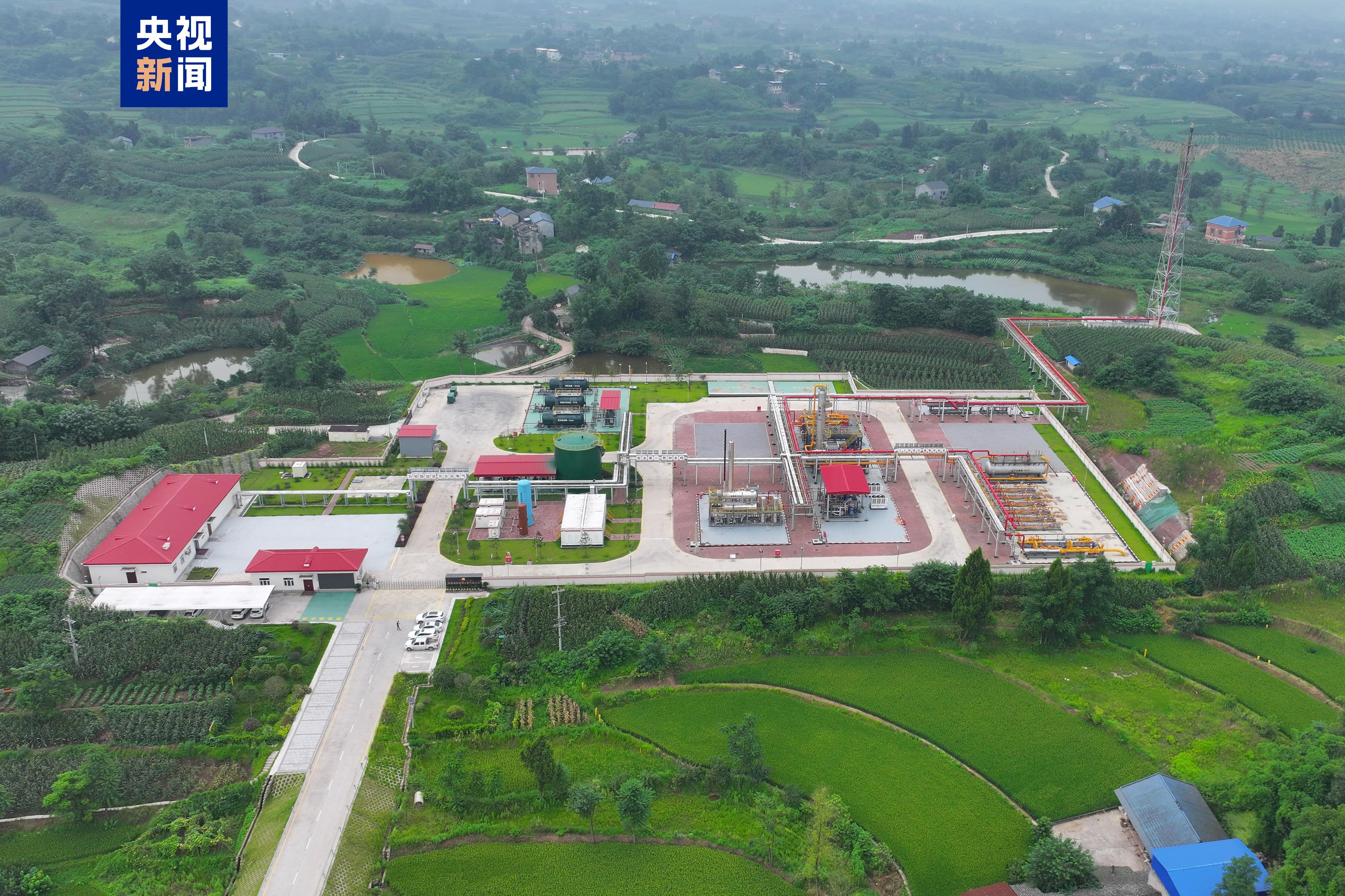
大庆油田川渝探区天然气累产突破40亿立方米
Yang Shi Xin Wen Ke Hu Duan· 2025-09-22 23:49
Core Viewpoint - Daqing Oilfield's exploration area in Sichuan and Chongqing is a crucial part of its "steady oil and increased gas" strategy, with a total area of 16,300 square kilometers [3] Group 1 - Since entering the Sichuan-Chongqing region at the end of 2017, Daqing Oilfield has accelerated capacity construction and exploratory drilling [3] - The natural gas production in the Sichuan-Chongqing exploration area has steadily increased for seven consecutive years, currently exceeding a daily capacity of 4.5 million cubic meters [3]

新时代 新征程 新图景(砥砺奋进七十载 天山南北谱华章) ——新疆维吾尔自治区高质量发展成就综述
Ren Min Ri Bao· 2025-09-22 22:16
Group 1: Economic Development and Trade - Xinjiang has become a core area and hub for trade, contributing significantly to China's food security and energy supply [1][3] - In the first eight months of this year, the Horgos port exported 237,000 vehicles, marking a year-on-year increase of 5.3% [2] - Xinjiang's total import and export value is projected to reach 434.16 billion yuan in 2024, surpassing 400 billion yuan for the first time [2] Group 2: Infrastructure and Resource Management - The Dashi Gorge Water Conservancy Project, with a maximum dam height of 247 meters, aims to alleviate water shortages for over 8 million acres of farmland [4] - Xinjiang's irrigation area has expanded from 16.81 million acres at the founding of New China to 99.17 million acres in 2024, with grain yield per acre reaching 524.8 kg, the highest in the country [5] - The city of Karamay has achieved a water reuse rate of 62% by recycling 28.286 million cubic meters of water in the first eight months of this year [6] Group 3: Cultural Integration and Social Stability - Xinjiang promotes ethnic unity through activities that enhance mutual understanding among diverse communities [7] - Cultural initiatives, such as the "classic recitation" program in schools, aim to integrate traditional culture with modern values [7] - Community engagement activities, including music and cultural classes, foster a sense of belonging among various ethnic groups [7][8] Group 4: Overall Progress and Future Outlook - Xinjiang's GDP is expected to exceed 2 trillion yuan for the first time, growing from 749.947 billion yuan in 2012 to 2,053.408 billion yuan in 2024, with an average annual growth rate of 7.0% [3] - The region is characterized by a vibrant and stable environment, with local populations actively participating in development initiatives [9]
铁路将停运,机场将停航!深圳全力迎战今年以来最强台风“桦加沙”
Mei Ri Jing Ji Xin Wen· 2025-09-22 14:46
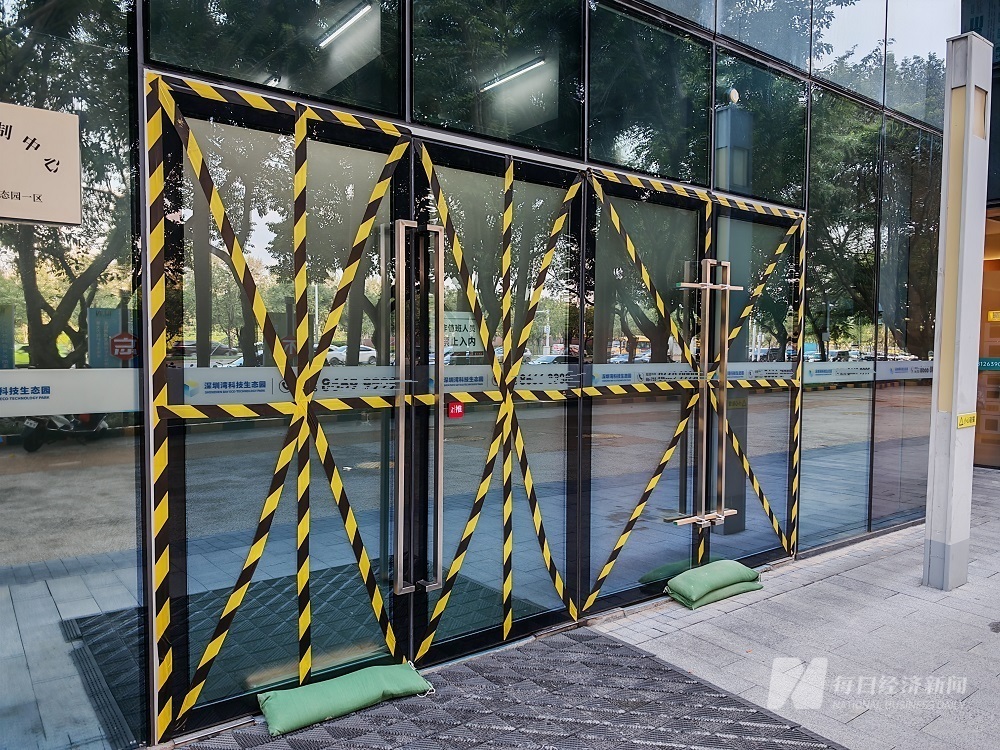
每经记者|孔泽思 每经编辑|魏官红 9月24日凌晨至下午,今年第18号台风"桦加沙"预计将在广东中西部沿海登陆,是今年以来影响我国的最强台风。 9月22日,深圳市气象台宣布,于当日21时前后将全市台风蓝色预警信号升级为黄色。气象部门预测,深圳9月23日午后风雨逐渐加大,23日夜间到24日是风 雨最强时段,致灾风险极高。 深圳各界正全力迎战台风。9月22日,《每日经济新闻》记者看到,多家商户、写字楼的玻璃已贴上"米"字胶带。记者还从深圳机场、铁路、交警、电力、 应急等部门了解到,多部门已做好防台应急预案,南方电网深圳供电局表示,将以最高级别响应备战超强台风"桦加沙"。 深圳将适时启动"五停"措施 ALLE A 1 STATION AND . The Fast The 0 THE Schilling HINAR D and and the lines 4 Re 4876 64999 Filling Ph H t r promotion IN alletti for is ID=11111 P 22 0117740 21 MI t 1 TIMUL DIVALL 65 AMA 19 22:44 7 Factor ) ...
油气开采板块9月22日跌1.56%,*ST新潮领跌,主力资金净流出6072.57万元
Zheng Xing Xing Ye Ri Bao· 2025-09-22 08:53
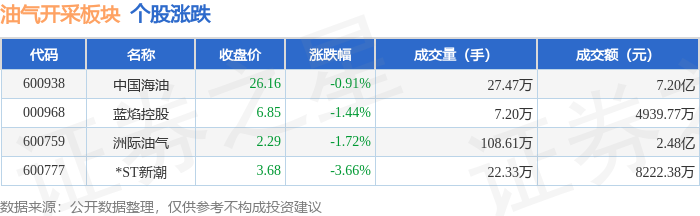
Group 1 - The oil and gas extraction sector experienced a decline of 1.56% on September 22, with *ST Xinchao leading the drop [1] - The Shanghai Composite Index closed at 3828.58, up 0.22%, while the Shenzhen Component Index closed at 13157.97, up 0.67% [1] - Major stocks in the oil and gas extraction sector showed varied performance, with *ST Xinchao down 3.66% and China Haikang down 0.91% [1] Group 2 - The net outflow of main funds in the oil and gas extraction sector was 60.73 million yuan, while retail investors saw a net inflow of 50.24 million yuan [1] - Detailed fund flow data indicated that *ST Xinchao had a main fund net outflow of 9.43 million yuan, with retail inflow of 6.08 million yuan [2] - Other companies like Blue Flame Holdings and Intercontinental Oil & Gas also reported significant net outflows from main funds [2]



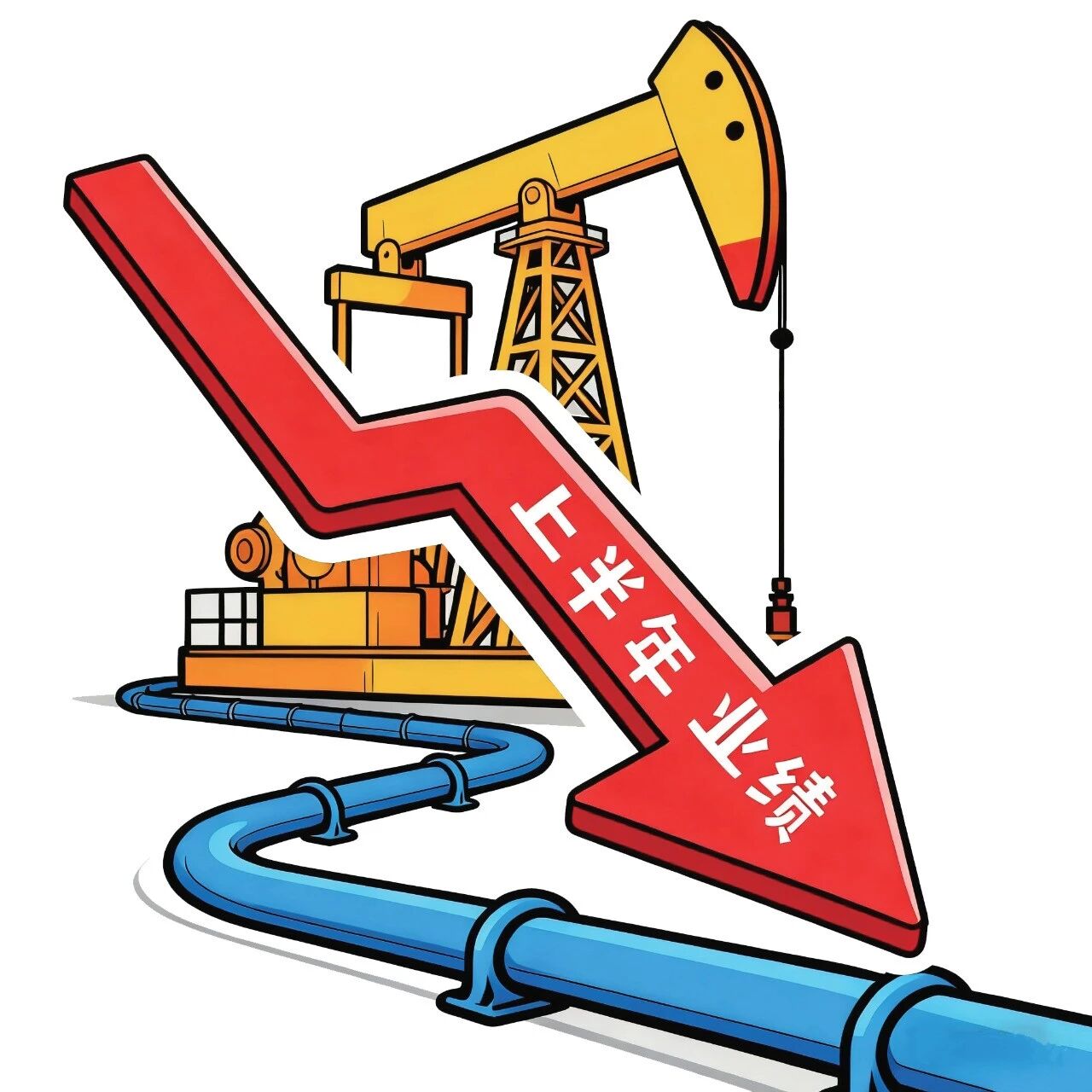
洲际油气业绩“承压”
中国能源报· 2025-09-22 04:03
Core Viewpoint - Intercontinental Oil and Gas is facing significant performance pressure due to international oil price fluctuations, production contraction, and cost control imbalances, with deeper issues related to overseas project capacity release and the cultivation of new growth points [2][3]. Performance Indicators - In the first half of the year, Intercontinental Oil and Gas reported revenue of 1.056 billion yuan, a year-on-year decrease of 20.60%; total profit of 155 million yuan, down 41.86%; net profit attributable to shareholders of the listed company was 4.976 million yuan, a sharp decline of 54.38%; and operating cash flow of 70.78 million yuan, down 67.93% [5]. - The company's asset-liability ratio stood at 29.65%, with total debt of 948 million yuan and short-term debt accounting for 35.03%. Accounts receivable as a percentage of operating income has been steadily increasing, with proportions of 6.55%, 7.22%, and 13.83% for the first halves of 2023, 2024, and 2025, respectively [5]. - The ratio of operating cash flow to net profit was 0.97, significantly lower than the industry average of 2.06, indicating weaker profitability quality [6]. Challenges and Market Conditions - The company's profit total nearly halved, primarily due to a 12% drop in Brent crude oil prices in the first quarter and an 8% reduction in production at the Keshan oilfield. The sharp decline in net profit was attributed to rising management, sales, and financial expenses [6]. - International oil prices have been volatile due to various factors, including Sino-U.S. trade relations, increased production from Saudi Arabia, and geopolitical issues in the Middle East [6]. Overseas Project Development - Intercontinental Oil and Gas's operational blocks are mainly located in Kazakhstan, with key projects being the Mateng and Keshan oilfields. The company aims to enhance production through scientific extraction plans and advanced technologies [8]. - In the first half of the year, the Keshan oilfield produced 200,200 tons of crude oil, while the Mateng oilfield produced 117,400 tons. The company is also advancing projects in Iraq and developing the desert oilfield [8]. New Profit Growth Points - The company is pursuing a dual-driven development strategy of "project value enhancement + project mergers and acquisitions," focusing on Central Asia while exploring other oil-rich regions [10]. - Intercontinental Oil and Gas is actively seeking new profit growth points, including oil product trading and renewable energy projects, leveraging the advantages of the Hainan Free Trade Port [10]. - Following judicial restructuring in 2023, the company has reduced its debt scale and maintained normal production operations, with plans for new investments in oilfield development and renewable energy projects in 2024 [10].
埃及油气产量开始回升
Zhong Guo Hua Gong Bao· 2025-09-22 02:56
埃及曾因地中海最大气田Zohr的发现成为LNG净出口国,但2024年底重新转为净进口国。近年来其陆上 气田产量锐减、发电需求激增及极端高温导致电力短缺,迫使埃及加大LNG进口。 据悉,为进一步提升国内油气产量,埃及已启动新一轮油气招标,向国际公司开放13个海上/陆上区 块,投标截止日期为2025年9月30日。 中化新网讯 近日,埃及石油与矿产资源部发布数据显示,在经历连续4年的产量下降后,埃及石油和天 然气产量近期开始回升,这也缓解了其进口压力。自8月以来,埃及天然气日产量已增加超2亿立方英 尺。其油气产量增长使埃及燃料进口账单缩减36亿美元,并偿还了国际合作伙伴10亿美元的欠款。 最近几个月,英国石油(BP)宣布埃及近海Raven气田二期投产,通过海底回接技术将新增井接入西尼罗 河三角洲项目现有陆上设施;同时在其北亚历山大近海区块发现新气藏,计划将其并入西尼罗河三角洲 开发体系。壳牌也在加速开发,在西尼罗河三角洲深水区连接6口新井,并对地中海Mina West气藏作出 最终投资决定。 ...


国际油价小幅下跌,尿素、蛋氨酸价格下跌
Sou Hu Cai Jing· 2025-09-22 02:17
Core Viewpoint - The chemical industry is experiencing mixed price movements, with 33 products increasing in price, 31 decreasing, and 36 remaining stable during the week of September 15-21. The international oil prices have slightly decreased, influenced by geopolitical factors and supply-demand dynamics [1][2]. Industry Dynamics - In the week of September 15-21, among 100 tracked chemical products, 33 saw price increases, 31 saw decreases, and 36 remained stable. 40% of the products had a month-on-month average price increase, while 47% experienced a decrease, and 13% remained flat [1]. - The top gainers in weekly average prices included acetic acid (East China), NYMEX natural gas, sulfur (CFR China spot price), calcium carbide (East China), and trichloroethylene (East China). Conversely, the largest price declines were seen in vitamin E, nitric acid (East China), epoxy chloropropane (East China), dichloromethane (East China), and polyester FDY (East China) [1]. - International oil prices saw a slight decline, with WTI crude oil futures closing at $62.68 per barrel (down 0.02%) and Brent crude oil futures at $66.68 per barrel (down 0.46%). The U.S. oil production averaged 13.482 million barrels per day, a decrease of 13,000 barrels from the previous week but an increase of 282,000 barrels year-on-year [2]. - The EIA reported that U.S. oil demand averaged 20.637 million barrels per day, an increase of 85,600 barrels from the previous week, with gasoline demand at 8.810 million barrels per day, up 30,200 barrels [2]. Urea Market - Urea prices decreased, with the domestic average price on September 19 at 1,675 yuan per ton, down 0.95% week-on-week and 11.70% year-on-year. Daily production averaged 193,300 tons, an increase of 5,700 tons from the previous week [3]. - The average operating rate for compound fertilizer was 40.78%, up 1.42 percentage points from the previous week, indicating stable production levels [3]. - The domestic coal market average price was 576 yuan per ton, up 1.77% week-on-week, which may support urea production costs [3]. Methionine Market - Methionine prices fell, with the domestic average price on September 19 at 21.65 yuan per kilogram, down 0.69% week-on-week but up 5.71% year-on-year. The production remained stable at 11,100 tons, with an industry operating rate of 54.09% [4]. - The demand for solid methionine was generally weak, with downstream purchasing being cautious [4][5]. Investment Recommendations - As of September 21, the SW basic chemical sector's P/E ratio (TTM excluding negative values) was 25.29, at the 75.31% historical percentile, while the P/B ratio was 2.21, at the 52.99% historical percentile. The SW oil and petrochemical sector's P/E ratio was 11.50, at the 23.70% historical percentile, and the P/B ratio was 1.14, at the 19.28% historical percentile [6]. - The report suggests focusing on sectors affected by tariff policies, companies in electronic materials, undervalued industry leaders, and energy firms with stable dividend policies [6]. - Long-term investment themes include the sustained high oil prices benefiting the oil and gas exploration sector, the rapid development of downstream industries, and the potential for recovery in demand supported by policy changes [6]. Notable Stocks - Recommended stocks include China Petroleum, China Oilfield Services, China Petrochemical, and several others in the new materials and energy sectors [7].