农业种植

Search documents
“江夏之心”旁添新绿,凤栖湖公园开放
Chang Jiang Ri Bao· 2025-06-26 06:49
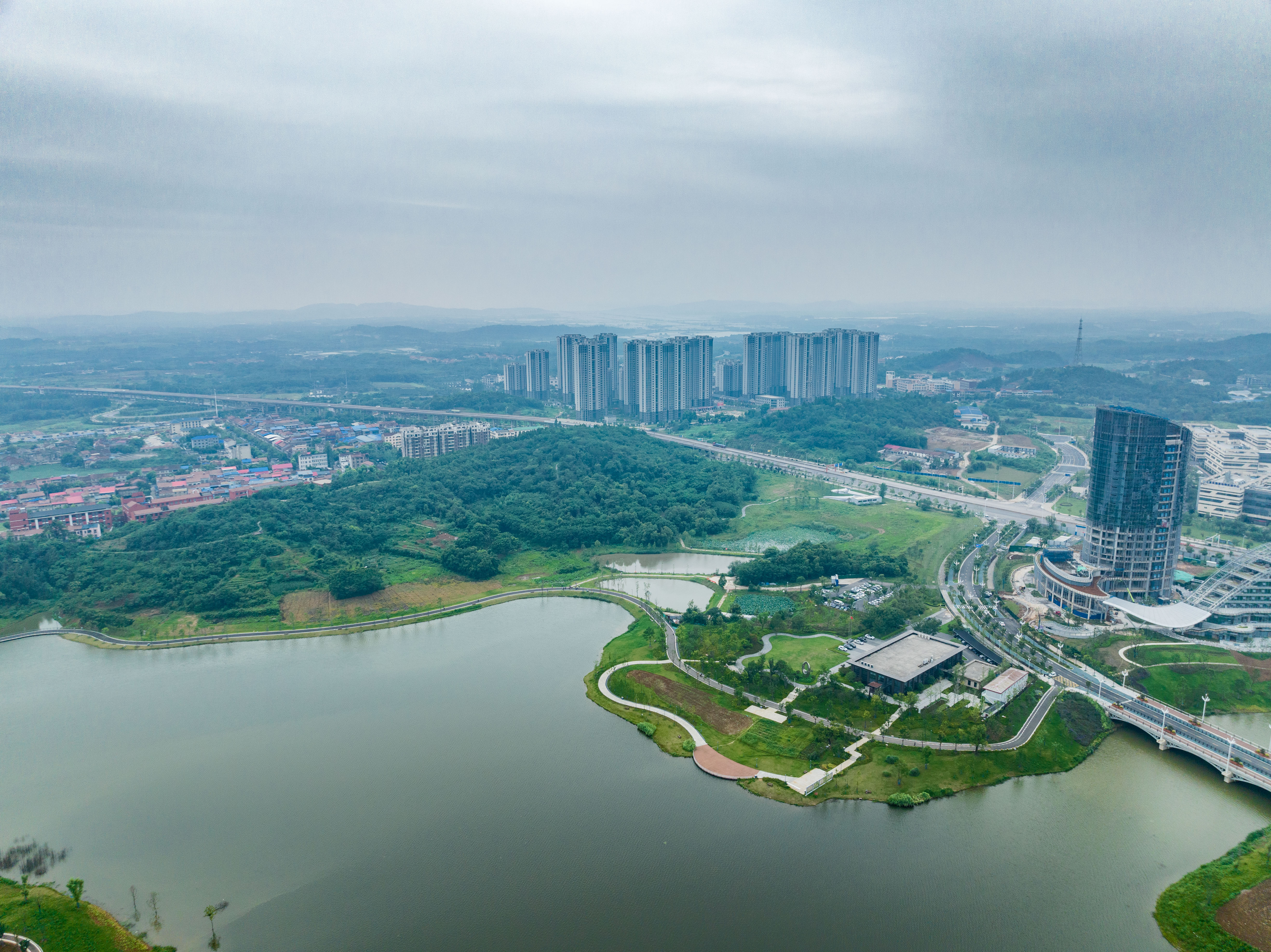
Core Viewpoint - The transformation of Hongqi Reservoir into Fengqi Lake Park represents a significant improvement in environmental quality and community well-being, aligning with the development goals of the Guanggu South Health Industry Park [1][5][14]. Group 1: Park Development - Fengqi Lake Park has been completed and opened, featuring a 15-kilometer winding greenway that connects natural landscapes and cultural elements [5][8]. - The park includes nine entrances and a newly constructed smart public restroom equipped with facial recognition and air purification systems, enhancing visitor experience [8]. Group 2: Community Impact - Local residents have reported improved living conditions, with one villager noting a significant enhancement in environmental quality compared to previous agricultural activities [5]. - Employment opportunities have increased, with a local security guard mentioning a monthly income boost of 3,000 yuan due to the park's development [5]. Group 3: Ecological and Health Focus - The park emphasizes ecological restoration, wellness, and smart technology, featuring a layout that includes "one ring, six zones, and ten scenic spots" [14]. - Plans are in place to introduce professional agricultural companies to cultivate health-oriented crops, such as low-sugar rice, to meet community health demands [14].

沙漠里看海这件事,竟然在西北做到了
3 6 Ke· 2025-06-26 00:02
Core Viewpoint - The article highlights the unique charm and potential of Wuhai, a lesser-known tourist city in Inner Mongolia, emphasizing its natural beauty, cultural richness, and emerging economic opportunities in the food sector [1][2][3]. Geographical and Natural Features - Wuhai is characterized by its unique geographical layout, surrounded by three major deserts and blessed with abundant water resources, earning it the titles of "Desert Oasis" and "New City on Water" [2][3]. - The Wuhai Lake, a significant water body formed from the Yellow River, spans 118 square kilometers, equivalent to 18 West Lakes, and is a central feature of the city's romantic landscape [3][4]. Cultural and Culinary Diversity - As a city with a rich history of immigration, Wuhai showcases a blend of diverse cultures and beliefs, exemplified by landmarks like the "Little Potala Palace," which reflects Tibetan architectural influence [4]. - The local cuisine is heavily influenced by the region's history of nomadic tribes, with lamb dishes being a staple, prepared in a way that emphasizes freshness and robust flavors [5][6]. Economic Development and Agricultural Innovation - Wuhai, known as "Lion City," has a rich coal resource base that has historically supported its economy, but faces challenges due to resource depletion [7]. - Innovative agricultural practices have emerged, such as cultivating "desert ginseng" (Cistanche) and establishing a significant grape production base of nearly 30,000 acres, making it the largest in Inner Mongolia [7][8]. - The favorable climate conditions in Wuhai allow for the production of high-quality grapes and wine, contributing to the development of a unique "delicious economy" [8].
睢宁综合发力让更多农民种出高产田
Xin Hua Ri Bao· 2025-06-25 23:34
Core Insights - The article highlights the record-breaking wheat yields in Suining, Jiangsu, with several farmers achieving impressive results, such as 806.2 kg per mu, indicating a successful agricultural season [1][2][3] Group 1: Wheat Production Achievements - Suining County has completed the harvest of 1.11 million mu of wheat, with a total expected yield of 513,000 tons, an increase of 11,100 tons compared to last year [1] - High-yield varieties such as "Xu Mai 185" and "Xu Mai 2100" have been successfully cultivated, with the majority of the county's wheat varieties showing a yield potential exceeding 600 kg per mu [2][3] Group 2: Agricultural Practices and Technology - The promotion of high-yield and efficient planting techniques is crucial for increasing overall yields, with experts providing guidance on best practices [2][3] - The use of advanced agricultural machinery, such as the "Bugu Bird" seeder, has significantly improved planting efficiency, resulting in higher yields and reduced labor [3][4] Group 3: Agricultural Innovation and Support - Suining combines the promotion of quality seeds with effective farming methods, organizing events to educate farmers on achieving yields above 700 kg per mu [3][5] - The Ministry of Agriculture continues to prioritize the enhancement of crop yields, focusing on technology implementation and equipment compatibility to support stable grain production [4][5]
省沿海集团盐碱地改良技术集成示范区小麦亩产达989.1斤
Xin Hua Ri Bao· 2025-06-25 21:46
Core Insights - The Coastal Group's Changdong Land Improvement Project has achieved significant success in transforming saline-alkali land into productive farmland, with wheat yields averaging 989.1 jin per mu, setting a new record in Jiangsu province [1][3]. Group 1: Project Overview - The Changdong project is located in a typical coastal saline-alkali area, characterized by low fertility and high salinity levels, making it challenging for crop production [2]. - The project utilized a tailored approach involving collaboration with research institutions to develop a comprehensive soil improvement strategy [2]. Group 2: Agricultural Yield Improvements - In the 2023-2024 season, the project achieved rice yields of 1144 jin per mu, a 6% increase compared to conventional improvement areas, and rapeseed yields of 421.9 jin per mu, up nearly 30% [3]. - Despite adverse weather conditions in the 2024-2025 season, the project still recorded impressive yields, with rice at 1012 jin per mu (27.5% increase) and wheat at 989.1 jin per mu (13.8% increase) [3]. Group 3: Technological Advancements - The success of the Changdong project represents a breakthrough in technology for saline-alkali land management, establishing a comprehensive soil quality evaluation system and a targeted improvement model [4]. - The Coastal Group plans to standardize and disseminate these technological achievements for broader application in saline-alkali land improvement, aiming for an average yield increase of over 15% in future projects [4].
全国土地日丨从闲置地到丰收田 城市耕地实现生态经济效益双赢
Yang Shi Wang· 2025-06-25 08:20
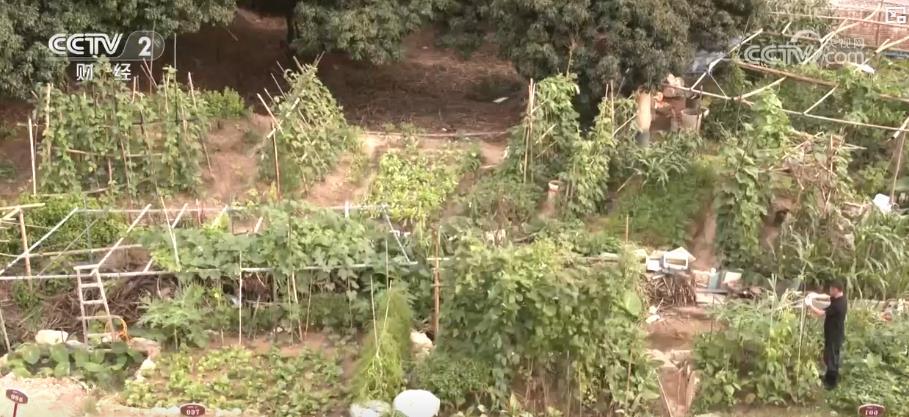
Group 1 - The theme for the 35th National Land Day on June 25, 2025, is "Conserving and Intensively Using Land, Strictly Protecting Arable Land" [1] - Guangzhou is exploring ways to balance agricultural and ecological preservation with urban development within limited space [1] - Approximately 200 households in a community in Huangpu District are actively engaging in urban farming on a less than 5-acre plot, revitalizing the land [3] Group 2 - The local government is closely monitoring every piece of arable land, ensuring precise location tracking and quality assessment as part of land protection efforts [5] - Panyu District has been seizing opportunities for southern urban development, with 3,000 acres of newly organized arable land expected to yield its first rice harvest this summer [7] - Guangzhou has developed a special plan for arable land protection, designating 271 concentrated remediation areas of over 100 acres each to supplement arable land space [9] Group 3 - The integrated management of the reorganized land is conducted in partnership with local entities and enterprises, leading to increased agricultural value and farmer income [11]
农业银行青岛分行:金融赋能网红番茄 智慧农业结出硕果
Zhong Guo Jin Rong Xin Xi Wang· 2025-06-25 07:18
Core Viewpoint - The integration of advanced agricultural technology and financial support is driving the growth of high-quality tomato production in Qingdao, showcasing a successful model of modern agriculture and financial collaboration [1][3][4]. Group 1: Agricultural Technology - The tomatoes produced in the smart greenhouse have a sugar content of 9.5, which is 30% higher than ordinary varieties, thanks to advanced climate control systems that collect data every 10 minutes to optimize conditions [2]. - The intelligent sorting line uses near-infrared spectrometry to assess sugar content and defects within 3 seconds, achieving a loss rate of only 2.3%, significantly below the industry average [2]. - The company’s self-owned base produces over 60,000 tons of high-quality tomatoes annually, and the NFC juice production line has an annual output value exceeding 400 million yuan [2]. Group 2: Financial Support - The collaboration with Agricultural Bank began in 2013, leading to a total of 950 million yuan in loans over 12 years, with a recent 76.8 million yuan working capital loan processed in just 10 days to meet seasonal demand [3]. - Agricultural Bank's "Huinong e-loan" products provide up to 500,000 yuan in credit loans to over 5,000 farmers, enabling them to upgrade their facilities and diversify their agricultural products [3]. - The Agricultural Bank's agricultural loan balance reached 41.4 billion yuan, supporting nearly 2,000 enterprises and over 26,700 farmers, demonstrating a comprehensive financial ecosystem for agricultural development [4]. Group 3: Industry Impact - The establishment of a high-quality tomato industry belt in Laixi City has led to an average annual income increase of over 30,000 yuan for farmers, highlighting the economic benefits of modern agricultural practices [3]. - The partnership between technology and finance is seen as a "symbiotic chain," fostering a vibrant agricultural future and contributing to rural revitalization efforts [4].

我们为什么对土地粤爱粤深沉?|全国土地日·观察
Nan Fang Nong Cun Bao· 2025-06-25 01:00
Core Viewpoint - The article emphasizes the importance of land reform and management in Guangdong Province, highlighting innovative practices and policies aimed at enhancing agricultural productivity and sustainability while addressing challenges such as land salinization and population density [10][12][19]. Group 1: Land Management and Reform - Since 2022, the Jinwan District has been actively restoring farmland and exploring methods to improve saline-alkali land, transforming small plots into larger, more productive areas [5][6]. - Guangdong has implemented the "Field Leader System" to enhance land management, with over 120,000 leaders overseeing approximately 58.13 million mu of farmland [26][30]. - The province aims to establish high-standard farmland by 2035, with a focus on integrating agricultural, cultural, and tourism sectors for high-quality development [19][20][24]. Group 2: Agricultural Productivity and Economic Impact - The integration of agricultural practices has led to significant economic benefits, such as over 3.7 million yuan in land transfer income in Maoming and over 6 million visitors to agricultural demonstration bases [17][18]. - The "Multi-Field Integration" approach has resulted in the restoration of approximately 5,300 mu of farmland and the construction of 140,300 mu of high-standard farmland, improving the quality and productivity of agricultural land [70][72]. Group 3: Technological Innovations and Monitoring - The implementation of a dynamic monitoring system has allowed for effective management of farmland, with over 41.7 million kilometers of land inspected, leading to a significant reduction in illegal land use [48][49]. - The introduction of the "Yue Province Affairs" app has enabled public access to farmland information, enhancing transparency and community engagement in land management [52][53]. Group 4: Policy Framework and Future Directions - Guangdong has established a comprehensive land protection plan, designating 164 demonstration areas for concentrated land management and restoration [86][80]. - The province has successfully balanced land occupation and compensation for 22 consecutive years, ensuring sustainable agricultural practices and food security [100][116].

中国中亚合筑生态治理“绿堤”(环球热点)
Ren Min Ri Bao Hai Wai Ban· 2025-06-24 22:44
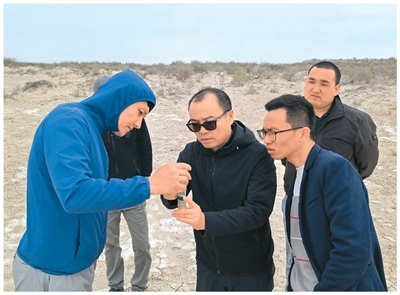
Core Viewpoint - The collaboration between China and Central Asian countries to address the ecological crisis of the Aral Sea is gaining attention, showcasing significant achievements in ecological governance and sustainable agricultural practices [3][7]. Group 1: Ecological Governance Initiatives - China and Central Asian countries have conducted joint scientific investigations and implemented various ecological projects, including saline-alkali land management and the establishment of water-saving cotton demonstration areas [3][6]. - The "Photovoltaic + Cotton Water and Fertilizer Integration" demonstration area in Uzbekistan has doubled cotton yields while significantly reducing costs and water usage through advanced irrigation and fertilization technologies [4][6]. Group 2: Technological Collaboration - The integration of Chinese photovoltaic panels and smart irrigation systems has led to an average cotton yield of 307 kg per mu in the demonstration area, which is substantially higher than the local average of 120 kg per mu, while water usage is approximately 70% of the local norm [6][7]. - The collaboration has provided a platform for technical exchanges between Chinese and Uzbek scientists, enhancing local capabilities in ecological governance [6][8]. Group 3: Regional Challenges and Responses - The Aral Sea, once the fourth largest lake in the world, has shrunk to about 10% of its original size due to human activities and climate change, leading to severe ecological consequences [4][7]. - The ecological crisis of the Aral Sea is a shared challenge for Central Asian countries, necessitating cooperative efforts for effective solutions [7][9]. Group 4: Future Prospects and International Cooperation - China has expressed willingness to deepen cooperation with Central Asian countries in addressing the Aral Sea ecological crisis, as highlighted during the first China-Central Asia Summit [7][9]. - The establishment of agricultural technology demonstration centers and platforms for bilateral agricultural cooperation is expected to enhance food production and promote sustainable agricultural practices in the region [8][9].
护好用好我们的土地资源(美丽中国·全国土地日特别报道)
Ren Min Ri Bao· 2025-06-24 22:01
Core Viewpoint - The article emphasizes the importance of land conservation and sustainable agricultural practices, highlighting various successful initiatives in China aimed at restoring degraded land and improving agricultural productivity [7]. Group 1: Land Restoration Initiatives - In Huan County, a total of 1.36 billion yuan has been invested since 2019 to restore 370 erosion gullies, significantly improving land stability and agricultural output [9]. - After comprehensive restoration, nearly 5 acres of previously eroded land were reclaimed, allowing for increased corn planting and reduced operational costs due to mechanization, resulting in an annual income increase of 6,000 yuan for local farmers [10]. - The county has achieved a water and soil conservation rate of 91.95% through innovative management models that involve both enterprises and local farmers [11]. Group 2: Agricultural Innovation - In Jiangxi Province, a previously flooded area has been transformed into a productive corn base, yielding a total output of over 2.7 million pounds, with a single-season yield of 2,500 pounds per acre [12][13]. - The local government has initiated scientific reclamation efforts, increasing soil organic matter from 1.2% to 2.1% and expanding the planting area by over 300 acres [14]. - The introduction of fresh corn cultivation has provided local farmers with multiple income streams, including land rental fees and daily wages from farm work [14]. Group 3: Saline-Alkali Land Improvement - In Dongying City, a comprehensive improvement project for saline-alkali land has led to increased grain yields and enhanced farmer incomes through collective investment and shared profits [15][16]. - The use of real-time data monitoring for soil conditions has improved agricultural practices, allowing for precise irrigation and fertilization [16]. - The introduction of salt-tolerant crop varieties has resulted in significant yield increases, with wheat production exceeding 1,000 pounds per acre in previously unproductive saline-alkali areas [17].
焦点访谈|严守红线 优化布局!各地探索“三位一体”耕地保护新路径
Yang Shi Wang· 2025-06-24 13:36
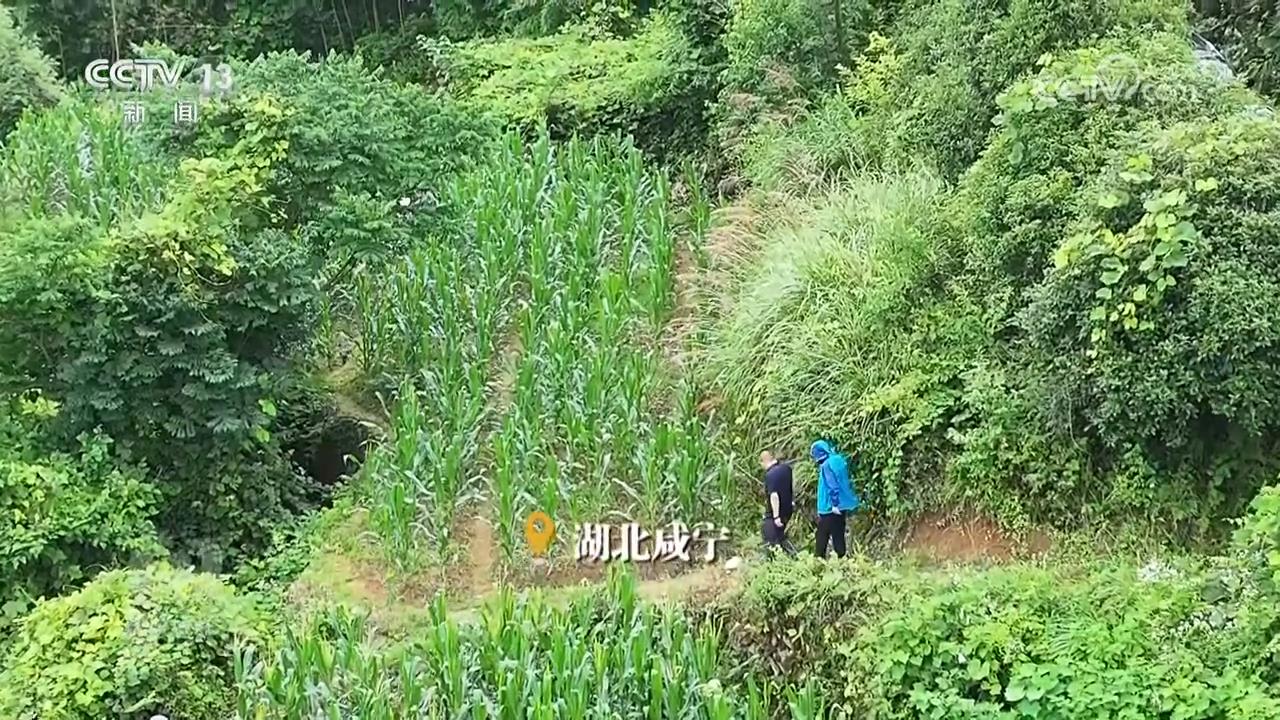
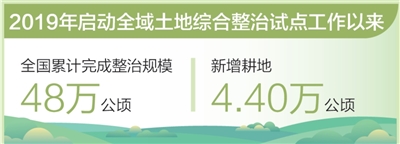
Core Viewpoint - The protection of arable land is crucial for ensuring food security in China, emphasizing the need for a systematic approach that integrates quantity, quality, and ecological considerations [1][17]. Group 1: Current Situation of Arable Land - In Hubei's Xianning City, significant loss of arable land has been observed, with the area decreasing from over 3,600 acres to around 1,200 acres due to fragmentation and abandonment [3]. - The decline in rural labor force and low returns from fragmented arable land have led to severe abandonment issues in both mountainous and flat areas [3][5]. - Historical practices have left many arable lands occupied by economic forests, further complicating the situation and leading to fragmentation [5]. Group 2: Policy and Management Strategies - The local government is considering a strategy to optimize land use by relocating arable land from mountains to plains and vice versa, aiming for contiguous development of arable land [5][7]. - The natural resources department emphasizes the need for a structured approach to classify and manage arable land, including recognizing, restoring, and replacing land as necessary [9]. - Recent data indicates that from 2009 to 2019, approximately 117,800 acres of arable land were converted to forest land, highlighting the urgency of addressing land use policies [7]. Group 3: Improvement Initiatives - In Yunnan's Chuxiong City, land improvement projects have successfully increased the area of irrigated land and improved overall arable land quality, resulting in a grain yield increase of 148 million kilograms [11]. - The establishment of cooperative platforms for agricultural operations has enhanced the efficiency and profitability of farming activities [11]. - The implementation of land reclamation projects has allowed for the recovery of arable land, with a focus on maintaining a balance between land occupation and compensation [13][15]. Group 4: Future Directions - The government aims to strengthen the protection of arable land through strict enforcement of policies and a focus on sustainable land use practices [17]. - A holistic approach to land management is being promoted, integrating various ecological factors to ensure the long-term viability of arable land [17].