住宅地产

Search documents
不听劝买了超高层小区,入住2年后,肠子悔青了,卖都卖不掉
Sou Hu Cai Jing· 2025-10-10 01:16
Core Viewpoint - The article discusses the rising trend of high-rise residential buildings in urban areas, particularly in first and popular second-tier cities, highlighting both the appealing aspects and the hidden drawbacks of living in such properties [1][22]. Advantages of High-Rise Residential Buildings - Unmatched Views: Residents enjoy breathtaking city views, especially during sunrise and sunset, which enhances their overall living experience [8]. - Ample Natural Light and Ventilation: High-rise apartments typically receive abundant sunlight and fresh air, reducing the need for air conditioning and preventing dampness [9]. - Reduced Insect Issues: Living at higher elevations significantly decreases the presence of flying insects, leading to a more comfortable living environment [10]. Disadvantages of High-Rise Residential Buildings - High Renovation Costs and Difficulties: Renovating high-rise apartments can be challenging due to limited elevator capacity, leading to increased labor and material costs [14]. - Safety Hazards and Fire Risks: The difficulty of rescue operations in emergencies increases with height, posing significant safety concerns for residents [16]. - Annoying Wind Noise: High-rise buildings often experience significant wind noise, which can disrupt sleep and affect mental well-being [17]. - Dependence on Elevators: Residents rely heavily on elevators for daily movement, and any malfunction can lead to significant inconvenience [19]. - Water Leakage and High Energy Costs: Issues such as water leakage and high air conditioning costs due to poor insulation are common in high-rise apartments [21]. Overall Living Experience - While high-rise living offers initial benefits like stunning views and natural light, these advantages can diminish over time as practical issues arise, leading to a challenging living environment [22]. The difficulty in selling such properties due to safety concerns and market saturation further complicates the investment decision [22].


楼层该如何选择?原来黄金楼层是这几个,入手的人都在偷着乐!
Sou Hu Cai Jing· 2025-10-09 16:50
Core Insights - The article discusses the importance of floor selection in real estate, highlighting the concept of "golden floors" and their impact on property value [1] Pricing Dynamics - Different floors have varying prices, with lower floors (below 8) seeing a price increase of 50 to 100 yuan per floor, while higher floors (above 8) can see a price difference of 200 to 300 yuan per floor. Exceptional views can increase prices by 500 to 1000 yuan [2] Low Floor Advantages and Disadvantages - Low floors offer convenience for elderly or disabled individuals, easier escape during emergencies, and sometimes additional garden space. However, they face issues like humidity, noise, and dust, which can reduce living comfort [4] High Floor Advantages and Disadvantages - High floors provide better views and lighting but come with higher costs and inconveniences during water or power outages. They may also pose challenges for families with elderly or young children due to the need to climb stairs [5] Ideal Floors in High-Rise Buildings - The "golden floor" concept suggests that for high-rise buildings (12 to 33 floors), the ideal floors are between 17 and 20, offering good light, ventilation, and high resale potential [6] Ideal Floors in Low-Rise Buildings - For low-rise buildings (up to 11 floors), the preferred floors are between 6 and 9, combining the benefits of both high and low-rise living. The top floor is also a good option, providing views and light while avoiding some risks associated with the very top [7] Garden Apartment Considerations - Garden apartments, typically located on the first floor, offer spacious living and private gardens but come with higher price tags. The choice of floor should consider personal needs, financial situation, and property characteristics [9]
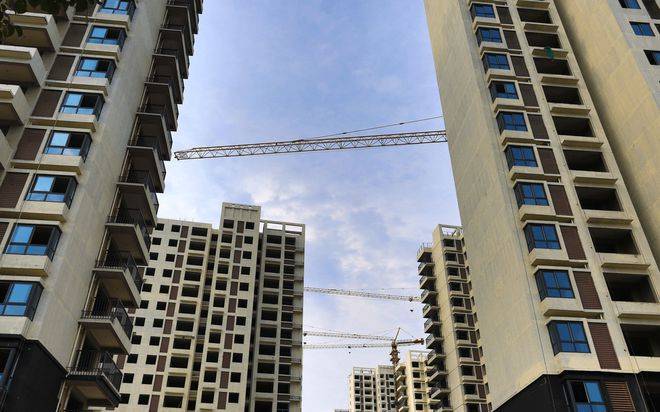
谁,还在买房?
Sou Hu Cai Jing· 2025-10-09 06:52
Group 1: Market Trends - The term "structural" has gained popularity in recent years, with A-shares previously experiencing a structural bull market led by high-dividend, low-valuation stocks, and more recently, sectors like chips, AI, and robotics driving a new structural bull market [3] - In August 2025, the average price index for second-hand residential properties in 70 major cities showed a challenging market environment, with most cities facing difficulties [4][5] - Despite a sluggish overall real estate market, high-end residential properties priced over 10 million yuan are experiencing a different narrative, with significant sales growth [6] Group 2: High-End Residential Market Performance - In the first half of 2025, 20 core cities saw a total of 21,000 high-end residential units (priced over 10 million yuan) sold, marking a 21% year-on-year increase [6] - The sales of luxury homes priced between 10 million and 30 million yuan increased by 25%, while those priced above 50 million yuan surged by 51% [7] - Shanghai stands out in the luxury market, accounting for 78% of the total sales of properties priced over 50 million yuan in the first half of 2025 [8][9] Group 3: Price Trends and Buyer Behavior - The average price of luxury properties in Shanghai's Huangpu District rose from 138,000 yuan per square meter in 2020 to 179,000 yuan per square meter in 2025, reflecting a nearly 30% increase [11] - High-end residential properties are characterized by significant demand, with many requiring buyers to queue for purchases, indicating a strong market appetite [12] - The appeal of high-end properties is driven by their upgraded features and the affluent buyer demographic, who prioritize comfort and innovation over price sensitivity [13][27] Group 4: Economic Context and Investment Behavior - The decline in investment returns has led to a sense of "asset scarcity" among the wealthy, prompting them to consider luxury real estate as a viable investment option [26][28] - The combination of high purchasing power and a concentration of wealth in first-tier cities supports the ongoing demand for luxury properties [14][16] - The luxury real estate market is expected to remain resilient due to its inherent scarcity and the continuous influx of new affluent buyers [29]

高楼限高令来了,这两类老房子吃香了,你看出猫腻了吗?
Sou Hu Cai Jing· 2025-10-09 06:00
Core Viewpoint - The recent restrictions on high-rise buildings in China may lead to a resurgence in the value of low-rise residential properties, as policies shift focus towards improving older neighborhoods and limiting new high-density developments [9][10][15]. Summary by Sections High-Rise Residential Buildings - High-rise buildings have been seen as symbols of urban economic strength and modernization, allowing for greater population density and land utilization [3][4]. - However, the drawbacks of high-rise living are becoming more apparent, including high housing prices, safety concerns related to fire and elevator systems, and water supply issues [6][8]. Policy Changes - The Chinese government has begun to impose strict controls on the construction of new high-rise buildings, particularly those exceeding 100 meters, signaling an end to the trend of high-density residential development [9]. - Additional measures include lowering the threshold for elevator installation in buildings over four stories and promoting the renovation of old neighborhoods to enhance living conditions [10]. Opportunities for Low-Rise Properties - Two categories of older properties are expected to benefit from these changes: 1. Older homes in prime locations with good amenities, which will see increased demand and value due to renovations [13]. 2. Older homes with significant renovation potential, which can be upgraded to meet diverse resident needs, thus enhancing their market value [14]. - The push for elevator installations in older buildings will also make these properties more attractive to buyers [15].
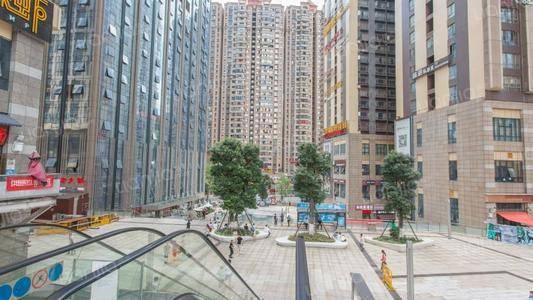
我从“两梯四户”换成“一梯一户”后,发现差距一目了然,太真实了!
Sou Hu Cai Jing· 2025-10-08 07:24
Core Viewpoint - The article discusses the significant differences in living experiences between "two elevators for four households" and "one elevator for one household" housing types, emphasizing the advantages of the latter in terms of privacy, convenience, and overall living quality [1][3]. Summary by Sections Living Experience in Two Elevators for Four Households - Privacy concerns arise as the design may expose personal living situations to neighbors, especially when elevator doors open directly facing a unit [5]. - Daily commuting can be inconvenient, particularly in high-rise buildings where long wait times for elevators can occur during peak hours [7]. - Issues with neighbors occupying shared spaces can lead to discomfort, such as clutter in hallways and unpleasant odors [8]. Advantages of One Elevator for One Household - Enhanced security is a key benefit, as access to the building and elevators typically requires passwords or key cards, reducing the risk of unauthorized entry [10]. - The absence of frequent neighbor encounters eliminates awkward situations and the nuisance of shared space issues, leading to a more peaceful living environment [11]. - Greater utilization of private space is possible, allowing for personalized designs and enhancements in common areas, contributing to a more enjoyable home experience [13]. - Generally, units in this category offer larger floor plans and additional features like terraces, significantly improving comfort levels [15]. Conclusion - The article concludes that if budget permits, opting for one elevator for one household is highly recommended due to the substantial differences in living comfort and quality [17].
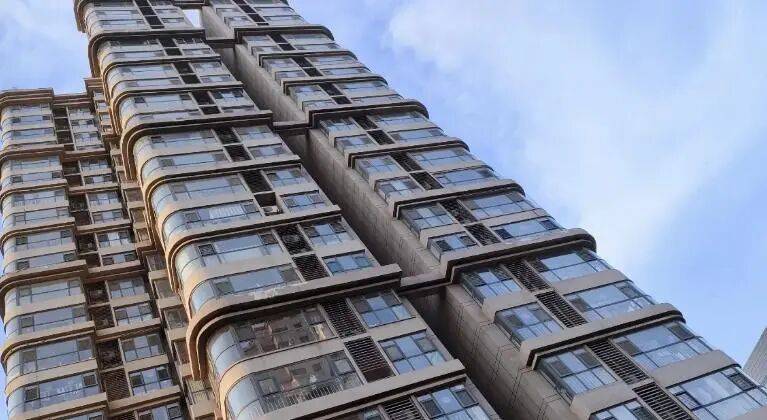
澳门2025年6月至8月的整体住宅楼价指数为192.4
智通财经网· 2025-10-06 10:58
Core Insights - The overall residential property price index in Macau for the period from June to August 2025 is reported at 192.4, reflecting a decrease of 0.8% compared to the previous period from May to July 2025 [1] Summary by Category Overall Market Performance - The current residential index stands at 206.7, showing a decline of 1.1%, while the pre-sale index is at 233.6, indicating a slight increase of 0.3% [1] - Year-on-year, the overall residential price index has decreased by 10.3% [1] Regional Performance - The price index for the Macau Peninsula is at 195.8, down by 1.3%, and the Cotai area is at 250.1, down by 0.2% [1] Price Trends by Property Age - For properties aged over 20 years, the price index has decreased by 1.4%. Properties aged 5 years or less and those aged 6 to 10 years both saw a decline of 1.2%, while properties aged 11 to 20 years experienced a slight increase of 0.1% [1] Price Trends by Unit Size - The price index for residential units sized between 50 to 74.9 square meters has decreased by 1.5%, while units sized between 75 to 99.9 square meters saw a decline of 0.8%. Units smaller than 50 square meters experienced a slight increase of 0.2% [1] Price Trends by Building Height - The price index for buildings with seven floors or fewer has decreased by 0.2%, while buildings with more than seven floors saw a decline of 0.9% [1]
后悔买了28楼,果断卖掉换2楼,心踏实了,来看看高楼层的5大硬伤
Sou Hu Cai Jing· 2025-10-05 10:20
Core Viewpoint - The article discusses the disadvantages of living in high-rise buildings, highlighting the challenges faced by residents and suggesting that lower floors may offer a more comfortable and convenient living experience [1][12]. Group 1: Key Disadvantages of High-Rise Living - High reliance on elevators, with average malfunction rates of 8-12 times per year, leading to significant inconvenience during outages [3][4]. - Increased wind pressure at higher elevations, with wind speed rising by over 25% and pressure increasing by approximately 40% above 20 floors, causing noise and potential water leakage issues [4][8]. - Water pressure instability, particularly during peak usage times, resulting in inadequate water flow for daily activities [7][8]. - Poor insulation and energy efficiency, with high-rise buildings consuming 15-30% more energy than lower ones, leading to higher utility bills [8][12]. - Greater safety risks, especially for families with children and elderly members, as high-rise buildings have a threefold higher casualty rate in fires compared to lower buildings [9][12]. Group 2: Market Trends and Preferences - A growing recognition among homebuyers of the advantages of lower floors, with properties between 3-6 floors commanding a 5-10% higher price in the second-hand market [12]. - The importance of selecting a living space that aligns with personal lifestyle and family needs, suggesting that lower floors may be more suitable for families with children and elderly members [12].

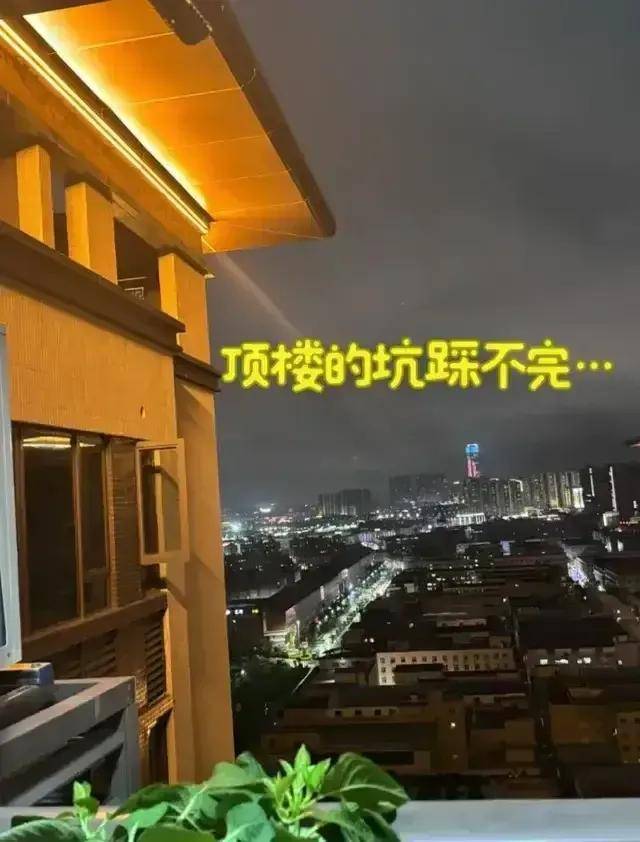
为什么越来越多人,偷偷收购老旧小区顶楼?知道实情,我也想买了
Sou Hu Cai Jing· 2025-10-05 03:44
在近几年房地产市场波诡云谲的变化中,城市扩张的步伐从未停歇,新兴住宅项目如雨后春笋般涌现。当下,许多家庭在购房时,第一时间的联想往往是崭 新的商品房,追逐高层住宅,认为其居住体验更为舒适便捷。然而,一个令人玩味的趋势悄然兴起:越来越多的人开始将目光投向老旧小区,甚至在不为人 知的角落里"低调收藏"起那些被遗忘的顶层。究竟是什么原因让这些老旧小区的顶楼,成为了越来越多人的心头好?当内行人揭示其中的奥秘时,连我也忍 不住心动,想要亲自置办一套。 01、老旧顶楼:被低估的"性价比之王" 当然,老旧小区顶楼缺乏电梯,需要爬楼梯,这一点在很多人看来是不得不接受的"小瑕疵"。但对许多人来说,这并非不可克服。更重要的是,许多老旧小 区的顶楼往往附赠面积可观的露台——这是新房市场难以比拟的独特优势。在这里,你可以亲手打造属于自己的"空中花园",种满喜爱的花草,开辟一个小 小的菜园,或是布置成一个阳光休闲区,尽情享受私密的户外时光。此外,老旧小区的物业费和公摊面积通常都较低,住在顶楼不仅省去了为电梯维护操心 的烦恼,还能在日常开销上节省一笔可观的费用。对于那些热爱"动手实践",又追求实惠的购房者来说,老旧顶楼无疑是一个待人发掘 ...
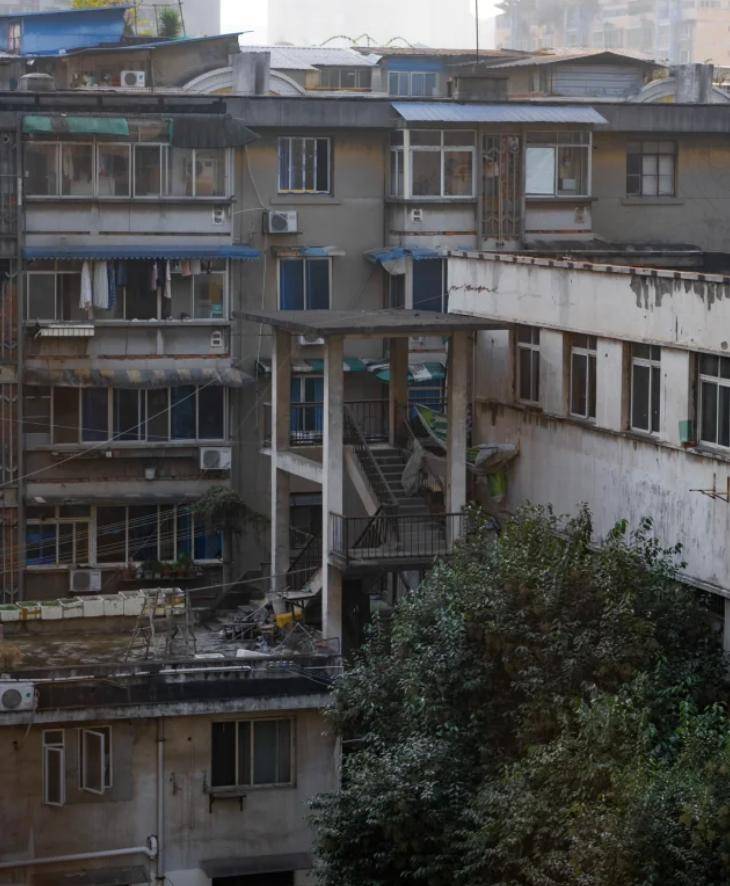
销售小姐说漏嘴,这4个楼层,才是真正黄金楼层,越住越舒服
Sou Hu Cai Jing· 2025-10-04 10:49
Core Viewpoint - The article emphasizes the increasing importance of "living experience" over mere price in home buying decisions, highlighting that comfort and daily living quality are becoming key factors for buyers [1][2]. Group 1: Types of Preferred Floors - **Mid-High Floors**: These floors strike a balance between good lighting and comfort, avoiding the drawbacks of both high and low floors. They are often seen as the "golden floor" due to their favorable living conditions [5][7][9]. - **Ground Floor with Garden**: This option offers a near-villa experience without the high maintenance costs. It is particularly suitable for small families or those with pets, but potential challenges such as humidity and privacy need to be assessed [11][12][14]. - **Penultimate Floor**: Known as the "Phoenix floor," it provides good lighting and privacy while avoiding the risks associated with the top floor, such as leaks. It is a practical choice for those seeking high-rise living without the associated issues [20][22][24]. - **Old Low Floors**: Often located in city centers, these units offer convenience and lower living costs. They are suitable for those prioritizing accessibility and community resources, although they may have limitations regarding structure and maintenance [26][28][30]. Group 2: Key Considerations in Home Buying - The core focus when selecting a home should be on "real living comfort" and "daily usage costs," with the ideal choice depending on family needs, travel habits, and maintenance preferences [32].
王健林差点被赶下“牌桌”
Sou Hu Cai Jing· 2025-09-29 09:38
Core Insights - The recent legal issues faced by Dalian Wanda Group and its founder Wang Jianlin, including a temporary restriction on high consumption due to a court ruling involving 186 million yuan, highlight the stark contrast from his previous status as "China's richest man" [2] - The cancellation of the restriction on September 29 indicates a potential misunderstanding related to economic disputes within Wanda's subsidiary projects [2] - Wanda has faced multiple execution disputes, with a total amount exceeding 5.2 billion yuan and 9.4 billion yuan in frozen equity, primarily affecting its financial subsidiaries [2] Company Development Stages - Wang Jianlin's entrepreneurial journey began in 1988 with a loan of 1 million yuan to establish a real estate company in Dalian, capturing 20% of the local market by 1992 [3][4] - The first major expansion occurred in 1993 when Wanda established a branch in Guangzhou, marking its transition from a regional to a national company [5] - In 2000, Wanda shifted focus to commercial real estate to stabilize cash flow, leading to the development of the "urban complex" concept, integrating shopping malls, hotels, and offices [8][9] - The third phase began in 2006 with investments in cultural industries, including theme parks and cinemas, aiming to compete with international players like Disney [9][10] - By 2015, Wanda had embarked on a significant overseas expansion, acquiring multiple international assets and reaching a peak total asset value of nearly 800 billion yuan [10][11] Challenges and Strategic Shifts - The year 2017 marked a downturn for Wanda, with setbacks in overseas acquisitions and financial struggles leading to asset sales, including the divestment of tourism and hotel projects [11][12] - The decision to privatize Wanda Commercial in 2016, driven by dissatisfaction with stock valuations, initiated a series of financial challenges, including halted IPOs and increased debt [12][13] - Despite reporting significant revenues in 2015, Wanda's reliance on property sales and rising debt levels raised concerns about its long-term sustainability [13][15] Current Status and Future Prospects - As of now, Wanda Group retains 24 active investments, with 15 majority-owned, including approximately 200 Wanda Plazas, which are seen as crucial for future recovery [20][22] - The focus has shifted towards lower-tier cities, where Wanda Plazas demonstrate strong consumer activity and lower operational costs, indicating a strategic pivot to capitalize on emerging markets [23][25] - The survival strategy involves a light-asset model, allowing Wanda to maintain operations while navigating financial pressures, although challenges remain due to debt and competition [25][26] - The future of Wanda's remaining assets in county markets is uncertain, with potential for further restructuring if strategic investments or a return to public markets do not materialize [27]