
航运

Search documents
霍尔木兹海峡“安全通道”来了?中东航运仍充满不确定性 中远海运以多式联运破局
Mei Ri Jing Ji Xin Wen· 2026-03-27 08:33
Core Insights - The ongoing conflict in the Middle East has severely disrupted shipping through the Strait of Hormuz, with a reported 95% decrease in vessel traffic since March compared to pre-conflict levels [1][7][11] - COSCO Shipping has cautiously resumed booking services for certain Middle Eastern countries, utilizing a multi-modal transport approach that avoids direct passage through the Strait of Hormuz [2][4] - The establishment of a "safe corridor" has allowed some vessels to navigate the Strait, but overall traffic remains low, with only 153 crossings reported from March 1 to 25 [9][10] Group 1: Shipping Operations - COSCO Shipping has announced the resumption of new bookings for shipping to the UAE, Saudi Arabia, Bahrain, Qatar, Kuwait, Iraq, and Oman, using a combination of land and sea transport [1][4] - The company plans to adjust its main shipping routes to end at ports outside the Strait, specifically on the eastern coast of the UAE, to mitigate risks associated with the conflict [4][5] - Other shipping companies, such as Yang Ming Marine Transport, are also adjusting their operations in response to the heightened risks in the region, with some vessels remaining on standby [5][6] Group 2: Market Demand and Client Behavior - There is a noticeable delay in demand from Middle Eastern clients, as many are uncertain about their purchasing plans due to the ongoing conflict and disrupted travel [5][6] - Some clients who previously used Maersk are being persuaded to switch to COSCO Shipping, but overall booking demand remains low as clients await clearer conditions [5][6] - The logistics operations in the Middle East are facing significant interruptions, which may impact the performance of companies operating in the region [13] Group 3: Safety and Risk Management - The safety situation in the Strait of Hormuz remains precarious, with reports of multiple attacks on vessels, prompting shipping companies to exercise caution [6][12] - The Iranian government has indicated that the Strait is not entirely closed, allowing vessels from friendly nations to pass, but the overall risk remains high [12][13] - Companies are closely monitoring the security situation and adjusting their operations accordingly to ensure the safety of their vessels and crews [6][13]


两艘集装箱船穿越霍尔木兹海峡?中远海运集运最新回应
Shang Hai Zheng Quan Bao· 2026-03-27 08:27
Core Viewpoint - The shipping company COSCO Shipping Lines has denied reports of its vessels returning from the Strait of Hormuz, while it has resumed booking services for certain Middle Eastern countries amidst rising shipping costs due to geopolitical tensions and additional fees [1][4]. Group 1: Shipping Operations - Two COSCO Shipping Lines vessels, "Zhonghai Indian Ocean" and "Zhonghai Arctic Ocean," are still located in the Persian Gulf, contrary to reports of their return [1] - COSCO Shipping Lines has announced the resumption of new booking services for specific countries in the Middle East, including the UAE, Saudi Arabia, Bahrain, Qatar, Kuwait, Iraq, and Oman [1][2] Group 2: Market Conditions - The total number of vessels in the Persian Gulf accounts for less than 2% of the global total, with oil and product tankers making up about 5% [1] - Container shipping rates in the Middle East have more than doubled since the end of February due to various fuel surcharges and war-related fees, with only two shipping companies currently accepting orders [4] - Many customers are hesitant to place orders due to uncertainties regarding timely deliveries and potential rerouting of containers [4] Group 3: Industry Adjustments - Major global shipping companies, including CMA CGM, Maersk, Mediterranean Shipping Company, Hapag-Lloyd, and ONE, have announced the implementation of emergency fuel surcharges starting from late March across main and branch shipping routes [5]
中远海运集运回应两艘集装箱船穿越霍尔木兹海峡:假消息
第一财经· 2026-03-27 08:00
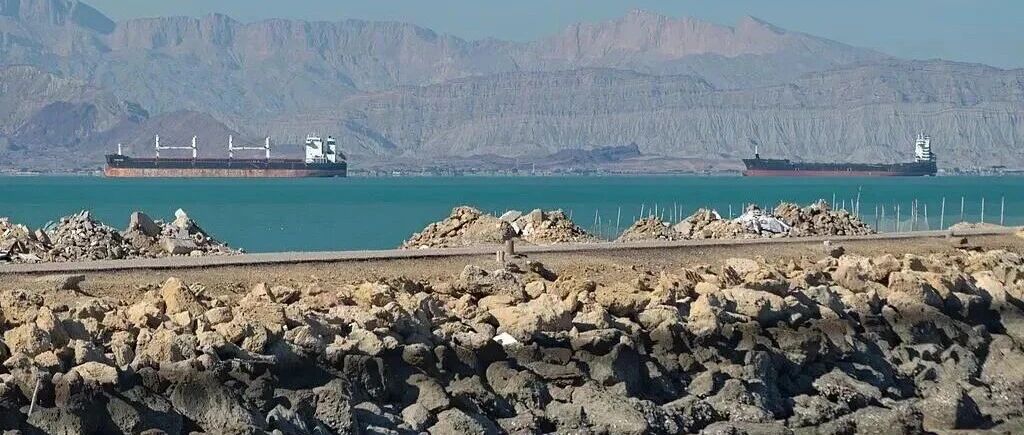
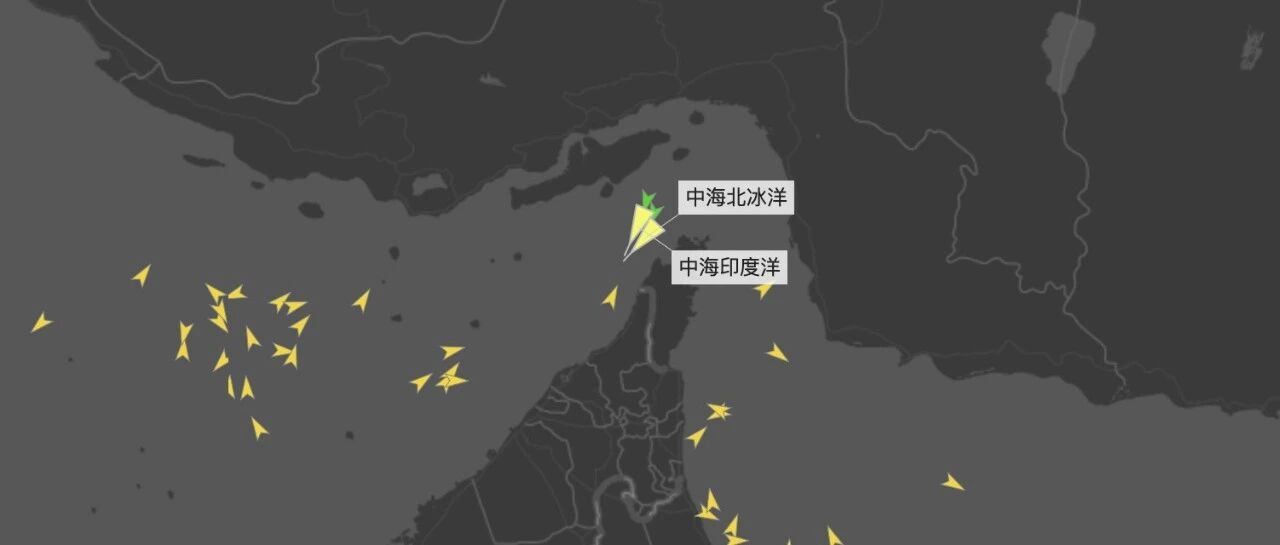
Core Viewpoint - The report regarding the two 20,000 TEU container ships, "Zhonghai Indian Ocean" and "Zhonghai Arctic Ocean," returning through the Strait of Hormuz is false, as confirmed by China COSCO Shipping's representative [1]. Group 1 - Two container ships under China COSCO Shipping, "Zhonghai Indian Ocean" and "Zhonghai Arctic Ocean," were reported to be stranded in the Persian Gulf [1]. - The company has denied the reports of the ships returning home, stating that the information is not true [1]. - Current tracking shows that both vessels are still located within the Gulf [1].
中远海运集运旗下两艘集装箱船已向波斯湾方向折返,暂未通过霍尔木兹海峡
财联社· 2026-03-27 07:34
Group 1 - The core point of the article is that two container ships, "Zhonghai Beibingyang" and "Zhonghai Yinduyang," under China COSCO Shipping have turned back towards the Persian Gulf and have not yet passed through the Strait of Hormuz as of this morning Beijing time [1]. Group 2 - The article provides AIS data indicating the current trajectory of the ships, which are over 15,000 TEU in capacity, and notes their recent movements and speed [5].
主力合约估值逐步清晰,远月合约关注美以伊军事冲突进展
Hua Tai Qi Huo· 2026-03-27 05:21
Report Industry Investment Rating - Not provided in the given content Core Viewpoints of the Report - The valuation of the main contract EC2604 is gradually becoming clear, but due to high geopolitical risks and the game between shipping companies' price - holding expectations and actual landing prices in the off - season, the volatility of the EC2604 contract is expected to increase. Investors are advised to closely follow the spot market and operate flexibly, considering the profit - loss ratio [4]. - The contracts for the relatively peak seasons of June, July, and August are expected to have strong performance, but the actual freight rates are still uncertain. The reasons include the low probability of the Suez Canal's resumption in the first half of 2026, relatively small delivery pressure of ultra - large container ships in the first half of 2026, and relatively high year - on - year growth in the demand side of Asia - Europe trade. However, investors need to pay attention to the impact of oil price fluctuations on the global economy and export demand [5][6]. - The Houthi rebels' possible blockade of the Mandeb Strait may have an upward driving effect on the far - month contracts, and continuous tracking is required [6]. Summary According to the Directory 1. Futures Price - As of March 26, 2026, the total open interest of all contracts of the container shipping index European line futures was 38,383.00 lots, and the single - day trading volume was 28,823.00 lots. The closing prices of EC2604, EC2605, EC2606, EC2607, EC2608, EC2609, EC2610, and EC2512 contracts were 1771.40, 2043.60, 2417.30, 2535.20, 2412.40, 1696.90, 1577.20, and 1750.00 respectively [8]. 2. Spot Price - Online quotes from different shipping companies: For example, Gemini Cooperation's Maersk Shanghai - Rotterdam WEEK14 weekly quote was 1640/2640, and WEEK15 was 1465/2350; HPL's shipping date quotes in the first half of April ranged from 2635 - 3035 dollars/FEU, and 2135/3535 in the second half. MSC's shipping date quote in the second half of March was 2840 dollars/FEU, and 1706/2852 in the first week of April. ONE's shipping date price in April was 3061 dollars/FEU. Ocean Alliance's CMA Shanghai - Rotterdam shipping date quotes in the first half of April ranged from 3993 - 4293 dollars/FEU, and 3409/4793 in the second half; EMC's shipping date quote in the first half of April was 2030/3060; OOCL's shipping date quote in the first half of April ranged from 2847 - 2880 dollars/FEU [1]. - On March 20, the SCFI (Shanghai - Europe route) price was 1636 dollars/TEU, SCFI (Shanghai - US West route) was 2054 dollars/FEU, and SCFI (Shanghai - US East) was 2922 dollars/FEU. On March 23, the SCFIS (Shanghai - Europe) was 1693.26 points, and SCFIS (Shanghai - US West) was 1024.11 points [8]. 3. Container Ship Capacity Supply - Static supply: As of February 28, 2026, 27 container ships with a total capacity of 174,232 TEU were delivered in 2026. Among them, 6 ships with a capacity of 12,000 - 16,999 TEU and a total of 86,000 TEU were delivered, and 1 ship with a capacity of over 17,000 TEU and a total of 17,148 TEU was delivered. In terms of delivery expectations, for 12,000 - 16,999 TEU ships, 679,000 TEU (46 ships) will be delivered in the remaining months of 2026, 944,600 TEU (64 ships) in 2027, 1,224,000 TEU (84 ships) in 2028, and 415,400 TEU (29 ships) in 2029. For ships over 17,000 TEU, 192,900 TEU (8 ships) will be delivered in the remaining months of 2026, 862,800 TEU (40 ships) in 2027, 1,603,000 TEU (80 ships) in 2028, and 1,636,000 TEU (81 ships) in 2029. The delivery pressure of ultra - large ships in 2026 is relatively small, and the annual delivery volume of ships over 17,000 TEU in 2027, 2028, and 2029 exceeds 40 ships. Only 4 ships over 17,000 TEU were delivered in the first half of 2026 [2][3]. - Dynamic supply: For the China - European base port route, the average weekly capacity in the remaining 2 weeks of March was 296,500 TEU, with WEEK 13/14 capacities of 292,000 and 300,900 TEU respectively. The average weekly capacity in April was 311,900 TEU, with WEEK15/16/17/18 capacities of 337,000, 266,700, 306,300, and 337,400 TEU respectively. The average monthly capacity in May was 305,700 TEU, with WEEK19/20/21/22 capacities of 338,600, 300,900, 289,700, and 293,900 TEU respectively. There were 3 TBNs and 2 blank sailings in April, and 6 TBNs in May [3]. 4. Supply Chain - On March 25, COSCO Shipping Lines Co., Ltd. resumed new booking business (ordinary containers) for routes from the Far East to Middle - Eastern Gulf countries such as the UAE, Saudi Arabia, Bahrain, Qatar, Kuwait, and Iraq. However, the container ships will not pass through the Strait of Hormuz for the time being. Instead, they will transport containers to ports on the east side of the strait such as Oman's Suhar Port, the UAE's Port of Khor Fakkan and Port of Fujairah, and Saudi Arabia's Jeddah Port, and then transfer the containers to these countries by land [7]. 5. Demand and European Economy - The year - on - year growth rate of the demand side of Asia - Europe trade has been relatively high, with the year - on - year growth rate of container trade volume in most months exceeding 10%. After the Israel - Iran conflict, new expectations have emerged for the peak - season contracts. It is necessary to pay attention to whether developed countries in Europe and the United States will increase imports of domestic goods due to concerns about future inflation, which may drive up domestic export demand. At the same time, it is also necessary to guard against the expectation of a global economic recession caused by excessive increases in oil prices [6].
中远海运集运:经多式联运转运方式,恢复中东多国新订舱
Sou Hu Cai Jing· 2026-03-27 02:07
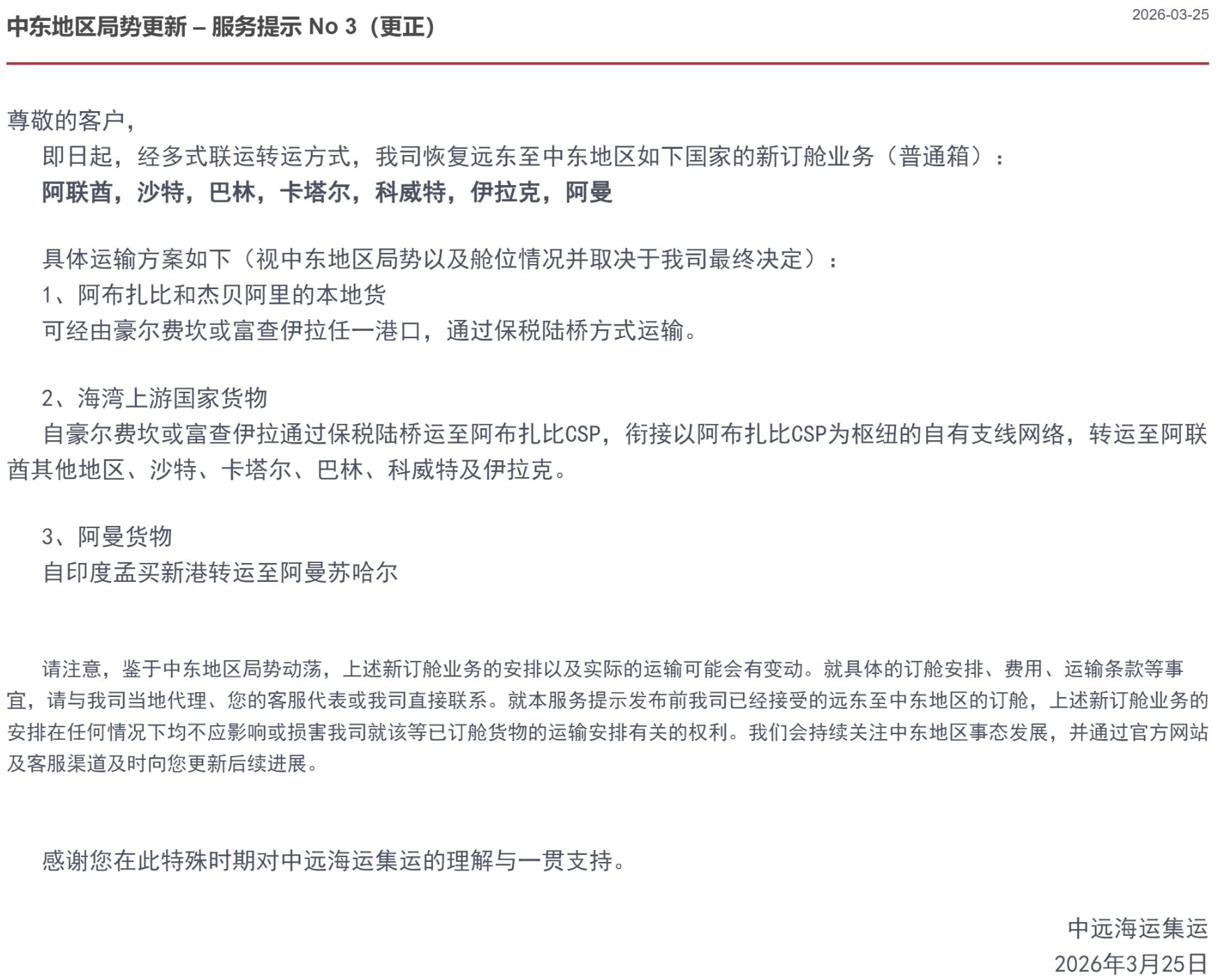
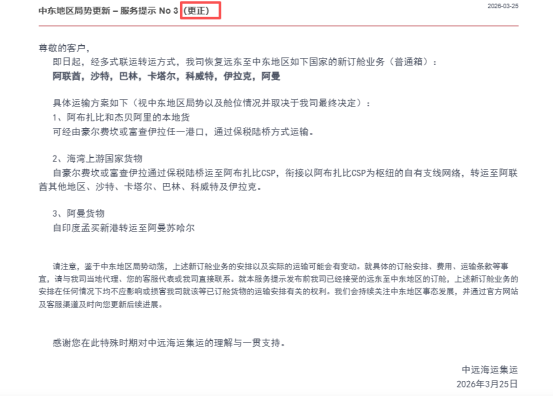
Core Viewpoint - COSCO SHIPPING Lines has announced the resumption of new booking services for ordinary containers from the Far East to the UAE, Saudi Arabia, Bahrain, Qatar, Kuwait, Iraq, and Oman, effective immediately, utilizing multimodal transport methods [2]. Group 1: Transportation Solutions - The company has outlined three specific transportation solutions, which are subject to the situation in the Middle East and the availability of shipping space [3]. - Local cargo from Abu Dhabi and Jebel Ali can be transported via either the Port of Haurfakan or Fujairah using a bonded land bridge [3]. - Goods from upstream Gulf countries will be transported from Haurfakan or Fujairah to Abu Dhabi CSP, connecting to the company's own branch network for further distribution to other regions in the UAE, as well as Saudi Arabia, Qatar, Bahrain, Kuwait, and Iraq [3]. - Cargo from Oman will be transferred from the new port in Mumbai, India, to Sohar, Oman [3].
集运指数(欧线):现货承压运行,盘面关注地缘扰
Guo Tai Jun An Qi Huo· 2026-03-27 02:00
Report Industry Investment Rating - The trend strength of the Container Shipping Index (Europe Line) is 0, indicating a neutral rating [17] Core View of the Report - The intraday fluctuations of the Container Shipping Index (Europe Line) are greatly affected by geopolitical sentiment. The 2604 contract is suppressed by fundamentals, and its upward risk is basically eliminated, with narrow - range fluctuations close to spot freight rates. Attention should be paid to whether shipping companies will announce price increases in the second half of April. For far - month contracts, they are given certain premiums or discounts according to seasonality, and geopolitical disturbances amplify intraday fluctuations. Overall, a wait - and - see approach is recommended [14] Summary by Relevant Catalogs 1. Fundamentals Tracking - **Contract Data**: EC2604 closed at 1,803.0 with a daily decline of 6.04%, trading volume of 18,169, and an open interest of 12,060 with a decrease of 3,207. EC2606 closed at 2,364.1 with a daily decline of 6.97%, trading volume of 12,555, and an open interest of 12,845 with a decrease of 560. EC2608 closed at 2,354.2 with a daily decline of 5.18%, trading volume of 1,120, and an open interest of 2,720 with a decrease of 108. EC2610 closed at 1,567.9 with a daily decline of 2.86%, trading volume of 2,222, and an open interest of 7,330 with a decrease of 172 [1] - **Freight Index**: The SCFIS for the European route was 1,693.26 on March 23, 2026, with a weekly decline of 7.7% and a bi - weekly increase of 8.8%. The SCFIS for the US West route was 1,024.11 [1] - **Spot Freight**: Maersk's freight for 40GP/40HQ was 2430/2300 in the 15th week; OA Alliance's CMA had a freight of 2800 dollars/FEU from April 1 to 14, and Evergreen 2960 dollars/FEU; COSCO and OOCL were about 2700 - 2800 dollars/FEU from April 1 to 7. PA Alliance's ONE offered 2000 dollars/FEU for a single ship on the FE4 route in the 15th week, and YML's SPOT was 2300 dollars/FEU from April 1 to 13. MSC basically used 2840 dollars/FEU in the 14th week [4][16] 2. Supply - side Situation - **April Capacity**: The weekly average capacity in April is 31.5 million TEU/week. The recent capacity increase comes from COSCO and OOCL reallocating CSCL GLOBE (18962TEU) from the Middle - East route to fill the AEU7 empty voyage in the second week of April. The capacity in April increased by 0.6% year - on - year and 7.4% month - on - month [12] - **May Capacity**: The capacity in May is 33.1 million TEU/week, with 4 pending voyages not included in the statistics. The capacity in May increased by 10.4% year - on - year and 7.8% month - on - month, and the static effective capacity in May is at a historical high [12] 3. Demand - side Situation - The European route is recovering according to its normal seasonal characteristics, without large - scale full - load situations. The PA Alliance is actively seeking cargo in the spot market for the new route upgrade in April, while the OA Alliance's performance is stable. In the long - term, if oil prices rise and remain high, potential downward risks may come from macro - economic negative feedback, which will be transmitted to international trade [13] 4. Freight Situation - The freight rate center in the 14th week was about 2600 dollars/FEU. In the 15th week, the freight rate center may converge to 2450 dollars/FEU. Considering factors such as ship - schedule delays, the SCFIS index may be in the range of 1750 - 1850 points [13] 5. Macro News - There are multiple geopolitical events, including statements from the Iranian Revolutionary Guard, responses from Iran to the "15 - point plan", considerations by the US Department of Defense to transfer military aid to the Middle - East, and various actions and statements from the US, Israel, and other parties. These events may have an impact on the Container Shipping Index (Europe Line) [11][15]
银河期货每日早盘观察-20260327
Yin He Qi Huo· 2026-03-27 01:53
Report Industry Investment Rating No relevant information provided. Core Views of the Report - The global economic growth outlook is affected by the uncertainty in the Middle East situation, with potential impacts on inflation and economic growth. The market is highly sensitive to geopolitical events, especially the conflict between the US and Iran, which has a significant impact on various futures markets [20]. - Different futures markets have different trends and influencing factors. For example, the stock index futures are affected by the decline of US stocks and global risk - preference changes; the bond futures are influenced by the uncertainty of the Middle East war and the central bank's monetary policy; the agricultural product futures are affected by factors such as supply and demand, weather, and policies; the black metal futures are affected by overseas sentiment, raw material supply, and downstream demand; the non - ferrous metal futures are affected by geopolitical conflicts, supply - demand fundamentals, and macro - economic factors; the shipping and carbon market futures are affected by geopolitical situations, supply - demand relationships, and policy factors; the energy - chemical futures are affected by the negotiation between the US and Iran, supply - demand balance, and energy price fluctuations. Summary by Directory Financial Derivatives - **Stock Index Futures**: The decline of US stocks affects market sentiment. The stock index fell across the board on Thursday, and the futures contracts also declined. The market is in a wait - and - see state, and short - term indexes are expected to continue to fluctuate [20][21][22]. - **Bond Futures**: The risk preference in the market is volatile. The bond futures closed higher on Thursday. The central bank's net injection of short - term liquidity keeps the market funds stable. The future direction of the bond market may be determined by whether the energy price increase will be transmitted to the domestic core inflation [24][25]. Agricultural Products - **Protein Meal**: The market has increased disturbance factors, and the price shows a wide - range shock. The supply of soybean meal is expected to increase, and the price may decline in the future [28][29]. - **Sugar**: The international sugar price is expected to be strong due to the reduction of sugar production expectations in major producing countries. The domestic sugar price is expected to follow the international price slightly, with a trend of being strong [30][32][33]. - **Oil and Fat Sector**: The oil and fat market maintains a high - level shock. The supply of palm oil in Malaysia is expected to continue to decrease in March, and the domestic soybean oil inventory is still high. The US biodiesel policy is yet to be determined [34][36]. - **Corn/Corn Starch**: The wheat auction price has decreased, and the corn futures price shows a weak shock. The deep - processing demand has increased, but the supply pressure still exists [37][40][41]. - **Hogs**: The supply pressure has increased, and the price has generally declined. The feed price has a greater impact on the breeding profit, and the overall inventory of hogs is still large [42][43]. - **Peanuts**: The spot price of peanuts is strong, and the futures price shows a strong shock. The import volume has decreased significantly, and the oil factory still has a profit [45][46]. - **Eggs**: The demand has recovered, and the egg price is mainly stable. The supply of eggs is relatively loose, and it is not recommended to chase the increase [50][51]. - **Apples**: The demand for apples is good, and the price is firm. The inventory of cold - storage apples is low, but the upward momentum of the May contract is limited [52][53]. - **Cotton - Cotton Yarn**: The cotton price has strong support at the bottom and shows a shock - strengthening trend. The supply in this year is basically determined, and there is a rumor of production reduction in the new year. The demand in the downstream market is good [55][57]. Black Metals - **Steel**: Overseas sentiment affects the futures price, and the steel market lacks a trend - type market. The demand for steel is still recovering, but the export is affected by the US - Iran conflict [59]. - **Coking Coal and Coke**: The price fluctuates greatly, and the trend is not obvious. The market is mainly driven by funds and emotions, and the geopolitical situation needs to be closely monitored [62][63]. - **Iron Ore**: The supply is still disturbed, and the ore price is running at a high level. The market rumors are numerous, and the supply - demand situation is complex. It is recommended that spot enterprises conduct hedging at a high level [64][65]. - **Ferroalloys**: Affected by the large - scale fluctuation of crude oil, the price is running at a high - level shock. The supply and demand of silicon - iron and manganese - silicon are in a positive feedback, but they are easily affected by energy prices [66][67]. Non - Ferrous Metals - **Gold and Silver**: The market maintains a shock. The US - Iran negotiation is in a stalemate, and the risk of war escalation still exists. The price is affected by factors such as energy prices and central bank gold sales [69][70][71]. - **Platinum and Palladium**: The precious metals are in a weak shock. The market is concerned about the inflation caused by energy prices, and the unilateral position risk is high. Platinum can be considered for short - term long positions, and palladium is expected to follow weakly [74][75]. - **Copper**: Attention should be paid to the progress of the US - Iran negotiation. The geopolitical situation is complex, and the supply of copper ore is still tight. The price direction is not clear [78]. - **Alumina**: Attention should be paid to the mining policy in Guinea and the Middle East geopolitical conflict. The supply of bauxite may be reduced, and the price of alumina is affected by market sentiment [80][81]. - **Electrolytic Aluminum**: The geopolitical conflict has uncertainty. The aluminum production capacity in the Middle East may be affected by raw material shortages [83]. - **Cast Aluminum Alloy**: The geopolitical situation is uncertain. The supply of scrap aluminum is restricted, and the downstream demand is weak [87]. - **Zinc**: Attention should be paid to the macro and capital emotions. The basic situation at home and abroad supports the zinc price, but the macro uncertainty still exists [91]. - **Lead**: The price is in a low - level shock. The domestic secondary lead smelting is in a loss, but the consumption may improve in the peak season [92]. - **Nickel**: The short - term price is dominated by the macro situation. The supply - demand gap in March has narrowed, and the cost support is strong, but the price is still in a shock [95]. - **Stainless Steel**: Supported by the cost, it follows the nickel price. The chromium - based raw materials are rising, and the inventory is being reduced, but the supply may be loose in April [98]. - **Industrial Silicon**: The futures price reaches the upper limit of the range, and it is recommended to participate in short - positions lightly. The supply - demand situation has no obvious change, and the industry meeting may have an impact on the price [99]. - **Polysilicon**: The demand is weak, and a short - selling idea is recommended. The production in March has increased, and the inventory may accumulate in April [102]. - **Lithium Carbonate**: The supply disturbance supports the price to run at a high level. The supply in April may be affected by the reduction of imports from Zimbabwe, and the price has both support and pressure [103]. - **Tin**: The US - Iran peace negotiation is in doubt, and the tin price is under pressure. The Middle East situation affects the helium export, which may be transmitted to the global semiconductor supply chain [106]. Shipping and Carbon Market - **Container Shipping**: The US postpones the energy strike against Iran for 10 days, and the spot price is expected to be reduced. The near - month and far - month contracts have different trends, and the geopolitical risk needs to be vigilant [108][110][111]. - **Dry Bulk Freight**: The bad weather in Western Australia causes concerns about ore shipments, and the demand for steel mills to replenish inventory supports the rent of large ships to rise. The market is affected by the US - Iran negotiation and the shipping situation in the Middle East [112][114][115]. - **Carbon Market**: The trading in the Chinese carbon market is dull, and the EU carbon market has the March contract delivery. The carbon price in the EU is expected to be in a shock - strengthening trend, and the Chinese carbon price may be affected by factors such as policy and demand [116][117][120]. Energy and Chemicals - **Crude Oil**: The negotiation prospect is still unclear. The supply gap still exists, and the international oil price maintains high volatility [123]. - **Asphalt**: The supply contraction exists, and attention should be paid to the near - end oil price fluctuation risk. The downstream demand recovers slowly, and the social inventory is high [126][127]. - **Fuel Oil**: The difference between high - sulfur and low - sulfur prices should pay attention to the low - sulfur production reduction and the start - up rhythm of high - sulfur peak - season demand. The Singapore fuel oil inventory is at a high level, and the supply of low - sulfur fuel oil is tight [127][129]. - **LPG**: It fluctuates around the geopolitical situation. The external market price of LPG has fallen, and the domestic price is affected by the negotiation situation [131]. - **Natural Gas**: The geopolitical risk is repeated, and the upward trend remains unchanged. The supply of LNG in Qatar is interrupted, and the market supply gap is gradually accumulating [133][134]. - **PX & PTA**: The supply has an expected unplanned reduction, and PTA enterprises are forced to reduce production. The PX device is in the traditional maintenance season, and the downstream enterprises are reducing production [137][138]. - **BZ & EB**: The refinery's load reduction affects the pure benzene supply, and the benzene import volume decreases year - on - year. The downstream demand is expected to pick up, and the price is in a shock - strengthening trend [140][141]. - **Ethylene Glycol**: The import volume is revised down. The domestic and overseas production is affected, and the 4 - month import volume is expected to be significantly reduced [144]. - **Short - Fiber**: The processing margin fluctuates within a range. The sales of short - fiber factories are differentiated, and it short - term follows the trend of polyester raw materials [146][147]. - **Bottle Chips**: The inventory is continuously being reduced. The production load of bottle - chip factories has increased, and the inventory is being reduced during the procurement peak season [148]. - **Propylene**: The load continues to decline this cycle. The cost increases, and the supply risk increases. The domestic and foreign production is affected, and the demand is gradually recovering [150][151]. - **Plastic PP**: The inventory of polyolefins of the two major oil companies accumulates. The market price is in a shock - strengthening trend, but the downstream demand is not strong [153][154]. - **Caustic Soda**: The price is weakening. The supply is slightly reduced, the demand is slightly decreased, and the profit of chlor - alkali enterprises is in a loss [156][158]. - **PVC**: It is mainly in a shock. The global supply of PVC is expected to be reduced, and the domestic supply also has a contraction expectation [159]. - **Soda Ash**: It is in a high - level shock. The supply is reduced, the demand growth is tested, and the price is expected to be weakly shocked [161][162]. - **Glass**: It is in a shock - decline. The inventory in the middle - stream is high, the demand is weak, and the price is under pressure [164][166]. - **Methanol**: It is in a wide - range shock. The production in Iran is reduced, the domestic import is expected to be reduced, and the supply - demand situation is changing [167][169]. - **Urea**: It is mainly in a shock. The domestic production is at a high level, the international supply is tight, and the price is affected by policies [172]. - **Pulp**: The inventory continues to rise, and the supply pressure is still high. The supply exceeds the demand, and the demand support is insufficient [176][178]. - **Offset Printing Paper**: The inventory is high, and the market is under pressure. The supply - demand relationship is in a weak balance, and the price is weak [183]. - **Logs**: The market is generally strong. The cost support is strong, and the price is expected to be strong in the short term [185][186]. - **Natural Rubber and No. 20 Rubber**: The tire production increases marginally. The export of Vietnamese rubber has changed, and the domestic tire production line is increasing [187][190]. - **Butadiene Rubber**: The tire production increases marginally. The market situation is similar to that of natural rubber, and the production of the tire production line is increasing [191][194].
格林大华期货早盘提示:集运欧线-20260327
Ge Lin Qi Huo· 2026-03-27 01:44
1. Report Industry Investment Rating - No information provided 2. Core View - The container shipping market is expected to fluctuate weakly. It is recommended to conduct short - term operations or wait for opportunities, focusing on risk control [1] 3. Summary by Relevant Catalogs 3.1 Market Review - On Thursday, the EC2604 contract of container shipping to Europe declined, closing at 1771.4, a decrease of 0.84%. The far - month contracts moved last week [1] 3.2 Important Information - On the 26th, US President Trump threatened Iran again regarding the armistice negotiation, saying that Iran "had better take the negotiation seriously as soon as possible, otherwise it will be too late". The White House press secretary said on the 25th that the US - Iran negotiation was still ongoing and threatened Iran not to misjudge the situation again [1] - The Chinese Foreign Ministry spokesman said on the 26th that China and the US were in communication about Trump's planned visit to China in mid - May [1] - Trump postponed the strike on Iranian energy facilities by 10 days until 8 p.m. on April 6, 2026, Eastern Time. He denied being eager to reach an agreement with Iran and said that the US military operations against Iran were continuing, insisting that it was Iran that sought to restart the negotiation [1] - Iranian Foreign Minister Araqchi said that ships from countries such as China, Russia, Pakistan, Iraq, India, and Bangladesh had safely passed through the Strait of Hormuz [1] 3.3 Market Logic - On March 23, the SCFIS closed at 1693.26 points, a rise of 8.8% from the previous period. The underlying spot index was still at a discount to the market [1] - On March 20, the SCFI European line freight rate was 1636 US dollars/TEU, with a growth rate of 1.1% [1] - Maersk significantly lowered the opening price for the 15th week, which may prompt other liner companies to follow suit in soliciting cargo [1] 3.4 Trading Strategy - It is expected that the container shipping market will fluctuate weakly. Short - term operations or waiting for opportunities are recommended, with a focus on risk control [1]
集运早报-20260327
Yong An Qi Huo· 2026-03-27 01:23
Group 1: Report Industry Investment Rating - No information provided Group 2: Core Viewpoints of the Report - The 04 contract is gradually entering the delivery logic. There is a contradiction between its weak fundamentals and the potential increase in fuel costs. In the short term, there is a high possibility of a decline in spot prices. Meanwhile, geopolitical risks still exist, and it is expected to fluctuate weakly. The 10 contract follows the cost - support logic, with a long time horizon and a peak season in between. It is recommended to wait and see in the short term [3]. - The core of other far - month contracts lies in the blockade time of the Strait of Hormuz. If it is blocked for a long time, it will not only disrupt the global supply chain, but also high oil prices will have a negative impact on the European economy. The transmission path of this geopolitical event to the European route is complex and highly uncertain. It is recommended to avoid the high - volatility risks of far - month unilateral positions and look for arbitrage opportunities from the valuation of the monthly spread [3]. Group 3: Summary of Related Catalogs EC Contract Information - EC2604 had a closing price of 1771.4, a decline of 1.75%, a basis of - 78.1, a trading volume of 12470, an open interest of 10730, and an open - interest change of - 1330 [2]. - For other contracts (EC2605 - EC2612), their prices, price changes, bases, trading volumes, open interests, and open - interest changes are also provided in the report [2]. - The monthly spreads (e.g., EC2604 - 2606, EC2604 - 2605, EC2606 - 2610) and their changes compared to the previous days and weeks are presented [2]. Spot and Index Information - The spot price on 2026/3/23 was 1693.26 points, with a month - on - month increase of 8.79% [2]. - The SCFI (European route) on 2026/3/20 was 1636 dollars/TEU, with a month - on - month increase of 1.11% [2]. European Route Spot Situation - In Week 13, MSK opened flat at 2250 dollars, PA reported 2400 - 2500 dollars, and some voyages were 2200 dollars (2000 dollars for large orders). The average spot price converted to the futures price was about 1700 - 1800 points [4]. - In the first half of April, YML and ONE reported 2500 dollars, EMC reported 3160 dollars, and OOCL reported 3100 dollars [4]. - Maersk reported 2650 dollars in Week 14 (a 400 - dollar increase from the previous week) and 2350 dollars in Week 15 (a 300 - dollar decrease from the previous week). On Thursday, CMA reported 2800 dollars, and ONE's FE4 line was 2000 dollars [4]. Related News - On 3/26, Trump announced that the strike on Iranian energy facilities would be postponed for 10 days until April 6 at the request of Iran. Mediators said the possibility of a cease - fire was still low due to the tough demands of both sides [5]. - On 3/27, according to the Wall Street Journal, President Trump was considering sending an additional 10,000 ground troops to the Middle East [5]. Price Trend Charts - There are price trend charts of EC main contracts, EC forward curves, and various TCI (different routes) and SCFI (European route) seasonal trends [6][7][8][9] etc.