
量化投资

Search documents
清华学霸晒1.67亿年薪引调查,量化投资为何走向失控?
Hu Xiu· 2025-09-19 01:28
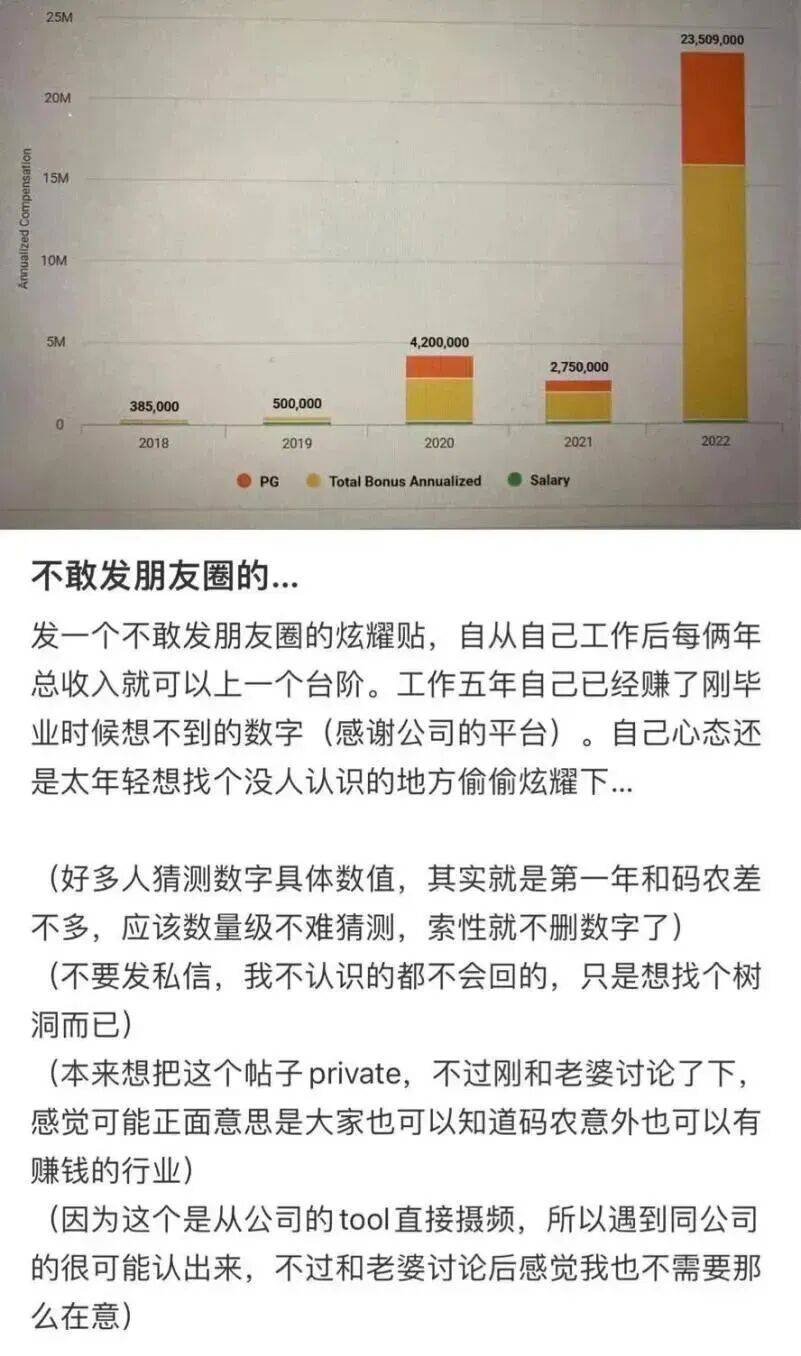
Core Insights - The article discusses a significant financial fraud case involving a quantitative researcher, Wu Jian, who manipulated investment models to inflate his performance and secure a massive bonus of $23.5 million [2][73]. Group 1: Background of the Case - Wu Jian, a 34-year-old Tsinghua University graduate, posted a salary screenshot of $23.5 million, equivalent to approximately 167 million RMB, which raised eyebrows in the finance community [2][6][12]. - His rapid rise in Two Sigma, a leading quantitative hedge fund managing over $60 billion, was marked by a promotion to Senior Vice President in just under five years [26][28]. Group 2: Nature of Quantitative Investment - Quantitative investment relies on data and algorithms to identify market patterns, aiming to achieve returns through statistical analysis rather than traditional financial theories [33][35]. - The industry faces paradoxes, such as the tension between discovering and destroying market signals, and the challenges posed by unforeseen market events [41][42]. Group 3: Fraudulent Activities - Wu Jian manipulated at least 14 investment models, falsely claiming they generated unique signals while they actually mirrored existing successful models, leading to a concentration of risk [53][54][55]. - His actions resulted in a significant loss for clients, totaling $165 million, while he personally profited from inflated performance metrics [69][73]. Group 4: Ethical and Regulatory Implications - The case highlights a moral hazard in the industry, where the interests of internal personnel may conflict with those of external clients, raising questions about fairness and transparency [71][72]. - The regulatory framework for quantitative finance is inadequate, relying heavily on individual ethics rather than robust oversight of model development and implementation [78][86]. Group 5: Consequences and Future Considerations - Wu Jian's fraudulent activities led to a loss of trust in the internal risk management systems of firms like Two Sigma, emphasizing the need for improved oversight mechanisms [83][87]. - The incident serves as a cautionary tale about the potential for greed and unethical behavior in high-stakes financial environments, suggesting that without enhanced regulatory frameworks, similar cases may arise in the future [94][95].

34岁清华学霸晒1.67亿年薪引调查,量化投资为何走向失控?
3 6 Ke· 2025-09-19 00:27
Core Insights - The article discusses a significant financial fraud case involving a quantitative researcher, Wu Jian, who manipulated investment models to inflate his performance and secure a massive bonus of $23.5 million [1][51]. Group 1: Background of the Case - Wu Jian, a 34-year-old Tsinghua University graduate, posted a salary screenshot of $23.5 million on social media, raising eyebrows in the quantitative finance community [1][4]. - His salary was compared to the total earnings of an average white-collar worker in major Chinese cities, highlighting its extraordinary nature [4][5]. - Wu Jian's rapid rise in Two Sigma, a leading quantitative hedge fund, from researcher to senior vice president in just a few years, indicated his perceived value to the firm [17][18]. Group 2: Nature of Quantitative Investment - Quantitative investment relies on data and algorithms to identify market patterns, aiming to achieve returns through statistical analysis rather than intuition [21][22]. - The industry faces paradoxes, such as the tension between discovering and destroying market signals, and the risks associated with model reliance [26][27]. Group 3: Details of the Fraud - Wu Jian manipulated at least 14 investment models, falsely claiming they generated unique signals while they actually mirrored existing successful models [35][36]. - This manipulation led to a concentration of risk, undermining the firm's risk management system, which was designed to diversify strategies [30][38]. - Clients believed they were investing in diversified strategies, while their funds were actually concentrated in high-risk models, resulting in significant losses [39][47]. Group 4: Consequences and Industry Implications - The fraud resulted in client losses of approximately $165 million, while Wu Jian's actions generated $450 million in additional profits for certain internal funds [47][48]. - The case highlights ethical concerns and conflicts of interest within the hedge fund industry, particularly regarding the management of client and internal assets [49]. - The incident raises questions about the effectiveness of risk management systems in quantitative finance, as existing frameworks may not adequately monitor model integrity [54][55]. Group 5: Regulatory and Ethical Considerations - The case underscores a regulatory blind spot in quantitative finance, where complex models can operate as "black boxes," making oversight challenging [53]. - The compensation structure in the industry, which ties bonuses to short-term performance, may incentivize risky behavior and fraud [55][56]. - The article concludes that without improved regulatory frameworks and ethical standards, similar cases of fraud may recur in the future [57].

中证深访 | 平方和投资创始人吕杰勇:十年的变与不变,用时间筑牢Alpha护城河
Sou Hu Cai Jing· 2025-09-17 12:20
Core Insights - In 2025, quantitative investment has become a key term in the capital market, with a significant increase in trading volume and the number of registered quantitative products doubling year-on-year [1] - Square and Investment celebrates its tenth anniversary, marking a decade of growth and resilience in the quantitative investment sector in China [1][6] - The founder, Lv Jieyong, emphasizes the effectiveness of quantitative methodologies in the Chinese market, showcasing the company's solid performance over the years [1][6] Company Development - Square and Investment was established in 2015 amidst skepticism about the suitability of quantitative investment for the Chinese market, but has since proven its long-term effectiveness [1][6] - The company has maintained a consistent strategy framework while continuously iterating and evolving its investment strategies over the past decade [10][11] - The firm currently manages around 10 billion yuan, benefiting from scale effects and focusing on mid-to-low frequency strategies [12][14] Industry Context - The quantitative investment industry has faced several crises, which have also presented opportunities for growth, as seen in the company's ability to thrive during market downturns [8][9] - The firm has adapted to regulatory changes, emphasizing the importance of solid alpha generation capabilities as arbitrage opportunities diminish [14][15] - The introduction of new regulations in July 2025 is expected to enhance the standardization of quantitative private equity management, aligning with the company's long-term strategy [14] Future Outlook - The company aims to become a leading player in the global quantitative investment landscape, aspiring to be "China's Renaissance" in this field [6][13] - The recent addition of partner Fang Zhuangxi is expected to enhance the firm's research capabilities and drive further innovation in factor and portfolio optimization [13][14] - Square and Investment is committed to maintaining a focus on steady and sustainable growth while leveraging its decade-long experience in the A-share market to navigate future challenges [15]

平方和投资创始人吕杰勇:十年的变与不变,用时间筑牢Alpha护城河
Zhong Guo Zheng Quan Bao· 2025-09-17 11:52
Core Insights - In 2025, quantitative investment has become a key term in the capital market, with A-shares experiencing significant fluctuations and a transaction volume reaching trillions, leading to a doubling of the number of registered quantitative products compared to the previous year [1] - Square and Investment celebrates its tenth anniversary, marking a decade of growth and resilience in the quantitative investment sector, demonstrating the long-term effectiveness of quantitative methodologies in the Chinese market [1][3] Company Development - Square and Investment was founded in 2015 amidst skepticism about the suitability of quantitative investment for the Chinese market, but has since proven its strategies and delivered solid performance [1][3] - The company has maintained a consistent strategy framework while continuously iterating and evolving its methodologies, which has allowed it to create stable returns for investors [6][7] - The firm has experienced significant growth during market crises, leveraging its strategies and rigorous risk management to navigate challenges effectively [4][5] Strategy and Performance - The company primarily employs mid-to-low frequency strategies, with a current management scale of around 10 billion yuan, optimizing its capacity for returns [2][7] - Square and Investment has enhanced its computational power by approximately 2.3 times this year, enabling efficient testing of investment ideas and supporting robust research capabilities [7] - The firm emphasizes the importance of a solid risk management framework, which has evolved to include multi-dimensional risk assessments and a self-developed Bsim system for trade execution [6][9] Future Outlook - Looking ahead, Square and Investment aims to not only become a leader in China's quantitative investment space but also to establish itself globally [7][8] - The company is adapting to regulatory changes in the industry, focusing on sustainable alpha generation and reducing reliance on high-leverage strategies [8][9] - With the addition of new talent and a commitment to enhancing its research capabilities, Square and Investment is poised to navigate the evolving competitive landscape effectively [7][9]
SNOW量化降低投资门槛:量化金额降至300元,普惠金融战略开启新篇章
Sou Hu Cai Jing· 2025-09-10 07:42
Core Insights - SNOW Quantitative has initiated a nationwide experience center strategy, marking a significant shift in the quantitative investment industry towards offline services, allowing ordinary investors to experience professional quantitative investment services face-to-face [1] Group 1: Experience Center Strategic Planning - The first flagship experience centers will be established in major cities such as Beijing, Shanghai, Guangzhou, and Shenzhen, with plans to expand to all provincial capitals by 2024 and key prefecture-level cities by 2025 [3] - The experience centers will feature various functional areas, including strategy experience zones, educational lecture areas, VIP consultation rooms, and technology display zones [3] - Technical support will include cloud synchronization for real-time data updates, VR technology for strategy demonstrations, and self-service terminals for 24-hour assistance [3] Group 2: User Experience Enhancement - Services will be upgraded to include face-to-face consultations with professional investment advisors, hands-on guidance for quantitative investment operations, and real-time answers to investment queries [4] - Educational initiatives will involve weekly investment knowledge lectures, master classes with industry experts, and a simulated trading environment for practice [4] - Social features will include investor salons for networking, strategy sharing sessions, and the establishment of localized investment communities [4] Group 3: Strategic Value Analysis - The experience centers will enhance user trust through physical locations, increase conversion rates via personal experiences, and promote word-of-mouth marketing through offline events [4] - Brand building will be supported by physical displays that enhance brand image, reinforce professional reliability, and deepen market penetration [4] - The centers will offer personalized services, deeper customer engagement, and foster long-term client relationships [4] Group 4: Technological Innovation and Integration - The integration of online and offline services will ensure seamless data connectivity and consistent service experiences [5] - Smart technologies will be applied, including facial recognition for VIP clients, intelligent recommendations based on user profiles, and remote assistance from experts [5] - Data security measures will include local encryption, multiple layers of network security, and strict privacy protection protocols [5] Group 5: Industry Development Impact - The initiative will innovate service models in the quantitative investment sector, establish new industry service standards, and redefine competitive dynamics [5] - Enhanced operational transparency through physical locations will facilitate regulatory compliance and promote industry standardization [5] - The experience centers will drive related industry development, create new job opportunities, and stimulate regional economic growth [5] Group 6: Future Development Plans - Future upgrades will include the deployment of AI investment advisor assistants, deeper applications of big data analytics, and the use of IoT technologies to enhance user experiences [5] - Plans for service expansion include establishing overseas experience centers and deep collaborations with financial institutions [5] - The initiative aims to promote investor education, enhance financial inclusivity, and drive overall industry progress [5] Conclusion - The SNOW Quantitative experience center strategy represents a milestone in the development of the quantitative investment industry, breaking down barriers and making quantitative investment more accessible to ordinary investors, thus promoting the democratization of investment [5]

【私募调研记录】因诺资产调研海天瑞声
Zheng Quan Zhi Xing· 2025-09-04 00:09
Group 1 - The core viewpoint of the news highlights that Inno Asset has conducted research on a listed company, Haitan Ruisheng, which is expected to see a revenue growth of 69.54% in the first half of 2025 due to comprehensive growth in computer vision, natural language, and intelligent voice businesses [1] - The revenue contributions from computer vision and natural language are 40% and 14% respectively, while the growth of intelligent voice is relatively stable [1] - The company has established partnerships with Huawei for the Ascend integrated machine and the Shaanxi Smart Cultural Tourism project, becoming an important data supplier for China Mobile and participating in the AI community renewal [1] Group 2 - In terms of data elements, the company has formed joint ventures in Chengdu, Changsha, and Baoding, and signed agreements in Hohhot to expand cooperation in over ten cities including Shanghai and Guangzhou [1] - The overseas expansion includes the acquisition of a delivery base in the Philippines and the establishment of subsidiaries in Hong Kong, New York, and the United States, with plans to advance into Japan, South Korea, and the European Union [1] - The company is also involved in the field of embodied intelligence, co-building data training grounds and launching an engineering service platform, with core competitive advantages in dual-mode service products, technology platforms, supply chain management, and data security compliance capabilities [1]

瑞银:机构“活水”仍在路上
Hua Er Jie Jian Wen· 2025-09-02 13:47
Core Viewpoint - The recent surge in the Shanghai Composite Index and trading volume is primarily driven by liquidity rather than a significant influx of retail investors, challenging common perceptions about market dynamics [1][2]. Group 1: Market Dynamics - The main buyers in the current market are identified as leveraged funds, quantitative funds, and some retail wealth migrating from fixed-income products [2]. - The financing balance in the market has reached a historical high, indicating a strong presence of "fast money" that is actively participating in the market, particularly in small-cap technology stocks [2]. - The "scissors gap" between M1 and M2 indicators has just begun to show signs of activation, suggesting that a larger scale of capital migration is still in the works [2]. Group 2: Valuation Insights - The equity risk premium (ERP) remains significantly above historical averages, indicating that the downward trend in risk-free rates has not yet been fully reflected in the price-to-earnings (PE) ratios [3]. - A-share valuations are considered attractive compared to both developed and emerging markets, with a projected profit growth of approximately 6% for the year [3]. Group 3: Future Market Outlook - UBS anticipates a continuation of a "slow bull" market, with a preference for growth stocks as investor risk appetite increases [4]. - The balance of power between large-cap and small-cap stocks may shift, as the potential for further significant volume expansion diminishes [4]. - Institutional funds, particularly public funds and insurance capital, are expected to increase their presence in the A-share market, leading to a transition from a focus on small-cap growth to a more balanced approach [5]. Group 4: Investment Themes - Two core investment themes identified are artificial intelligence and the "anti-involution" trend, which is expected to create substantial opportunities for leading companies in related sectors [6]. - The "anti-involution" theme is characterized by market-driven reforms aimed at addressing supply-demand mismatches and enhancing domestic demand, which could lead to profit recovery and value reassessment for key industry players [6].
永捷量化拟2026年港股上市,打造中国量化第一股
Sou Hu Cai Jing· 2025-09-01 06:02
Industry Background: Rapid Expansion of Quantitative Sector - The acceptance of quantitative funds in A-share and Hong Kong markets has significantly increased in recent years. As of Q1 2025, the scale of quantitative management in China has surpassed 2.8 trillion RMB, with a five-year compound growth rate exceeding 30% [4] Company Advantages: Technology, Risk Control, and User Engagement - Technical Barrier: The company has developed over 380 quantitative models, performing more than 200 million daily calculations, establishing a self-developed core engine [5] - Risk Control System: The company employs multi-dimensional allocation, dynamic risk control, and high-frequency rebalancing models, achieving a drawdown control capability that is over 30% better than the industry average [5] - User Base: As of June 2025, the company has over 3 million registered users, with more than 620,000 active following users, creating a sustainable cash flow [5] - Profit Model: The primary revenue sources are strategy settlement service fees and platform value-added services, with a clear profit model and scalability [5] Strategic Significance of Hong Kong Listing - Capital Infusion: The expected fundraising scale is between 1.5 to 2 billion HKD, aimed at algorithm development, international market expansion, and financial cloud platform construction [6] - International Platform: The Hong Kong stock market serves as a bridge for international capital, facilitating connections with overseas funds [6] - Brand Effect: The listing status will enhance investor trust and improve compliance transparency [6] - Valuation Premium: Compared to similar US quantitative firms (e.g., Two Sigma, Citadel Securities), the company is expected to achieve a higher capitalization valuation than private equity institutions [6] Potential Impact - On the Industry: The company's listing will set a precedent for capitalizing quantitative private equity, potentially accelerating IPOs for leading institutions [6] - On Users: Increased platform transparency and compliance will boost investor confidence [6] - The proportion of quantitative strategies in private equity funds has risen from less than 10% in 2018 to the current 27% [6] - The Hong Kong market's capacity for quantitative funds continues to grow, with leading institutions accelerating their internationalization efforts [6]

【私募调研记录】幻方量化调研汇成股份
Zheng Quan Zhi Xing· 2025-09-01 00:08
Group 1 - The core viewpoint of the news is that a well-known private equity firm, Huansheng Quantitative, has conducted research on a listed company, Huicheng Co., which has shown significant growth in revenue and profit in the first half of the year [1] - Huicheng Co. reported a year-on-year revenue growth of 28.58%, reaching 866 million yuan, and a net profit attributable to shareholders growth of 60.94%, amounting to 96.04 million yuan [1] - The revenue share of MOLED products increased from less than 20% in 2024 to over 25% in the first half of 2025, with its packaging and testing gross margin higher than other products and the company's average [1] - The electronic price tag IC packaging and testing business accounted for over 10% of revenue in the first half of 2025, contributing positively to the company's profitability [1] - The automotive display chip project is currently in the construction phase, with equipment expected to be in place by early 2026, while 2025 will focus on customer validation without significant performance contributions [1] - New business initiatives are still in the planning stage, and the company aims to actively promote related progress [1] Group 2 - Huansheng Quantitative, also known as Jiu Zhang Asset, is a hedge fund company that relies on mathematics and computer science for quantitative investment, founded in 2008 [2] - The company is a leader in financial derivatives trading and design in China, known for its innovative research and practices in quantitative hedging [2] - Huansheng Quantitative maintains high legal and ethical standards, leveraging science and technology to explore innovative research that is often unimaginable to others [2] - The team consists of top talents from various fields, including early quantitative traders, award-winning professionals, and experts in artificial intelligence and big data [2] - The firm aims to become a world-class quantitative investment company and promote the healthy development of quantitative hedge funds in China [2]

2024-25年度中国量化投资白皮书
2025-08-31 16:21
Summary of the Chinese Quantitative Investment White Paper Industry Overview - The document discusses the **Chinese quantitative investment industry**, highlighting its evolution and challenges faced in 2024, including regulatory changes, market volatility, and technological advancements [13][42]. Key Points and Arguments Market Evolution - The industry experienced significant challenges in 2024, characterized by extreme market conditions and regulatory pressures, leading to a crisis of faith among practitioners [42]. - Major pressures identified include extreme market conditions, regulatory challenges, fundraising difficulties, scale pressures, style shifts, and declining factor effectiveness [42][51]. Regulatory Environment - Regulatory changes are seen as the most critical factor affecting the industry in 2024, with the term "regulation" appearing over 50 times in the data, covering various sub-items such as new private equity regulations and restrictions on algorithmic trading [13]. - The regulatory environment is expected to improve, with a notable increase in positive sentiment towards regulations, rising from 41.31% to 44.50% [13]. Industry Landscape - The quantitative private equity sector is undergoing a contraction in scale, with strong players evolving, new entrants breaking through, and weaker firms exiting the market [14]. - The overall sentiment for the future is cautiously optimistic, with a score of 3.27, reflecting a mix of "technological optimism" and "strategy anxiety" [14]. Alpha Decay - Approximately 70% of quantitative firms believe that excess returns in the A-share market are declining, attributed to increased market efficiency, intensified competition, and regulatory tightening [14]. - The primary reasons for alpha decay include strategy homogenization and supply-demand imbalances, accounting for 42.11% of responses [14]. Methodological Innovations - The industry emphasizes continuous iteration of strategies but faces criticism for strategy homogenization [14]. - A shift towards macro and fundamental analysis is noted, with 25.84% of firms increasing the use of macro data and 31.10% conducting global macro policy research [15]. Strategy and Frequency Shifts - The focus of the quantitative industry is shifting towards mid-to-low frequency strategies, with a notable increase in the use of macro factors and fundamental data [15]. - The integration of different frequency strategies is being explored to enhance trading efficiency [15]. Timing Strategies - Timing strategies are evolving, with 49 firms ranking it among the top three strategic priorities for 2025 [16]. - The most common approach is position control, with only 17.27% of firms indicating they do not engage in timing strategies [16]. Multi-Asset Participation - There is a gradual increase in participation across various asset classes, including stocks, futures, options, and bonds, with notable growth in bond strategies [17]. Global Expansion Plans - About 60% of quantitative firms have plans to expand internationally, but most are still in the exploratory phase [18]. - The primary barriers to international expansion include differences in market rules and data structures, as well as strategy localization challenges [19]. AI Integration - AI is recognized as a crucial area for development, with a significant emphasis on its role in expanding the boundaries of quantitative investment [20]. - The importance of AI in the industry has reached unprecedented levels, with a score of 5.03 in priority rankings for 2025 [20]. Technical Stack - The current technical stack for quantitative firms is dominated by Python, with a 97.12% adoption rate, and self-developed tools play a significant role in key processes [22]. - The industry is also seeing a standardization of infrastructure, with tools like VSCode and MySQL being widely used [23]. Risk Management - The focus on extreme risk management has intensified, with firms adjusting strategies and risk parameters in response to market volatility [27]. - A significant number of firms have tightened their style exposures and are reassessing their risk management frameworks [55]. Other Important Insights - The document highlights the need for firms to adapt to a complex environment characterized by regulatory changes and market dynamics [42]. - The challenges faced in 2024 are expected to lead to a reevaluation of strategies and risk management practices within the industry [55]. This summary encapsulates the critical insights and data from the Chinese Quantitative Investment White Paper, providing a comprehensive overview of the industry's current state and future outlook.