
玩具

Search documents
2亿元融资创纪录!AI玩具火爆出圈,资本集体押注下一个泡泡玛特
Sou Hu Cai Jing· 2025-09-23 09:53
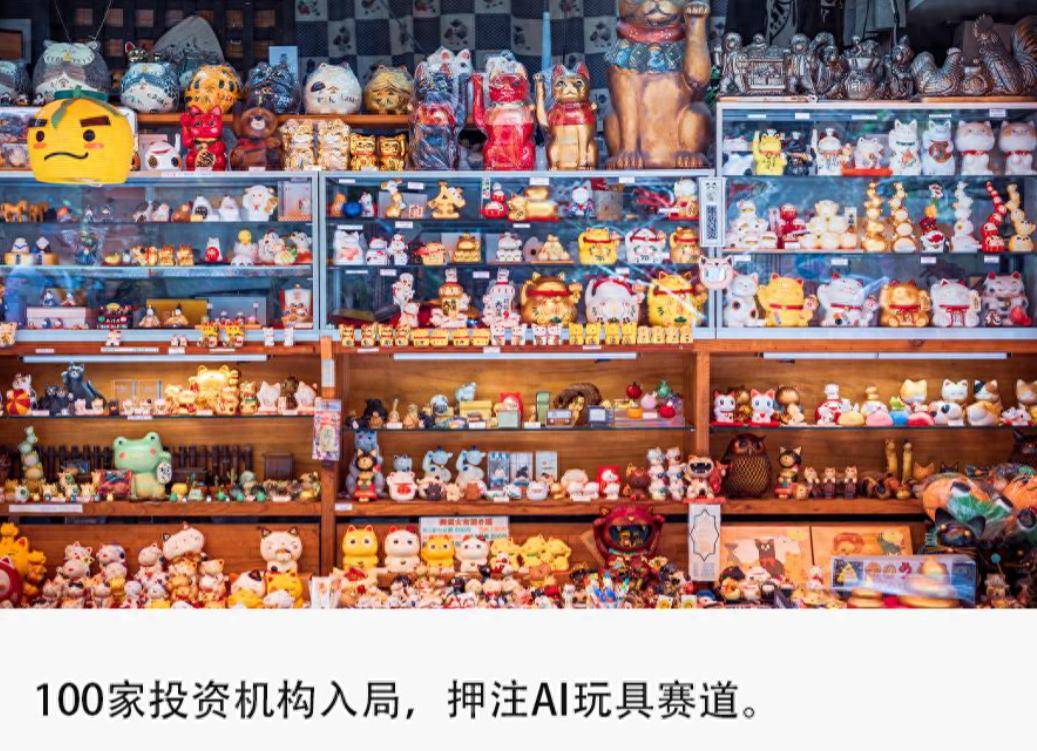
Core Viewpoint - The AI toy brand "Yue Ran Innovation" has secured 200 million yuan in Series A financing, becoming the most funded company in the AI toy sector, attracting significant investment interest similar to the "Bubble Mart" phenomenon [1][4]. Company Overview - "Yue Ran Innovation" was founded by Li Yong, a former marketing director at Smartisan Technology, and has quickly gained recognition in the AI toy market since its inception in 2021 [4]. - The company's flagship product, BubblePal, launched in July 2023, has sold over 250,000 units, generating approximately 100 million yuan in revenue [5]. Product Features - The current AI toys integrate advanced AI models, enabling them to engage in conversations, recognize emotions, and understand tones, providing companionship beyond simple interactions [3][4]. Market Dynamics - The AI toy industry has attracted nearly a hundred investment firms, including major players like Sequoia, ByteDance, and JD, indicating a strong market interest [7]. - The business model primarily involves selling hardware alongside backend subscription services, which enhances revenue potential [8]. Profitability - The gross margins for AI toys are notably high, with products like BubblePal achieving margins between 50% to 65%, and premium products reaching up to 90% [9][10]. Industry Challenges - Despite the apparent success, many startups in the AI toy sector face significant challenges, including low product retention rates and severe price competition, leading to rapid price declines [12][14]. - The industry is characterized by a high failure rate, with many companies unable to sustain operations, highlighting the need for strong intellectual property and content to differentiate products [16]. Market Potential - The global market for AI toys is projected to reach $224.75 billion by 2034, with a compound annual growth rate of 20.48%, indicating substantial growth potential despite the current challenges [16].


刷新纪录!外贸顺差近1万亿美元,但许多外贸工厂倒闭,为什么?
Sou Hu Cai Jing· 2025-09-23 08:51
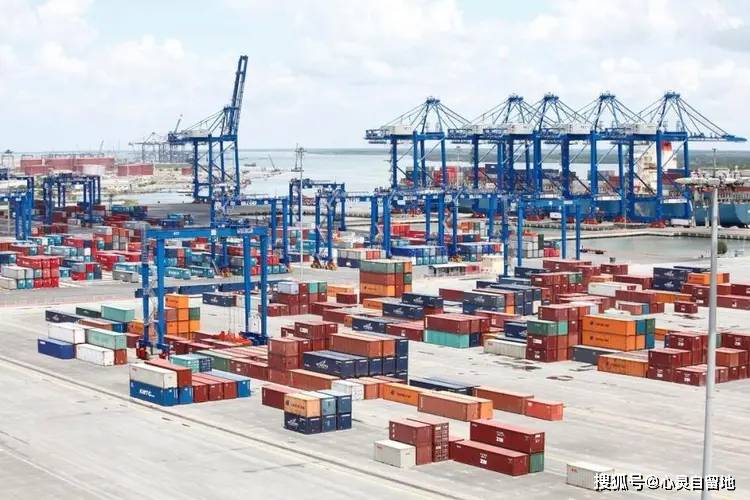
Core Viewpoint - China's trade surplus has reached nearly $1 trillion, a historical high, yet thousands of foreign trade factories are closing down, indicating a structural shift in the export landscape rather than a decline in exports [1][11]. Group 1: Trade Surplus and Structural Changes - The official trade surplus is calculated by subtracting the total value of imports from exports, focusing solely on monetary value without considering the underlying industries [3]. - High-value products like electric vehicles and lithium batteries have replaced traditional labor-intensive goods, leading to a higher trade surplus but not necessarily benefiting all factories [3][5]. - Traditional small and medium-sized foreign trade enterprises are facing severe survival challenges despite the rising surplus [3][5]. Group 2: Impact on Traditional Manufacturing - Many garment factories in Zhejiang report a lack of orders, with clients shifting to countries like Vietnam and Bangladesh or to more automated factories [5]. - The shift towards automation is resulting in significant job losses, as machines replace skilled labor [5][7]. - The transition to high-tech industries is not friendly to low-skilled workers, who find it difficult to adapt to new job requirements [5][9]. Group 3: Economic and Social Implications - Local governments face a dilemma between supporting traditional factories and allowing them to close, which could lead to reduced tax revenue and increased unemployment [7]. - The financial sector is increasingly favoring high-tech industries for credit and financing, tightening loans for traditional manufacturing [7]. - Unemployment is spreading from coastal areas to inland regions, with older workers struggling to find new jobs in a rapidly changing economy [7][9]. Group 4: Need for Systemic Support - There is a pressing need for social safety nets, such as unemployment insurance and skill training programs, to support workers during this transition [9]. - The education system is adapting by removing outdated vocational programs and introducing new fields like robotics and renewable energy [9]. - A unified national skills certification system is necessary to facilitate the transition of workers into high-value industries [9]. Group 5: Future Outlook - The current export structure is undergoing a transformation, with old industries declining and new ones emerging, which may lead to a stronger economy in the long run [11]. - The ability to navigate this transition will determine whether Chinese manufacturing can achieve lasting success on the global stage [11].
惠州市蔓延科技有限公司成立 注册资本10万人民币
Sou Hu Cai Jing· 2025-09-23 06:14
Group 1 - Huizhou Manyan Technology Co., Ltd. has recently been established with a registered capital of 100,000 RMB [1] - The company's business scope includes licensed projects such as printing of packaging and decorative printing products, as well as other printing services for documents and materials [1] - General projects include manufacturing and sales of rubber products, plastic products, toys, hardware products, daily ceramics, daily glass products, and various other consumer goods [1] Group 2 - The company is also involved in domestic trade agency, internet sales (excluding items requiring licenses), import and export agency, and sales of paper products and office supplies [1] - The business activities are subject to approval by relevant authorities where necessary, and specific operations will depend on the approval documents or permits obtained [1]
2025年前8个月,越南对美国出口额约1000亿美元
Shang Wu Bu Wang Zhan· 2025-09-23 04:12
Core Insights - Vietnam's total exports to the United States reached $99.05 billion by the end of August, marking a year-on-year increase of 26.4%, solidifying the U.S. as Vietnam's largest export market [1] Export Performance - The top ten exported goods to the U.S. include: - Computers, electronic products, and accessories: $26.1 billion, up 67.7% year-on-year [1] - Machinery, equipment, tools, and accessories: $15.19 billion, up 15.2% year-on-year [1] - Textiles: $12.07 billion, up 11.8% year-on-year [1] - Mobile phones and accessories: $7.53 billion, up 2.9% year-on-year [1] - Wood and wood products: $6.2 billion, up 7.6% year-on-year [1] - Footwear: $6.07 billion, up 8.6% year-on-year [1] - Toys and sports equipment: $3.74 billion, up 228.1% year-on-year [1] - Plastic products: $2.45 billion, up 28.3% year-on-year [1] - Transport vehicles and accessories: $2.34 billion, up 7.8% year-on-year [1] - Aquatic products: $1.24 billion, up 6.9% year-on-year [1]
星辉娱乐股价跌5.07%,同泰基金旗下1只基金重仓,持有83.86万股浮亏损失29.35万元
Xin Lang Cai Jing· 2025-09-23 02:57
9月23日,星辉娱乐跌5.07%,截至发稿,报6.56元/股,成交3.20亿元,换手率3.80%,总市值81.62亿 元。星辉娱乐股价已经连续4天下跌,区间累计跌幅10.49%。 资料显示,星辉互动娱乐股份有限公司位于广东省广州市天河区黄埔大道西122号星辉中心26楼,成立 日期2000年5月31日,上市日期2010年1月20日,公司主营业务涉及游戏业务、足球俱乐部业务、玩具业 务。主营业务收入构成为:游戏35.76%,球员转会19.13%,车模及婴童用品17.72%,电视转播权 15.18%,票务、会员5.02%,赞助及广告3.87%,租金1.22%,足球衍生品1.05%,其他1.04%。 从基金十大重仓股角度 数据显示,同泰基金旗下1只基金重仓星辉娱乐。同泰慧利混合A(008180)二季度持有股数83.86万 股,占基金净值比例为5.3%,位居第七大重仓股。根据测算,今日浮亏损失约29.35万元。连续4天下跌 期间浮亏损失67.93万元。 同泰慧利混合A(008180)成立日期2020年7月3日,最新规模2983.97万。今年以来收益28.67%,同类 排名3202/8172;近一年收益59.39%,同类 ...

星辉娱乐:接受博时基金等投资者调研
Mei Ri Jing Ji Xin Wen· 2025-09-22 12:42
Group 1 - The core viewpoint of the article is that Xinghui Entertainment (SZ 300043) has engaged with investors, providing insights into its business structure and performance during the first half of 2025 [1] - As of the announcement, Xinghui Entertainment's market capitalization stands at 8.6 billion yuan [1] - The revenue composition for Xinghui Entertainment in the first half of 2025 is as follows: sports business accounts for 44.26%, gaming and advertising business for 35.76%, baby products and other toys for 17.72%, and other businesses for 2.26% [1]
星辉娱乐(300043) - 2025年9月22日投资者关系活动记录表
2025-09-22 12:28
Group 1: Game Business Performance - The company's game revenue increased year-on-year, driven by the launch of several titles such as "MapleStory R: Evolution" and "Ragnarok: Breaking Dawn" [2] - The upcoming flagship product "Three Kingdoms Heroes: Strategy of the Nine Provinces" is expected to support continued growth, with excellent testing data [2] - Multiple games are planned for release in various regions, including mainland China, Hong Kong, Macau, Japan, Southeast Asia, and Europe [2] Group 2: Development Strategy - The company aims to focus on high-quality game products and continue developing in genres like ancient strategy and idle games [2] - Emphasis on leveraging IP value in game development to enhance product stability and maximize value across the entire game development and operation process [2] - The company is expanding its mini-program game strategy across major platforms like WeChat, Huawei, and Douyin, while also targeting other super app channels [2] Group 3: Business Restructuring - The company plans to sell 99.66% of its stake in the Espanyol football club to concentrate on its core business and improve profitability [3] - Post divestment, resources will be redirected towards toys and games, including AI technology applications and overseas game operations [3] - The divestment is part of a strategy to enhance core business competitiveness and drive innovation in potential growth areas like cloud gaming and AI toys [3]
【环球财经】巴西雷亚尔兑美元走强带动食品价格回落
Xin Hua Cai Jing· 2025-09-21 02:49
Group 1 - The Brazilian stock index Ibovespa has reached a historical high while the US dollar has weakened against the Brazilian real, impacting consumer spending, particularly in food prices [1] - The exchange rate of the dollar to the real has decreased from 6.30 to approximately 5.30, benefiting Brazilian consumers as food inflation is sensitive to currency fluctuations [1] - Approximately 40% of the Consumer Price Index (IPCA) is directly or indirectly related to exchange rate movements, affecting not only food but also clothing, footwear, and toys [1] Group 2 - Brazilian food prices have declined for three consecutive months, reflecting the positive effects of the real's appreciation [1] - Despite the benefits of a stronger real, uncertainties in domestic fiscal policy and external economic conditions may limit further appreciation [1] - The strong real poses challenges for export companies, as exports account for about 15% of Brazil's GDP, leading to reduced actual earnings when dollar revenues are converted to reais [1] - Strong domestic demand provides a buffer for certain industries, with agricultural exporters like soybeans and coffee adjusting their market strategies to target emerging markets, including China, to mitigate adverse effects from tariffs and exchange rates [2]
A股5439家公司半年报:十大高增长行业、十大盈利行业、十大高薪行业……
吴晓波频道· 2025-09-21 00:29
Core Viewpoint - The economic landscape of China in 2025 is becoming clearer through specific data, showcasing resilience in traditional industries, breakthroughs in emerging sectors, meticulous cultivation of domestic demand, and bold positioning in global markets [2]. Market Capitalization - As of September 15, 2025, the total market capitalization of A-shares exceeded 118 trillion yuan, a significant increase of 37% from the end of the previous year, adding 32 trillion yuan, equivalent to 17.4 times the market cap of Kweichow Moutai [3]. - The concentration of industries is increasing, with the top ten industries accounting for 66% of the total market capitalization, indicating a strengthening of the "head effect" [3]. - Among 5,439 companies that disclosed semi-annual reports, 2,909 achieved performance growth, representing 53.5%, while 46.5% have not yet recovered from downturns, illustrating a mixed economic recovery [3]. Revenue and Profit - Total revenue of A-shares reached 34.95 trillion yuan, nearly flat year-on-year, while total profit was 3.2 trillion yuan, a growth of 2.31% [13]. - The top ten industries contributed 45% of total revenue, with traditional sectors like refining and trade, infrastructure, and state-owned banks remaining economic cornerstones [13][14]. - The highest revenue growth industries include wind power equipment (45.6%) and various electronic sectors, while traditional sectors like coal and oil show declines [15][11]. Employment and Salaries - The total number of employees in A-share companies reached 30.87 million, an increase of 284,300 year-on-year, with the passenger vehicle industry leading in employee growth at 20.36% [21]. - Average employee salary across industries was approximately 108,400 yuan, a slight increase of 3.24% from the previous year, with the oil and gas extraction industry leading in salary levels at 478,600 yuan [27][29]. Overseas Revenue - 54.27% of A-share companies reported overseas business income, totaling over 4.5 trillion yuan, indicating a shift towards globalization among Chinese enterprises [33]. - The refining and trade industry topped the list for overseas revenue, with significant contributions from consumer electronics and white goods sectors [35]. Industry Trends - The "specialized, refined, and innovative" enterprises outperformed the overall market with an 8.58% revenue growth and a 13.32% profit growth, highlighting the importance of R&D investment [20]. - The education sector showed a recovery trend with an 11% revenue growth and a 28% profit increase, driven by scale effects and AI integration [56]. - The pet food industry demonstrated strong performance with a total revenue exceeding 6.7 billion yuan, although growth was uneven among companies [45].

三部门联合印发!优供给促消费稳出口,轻工业稳增长方案出台
Zheng Quan Shi Bao· 2025-09-20 01:04
Core Viewpoint - The "Light Industry Stabilization and Growth Work Plan (2025-2026)" aims to enhance the role of the light industry in stabilizing growth, promoting consumption, and improving livelihoods, amidst increasing international uncertainties and domestic demand challenges [1][2]. Group 1: Key Objectives - The plan outlines that by 2025-2026, the light industry will play a more significant role in stabilizing growth and promoting consumption, with key sectors showing stable growth and operational efficiency [1]. - It targets the rapid development of new growth points such as smart home products, elderly and infant goods, and sports leisure fashion products, with the goal of promoting 300 upgraded and innovative products [1][2]. Group 2: Tasks and Strategies - The plan emphasizes three main tasks for quality supply: accelerating product innovation, enhancing quality assurance, and strengthening brand cultivation, including actions to adapt supply and demand in consumer goods [2]. - In promoting consumption, the plan will continue to support "old-for-new" exchanges for appliances and expand into health, elderly care, and cultural tourism sectors, leveraging artificial intelligence in the light industry [2]. - For exports, the plan supports leading enterprises in sectors like home appliances and furniture to accelerate global brand building and encourages the development of cross-border e-commerce and overseas service stations [2]. Group 3: Implementation and Corporate Responsibility - The plan calls for market participants to actively engage in its implementation, focusing on technology leadership, quality pricing, brand building, and optimizing global layouts, while urging companies to phase out inefficient capacities [3].