
IP变现

Search documents
谁还关心知乎的死活?
虎嗅APP· 2026-03-27 03:32
Core Viewpoint - The article discusses the financial performance of Zhihu in 2025, highlighting its first annual non-GAAP profit while revealing significant declines in revenue and core business performance, indicating a strategic retreat rather than sustainable growth [5][7][9]. Financial Performance Summary - Zhihu reported a total revenue of 2.75 billion yuan in 2025, a decline of 23.6% compared to 2024 [7]. - The company achieved an adjusted net profit of 37.9 million yuan, marking its first annual non-GAAP profit [5]. - Core business revenues, including marketing services, paid membership, and other income, all experienced declines, with marketing services down 32.29%, paid membership down 12.66%, and other income down 37.93% [7][9]. Profit Composition - The profit was largely driven by cost control and non-recurring income rather than growth in core business areas [9]. - Investment income reached 231.9 million yuan, a 254% increase from 65.4 million yuan in 2024, primarily from unrealized gains on equity investments [9]. - Despite achieving profitability, Zhihu's core business continued to struggle, with no segment showing positive growth [9][14]. Cost Management - Zhihu implemented strict cost controls, with total operating costs in Q4 2025 at 300 million yuan, down 6.2% year-on-year [11]. - Sales and marketing expenses decreased by 13% to 275 million yuan, while R&D expenses fell by 16% to 123 million yuan [11]. - This cost reduction reflects a strategic shift away from non-core businesses and a correction of past commercialization strategies [12]. User Growth and Market Position - Zhihu's monthly active users (MAU) fell to 80 million, contrasting with competitors like Xiaohongshu and Douyin, which have significantly increased their user bases [16]. - The decline in user engagement is attributed to Zhihu's struggle to balance community quality with commercial monetization, leading to a loss of core users [17][19]. IP Monetization Potential - The paid reading business emerged as a highlight, generating 334 million yuan in Q4 2025, accounting for 51.8% of total revenue [21]. - Zhihu's IP monetization strategy, particularly through its Yan Yan Story platform, has shown potential, with significant increases in IP-derived revenue [21][22]. - However, the company has been late to capitalize on the booming short drama market, missing earlier opportunities for growth [22]. Future Strategic Focus - For 2026, Zhihu aims to accelerate AI-related commercialization, focusing on AI short dramas and data services [23]. - The company has a strong foundation in high-quality content and expert networks, positioning it well for AI data services [25]. - Despite its cautious approach to AI investment, there are concerns that this may hinder its ability to fully engage with the evolving AI landscape [26][27].


阅文集团(00772):2025年报:新丽传媒项目有波动,但IP变现路径更丰富
Shenwan Hongyuan Securities· 2026-03-22 15:21
Investment Rating - The report maintains a "Buy" rating for the company [1]. Core Insights - The company reported a revenue of 7.37 billion yuan for 2025, a year-on-year decline of 9.3%, and an adjusted net profit of 860 million yuan, down 24.8%, which aligns with previous forecasts [4][7]. - The fluctuation in the New Classics Media project has led to a decline in revenue and profit for the company in 2025, with only two series released during the year and losses from the film "The Saint of Love 3" [7]. - Online business remained stable, with online revenue of 4.05 billion yuan in 2025, a slight increase of 0.4%, and a minor decrease in monthly active users [7]. - New IP growth is clearer with over 120 short dramas launched in 2025, and AI comic revenue exceeding 100 million yuan since its introduction [7]. - AI has been applied in various operational aspects, contributing significantly to revenue, particularly through the WebNovel platform [7]. - Short-term profit recovery is anticipated if long dramas resume and new business continues to expand, while medium-term focus is on upgrading IP monetization structures [7]. - The adjusted net profit forecasts for 2026 and 2027 have been revised down to 1.403 billion yuan and 1.555 billion yuan, respectively, with a new forecast for 2028 set at 1.717 billion yuan [7]. Financial Data and Profit Forecast - The projected financial data for the company is as follows: - Revenue: 8,121 million (2024), 7,366 million (2025), 7,952 million (2026E), 8,441 million (2027E), 8,995 million (2028E) [6]. - Adjusted net profit: 1,142 million (2024), 858 million (2025), 1,403 million (2026E), 1,555 million (2027E), 1,717 million (2028E) [6][8]. - Earnings per share: 1.12 (2024), 0.84 (2025), 1.37 (2026E), 1.52 (2027E), 1.68 (2028E) [6].
阅文集团(00772.HK):新丽传媒拖累25年利润 版权运营延续向上趋势
Ge Long Hui· 2026-02-14 14:45
Core Viewpoint - The company has issued a profit warning, expecting a significant decline in adjusted net profit for 2025, primarily due to challenges faced by its subsidiary, New Li Media, and substantial goodwill impairment [1] Group 1: Profit Forecast and Adjustments - The company anticipates an adjusted net profit of 800-900 million yuan for 2025, which is below expectations and represents a year-on-year decline of 21-30% compared to the adjusted net profit of 1.14 billion yuan in 2024 [1] - The company projects an adjusted net loss of 750-850 million yuan for 2025, indicating an increase in losses compared to 2024, largely due to a goodwill impairment charge of approximately 1.8 billion yuan related to New Li Media [1] Group 2: New Li Media Performance - New Li Media's project fluctuations have led to the profit decline, with only two series expected to be released in 2025, and the film "The Saint 3" underperforming with a total box office of only 42.62 million yuan [1] - Despite the challenges, New Li Media remains a leading production company in China, with a new series "Young and Promising" scheduled for release in 2026, warranting attention on future project schedules [1] Group 3: Online Business and Copyright Operations - The online business and the self-owned copyright operations of the company are expected to perform in line with expectations, with the online business projected to remain stable [1] - The core focus for the company in 2025 is the growth of its copyright operations, which are showing positive momentum, with new monetization methods for IP such as derivative products and short dramas [1] Group 4: AI and IP Monetization Strategy - The company is shifting from a "hit-driven" model to an "IP pool monetization" approach, leveraging AI to reduce production barriers for animated and adapted content [2] - In 2025, the company has actively engaged in AI animation, launching a special fund for IP creation and strategic investments in leading production companies [2] Group 5: Future Outlook and Valuation - The company maintains a buy rating despite operational pressures, adjusting its profit forecasts for 2025-2027 to 843 million, 1.452 billion, and 1.648 billion yuan respectively [3] - The company is optimistic about the value release of its copyright operations, setting a target market value of 49 billion HKD for 2026, indicating a potential upside of 25% [3]
未知机构:2月金股泡泡玛特坚定看好年会信息小结王宁讲话简评1月底部深度报告回顾-20260210
未知机构· 2026-02-10 01:55
Summary of Company and Industry Insights Company: Pop Mart (泡泡玛特) Key Points 1. **Sales Performance** - Total sales volume across all categories exceeded 400 million units for the year - Sales volume of the Labubu single product reached over 100 million units, accounting for 25% of total sales [1] 2. **Global Store Expansion** - The company operates over 700 stores globally, with more than 200 located overseas [1] 3. **Membership Growth** - Global registered members surpassed 100 million, with nearly 60 million members in mainland China as of the first half of 2025 - Overseas members represent a smaller proportion compared to mainland China; 49% of new members are only familiar with Labubu 3.0 [1] 4. **Visitor Trends** - Visitor traffic to amusement parks increased by 77% year-on-year, with non-family visitors making up 59% of the total - Non-local visitors accounted for 58%, indicating a larger-than-expected potential customer base - Plans for a second phase of urban amusement parks are underway, potentially including amusement projects [1] 5. **Product Category Performance** - Plush toys have become the largest product category, accounting for approximately 40% of total sales - The category's share is expected to remain stable compared to the first half of 2025 [1] 6. **Supply Chain Development** - Six major supply chain bases have been established, creating 200,000 job opportunities - Compared to July 2024, overall production capacity is expected to increase by 2.5 times, with plush production capacity increasing by 7 times [2] 7. **Valuation Insights** - Current international valuation comparisons show favorable ratios, with the company in a growth phase enhancing its safety margin - Historical PE ratios for Disney and Sanrio range from 10-30 or 10-40 times, with below 10 times typically associated with significant internal IP failures or external economic shocks [2] 8. **Future Growth Potential** - The company is still in the early stages of growth, with competitive barriers being validated, suggesting a valuation safety margin better than 10x PE - China's cultural output is on an upward trajectory, increasing the likelihood of success for Pop Mart as it expands globally, similar to Japan's cultural success in the 1980s and Coca-Cola's global popularity in the 1950s-70s [2] 9. **Profit Forecast and Investment Recommendation** - The adjusted net profit for the company is projected to be approximately 17.4 billion RMB by 2026 - A valuation of 25 times earnings for 2026 suggests a market cap of 440 billion RMB or about 480 billion HKD, maintaining a buy rating [2] Additional Reports - Detailed reports referenced include: - "Pop Mart Deep Dive 3: The Flywheel Effect Has Formed, Moving Towards Greater Horizons" - "Pop Mart Initial Coverage Report: IP Expansion and Monetization Growth, Overseas Breakthroughs" - "Emotional Value Framework Report: Starting with Emotion, Ending with Sentiment, Respecting Time and Management" [2]

想当迪士尼,蜜雪冰城够格吗?
3 6 Ke· 2026-02-04 02:23
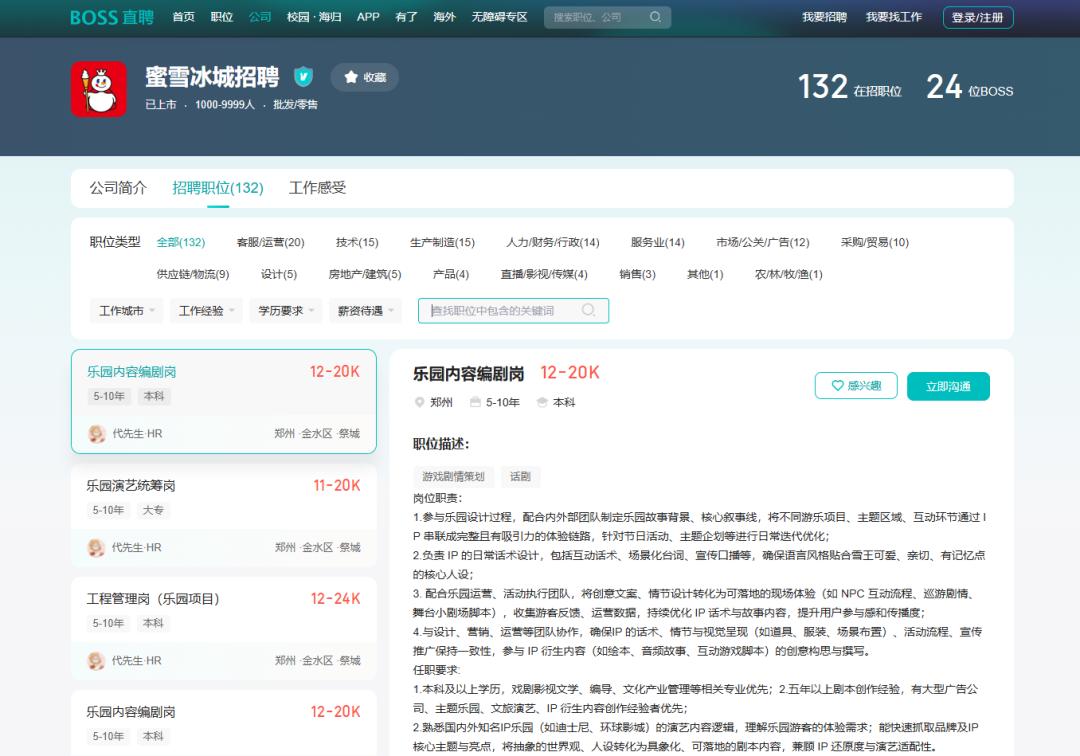
Group 1 - Mixue Ice City has quietly launched a series of job postings related to its theme park project, indicating a strategic move towards building a larger entertainment platform [1][4] - The job descriptions emphasize the need for expertise in immersive experiences, narrative construction, and engineering management, suggesting a focus on creating a comprehensive theme park experience [1][2] - Salary ranges for these positions are between 11K to 24K, with some roles offering over 20K, highlighting the demand for experienced professionals in the theme park industry [2] Group 2 - The location for the new theme park is speculated to be in Zhengzhou, with discussions about site surveys already completed, indicating a serious commitment to this project [2][4] - The trend of brands, including Mixue Ice City, venturing into theme parks reflects a broader industry shift where companies seek to extend the lifecycle of their intellectual properties (IPs) beyond digital platforms [10][11] - The theme park model is seen as a way to enhance customer engagement and loyalty, particularly targeting family-oriented consumers, which could significantly alter the brand's user demographics [16][17] Group 3 - The article discusses the challenges of operating a theme park, contrasting it with the retail model that Mixue Ice City is accustomed to, emphasizing the need for high-quality experiences and emotional value [23][24] - It highlights the importance of continuous content updates and engaging narratives to maintain visitor interest, drawing parallels with successful models like Disney [26][27] - The potential for Mixue Ice City to adopt a more interactive and less equipment-heavy approach, similar to successful local models, is suggested as a viable strategy for their theme park [30]
这家上海游戏公司,悄悄投出3个IPO
AI研究所· 2026-01-16 11:03
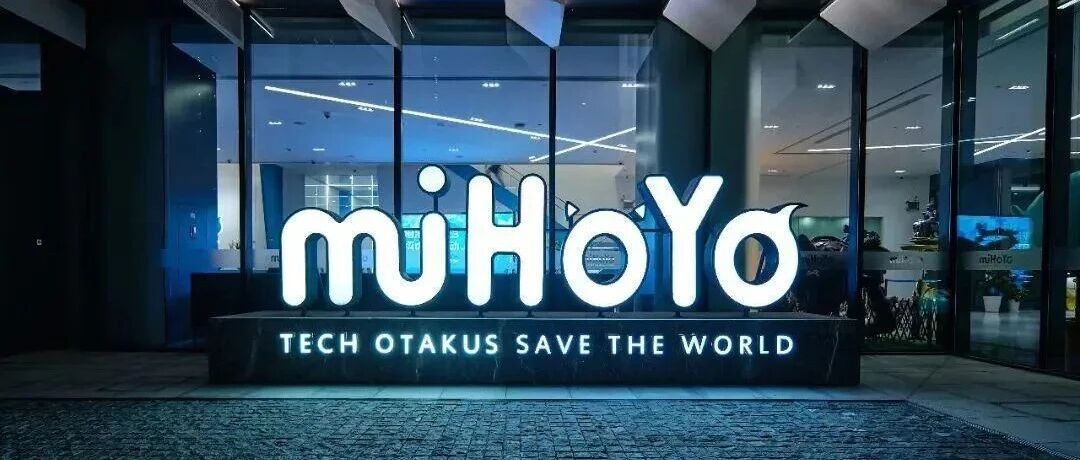
Core Viewpoint - MiHoYo has established itself as a unique player in the domestic gaming industry, successfully competing with industry giants without relying on mergers and acquisitions, instead focusing on core products like "Genshin Impact" and "Honkai" series, while building a vast investment network across various sectors including AI, aerospace, and energy [1][6]. Investment Landscape - In early 2026, MiHoYo's investment strategy became more visible with the IPO applications of three companies: Suplay, MiniMax, and Soulgate, showcasing its diverse investment portfolio [2][3]. - MiHoYo holds significant stakes in these companies, being the largest external shareholder in Suplay (11.86%), an angel investor in MiniMax (approximately 6.4%), and a key institutional shareholder in Soulgate (5.47%) [3]. Strategic Focus - The investments in AI, trendy toys, and social platforms align with MiHoYo's vision of constructing a "virtual world," addressing three core aspects: technological foundation, IP monetization, and user entry points [8][9]. - MiniMax's technology is integrated into MiHoYo's games, enhancing content production efficiency and user interaction, with MiniMax's revenue reaching 380 million RMB in the first three quarters of 2025, a 174.7% year-on-year increase [13][14]. Monetization and User Engagement - Suplay has transformed its business model through MiHoYo's investment, significantly increasing its revenue from MiHoYo's IPs, which contributed over 60% of its earnings as of September 2025 [15][17]. - Soul, targeting Gen Z users, has become a crucial platform for virtual social interaction, with 390 million registered users and a daily active user rate of 1.1 million, 78.7% of whom are Gen Z [18][19]. Investment Strategy Evolution - MiHoYo's investment strategy shifted significantly in 2021, expanding beyond gaming content to include hard tech sectors like brain-computer interfaces and nuclear fusion, driven by strong cash flow from "Genshin Impact" [24][25]. - The company’s decision to avoid external investments allows it to focus on long-term strategic goals without pressure for short-term returns, with founders holding over 85% of the shares [26]. Long-term Vision - MiHoYo aims to create a virtual world that integrates social, consumer, work, and entertainment aspects, necessitating investments in diverse technologies like AI and energy [28][29]. - The company's investments are strategically aligned to build a technological foundation for this virtual world, indicating a comprehensive approach to future growth [30]. Conclusion - MiHoYo's investment strategy reflects a broader trend in the cultural technology industry, emphasizing the importance of integrating content, technology, and consumer engagement to maintain competitive advantage [32][33].
虚拟IP变纸上黄金,Suplay逆袭全球前五,IPO能否解死循环?
Sou Hu Cai Jing· 2026-01-14 15:20
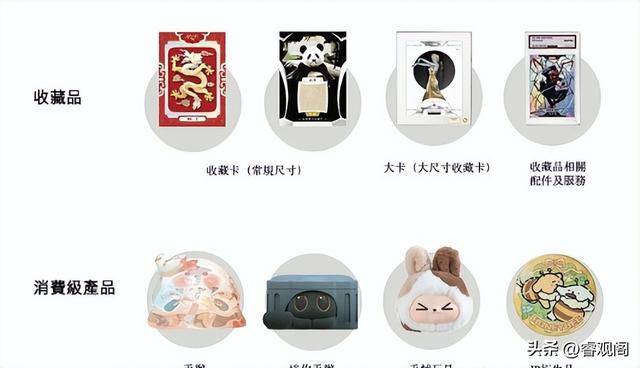
Core Viewpoint - Suplay is attempting to go public in Hong Kong, aiming to become the first publicly listed company in the collectible card industry, leveraging its partnership with miHoYo for significant profits, but faces challenges as its core IP license is set to expire soon [1] Group 1: Company Overview - Suplay has submitted its IPO application to the Hong Kong Stock Exchange, with CICC and JPMorgan as joint sponsors [1] - The company has achieved a gross margin exceeding 60%, comparable to luxury goods, but its reliance on IP has surged to 77.7% [1][11] - Suplay's flagship brand, Kaka Wo, utilizes premium materials and traditional craftsmanship, with individual card prices reaching up to 69,900 yuan [4] Group 2: Market Position and Performance - Suplay has positioned itself as a leader in the collectible non-battle card market in China and is among the top five brands globally [11] - The company has registered over 1.3 million users, with 99.5% being adults, creating a complete ecosystem around scarcity and value verification [6] - In 2024, Suplay's revenue is projected to be 280 million yuan, achieving a 30.5% adjusted net profit margin, significantly outperforming industry leader KaYou, which reported a loss of 1.242 billion yuan despite higher revenue [8][9] Group 3: Challenges and Risks - Suplay's dependency on licensed IP has increased dramatically, with its own IP revenue dropping from 40.6% to 4.1% [11] - The core IP that contributed 32.3% of revenue in the first three quarters of 2025 is set to expire, with negotiations for renewal ongoing, raising concerns about future revenue stability [13] - Out of 22 signed IPs, only three are exclusive, indicating a potential competitive disadvantage as other companies, like Pop Mart, pursue partnerships with major players [13]
漫剧产业发展对IP变现方式的影响
2025-12-25 02:43
Summary of the Animation Industry Conference Call Industry Overview - The animation industry is experiencing significant changes due to the integration of AI technology, which has improved production efficiency dramatically. The production cycle for a 50-80 episode series has been reduced to three months, lowering both time and labor costs significantly [1][4]. Key Insights - **Production Costs**: The cost of producing a typical non-sand sculpture animation is between 80 to 300 RMB per minute, while high-quality productions range from 1,000 to 2,000 RMB per minute. In contrast, traditional animation costs around 15,000 to 20,000 RMB per minute, with total investments reaching 20 to 30 million RMB for a full series [5]. - **Copyright Fees**: The fees for high-value copyrights have decreased from 5 to 10 million RMB to 800,000 to 5 million RMB, while ordinary copyright fees have dropped from 500,000 RMB to 200,000 RMB. This reduction lowers the barriers to entry for the industry [6]. - **Market Potential**: The current user base for long video platforms is estimated at 20 to 30 million, but the potential male user base could reach 170 million, and including female users, it could expand to 300 million, indicating substantial growth opportunities [7][2]. AI Impact - **Efficiency Gains**: AI is utilized extensively in the production of animation, particularly in script generation and image creation, achieving a usage rate of 70-80% in certain genres. This has led to a return on investment (ROI) of approximately 1.1 for animation projects [3][17]. - **Production Process**: The production of an AI animation involves selecting marketable books, scriptwriting (often with AI assistance), generating key frames, and final editing, typically completed by a team of 20-30 people within a month [11]. Revenue and Performance - **Revenue Generation**: Top-performing works on platforms like Douyin have generated over 3 million RMB each, with the platform's average daily revenue from animations expected to exceed 20 million RMB by October 2025 [12][14]. - **Monthly Income**: A typical animation can earn around 60,000 RMB per month, with a lifecycle of one to two months, allowing for ROI calculations within one to two quarters [26]. User Demographics and Trends - **Core User Base**: The primary audience for animations is predominantly male (approximately 60%), who have high content demands but lower expectations for visual quality. Their willingness to pay is currently unclear but may increase with improved content quality [24]. - **Future Trends**: The industry is moving towards a model that emphasizes high-quality long-form animations, with a focus on creating flagship brands. As user engagement increases, particularly among male users, there is potential for expanding into female demographics [25]. Competitive Landscape - **Market Dynamics**: The animation market has not yet established a clear competitive structure, with platforms currently focused on rapid user growth. The competition is expected to intensify as AI technology evolves and consumer expectations for quality increase [23]. Conclusion - The animation industry is poised for significant growth driven by AI advancements, reduced production costs, and an expanding user base. The shift towards high-quality content and effective monetization strategies will be crucial for future success.
国泰海通 · 晨报1219|宏观、传媒
国泰海通证券研究· 2025-12-18 14:09
Macroeconomic Analysis - The narrow revenue growth has slowed down, with national public budget revenue increasing by only 0.8% year-on-year from January to November 2025, and the growth rate in November being flat compared to the same period in 2024 [1] - Narrow budget expenditure grew by 1.4% year-on-year from January to November 2025, with a decline of 3.7% in November, indicating a marginal narrowing of the decline compared to October [1] - The overall fiscal expenditure growth remains low, influenced by prior fiscal efforts and year-end budget adjustments, with key areas like health, technology, and environmental protection seeing leading expenditure growth [1] Government Fund Analysis - Government fund budget revenue decreased by 4.9% year-on-year from January to November 2025, with a significant decline of 15.8% in November [2] - Government fund budget expenditure increased by 13.7% year-on-year from January to November 2025, with a notable recovery in November, growing by 2.8% compared to a decline of 38.2% in October [2] - The increase in expenditure is attributed to the allocation of 500 billion yuan from the central government to support local investment projects [2] Fiscal Policy Outlook - The fiscal balance remains tight, with moderate revenue growth constraining expenditure amid economic growth and real estate market transitions [3] - Expenditure is becoming more targeted and effective, with a clear focus on key areas such as social welfare and technological innovation [3] - The decision-makers plan to implement a more proactive fiscal policy in 2026, with an expected narrow fiscal deficit rate of around 4%, emphasizing structural optimization and enhancing local fiscal sustainability [3] IP Fun Food Industry Analysis - The IP fun food sector, which combines IP with food and collectible gifts, is rapidly growing, driven by consumer demand for emotional consumption [6][7] - The market size of China's IP food industry is projected to grow from 18.1 billion yuan in 2020 to 35.4 billion yuan by 2024, with a CAGR of 18.2%, while the IP fun food segment is expected to grow from 5.6 billion yuan to 11.5 billion yuan, with a CAGR of 19.6% [7] - The growth is fueled by the younger generation's increasing emotional consumption needs and the mature supply chain of the snack industry in China [7] Competitive Landscape - The core competitiveness in the IP fun food market lies in supply chain management and IP operation, with low differentiation in snack products making cost control crucial [8] - The market remains fragmented, with leading companies holding only 7.6% market share, indicating a competitive environment with many small players [9] - The differentiation provided by IP toys as gifts is key to achieving premium pricing in a market where snack products lack inherent differentiation [8][9]

IP 系列报告一:情绪消费风起,IP趣玩行业快速增长
GUOTAI HAITONG SECURITIES· 2025-12-18 02:28
Investment Rating - The report rates the industry as "Buy" [3] Core Insights - The IP food and play industry is rapidly growing under the trend of emotional consumption, with supply chain management and IP operation being the core [2][3] - The market for IP food products is expected to grow from 18.2% CAGR from 2020 to 2024, reaching a scale of 354 billion yuan, while the IP play food segment is projected to grow at a CAGR of 19.6%, reaching 115 billion yuan by 2024 [10][12] - The emotional consumption trend is driven by younger generations who prioritize identity recognition and emotional connection, leading to increased demand for IP products [15][12] Summary by Sections 1. IP Play as a Combination of IP, Food, and IP Gifts - IP play food products include collectible cards, stickers, badges, figurines, and edible toys, providing a unique experience that combines eating and playing [6][7] - Compared to regular IP food, IP play food can effectively enhance premium pricing through limited edition gifts that stimulate consumer collection desires [7][6] 2. Rapid Industry Growth and Fragmented Landscape - The Chinese IP food industry is expected to reach 431 billion yuan by 2025, with a projected CAGR of 18.5% from 2025 to 2029 [10][11] - The market is characterized by a fragmented competitive landscape, with the leading company, Jintian Animation, holding a market share of 7.6% in 2024 [3][60] 3. Supply Chain Management and IP Operation as Core Competencies - The core competitive advantage lies in supply chain control and effective IP operation, as the differentiation of snack products is low [33][34] - The cost of IP gifts is low, allowing for higher pricing of IP food products compared to non-IP snacks, with the impact of gift items potentially increasing prices by 2-3 times [52][33] 4. Domestic Brand Rise in a Fragmented Competitive Landscape - The IP food industry is experiencing a structural transformation, with domestic brands gaining prominence due to product innovation and cultural integration [60] - The top five revenue-generating companies in 2024 include Pepsi, Mars, Mondelez, Jintian Animation, and Nestle, with market shares of 5.6%, 2.9%, 2.7%, 2.5%, and 1.3% respectively [60]