
房地产开发

Search documents
国家统计局:1月份一线城市新建商品住宅销售价格环比下降0.3%,同比下降2.1%
Jin Rong Jie· 2026-02-13 02:10
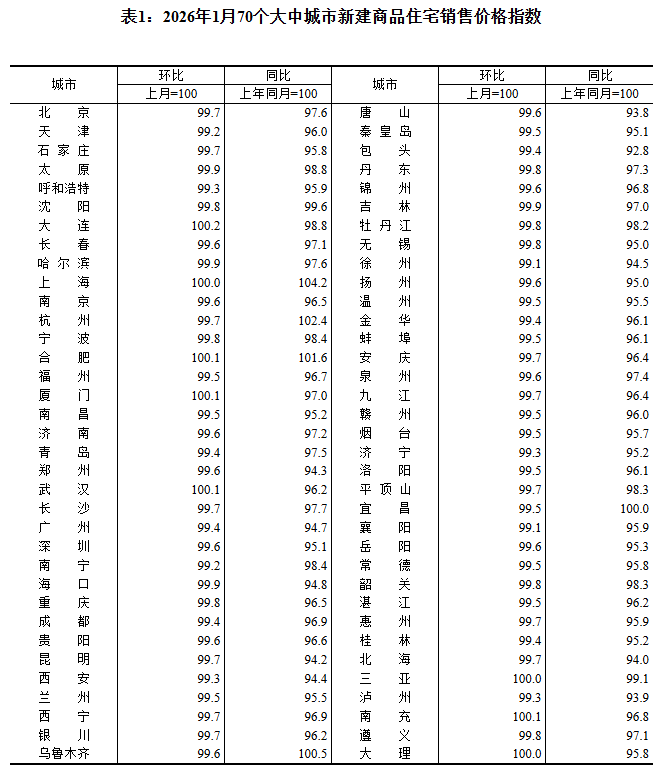
1月份,一线城市新建商品住宅销售价格环比下降0.3%,降幅与上月相同。其中,上海持平,北京、广 州和深圳分别下降0.3%、0.6%和0.4%。二线城市新建商品住宅销售价格环比下降0.3%,降幅收窄0.1个 百分点。三线城市新建商品住宅销售价格环比下降0.4%,降幅与上月相同。 1月份,一线城市二手住宅销售价格环比下降0.5%,降幅比上月收窄0.4个百分点。其中,北京、上海、 广州和深圳分别下降0.2%、0.4%、0.7%和0.6%。二、三线城市二手住宅销售价格环比分别下降0.5%和 0.6%,降幅分别收窄0.2个和0.1个百分点。 | | 城市 | 环比 | 同比 | 城市 | | 环比 | 同比 | | --- | --- | --- | --- | --- | --- | --- | --- | | | | 上月=100 | 上年同月=100 | | | 上月=100 | 上年同月=100 | | 北 | 京 | 99.7 | 97.6 | 居 | ш | 99.6 | 93.8 | | 天 | 津 | 99.2 | 96.0 | | 秦 皇 岛 | 99.5 | 95.1 | | 石 家 庄 | | 9 ...

房地产板块最新观点:板块上涨空间能否进一步打开?-20260213
CMS· 2026-02-13 02:05
Investment Rating - The report maintains a "Recommended" rating for the real estate sector, indicating a positive outlook for the industry based on expected performance relative to the market benchmark [5]. Core Insights - Recent valuation recovery in real estate stocks reflects a combination of oversold conditions relative to the CSI 300 index, changes in fundamental expectations, and policy anticipations [1][3]. - The upward potential for real estate stock prices requires further support from either fundamental performance or policy implementation, with key drivers including better-than-expected transaction volumes and significant policy announcements [12][14]. - The market is currently divided between investors with optimistic views on fundamentals and those speculating on policy changes, which may lead to conflicting strategies [10]. Summary by Sections Recent Valuation Recovery - The recent increase in real estate stock prices is attributed to a recovery from oversold conditions and shifts in market sentiment regarding fundamentals and policies [1]. - Data from January 1 to February 5 shows a year-on-year decline in new home transactions by 6% and an increase in second-hand home transactions by 31%, although adjusted lunar year comparisons indicate a more significant decline [3]. Conditions for Further Price Increases - The gap between the real estate index and the CSI 300 has narrowed significantly, suggesting that without further catalysts, the potential for excess returns in the real estate sector may diminish [12]. - Future price increases will depend on exceeding expectations in fundamental performance, such as increased transaction volumes and favorable policy developments [14]. Policy Directions and Drivers - Key areas of policy focus include changes in inventory levels, loan continuation methods post "Financial 16," and the outcomes of specific corporate financing events [15]. - Potential policy measures may involve lowering mortgage rates and implementing inventory reduction strategies to stabilize housing prices [16][18]. Market Dynamics and Stock Selection - The current market trend favors companies with higher sales growth and land acquisition rates, indicating a preference for "winning" companies based on market momentum [22]. - If supportive policies are enacted, the focus may shift from "winning" companies to those with attractive valuations, while also considering companies with strong operational momentum [24]. - Specific companies to watch include those with stable performance and high dividend yields, as well as those benefiting from improvements in the housing market [25].
国家统计局:1月一线城市新建商品住宅销售价格环比下降0.3%
Bei Jing Shang Bao· 2026-02-13 02:05
北京商报讯(记者 李晗)2月13日,国家统计局发布2026年1月份70个大中城市商品住宅销售价格变动 情况显示,一线城市新建商品住宅销售价格环比下降0.3%,降幅与上月相同。 其中,上海持平,北京、广州和深圳分别下降0.3%、0.6%和0.4%。二线城市新建商品住宅销售价格环 比下降0.3%,降幅收窄0.1个百分点。三线城市新建商品住宅销售价格环比下降0.4%,降幅与上月相 同。 ...
未知机构:2026年房地产市场前低后高全年板块或迎来两大拐点25年房-20260213
未知机构· 2026-02-13 01:55
Summary of Conference Call Notes Industry Overview - The real estate market is expected to experience a "front low and back high" trend in 2026, with two significant turning points anticipated throughout the year [1][3]. - The real estate market and investment continue to face adjustment pressures in 2025 [1][3]. Short-term Strategies - Short-term measures should focus on destocking and boosting demand and confidence to stabilize the market [1][3]. - Support for reasonable financing needs of real estate companies is essential to stabilize investment [1][3]. - Immediate policy interventions are necessary to prevent a sharp market decline [1][3]. Long-term Strategies - In the medium to long term, there is a need to guide real estate companies to actively transform from increasing investment development value to enhancing service operation value [2][3]. - Development models and systems require updates to adapt to changing market conditions [2][3]. Market Dynamics - The ongoing market weakness is primarily due to supply-demand mismatches and weak expectations regarding future housing prices [4]. - Recommendations include: 1. Government side (G-end): Utilize land reserves and urban renewal to absorb supply and create demand [4]. 2. Business side (B-end): Activate existing assets through securitization and restructuring to shift supply [4]. 3. Consumer side (C-end): Adjust administrative, provident fund, and fiscal policies to boost consumer demand and digest supply [4]. Investment Trends - Real estate investment continues to weaken, largely due to significant financial pressures on developers [5]. - Key predictions for 2026 include: 1. Sales area of 810 million square meters, down 8% year-on-year [6]. 2. Average sales price of 9,144 yuan per square meter, down 4% year-on-year [6]. 3. Sales amount of 7.4 trillion yuan, down 12% year-on-year [6]. 4. Investment of 6.9 trillion yuan, down 16% year-on-year [6]. 5. New construction area of 480 million square meters, down 18% year-on-year [6]. 6. Completed area of 490 million square meters, down 19% year-on-year [6]. - The main market contradiction has shifted from "shrinking transaction volume" to "continuously falling prices," particularly in the second-hand housing market [6]. Market Outlook - The decline in the second-hand housing market further impacts the transaction volume of new homes [7]. - Overall liquidity is shrinking, leading to weakened demand that affects developers' investment and subsequently drags down the economy [8]. - 2026 is seen as the beginning of the "14th Five-Year Plan," with expectations for the real estate market to improve under the central economic work conference's goal of stabilizing investment [8]. - Two potential turning points are anticipated: a "policy turning point" around the end of Q1 and a "fundamental turning point" around Q4 [8]. - The "policy turning point" may reflect increased policy enthusiasm on both supply and demand sides, while the "fundamental turning point" will be indicated by a narrowing decline in second-hand housing prices [8]. Investment Recommendations - Despite expected declines in real estate sales, investment, and new construction in 2026, the rate of decline is anticipated to be less severe than in 2025 [8]. - Investment opportunities may arise in the real estate sector throughout 2026, with a focus on companies that have adequately accounted for impairments in 2025, as well as those that have proactively adapted to new business models [11]. - Suggested companies for investment include China Resources, Binjiang, Zhaoshang, Yuexiu, Jianfa, Poly Real Estate, and others involved in new consumption opportunities [11]. Risk Factors - Key risks include policies not being implemented as expected, continued declines in sales and housing prices, and slower-than-expected recovery of market confidence [12].
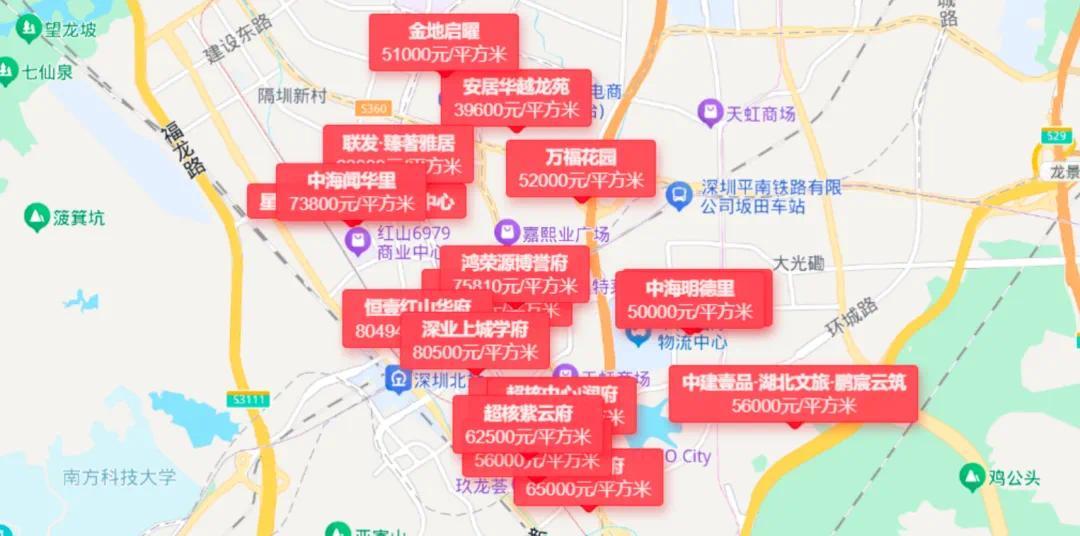
从别墅变成30层高楼,深圳一项目烂尾超30年后“复活”
Mei Ri Jing Ji Xin Wen· 2026-02-13 01:53
一个沉睡30余年的烂尾项目终于"苏醒"。 2月9日,《每日经济新闻》记者(以下简称每经记者)从深圳龙华恒地尊悦花园现场了解到,5栋30层高层住宅主体已完工,园林施工进入收尾阶段,整 个项目已接近准现房状态。 但目前营销中心暂未开放,楼盘尚未开售。值得一提的是,项目在2023年完成主体封顶时就有入市消息传出,但至今仍未取得预售证。 烂尾30余年 "项目迟迟不入市,既有市场低迷因素,也有开发商自身策略考量。"2月9日,深圳中原研究中心高级研究员邹少伟向每经记者分析称,从市场层面来看, 类似接近现房状态还没拿到预售证的情况不太常见,这也一定程度上反映出该项目超长时间盘活涉及的产权复杂、历史遗留纠纷、业主反对等问题。 恒地尊悦花园的前身,是被称为龙华民治"烂尾标本"的福罗拉山庄。 1993年4月18日,当时的横岭经济合作社与惠州中南房地产开发总公司深圳办事处,签订了福罗拉山庄的建设合同,规划打造别墅区。 可谁也没想到,这个承载着社区发展期望的项目,开工当年便因资金链断裂停工。 到了1994年,国家首次出台规定限制别墅用地,后续政策不断升级,2012年正式升级为"禁墅令",这也让福罗拉山庄复工的难度加大。 直到2014 ...
像造汽车一样造房子,危旧住宅46天原地变新房
Di Yi Cai Jing Zi Xun· 2026-02-13 01:53
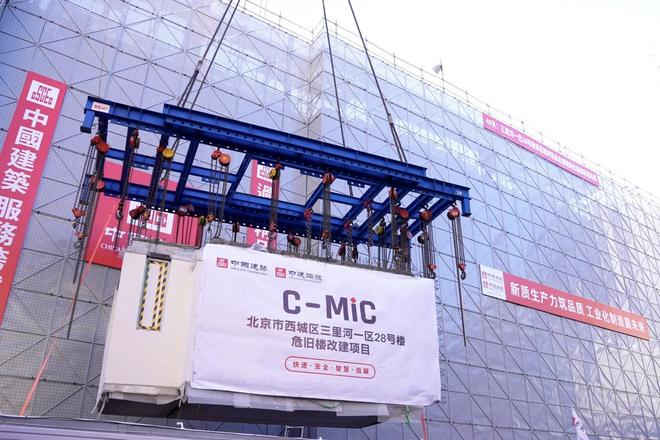
Core Insights - The article discusses the innovative approach to the renovation of a nearly 50-year-old residential building in Beijing, emphasizing the use of smart construction technology to achieve rapid and high-quality results [1][5]. Group 1: Project Overview - The renovation project of Building 28 in Xicheng District, Beijing, is the first pilot project for dangerous building reconstruction, utilizing a "from demolition to reconstruction" method to transform living conditions [2][6]. - The building, constructed in 1978, faced significant structural issues, including wall cracks and outdated infrastructure, prompting strong resident demand for renovation [2][3]. - The project commenced on September 5, 2025, and completed the main structure in just 46 days, allowing residents to move back into their new homes within six months [2][5]. Group 2: Innovative Construction Techniques - The project employed the "smart construction-MiC technology," which integrates industrialized building methods to enhance speed, efficiency, and sustainability [5][6]. - This technology allows for 90% of construction processes to be completed in a factory setting, significantly reducing on-site waste and carbon emissions [5][6]. - Each module of the building is assigned a unique digital identity code, facilitating future maintenance and management [5]. Group 3: Financial and Regulatory Innovations - A multi-party cost-sharing model was introduced, where residents, the government, and property units share the financial burden, making the project more affordable for residents [3][6]. - The project streamlined the approval process, achieving a 90% reduction in the time required for necessary permits and documentation [3][6]. - The initiative aligns with national policies promoting urban renewal and the transformation of old housing, indicating a shift towards more efficient urban development strategies [7][8]. Group 4: Broader Implications for Urban Development - The project serves as a model for similar urban renewal efforts across major Chinese cities, highlighting the potential for replicable solutions in high-density urban areas [6][8]. - Experts predict that the "from demolition to reconstruction" model will become a mainstream approach for old housing renovations, potentially accounting for 30%-40% of total renovation projects by 2030 [8].

70城房价最新数据出炉
第一财经· 2026-02-13 01:51
Core Viewpoint - The latest data from the National Bureau of Statistics indicates a general narrowing of the month-on-month decline in commodity residential sales prices across 70 large and medium-sized cities in January 2026, with year-on-year prices also showing a decline [1]. Group 1: Month-on-Month Price Changes - In January, the sales prices of new commodity residential properties in first-tier cities decreased by 0.3% month-on-month, consistent with the previous month. Shanghai remained stable, while Beijing, Guangzhou, and Shenzhen saw declines of 0.3%, 0.6%, and 0.4% respectively [2]. - The month-on-month decline in second-tier cities' new commodity residential prices was 0.3%, a reduction of 0.1 percentage points from the previous month. Third-tier cities experienced a 0.4% decline, unchanged from the previous month [2]. - For second-hand residential properties, first-tier cities saw a month-on-month decline of 0.5%, which is a narrowing of 0.4 percentage points from the previous month. The declines in Beijing, Shanghai, Guangzhou, and Shenzhen were 0.2%, 0.4%, 0.7%, and 0.6% respectively [2]. Group 2: Year-on-Year Price Changes - In January, the year-on-year sales prices of new commodity residential properties in first-tier cities fell by 2.1%, with the decline expanding by 0.4 percentage points compared to the previous month. Shanghai saw an increase of 4.2%, while Beijing, Guangzhou, and Shenzhen experienced declines of 2.4%, 5.3%, and 4.9% respectively [3]. - The year-on-year decline in new commodity residential prices for second-tier and third-tier cities was 2.9% and 3.9%, with declines expanding by 0.4 and 0.2 percentage points respectively [3]. - For second-hand residential properties, first-tier cities experienced a year-on-year decline of 7.6%, with the decline expanding by 0.6 percentage points from the previous month. The declines in Beijing, Shanghai, Guangzhou, and Shenzhen were 8.7%, 6.8%, 8.3%, and 6.5% respectively [3].

国家统计局:2026年1月份70个大中城市商品住宅销售价格环比降幅总体收窄、同比下降
智通财经网· 2026-02-13 01:49
智通财经APP获悉,2月13日,国家统计局城市司首席统计师王中华解读2026年1月份商品住宅销售价格 变动情况统计数据。1月份,一线城市新建商品住宅销售价格环比下降0.3%,降幅与上月相同。其中, 上海持平,北京、广州和深圳分别下降0.3%、0.6%和0.4%。二线城市新建商品住宅销售价格环比下降 0.3%,降幅收窄0.1个百分点。三线城市新建商品住宅销售价格环比下降0.4%,降幅与上月相同。 1月份,一线城市二手住宅销售价格环比下降0.5%,降幅比上月收窄0.4个百分点。其中,北京、上海、 广州和深圳分别下降0.2%、0.4%、0.7%和0.6%。二、三线城市二手住宅销售价格环比分别下降0.5%和 0.6%,降幅分别收窄0.2个和0.1个百分点。 原文如下: 国家统计局城市司首席统计师王中华解读2026年1月份商品住宅销售价格变动情况统计数据 2026年1月份各线城市商品住宅销售价格环比降幅总体收窄 ——国家统计局城市司首席统计师王中华解读2026年1月份商品住宅销售价格变动情况统计数据 1月份,一线城市二手住宅销售价格环比下降0.5%,降幅比上月收窄0.4个百分点。其中,北京、上海、 广州和深圳分别下降0 ...
2026年1月份各线城市商品住宅销售价格环比降幅总体收窄
Jin Rong Jie· 2026-02-13 01:44
据国家统计局数据,1月份,一线城市新建商品住宅销售价格环比下降0.3%,降幅与上月相同。其中, 上海持平,北京、广州和深圳分别下降0.3%、0.6%和0.4%。二线城市新建商品住宅销售价格环比下降 0.3%,降幅收窄0.1个百分点。三线城市新建商品住宅销售价格环比下降0.4%,降幅与上月相同。 1月 份,一线城市二手住宅销售价格环比下降0.5%,降幅比上月收窄0.4个百分点。其中,北京、上海、广 州和深圳分别下降0.2%、0.4%、0.7%和0.6%。二、三线城市二手住宅销售价格环比分别下降0.5%和 0.6%,降幅分别收窄0.2个和0.1个百分点。 ...
国家统计局:1月份各线城市商品住宅销售价格环比降幅总体收窄
Guo Jia Tong Ji Ju· 2026-02-13 01:35
2026年1月份各线城市商品住宅销售价格环比降幅总体收窄 ——国家统计局城市司首席统计师王中华解读2026年1月份商品住宅销售价格变动情况统计数据 2026年1月份,70个大中城市商品住宅销售价格环比降幅总体收窄、同比下降。 一、一二三线城市商品住宅销售价格环比降幅总体收窄 1月份,一线城市新建商品住宅销售价格环比下降0.3%,降幅与上月相同。其中,上海持平,北京、广 州和深圳分别下降0.3%、0.6%和0.4%。二线城市新建商品住宅销售价格环比下降0.3%,降幅收窄0.1个 百分点。三线城市新建商品住宅销售价格环比下降0.4%,降幅与上月相同。 1月份,一线城市二手住宅销售价格环比下降0.5%,降幅比上月收窄0.4个百分点。其中,北京、上海、 广州和深圳分别下降0.2%、0.4%、0.7%和0.6%。二、三线城市二手住宅销售价格环比分别下降0.5%和 0.6%,降幅分别收窄0.2个和0.1个百分点。 1月份,一线城市新建商品住宅销售价格同比下降2.1%,降幅比上月扩大0.4个百分点。其中,上海上涨 4.2%,北京、广州和深圳分别下降2.4%、5.3%和4.9%。二、三线城市新建商品住宅销售价格同比分别 下降 ...