智能手机

Search documents
豆包争议启示录:AI手机动了谁的奶酪?
3 6 Ke· 2025-12-17 00:21
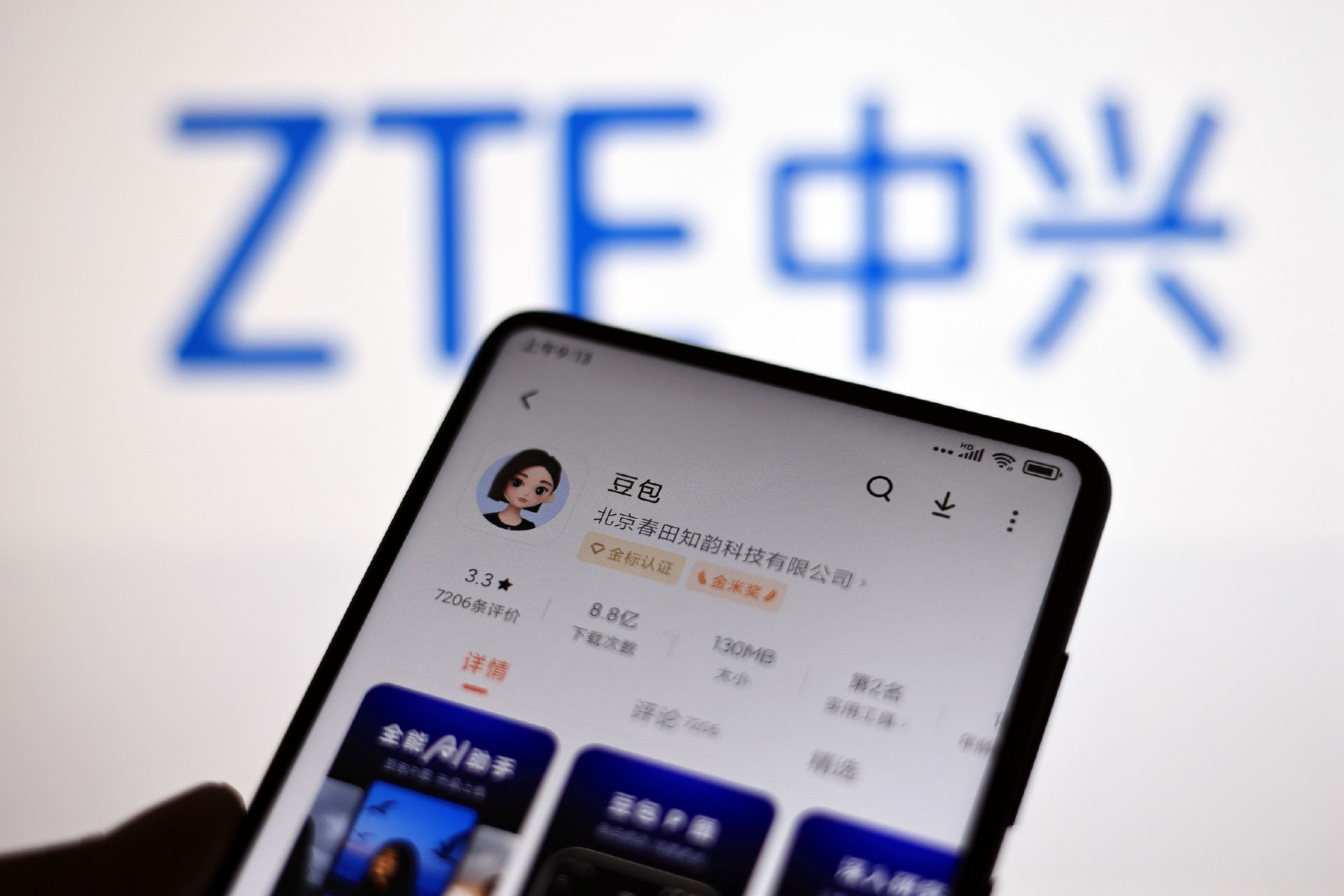
12月14日,针对网络传闻称"监管机构因网络安全、数据安全及竞争问题约谈字节跳动"一事,有知情人 士向万点研究表示该信息不实。 2025年岁末之际,字节跳动旗下AI大模型"豆包手机助手"与中兴通讯合作,推出努比亚M153工程机 (以下简称"豆包AI手机"),在科技领域引发热议。 "豆包AI手机"不仅是一款新智能手机,更是AI产品一个标志性信号。标志着大模型研发正从虚拟的"云 端大脑",转变为掌握消费者实时信息的"贴身智脑"。 从ChatGPT掀起内容创作革命、到Midjourney重塑视觉表达方式,再到如今AI手机开启终端智能新场 景,大模型正在以前所未有的深度与广度,重塑商业世界的底层逻辑。 这届消费者,为何愿意为"豆包"买单? 对于很多普通投资者而言,很难理解"豆包AI手机"为何突然火了。如果你最近刷到"豆包手机二手涨 价""首批3万台被秒空"这些新闻,别以为只是营销手段。 消费者趋之若鹜的原因,除了猎奇与尝鲜心理之外,关键在于"豆包AI手机"不仅仅是一部AI手机,更是 一个解放你双手的智能助理。 当前多数AI手机仍停留在对话交互层面:你输入指令,它回复信息,最多辅助完成文案撰写、图像处 理或会议纪要。 ...



早报 | 帮周鸿祎做数十亿假账?360集团回应;证券业两年减员超2万人;天价救护车事件有结果了;中央财办:扩大内需是明年首要任务
虎嗅APP· 2025-12-17 00:12
Group 1 - 360 Group responded to allegations of financial fraud made by former executive Yu Hong, stating that he never held a core management position and that his claims are completely unfounded [2][3] - The company plans to take legal action against Yu Hong for defamation [3] Group 2 - Tesla's stock price reached a new high, closing at $489.8, with a total market capitalization exceeding $1.6 trillion, marking a cumulative increase of 9.33% over three days [5][6] - Analysts note that Tesla's stock performance is driven more by market sentiment and AI narratives rather than strong fundamental business performance, with some expressing concerns about the stock being overvalued [6] Group 3 - Huawei's terminal company has undergone a leadership change, with Yu Chengdong appointed as the new chairman, succeeding Guo Ping [14][15] Group 4 - The securities industry has seen a reduction of over 20,000 employees in the past two years, with the total workforce now at 331,400, reflecting a decrease of 5.88% [16] - While traditional roles like securities brokers have declined, there has been growth in positions such as investment advisors, which saw an increase of 5,734 new hires in 2025 [16] Group 5 - China will impose anti-dumping duties on imported pork and pork products from the EU starting December 17, 2025, following recommendations from the Ministry of Commerce [17] Group 6 - Douyin announced a governance initiative to regulate financial content, aiming to eliminate accounts that misrepresent their qualifications and mislead users [23][24]


豆包AI手机恢复销售!一度一机难求,二手平台遭爆炒
Mei Ri Jing Ji Xin Wen· 2025-12-16 23:20
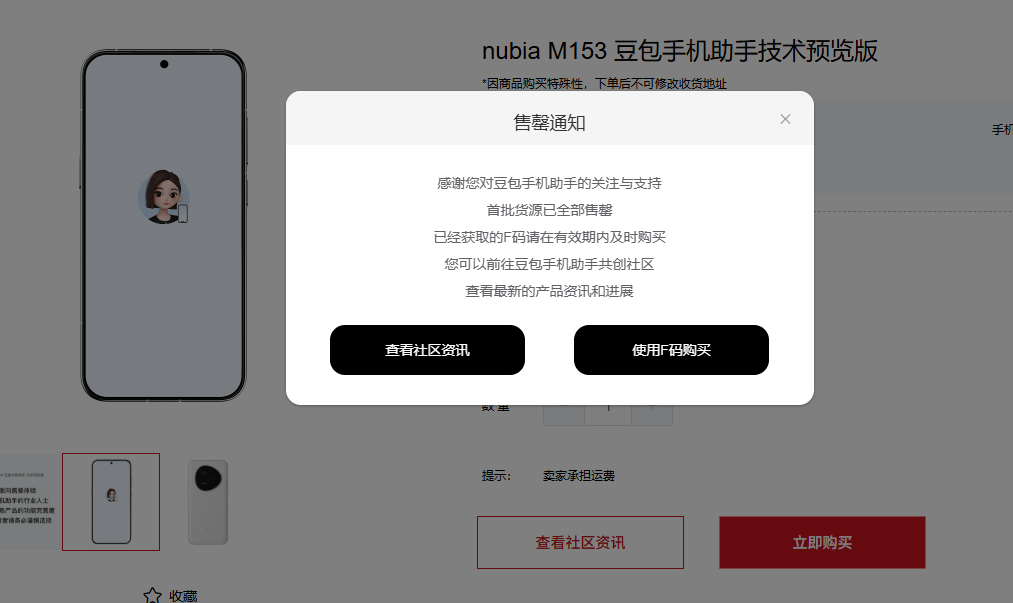
据悉,此次开放的为F码排队候补申请,仅有少量名额且无扩大生产计划,将优先面向此前未购买到该机型的爱好者。 据第一财经,近日有传言称"字节跳动因网络安全、数据安全及竞争问题被监管机构约谈",对此,知情人士回应称消息不实。 12月16日,根据中兴商城官网显示,豆包手机助手及合作机型nubiaM153目前已重启F码候补申请通道,正式恢复产品购买资格。 此前已购买产品、已申领F码未下单、取消订单或办理退货的用户不可重复申领,且候补申请不承诺必然获得F码,后续将根据问卷填写情况筛选发放。 豆包手机助手于12月1日上线。官方介绍其与中兴通讯合作,以努比亚M153机型为载体推出,属于定制的技术展示"工程机"。 值得注意的是,自12月2日晚间起,多位持有"豆包手机"的用户向媒体反馈,使用该手机登录微信后,微信账号出现异常退出的状况。还有网传信息称, 豆包手机助手可以直接查询银行卡余额,并跳过认证读取用户信息。 12月5日,豆包手机助手发布关于调整AI操作手机能力的说明,决定在部分场景,对AI操作手机的能力做一些规范化调整。具体包括限制刷分、刷激励的 使用场景,进一步限制金融类应用的使用,以及限制部分游戏类使用场景。 其核心卖 ...
豆包AI手机恢复销售,一度一机难求,二手平台遭爆炒
Mei Ri Jing Ji Xin Wen· 2025-12-16 22:24
据第一财经,近日有传言称"字节跳动因网络安全、数据安全及竞争问题被监管机构约谈",对此,知情人士回应称消息不实。 12月16日,根据中兴商城官网显示,豆包手机助手及合作机型nubiaM153目前已重启F码候补申请通道,正式恢复产品购买资格。 值得注意的是,自12月2日晚间起,多位持有"豆包手机"的用户向媒体反馈,使用该手机登录微信后,微信账号出现异常退出的状况。还有网传信息称, 豆包手机助手可以直接查询银行卡余额,并跳过认证读取用户信息。 据悉,此次开放的为F码排队候补申请,仅有少量名额且无扩大生产计划,将优先面向此前未购买到该机型的爱好者。 此前已购买产品、已申领F码未下单、取消订单或办理退货的用户不可重复申领,且候补申请不承诺必然获得F码,后续将根据问卷填写情况筛选发放。 豆包手机助手于12月1日上线。官方介绍其与中兴通讯合作,以努比亚M153机型为载体推出,属于定制的技术展示"工程机"。 其核心卖点在于对日常App的自动化操作,包括点外卖、订机票、比价购物。甚至在媒体测评中,AI还可以代替回复微信消息、操作小程序游戏。 图源:中兴商城官网 由于这是目前唯一一款将豆包嵌入底层操作系统的手机,可实现与系统的 ...
15家深圳企业上榜全球1000强
Shen Zhen Shang Bao· 2025-12-16 17:01
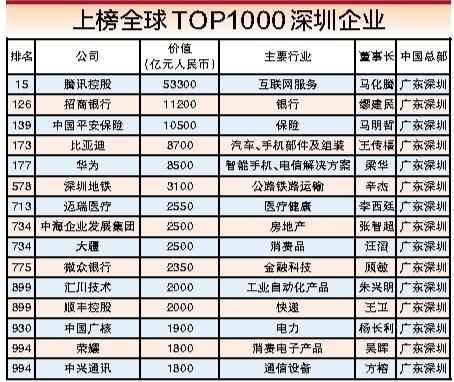
Group 1: Global Rankings and Company Performance - The Hu Run Global High-Quality Enterprises TOP 1000 list features 410 companies from the US, 158 from China, and 63 from Japan, with the US and China accounting for nearly 60% of the total [2] - Nvidia has surpassed Microsoft and Apple to become the world's most valuable company, valued at 3.28 trillion RMB, while Apple remains second at 2.86 trillion RMB [2] - Walmart is the highest revenue-generating company on the list, with an annual income of 4.8 trillion RMB, and Alphabet is the most profitable company, with a profit of 790 billion RMB [2] Group 2: Shenzhen and Regional Insights - Shenzhen ranks 11th globally with 15 companies on the list, an increase of 3 from the previous year, with 5 companies located in the Futian District [3] - The Greater Bay Area has 38 companies on the list, representing 24% of the Chinese companies, and the number of companies from Shenzhen is equivalent to that of South Korea [4][3] - Eight non-Chinese companies have established their China headquarters in Shenzhen, ranking fourth among Chinese cities, following Shanghai, Beijing, and Hong Kong [3] Group 3: Technology and Market Trends - The list highlights that artificial intelligence, semiconductors, and cloud computing are reshaping global corporate value, with 11 companies valued at over one trillion USD, up from 4 five years ago [6] - The top 10 companies have doubled in value to 184 trillion RMB, nearing the combined market capitalization of A-shares and Hong Kong stocks [6] - In the AI sector, Nvidia, Broadcom, and TSMC lead in computing power, while Alphabet, Microsoft, and Amazon dominate in software [6] Group 4: Notable Company Performances - TSMC and Tencent are among the best-performing Chinese companies, with TSMC increasing by 4.1 trillion RMB and Tencent by 2 trillion RMB [7] - Other notable performers include ByteDance (1.7 trillion RMB increase), Agricultural Bank (1.3 trillion RMB increase), and Alibaba (1.2 trillion RMB increase) [7] - Companies experiencing significant value declines include Meituan (decrease of 200 billion RMB) and Shein (decrease of 100 billion RMB) [7]



豆包AI手机重新恢复销售
Xin Lang Cai Jing· 2025-12-16 14:03
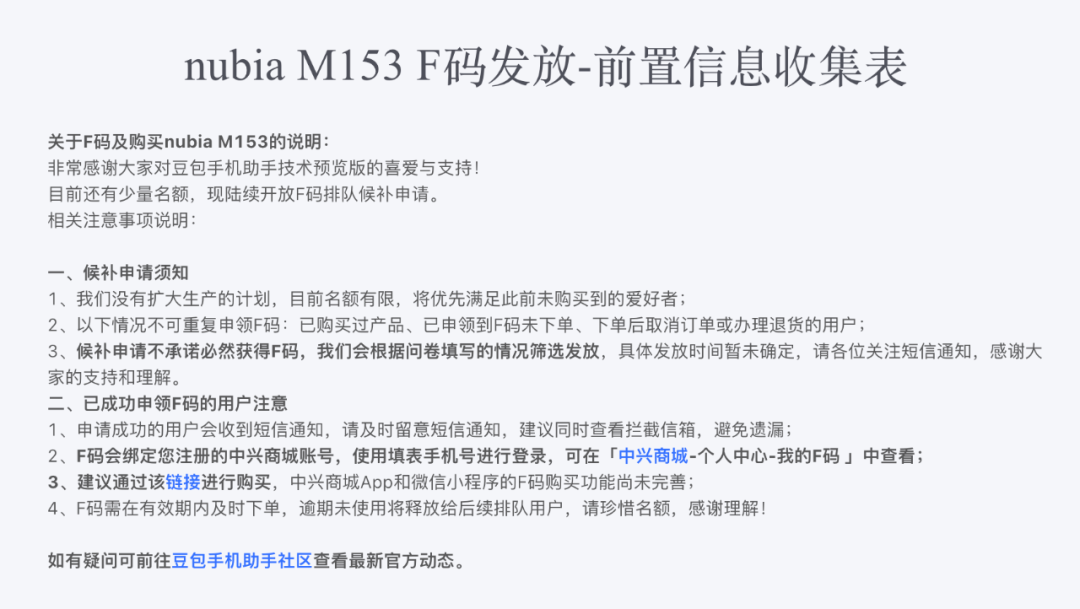
Group 1 - The core point of the article is that ZTE Mall has reopened the F-code application channel for the Nubia M153 smartphone, allowing limited purchase opportunities for users who previously could not buy the device [1][3] - The F-code application is a queue-based system with a limited number of slots and no plans for increased production, prioritizing users who have not yet purchased the device [1][3] - Users who have already purchased the product, applied for an F-code but did not place an order, canceled orders, or returned the product are not eligible to reapply for the F-code [1][3]
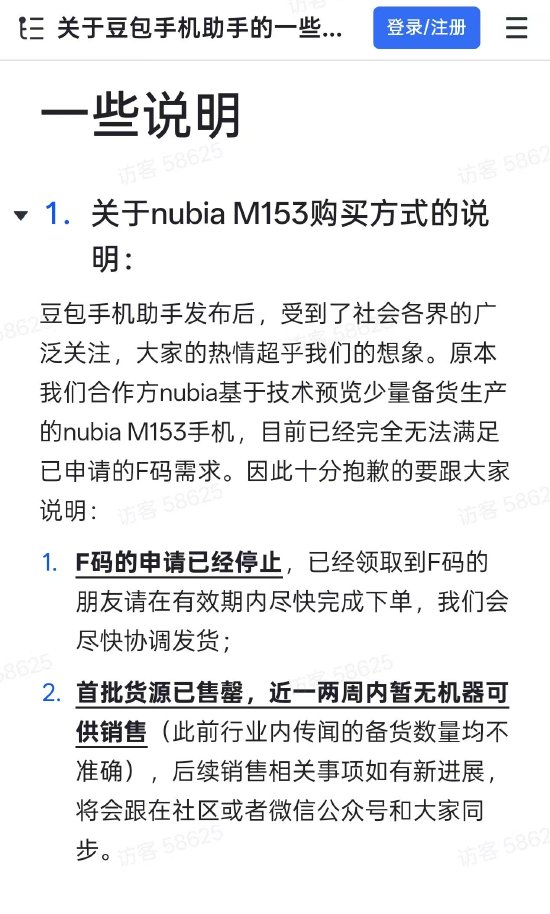
豆包手机:首批货源已售罄,此前行业内传闻的备货数量均不准确
Xin Lang Cai Jing· 2025-12-16 13:40
Core Insights - Doubao Mobile Assistant has received widespread attention and demand has exceeded expectations, leading to a halt in F-code applications due to insufficient supply of the Nubia M153 phone [3][7][8] - The initial batch of Nubia M153 phones is sold out, and there will be no machines available for sale in the next one to two weeks [3][7][8] - The new phone's key selling point is cross-application voice operation, which can automatically compare prices and facilitate ordering [8] Company Developments - Doubao Mobile Assistant was launched by ByteDance in early December, in collaboration with ZTE to introduce the Nubia M153 engineering machine [8] - There have been user reports of login restrictions on certain social platforms with the new device [8] - The company has issued multiple statements clarifying that it does not authorize users or capture protected content, and it calls for clearer regulations [8]
马斯克身家超6000亿美元史上首位;苹果WWDC 2026前瞻;AMD CEO苏姿丰到访中国...
Sou Hu Cai Jing· 2025-12-16 12:54
Group 1 - Elon Musk becomes the first individual with a net worth exceeding $600 billion, primarily due to the doubling of SpaceX's valuation, with potential to become a trillionaire in the future [1] Group 2 - Apple is expected to unveil numerous software features in iOS 27, including expanded health services and enhanced Siri AI capabilities, as revealed by leaked early version code [2] Group 3 - AMD CEO Lisa Su's visit to Lenovo's headquarters in Beijing may pave the way for further collaboration between the two companies [3] Group 4 - Huawei's CEO He Gang hints at "double surprises" for the nova 15 series, with speculation about dual red maple lenses for both front and back cameras [4] Group 5 - The Huawei Mate X2 series foldable phone receives an upgrade to HarmonyOS 4.2.0.182, enhancing user experience and incorporating security patches [5] Group 6 - A report indicates that global HDD contract prices are set to rise approximately 4% in Q4 2025, marking the largest increase in eight quarters, driven by changes in China's procurement strategies and a surge in US AI infrastructure [11][12] Group 7 - Longsys launches the Ling·Trend mobile SSD, featuring magnetic attachment and a 20Gbps interface, available in three capacities: 1024GB, 2048GB, and 4096GB [13] Group 8 - Sapphire calls on AMD and other GPU manufacturers to provide chips and memory, seeking greater design freedom, a situation that also applies to NVIDIA's board partners [14] Group 9 - The BAIC Arcfox Alpha S (L3 version) is confirmed to use Huawei's QianKun intelligent driving ADS system, as part of the first batch of L3 conditional autonomous driving models approved in China [15] Group 10 - Microsoft announces that Windows Server 2025 will natively support NVMe storage, resulting in an approximately 80% increase in IOPS performance [16]




AI狂热挤压供应链,2026年智能手机或面临量跌价升局面
Hua Er Jie Jian Wen· 2025-12-16 12:48
Core Insights - The semiconductor supply chain bottleneck is causing a critical shortage of storage chips for consumer devices, leading to increased production costs and suppressed shipment growth [1][2] - Global smartphone shipments are projected to decline by 2.1% in 2026, reversing the estimated growth trend of 3.3% for this year and significantly lower than the previously expected slight growth of 0.45% [1] - The average selling price (ASP) of smartphones is expected to rise by 6.9% in 2026 due to a 10% to 25% increase in total component costs [1] Group 1: Market Dynamics - The ongoing expansion of global data centers is driving demand for Nvidia systems, consuming the production capacity of major memory chip suppliers like SK Hynix and Samsung [2] - DRAM prices have surged this year due to demand exceeding supply, impacting the smartphone industry [2] - The bill of materials (BoM) cost for low-end smartphones priced below $200 has increased by 20% to 30% since the beginning of the year, while mid-range smartphones have seen a 10% to 15% rise [2] Group 2: Future Projections - Storage chip prices may rise by an additional 40% before the second quarter of 2026, potentially increasing BoM costs by 8% to 15% on top of current high levels [2] - Manufacturers are likely to pass these increased component costs onto consumers, driving up device average selling prices [2] Group 3: Manufacturer Strategies - Consumer electronics manufacturers are adjusting strategies in response to cost pressures, with companies like Xiaomi warning of potential price increases [3] - Lenovo and others are stockpiling storage chips to mitigate rising costs [3] - Some companies may encourage consumers to purchase higher-margin premium models or downgrade specifications, such as reusing old components or reducing camera and display quality [3] - Apple and Samsung are identified as having the strongest capacity to navigate upcoming challenges, while other manufacturers with limited flexibility between market share and profit margins may face significant difficulties [3]
豆包手机重新恢复销售,仅有少量名额且无扩产计划
Xin Lang Cai Jing· 2025-12-16 12:09
Group 1 - The core point of the news is the reopening of the F-code application channel for the Nubia M153 smartphone, which is part of the collaboration between ByteDance's Doubao team and ZTE, aimed at enhancing AI capabilities in mobile devices [1] - The F-code application is limited in quantity and will prioritize users who have not previously purchased the device, with no plans for expanded production [1] - The Nubia M153, equipped with the Doubao mobile assistant, was initially sold at a price of 3499 yuan and quickly sold out, with resale prices on second-hand platforms ranging from 300 to 3500 yuan [1] Group 2 - The Doubao mobile assistant has faced security concerns, with users reporting issues such as abnormal logouts from WeChat and potential unauthorized access to bank information [2] - In response to these security issues, the Doubao mobile assistant announced adjustments to its AI capabilities, including restrictions on certain financial and gaming applications [2] - ZTE's terminal division president acknowledged the feedback regarding the Doubao mobile and stated that they are actively communicating with partners to address the concerns [4] Group 3 - There are reports of regulatory concerns regarding network and data security related to the Doubao mobile assistant, although ByteDance has denied these claims and issued public statements to clarify the assistant's safety [4]