服装

Search documents
Lululemon(LULU.US)FY25Q3电话会:明年春季目标是将新款渗透率提升至35%
智通财经网· 2025-12-12 13:29
Core Insights - Lululemon is facing pressure in the apparel sector, with a slight loss in high-performance apparel market share due to consumer trading down behavior [1][3] - The company is satisfied with its innovation pipeline, having updated its leisure series and launched successful high-performance products [1][3] - The goal for the upcoming spring season is to increase new product penetration to 35%, balancing innovation in high-performance categories and lifestyle products [1][3] Market Performance - The overall market for apparel continues to face challenges, with Lululemon maintaining market share in high-end sportswear but experiencing a decline in high-performance apparel [1][3] - Demand in the U.S. market for Q3 met expectations, with August performing best and October showing planned weakness [2][3] Product Strategy - The company plans to activate its product portfolio in Q1, focusing on enhancing new product penetration and maximizing exposure through omnichannel marketing [2] - New product lines will prioritize innovations in running, training, yoga, golf, and tennis, with a focus on high-performance materials [5][6] Financial Outlook - The company anticipates operational profit margin pressures due to higher tariff costs and the cancellation of de minimis regulations [2][6] - The estimated annual pressure from tariffs has been updated from 220 basis points to 190 basis points, with a net impact of approximately $210 million [16] International Market - The Chinese market continues to show strong growth, with Lululemon maintaining a low discount rate and successfully penetrating various city tiers [11] - The outerwear category in China has performed well, with positive consumer feedback on existing and new products [11] Leadership and Innovation - Leadership changes are not expected to impact the timeline or plans for new product launches in early 2026, with strong customer responses to new products [12] - The company is committed to balancing its core series strategy while driving growth and innovation in high-performance categories [7]

冲刺万亿GDP城市,这座地级市胜算大
2 1 Shi Ji Jing Ji Bao Dao· 2025-12-12 12:18
Core Insights - The expansion of the "trillion GDP club" is a significant highlight of regional economic development in China this year [1][4] - Wenzhou, Xuzhou, and Dalian are expected to join the club, with Wenzhou projected to surpass 1 trillion yuan in GDP this year [2][5][9] Group 1: Economic Performance of Cities - Wenzhou's GDP is expected to exceed 1 trillion yuan, with a growth rate of 6.3% projected for 2024, reaching 9,719 billion yuan [5] - Xuzhou's GDP for the first three quarters is 7,298.12 billion yuan, with a growth rate of 6.0% [15] - Dalian's GDP for the first three quarters is 7,248.2 billion yuan, with a growth rate of 6.0% [11] Group 2: Characteristics of the New Trillion GDP Cities - Among the three cities, two (Wenzhou and Xuzhou) are ordinary prefecture-level cities, indicating a trend of expansion beyond major cities [3][4] - The rise of these cities is expected to reshape China's economic landscape, with a focus on high-quality development and urban renewal [4][19] Group 3: Industrial and Economic Foundations - Wenzhou's economy is supported by a robust manufacturing base and a strong private sector, with 83% of its GDP generated by the private economy [6] - Dalian is focusing on high-quality development, with a strategic emphasis on modernizing its industrial structure and enhancing high-tech manufacturing [14][15] - Xuzhou, as a traditional industrial base, is also undergoing transformation to achieve its GDP goals by 2025 [16] Group 4: Future Trends and Implications - The trend of ordinary prefecture-level cities joining the trillion GDP club is expected to continue, with cities like Shaoxing, Yangzhou, Yancheng, and Jiaxing being potential candidates [17] - The focus will shift from mere GDP growth to the quality of growth, emphasizing structural optimization and the well-being of residents [20]


温州、徐州、大连冲刺万亿GDP城市,谁将晋级?
2 1 Shi Ji Jing Ji Bao Dao· 2025-12-12 12:16
Core Viewpoint - The expansion of the "trillion GDP club" is a significant highlight of regional economic development this year, with cities like Wenzhou, Xuzhou, and Dalian expected to join the ranks of cities with a GDP exceeding one trillion yuan [1][2]. Group 1: Economic Progress of Cities - Wenzhou is projected to surpass a GDP of one trillion yuan this year, with a GDP growth rate of 6.3% expected in 2024, reaching 9,719 billion yuan [5]. - Xuzhou's GDP is anticipated to exceed 1 trillion yuan by 2025, with a current GDP of 7,298.12 billion yuan and a growth rate of 6.0% [13]. - Dalian aims to achieve a GDP of 9,516.9 billion yuan in 2024, with a growth rate of 6.0% in the first three quarters of this year [10]. Group 2: Characteristics of the Expansion - The expansion of the trillion GDP cities includes ordinary prefecture-level cities, with Wenzhou and Xuzhou being notable examples [3]. - Cities with GDPs between 700 billion and 800 billion yuan, such as Shaoxing, Yangzhou, Yancheng, and Jiaxing, are expected to be the main contributors to future expansions [15]. - The trend indicates a shift from provincial capitals and municipalities to ordinary prefecture-level cities, impacting the economic landscape of China [3][15]. Group 3: Industrial Development and Economic Structure - Wenzhou's economy is supported by a robust manufacturing base and a strong private sector, with 83% of its GDP generated by the private economy [5][6]. - Dalian is focusing on developing high-tech manufacturing and has set a target for its new strategic emerging industries, although it faces challenges in establishing core competitiveness [12]. - Xuzhou, as a traditional industrial base, is also undergoing a transformation to enhance its economic structure and achieve balanced regional development [14]. Group 4: Future Outlook and Trends - The future expansion of the trillion GDP club is expected to include more ordinary prefecture-level cities, reflecting a broader trend of economic growth and regional coordination [17]. - The focus will shift from mere GDP growth to the quality of GDP, emphasizing structural optimization and the well-being of residents [18]. - The development strategies of cities like Shaoxing, Jiaxing, and Yangzhou highlight the importance of regional collaboration and integration with nearby major cities [16].

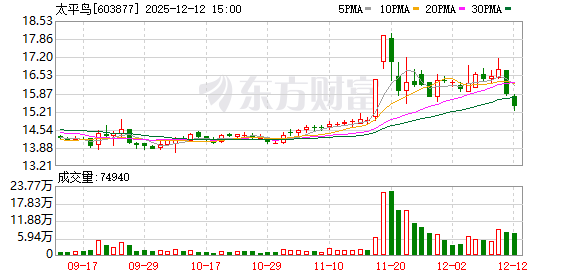
太平鸟:关于注销部分募集资金专户的公告
Zheng Quan Ri Bao· 2025-12-12 12:11
证券日报网讯 12月12日晚间,太平鸟发布公告称,鉴于公司科技数字化转型项目已结项,公司已完成 尾款支付等工作并将相关募集资金专户节余资金划转至其他募集资金专户,为减少管理成本,公司对开 立在中国工商银行股份有限公司宁波新城支行(账号:3901120129000250447)的募集资金专户予以注 销并已办理完毕相关注销手续。上述专户注销后,公司与该银行及保荐人签订的《募集资金专户存储三 方监管协议》相应终止。 (文章来源:证券日报) ...

冲刺万亿GDP城市,这座地级市胜算大
21世纪经济报道· 2025-12-12 12:08
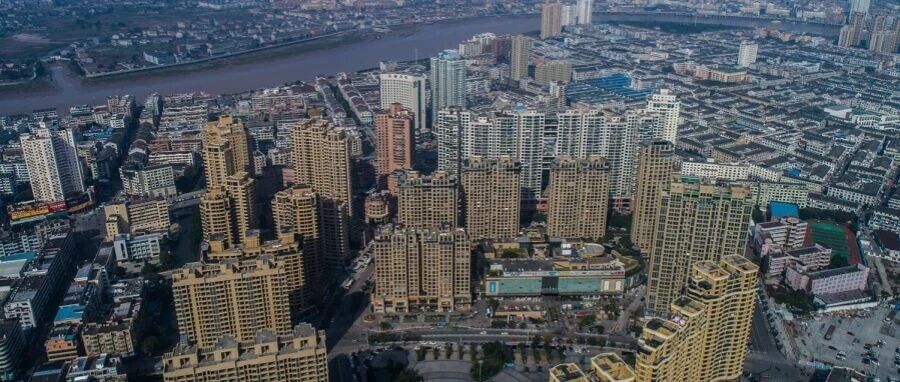
Core Viewpoint - The expansion of the "trillion GDP club" is a significant highlight of regional economic development in China this year, with cities like Wenzhou, Xuzhou, and Dalian expected to join the ranks of cities with a GDP exceeding one trillion yuan [1][3]. Group 1: Economic Progress of Target Cities - Wenzhou's GDP is projected to exceed one trillion yuan this year, with a first-quarter GDP of 240.37 billion yuan and a growth rate of 6.7% [2][4]. - Xuzhou's GDP for the first three quarters is 729.81 billion yuan, with a growth rate of 6.0%, aiming for a GDP of over one trillion yuan by 2025 [12][17]. - Dalian's GDP reached 724.82 billion yuan in the first three quarters, with a growth rate of 6.0%, and is also targeting the trillion GDP milestone [13][16]. Group 2: Characteristics of the Expansion - The expansion of the trillion GDP cities includes ordinary prefecture-level cities, indicating a trend where economic growth is not limited to major metropolitan areas [2][3]. - The cities in the trillion GDP club are expected to become central nodes for local development, fostering industrial and population agglomeration effects [3][19]. - The trend of ordinary cities joining the trillion GDP club reflects a broader pattern of regional economic development, with more cities expected to achieve this milestone in the coming years [20]. Group 3: Industrial and Economic Structure - Wenzhou's economy is supported by a robust manufacturing base and a strong private sector, with private enterprises contributing approximately 83% to the city's GDP [9]. - The city aims to establish a dual trillion industrial cluster system by 2025, focusing on both traditional and emerging industries [9][10]. - Dalian is focusing on high-tech manufacturing and has set a strategic plan to develop new industries, although it faces challenges in establishing core competitiveness [15][16]. Group 4: Future Prospects and Strategies - The future expansion of the trillion GDP club is expected to include cities with GDPs between 700 billion and 800 billion yuan, such as Shaoxing, Yangzhou, Yancheng, and Jiaxing [19]. - Cities like Shaoxing and Jiaxing are pursuing collaborative development with nearby major cities to enhance their economic prospects [19][20]. - The emphasis on quality over quantity in GDP growth is becoming increasingly important, with a focus on optimizing economic structure and improving residents' welfare [20].
美邦服饰:12月12日召开董事会会议
Mei Ri Jing Ji Xin Wen· 2025-12-12 11:05
Company Overview - Meibang Apparel (SZ 002269) announced on December 12 that its 20th meeting of the sixth board of directors will be held on December 12, 2025, in Shanghai [1] - As of the report, Meibang Apparel has a market capitalization of 4.8 billion yuan [1] Financial Performance - For the first half of 2025, Meibang Apparel's revenue composition is as follows: wholesale and retail industry accounts for 87.04%, while other businesses account for 12.96% [1]

鳄鱼恤(00122.HK)完成供股 8.67%股份未获认购 筹资4698万港元
Ge Long Hui· 2025-12-12 10:39
Group 1 - The company announced that the conditions for the rights issue have been fulfilled, making it unconditional as of November 21, 2025 [1] - A total of 17 valid acceptances were received for the rights issue, involving 25,918,232 shares, which is approximately 72.94% of the total 35,532,888 shares available for subscription [1] - The company also received 5 valid applications for an additional 6,533,504 shares, representing about 18.39% of the total shares available for subscription [1] Group 2 - Overall, 22 valid acceptances and applications were received for 32,451,736 shares, accounting for approximately 91.33% of the total shares available for subscription [2] - There were 3,081,152 shares that were not fully subscribed, which is about 8.67% of the total shares available for subscription [2] - The total proceeds from the rights issue are approximately HKD 48.68 million, with a net amount of about HKD 46.98 million after deducting all related expenses [2]
“双12”大促火热进行中 国货羽绒服直播间持续热销
Zheng Quan Shi Bao Wang· 2025-12-12 10:04
Group 1 - The core viewpoint of the articles highlights the surge in down jacket sales during December, driven by a cold wave and the strategic efforts of leading live-streaming e-commerce platforms to capitalize on this consumer trend [1][2] - During the "Double 12" event, Li Jiaqi's live-streaming session featured a special "Down Jacket Festival" with 35 national brands showcasing over 80 down jackets, indicating strong sales momentum [1] - Traditional brands like Xuezhongfei, Yalu, and Daya are re-engaging with younger consumers through live-streaming, showcasing their unique characteristics and revitalizing their market presence [1] Group 2 - The variety of down jackets available in live-streaming sessions has increased, with consumers now focusing on product suitability rather than blindly following brands, prompting brands to rethink their product-market fit [2] - Li Jiaqi's live-streaming platform collaborated with Xuezhongfei to create a "799 yuan long down jacket with 90% goose down," which was a market hit, demonstrating the effectiveness of reverse customization [2] - The successful sales of the high-quality down jacket, which sold over 60,000 units during the "Double 11" event, have elevated Xuezhongfei's overall average transaction value and shifted their product development strategy towards consumer needs [2]
美股异动丨Lululemon盘前涨8.8%,Q3业绩超预期+新增10亿美元股票回购计划
Ge Long Hui· 2025-12-12 09:44
加拿大瑜珈服品牌Lululemon(LULU.US)盘前涨8.8%,报203.43美元。消息面上,Lululemon第三财季营 收同比增长7%至25.7亿美元,高于分析师预期的24.8亿美元;每股盈利2.59美元,亦高于预期的2.25美 元。展望全年,该公司上调净营收指引,预计将在109.62亿美元至110.47亿美元之间,符合市场预期。 此外,董事会批准了额外10亿美元的股票回购计划,使整个回购计划规模增至16亿美元。(格隆汇) ...
不是年轻人嫌弃“老登”,是时代在出清“老登”
虎嗅APP· 2025-12-12 09:32
Core Viewpoint - The term "Old Deng" has become a widely recognized label in various sectors, indicating traditional industries and brands that are perceived as outdated or lacking innovation, particularly among younger consumers [5][10]. Group 1: Characteristics of "Old Deng" Brands - "Old Deng" brands are typically from traditional industries with low technological content, heavily reliant on channel construction and often family-owned, maintaining strong ties with political and business relationships [5][10]. - The essence of "Old Deng" consumption focuses on "preservation of value," with products like Moutai liquor, fuel vehicles, luxury goods, and cultural artifacts being favored, reflecting a preference for stability and understated sophistication [5][10]. - Brands that have been labeled as "Old Deng" often fail to resonate with younger consumers due to a lack of empowerment in decision-making during social drinking scenarios, leading to a negative perception of products like liquor [8][9]. Group 2: Evolution of Brands - The phenomenon of "brand aging" occurs as consumer demographics shift, with brands that were once popular among older generations losing appeal to younger consumers, exemplified by the transition of Hai Lan's Home from a trendy brand to one associated with older generations [17][18]. - The historical context of brands shows that many successful companies emerged during the rapid urbanization of the 1990s, capitalizing on the economic boom, but they now face the risk of becoming "Old Deng" as consumer preferences evolve [22][24]. - The case of Gome and its founder Huang Guangyu illustrates how a once-innovative business can struggle to adapt to changing market conditions after a significant period of absence from the industry [28][30]. Group 3: The Future of "Middle Deng" Companies - Current "Middle Deng" companies, which have validated their business models and possess strong cash flows, face the challenge of avoiding the "Old Deng" label as they struggle to innovate and grow user bases [35][36]. - Companies like Alibaba and Baidu are at risk of becoming "Old Deng" as their core businesses mature, but their ventures into AI and other emerging technologies provide opportunities to remain relevant [36][39]. - The ongoing technological advancements in areas such as drones, robotics, and AI suggest that companies maintaining their innovative spirit are less likely to transition into the "Old Deng" category [39].