脑机接口

Search documents
马斯克宏图的下一个篇章,脑机接口,2026年将启动大规模量产,有望解锁人机协同终极形态
Zhong Guo Neng Yuan Wang· 2026-01-05 01:07
Core Viewpoint - Neuralink plans to start large-scale production of brain-machine interface devices in 2026, with a focus on highly automated surgical procedures that eliminate the need to remove the dura mater for electrode insertion [2][4]. Group 1: Neuralink's Developments - Neuralink aims to simplify the surgical process and enhance efficiency and cost-effectiveness through automation, marking a significant advancement in invasive brain-machine interface technology [2][4]. - The company has completed a $650 million Series E funding round in 2025, achieving a valuation of approximately $9 billion [4]. - As of September 2025, 12 individuals have undergone Neuralink device implantation, with a total usage time exceeding 15,000 hours [4]. Group 2: Market and Industry Trends - The brain-machine interface market is projected to grow to approximately $12.4 billion by 2034, with a CAGR of 17% from 2025 to 2034 [5]. - The anticipated commercialization of brain-machine interfaces is expected to transition from medical necessity to applications in AI and robotics [2][5]. - Related companies in the A-share market are expected to benefit from Neuralink's scaling production and technological breakthroughs [5]. Group 3: Future Prospects - Neuralink's future product upgrades include increasing electrode channels to 3,000 by 2026 and 10,000 by 2027, with a long-term goal of over 25,000 channels by 2028 [4]. - The collaboration between Neuralink and the Optimus robot is expected to redefine human-robot interaction and explore the potential of integrating human brain functions with AI [3][4].
脑机接口深度报告
2026-01-04 15:35
更多资料加入知识星球:水木调研纪要 关注公众号:水木纪要 脑机接口深度报告 20260104 摘要 Q&A 更多资料加入知识星球:水木调研纪要 关注公众号:水木纪要 接口的医保价格进行了单独立项,并有 11个省份跟进了相关费用的设定。7月 份,工信部联合七部门发布了《脑机接口推动产业创新发展实施意见》,在全国 范围内推广两步走的产业目标,并强调非侵入式产品在工业制造和安全生产中的 应用。10月28日,《十五规划建议》将脑机接口列为六大未来产业之一,并定 位为新的经济增长点。12月26日,国家药监局将植入式脑机接口器械纳入优先 审批高端医疗器械目录,这将加快相关产品的注册审批流程。 脑机接口全球市场规模如何测算? 我们对全球脑机接口市场规模进行了详细测算,将其划分为医疗和消费教育两大 类市场。目前医疗健康场景是主要关注点,包括运动功能障碍重建、语言功能障 碍重建、视觉障碍功能重建以及意识和认知障碍恢复等应用场景。在这些领域, 我们针对中风、癫痫、脊髓损伤、帕金森等疾病患者进行了渗透率假设。例如, 到 2030 年帕金森病领域渗透率预计可达 15%,到 2040 年整体渗透率可达到 15-20%。 消费教育领域虽 ...
雷傲协同-傲意科技脑机接口交流会
2026-01-04 15:35
Summary of the Conference Call on Brain-Computer Interface Technology Company and Industry Overview - The conference focused on Shanghai Aoyi Information Technology, which has been in the brain-computer interface (BCI) field for ten years, specializing in BCI and neural signal decoding technology, as well as core components for robotics [2][19]. Core Insights and Arguments - **Market Positioning**: Shanghai Aoyi is actively involved in medical applications of BCI technology, particularly for treating neurological diseases such as stroke. The company provides EEG machines for signal acquisition and analysis, and has developed smart prosthetic hands for amputees using non-invasive techniques [2][3]. - **Government Support**: The BCI technology has been recognized by the government as one of the six key industries for the future. Recent policy changes in cities like Shanghai and Beijing have included certain surgical procedures under medical insurance, which is expected to accelerate the application of BCI technology in healthcare [4][14]. - **Applications of BCI**: Current applications of BCI technology include treatment for neurological diseases (e.g., stroke, Alzheimer's, epilepsy), rehabilitation training, and human-computer interaction in industrial and military settings, as well as AR/VR entertainment [5][10]. - **Signal Acquisition Methods**: There are three main methods for acquiring neural signals: invasive, non-invasive, and peripheral electromyography. Invasive methods provide high-quality signals but come with significant risks, while non-invasive methods are safer but yield lower quality signals [6][7]. - **AI Integration**: AI plays a crucial role in optimizing signal processing in BCI technology, enhancing system accuracy and efficiency, and enabling real-time feedback and adjustments [20][21]. Additional Important Points - **Challenges in BCI**: The industry faces challenges related to effectiveness, safety, material science, and technical issues. Each surgical procedure requires follow-up to assess outcomes, and materials used must be soft yet removable to avoid damage to brain tissue [15][17]. - **Future Prospects**: The BCI industry is expected to see significant advancements by 2026, with several important certifications anticipated to facilitate the application of both implanted and non-implanted devices in medical settings [13][14]. - **Commercialization of Non-Invasive Devices**: Non-invasive devices, such as exoskeletons, are being developed and are expected to enter the market soon. However, high costs may limit their initial penetration, although prices are expected to decrease with technological advancements [16][29]. - **Collaboration with Redick**: Shanghai Aoyi is collaborating with Redick on advanced technologies, including AI algorithms and electric control systems, with plans for comprehensive cooperation in prosthetics, exoskeletons, and robotics [30]. This summary encapsulates the key points discussed during the conference, highlighting the advancements, challenges, and future outlook of the brain-computer interface industry and Shanghai Aoyi Information Technology's role within it.
马斯克宏图的下一个篇章:脑机接口,2026年将启动大规模量产,有望解锁人机协同终极形态
KAIYUAN SECURITIES· 2026-01-04 15:13
Investment Rating - Investment rating: Positive (maintained) [1] Core Insights - Neuralink plans to initiate large-scale production of brain-machine interface devices in 2026, with a focus on automated surgical procedures, which is expected to accelerate the commercialization process [4][14] - The brain-machine interface industry is currently experiencing a high growth phase driven by technological breakthroughs, policy support, and expectations of ecological collaboration with robotics [7][72] - The global brain-machine interface market is projected to grow from approximately $2.94 billion in 2025 to about $12.4 billion by 2034, with a CAGR of 17.35% from 2025 to 2034 [68][72] Summary by Sections Section 1: Neuralink's Large-Scale Production and Technological Advancements - Neuralink is set to start large-scale production in 2026, utilizing a new automated surgical approach that avoids traditional invasive methods [14][15] - The company aims to upgrade its products rapidly over the next three years, with plans to demonstrate the potential for human-AI integration by 2028 [16][20] Section 2: Neuralink as a Leading Company in the Brain-Machine Interface Sector - Neuralink is a unicorn company in the brain-machine interface space, with a valuation of approximately $9 billion and a focus on invasive brain-machine technology [6][34] - The company has completed several human implant surgeries and is expanding its clinical trial applications [34][36] Section 3: Understanding Brain-Machine Interfaces - Brain-machine interfaces (BMIs) allow direct communication between the brain and external devices, functioning as a special communication system [53][54] - The technology is categorized into invasive, semi-invasive, and non-invasive types, each with its own advantages and risks [58][59] Section 4: Investment Logic and Beneficiary Stocks - The brain-machine interface industry is at a critical juncture, transitioning from laboratory research to commercialization, with significant market expansion potential [72] - Beneficiary stocks include companies like Sanbo Brain Science, Meihua Medical, and Innovation Medical, which are positioned to gain from the growth of the brain-machine interface sector [72][73]
调研速递|熵基科技接待天风证券等4家机构 脑机合资公司筹备注册 2026年业绩锚定股权激励目标
Xin Lang Cai Jing· 2026-01-04 11:47
Group 1 - The company held an investor meeting on January 4, 2026, to discuss business progress, performance planning, and technology layout with institutional investors [1] - Key participants included the company's Vice General Manager and Board Secretary, Investment Director, and heads of various departments [1] Group 2 - The joint venture company is focused on developing next-generation edge brain-machine interface algorithm chips and advancing mixed biometric and brain signal analysis [2] - The joint venture is currently in the process of business registration [2] Group 3 - The company has set its 2026 performance targets based on the 2025 restricted stock incentive plan and employee stock ownership plan [3] - To achieve these targets, the company plans to leverage AI technology, enhance brand influence, and expand market space [3] Group 4 - The performance assessment for the stock incentive plan excludes results from acquisitions, focusing instead on the company's organic growth capabilities [4] Group 5 - The company's non-invasive brain-machine business leverages long-term AI cognitive computing expertise, focusing on BioCV TinyML edge model development [5] - This approach aims to optimize brain-machine interaction across various elements by integrating perception, analysis, and decision-making capabilities into edge devices [5] Group 6 - The partnership with ShenNian Technology is based on its 20 years of industry experience, strong data accumulation, and a cross-disciplinary team [6] - ShenNian's business model, which combines chips and algorithm SDKs, has been successfully validated [6] Group 7 - The company has not yet adopted digital RMB for cross-border settlements and is managing exchange rate risks through global supply chain strategies and local operations [7] - The company employs various methods to hedge against currency risks, including forward foreign exchange contracts and attempts at cross-border RMB settlements [7]


美好上新|这项技术,正在让“心想事成”成真
Xin Hua She· 2026-01-04 07:19
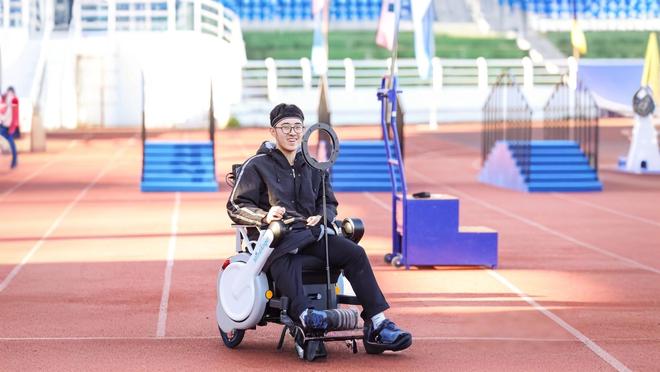
"心想事成"不再只是一句祝福 你可曾想过 而是一种真实的科技力量? 0:00 2024年11月,在浙江残疾人未来科技运动会上,一位残疾人运动员体验脑控轮椅。(研发团队供图) 自1973年这个概念诞生以来 脑机接口融合神经科学、材料学 (海报由AI生成) 有一种前沿技术 能在我们的大脑与外部设备之间 建立直接的信息通道 架起一座无形的"桥梁" 它将无形的脑电信号 转化为有形的交互指令 这,就是脑机接口 计算机科学等多学科智慧 正一步步从实验室走向我们的生活 中国信息通信研究院数据显示 我国脑机接口企业已突破200家 这项技术尤其为 卒中、脊髓损伤、孤独症等神经疾病患者 带来功能恢复的希望 0:00 (海报由AI生成) 在杭州 脑机接口产品化身为 一位耐心的"大脑AI私教" 它陪伴着13岁的孤独症女孩朵朵(化名) 走过了一年多的神经导航训练 朵朵的妈妈说 从机械的"复读" 到主动理解语境、表达需求 朵朵开始对接这个世界细小的声响与温度 那些一点一滴的变化 像一束束暖光照亮了家的日常 浙江大学求是高等研究院教授郑能干认为 脑机接口技术"以人为本、注重落地" 它的意义在于 帮助人们过上更加美好、更高质量的生活 "十五 ...

观察 | 万亿资金进场!2026年选对这几个赛道,比埋头努力更重要
未可知人工智能研究院· 2026-01-04 04:03
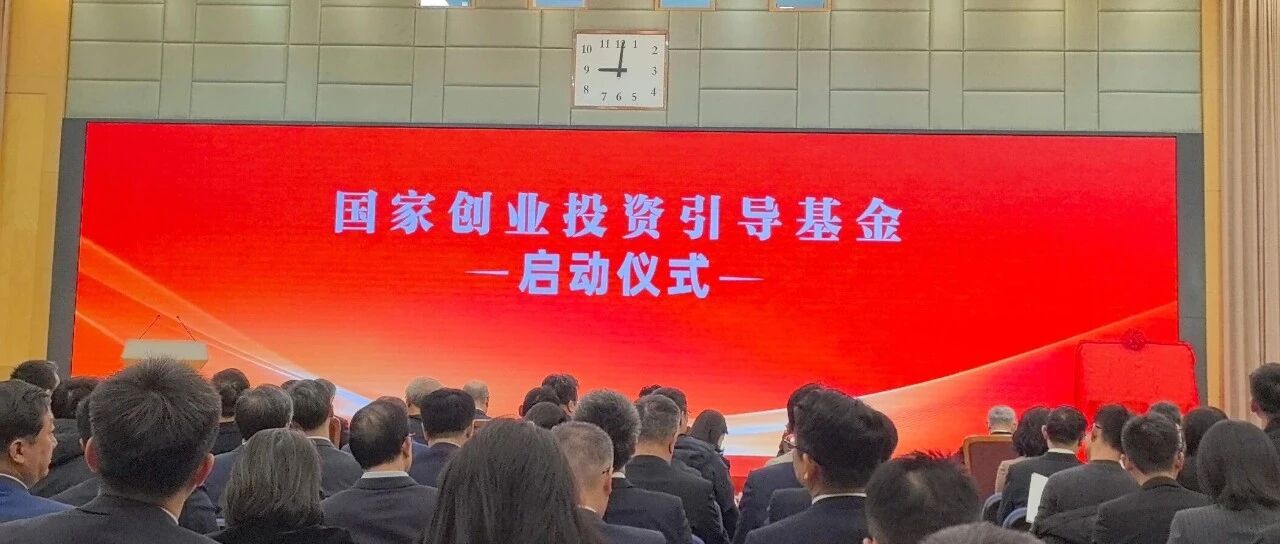
Group 1: Core Insights - The article discusses the launch of a national venture capital fund with a direct investment of 100 billion yuan to leverage over a trillion yuan in social capital, indicating a significant shift in the entrepreneurial landscape [1][2] - It emphasizes five key sectors that present real opportunities for wealth generation by 2026, highlighting the intersection of policy support and technological advancements [2][62] Group 2: Embodied Intelligence - The first opportunity is in embodied intelligence, specifically humanoid robots, with a notable company, UBTECH, reporting over 1.3 billion yuan in orders this year, surpassing the total industry sales from the previous year [7][8] - The article notes that 2025 is expected to be a financing year for embodied intelligence, while 2026 will focus on actual deliveries, with major companies like BYD and Foxconn placing orders [10][13] - Opportunities for ordinary entrepreneurs lie in components such as dexterous hands and sensors, as well as in robot maintenance and after-sales services, which are expected to become lucrative as robots are deployed in factories [15][18] Group 3: AI Application Layer - The second opportunity focuses on the AI application layer, particularly vertical industry AI tools, as the price war for large models has concluded, paving the way for a golden era of application [19][22] - Examples include an AI legal assistant that automates contract review for small businesses and an AI video editing tool for e-commerce, both demonstrating significant revenue potential [23][27] - The article advises against creating generic AI solutions and instead suggests developing specific industry applications that can save costs or generate revenue for businesses [29][30] Group 4: Low-altitude Economy - The third opportunity is in the low-altitude economy, projected to reach a market size of 3.5 trillion yuan, with recent developments like the launch of a manned eVTOL route between Shenzhen and Zhuhai [31][39] - Key opportunities include the development of supporting infrastructure such as landing pads and charging stations, as well as low-altitude logistics and tourism services [37][38] Group 5: Quantum Technology and Brain-Machine Interfaces - The fourth opportunity involves quantum technology and brain-machine interfaces, with the national venture capital fund focusing on these critical technologies [40][41] - There is potential for early-stage projects in quantum communication and medical rehabilitation using brain-machine interfaces, with significant market demand for rehabilitation services [44][45] - Entrepreneurs with access to medical or academic resources are encouraged to explore technology transfer services or invest in early-stage funds in these sectors [46][48] Group 6: Chinese Enterprises Going Global - The final opportunity is for Chinese enterprises to expand overseas, capitalizing on the significant market potential outside of China, particularly in Southeast Asia [50][51] - Successful examples include cross-border e-commerce and live-streaming sales, where Chinese products are in high demand due to a lack of local supply chains [52][53] - The article cautions that entering foreign markets requires understanding local regulations and consumer habits, suggesting partnerships with local experts or established companies [56][58]


海南省发展改革委党组书记、主任綦树利:推动开放成果“由树木变森林”
Hai Nan Ri Bao· 2026-01-04 01:13
Core Viewpoint - The Hainan Provincial Development and Reform Commission aims to establish Hainan Free Trade Port as a significant gateway for China's new era of opening up, focusing on high-quality economic and social development post-closure [1] Group 1: Economic and Trade Development - The commission will leverage high-level openness to create a new open economic structure, emphasizing investment liberalization and facilitation, and optimizing market access [1] - Measures will be taken to reduce the negative list for foreign investment and explore a collaborative model for domestic and foreign investment access [2] Group 2: Industrial Development - The commission plans to build a modern industrial system with Hainan characteristics, focusing on innovation-driven development and the "45432" framework [2] - Key industries will be supported to enhance their supply chains and upgrade, while new industries such as biomanufacturing and hydrogen energy will be prioritized [2] Group 3: Reform and Market Environment - Continuous efforts will be made to eliminate hidden barriers for private enterprises, particularly in market access and project approval [3] - The commission will reform investment and financing systems to increase the proportion of private and foreign investment [3] Group 4: Regional Coordination and Development - The strategy includes enhancing regional collaboration and integrating with international and domestic markets, particularly through the Belt and Road Initiative [3] - A new regional development pattern will be established, focusing on urban-rural integration and resource sharing [3] Group 5: Social Welfare and Public Services - The commission emphasizes a people-centered approach, aiming to improve public services and social security systems to enhance the well-being of residents [4] - Efforts will be made to ensure equitable access to basic public services and improve living conditions [4] Group 6: Safety and Risk Management - The commission will focus on economic security, identifying and preventing risks in key areas such as food and energy supply [5] - Initiatives will be implemented to enhance the "Smart Hainan" infrastructure and manage social expectations effectively [5]
津沽新势能
Xin Hua She· 2026-01-04 01:02
Group 1: Future Industries - Tianjin is accelerating the development of future industries, focusing on synthetic biology and brain-machine interfaces, with 29 national key laboratories established and nearly 280 national and ministerial innovation platforms created [3][4] - He Yuan Biotechnology Co., a cell therapy company, has received approval for two domestically produced CAR-T drug indications and plans to expand production capacity and global layout [3] - The Tianjin University laboratory has developed a brain-machine interface system that allows for "thought control" through cell-driven technology [3] Group 2: Emerging Industries - Lenovo's new innovation technology park in Tianjin aims to achieve a production value of over 30 billion yuan by 2028, marking a significant strategic move for the company [6] - Tianjin has implemented strong measures to develop six industrial chains, including hydrogen energy and biomedicine, contributing to 30% of the industrial output value during the 14th Five-Year Plan period [6][7] - The Tianjin Yun Yao Aerospace Technology Co. has successfully developed a ship energy efficiency data management system, enhancing its position in the maritime engineering data alliance [6] Group 3: Traditional Industries - The Tianjin intelligent manufacturing base of CNOOC Engineering showcases advanced production methods, achieving significant energy savings and carbon emission reductions through automation [9] - The traditional brand "Ziyang" has undergone a digital transformation, revitalizing its production capabilities with smart manufacturing technologies [9] - Tianjin has 243 national-level green manufacturing units, with 12 key industrial chains accelerating their transition towards high-end, intelligent, and green development [10]

马斯克宣布:量产脑机接口,手术全自动化
具身智能之心· 2026-01-04 00:32
Core Viewpoint - Neuralink, founded by Elon Musk, aims to mass-produce brain-machine interface devices by 2026, transitioning from laboratory to clinical applications, with a focus on simplifying the surgical process for implantation [1][10][42]. Group 1: Neuralink's Development Timeline - Neuralink was established in 2016, with significant milestones including animal experiments in 2019, demonstrations with a pig in 2020, and a monkey playing a game in 2021 [33][34][35][36]. - In 2023, Neuralink received FDA approval to conduct human clinical trials, marking a pivotal moment in its development [38]. - By September 2025, Neuralink had implanted devices in 12 patients, which increased to 20 by December of the same year [5][41]. Group 2: Surgical Process and Technology - The current surgical procedure for implanting the brain-machine interface involves complex steps, including the removal of part of the skull and the dura mater, which complicates scalability [8][9]. - Neuralink plans to simplify this process by allowing electrode wires to penetrate the dura mater without cutting it, reducing risks and costs associated with the surgery [12][14]. - This new "minimally invasive" approach is expected to lower the barriers for standardization and increase the accessibility of the technology [14]. Group 3: Market Potential and Applications - The demand for brain-machine interfaces is significant, particularly for treating neurological disorders such as paralysis, muscular atrophy, Parkinson's disease, dementia, and vision impairments [6][18]. - The first human volunteer for Neuralink's device, Noland Arbaugh, was able to post on social media and play video games post-surgery, showcasing the potential life-changing impact of the technology [19][22]. - If Neuralink successfully scales production and reduces surgical costs, it could transform the lives of many individuals with neurological conditions [23]. Group 4: Broader Implications and Future Vision - Beyond medical applications, Musk envisions Neuralink as a means for humanity to keep pace with advanced AI, suggesting that a high-bandwidth interface could prevent humans from becoming obsolete [25][27]. - The potential for individuals to update their skills through direct brain connections to the internet could lead to unprecedented advancements in human civilization [28].