化妆品

Search documents
厦门汐时化妆品有限公司成立 注册资本5万人民币
Sou Hu Cai Jing· 2025-12-17 02:11
Group 1 - Xiamen Xishi Cosmetics Co., Ltd. has been established with a registered capital of 50,000 RMB [1] - The legal representative of the company is Chen Sihao [1] - The business scope includes retail and wholesale of cosmetics, IoT technology research and development, and various consulting services [1] Group 2 - The company is involved in the sale of personal hygiene products, daily necessities, and home goods [1] - It also engages in the wholesale and retail of medical protective supplies and disposable medical products [1] - Additional services include advertising production, professional design services, and digital content production [1]
芜湖果派化妆品有限公司成立 注册资本3万人民币
Sou Hu Cai Jing· 2025-12-17 02:05
天眼查App显示,近日,芜湖果派化妆品有限公司成立,法定代表人为方燕燕,注册资本3万人民币, 经营范围为一般项目:化妆品零售;化妆品批发;网络技术服务;物联网技术服务;信息技术咨询服 务;技术服务、技术开发、技术咨询、技术交流、技术转让、技术推广;个人卫生用品销售;互联网销 售(除销售需要许可的商品);美发饰品销售;日用杂品销售;文具用品零售;文具用品批发;办公用 品销售;体育用品及器材零售;服装服饰零售;卫生用品和一次性使用医疗用品销售;日用百货销售; 日用家电零售;日用品销售;户外用品销售(除许可业务外,可自主依法经营法律法规非禁止或限制的 项目)。 ...
芜湖甄妍化妆品有限公司成立 注册资本3万人民币
Sou Hu Cai Jing· 2025-12-17 02:05
天眼查App显示,近日,芜湖甄妍化妆品有限公司成立,法定代表人为方燕燕,注册资本3万人民币, 经营范围为一般项目:化妆品批发;化妆品零售;个人卫生用品销售;卫生用品和一次性使用医疗用品 销售;互联网销售(除销售需要许可的商品);日用杂品制造;日用杂品销售;特种陶瓷制品销售;服 装服饰批发;日用品批发;日用品销售;文具用品零售;文具用品批发;办公用品销售;体育用品及器 材零售;医用口罩零售;服装服饰零售;体育用品及器材批发;日用百货销售(除许可业务外,可自主 依法经营法律法规非禁止或限制的项目)。 ...
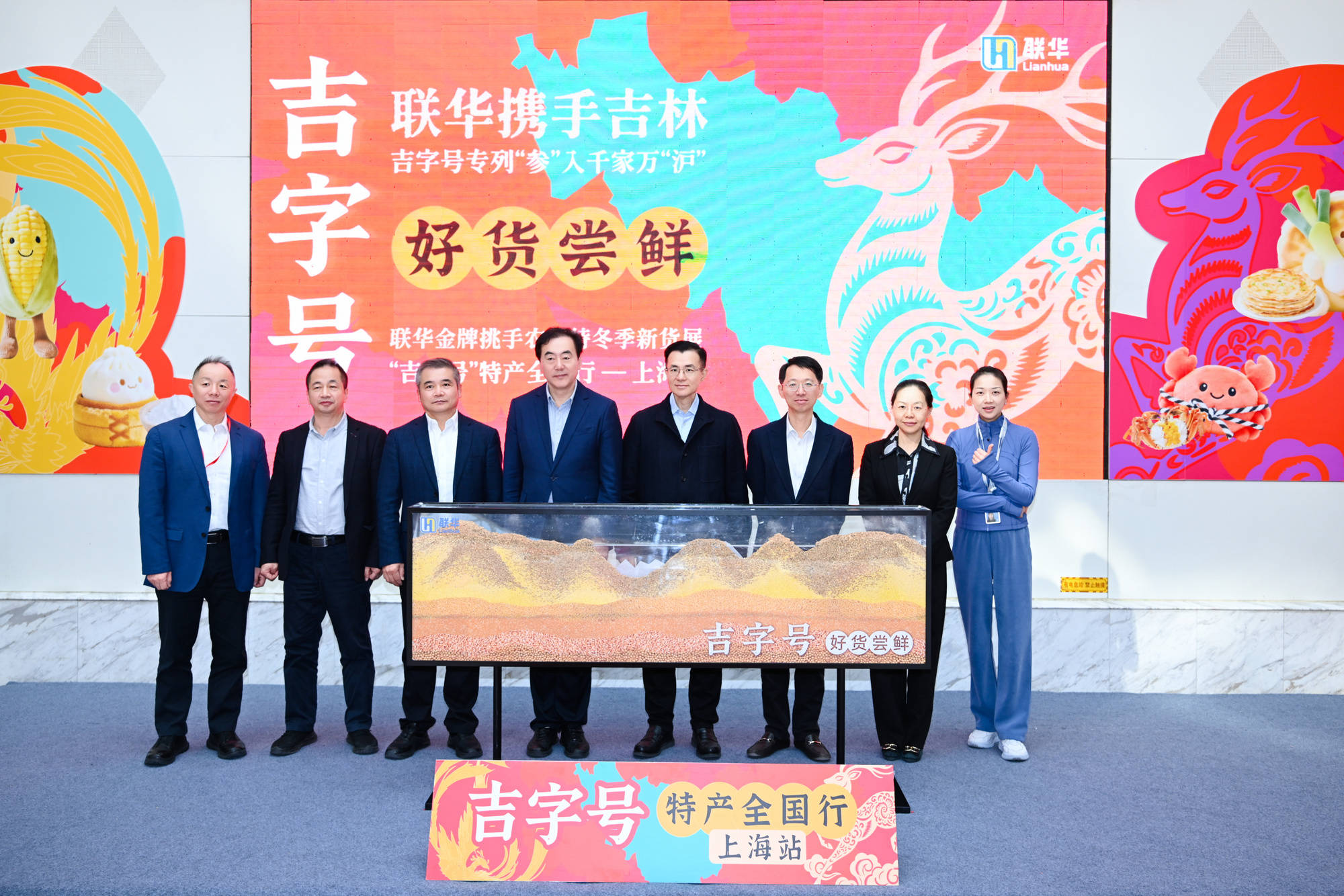
“吉字号”特色产品上海行活动启动
Sou Hu Cai Jing· 2025-12-16 22:56
Group 1 - The event "Jizhao" specialty products Shanghai tour is held from December 16 to 22, aiming to promote regional collaborative development and meet high-quality living demands of the public [1][4] - A total of 35 enterprises from Jilin province are participating, showcasing over 300 products at Shanghai Lianhua Supermarket, establishing a retail network for "Jizhao" products from core business districts to community stores [1][4] - The event highlights the Long White Mountain ginseng as a key product, which has developed a comprehensive product system including health foods and cosmetics, catering to modern consumer needs [3][5] Group 2 - The event serves as a platform to create a stable and efficient supply chain from Long White Mountain to Shanghai, providing more green and healthy specialty products to enrich consumer choices [4][5] - Key enterprises such as Changbai Mountain Daily Chemical and Zhonglu Group promoted their products during the event, and cooperation agreements were signed with Shanghai Lianhua Supermarket [5] - Jilin province plans to continue promoting "Jizhao" specialty products, expanding collaborations with regions like Zhejiang, Guangdong, and Fujian to enhance market presence and support rural revitalization [5]

上海博兰纳化妆品有限公司成立 注册资本10万人民币
Sou Hu Cai Jing· 2025-12-16 21:14
天眼查App显示,近日,上海博兰纳化妆品有限公司成立,法定代表人为施乐,注册资本10万人民币, 经营范围为一般项目:化妆品批发;化妆品零售;日用百货销售;个人卫生用品销售;日用杂品销售; 新鲜水果批发;消毒剂销售(不含危险化学品);农副产品销售;家用电器销售;鞋帽批发;服装服饰 批发;日用化学产品销售;机械设备销售;互联网销售(除销售需要许可的商品);第一类医疗器械销 售;会议及展览服务(出国办展须经相关部门审批);技术服务、技术开发、技术咨询、技术交流、技 术转让、技术推广;信息咨询服务(不含许可类信息咨询服务);品牌管理;市场营销策划;企业管 理;广告设计、代理;广告发布;广告制作;国内贸易代理;数据处理和存储支持服务。(除依法须经 批准的项目外,凭营业执照依法自主开展经营活动)。 ...
上海蜜梵娅化妆品有限公司成立 注册资本1万人民币
Sou Hu Cai Jing· 2025-12-16 21:14
天眼查App显示,近日,上海蜜梵娅化妆品有限公司成立,法定代表人为余金江,注册资本1万人民 币,经营范围为一般项目:化妆品批发;服装服饰批发;化妆品零售;互联网销售(除销售需要许可的 商品);日用百货销售;日用品销售;网络设备销售;个人卫生用品销售;卫生用品和一次性使用医疗 用品销售;第一类医疗器械销售;家居用品销售;礼仪服务。(除依法须经批准的项目外,凭营业执照 依法自主开展经营活动)。 ...
柬国家标准委员会通过了60项新的和修订的标准
Shang Wu Bu Wang Zhan· 2025-12-16 16:25
Core Points - The National Standards Committee approved 60 new and revised standards during its 32nd council meeting, covering key sectors such as construction, chemicals, energy management, electrical and electronic products, automotive systems, cosmetics, wood products, and textiles [1] - The approved standards include 50 new international ISO and IEC standards, 1 revised Cambodian standard, and 9 amendments, all of which underwent rigorous review by relevant technical committees [1] - The adoption of these standards is crucial for Cambodia's industrial transformation, enhancing the country's commitment to innovation, safety, and sustainable development, thereby improving competitiveness in advanced manufacturing and emerging technologies [1] Industry Impact - The new standards align Cambodia with international best practices, supporting the country's goal of developing a safer, greener, and more competitive industrial economy [1] - The Minister of the National Security Council, Hem Vanndy, emphasized the importance of modern standards in driving Cambodia's industrial transformation and urged council members to raise awareness and understanding of the adopted standards within their respective sectors [1]
美银上调雅诗兰黛目标价至130美元,列入美股首选名单
Ge Long Hui· 2025-12-16 15:27
美银证券将雅诗兰黛的目标价从120美元上调至130美元,并将该股列入美股首选名单"US 1 List",维 持"买入"评级。(格隆汇) ...
社零数据点评:11月社零+1.3%,政策加码拉动内需回暖
HUAXI Securities· 2025-12-16 15:01
Investment Rating - Industry rating: Recommended [5] Core Views - The report highlights a recovery in domestic demand driven by policy support, particularly in the real estate sector, which is expected to stabilize [2][3] - The consumer goods sector, particularly home furnishings and cosmetics, is anticipated to benefit from increased consumption policies and a recovering real estate market [3][4] Summary by Relevant Sections Retail Data - In November 2025, the total retail sales growth was +1.3%, lower than the expected +2.9%. Cumulatively, from January to November 2025, retail sales increased by +4.0% year-on-year [1][13] - Specific categories showed varied performance: furniture sales decreased by -3.8%, while cultural office supplies and cosmetics grew by +11.7% and +6.1%, respectively [1][11] Real Estate Sector - The real estate market continues to face challenges, with new housing starts, completions, and sales all showing significant year-on-year declines in November 2025, at -26.8%, -28.0%, and -19.1%, respectively [2][32] - However, there are signs of improvement in the month-on-month data, indicating potential stabilization in the market [2] Home Furnishings - The home furnishings sector is expected to gain momentum due to ongoing policy support and a recovering real estate market, which will stimulate demand for home upgrades [3][9] Cosmetics - The cosmetics sector is experiencing a recovery, with retail sales for January to November 2025 reaching 428.5 billion yuan, a year-on-year increase of +4.8%. November sales alone were 46.8 billion yuan, up +6.1% year-on-year [4][24] Gold and Jewelry - The gold and jewelry sector saw retail sales of 341.4 billion yuan from January to November 2025, reflecting a +13.5% year-on-year increase. November sales were 29.2 billion yuan, up +8.5% year-on-year, driven by rising gold prices [8][28] Investment Recommendations - Recommended companies in the home furnishings sector include Oppein Home, Kuka Home, and others, which are expected to outperform due to their strong brand and market position [9] - In the cosmetics sector, domestic brands like Runben and others are highlighted for their growth potential through diversified product strategies [9]
日本彻底破防!中国尚未制裁,日本股市先崩了?
Sou Hu Cai Jing· 2025-12-16 14:17
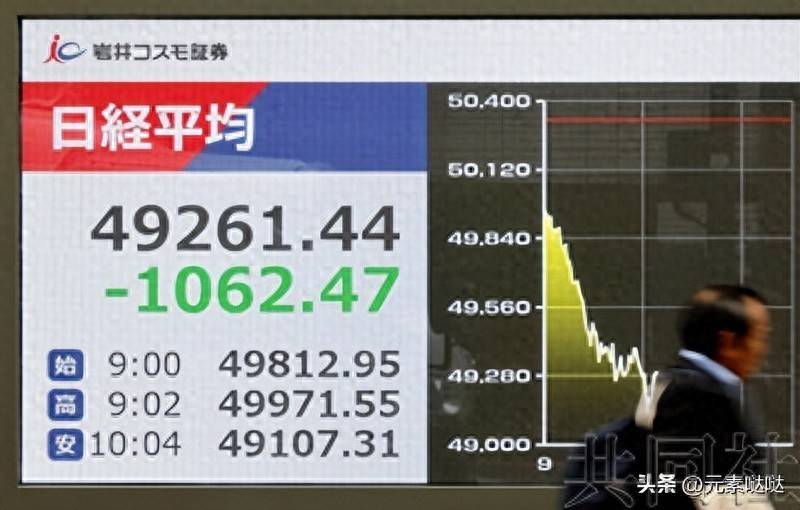
日本股市这两天可不太平静,日经225指数一天就跌了差不多3%,算下来跌了超过1000点。消费和旅游相关的公司股票摔得尤其厉害,像大家 熟悉的资生堂,股价跌了超过11%,好几家百货和零售企业也跌了快10%,连东京迪士尼和优衣库的母公司股价都跟着往下走。 这波市场震动,不少分析都指向了近期日本一些政治人士在台湾问题上的不当言论。虽然官方还没出台具体措施,但咱们这边很多老百姓的 情绪已经体现在了出行和消费的选择上。再加上中国相关部门最近发布了关于去日本旅游和留学的提醒,确实让不少人的赴日计划按下了暂 停键。 有意思的是,网络上有些日本网友觉得,中国游客减少或许是件好事,能缓解当地的拥挤。但现实数据摆在眼前:光是今年前九个月,中国 赴日游客就已经超过700万人次,比东南亚所有国家加起来的游客还要多。有搞旅游研究的人算了笔账,如果中国游客数量大幅下降,可能导 致日本国内生产总值下滑大约0.36%,经济损失估计能有2.2万亿日元左右。 | | | | 総数 Total | | | 総数 Total | | | --- | --- | --- | --- | --- | --- | --- | --- | | 国·地域 | ...