医疗服务

Search documents
医疗服务板块1月15日跌1.1%,泓博医药领跌,主力资金净流出23.47亿元
Zheng Xing Xing Ye Ri Bao· 2026-01-15 08:59
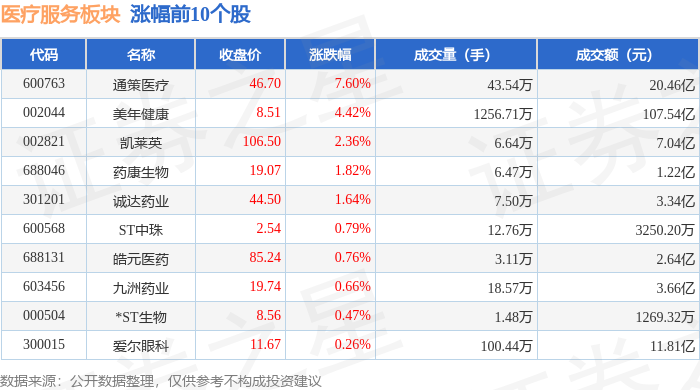
| 代码 | 名称 | 收盘价 | 涨跌幅 | 成交量(手) | 成交额(元) | | | --- | --- | --- | --- | --- | --- | --- | | 600763 | 通策医疗 | 46.70 | 7.60% | 43.54万 | | 20.46 Z | | 002044 | 美年健康 | 8.51 | 4.42% | 1256.71万 | | 107.54亿 | | 002821 | 凯莱英 | 106.50 | 2.36% | 6.64万 | | 7.04亿 | | 688046 | 药康生物 | 19.07 | 1.82% | 6.47万 | | 1.22亿 | | 301201 | 诚达药业 | 44.50 | 1.64% | 7.50万 | | 3.34亿 | | 600568 | ST中珠 | 2.54 | 0.79% | 12.76万 | | 3250.20万 | | 688131 | 皓元医药 | 85.24 | 0.76% | 3.11万 | | 2.64亿 | | 603456 | 九洲药业 | 19.74 | 0.66% | 18.57万 | | 3.66亿 ...

中日友好医院来广营院区今年有望竣工
Xin Jing Bao· 2026-01-15 08:53
教育方面,今年,朝阳区将实现十一学校朝阳实验学校初中部、人大附中朝阳学校朝阳港校区义教部顺 利建成投用,可新增学位4440个。同时,朝阳区拟纵深推进"大思政"综合改革,打造全学段贯通、多维 度融合的思政教育资源矩阵。 养老方面,今年朝阳区拟建设区域养老服务中心2家。同时,依托三级网络推动机构服务向居家延伸, 统筹发展家庭养老床位,引入专业力量提供康复陪诊、助浴助洁等服务,构建"专业机构+家庭床位+上 门服务"体系。朝阳区将继续推进适老化改造与家庭照护培训,2026年建设家庭养老照护床位1000张。 "十五五"期间,朝阳区将建立城乡一体化、布局合理、可持续发展的助餐服务网络,推广助餐服务一码 通办,2026年拟新建10家老年餐桌。同时加强质量监管,采用线上线下(300959)结合方式确保老年餐 食标准,让更多老年人在家门口就能享受到优质餐饮服务。在提升居家养老品质方面,朝阳区将试点打 造老龄友好智慧体验场景,打造符合老年人生活习惯及需求的智慧居家养老样板空间,让科技创新更好 地服务于老年生活。 新京报讯(记者吴婷婷)1月15日,记者从2026年朝阳区"两会"新闻发布会获悉,将推动中日友好医院 来广营院区装修改造 ...
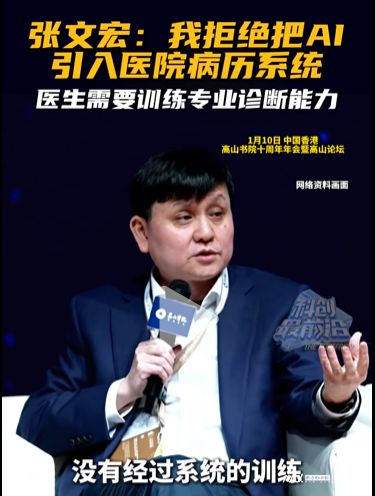
张文宏拒绝把AI引入病历系统,同行们“吵”起来了
Nan Fang Du Shi Bao· 2026-01-15 08:53
Core Viewpoint - The introduction of AI in medical record systems is controversial, with concerns about its impact on the training of young doctors and the potential for AI errors [3][11][12] Group 1: AI in Medical Training - Zhang Wenhong, a prominent figure in infectious disease medicine, refuses to integrate AI into medical record systems, arguing it could disrupt the training of young doctors who need systematic training to diagnose diseases [3] - Some young doctors believe that traditional methods of medical education are outdated in the AI era, suggesting that AI can accelerate learning and enhance clinical skills [9] - The debate centers around whether AI can effectively replace the hands-on training traditionally provided by experienced doctors [6][9] Group 2: AI Applications in Healthcare - AI has been applied in various healthcare scenarios, with over 80 recommended applications outlined by the National Health Commission, including intelligent diagnostic assistance in medical imaging and clinical decision-making [4] - The most common application is in medical imaging, with 73 cases reported, followed by clinical decision support for specific diseases and intelligent medical record generation [4][5] - AI tools are reported to significantly improve efficiency in tasks such as medical record writing and patient history organization, reducing time spent on these activities [5][6] Group 3: Concerns About AI Errors - There are significant concerns regarding the potential for AI to make mistakes, particularly when young doctors may lack the experience to identify these errors [11][12] - Some AI systems have demonstrated lower error rates than human doctors in specialized fields, but issues remain, such as the inability to access external databases for real-time corrections [11][12] - The responsibility for AI errors is a critical issue, with the consensus that users must possess the knowledge to verify AI outputs [12]
全域覆盖、分级提质,山东织牢儿童健康“安全网”
Qi Lu Wan Bao· 2026-01-15 08:22
山东省卫生健康委妇幼健康处处长刘琳介绍,儿童健康牵动着万千家庭的心,我省始终把保障儿童健康 放在优先位置,从资源供给、能力提升、高峰保障三大维度发力,全力织密儿童健康守护网。 儿科门诊"全域覆盖、应设尽设" 完善网络,全省现有儿童专科医院11家,设置儿科的医疗机构4606家,二级以上公立综合医院、妇幼保 健机构全部提供儿科服务,每千名儿童床位数达到2.7张。持续开展儿童友好医院建设,优化空间布局 和服务流程,有效提升服务质量。 强化基层,全省乡镇卫生院、社区卫生服务中心实现儿科服务全覆盖,定期公布服务机构名单、地址、 联系方式等,方便患儿及时就近就医。 建强队伍,财政给予专项资金支持,每年组织儿科医师转岗培训,二级以上妇幼保健机构全部实现儿童 保健医师到儿科轮岗,全省儿科医师数达到1.7万名。 儿科服务"提质培优、分级赋能" 齐鲁晚报·齐鲁壹点记者 秦聪聪 1月15日,山东省卫生健康委举行新闻发布会,介绍2025年度全省卫生健康系统为民服务成效。 提高县域服务能力,全省现有县域儿科专业国家薄弱专科建设项目4个、省级重点专科24个,每个县 (市)确定1家卫生院做强儿科特色专科,2025年全省县域儿科(住院)就诊 ...
医疗ETF(159828)涨超2.7%,创新与国际化驱动估值重估
Mei Ri Jing Ji Xin Wen· 2026-01-15 08:18
Group 1 - The core viewpoint is that brain-computer interfaces (BCIs) are at the critical point of industrialization, with significant support from major countries like China and the U.S. [1] - The "14th Five-Year Plan" in China identifies BCIs as one of the six future industries, with goals set for technological breakthroughs by 2027 and the formation of an industrial ecosystem by 2030 [1] - The global brain market is projected to reach $7.63 billion by 2029, indicating a rapidly emerging market opportunity [1] Group 2 - The medical field is currently the most mature and largest commercial application area for BCIs, with clinical trials in China covering diseases such as stroke rehabilitation and quadriplegia [1] - Policy support, including medical insurance pricing, is expected to facilitate the deployment of related devices in the healthcare sector [1] - China is making significant progress in invasive and semi-invasive BCI technologies, with notable advancements in flexible electrode technology and Chinese language decoding [1] Group 3 - Investment in the pharmaceutical sector should focus on the intrinsic logic of clinical value, particularly in innovative medical devices, high-end equipment, and high-value consumables [1] - The medical ETF (159828) tracks the CSI Medical Index (399989), which includes listed companies in medical devices, services, and information technology, reflecting the overall performance of China's medical theme stocks [1] - The index consists of approximately 50 constituent stocks, concentrated in the healthcare sector, characterized by high growth potential and volatility [1]
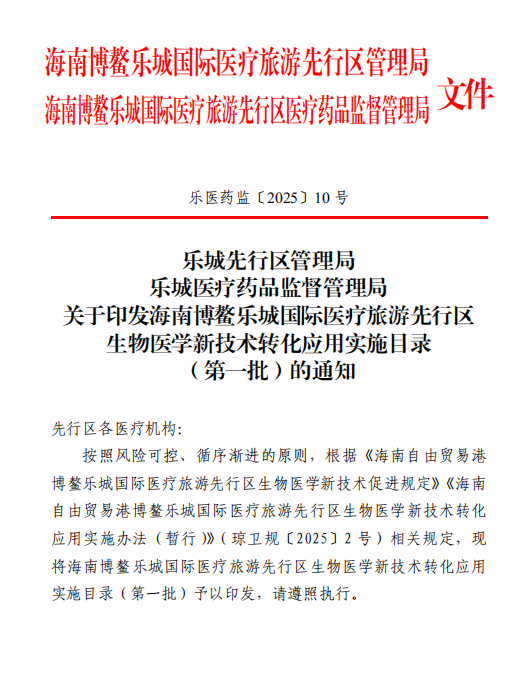
海南帝湾医院获批开展干细胞治疗膝骨关节炎转化应用项目
Sou Hu Wang· 2026-01-15 07:54
Group 1 - The technology utilizes cells from a leading innovative stem cell therapy company in China, with a core team experienced in cell therapy and related cutting-edge technologies, having published multiple academic papers in top-tier research institutions like Yale and Harvard [2] - The company has established a standardized technical system for process design, critical quality attribute (CQA) control, and QC/QA release processes, achieving international advanced levels in the development and production of various cell therapy products [2] - The company has undertaken multiple national-level research projects, creating a complete technology platform around key aspects of the cell therapy industry chain, including cell separation, purification, large-scale expansion, formulation process development, quality control, and safety evaluation [2] Group 2 - Hainan Diwan Hospital leverages the "pilot and trial" policy advantages of the Boao Lecheng International Medical Tourism Pilot Zone to promote the implementation of this technology, becoming a leading project in clinical application scale and patient acceptance since its approval in February 2025 [4] - The hospital is recognized as a high-end medical institution in the fields of regenerative medicine, gut microbiome, and new biomedicine technologies, collaborating deeply with top national medical resources and establishing strategic partnerships with institutions like Shanghai Ruijin Hospital [4] - The hospital has formed a long-term strategic cooperation mechanism with several academicians from the Chinese Academy of Sciences and the Chinese Academy of Engineering, continuously advancing original technology transformation and clinical application in regenerative medicine and gut microbiome [4] Group 3 - The establishment of the "Boao Lecheng Innovative Orthopedic New Technology Research Institute" aims to integrate national-level authoritative academic resources and gather innovative technologies, clinical experiences, and research results in orthopedics [6] - The stem cell treatment project for knee osteoarthritis (KOA) has gained significant attention and professional support from top orthopedic experts, addressing the challenges of limited drug efficacy and controversial surgical interventions in treating KOA [6] - The hospital plans to continuously introduce safe, effective biomedical innovations with independent intellectual property rights, enhancing the application capabilities of new biomedical technologies and promoting high-quality development in high-end medical and biomedicine industries [6]
北京大学国发院李玲:“健康中国”或将为人类健康做出中国式原创贡献
Xin Lang Cai Jing· 2026-01-15 04:29
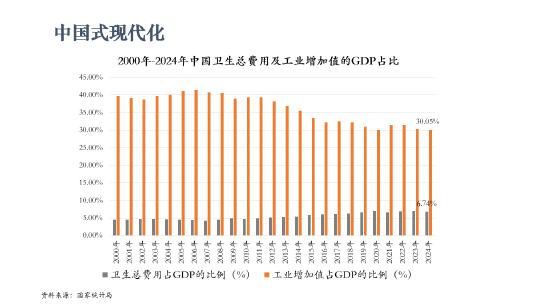
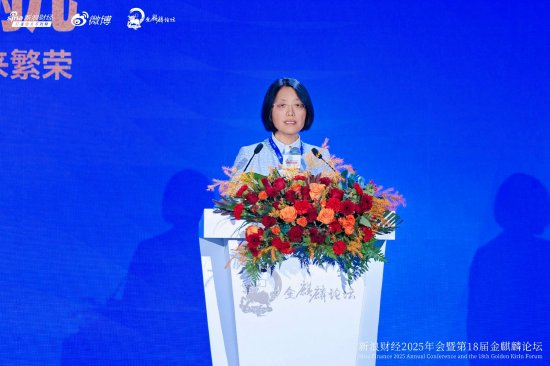
Core Insights - The "Sina Finance 2025 Conference and the 18th Golden Unicorn Forum" will be held on January 15, 2026, in Beijing, focusing on the theme of "Starting the 14th Five-Year Plan, New Economic Voyage - Reshaping Growth Paradigms, Creating Future Prosperity" [1][9] - Li Ling, a prominent figure in China's economic and health sectors, highlighted the achievements and challenges of China's healthcare system, emphasizing the need for a shift from a disease-centered approach to a health-centered paradigm [4][12] Healthcare Spending - In 2024, China's total health expenditure is estimated at 90,895.5 billion yuan, with government spending accounting for 24.9%, social spending for 47.6%, and personal spending for 27.5% [1][9] - The per capita health expenditure is 6,454.4 yuan, and the total health expenditure as a percentage of GDP is 6.7%, marking a significant decline below 7% for the first time [1][9] Challenges and Opportunities - The aging population presents significant challenges, necessitating a focus on disease prevention rather than treating aging as a disease [4][12] - The "Healthy China" national strategy prioritizes health as a key indicator of socialist modernization, advocating for a preventive approach to health [4][12] Systemic Changes in Healthcare - The government is promoting a systemic approach to healthcare, integrating county, township, and village services into a cohesive "health community" model, moving away from hospitals competing for patient revenue [5][13] - The "Sanming Model" aims to incentivize hospitals and doctors to manage patients' health proactively, with a nationwide rollout planned within four years [5][13] Emerging Health Industry - The integration of healthcare, pharmaceuticals, green food, wellness, and elderly care is expected to create a new "big health" industry, which could surpass the real estate sector in scale [5][13] - This industry is seen as a lifelong necessity for individuals, with potential benefits extending beyond China to serve global health needs [5][13] Future Health Management - The envisioned future health model includes a personal health code system, supported by AI for continuous health management throughout an individual's life [6][14] - The "Healthy China" and "Smart Health" initiatives are positioned as new development models that will contribute significantly to global health, leveraging China's historical wisdom and modern technological advancements [6][14]
李玲详解“三明模式”:让医院“老百姓越健康越赚钱”而非“病人越多越赚钱”
Xin Lang Cai Jing· 2026-01-15 04:23
Group 1 - The core theme of the "2025 Sina Finance Annual Conference and the 18th Golden Unicorn Forum" is "Fifteen Five Opening, Economic New Voyage - Reshaping Growth Paradigms, Co-creating Future Prosperity" [1][12] - Li Ling, a prominent figure in the economic committee, emphasized that China is currently the world's strongest industrialized nation and has made significant progress in healthcare reform [3][14] - The total national health expenditure for 2024 is preliminarily estimated at 90,895.5 billion yuan, with government health spending at 24.9%, social health spending at 47.6%, and personal health spending at 27.5% [3][14] Group 2 - The aging population presents a significant challenge, necessitating a shift from treating diseases to preventing them [6][17] - The "Healthy China" national strategy is prioritized as it signifies the modernization of socialism, focusing on health rather than illness [7][18] - The government is integrating health into all policies, addressing various factors affecting health, including lifestyle, environment, and healthcare systems [7][18] Group 3 - The healthcare system is transitioning to a more integrated model, promoting a "health community" approach where hospitals work collaboratively rather than independently [7][19] - The "Sanming Model" is being promoted nationwide within four years, incentivizing healthcare providers to focus on disease prevention [7][19] - The aging population also presents opportunities for a new "health+" development paradigm, merging healthcare, wellness, and technology into a large health industry [8][19] Group 4 - The future health model includes a personal health code system managed by AI, ensuring comprehensive health management throughout an individual's life [10][21] - The "Healthy China" initiative is seen as a new development model and a significant contribution to global health, leveraging China's historical wisdom and modern technology [10][21] - The challenges faced by the U.S. in healthcare present an opportunity for China to lead in health solutions, integrating various advantages to contribute to global health [10][22]

大行评级|花旗:维持药明康德“买入”评级 管理层对今年展望正面
Ge Long Hui· 2026-01-15 03:47
Core Viewpoint - Citigroup reports that WuXi AppTec's co-CEO Chen Minzhang provided insights at a U.S. healthcare conference, indicating that the company expects its organic growth in 2026 to be at least on par with 2025, with a projected annual growth rate of 16% and a continuous business growth rate of 21.4% [1] Group 1: Financial Outlook - The CFO anticipates improvements in profit margins due to ongoing optimization of manufacturing processes, increased capacity utilization, and operational efficiency, along with benefits from divesting certain business segments [1] - WuXi AppTec's TIDES (oligonucleotide and peptide) business is expected to see significant growth, with management projecting a more than 90% year-on-year increase in TIDES revenue for 2025 [1] Group 2: Capacity Expansion and Market Position - The company completed an expansion of solid-phase peptide capacity to 10,000 liters in Q3 2025 and plans further expansion in 2026 [1] - As of Q3 2025, WuXi AppTec holds a 16% market share in global clinical-stage innovative drug projects related to GLP-1, with 24 GLP-1 projects currently in progress [1] Group 3: Investment Rating - Citigroup maintains a "Buy" rating for WuXi AppTec, setting a target price of HKD 142, citing the company's strong market leadership in core business areas [1]

解码健康长寿,共话财富未来——百年人寿与商康会联合举办企业家健康与财富深度沙龙
Sou Hu Cai Jing· 2026-01-15 03:35
Core Insights - The event focused on the intersection of health longevity management and wealth opportunities, providing entrepreneurs with insights into sustainable wealth and high-quality life [1][4] Group 1: Event Overview - The event was co-hosted by Baonian Life and the Yangtze Business School Alumni Association Health Industry Committee, emphasizing the importance of health and wealth for entrepreneurs [1][4] - The aim was to create a platform for deep exchanges on health management and wealth wisdom, helping entrepreneurs manage their "life assets" scientifically [4] Group 2: Scientific Insights - Professor Xiao Junhua discussed telomere science, explaining its role in cellular aging and its applications in assessing physiological age and disease risk [5] - He clarified common misconceptions about telomere protection and shared methods to slow aging, including nutritional adjustments and stress management [5] Group 3: Health Management Innovations - Yang Zhenhua, Assistant President of Baonian Life, highlighted the importance of quality of life in longevity, proposing a proactive health management system [7] - He discussed a comprehensive health management model that integrates health services and insurance, focusing on cardiovascular and mental health [7] Group 4: Investment Insights - Duan Mingjie, founder of AgeClub, presented insights on the "longevity economy" as a new growth engine, analyzing trends in the silver economy and health industry investments [9] - He provided a forward-looking investment roadmap based on the dynamics of the health industry [9] Group 5: Interactive Experience - The event featured hands-on experiences with cutting-edge health technologies, including telomere testing, allowing participants to assess their biological age [10] - An AI health assessment area offered integrated services for quick health evaluations, aiding in personal health management decisions [11] Group 6: Participant Feedback - Attendees praised the event for combining cutting-edge life sciences with practical health management and investment opportunities, providing new perspectives for planning health and longevity [15] Group 7: Future Collaboration - The successful event marks the beginning of a deeper collaboration between Baonian Life and the Health Industry Committee, aiming to create a series of sustainable brand activities focused on health and wealth [16] - Baonian Life plans to continue introducing innovative practices and solutions to enhance the quality of life for entrepreneurs [16]